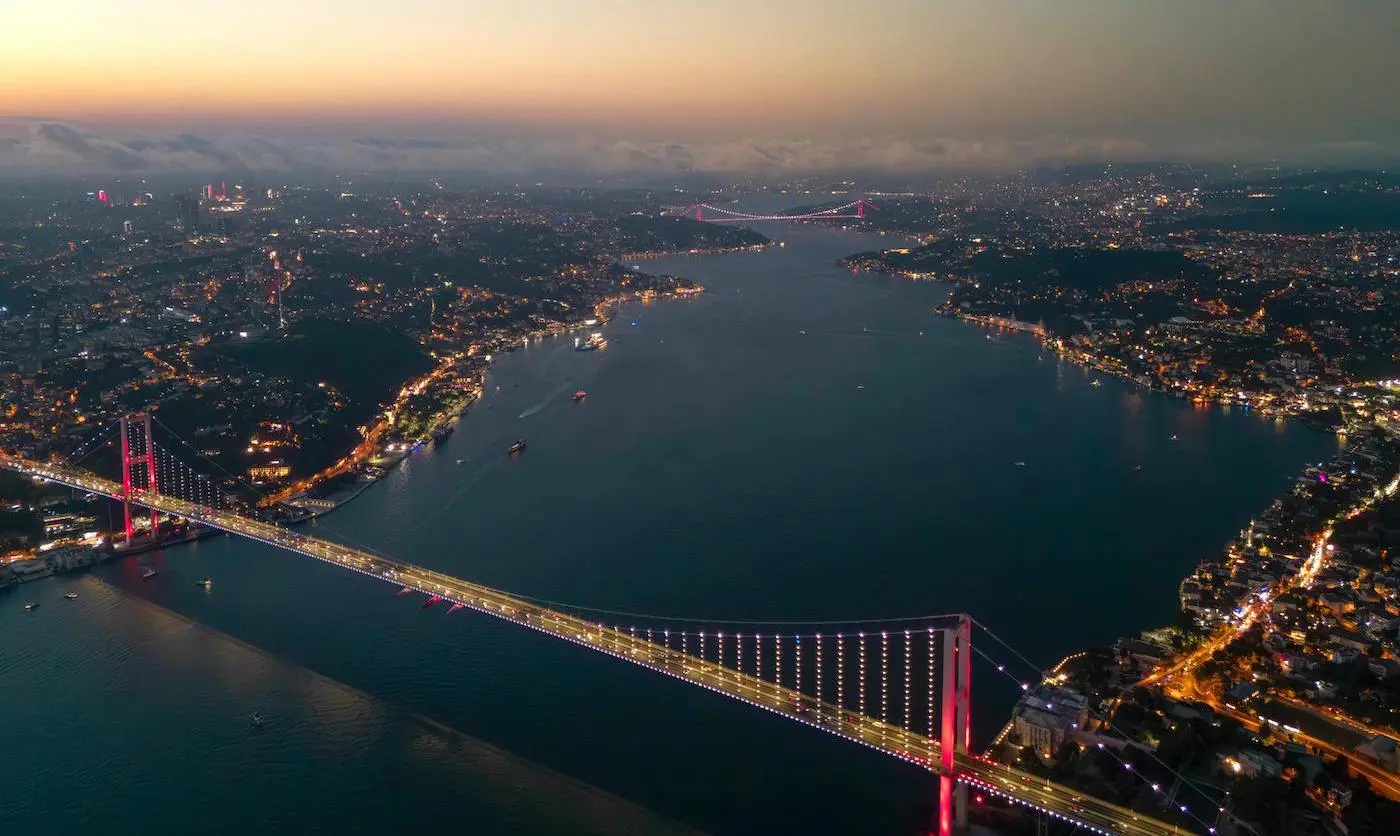
There is a reason the world’s most powerful investors are paying attention to Turkey, and it is not a new reason. It is an ancient one, finally backed by modern policy. This land has always been the centre. The Bosphorus is the only maritime passage between the Black Sea and the Mediterranean. Three of the world’s most critical energy corridors run through Turkish territory. Istanbul has been the hinge point between East and West for three millennia, the city where continents, civilisations and trade routes have always converged.
As regional conflict reshapes Gulf trade routes and geopolitical certainty becomes the world’s scarcest commodity, Turkey’s position has not merely held, it has appreciated. What follows is not just a real estate story. It is a story about a country reclaiming its rightful place at the centre of everything – and what that means for the investors who recognise it before everyone else does.
Summary
Istanbul’s Urban Regeneration Zones are becoming one of Turkey’s most important property investment themes. With 2026 investor reforms, proposed mortgage changes, Turkish residency and citizenship thresholds, and the Istanbul Finance Center, districts such as Kagithane and Eyup Sultan could sit at the centre of Turkey’s next investment window.
Key Takeaways: Istanbul Regeneration and 2026 Reforms
In late April 2026, Ankara unveiled the most ambitious investor reform package in the country’s modern history: zero tax on foreign income for twenty years, a 9% corporate tax rate for manufacturer exporters, and a Turkish Citizenship by Investment pathway at $400,000 USD. Simultaneously, Turkey is advancing long-awaited mortgage legislation modelled on European standards: 20 to 25-year terms, low deposits, and accessible financing for a market that has historically operated almost entirely on cash.
The collision of these two forces – institutional capital flowing in and domestic purchasing power finally unlocked – points to one place above all others: Istanbul’s Urban Regeneration Zones.
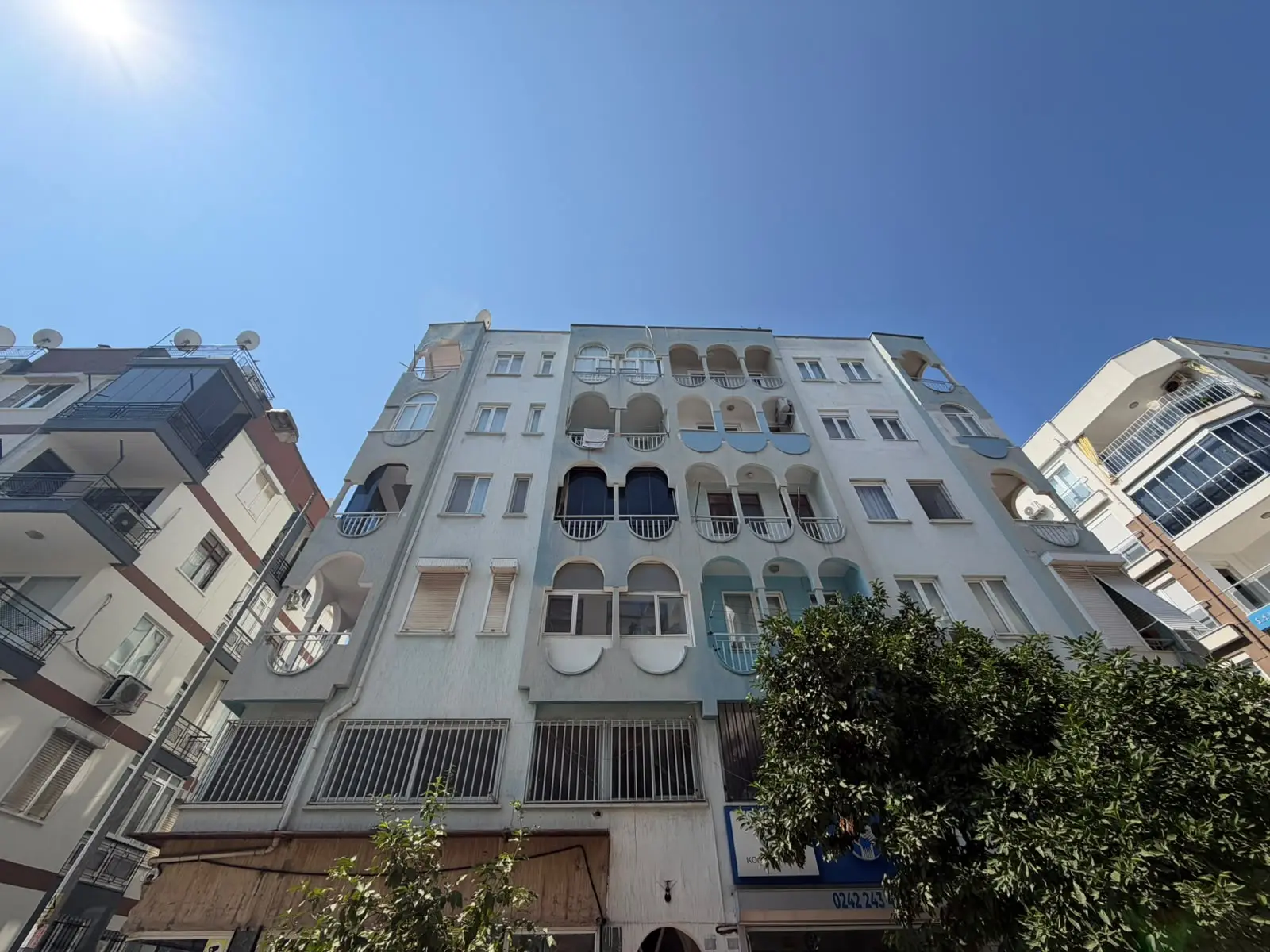
Over 6.5 million buildings across Turkey require seismic retrofitting. The vast majority sit in Istanbul. These are not peripheral wastelands, they are the bones of one of the world’s great cities, ripe for transformation. A city where two continents meet across a shimmering strait. Where 8,000 years of continuous civilisation have layered Byzantine domes over Roman foundations over something far older still. A place that has never, in any era of human history, stopped being important.
New mortgage infrastructure means first-time local Turkish buyers can enter the market. Reform-driven capital inflows mean international investors are looking for a home. Istanbul’s Regeneration Zones sit at the intersection of both. The window is open. The question is not whether Istanbul transforms, it is whether you are positioned before it does.
The Mortgage Revolution – And Why Young Buyers Move First
For decades, buying property in Turkey meant one thing: cash. Mortgage terms rarely exceeded ten years, interest rates made monthly payments punishing, and deposit requirements shut out an entire generation. Turkey’s median age is 32. That generation has been waiting.
That is now changing. In 2025, the government announced plans to extend mortgage terms to 25 years, matching European norms. Mortgage-backed sales are already responding, transactions rose 35.9% in early 2026, even before the full reform framework is in place. When long-term, low-deposit financing becomes standard, the arithmetic of ownership shifts for young urban professionals.
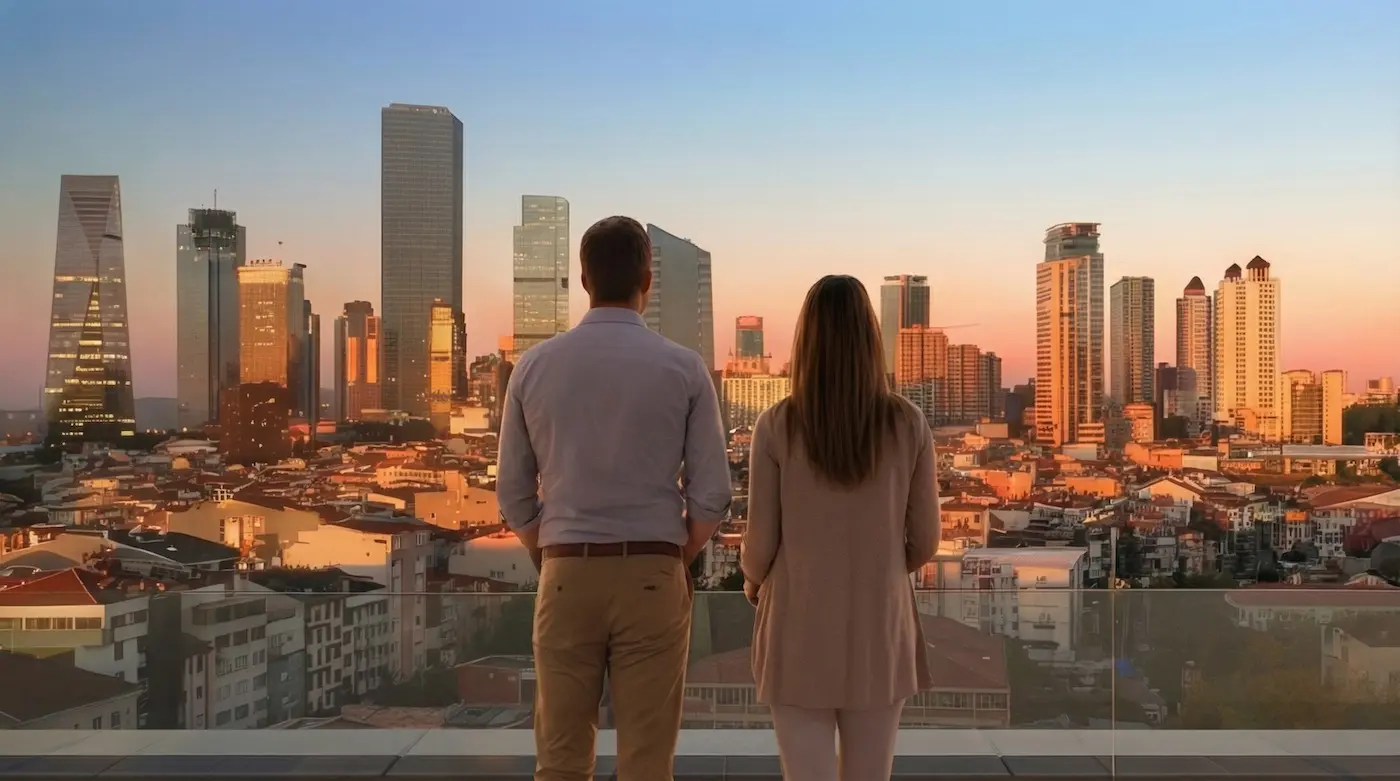
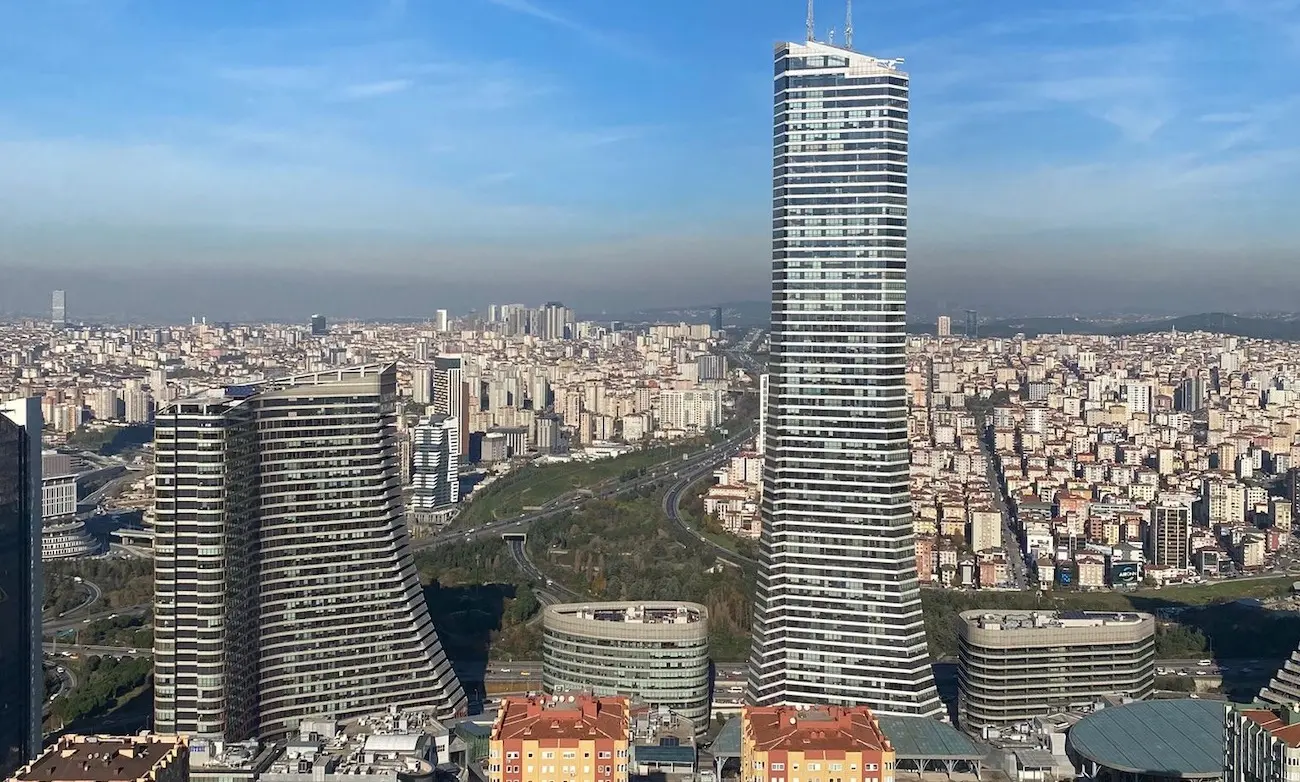
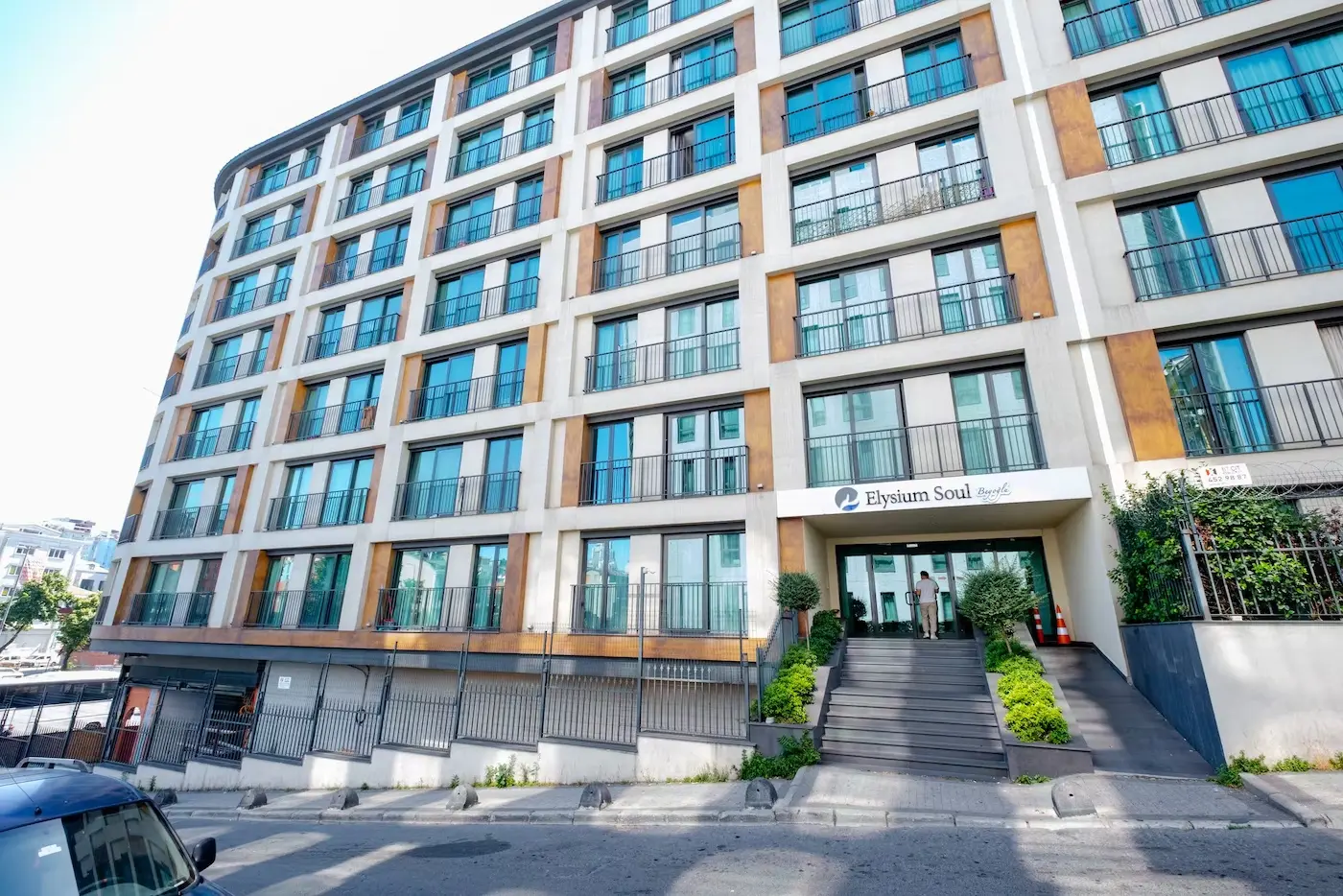
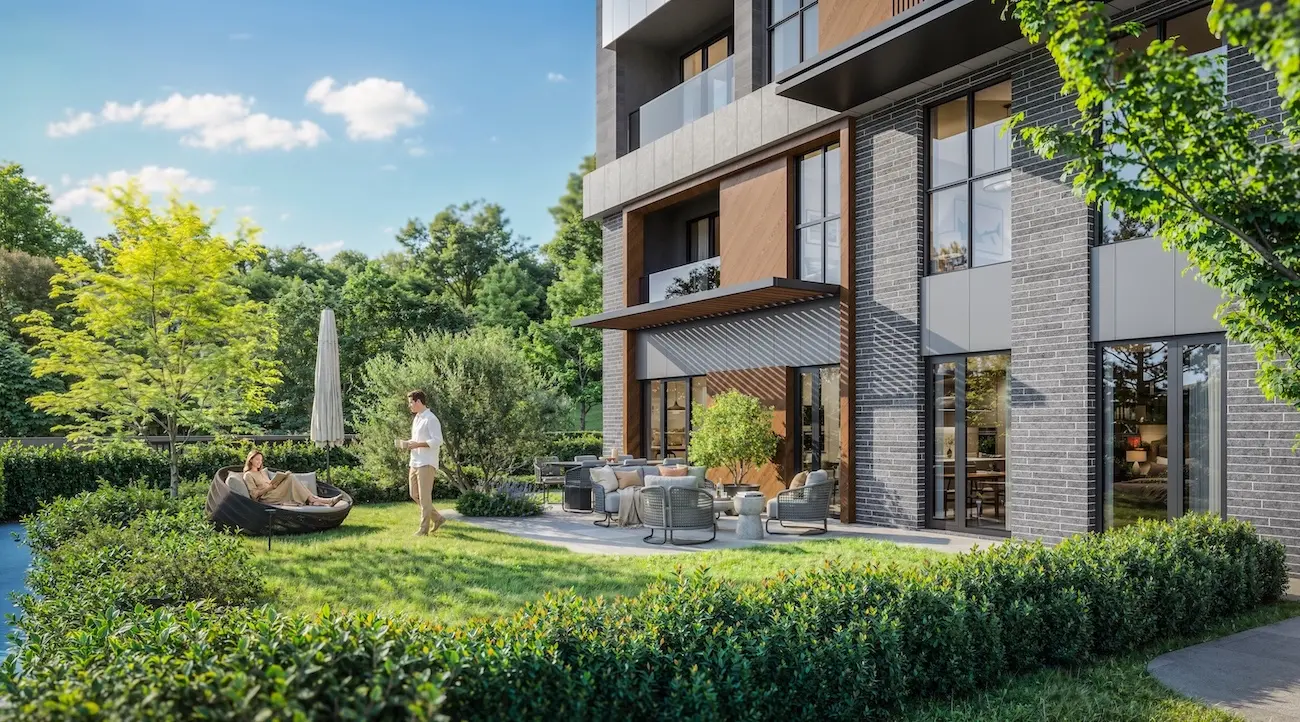
Here is what that looks like in practice. A quality one-bedroom apartment in Kagithane starts from around $150,000 USD today. On a 25-year mortgage at improving rates, monthly payments become manageable for a dual-income couple in their late twenties – the same people who currently rent in Beyoglu or Şişli and commute past Kagithane every single day. These are buyers who want to be central. They want the metro, the cafes, the culture, and a fifteen-minute ride to Taksim. They do not want to move to the suburbs.
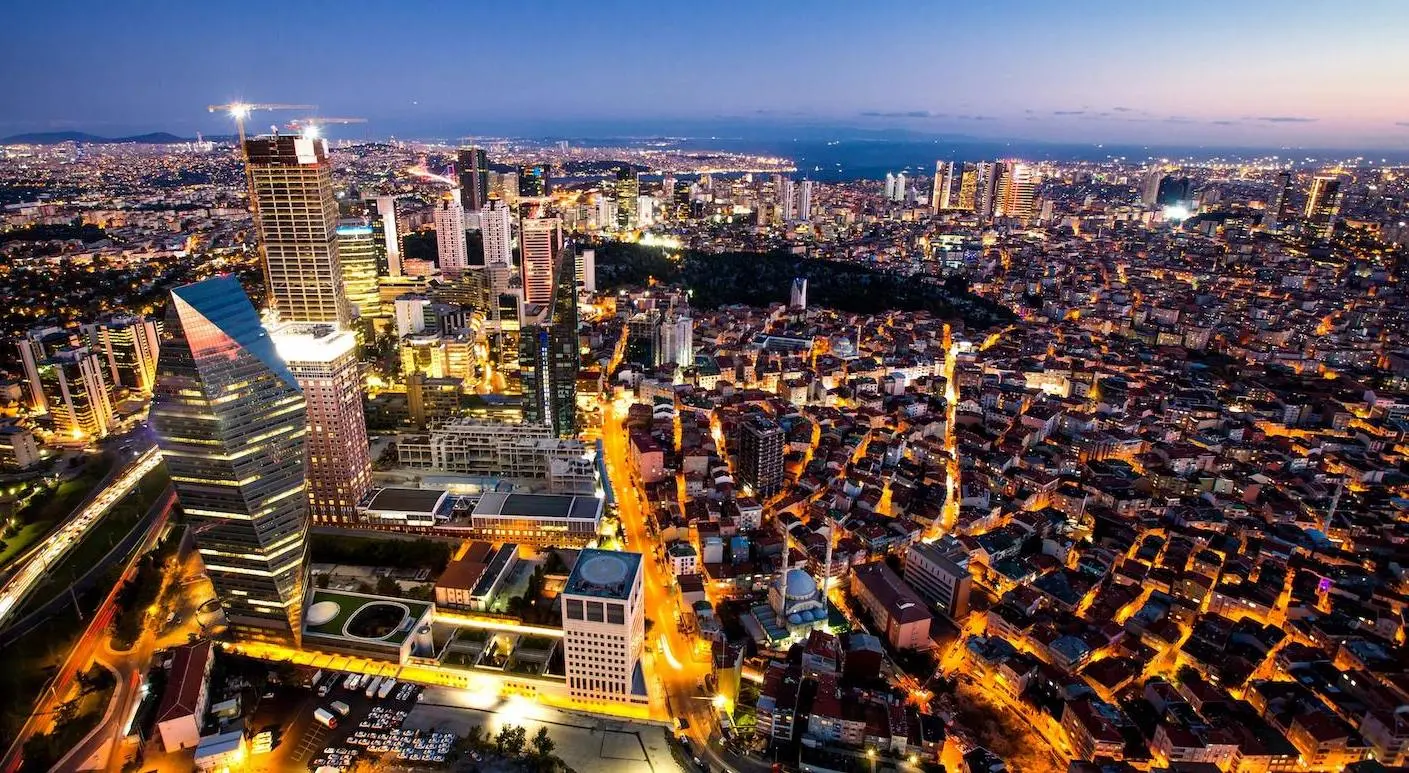
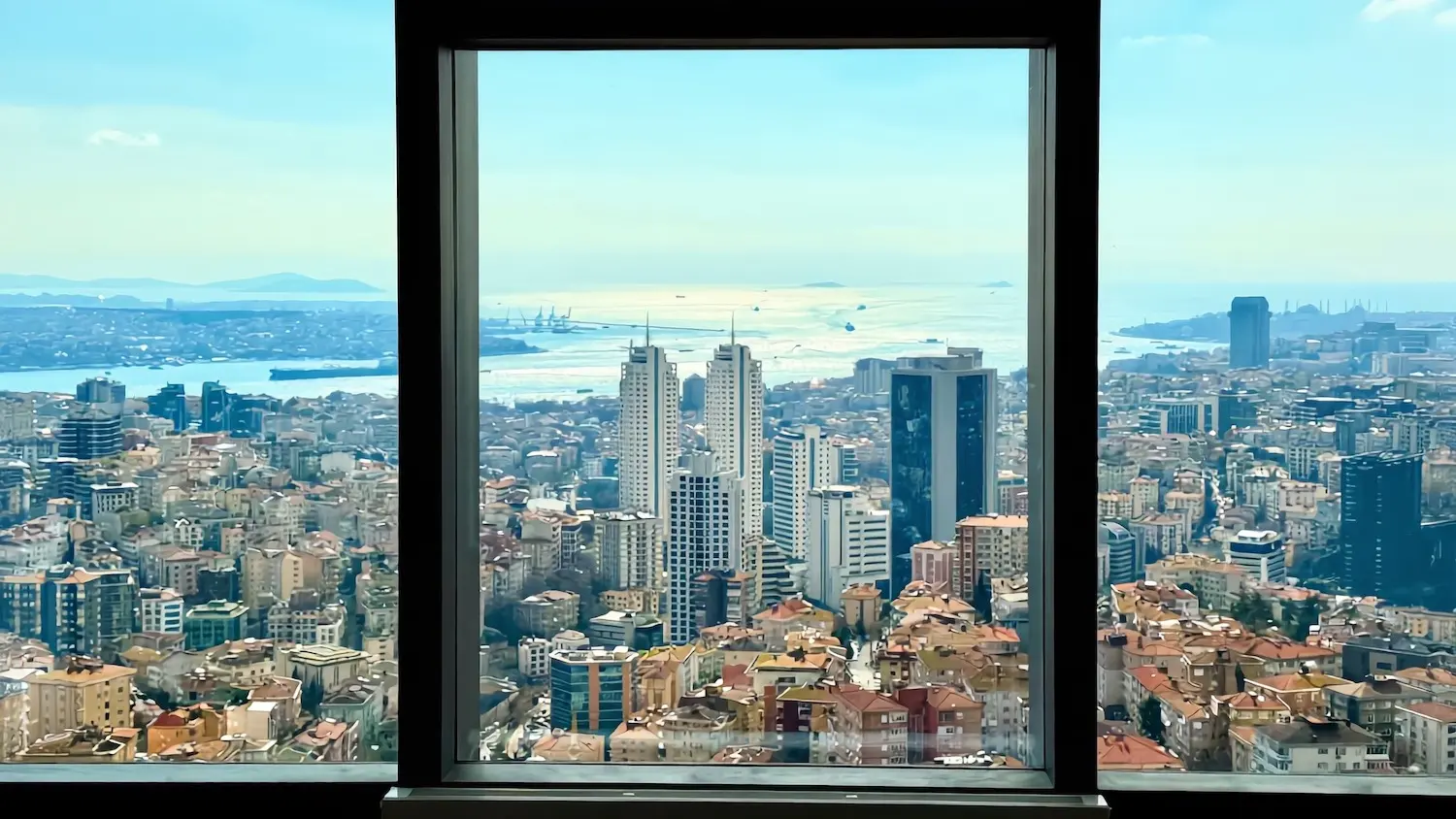
This is why districts like Kagithane and Eyup Sultan are significant. Both sit inside the city’s beating heart – Kagithane bordered by Şişli, Beşiktaş, Beyoglu and Maslak; Eyup hugging the Golden Horn with direct access to the historic peninsula. Both are mid-way through Urban Regeneration. Both still price below their established neighbours. And both are directly in the path of the first wave of mortgage-enabled domestic buyers.
When that wave arrives, and the data suggests it is already building, regenerated city-centre stock will carry a premium that outlying districts simply cannot match. Location, connectivity, and modern seismic-compliant construction: that combination does not exist at today’s prices for long.
Analysts already note that Kagithane has the most room to run of any central-adjacent district in Istanbul. Prices have already appreciated significantly, yet still trade at a meaningful discount to Şişli and Levent – the neighbourhoods it physically borders. When mortgage financing democratises entry, that gap closes. Not gradually. Quickly.
This Has Happened Before: Barcelona and Warsaw
Sceptics of Urban Regeneration plays tend to forget that every prime city neighbourhood was once undervalued. The pattern is consistent, documented and repeatable. Two of the clearest recent examples sit in European data right now.
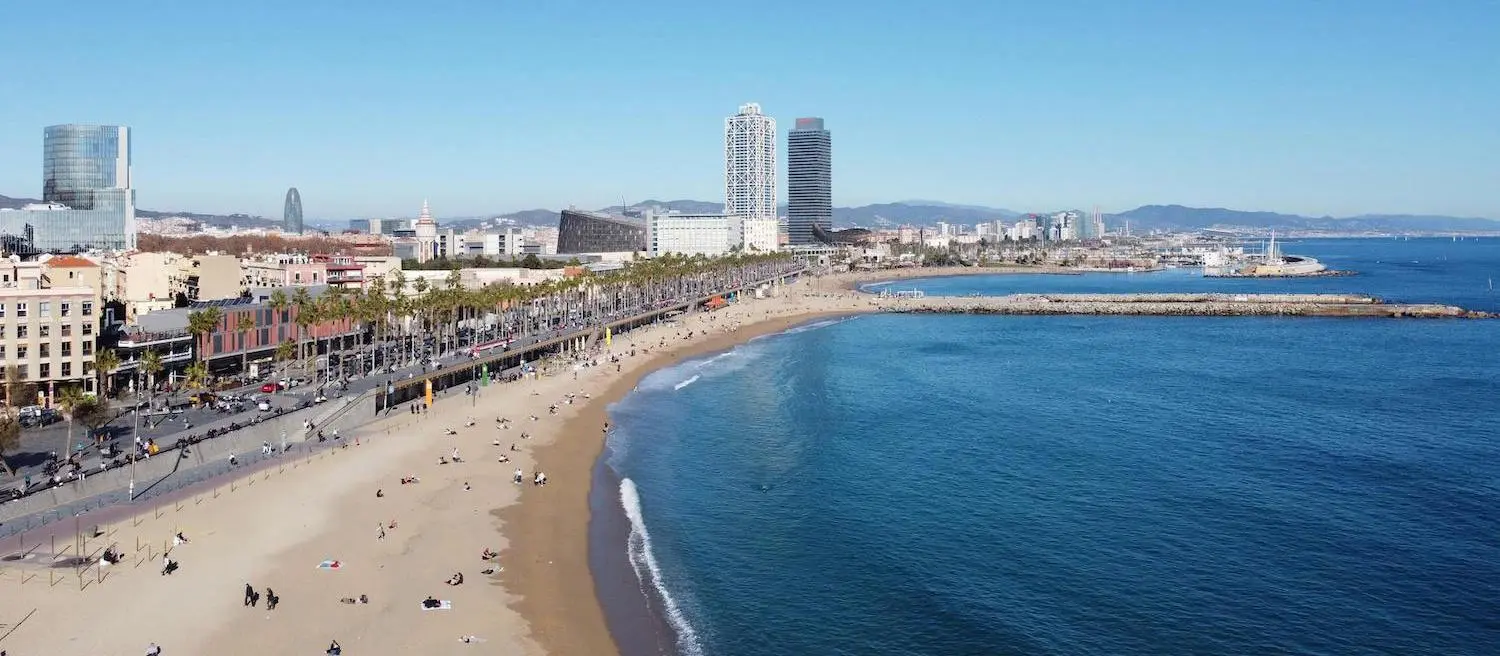
Barcelona: Poblenou / 22@ District
In the late 1990s, Poblenou was an ageing industrial zone of warehouses, derelict factories, and low-income tenants. Physically adjacent to Barcelona’s city centre but priced as though it were peripheral. In 2000, the city launched the 22@ Innovation District project, designating 200 hectares for regeneration into a technology and knowledge hub.
The infrastructure came first: new metro connections, fibre optic networks, public spaces, and internationally commissioned architecture. Private capital followed. Housing prices in Poblenou rose 86% between 1997 and 2002 alone, outpacing the Barcelona city average. Early investors who bought before the regeneration was visible to the market captured the full spread. Those who waited bought into a neighbourhood that had already repriced.
The parallel to Kagithane is direct. A central-adjacent zone, mid-regeneration, still priced below its neighbours, with infrastructure already in place and institutional intent clearly signalled. The difference is that Kagithane sits inside a city of 16 million people with a median age of 32, and a mortgage reform about to unlock mass domestic demand in precisely this segment.
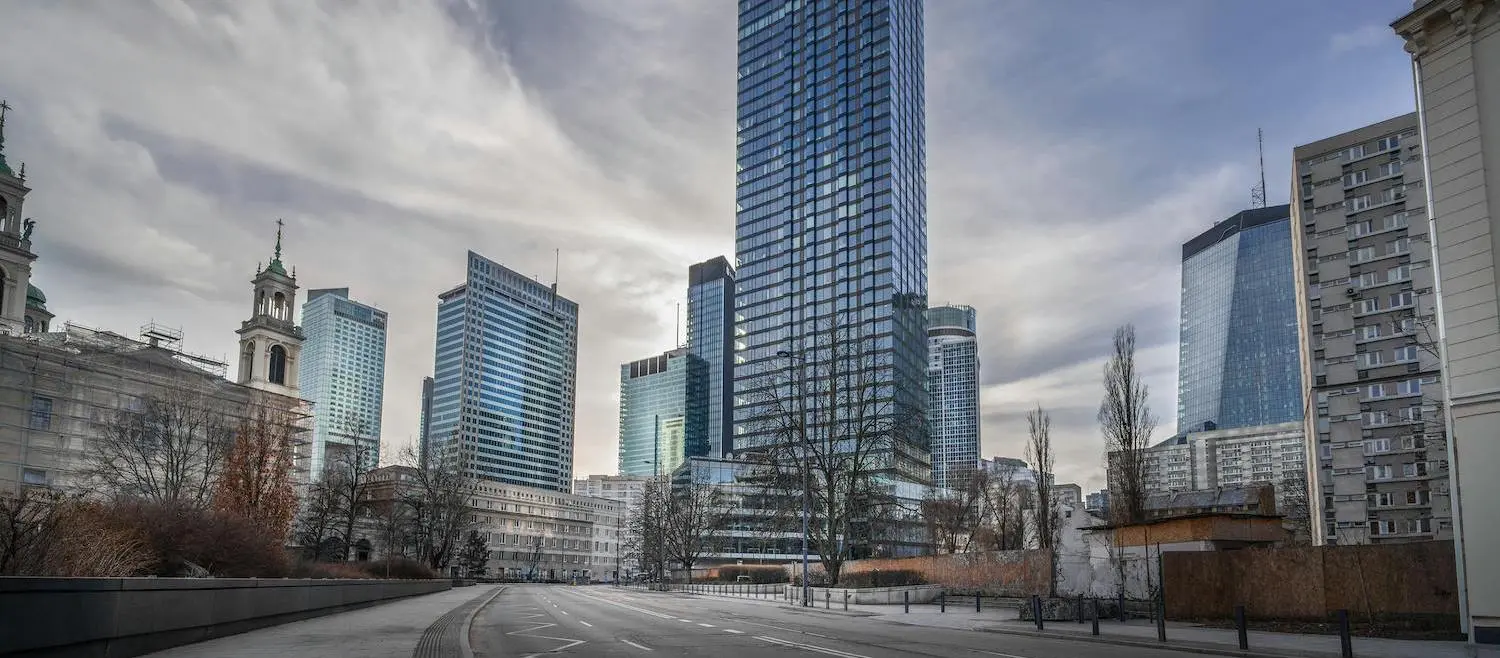
Warsaw: Praga District
Warsaw’s Praga districts, Praga-Północ and Praga-Południe, tell a slower but equally instructive story. Historically regarded as the rougher side of the Vistula, Praga spent decades trading at a steep discount to central Warsaw despite sitting minutes from the city’s core.
Investors who recognised the gentrification signals early: cultural venues moving in, infrastructure improving, young professionals pricing out of prime districts – positioned accordingly. Over the past two to three years, Praga-Północ has seen prices rise 25% to 40%, outpacing the Warsaw city average by 10 to 15 percentage points. The discount to the centre is closing. It always does.
The main demand driver in these regenerating Warsaw neighbourhoods is their combination of relative affordability, ongoing infrastructure improvements, and the influx of young professionals seeking well-connected locations without paying peak prices. That sentence could have been written about Kagithane or Eyup Sultan today.
What Both Cases Confirm
The mechanics are identical across every city where this pattern has played out: infrastructure arrives, young professionals follow, domestic mortgage buyers enter at scale, and the price gap to established prime areas compresses. The window for early-entry pricing exists only during the regeneration cycle, not after it. In Barcelona and Warsaw, that window is closed. Investors who moved early are sitting on transformed assets. Investors who waited are paying the prices those early movers created. Istanbul’s window is open now.
Beyond the Numbers – What You Are Actually Buying Into
Investment logic gets people to the decision. But there is something else worth saying. Turkey is not a country that discovered itself recently. It is a country that has always known what it was – and is now, for the first time in a generation, acting like it.
This is the land where agriculture began. Where the world’s first cities were planned and built. The Neolithic farmers of Anatolia – the people who first cultivated wheat, domesticated animals, and organised human settlement around 10,000 BC – gave rise to a population whose DNA now forms a core genetic thread running through modern Europe. When scientists map the ancestry of contemporary Europeans, the trail leads here, to this soil, to these valleys. Turkey is not peripheral to the story of Western civilisation. In a very literal sense, it is where that story starts.
The same geographic logic that made Anatolia the cradle of agriculture made Istanbul the inevitable capital of empires. Roman, Byzantine, Ottoman – each in turn understood that whoever controlled this strait controlled the world’s most important crossroads. That has not changed. What has changed is that Turkey is combining that ancient geographic advantage with a genuinely modern ambition: R&D investment climbing above EU averages, a manufacturing base expanding into high-value technology, and a government prepared to legislate to attract the global capital its position has always deserved.
Turkey is almost a continent in miniature. Snow-capped mountains and alpine forests in the east. The rolling steppe of Central Anatolia. The fertile river valleys where the first farmers ever farmed. And then the coast, which is unlike anything else in the Mediterranean basin, and not for the reasons most people expect.
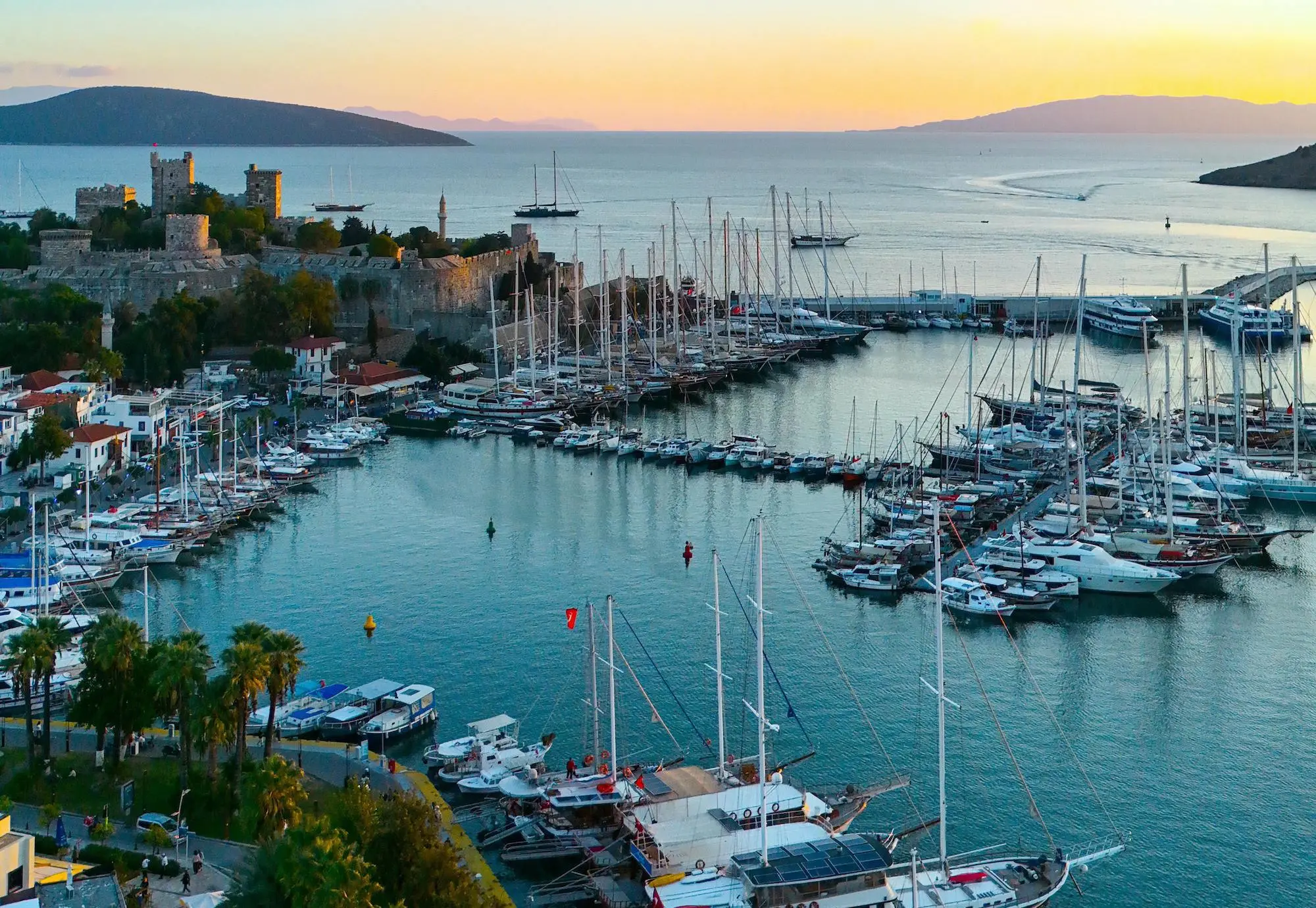
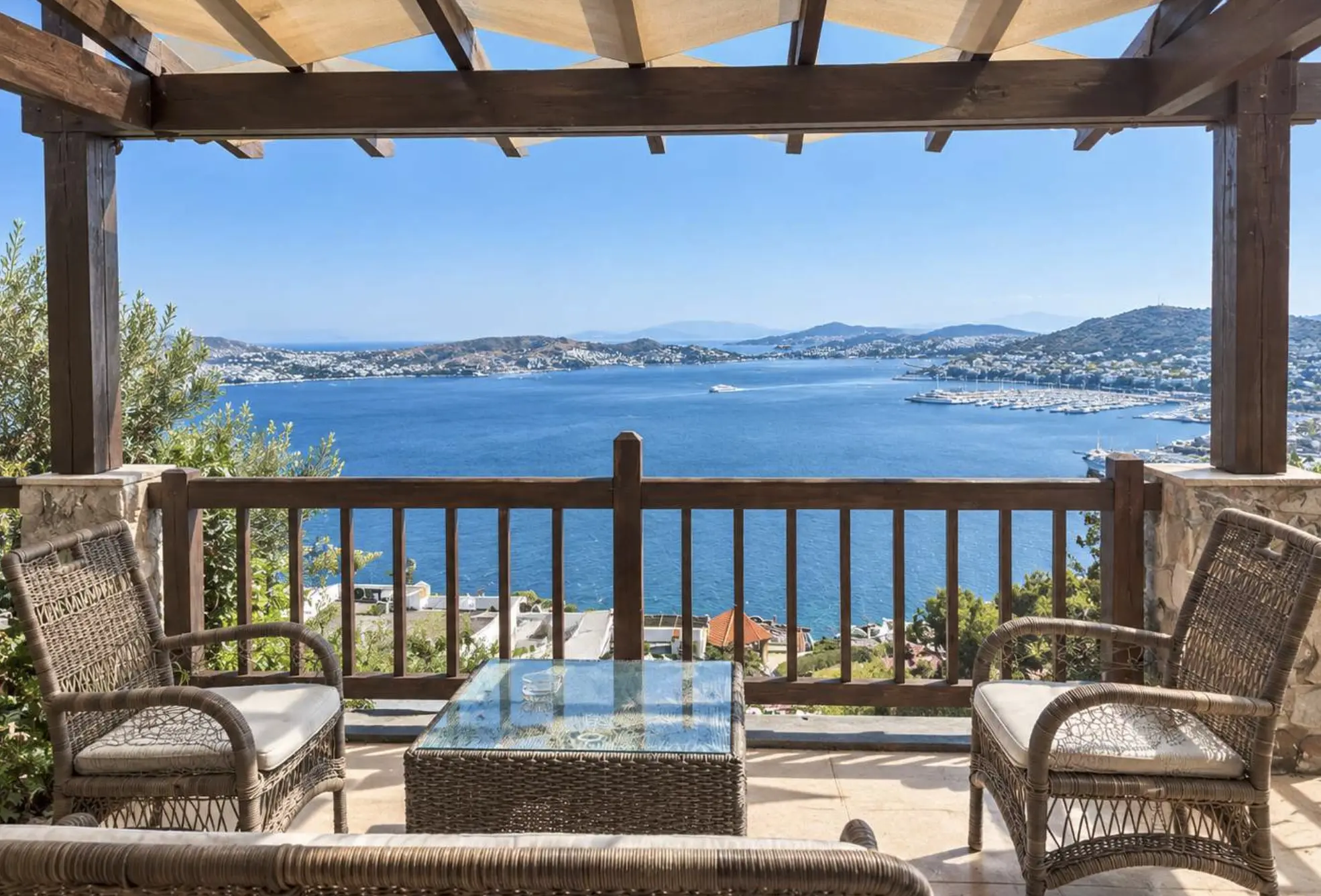
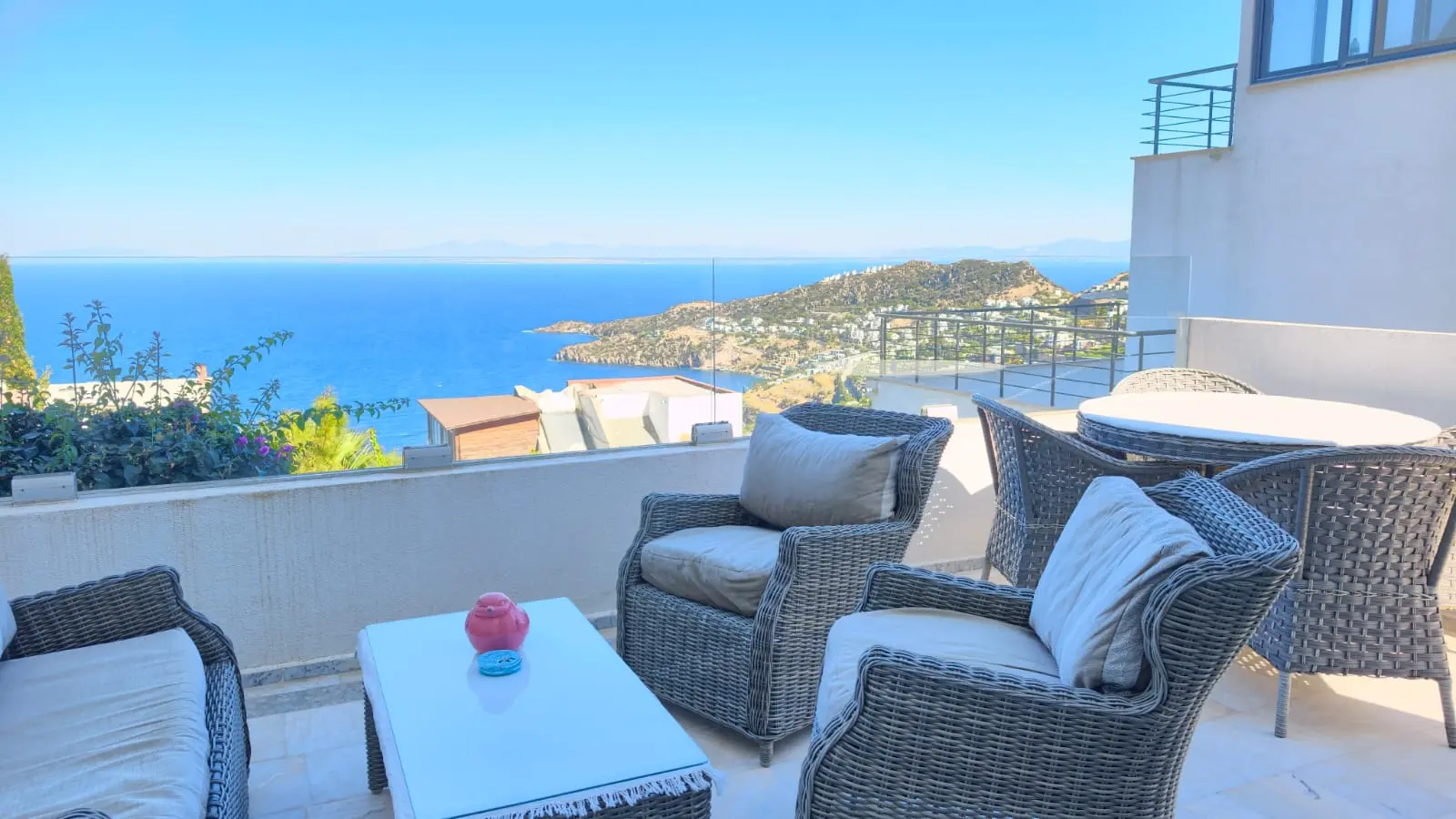
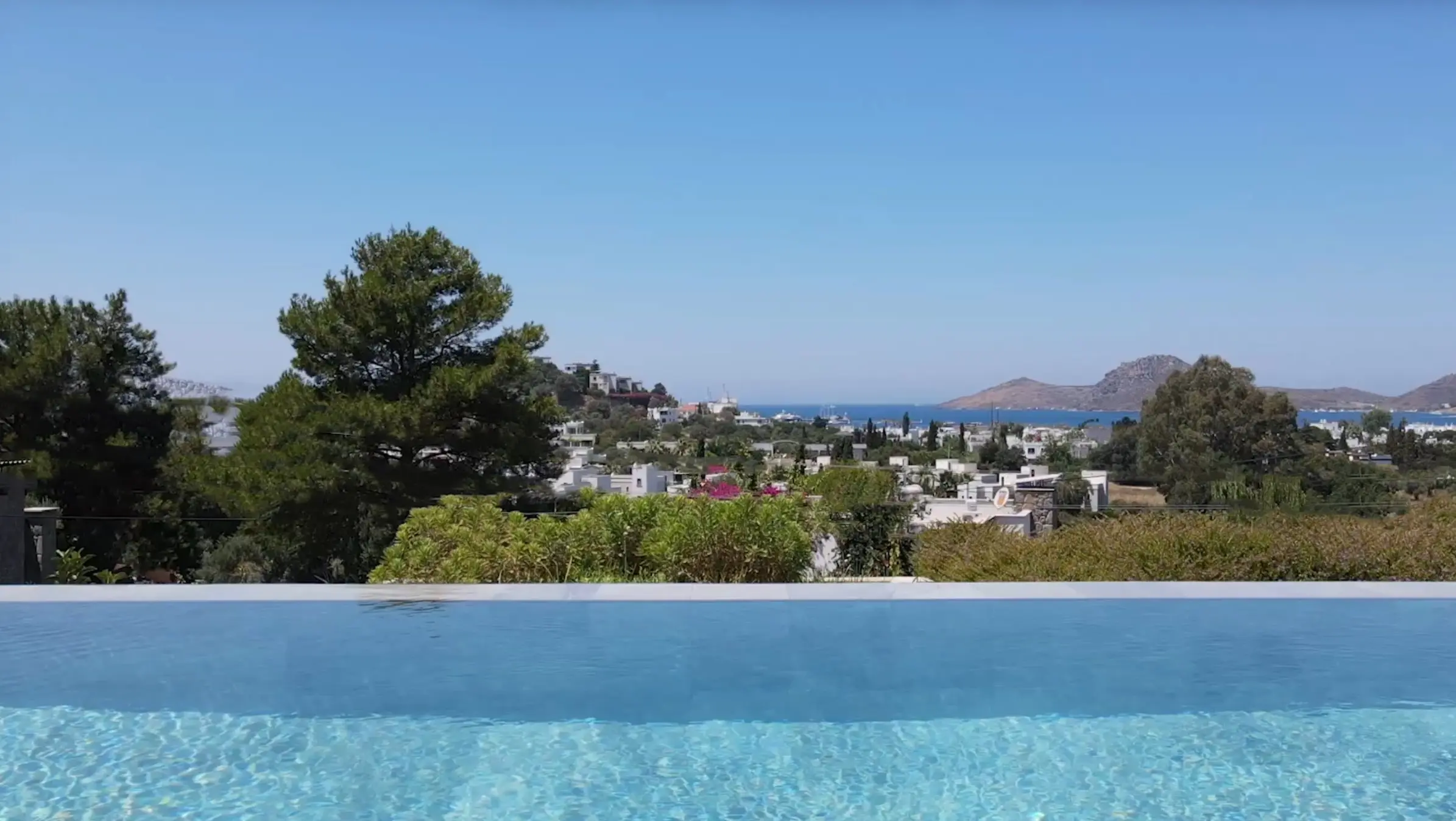
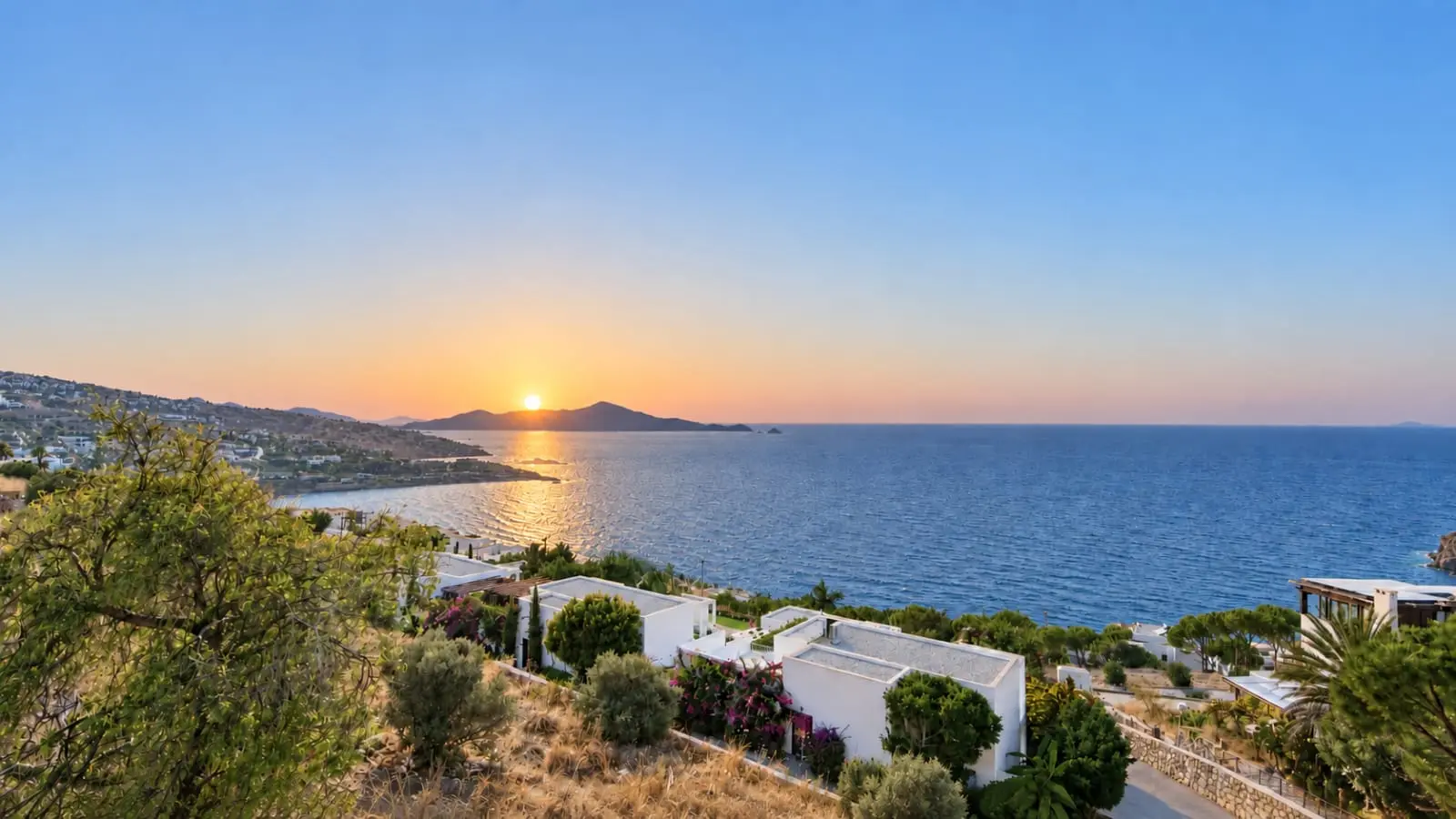
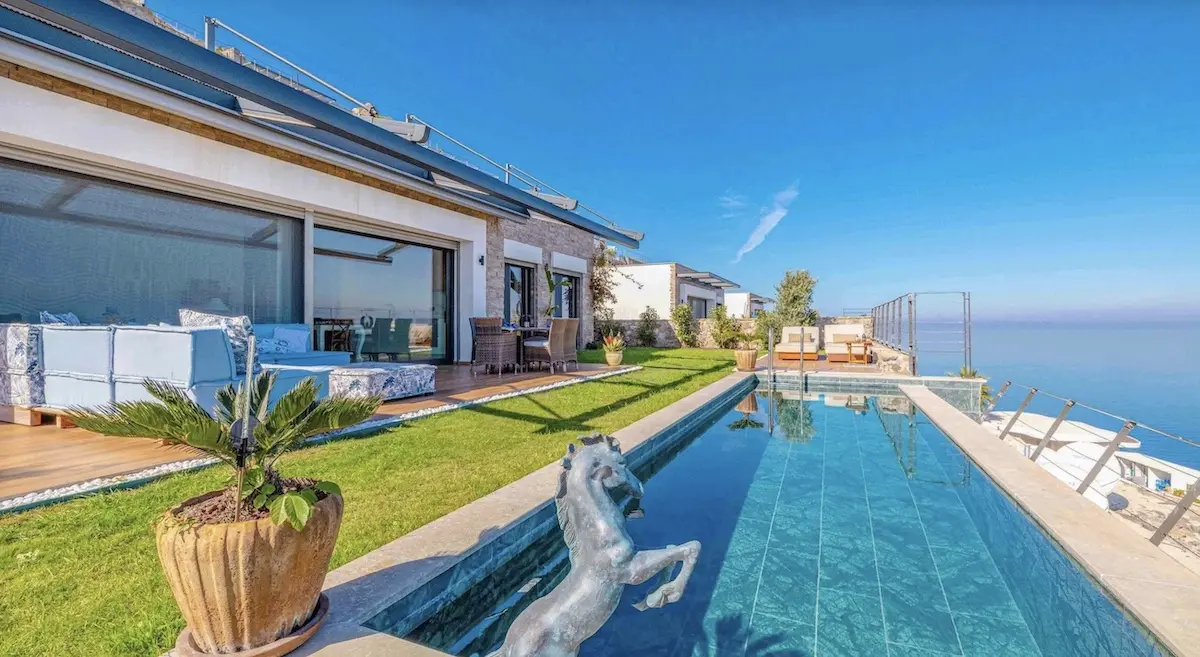
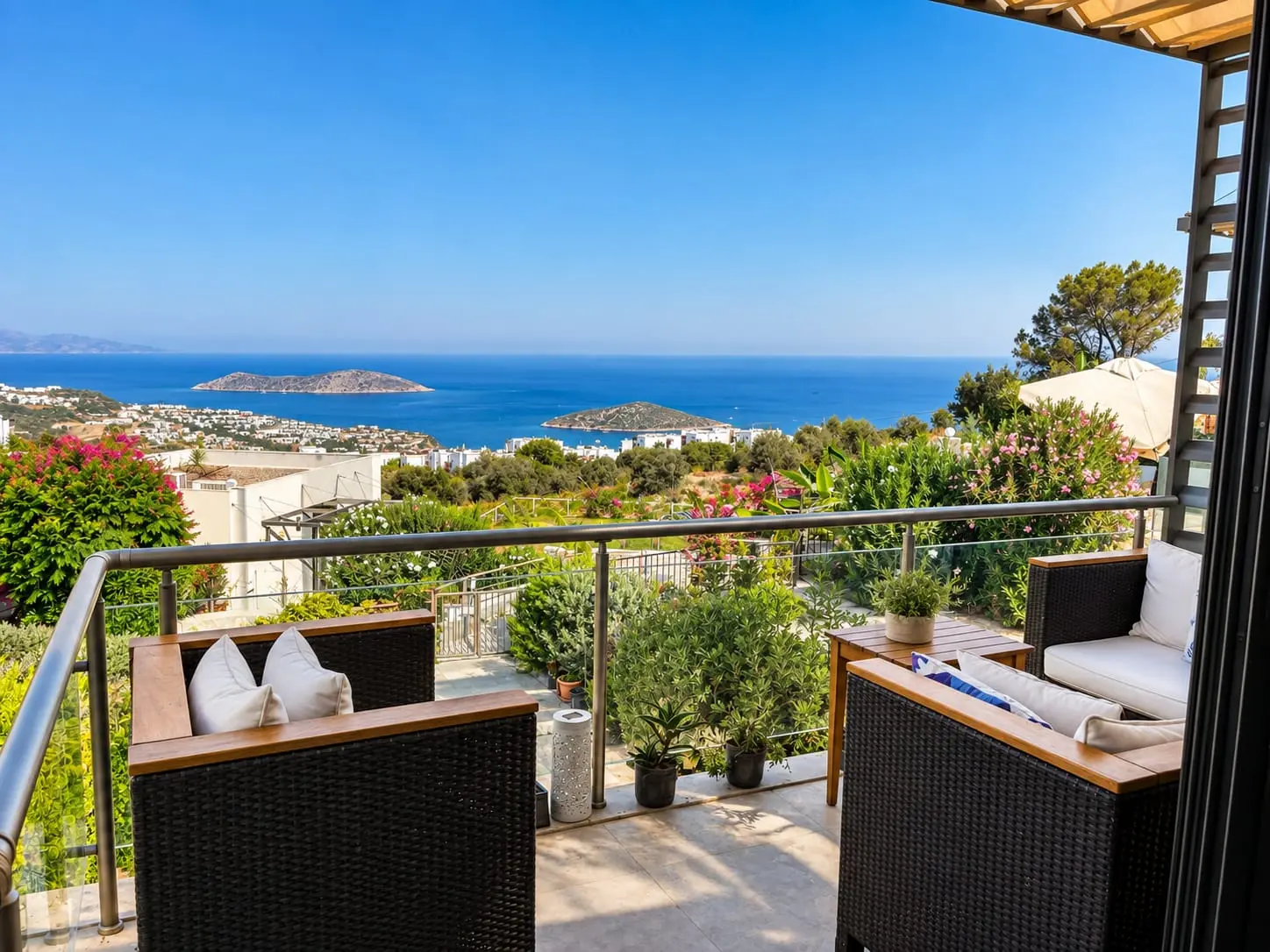
The Aegean and Mediterranean shoreline of Turkey is not bleached white and sun scorched. It is dramatically, unexpectedly green. Pine and cedar forests cascade from the mountains directly into the sea, their dark canopy meeting water of a turquoise so vivid it registers as artificial. Around Fethiye and along the Lycian Coast, the combination of deep green hillsides, hidden coves, and ancient ruins half-submerged in clear water creates scenery that stops experienced sailors in their tracks. World-class marinas at Göcek, Marmaris, Bodrum, and beyond provide the infrastructure; the coastline provides everything else. This is some of the finest cruising water on earth – and it remains, relative to the Côte d’Azur or the Balearics, almost private.
Bodrum, Göcek, Fethiye, Kaş – these are not tourist constructs. They are places where people who have seen everything still choose to anchor for weeks. And then there is Bodrum itself, known among Turks as the outermost suburb of Istanbul, because anyone who is anyone has a place there. The remark is made with affection and a degree of truth: Turkey’s elite, its architects, its artists, and its old money have kept their summer roots in Bodrum for generations.
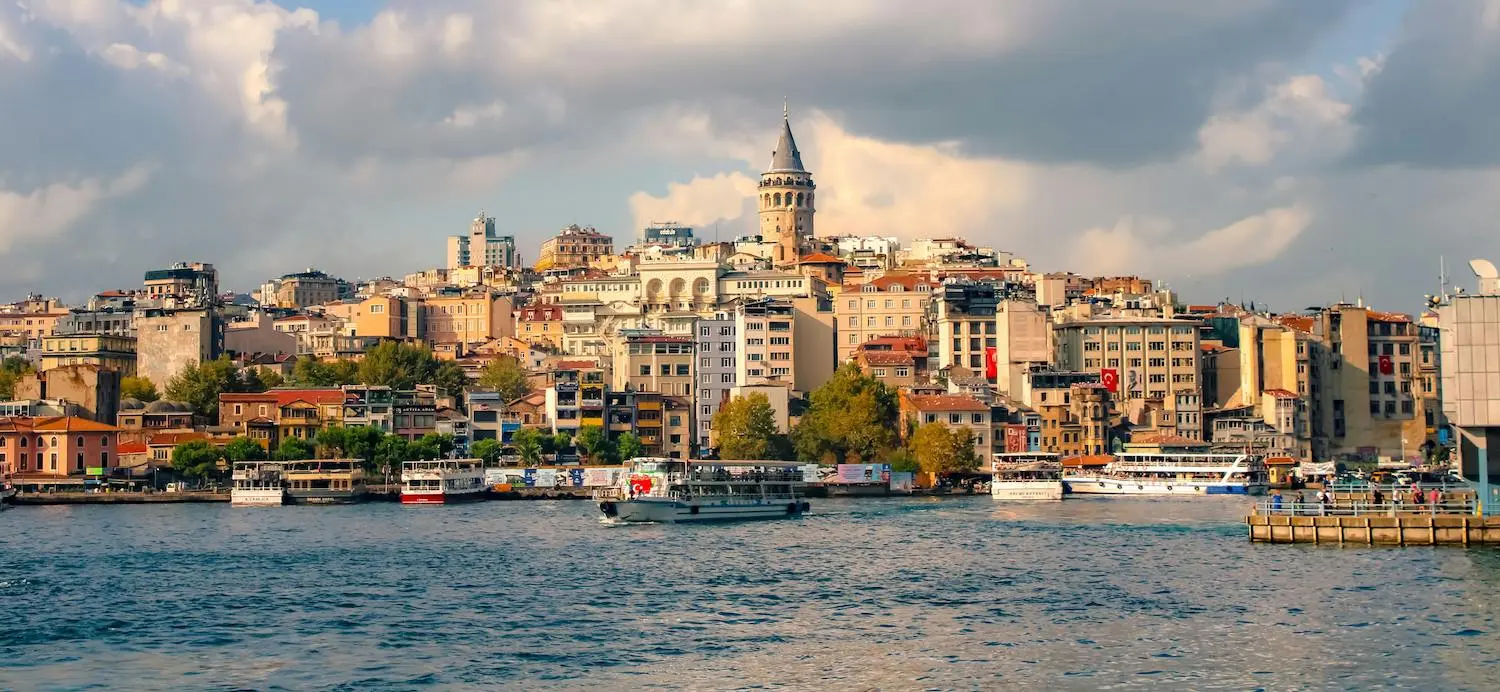
Istanbul sits at the centre of all of it. Three thousand years of recorded history compressed into a city that still somehow feels alive, kinetic, and entirely contemporary. The Bosphorus at dawn. The call to prayer echoing across the Golden Horn. A rooftop in Beyoglu looking east and west simultaneously, and the quiet realisation that every great civilisation that shaped the world you live in passed through this exact view.
This is what was always here. The reforms did not create it. They just made it impossible to ignore.
Which Investor Are You? Find Your Entry Point
Not every opportunity requires the same ticket size. Turkey has structured its investment pathway with two distinct thresholds, and right now, both are extraordinarily well-timed. The critical point: quality central Istanbul property starts at $150,000 USD. That means both the $200,000 USD Turkish Residency threshold and the $400,000 USD Turkish Citizenship threshold are achievable in the very districts – Kagithane, Eyup Sultan, Bomonti, Gaziosmanpasa – that are set to appreciate fastest.
$200,000 USD: Residency, Returns, and the Best Entry Left in Istanbul
Who This is For: You want a foothold in Istanbul before prices reflect the new reality. Citizenship is not yet your priority but holding a high-growth central asset and securing residency in one of the world’s most strategically positioned countries absolutely is.
Questions to Ask Yourself:
- Are you renting across the GCC or in London while those markets price you further out?
- Do you want a base in a neutral country with zero tax on your foreign income for 20 years?
- Are you looking for an asset that generates rental yield while you are away?
- Are you looking for an area that offers capital growth while the city transforms around it?
- Do you want optionality: a place to live, a Plan B passport, and a financial structure that works?
If yes to any of those, this is your move. A quality one-bedroom apartment in Kagithane or Eyup Sultan starts from $150,000 USD today. A $200,000 USD purchase secures Turkish Residency immediately and positions you in the fastest-appreciating segment of the city at prices that domestic mortgage buyers will soon be competing for.
That $200,000 USD is not just a property purchase. It is the activation key for Turkey’s April 2026 reforms. Establish residency, and you qualify for zero tax on all foreign income and capital gains for 20 years – not on Turkish income, but on everything earned outside Turkey. Dividends, trading profits, consulting income, investment returns – all of it, zero-rated for two decades. Turkey modelled this framework alongside Singapore, Hong Kong, and the Netherlands.
The capital growth case is equally persuasive. Kagithane currently prices at a meaningful discount to the Şişli and Levent neighbourhoods it physically borders. That gap exists because regeneration is mid-cycle. When mortgage reform drives domestic buyers into this segment, and the data shows that wave is already building, central regeneration stock reprices to reflect its true location. Investors who move now hold the spread.
$400,000 USD: Citizenship, and Why Two Properties Beat One
Who This is For: You want the full investment package in Turkey – Turkish citizenship and passport, maximum capital growth, maximum rental yield, and the complete suite of April 2026 tax reforms locked in for 20 years.
The Insight Most Buyers Miss: $400,000 USD split across two central properties is a superior play to a single $400,000 USD asset. Two quality apartments in Istanbul’s central regeneration zones – one in Kagithane, one in Eyup Sultan, for example – satisfies the Turkish citizenship threshold and delivers something far more powerful than a single holding. You now hold:
- Turkish Citizenship: Visa-free or visa-on-arrival access to over 110 countries, and a passport from a NATO member state that maintains working relationships with both East and West.
- Two Income-Generating Assets: In the fastest-moving segment of Istanbul – both rented, both appreciating, both in districts mid-regeneration with significant room to run.
- Diversified Exposure: Across two districts, two demand pools, and two development timelines. If one underperforms, the other compensates; both are positioned to outperform the wider market.
- Full 20-Year Zero-Tax Access: On all foreign income and capital gains. Citizenship unlocks the complete reform package, not merely residency-level benefits.
- Legacy Optionality: Sell one when values peak, hold the other as a long-term asset, or pass both on under Turkey’s newly legislated 1% inheritance tax.
- A Country to Actually Live In: 8,000 kilometres of coastline, a Mediterranean and Aegean climate, world-class cuisine, and a depth that rewards the curious for a lifetime.
Turkish citizenship is no longer a lifestyle accessory or travel convenience. In the context of the April 2026 reforms – zero foreign income tax, a 9% corporate rate, inheritance tax at just 1% – it is the legal architecture for organising globally mobile wealth in a neutral, strategically positioned jurisdiction. For Gulf investors managing post-conflict exposure, for Europeans seeking a non-EU base, for high-net-worth individuals reassessing where their capital is domiciled: this is that structure.
Business Play: Istanbul Finance Center Corporate Advantage
There is a third dimension that most individual investors overlook. If you operate a business – a trading company, a holding structure, a consultancy, or a regional headquarters – the Istanbul Finance Center (IFC) reforms create a parallel opportunity that amplifies everything above.
Companies registered within the IFC now qualify for zero tax on transit trade income, meaning that if your business moves goods, manages contracts or operates regionally, the trading margin is untaxed inside Turkey’s most prestigious business address. International firms relocating to Turkey qualify for up to 20 years of tax breaks on foreign operations, with additional employee incentives built in.
Layer that against the personal reforms: the owner or director establishing Turkish residency pays zero tax on their foreign income personally, while their IFC-registered company pays zero on qualifying transit trade. The two structures work together.
Those Who Should be Considering This Include:
- Regional trading businesses currently based in GCC free zones and looking for a neutral, lower-risk jurisdiction.
- Consulting and professional services firms seeking a European-adjacent base with a single-digit corporate rate.
- Family offices wanting a holding structure in a jurisdiction with 1% inheritance tax and no capital gains tax on foreign earnings.
- Any business with meaningful revenue outside Turkey currently paying full corporate rates in a higher-tax domicile.
The IFC is not a free zone in the traditional sense. It is a full financial centre: regulated, internationally credible, and now structurally competitive with Singapore and other leading GCC hubs. Regional geopolitical uncertainty has added a risk premium to GCC-based structures that simply did not exist two years ago. Turkey just removed that premium entirely.
The Turkish Investment Window Is Defined
Turkish mortgage reform will drive a wave of domestic buyers into the $150,000 USD to $250,000 USD central Istanbul segment. When that arrives, entry prices in Kagithane, Eyup and comparable zones will close the gap to their Şişli and Levent neighbours.
International investors who move before that domestic wave arrives will buy at prices that local first-time buyers will soon pay premiums to access. The Turkish Residency play, and Turkish Citizenship play both sit inside that window. So does the IFC business structure.
Turkey has always been here – at the centre of trade, of history, of human movement across the planet. What is new is that the policy architecture has finally caught up with the geography. The result is a 20-year window of reform, fiscal advantage, and structural growth that is open right now and will not remain open indefinitely.
And when the numbers have done their work – when the asset has appreciated, the tax structure is running, and the passport is in the drawer – what remains is a country of staggering beauty. Some places you invest in. Some places you belong to. Turkey, it turns out, has always been both.
Property Turkey: Lifestyle & Investment Since 2001
Nezir 'Nez' Can is Operations Manager at Property Turkey and a contributor on Turkish culture, lifestyle, and everyday life across the country. Since joining the company, he has helped international readers better understand what it is like to live, work, and settle in Turkey.




 By:
By:

 Operations Manager
 Bodrum
  2
2  1
1 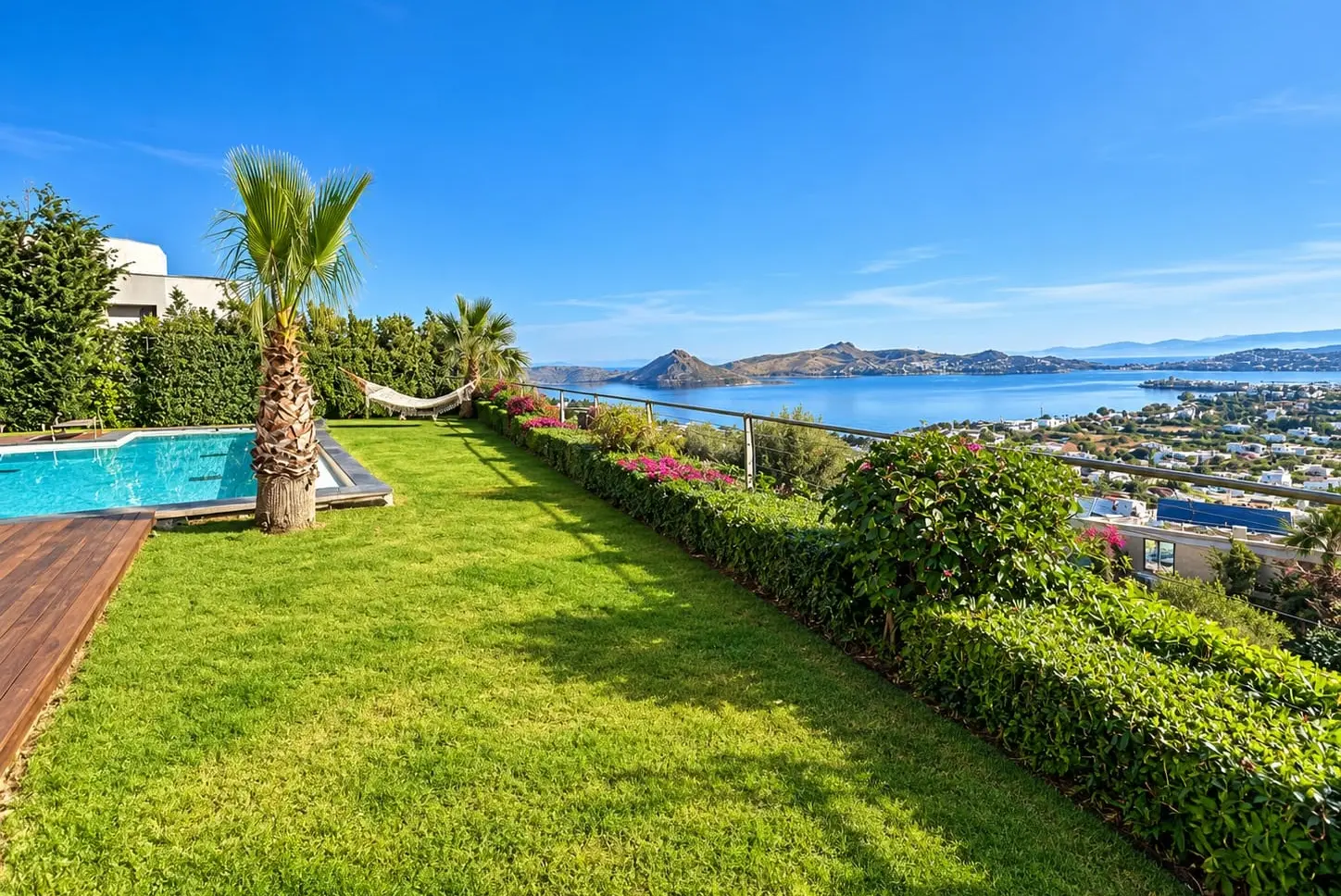





 X
X