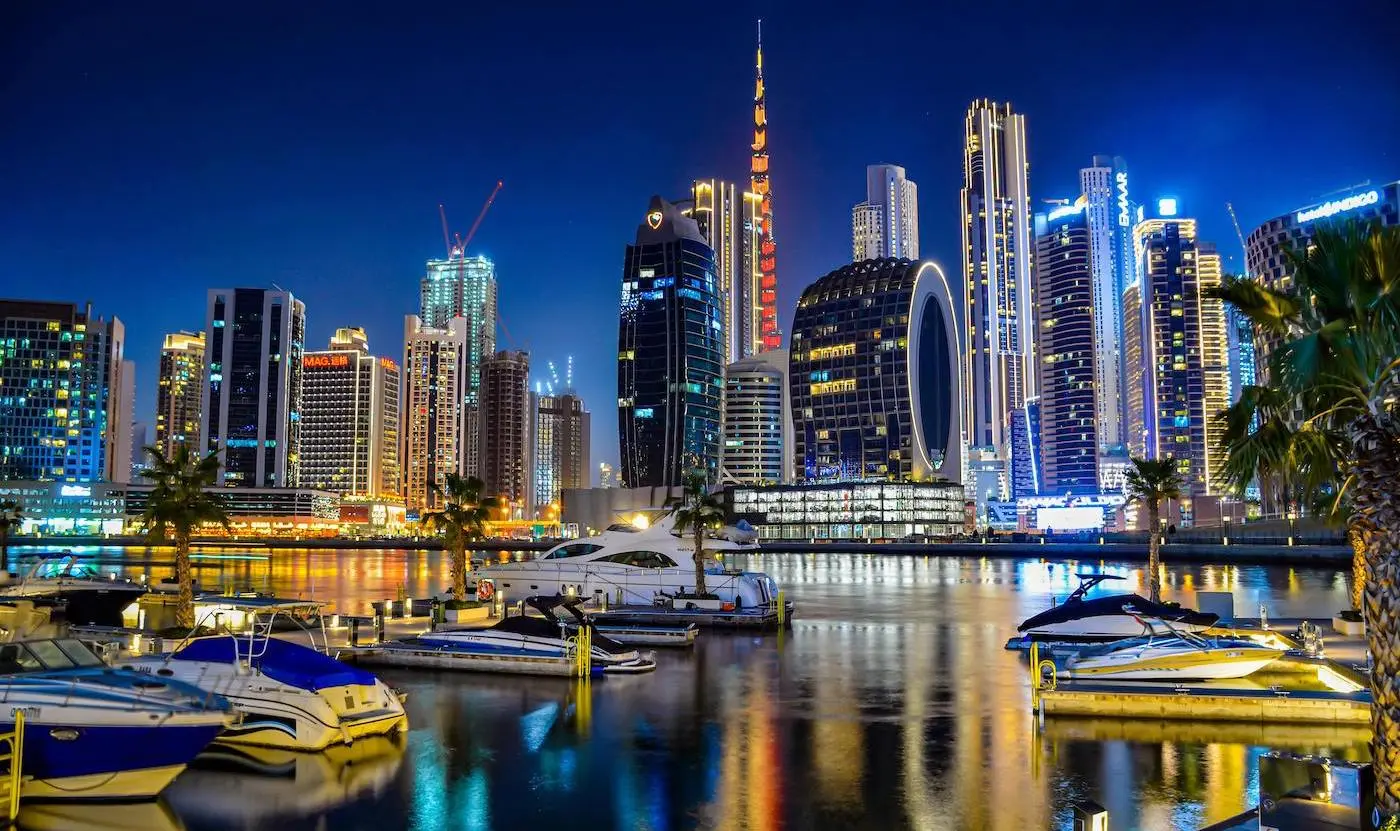
In 2025, the UAE attracted 9,800 relocating millionaires, the highest inflow in the world, while the UK lost 16,500 millionaires, the largest outflow globally. Those numbers tell you something important about how wealthy families are thinking. Big money is no longer tied to old assumptions about London, Paris, or the wider West. It is moving towards jurisdictions that offer mobility, lower friction, lifestyle quality, and greater control.
In 2026, that conversation has taken on a second layer. It is no longer just about tax, sunshine, and residency. It is also about resilience, optionality, and concentration risk. The recent Iran War did not erase Dubai’s appeal, and the UAE remains one of the world’s strongest wealth magnets. What it did do was remind globally mobile capital that even highly successful hubs can carry geographic concentration risk.
Turkey makes sense for a HNWI in 2026 because it combines: strategic geography, a large domestic economy, multiple lifestyle bases, internationally relevant real estate markets, and a real citizenship route. Unlike many classic safe havens, Turkey is not simply a storage location for capital. It is a functioning G20-scale market with a population of more than 86 million, an IMF 2026 real GDP growth projection of 4.2%, and citizenship by property investment that starts from $400,000 USD.
Key Takeaways: Why HNWIs Are Looking at Turkey
- The UAE remained the world’s top millionaire-inflow market in 2025, while the UK recorded the largest outflow.
- Recent Gulf conflict has strengthened the case for jurisdictional diversification among HNWIs rather than reliance on one regional base.
- The IMF country page lists Turkey’s 2026 projected real GDP growth at 4.2% and population at 86.447 million.
- Knight Frank’s 2024 Wealth Report said that Turkey led its rankings with a 10% expansion in UHNWI numbers.
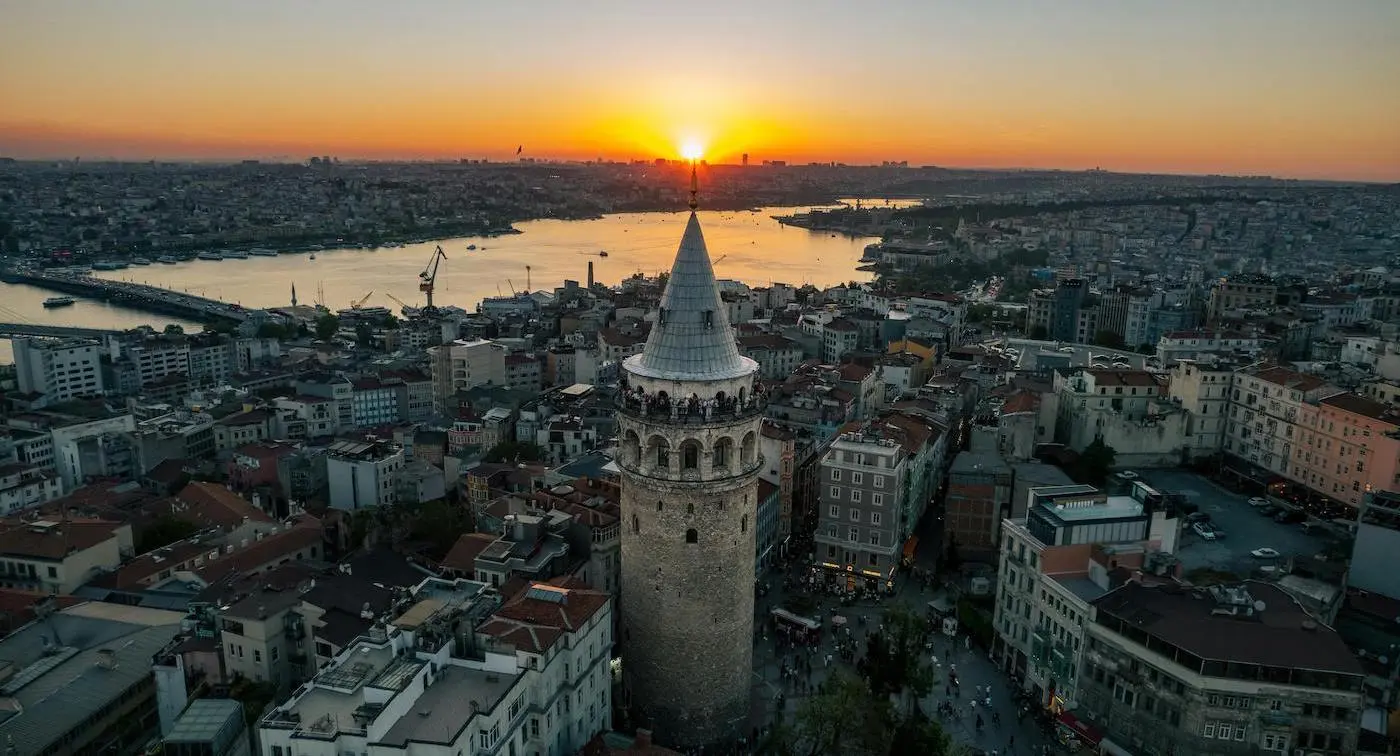
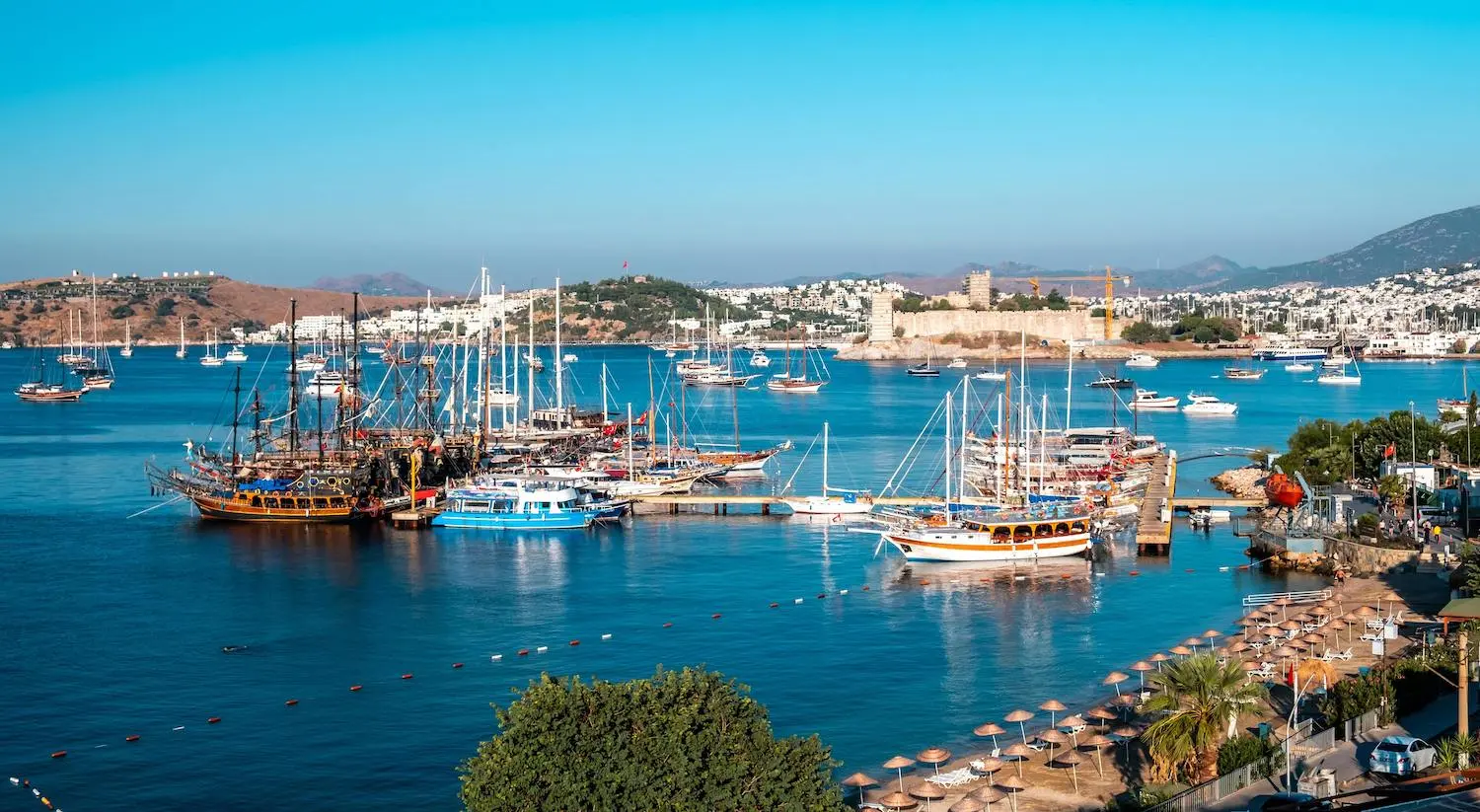
- Turkey gives wealthy families more than one lifestyle option, with Istanbul for business and global connectivity and Bodrum for coastal living and privacy.
2025 Wealth Migration Shows How the Global Map Is Shifting
The UAE remained the world’s leading destination for incoming wealth, while the UK recorded the biggest millionaire outflow. The top three gainers and losers from the 2025 Henley Private Wealth Migration Report helps understand a larger point: in 2026, wealthy families are more mobile, more strategic, and less tied to traditional assumptions about where capital should live.
Country
Net Millionaire Movement in 2025
Direction
What It Signals
UAE
+9,800
Inflow
Continued demand for low-friction, internationally connected wealth hubs
USA
+7,500
Inflow
Ongoing appeal of scale, market depth, and business opportunity
Italy
+3,600
Inflow
Strong pull for lifestyle-led relocation backed by established wealth structures
UK
-16,500
Outflow
Wealthy families are becoming less tied to legacy jurisdictions
China
-7,800
Outflow
Continued capital movement towards more flexible international options
India
-3,500
Outflow
Rising global mobility among internationally minded wealthy families
The Real HNWI Question in 2026
For years, the global HNWI conversation revolved around familiar destinations. The UK offered credibility, education, and legal depth. Switzerland offered discretion. Dubai offered tax efficiency, speed, and luxury. Southern Europe offered climate and residency. That framework is shifting.
The real question in 2026 is no longer just where is pleasant to live. It is where can a wealthy family actually build a long-term Plan B that is commercially sensible, geopolitically aware, and personally enjoyable.
This is where Turkey enters the HNWI conversation. It is not trying to be a copy of Dubai or a replacement for London. It sits in a different category altogether. It gives investors exposure to a large sovereign country that understands Europe, the Gulf, Central Asia, and the wider Muslim world at the same time.
Why the Safe-Haven Conversation Has Changed
Dubai’s success was built on genuine strengths: tax efficiency, infrastructure, global connectivity, and a business-friendly environment. None of that disappears because of one conflict. But the Iran War has done one important thing. It has forced investors to reassess what “safe haven” really means.
A low-tax hub can be well regulated and still be regionally exposed. A well-run city can still sit close to geopolitical fault lines. That difference is now becoming part of the HNWI conversation about where to live, where to invest, and where to place long-term family optionality.
Turkey enters that conversation differently. It is not a city-state. It is not a pure offshore platform. It is a large, historically rooted, militarily capable, geographically central nation with multiple real economic pillars. That gives it a different kind of resilience, especially for families who want a deeper long-term base.
Turkey Feels More Natural Than Many Alternatives
A lot of wealthy families leaving the UK or Europe are not looking for a radical cultural break. They still want familiarity, services, schools, healthcare, private banking logic, and ease of travel. At the same time, many HNWIs from the Gulf, South Asia, and the wider Muslim world want a country that feels internationally legible without feeling culturally alien.
Turkey can feel European without being fully Western Europe. It can feel regionally familiar without being politically or socially identical to the Gulf. It can speak to Asian, Middle Eastern, and European capital in the same breath. That is very difficult to replicate.
Why Turkey’s Scale Matters to HNWIs
One of the biggest differences between Turkey and many popular wealth destinations is market depth. Turkey is a country with a population of more than 86 million and an IMF 2026 growth projection of 4.2%. Reuters reported that Turkey’s economy grew by 3.6% in 2025, supported by strong construction and information-related sectors.
That matters because HNWIs do not just buy homes for the sake of buying homes. They think in terms of complete ecosystems. Turkey offers the following at a much larger national scale than other purely lifestyle-driven destinations:
For wealthy families around the world, that depth changes the equation. Turkey is not only somewhere to spend time. It is somewhere to build a family life, structure assets, and create long-term flexibility.
Obtaining Citizenship Still Has Strategic Value
For international HNWIs, full citizenship remains fundamentally different from long-term residency. Residency gives access. Citizenship gives long-term stability, legal permanence, and greater intergenerational optionality. Turkey’s real estate-based citizenship route still starts from $400,000 USD in qualifying property, with a three-year no-sell requirement.
Turkish Citizenship by Investment is attractive because it links citizenship to a real asset that can potentially produce income and appreciation. This is important to wealthy families who are not looking for a donation model or a passive paper route. They want something tangible, something rooted in a real city, and something connected to a real market.
That is one of Turkey’s biggest advantages in the global HNWI relocation conversation. It offers a citizenship route that is not abstract. It is tied to bricks and mortar in a functioning economy.
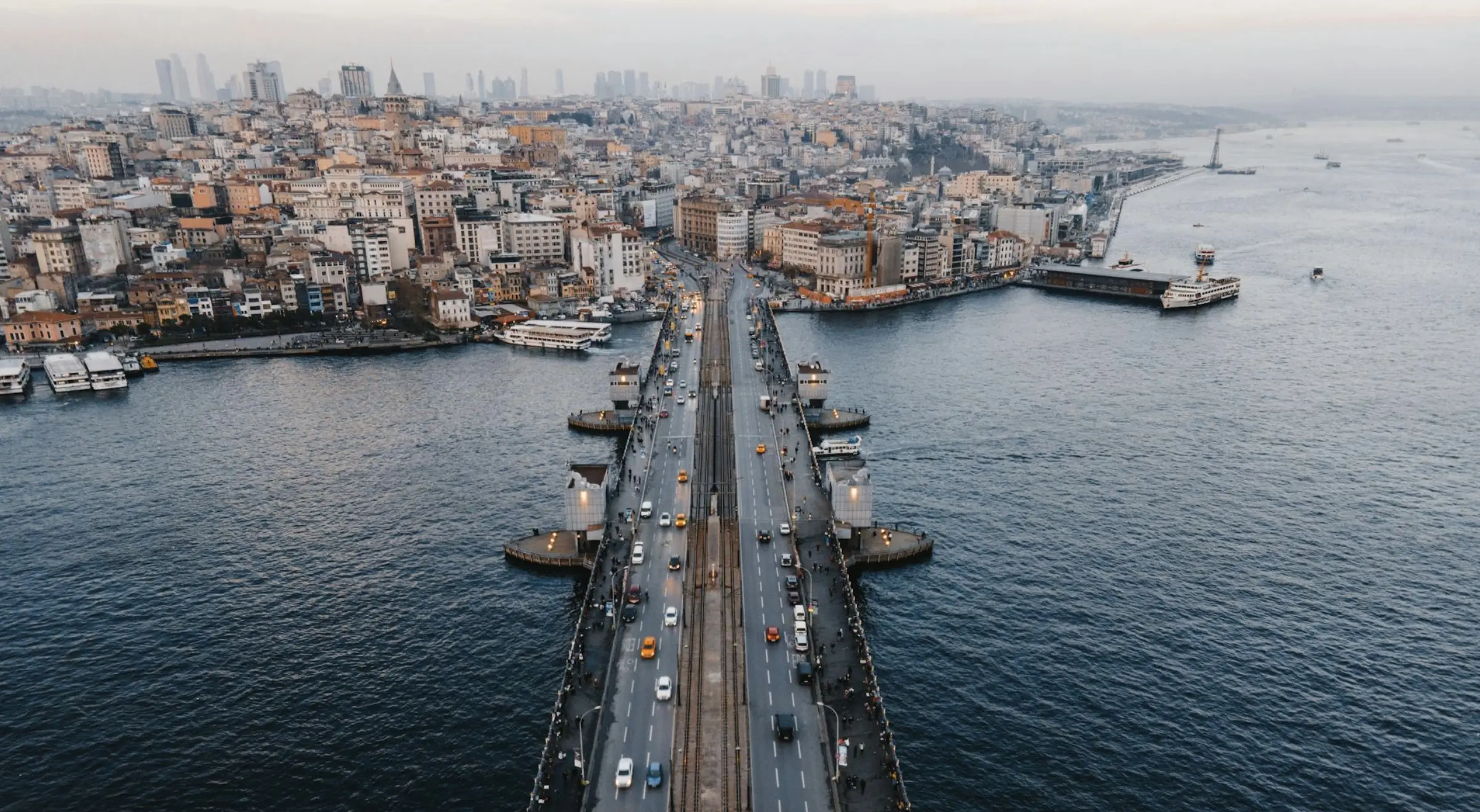
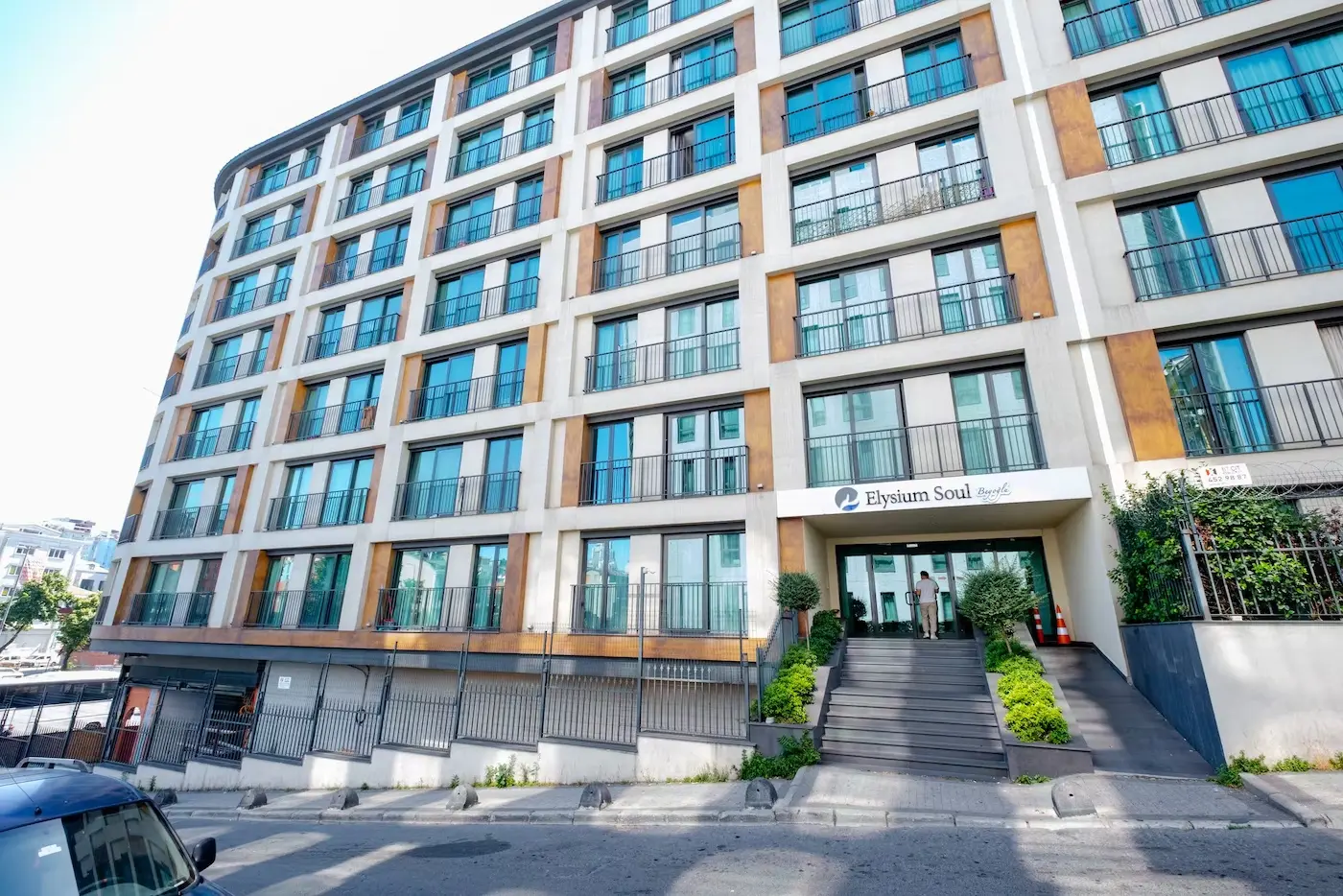
For wealthy families comparing Turkey with Dubai, London, or Southern Europe, Istanbul is often the point where the Turkish proposition becomes concrete. It is large enough to matter, connected enough to function globally, and deep enough to support serious wealth positioning.
Bodrum Is the Lifestyle Counterweight
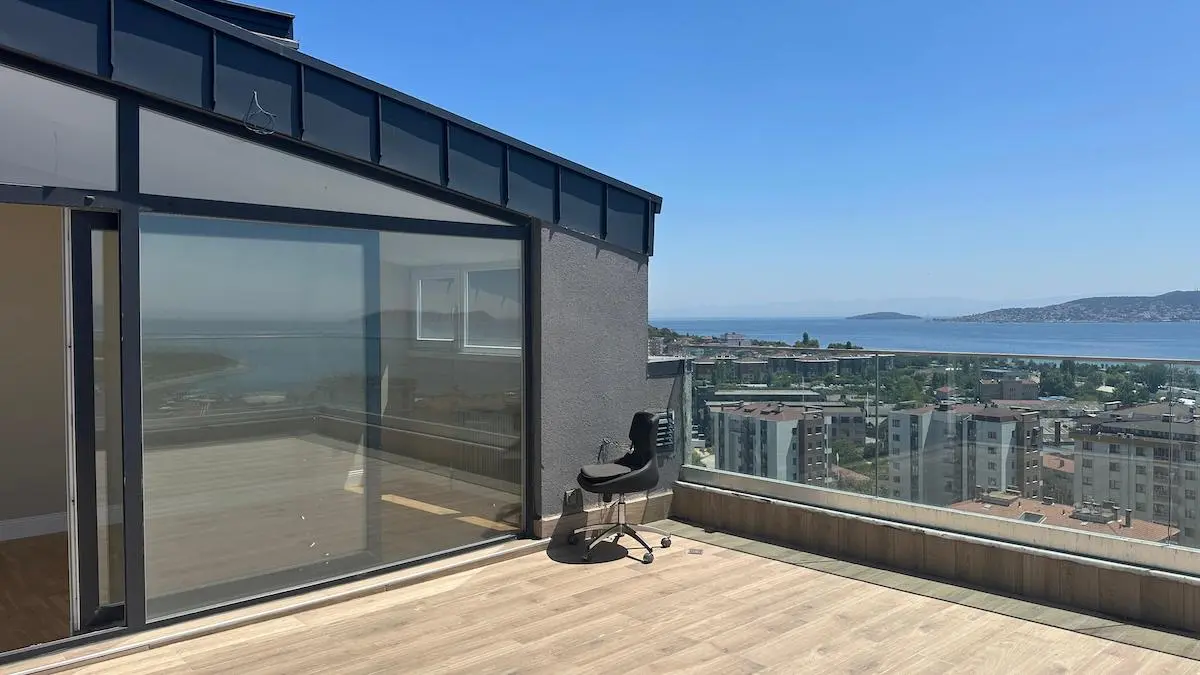
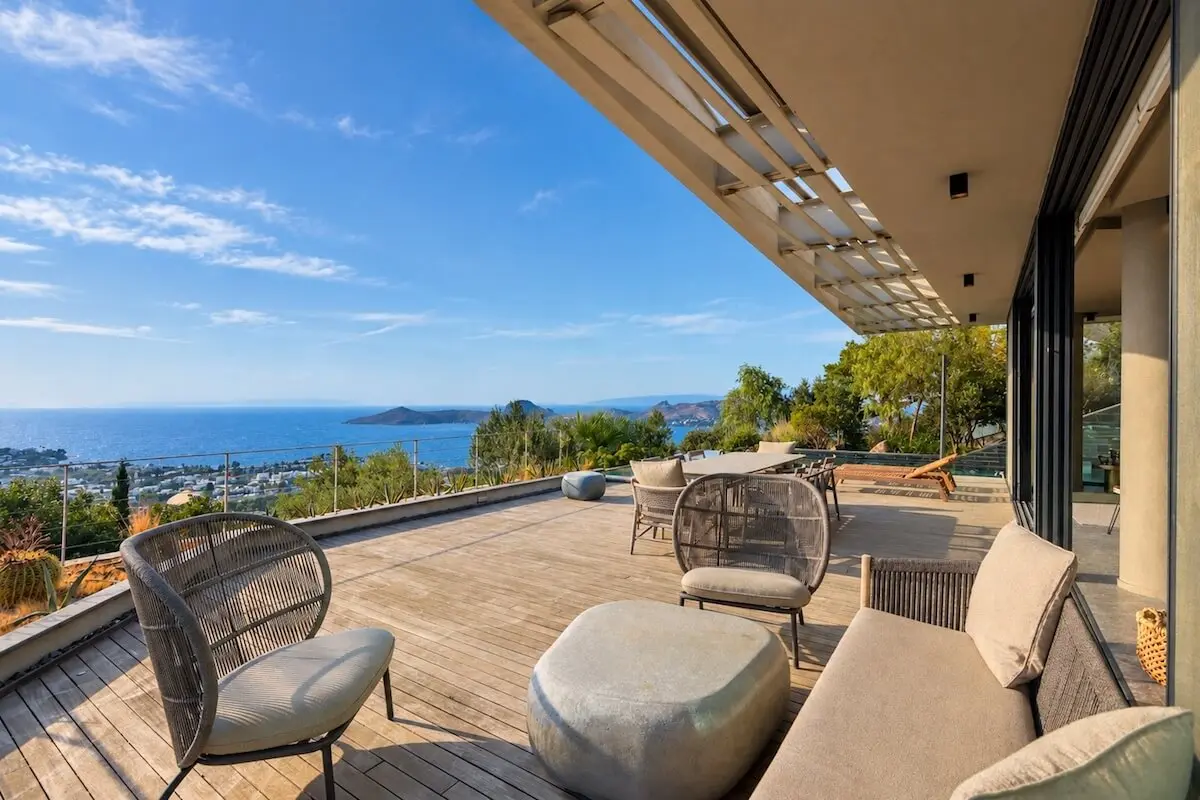
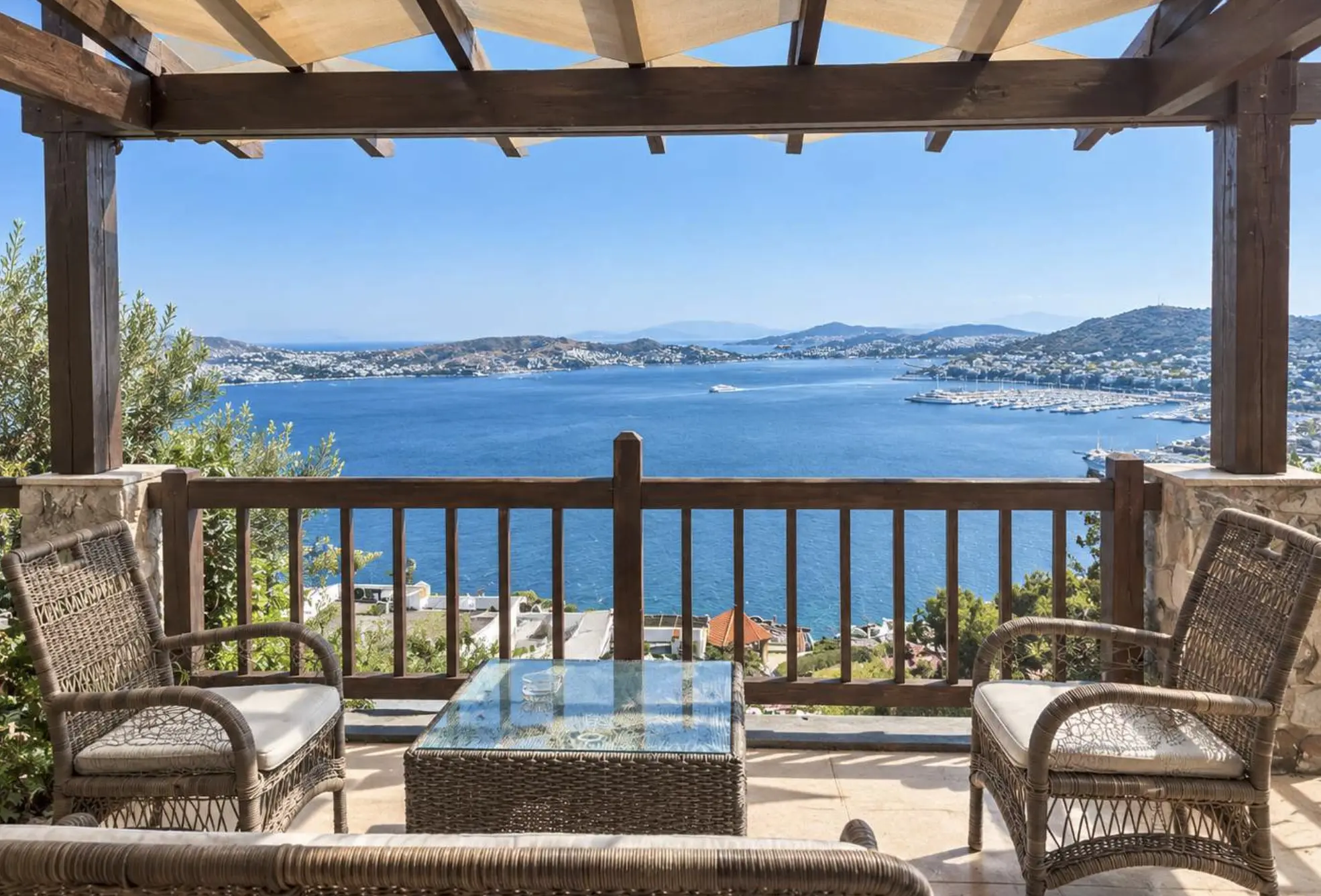
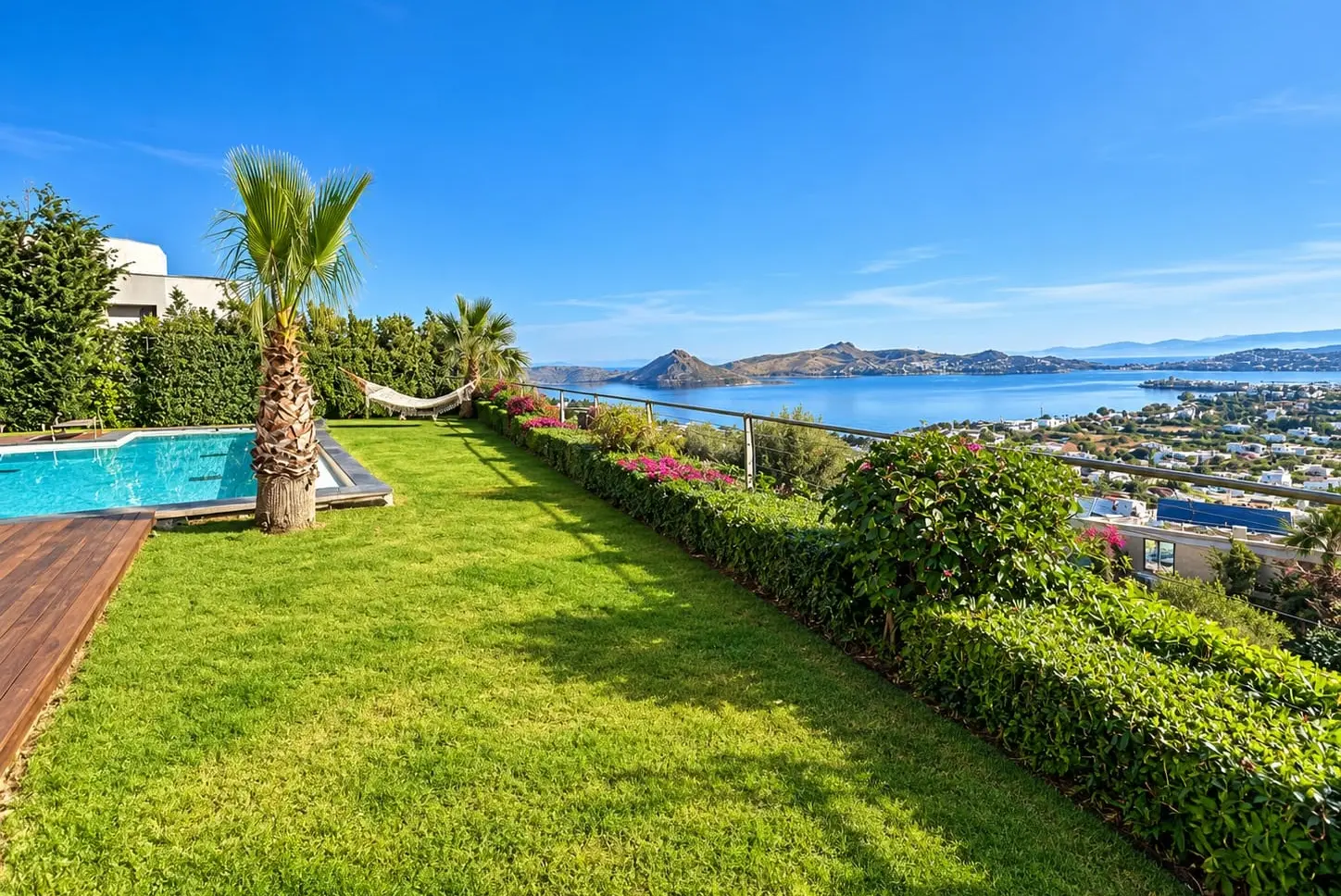
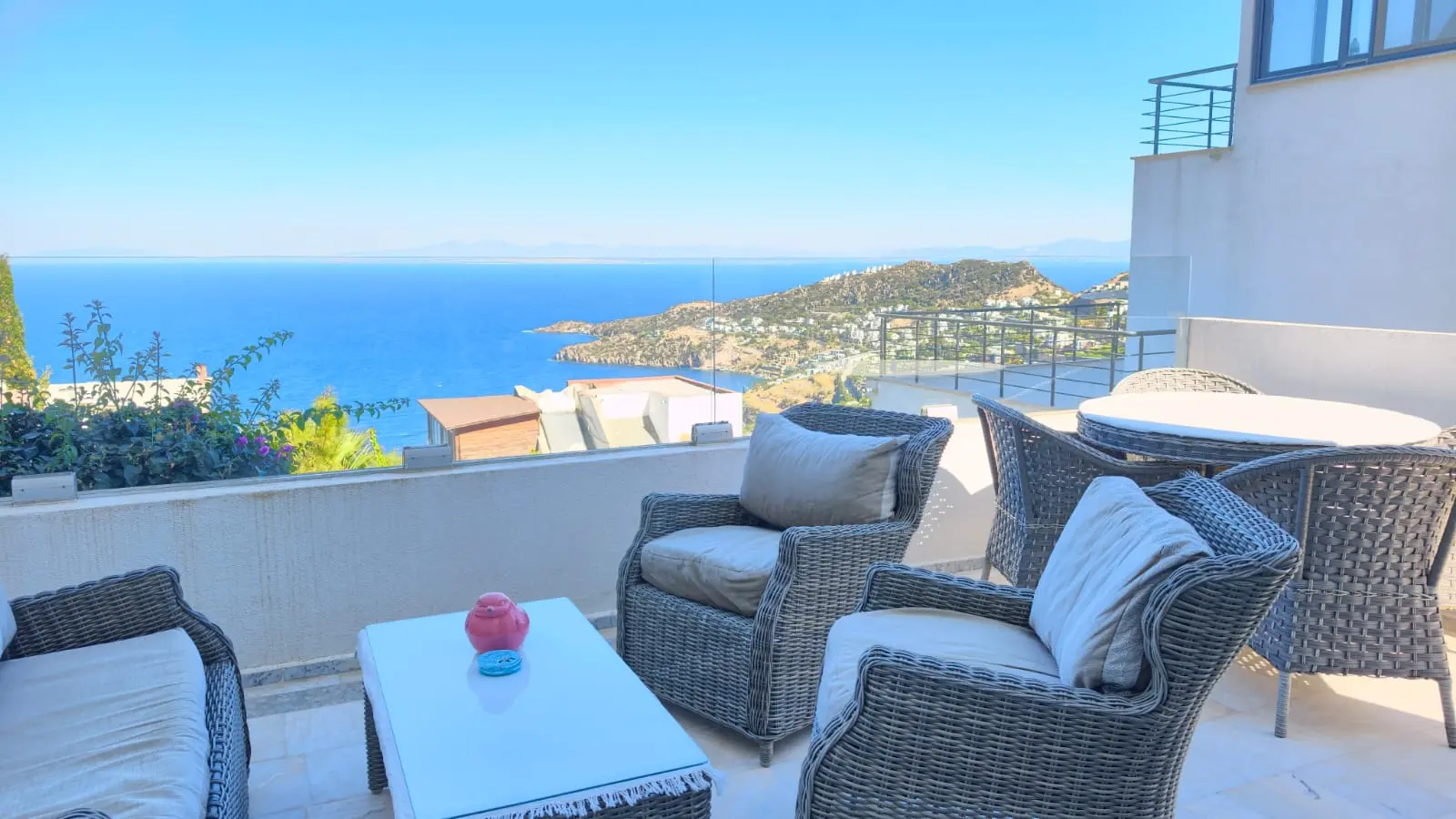
The other reason Turkey makes sense for wealthy families is that it is not just an Istanbul market. Bodrum has become one of the Mediterranean’s most credible luxury lifestyle destinations. For HNWIs who want coastal living without disconnecting from Europe or the Middle East, Bodrum offers a very different but equally strategic proposition.
- Istanbul as a city base for business, education, and access.
- Bodrum as a coastal base for privacy, family life, and wellbeing.
That internal lifestyle flexibility is one of Turkey’s strongest advantages. HNWIs are not forced into a single city. They can build a Turkish real estate portfolio and a lifestyle across more than one environment, within the same country.
Wealth Growth and HNWI Momentum in Turkey
Knight Frank’s 2024 Wealth Report stated that Turkey led its rankings with a 10% expansion in UHNWI numbers, ahead of the US at 8%. That is not the same as saying Turkey is already the world’s biggest wealth magnet. It is not. But it does show something important: wealth creation and wealth concentration in Turkey are moving in the right direction for high-end real estate, services, and private client infrastructure.
In other words, Turkey is not just attractive to external capital. It is also producing more internal wealth of its own. That is important because mature HNWI markets are stronger when domestic wealth, foreign interest, and real asset demand support one another.
Dubai vs Turkey for HNWIs in 2026
Question
Dubai
Turkey
Tax efficiency
Extremely strong
Strong, but not zero-tax
Residency route
Very strong
Available, but citizenship route is the bigger draw
Full citizenship through property
No
Yes, from $400,000 USD
Single-city concentration risk
Higher
Lower, because Turkey is a large sovereign state
Market depth beyond one city
More limited
Much broader nationally
Lifestyle options within one jurisdiction
Good
Excellent, especially Istanbul plus Bodrum
Appeal to East and West simultaneously
Strong
Arguably stronger in cultural and geographic terms
HNWI family base potential
Strong
Strong due to scale, citizenship, and lifestyle mix
The point is not that Turkey is better than Dubai at everything. It is that for HNWIs thinking beyond tax and into sovereignty, optionality, and long-term family positioning, Turkey answers a different and increasingly relevant set of questions.
UK Millionaire Outflow Signals Wider Search for New Bases
The UK’s net millionaire outflow of 16,500 in 2025 is evidence that wealthy families are becoming more fluid and less sentimental about jurisdiction. That shift creates a real search trend around where wealthy people should go next, how they should diversify, and which countries now offer the best mix of lifestyle, security, and long-term optionality. That search behaviour is likely to include questions such as:
- Where should millionaires move next?
- What is the next safe haven after Dubai?
- Best country for HNWI relocation in 2026?
- Best citizenship route for wealthy families?
- Where should global investors go after London and Dubai?
- Is Turkey a good option for HNWI relocation?
Turkey belongs in those conversations. Not as a fantasy and not as a marketing slogan, but as a serious answer for families looking beyond traditional Western bases and beyond single-city wealth hubs.
Turkey Makes Sense Now, Not Just Eventually
Turkey is already credible enough to be investable, but it is not yet so fully institutionalised that the opportunity has been completely repriced. That middle stage is often where the best HNWI decisions get made. Too early feels uncomfortable. Too late feels expensive. Turkey in 2026 sits somewhere in between.
It has the scale, geography, and optionality that wealthy families care about. It has a functioning citizenship route. It has a city that can support serious business and a coastal market that can support serious lifestyle. It is relevant to both Western outflow and Gulf diversification at the same time.
For global HNWIs looking for a real second base, a real citizenship strategy, or a more balanced jurisdictional footprint in the world, Turkey has moved from being a peripheral option to a serious contender in 2026.
Ready to Explore Turkey as a HNWI Base?
For wealthy families, the right jurisdiction is rarely just about tax. It is about where life works, where capital can be positioned intelligently, and where long-term optionality actually exists. At Property Turkey, we help international buyers assess Istanbul, Bodrum, and the wider Turkish market through that exact lens, combining citizenship logic, real estate performance, and lifestyle strategy into one decision. Contact us today for a free consultation with our relocation and citizenship advisors.
FAQs: Why Turkey Makes Sense for HNWIs in 2026
Q: Why are HNWIs rethinking their options in 2026?
A: Because the global wealth map is shifting. The UK is seeing record millionaire outflows, while recent geopolitical events have made diversification beyond a single hub more important.
Q: Is Dubai still attractive for wealthy families?
A: Yes. The UAE remains one of the world’s strongest wealth magnets. The issue is not abandonment, but diversification and reassessment of concentration risk after the Iran War.
Q: Why does Turkey stand out for HNWI relocation?
A: Turkey combines strategic geography, a large domestic economy, multiple lifestyle bases, and a citizenship route through property investment. It offers more than residency or lifestyle alone.
Q: Is Turkey a safe haven for wealthy families?
A: Turkey is not a classic offshore safe haven in the Dubai or Swiss mould. It does offer something that many wealthy families increasingly value: scale, sovereignty, and geographic relevance.
Q: What is the Turkish citizenship by investment threshold in 2026?
A: The real estate route to a Turkish passport remains available from $400,000 USD, subject to the required holding period and compliance rules.
Q: Is Turkey a residency play, or a citizenship play?
A: For many HNWIs, it is primarily a citizenship investment, because full citizenship offers stronger long-term stability than residency alone.
Q: What makes Turkey different from a city-state wealth hub?
A: Turkey is a large sovereign country with multiple economic centres, a population above 86 million, and more than one credible HNWI lifestyle base.
Q: Why is Istanbul important for wealthy investors?
A: Istanbul is Turkey’s commercial, cultural, and property market centre, making it the most logical entry point for families who want depth, connectivity, international schools, and liquidity.
Q: Why is Bodrum suitable for HNWIs?
A: Bodrum gives wealthy families a Mediterranean lifestyle in the same jurisdiction, complementing Istanbul’s city-based advantages with privacy, sea views, and family-focused living.
Q: Is Turkey’s economy still growing in 2026?
A: The IMF country page for Turkey shows a 4.2% real GDP growth projection for 2026, while Reuters reported the economy grew by 3.6% in 2025.
Q: Is Turkey better than Dubai for HNWIs?
A: Not in every category. Dubai remains stronger in pure tax efficiency, but Turkey offers a broader proposition for families prioritising citizenship, multiple lifestyle bases, and lower single-city risk.
Q: What is the easiest way to explain Turkey’s HNWI appeal?
A: Turkey is one of the few places where wealthy families can combine citizenship, real estate, lifestyle, market depth, and geopolitical optionality within one jurisdiction.
Q: Where do millionaires move after leaving the UK?
A: There is no single answer, but current migration data suggests wealthy families are prioritising low-friction jurisdictions, strategic lifestyle hubs, and countries offering residency or citizenship.
Sources Supporting This Article
- Henley & Partners / New World Wealth (June 2025) – The Henley Private Wealth Migration Report 2025 projected a net inflow of 9,800 millionaires to the UAE and a net outflow of 16,500 from the UK.
- Reuters and Wall Street Journal (April 2026) – The Iran War showed how conflict disrupted Gulf markets and increased investor awareness of geopolitical concentration risk, even though the UAE remains a major capital hub.
- IMF and Reuters (March-April 2026) – The IMF country page lists Turkey’s 2026 projected real GDP growth at 4.2% and population at 86.447 million, while Reuters reported the economy expanded 3.6% in 2025.
- Knight Frank Wealth Report 2024 (2024) – Knight Frank reported that Turkey led its rankings with a 10% expansion in UHNWI numbers, highlighting the country’s improving position in the global wealth landscape.
Cameron Deggin Founder & CEO, Property Turkey
Cameron Deggin is Founder and CEO of Property Turkey. A former finance professional and FCCA-qualified accountant, he founded the company in 2001 after recognising Turkey’s investment potential. With more than two decades analysing Turkish real estate, Cameron regularly advises international investors and is quoted by media including the Financial Times and BBC.




 By:
By:



 Founder & CEO, Property Turkey
 Istanbul
  1
1  1
1 









 X
X