The World Bank’s approval of $2 billion USD for the Istanbul North Rail Crossing project is more than another infrastructure story. It is a signal of intent. The project sits within a broader $6.75 billion USD financing framework and points to something much bigger than a single rail investment. Turkey is not simply building transport capacity. It is trying to strengthen its claim as one of the most strategically useful countries in the world for trade, energy, logistics, finance, and long-term capital.
For years, many investors have looked at Turkey in fragments. Some saw Istanbul property. Some saw Bodrum as a lifestyle destination. Some focused on Turkish Citizenship by Investment. Others only saw inflation, politics, or short-term market noise. Very few stepped back and looked at the deeper pattern. Turkey’s current position is the result of years of infrastructure, corridor, and commercial development.
The question is not whether Turkey is already the finished product. The more important question is whether it is putting in place the building blocks for the next global era, at a time when the old centres of power are showing fatigue, returns are diminishing across many mature Western markets, and investors are looking for countries that can serve several worlds at once. Turkey sits in exactly that position.
Quick Summary
Turkey’s long-term investment case is no longer only about low prices or Citizenship by Investment. It is increasingly about strategic geography, infrastructure, trade routes, energy transit, demographics, and state-backed positioning. The Bosphorus rail project, tax incentive proposals, the rise of the Middle Route, expanding corridor relevance between Europe and Asia, and Turkey’s role in gas, oil, electricity, and logistics networks all point in the same direction: Ankara is trying to convert geography into durable economic leverage.
Key Takeaways: Turkey Is Positioning for the Next Wave
- The World Bank approved $2 billion USD for the Istanbul North Rail Crossing, part of a wider $6.75 billion USD multilateral financing package.
- The project is expected to carry 33 million passengers and 30 million tonnes of freight annually once fully completed.
- The World Bank says the Bosphorus rail increases Turkey’s ability to capture cargo from the Middle Route, the Iraq Development Road, and the China-Europe rail network.
- The World Bank’s Middle Route study says the right mix of investments and efficiency gains could halve travel times and triple trade flows by 2030.
- An EU-backed study said trade on the Trans-Caspian route has quadrupled since 2022 and could triple again by 2030 with the right investment.
- Bloomberg reported that Turkey is working to broaden business and tax incentives beyond the Istanbul Financial Center to attract multinationals.
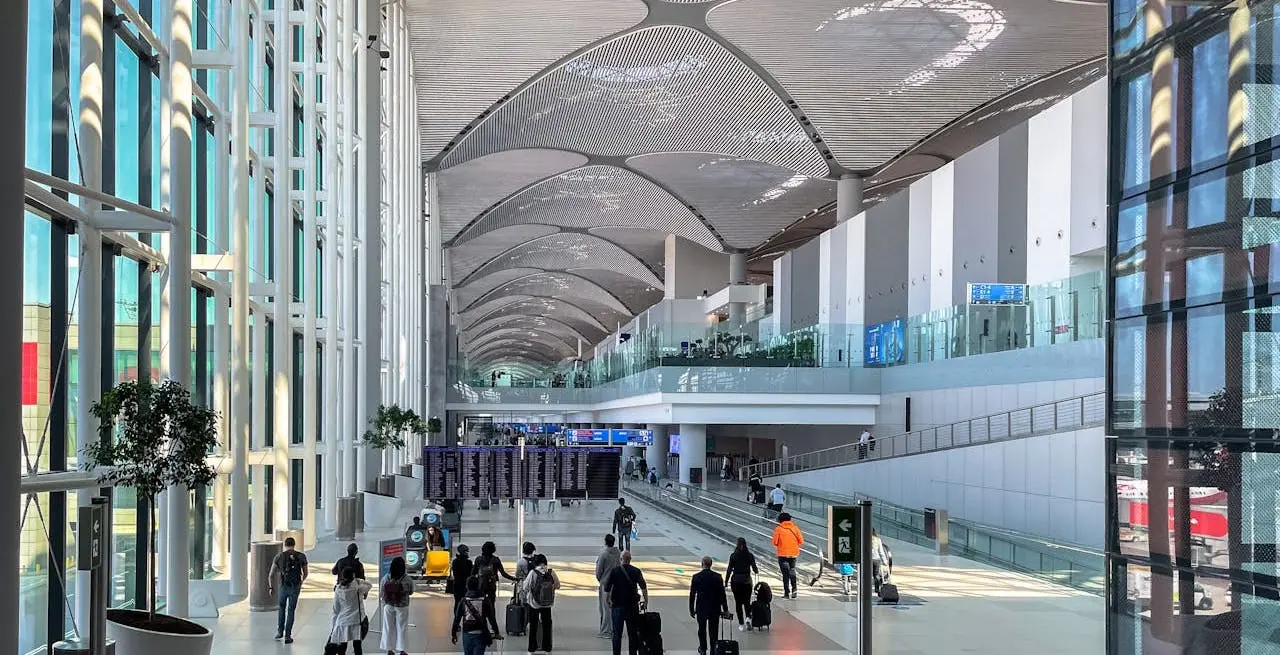
- Over the past two decades, Turkey has built transport, pipeline, airport, tunnel, bridge, regeneration, and logistics infrastructure that supports a much wider strategic role.
- Turkey is now the only transit route left for Russian gas to Europe, according to Reuters, highlighting its continuing energy leverage.
Why This Story Is Bigger Than One Rail Project
A lot of investors still think about countries through narrow lenses. They might see Turkish real estate, or tourism, or GDP, or interest rates. But major shifts in capital usually follow something deeper. They follow usefulness. Countries attract long-term money when they become integral to trade routes, supply chains, energy systems, regional headquarters, logistics networks, and the movement of people, goods, and capital.
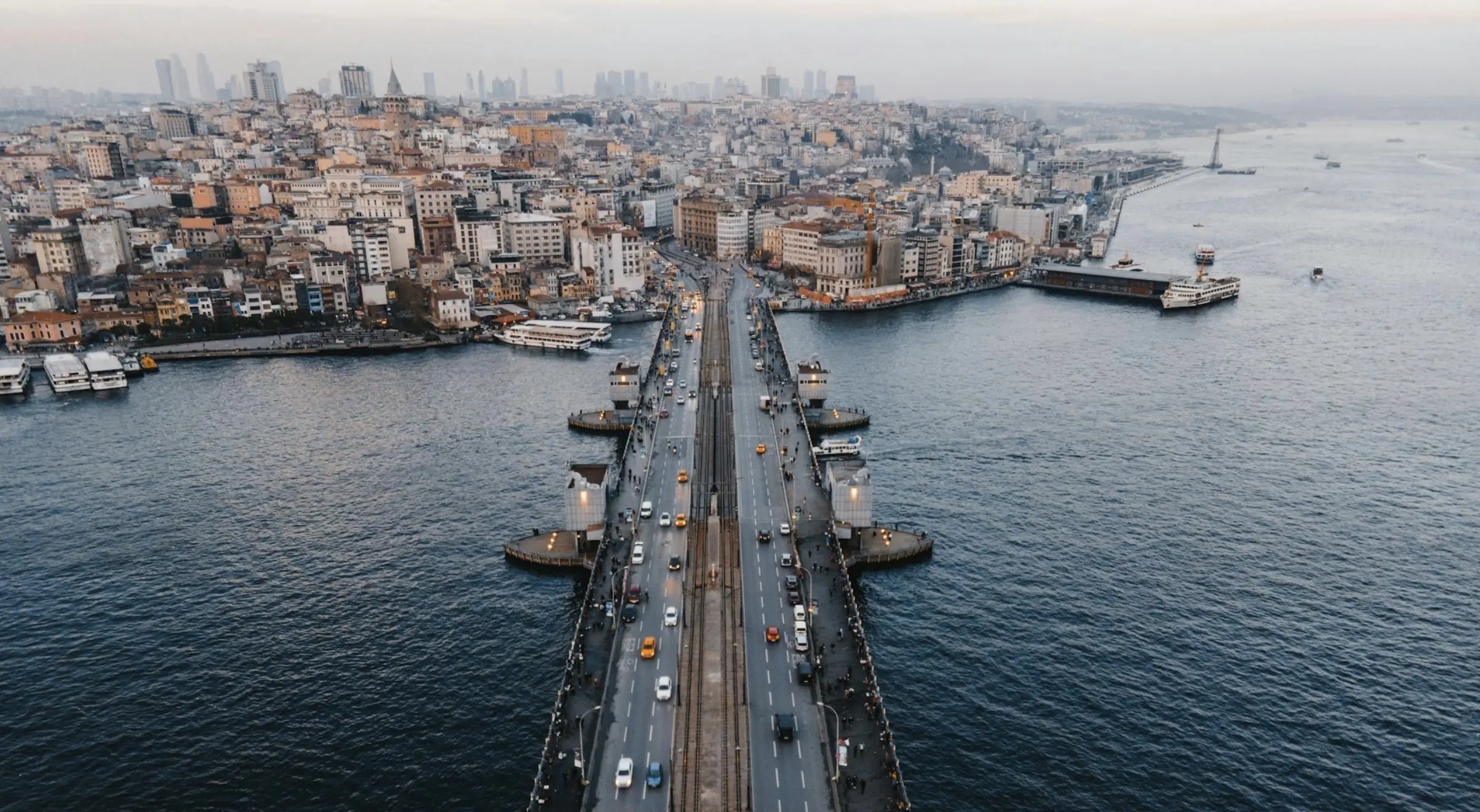
The Istanbul North Rail Crossing is significant not just because of its cost, but because it reflects a broader effort to reduce friction at one of the most important geographic choke points in the wider Europe-Asia system. When a country reduces transport friction, expands corridor relevance, improves energy connectivity, broadens business incentives, and upgrades its urban centres at the same time, it becomes more investable.
That is important for international investors in Turkey, because infrastructure-led growth tends to produce valuable second-order effects, including:
- More logistics activity.
- More industrial expansion.
- Stronger employment centres.
- Greater office demand in the right districts.
- More urban housing demand.
- Deeper institutional confidence.
- Higher long-term strategic relevance.
Turkey’s 20-Year Strategic Build-Up to This Moment
Turkey has spent the last two decades building the foundations for a larger role on the world stage, even if the market has not always priced that role in properly. Over the years, Turkey has strategically worked to strengthen itself as:
This did not happen through one policy or one project. It happened through accumulation. None of these pieces alone made Turkey a fully realised global capital hub. But together, they created a platform:
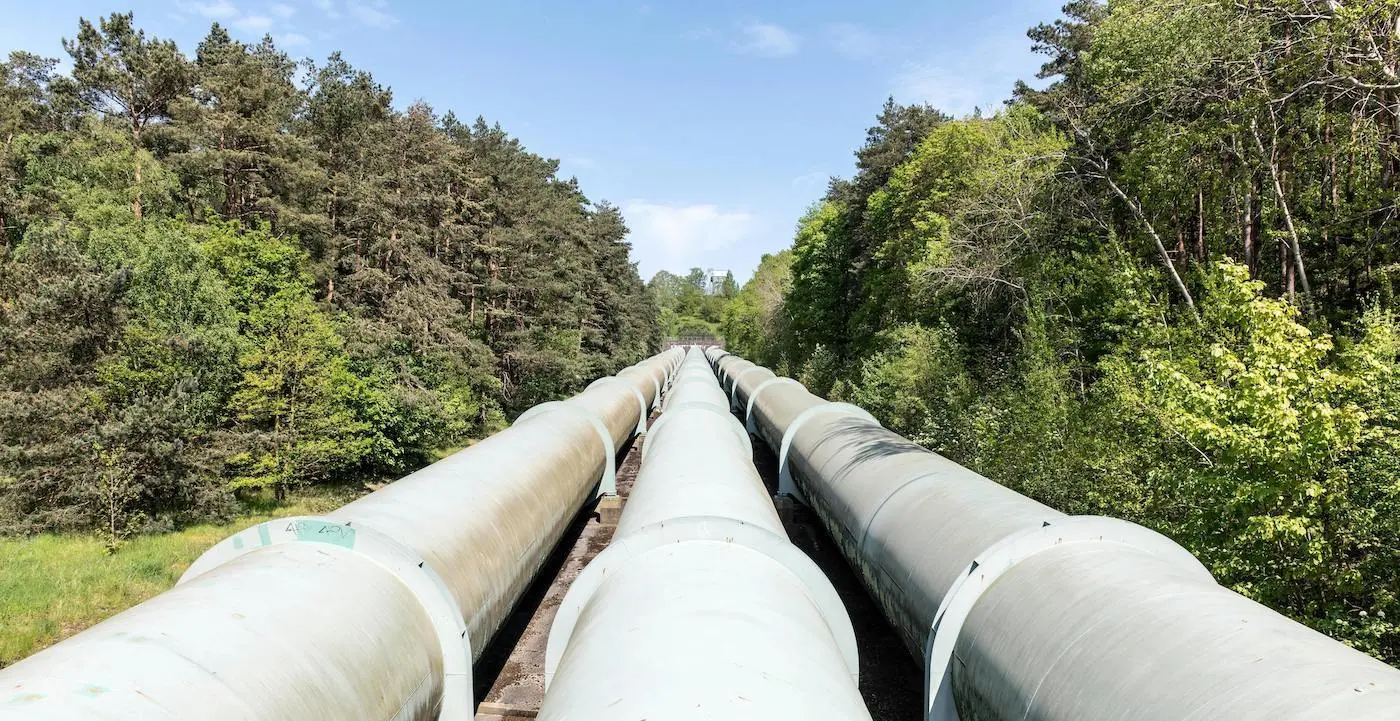
- The Baku-Tbilisi-Ceyhan pipeline linked Caspian oil to the Mediterranean via Turkey.
- TANAP reinforced Turkey’s role in moving natural gas from the Caspian basin to Europe.
- TurkStream and pipeline strategies increased Turkey’s importance in regional gas politics.
- Marmaray transformed Bosphorus connectivity.
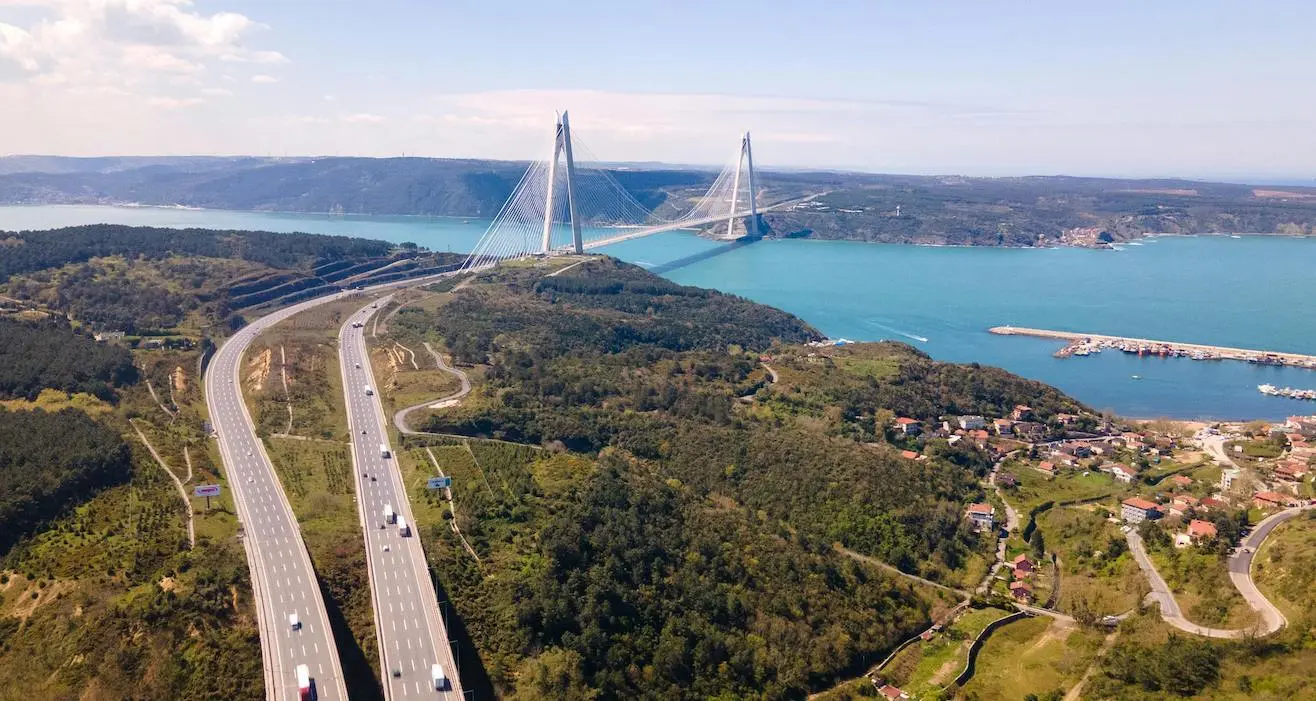
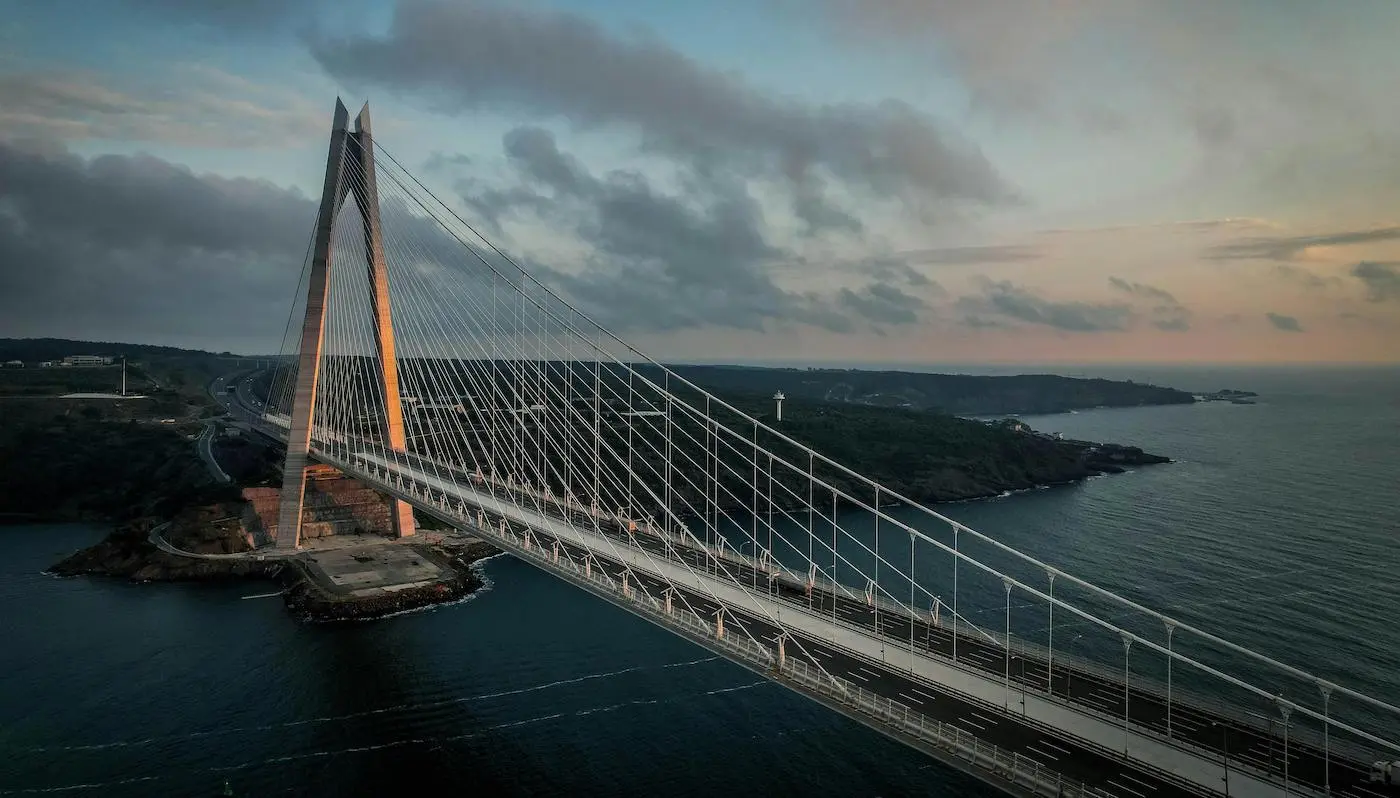
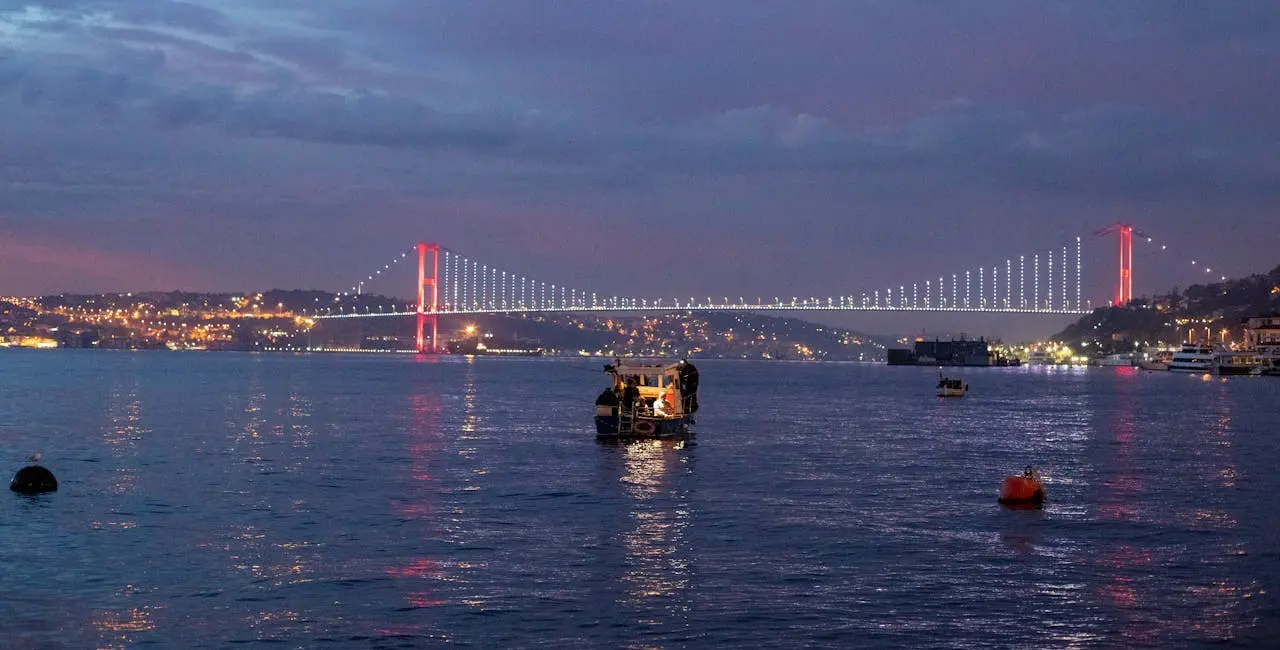
- Yavuz Sultan Selim Bridge expanded road and freight capacity.
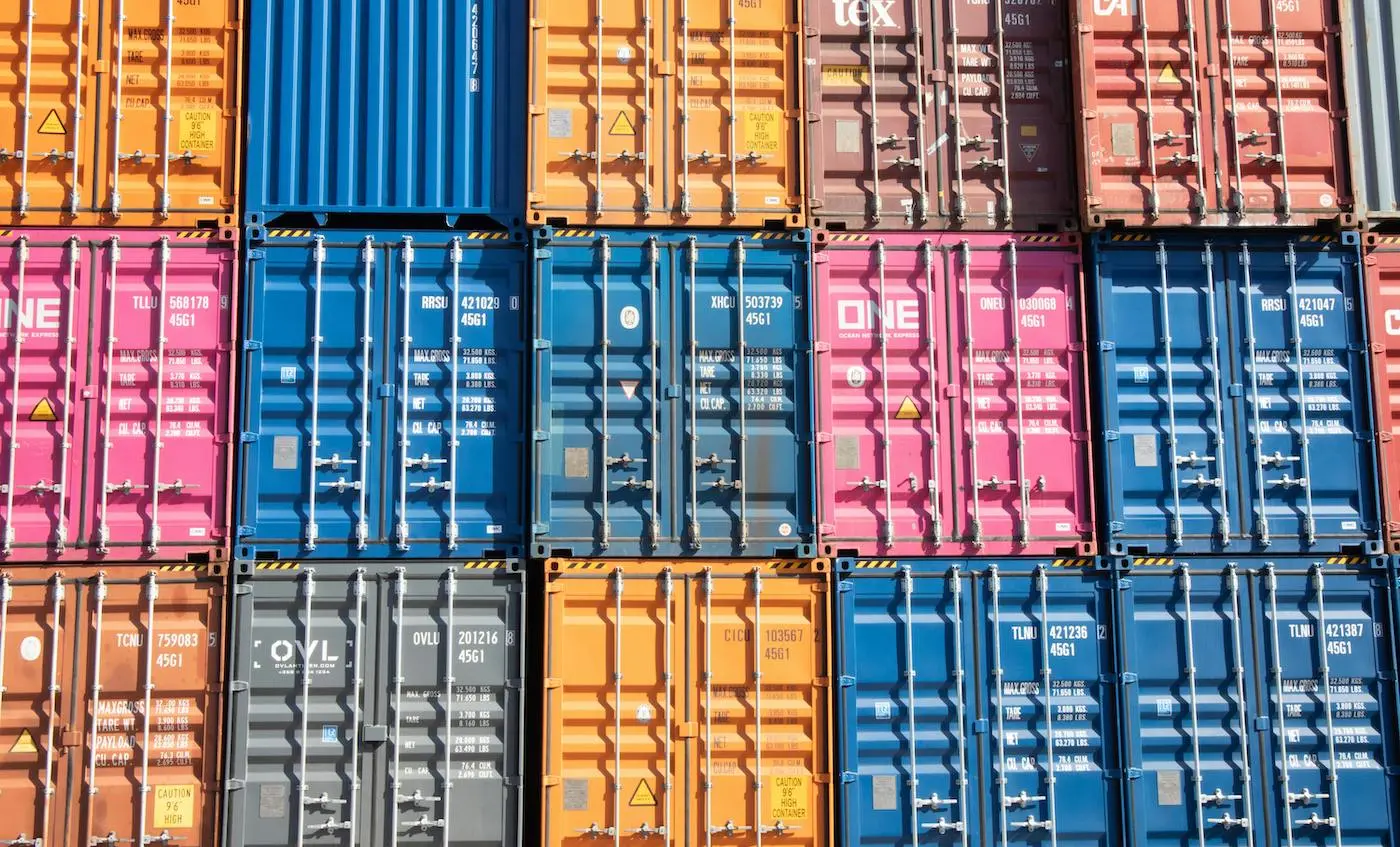
- Ports, roads, industrial zones, and logistics networks helped domestic and regional trade.
The Bosphorus Bottleneck and Why Its Removal Matters
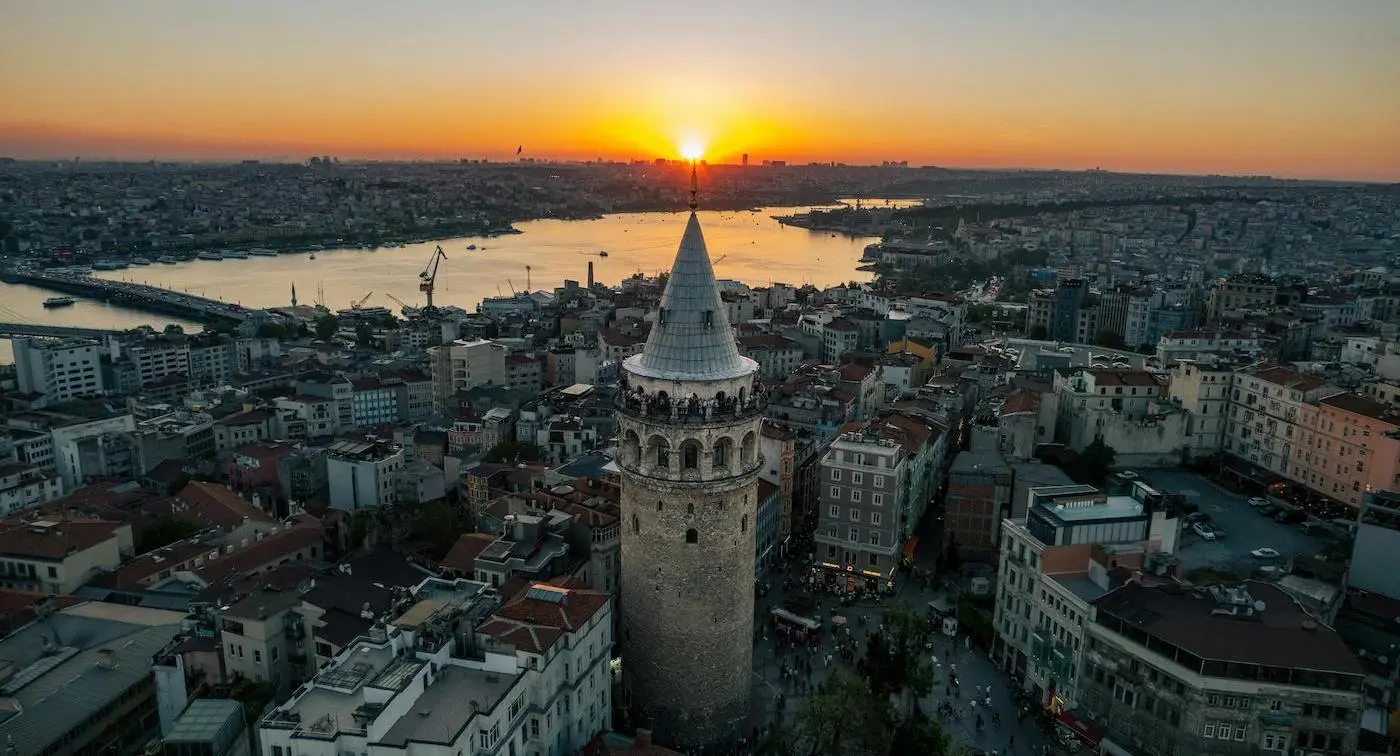
The Bosphorus is one of the most symbolic locations in the world, but it is also a practical bottleneck. Geography is valuable only when it can be efficiently monetised. If a country sits at the centre of regions but lacks the capacity to move goods, people, and capital across that geography efficiently, its location remains underused.
This is why the new rail project matters. It is not just about mobility inside Istanbul. It is about making Turkey more effective as a transport platform across continents. The World Bank’s project makes that clear. Better rail capacity across the Bosphorus supports Turkey’s ability to capture more trade from the Middle Route, the Iraq Development Road, and the wider rail networks linking China, Central Asia, the Caucasus, and Europe.
For investors, the implication is straightforward. Lower friction across strategic bottlenecks makes a country more attractive for freight, supply chains, commercial planning, and long-term global business deployment. In simple terms: it gives more reasons for international firms to take Turkey seriously as a platform rather than just a market.
The Middle Route Is Becoming Real
For years, people talked about overland East-West trade routes as future potential. The World Bank’s 2023 Middle Trade and Transport Corridor report said a combination of investment and efficiency reforms could halve travel times and triple freight volumes by 2030. The EU delegation in Turkey said trade on the Trans-Caspian route has quadrupled since 2022, and that, with the right investments, it could triple again by 2030.
That does not mean every trade flow will suddenly run through Turkey. It does mean the argument has changed from “could this work?” to “how much of this can be captured?” For a country sitting between Europe, Central Asia, the Caucasus, the Middle East, and the Mediterranean – that is a very different stage of the story.
Turkey’s Growing Strategic Role in Energy Transit
Trade is only one side of the argument. Energy is the other. Reuters reported in April 2026 that Turkey is now the only transit route for Russian gas to Europe after the Ukraine route expired in early 2025. At the same time, the TANAP project states its initial capacity is 16 billion cubic metres annually, with 10 billion cubic metres intended for export to Europe and says capacity can eventually be expanded to 31 billion cubic metres.
On the oil side, BP states that the Baku-Tbilisi-Ceyhan pipeline has throughput capacity of 1.2 million barrels per day, while Reuters reported in 2025 and 2026 on efforts around Iraq-to-Turkey export routes and the role of Ceyhan as an export outlet. Turkey is a country through which other countries’ energy and trade security increasingly pass. That tends to attract long-term capital.
Why Turkey Is Becoming More Important to Global Capital
Investors do not only chase growth. They chase relevance. Western Europe still offers legal certainty, but many of its major economies are slower growing and far more mature. Asia offers scale, but not every Asian market offers the same legal familiarity, cultural openness, or strategic fit for global capital coming from Europe or the Gulf. The Gulf remains important, but recent conflict has reminded investors that concentration in one regional hub is not the same as diversification.
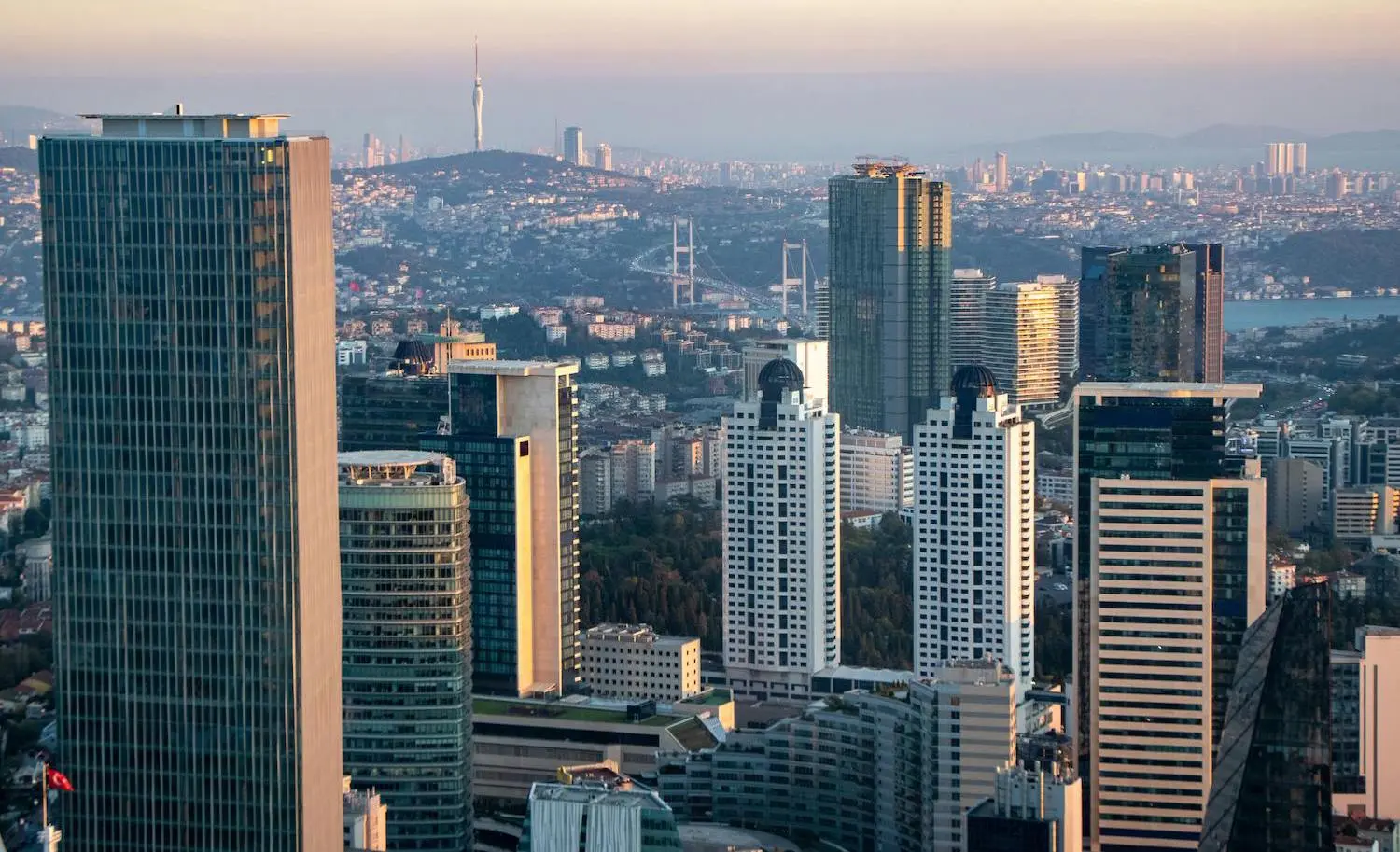
Turkey occupies a rare position across several major regional and economic systems. It is not fully Europe. It is not fully Asia. It is not fully Middle Eastern. It is a country that can engage with all three. It has Mediterranean access, Black Sea access, control over the Bosphorus, a young and large domestic population, one of the most strategically placed cities on earth in Istanbul, and a commercial culture that has long understood how to trade between systems, regions, and civilisations.
Tax Incentives Suggest Ankara Understands the Moment
Bloomberg’s report on proposed tax incentives is especially important because it suggests the Turkish state wants more than one-off capital or tourism inflows. It wants to attract multinationals, global trade firms, and international business activity by broadening the advantages previously associated with the Istanbul Financial Center. For property investors, long-term real estate demand is usually strongest when it is backed by:
- Business formation.
- Professional employment.
- Capital-market activity.
- Logistics and industrial expansion.
- International corporate presence.
In other words, better tax architecture in Turkey for business can eventually feed directly into stronger demand for offices, serviced apartments, premium long-term rentals, and housing in selected growth districts.
Turkey’s Demographic Depth Is Still a Strength
Big infrastructure investments are more powerful when they sit inside countries with real domestic depth. The IMF country page lists Turkey’s population at 86.4 million and its 2026 real GDP growth projection at 4.2%. UNFPA’s 2025 country data lists Turkey’s population at 87.7 million, with 21% aged 0 to 14.
That does not make Turkey a “young country” in the simplistic sense people used ten years ago. It does mean it still has more demographic depth and household-formation capacity than many stagnating European markets. For property, that’s important because long-term housing demand is stronger when there is: population scale, working-age density, urban migration, and a meaningful domestic buyer base.
What This Could Mean for Turkish Property Buyers
This is the part buyers care about most: how does macro positioning turn into long-term property and investment opportunity in Turkey? The answer is not simply “buy anywhere in Turkey”. It is much more specific than that.
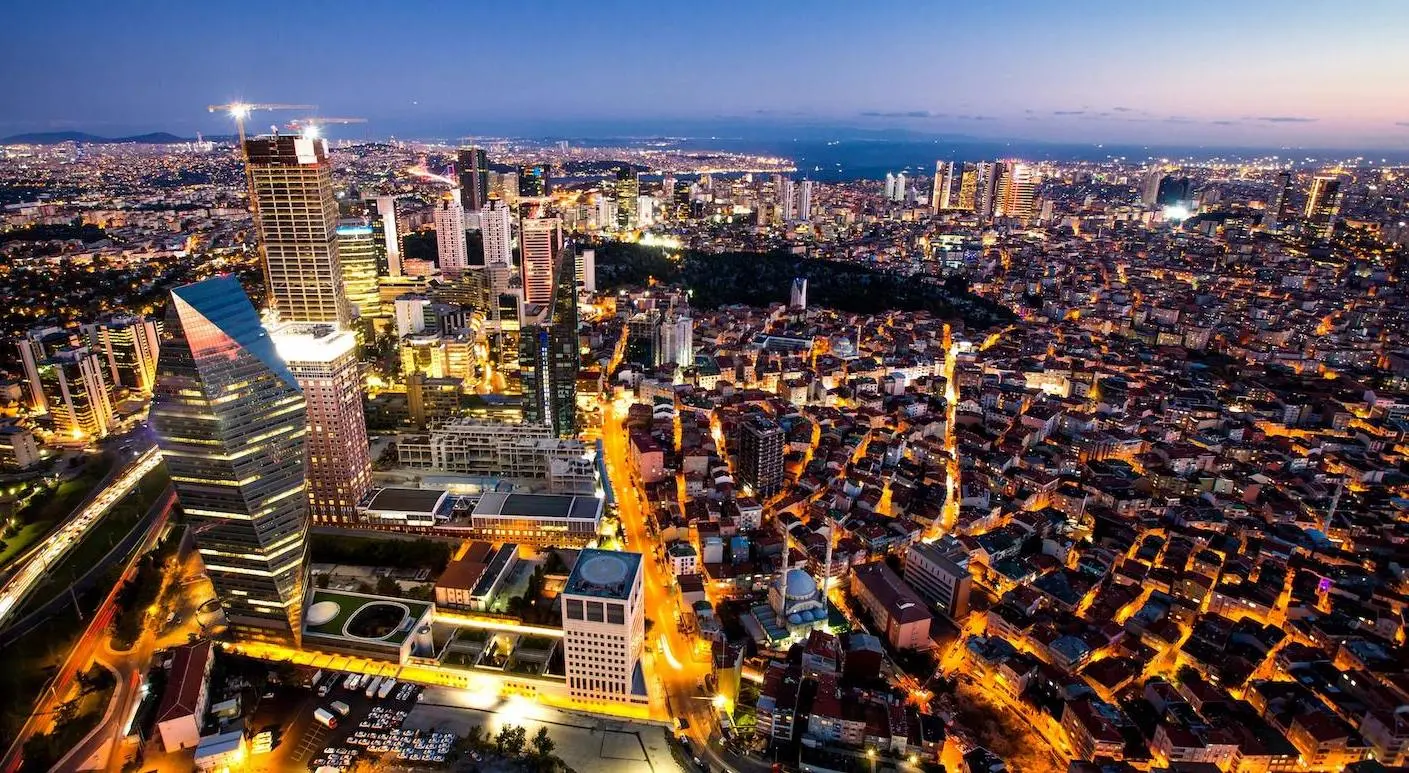
1. Istanbul’s Strategic Premium Could Deepen: As Turkey becomes more central to trade, finance, and regional capital flows, Istanbul is likely to capture the first wave of long-term benefit. Well-located, liquid, regeneration-supported, professionally appealing districts should stand to gain the most.
2. Urban Regeneration Gains Another Layer of Support: Many investors already like Urban Regeneration areas because of modern stock and earthquake resilience. Add stronger national infrastructure, greater strategic relevance, and more institutional confidence, and these districts gain another layer of logic.
3. Commercial and Logistics-Linked Assets Become More Interesting: If Turkey strengthens as a logistics, trade, and industrial platform, commercial assets, warehousing, and logistics-adjacent locations may become much more investable over time. This will not suit every foreign buyer, but it matters for the bigger picture.
4. Citizenship Buyers May Be Earlier Than They Realise: Some citizenship buyers still see Turkey as a passport-plus-property investment. But if the country is genuinely positioning for a stronger role over the next 20 years, then some buyers may later realise they entered during an earlier phase of a much bigger repricing cycle.
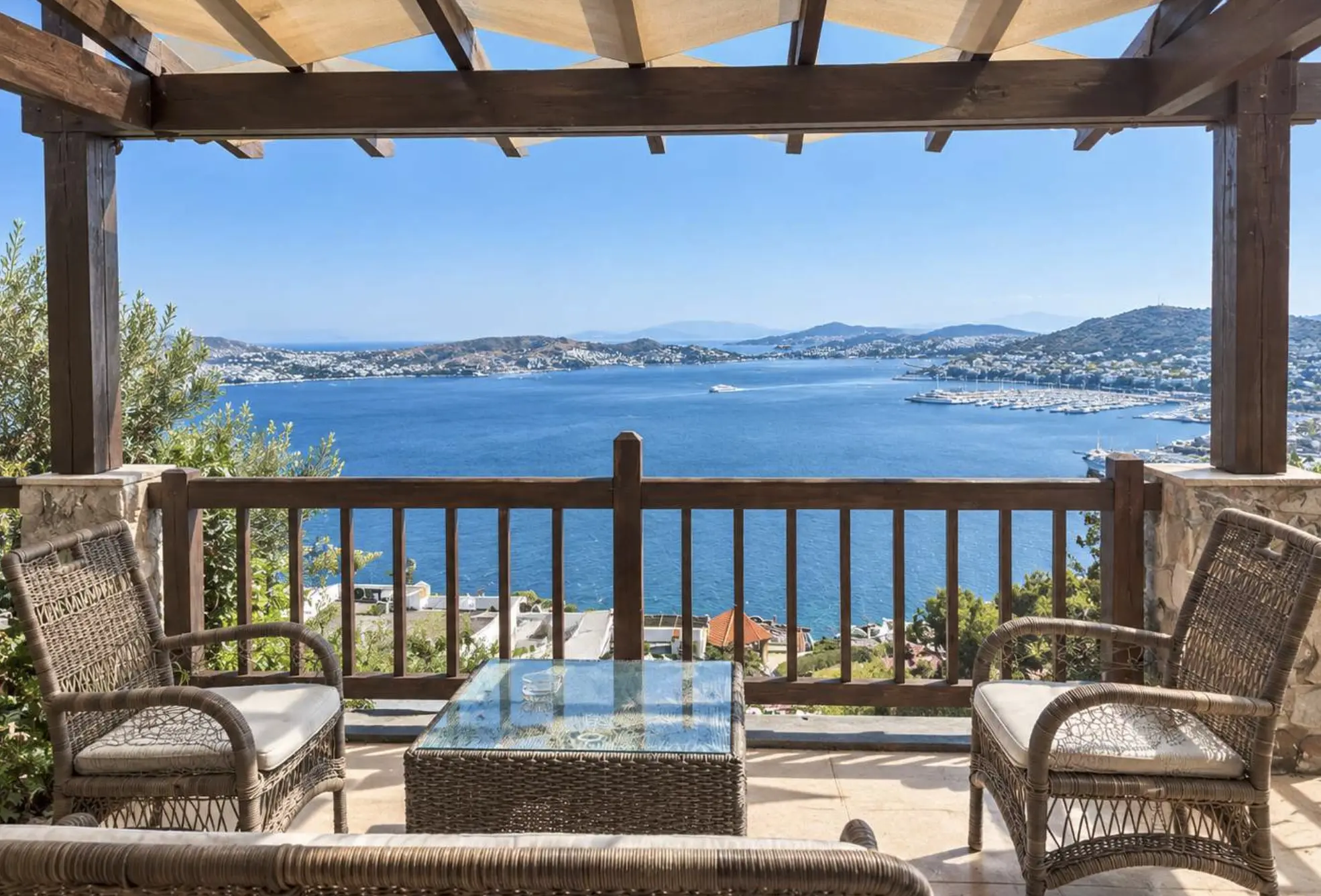
5. Lifestyle Buyers Could Be Buying into More Than Lifestyle: In places like Bodrum, many international buyers focus on sea views, privacy, family use, and quality of life. Those things are important. If Turkey’s national strategic position strengthens, lifestyle assets may also benefit from a wider investment story.
This is the fair sceptical question. Turkey’s opportunity has always been large. The debate has never really been about whether the geography is extraordinary. It has been about whether the country can translate that geography into systems, consistency, credibility, and long-term execution.
Turkey does not automatically win because it is well located. It has to keep improving infrastructure, keep broadening business conditions, keep strengthening institutions, keep modernising its cities, and keep acting with strategic patience. Geography opens the door. Execution decides whether the opportunity is captured.
But the reason the outlook looks stronger now is that more pieces appear to be aligning at the same time. That does not guarantee success, but it does mean the story is becoming harder for investors to dismiss:
- Major multilateral rail financing.
- Growing relevance of the Middle Route.
- Broader business-incentive reform proposals.
- Continuing energy-transit importance.
- A large domestic economy and buyer base.
Why the Next 20 Years Could Be Defining for Turkey
The next 20 years may reward countries that can combine geography, trade, energy, infrastructure, business appeal, and domestic scale at the same time. Turkey has a realistic chance to be one of them. It already has several advantages that many mature markets would like to have:
- Population Scale: IMF data puts Turkey’s population at 86.2 million, giving it far more domestic depth than many ageing European markets.
- Growth Potential: The IMF projects 2026 real GDP growth at 3.4%, suggesting Turkey still has economic momentum alongside its strategic position.
- Demographic Depth: UN data shows 21% of the population is aged 0 to 14, supporting long-term household formation and internal demand.
- Corridor Upside: The World Bank says the right improvements on the Middle Route could halve travel times and triple freight volumes by 2030.
What matters now is whether those strengths are successfully translated into long-term advantage. If Ankara continues improving transport, business conditions, financial architecture, and city-level liveability, Turkey could strengthen its role as a platform for trade, capital, industry, and regional influence.
The key point is timing. Large capital flows rarely arrive all at once. They tend to build when investors decide that a country’s strategic relevance is becoming harder to ignore. If Turkey continues building on the systems already in place, the next wave of capital may come because more investors see the country as central to the wider world economy.
Ready to Invest Before the Bigger Picture Is Fully Priced In?
The best long-term property stories rarely begin with property alone. They begin with infrastructure, geography, state intent, demographic resilience, and capital repositioning. Turkey is increasingly showing signs of all five.
At Property Turkey, we help clients understand not just where to buy, but why certain areas, districts, and assets may benefit from the country’s wider strategic direction over the next decade. Whether you are looking at Istanbul, Bodrum, citizenship property, or long-term investment opportunities, the real advantage comes from seeing the bigger picture before it is obvious to everyone else.
FAQs: Turkey Preparing for the Next Wave of Global Capital
Q: Why is the World Bank-backed rail project such a big deal?
A: Because it is not only about a transport line. It is about removing a major Bosphorus bottleneck and strengthening Turkey’s usefulness across wider Europe-Asia trade and logistics systems.
Q: What is the Istanbul North Rail Crossing expected to do?
A: Reuters reported that it is expected to carry 33 million passengers and 30 million tonnes of freight annually once completed.
Q: What is the Middle Route and why does it matter for Turkey?
A: The Middle Route is the overland trade path connecting Asia and Europe via Central Asia and the Caucasus. Turkey is one of the countries that can turn that corridor into a commercial reality.
Q: Has trade on that route already increased?
A: Yes. According to information from The EU’s Turkey delegation, trade on the Trans-Caspian route has quadrupled since 2022.
Q: Why does the Bosphorus matter so much to investors?
A: It sits at the centre of one of the world’s most valuable geographic intersections. Better capacity can improve freight, mobility, and strategic relevance far beyond Istanbul alone.
Q: Why is Turkey important for energy transit?
A: Reports in 2026 noted that Turkey had become the only remaining transit route for Russian gas to Europe after the Ukraine route expired.
Q: What is TANAP’s current significance?
A: TANAP states its initial annual capacity is 16 bcm, with 10 bcm intended for export to Europe, and expansion potential up to 31 bcm.
Q: How could tax incentives affect property investors?
A: Better incentives for global firms can increase long-term demand for offices, rentals, and urban housing by attracting more international business activity into Turkey.
Q: What does this macro story mean for Istanbul property?
A: Istanbul is the country’s main business, finance, and global transport gateway, so it usually benefits first from improvements in national infrastructure and international capital.
Q: How does investment in logistics impact Turkish real estate?
A: Better logistics networks tend to pull in jobs, investment, and business activity. That can support residential and commercial property demand.
Sources Supporting This Article
- World Bank and Reuters (March 2026) – The World Bank approved $2 billion USD for the Istanbul North Rail Crossing. Reuters reported the line is expected to carry 33 million passengers and 30 million tonnes of freight annually.
- Bloomberg (April 2026) – Bloomberg reported that Turkey is preparing legislation to broaden some Istanbul Financial Center incentives to foreign firms across the country as part of a push to attract multinationals.
- World Bank and EU Delegation to Turkey (2023 to 2026) – Investment and reforms on the Middle Route could halve travel times and triple freight volumes by 2030, while trade on the Trans-Caspian route has quadrupled since 2022.
- Reuters and TANAP (2025 to 2026) – Reuters reported that Turkey is now the only transit route left for Russian gas to Europe, while TANAP states its annual capacity is 16 bcm with expansion potential up to 31 bcm.
- IMF and UNFPA (2025 to 2026) – IMF country data puts Turkey’s 2026 real GDP growth projection at 4.2% and population at 86.4 million, while UNFPA’s 2025 data puts the population at 87.7 million with 21% aged 0 to 14.
Cameron Deggin Founder & CEO, Property Turkey
Cameron Deggin is Founder and CEO of Property Turkey. A former finance professional and FCCA-qualified accountant, he founded the company in 2001 after recognising Turkey’s investment potential. With more than two decades analysing Turkish real estate, Cameron regularly advises international investors and is quoted by media including the Financial Times and BBC.




 By:
By:


 Founder & CEO, Property Turkey

 Istanbul
  1
1  1
1 












 X
X