For more than a decade, Dubai has been one of the world’s most successful real estate stories. The city has transformed itself into a global financial hub, a tourism powerhouse, and a magnet for international capital.
Luxury towers, tax-free incentives, and world-class infrastructure have made Dubai a preferred destination for high-net-worth individuals from India, Pakistan, the Middle East, Africa, and across the global diaspora. Yet experienced investors rarely concentrate all their wealth in one jurisdiction.
In today’s geopolitical climate, a growing number of investors are beginning to think about diversification – not only across asset classes, but across countries. And increasingly, those investors are looking towards Turkey. Not as a replacement for Dubai, but as a strategic Plan B.
Key Takeaways: Why Dubai Investors Are Looking at Turkey
- Dubai remains a highly attractive market, but investors are seeking diversification.
- Turkey offers a second country exposure rather than simply another city exposure.
- Investors are increasingly looking for family security, mobility, and legal stability.
- Turkey appeals to Muslim HNWIs, Gulf-based families, and diaspora buyers.
- The best way to view Turkey is not an anti-Dubai move, but a complementary one.
- Property-backed citizenship gives Turkey a major advantage over other markets.
The Psychology of Global Investors Has Changed
For international investors, particularly those managing family wealth across generations, the question is rarely about abandoning a successful market. Instead, the question is usually: “What happens if circumstances change?”
This thinking has always existed among investors, but recent geopolitical tensions across the Middle East have reinforced it. When investors witness drone strikes, missile activity, or regional instability – even if it does not directly affect their assets – it triggers a natural shift in psychology.
Suddenly, diversification becomes more important than ever. The result is not a withdrawal from Dubai. Instead, it is a quiet search for secondary jurisdictions where families can maintain assets, residency options, and long-term security.
Dubai Remains Strong – But Investors Think Strategically
It is important to be clear: Dubai remains one of the most dynamic real estate markets in the world. Property prices in the emirate rose significantly between 2021 and 2024, with average residential values increasing by around 20% in 2023 alone, while luxury areas experienced growth of up to 40%.
Off-plan transactions account for over 60% of property sales, demonstrating continued investor confidence and liquidity in the market. Population growth, tourism recovery, and new infrastructure projects continue to support demand. For many, Dubai will remain a core pillar of their global portfolio. But diversification is now entering the conversation.
Why Global Investors Look for a Second Base
Across global wealth management circles, the concept of a second base is widely understood and implemented. In simple terms, it means having the following:
- Assets in more than one country.
- Residency or citizenship options outside your primary jurisdiction.
- Legal and financial flexibility for the future.
For families and experienced investors, this approach is not pessimistic, it is sensible. Historically, investors from regions experiencing volatility – whether economic, political, or geopolitical – have always sought secondary bases in stable countries with strong economies.
Turkey occupies a unique position geographically, culturally, and economically. The country sits at the crossroads of Europe, Asia, and the Middle East, acting as a bridge between continents and markets. It is also:
- A G20 economy.
- A NATO member state.
- Home to a population of over 85 million people.
- One of the most diversified economies in its region.
For investors already operating in the Gulf, Turkey is familiar. Culturally, there are strong connections across the Muslim world. Business networks between the Gulf and Turkey are extensive. Tourism between the regions continue to grow. For these reasons, Turkey often becomes the logical second destination for investors who already hold assets in Dubai.
The Rise of the Plan B Investor
At Property Turkey, we increasingly meet a specific type of client. They are not looking to leave Dubai. They are looking to add Turkey to their portfolio. These investors typically fall into three categories.
1. Gulf-Based Professionals and Business Owners
A significant portion of enquiries come from professionals and entrepreneurs currently based in the Gulf. These individuals may have lived in the UAE for years, often building successful businesses or careers. However, residency in the Gulf is usually linked to employment or sponsorship. That means it can change if circumstances change.
For these investors, Turkey provides something extremely valuable: permanent citizenship that can be passed down to their children. Turkey’s Citizenship by Investment Programme allows investors to obtain full citizenship through a $400,000 USD property investment, held for three years.
The process typically takes three to six months from property purchase to Turkish passport issuance. For many Gulf-based investors, this offers a long-term legal anchor outside their primary country of residence.
2. South Asian Investors Expanding Their Global Footprint
Another major group includes investors from India, Pakistan, and Bangladesh. These investors have historically been among the most active participants in Dubai’s real estate market. For them, Dubai remains a primary investment hub.
But increasingly, they are exploring opportunities that combine property ownership, international mobility, and long-term security for their families. Turkey’s citizenship programme provides exactly this combination.
A single real estate investment can secure citizenship for the investor, their spouse, and dependent children under the age of 18. For global families planning across generations, this creates significant flexibility.
3. Globally Mobile Entrepreneurs
The third growing category consists of entrepreneurs and digital investors who operate internationally. These individuals often hold businesses, assets, and teams across multiple countries. For them, holding only one citizenship feels restrictive.
Turkey’s passport provides visa-free or visa-on-arrival access to more than 110 countries, including Japan, South Korea, and Singapore. More importantly, the citizenship comes from a country with a large domestic economy and strategic global business relationships.
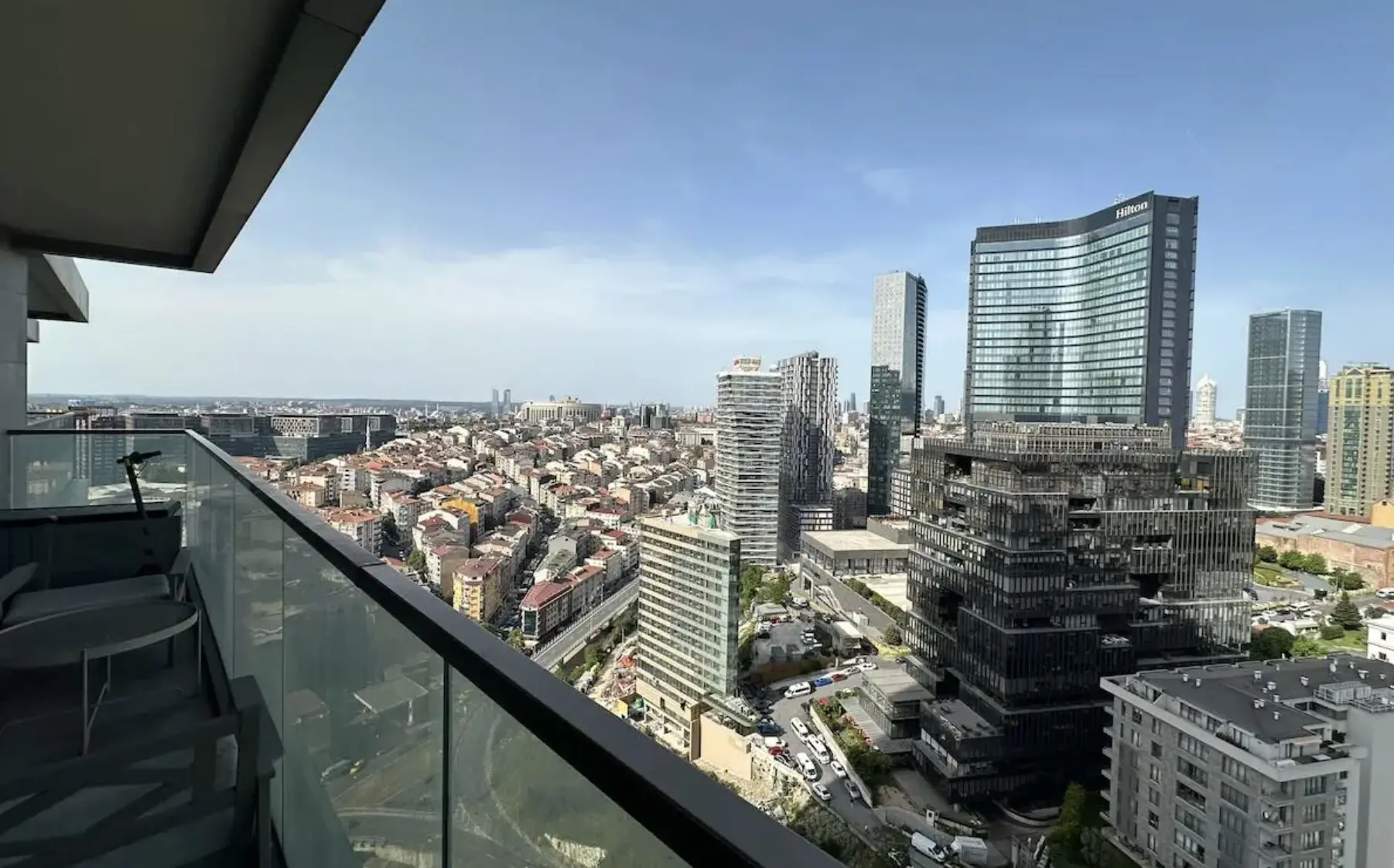
Istanbul: A Market Preparing for Its Next Cycle
Another reason why investors pay attention to Turkey is the timing of its real estate cycle. In 2024, the Central Bank of Turkey raised benchmark interest rates to around 40% as part of a monetary tightening programme designed to stabilise inflation and the Turkish Lira. While higher interest rates slow domestic borrowing and mortgage activity, they also mark the early stage of the next growth cycle.
Looking at previous cycles in Turkey shows why investors monitor these moments. When interest rates were reduced from 24% to 10% between 2018 and 2019, property prices in Istanbul increased by an average of 38% over the following period. During the next easing cycle between 2020 and 2021, when rates moved from 10% to 8%, prices surged by 60% in certain districts.
Many economists expect a similar pattern to emerge once the current tightening phase transitions into a rate-cut cycle over the coming years. Some projections suggest that interest rates could decline toward single digits by 2027, which historically has triggered renewed domestic demand for housing.
For investors, entering the market during a tightening phase allows buyers to negotiate prices before domestic borrowing returns and local demand increases. In Istanbul, modern apartments in central districts range between $2,500 USD and $3,500 USD per square metre, lower than many global cities. By comparison, prices in Dubai average around $6,000 USD per square metre.
Why Turkey Works as a Strategic Hedge
In an increasingly uncertain global environment, investors rarely rely on a single market. Instead, they structure portfolios across multiple jurisdictions to balance risk and opportunity. This allows capital, residency options, and long-term security to be diversified across different economic and geopolitical landscapes. For investors who already have exposure to Dubai, Turkey provides a complementary profile.
Dubai Offers:
- A highly liquid off-plan investment market.
- Strong tax advantages.
- Rapid infrastructure development.
Turkey Offers:
- A large domestic economy.
- Real estate priced below global averages.
- Full citizenship through investment.
- Long-term lifestyle and relocation potential.
A Quiet Trend We Are Seeing
Across enquiries received by Property Turkey, one trend is clear. Investors are not abandoning Dubai. Instead, they are thinking in terms of two pillars. Dubai remains a centre for business and high-yield property investment. Turkey becomes the place where investors establish: a second citizenship, a family base, and long-term security.
Turkey is not replacing Dubai – it is completing the picture.
Considering Turkey as Your Plan B?
For decades, global investors have followed a simple principle. Never rely on only one jurisdiction. Whether the motivation is mobility, security, or family planning, diversification across countries is becoming a standard part of international wealth strategy.
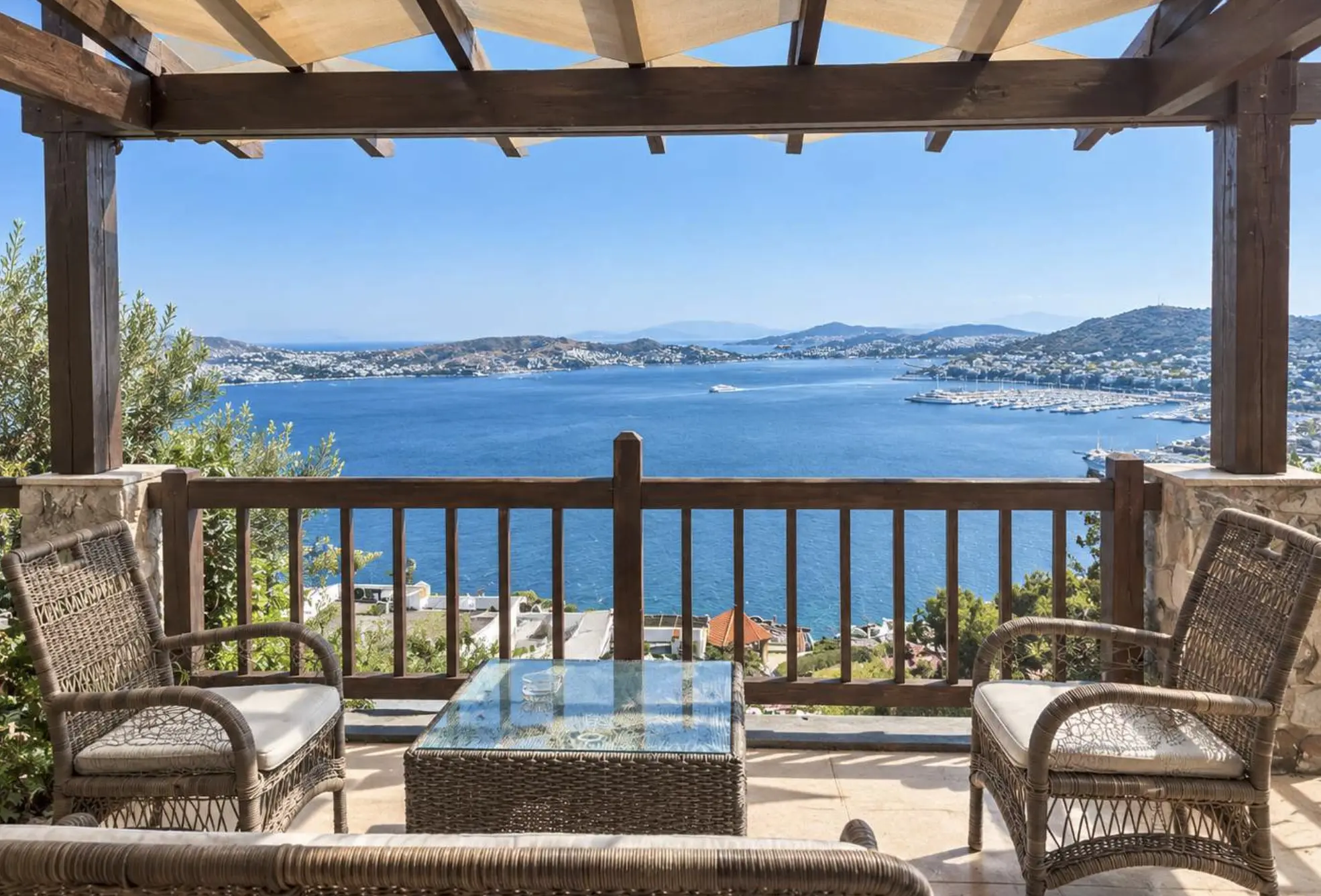
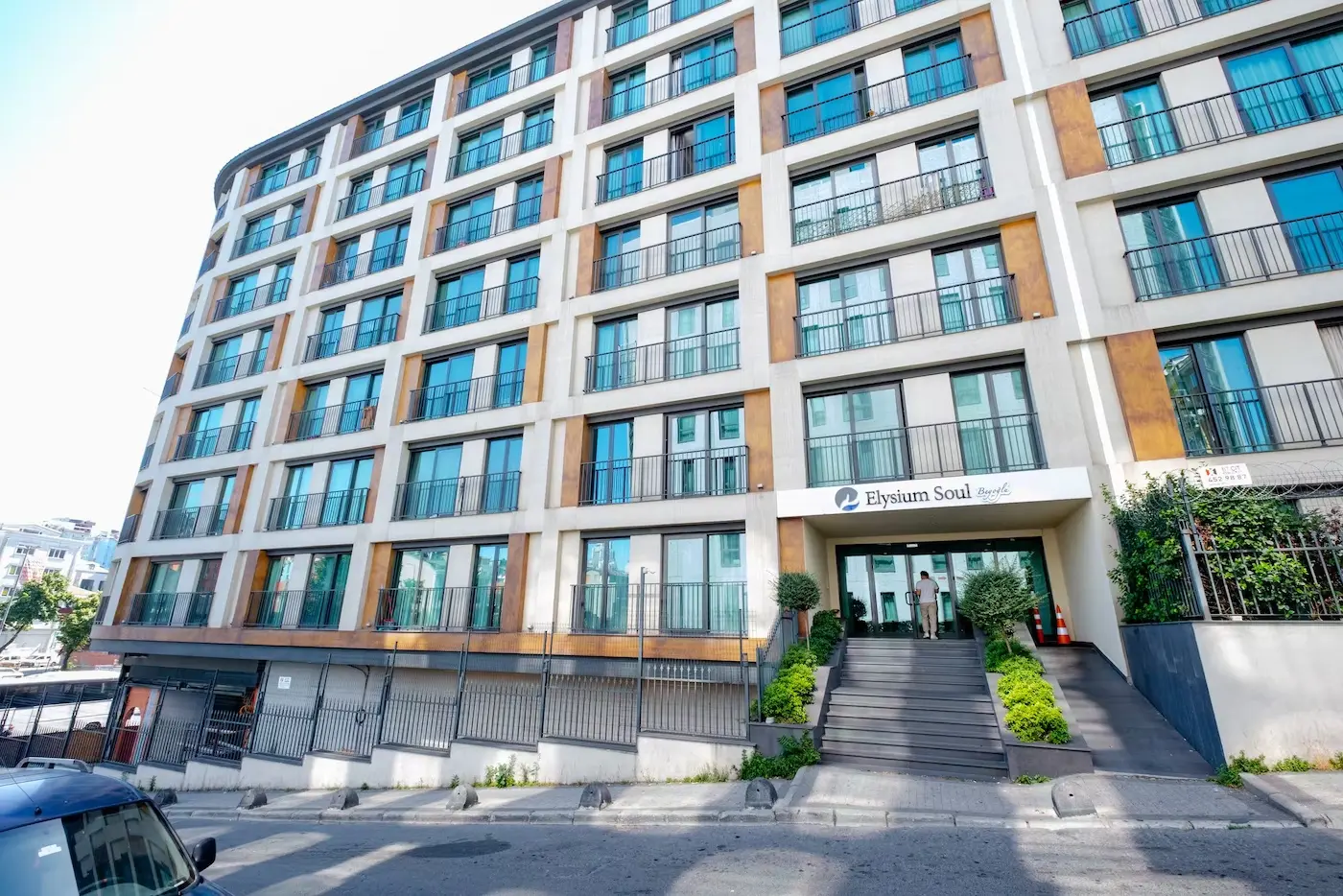
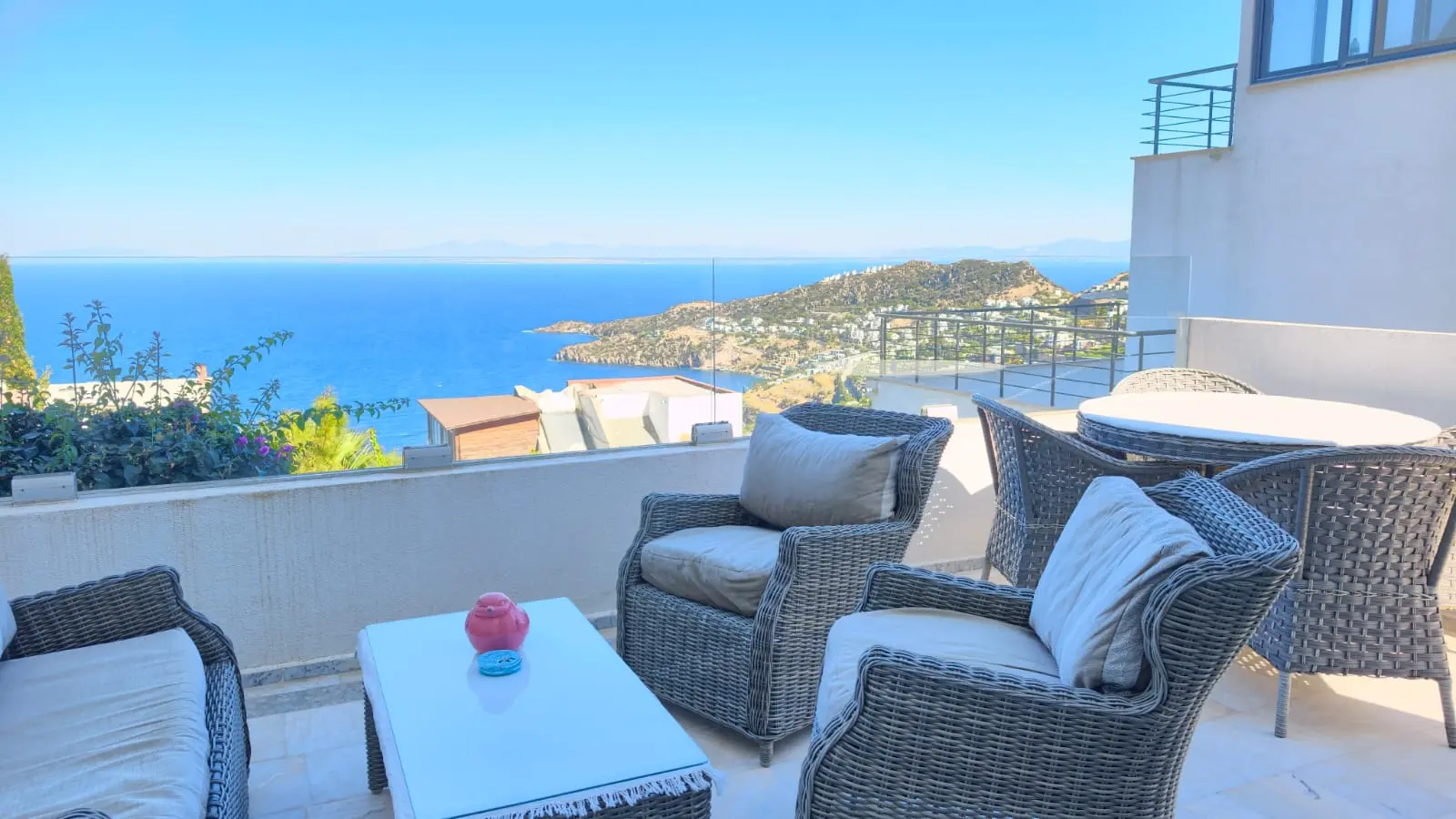
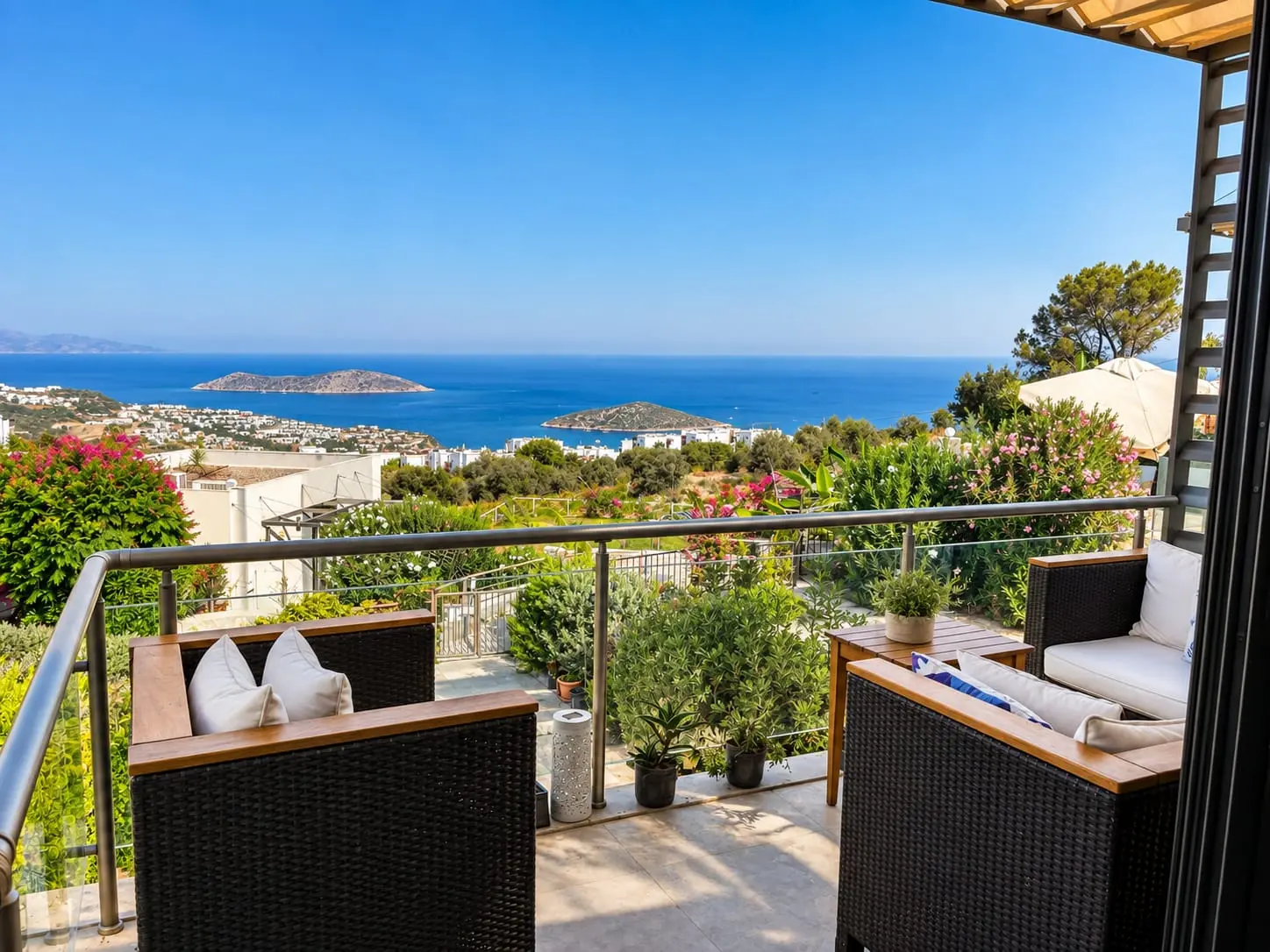
For investors who already hold property in Dubai or across the Gulf, Turkey offers an ideal second base. From Istanbul investment apartments to luxury coastal homes qualifying for Turkish Citizenship by Investment, the country provides both asset diversification and long-term family security.
At Property Turkey, our advisors specialise in helping international investors structure real estate purchases that qualify for citizenship while also delivering strong investment. If you are exploring Turkey as a second pillar within your global portfolio, contact us today – our team are happy to guide you through the process.
FAQs About Dubai Investors Buying in Turkey
Q: Are investors abandoning Dubai for Turkey?
A: No. Most are not replacing Dubai. They are diversifying beyond it. Turkey is increasingly being considered as a second pillar rather than an alternative.
Q: Why does Turkey appeal to Dubai-based investors?
A: Turkey offers something Dubai does not: a property-backed route to citizenship in a major country. That makes it attractive for long-term family planning.
Q: What is the minimum investment for Turkish Citizenship by Investment?
A: The real estate route requires a minimum property purchase of $400,000 USD, held for at least three years.
Q: Does Turkish CBI include family members?
A: Yes. The main applicant, spouse, and dependent children under 18 are included within the same application structure.
Q: Is the Turkish CBI investment a donation?
A: No. The qualifying amount is invested into real estate, which remains a tangible asset and can later be sold after the mandatory holding period.
Q: Why is Turkey seen as a good Plan B jurisdiction?
Q: Who is most likely to consider Turkey after investing in Dubai?
A: Gulf-based families, Muslim diaspora buyers, South Asian HNWIs, and internationally mobile business owners are among the strongest candidate groups.
Sources Supporting This Article
The investment thesis presented in this article is supported by data and commentary from the following international sources:
- Reuters (September 2025) – Turkey's Finance Minister confirmed the country's disinflation process is continuing, with single-digit inflation targeted by 2027, supporting expectations of a future interest-rate easing cycle.
- Bloomberg (January 2026) – Fitch Ratings upgraded Turkey’s sovereign credit rating to BB- from B+, citing improving policy credibility and stabilising macroeconomic conditions.
- World Bank (via Global Property Guide, September 2025) – The World Bank noted that private consumption remains robust, indicating economic resilience despite global uncertainties.
- Global Property Guide (Q1 2025 data) – Turkey recorded average rental yields of 7.41%, with April 2025 home sales increasing 56.6% year-on-year, highlighting strong real estate demand.
- Fitch Ratings (via Bloomberg, January 2026) – Two sovereign credit upgrades within six months reflect improving investor confidence in Turkey’s economic outlook.
Cameron Deggin Founder & CEO, Property Turkey
Cameron Deggin is Founder and CEO of Property Turkey. A former finance professional and FCCA-qualified accountant, he founded the company in 2001 after recognising Turkey’s investment potential. With more than two decades analysing Turkish real estate, Cameron regularly advises international investors and is quoted by media including the Financial Times and BBC.




 By:
By:





 Founder & CEO, Property Turkey
 Bodrum
  2
2  1
1 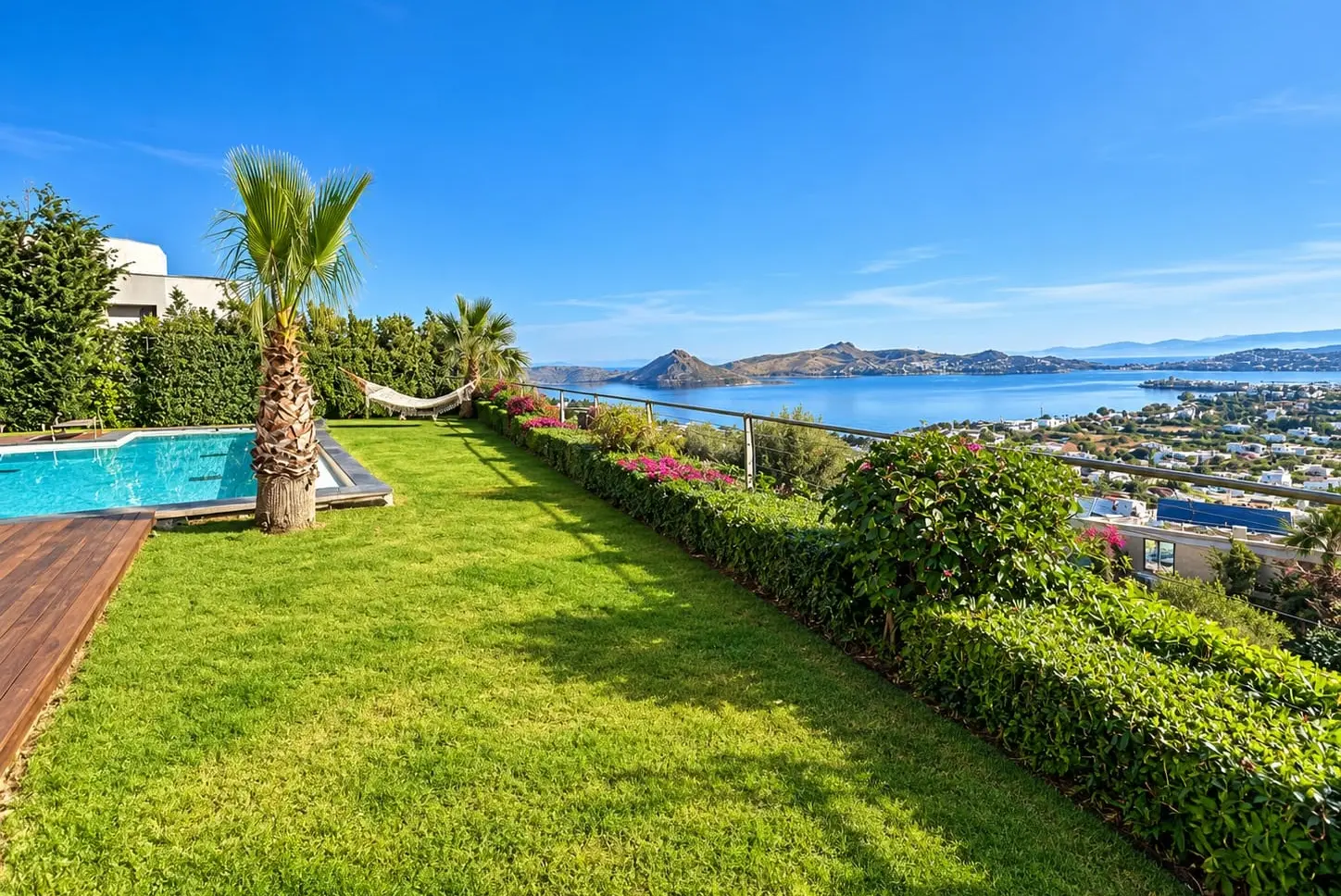






 X
X