Investors are asking a clear question in 2026: Is Turkey real estate a good investment? And where should capital move after Dubai? That question has taken on new significance following high-level engagement between BlackRock and Turkish leadership in Istanbul. As the world’s largest asset manager evaluates Turkey more closely, investors are beginning to reassess the country’s property market, Citizenship by Investment Programme, and long-term growth potential.
Quick Summary:
In March 2026, BlackRock CEO Larry Fink met privately with President Erdoğan in Istanbul, alongside senior government officials responsible for finance and energy policy. Around the same time, global investors gathered in the city for high-level economic discussions focused on Turkey’s future positioning. This is important because large institutional players do not engage at this level without long-term strategic intent.
Key Takeaways: Turkey Real Estate Investment in 2026
- Turkey is attracting institutional attention from BlackRock and global investors.
- Istanbul property remains relatively affordable compared to London, Paris, and Dubai.
- Urban Regeneration is transforming central districts and supporting long-term capital growth.
- Rental yields in key areas of Istanbul typically range between 5% and 8%.
- Mortgage market expansion could unlock significant future domestic demand.
- Turkish Citizenship by Investment remains available from $400,000 USD.
- Turkey offers a different risk-reward profile compared to Dubai and Western markets.
Why BlackRock’s Visit to Turkey Signals Major Investment Shift
BlackRock, the single most powerful capital allocator on the planet, managing a staggering $14 trillion USD in assets, did not send a junior analyst to Turkey. It sent its CEO, Larry Fink, to sit behind closed doors at Dolmabahçe Palace in Istanbul with President Erdoğan, Turkey's Finance Minister, and its Energy Minister. 23 investors from 16 countries, collectively controlling $1.2 trillion USD, flew into Istanbul days later for a World Economic Forum strategy session built entirely around one question: how do we position ourselves in Turkey?
This is not diplomacy. This is not courtesy. This is not a photo opportunity. This is $14 trillion USD of institutional intelligence telling you exactly where the next great investment cycle is being born. When the world's largest asset manager identifies a market, it does not announce it on the front page. It moves quietly, builds positions, shapes macroeconomic conditions, and by the time the headline appears, the smart money is already in.
Turkey real estate is having a once-in-a-decade macro moment where geopolitical reality, institutional capital, demographic demand, and investment timing align simultaneously. Turkish Citizenship by Investment remains available from $400,000 USD. Istanbul is accelerating as a global hub. Urban Regeneration is reshaping central districts at a pace that will look astonishing in three years' time. And BlackRock has just publicly planted its flag in Istanbul.
The coffee is brewing. The question is whether you will smell it in time.
Is Dubai Still a Safe Investment After the Iran War?
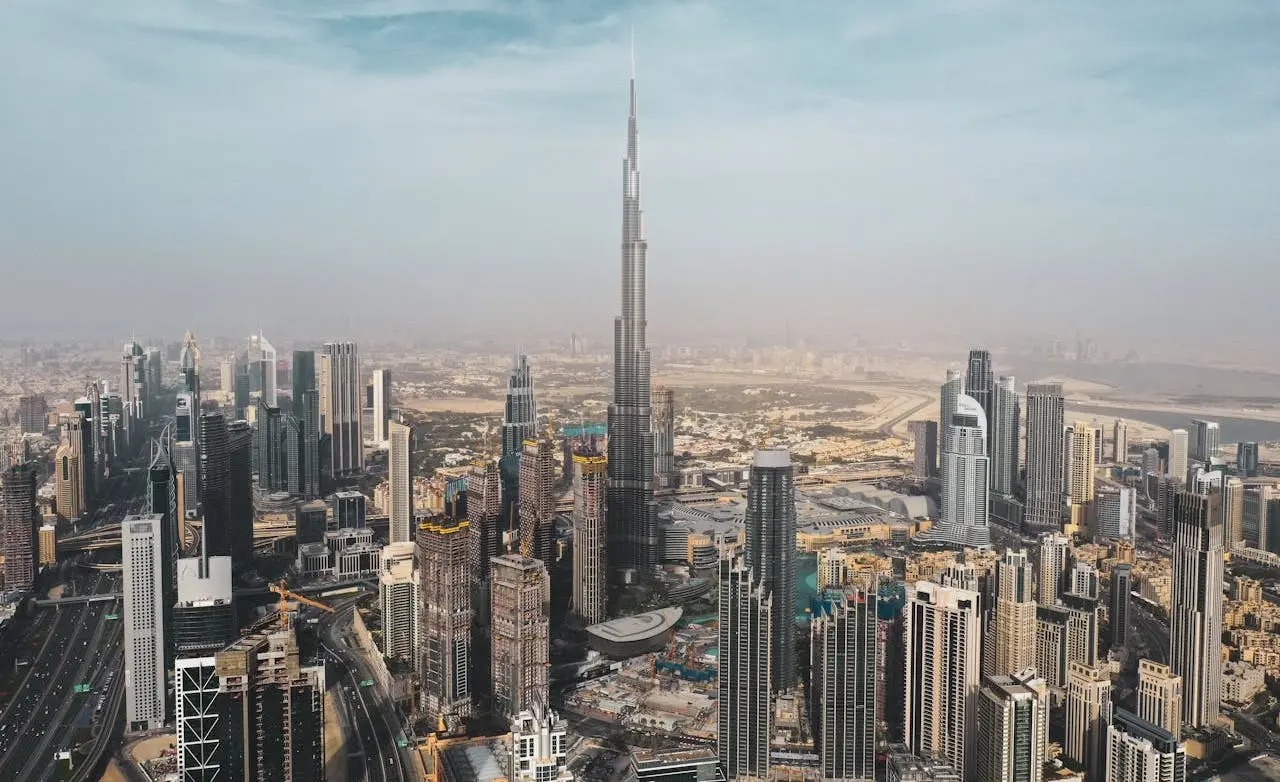
For over a decade, Dubai wrote one of the most compelling investment stories in modern history. Zero tax. Golden visas. Glass towers rising from desert sand. In 2025 alone, the emirate recorded over 215,000 real estate transactions worth $187 billion USD, with $63 billion USD flooding in from high-net-worth individuals seeking safe harbour from global instability.
Then February 28, 2026 arrived.
When US and Israeli forces struck Iran, Dubai found itself in the crossfire – not as a combatant, but as a casualty of proximity. Iranian missiles struck near iconic landmarks. The Dubai Financial Market plunged 16% in days. Hotel bookings collapsed over 60%. Over 220,000 expatriates scrambled for exits. $120 billion USD was wiped from UAE markets in weeks. Real estate transactions fell 49% month-on-month. The UAE Central Bank was forced to unlock emergency liquidity reserves.
BlackRock responded immediately. Its president Rob Kapito warned publicly that investors were dangerously underestimating Iran war risks. The firm cut equity exposure to neutral across the board, describing the unfolding situation as "durable disruption." When the firm that shapes global macroeconomics uses that language, institutional portfolios move.
Strip away the Gulf. Strip away Europe's demographic stagnation, China's deflating property sector, and America's swelling debt burden. What remains? Sitting at the precise geographic and strategic centre of the emerging world – is Turkey.
85 million people. Three continents within a single sovereign border. Europe to the west. Asia to the east. The Middle East and the Gulf to the south. A NATO member with genuine sovereign military depth – not a city-state dependent on foreign security guarantees. A G20 economy that has absorbed crisis after crisis and emerged reforming, stabilising, and now, for the first time in a generation, attracting institutional capital at the very highest levels.
Turkey is not a story market. It is a systems market. Its investment case does not rest on a single narrative. Geography that cannot be replicated. Demographics generating structural demand rather than manufactured momentum. An affordability proposition that remains exceptional against Western alternatives. And macroeconomic discipline under Finance Minister Mehmet Şimşek that is rebuilding institutional credibility by taming inflation, normalising interest rates, and laying the groundwork that serious capital requires before it commits at scale.
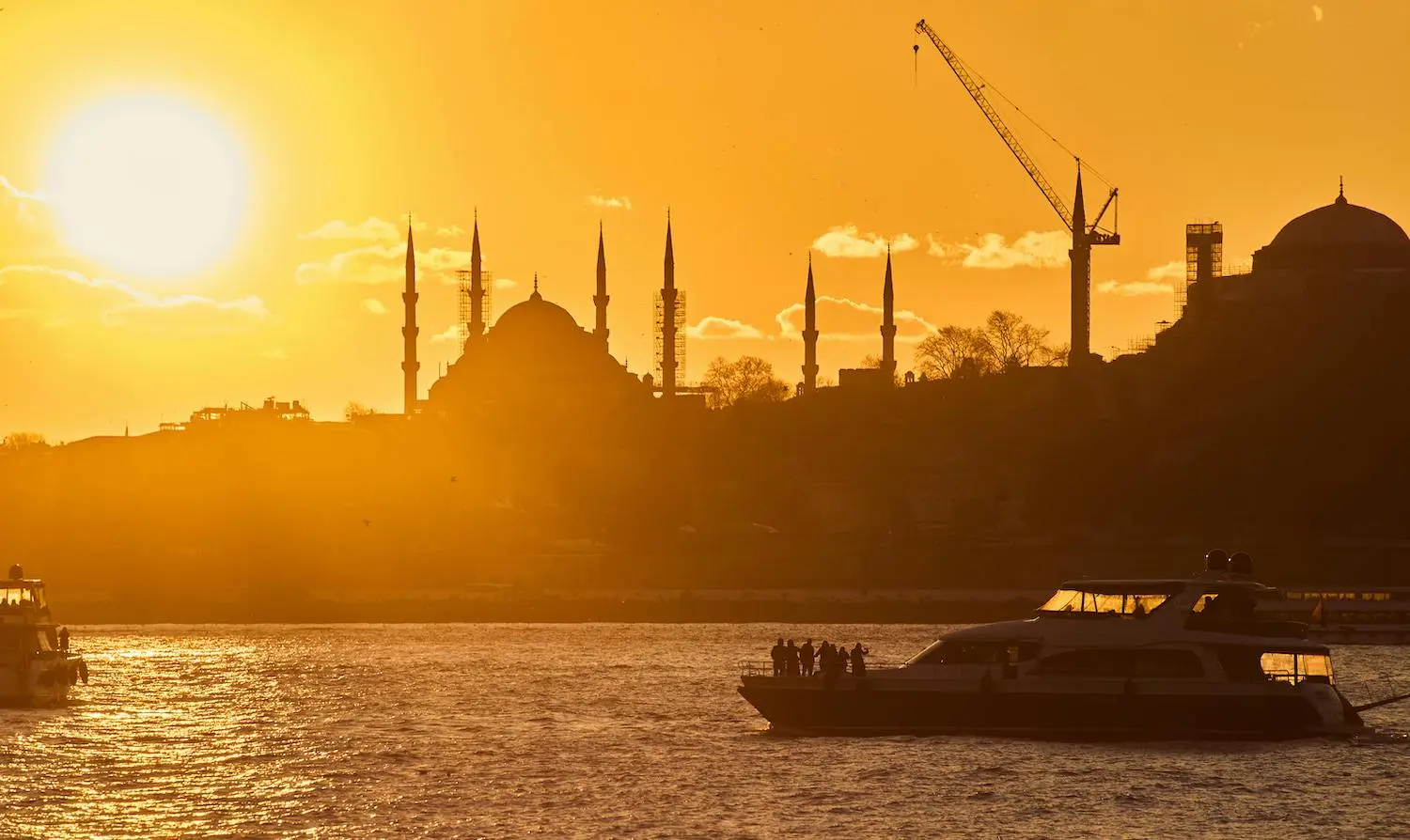
This is not the desert reimagined. Turkey is ancient, sovereign, layered, and alive. Istanbul has served as the capital of empires. It sits on the world's most strategically significant waterway. It does not need reinvention. It needs recognition – and in 2026, that recognition is arriving at the institutional level where it matters most.
Why Is BlackRock Investing in Turkey? What Does It Mean?
In March 2026, while Gulf markets were still convulsing, the World Economic Forum chose Istanbul as the venue for its Türkiye Country Strategy Meeting. Not Zurich. Not Singapore. Istanbul.
BlackRock CEO Larry Fink met privately with President Erdoğan. Finance Minister Şimşek chaired sessions on macroeconomic reform and the investment environment. Energy Minister Bayraktar presented Turkey's ambition as a regional energy hub. 23 investors from 16 countries, collectively managing $1.2 trillion USD in assets, participated in strategic dialogue covering manufacturing, finance, infrastructure, and long-term growth.
BlackRock does not send its CEO to sit privately with a head of state as a diplomatic courtesy. It does so when a market has crossed the threshold from interesting to actionable. Turkey has crossed that threshold. Even a marginal reallocation of BlackRock's EMEA exposure toward Turkish assets means billions entering the market. The ripple effect across Turkey real estate, infrastructure, and financial services would be generational.
For Turkey, this represents a profound change of winds. From being considered too volatile by the world's largest institutional allocators to appearing at the top of their active target lists. That shift does not happen quietly, and it does not reverse easily once it begins.
What most private investors do not understand: Institutional capital of this scale does not just invest in markets, it shapes them. BlackRock's engagement with Turkey's macroeconomic architecture is already influencing the conditions that will make Turkish real estate more liquid, more accessible, and more internationally integrated over the next five years. You are not just investing in a market. You are investing alongside the most powerful capital force on earth.
Is Istanbul Real Estate a Good Investment in 2026?
When large-scale institutional capital enters an emerging economy, real estate is always the first and most tangible beneficiary. And Istanbul property for sale is primed for an acceleration unlike anything the market has previously experienced.
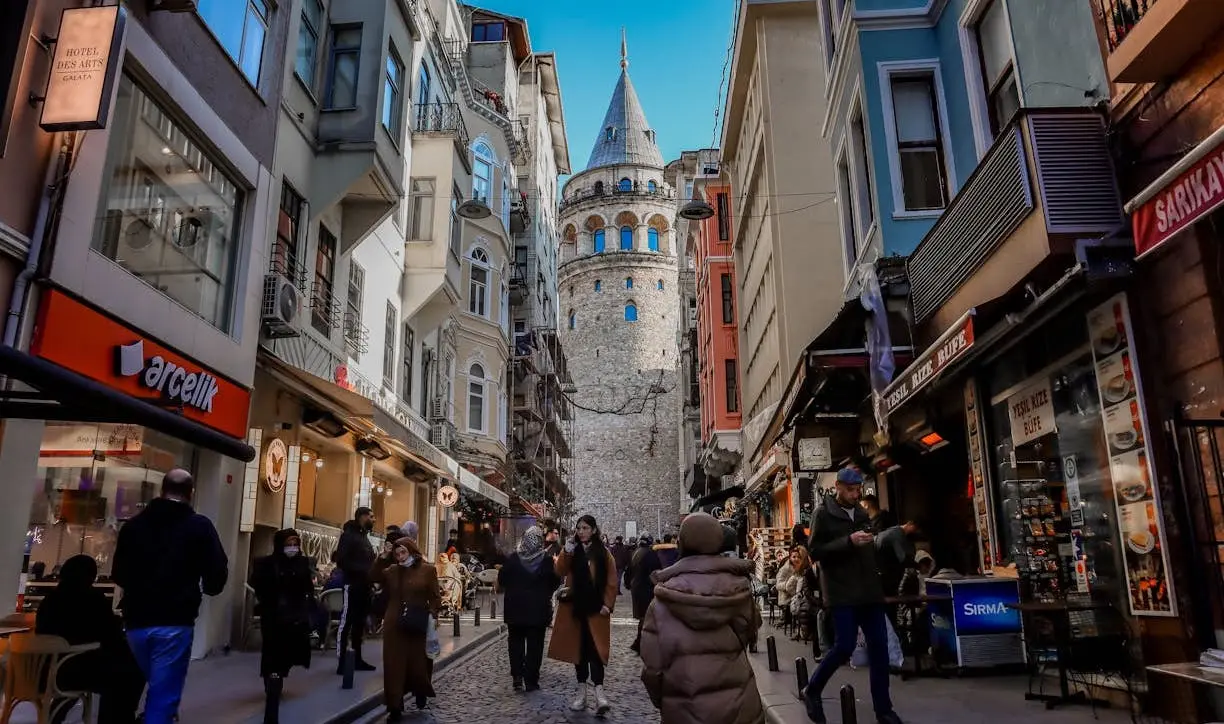
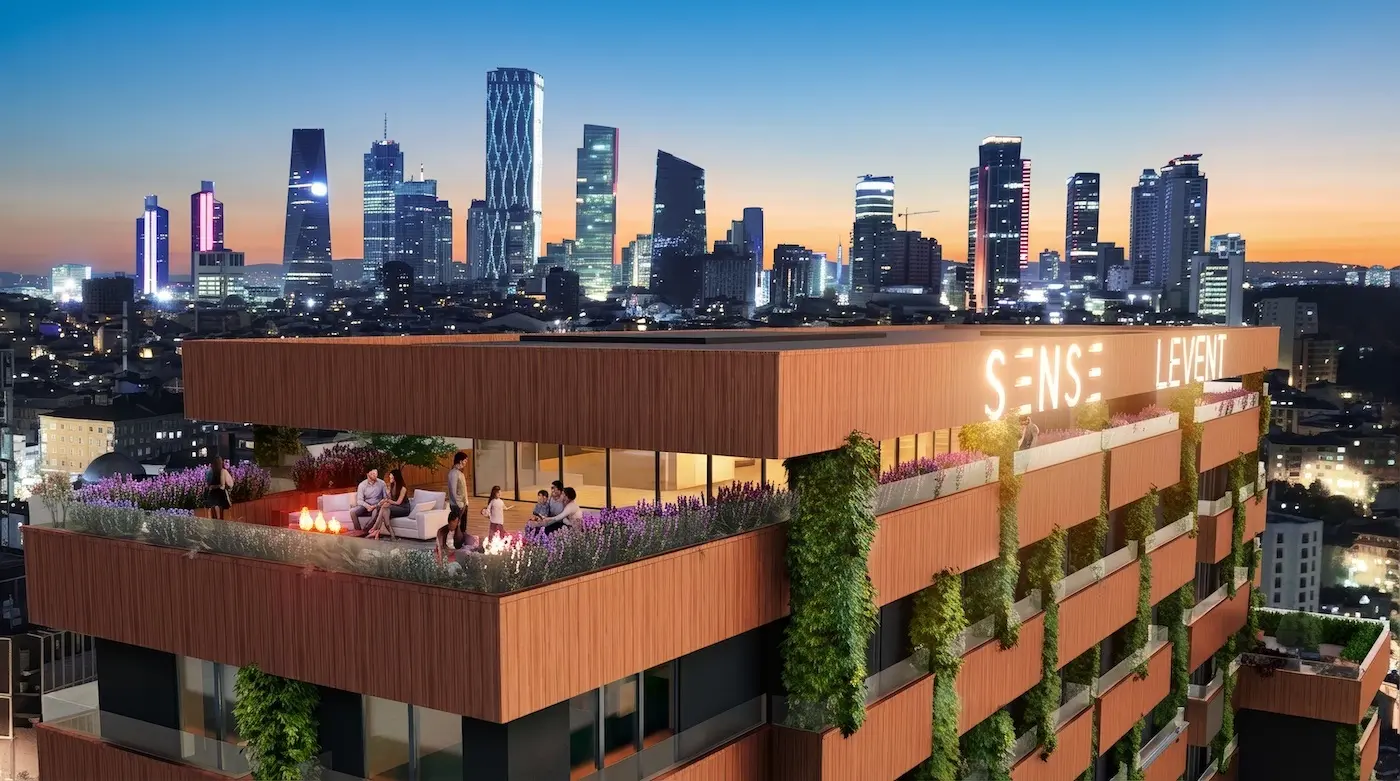
Istanbul contains hundreds of designated Urban Regeneration zones – ageing residential stock being systematically replaced with modern, earthquake-resilient developments across the city's most strategically valuable districts. Central areas like Şişli and Kağıthane still offer entry-level city-centre pricing in carefully selected projects. Regeneration Zones are where tomorrow's capital appreciation premium is being built today.
Urban Regeneration has been advancing for years, constrained primarily by the scale of capital available to drive it faster. Now consider what changes when institutional investment at BlackRock scale enters that equation. Transformation zones that might take a decade to rebuild could complete in three years. New districts that are connected, liveable, and architecturally significant could rise across Istanbul, Ankara, Izmir, and Bursa. Strategic areas are already delivering rental yields of 5% to 8%, with select Airbnb and short-term-friendly rental pockets performing above that range.
The pipeline is real. The pricing still reflects yesterday's narrative. That gap between current entry pricing and incoming institutional validation is where investor opportunity lives.
People Also Ask: What are the best areas to buy property in Istanbul? Which Istanbul neighbourhoods have the highest rental yields? Is Istanbul property cheap compared to Europe? Yes, and that affordability window is closing faster than most people realise. Prime Istanbul still offers entry points that London, Paris, or Dubai priced out years ago. The Urban Regeneration premium has not yet been fully priced into the market.
Why Is Turkey's Young Population Important for Investors?
Turkey has one of the youngest populations in Europe. The median age is 33. An increasingly educated, urbanising middle class represents one of the most powerful and underappreciated tailwinds in Turkish real estate. Millions of young Turks aspire to homeownership. The demand is organic, structural, and enormous.
But it has been frustrated by one persistent constraint: Turkey's mortgage market is underdeveloped relative to its population size. The mortgage-to-GDP ratio sits at a fraction of European norms. Millions of families who can afford monthly mortgage payments, simply cannot access the credit to make a purchase. This is not a demand problem. It is a finance supply problem.
And this is where the institutional investment story becomes a masterstroke for investors. Part of what BlackRock and similar global allocators shape is the macroeconomic architecture that makes their investments commercially productive over time. A more accessible mortgage market in Turkey does not simply improve the lives of Turkish families. It creates the captive demand engine that makes large-scale residential investment in Turkish real estate commercially irresistible for overseas capital.
Millions of new mortgage-enabled first-time buyers entering the market simultaneously would transform Turkey's property sector from a niche international play into a fully mainstream institutional asset class. This is the win-win at the heart of Turkey's emerging story:
- For Turkey: Homeownership for a locked-out generation and economic mobility at historic scale.
- For Investors: Organic, demographically driven demand on a magnitude that no marketing campaign can manufacture.
Think About It This Way. BlackRock has helped shape mortgage market expansion in multiple emerging economies before their real estate cycles exploded. The playbook is established. The outcome is precedented. Turkey is next, and the demand base waiting on the other side of that mortgage expansion is not thousands of buyers. It is millions.
Turkish Citizenship by Investment 2026: Is It Still Worth It?
Turkey's Citizenship by Investment Programme remains one of the strongest value-for-money routes to a second passport anywhere in the world. In 2026, tightened oversight has made it more credible, not less. Enhanced valuation audits and compliance standards have removed low-quality operators and strengthened the programme's long-term integrity.
Fast Facts about Turkey’s Citizenship by Investment Programme:
- Minimum Investment: $400,000 USD in Turkish real estate.
- Residency Requirement: None – before or after citizenship.
- Processing Time: 3 to 6 months in well-prepared cases.
- Passport Access: Visa-free or visa-on-arrival to 110+ countries.
- Family Inclusion: Spouse and children under 18 covered under one investment.
- Compliance Standard 2026: Stricter valuation audits and source-of-funds verification.
Is Turkish Citizenship Better Than the Dubai Golden Visa?
These two options serve different purposes. The UAE Golden Visa provides long-term residency, while Turkish citizenship provides a full passport. For investors prioritising mobility and citizenship rights, Turkey offers a more comprehensive outcome. For those focused on residency within a tax-efficient environment, Dubai may still be attractive.
What Type of Property Qualifies for Turkish Citizenship by Investment?
Residential apartments, commercial units, and land plots can qualify under the right conditions. All are subject to certified valuation and eligibility verification. Istanbul remains the first choice for the vast majority of foreign buyers due to resale liquidity, rental demand depth, and year-round tenant activity.
How to Buy Property in Turkey as a Foreign Investor
The process of buying property in Turkey as a foreign national is well-established and legally straightforward, but execution quality matters enormously. The difference between a citizenship-qualifying investment that performs and one that merely qualifies is the difference between a real asset and a bureaucratic exercise.
At Property Turkey, our approach since 2001 has been built on a simple principle: the real estate investment has to work first. Turkish citizenship is the bonus, not the anchor. The investors who achieve the best outcomes are those who treat this as a property investment that also delivers a Turkish passport, not the other way around. For our clients, that means:
- Clean Title: Title verification and correct certified property valuation from day one.
- Compliance-First Structuring: Source of funds, legal documentation, and TAPU Title Deed process managed correctly.
- Asset Selection: Focused on liquidity, rentability, and genuine resale demand after three years.
- Full End-to-End Support: Sourcing, negotiation, legal coordination, property management, lettings, and after-sale service.
Is Turkey Safe for Foreign Property Investment?
This is the right question, and it deserves a direct answer. Turkey carries emerging-market characteristics: currency volatility, political noise, and inflation cycles that have tested investor confidence in recent years. These risks are real and should not be dismissed.
What has changed is the trajectory. The Şimşek macroeconomic reform programme has materially improved institutional confidence. Credit rating agencies have upgraded their outlook on Turkey. The WEF and BlackRock's direct sovereign-level engagement is the strongest external validation Turkey's investment environment has received in over a decade.
The risk-to-reward equation in 2026, for a well-chosen Istanbul property asset at the right entry price with the right compliance structure, is among the most compelling available to private investors globally. The window between "early" and "obvious" is always the most valuable window in investment history. Turkey is currently in that window.
The Window Is Open but It Will Not Stay Open Indefinitely
The most expensive mistake in emerging-market investment cycles is not choosing the wrong country. It is choosing the right country too late – arriving after institutional capital has already repriced the opportunity you were deliberating over.
BlackRock has already chosen Turkey. The WEF has already convened. $1.2 trillion USD of the world's most sophisticated capital flew into Istanbul and decided Turkey is where the next chapter will be written. Private investors have a narrow window to position themselves alongside that capital. This window is:
- Before the Urban Regeneration premium is priced in.
- Before the mortgage market expansion delivers its demand wave.
- Before the institutional narrative becomes so obvious that the entry point has moved.
Paradise was always here. Ancient. Sovereign. Positioned at the literal centre of the world for three thousand years. It was never hidden; it was simply waiting for the world's most powerful capital to point at it and say: this is where we are going next. And they just did.
Turkey real estate is calling. The centre of the world is open for business. The smart money is already here. Will you be next?
FAQs: What does BlackRock Investing Mean for Turkish Property
Q: Is Turkey in the top 10 countries for Citizenship by Investment in 2026?
A: In 2026, Turkey’s CBI programme is arguably among the top three globally for its value, processing speed, and overall credibility.
Q: Can I get Turkish citizenship by buying an apartment in Istanbul?
A: Yes, subject to a minimum property purchase of $400,000 USD – certified valuation and a compliant, correctly structured application process.
Q: What is the best area in Istanbul to buy property for investment?
A: Central Regeneration Zones such as Şişli, and Kağıthane offer the strongest combination of entry pricing, rental yield, and capital appreciation potential.
Q: How long has Property Turkey been operating?
A: Since 2001. With over two decades of guiding international investors through every cycle, shift, and opportunity this market has produced.
Q: When did BlackRock meet with Erdoğan in Istanbul?
A: In March 2026, at Dolmabahçe Palace in Istanbul. Alongside Finance Minister Şimşek, Energy Minister Bayraktar, and WEF senior leadership.
Q: Is Turkey better than Dubai for property investment in 2026?
A: For capital appreciation, citizenship, institutional momentum, and geopolitical safety, the case for Turkey in 2026 is stronger than Dubai has been at any comparable stage of its cycle.
Sources Supporting This Article
- World Economic Forum (April 2026) – The WEF confirmed it convened a Türkiye Country Strategy Meeting in Istanbul on 27 March 2026.
- Wall Street Journal (January 2026) – BlackRock closed the year 2025 with more than $14 trillion USD in assets under management.
- Invest in Türkiye (2026) – Turkey’s official investment office confirms foreign nationals can obtain citizenship through a minimum $400,000 USD real estate purchase.
- Anadolu Agency citing TURKSTAT (January 2026) – Turkey recorded roughly 1.7 million housing sales in 2025, with foreign buyers accounting for 1.3% of total sales.
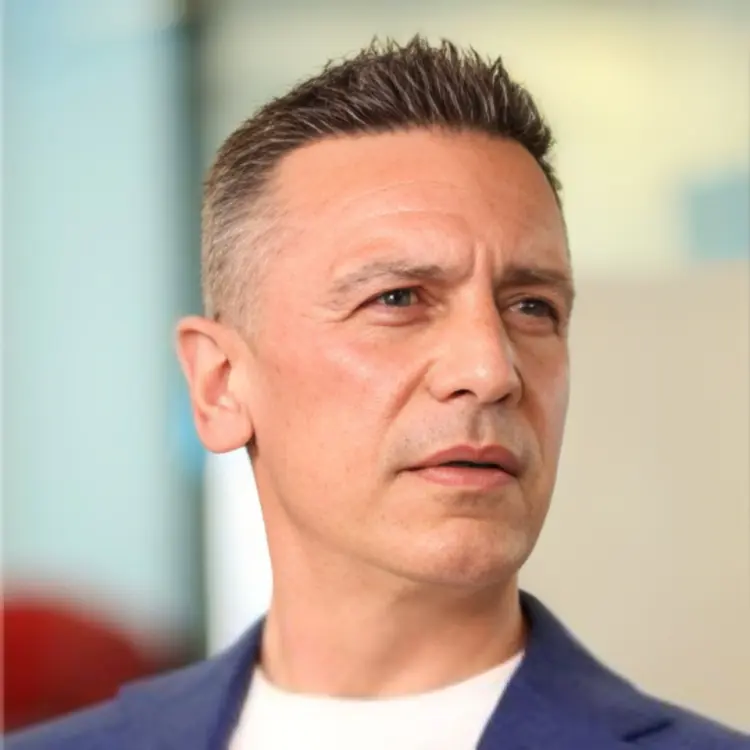
Cameron Deggin Founder & CEO, Property Turkey
Cameron Deggin is Founder and CEO of Property Turkey. A former finance professional and FCCA-qualified accountant, he founded the company in 2001 after recognising Turkey’s investment potential. With more than two decades analysing Turkish real estate, Cameron regularly advises international investors and is quoted by media including the Financial Times and BBC.




 By:
By:
 Founder & CEO, Property Turkey
 Bodrum
  2
2  1
1 





 X
X