The OECD has just published one of the most useful data points investors could ask for. Real growth in R&D spending across the OECD held at 2.6% in 2024, but the regional split was far more revealing: the EU managed only 0.4% growth, Germany fell 0.4%, while Japan, Korea and Turkey all recorded growth of over 5%. At the same time, the OECD said public R&D budgets across member countries fell 4.1% in real terms in 2024 and are increasingly being redirected towards defence.
That tells us two things at once. First, much of Europe is becoming slower, more defensive, and less dynamic in productive investment. Second, Turkey is still pushing forward in a category that usually points to medium-term competitiveness, better-skilled employment, and stronger industrial capability.
Quick Summary
Turkey’s stronger-than-Europe R&D growth is a useful long-term signal for investors because it points to a country still building productive capacity while parts of Europe slow. OECD data shows Turkey among the faster-growing R&D spenders in the developed world, and because business accounts for 73% of total R&D spending across the OECD, this is also a proxy for private-sector confidence, not just state ambition. For Turkish property investors, that supports the long-term case for selected assets in innovation-linked cities such as Istanbul, Ankara, Izmir, Bursa, and Kocaeli.
Key Takeaways: Why This OECD Release Is Useful for Investors
- OECD real R&D growth held at 2.6% in 2024, unchanged from 2023.
- The EU grew only 0.4%, while Germany declined 0.4%.
- Turkey recorded growth of over 5%, alongside Japan and Korea.
- The business sector accounts for 73% of all R&D spending across the OECD area.
- OECD government R&D budgets fell 4.1% in real terms in 2024, shifting towards defence.
- Turkey’s start-up ecosystem attracted $5.6 billion USD in investment over 2021 to 2025 Q3.
- The automotive sector in Turkey exported $41.5 billion USD in 2025.
- Istanbul, Kocaeli, and Bursa are among the top exporting cities in Turkey.
Europe Is Slowing in Productive Dynamism
The strongest reading of the OECD release is comparative. It is not simply that Turkey’s R&D spending grew. It is that Turkey outperformed much of Europe at a time when Europe is becoming more cautious and more defence-oriented in public spending. The OECD’s release says public R&D budgets are being squeezed and reoriented, while Germany, Europe’s largest economy, actually moved backwards on real R&D spending in 2024.
For investors, that is a meaningful shift. Mature markets can remain rich and stable while becoming less compelling from a future-growth perspective. If productive investment slows, innovation weakens, and public money is increasingly directed into defensive priorities, then the upside case for those markets often becomes narrower. Turkey is interesting because it still looks like a country in catch-up mode, where productivity gains, industrial upgrading, and technology adoption can still create visible upside over the next decade.
Why Business-Led R&D Growth Is a Better Signal
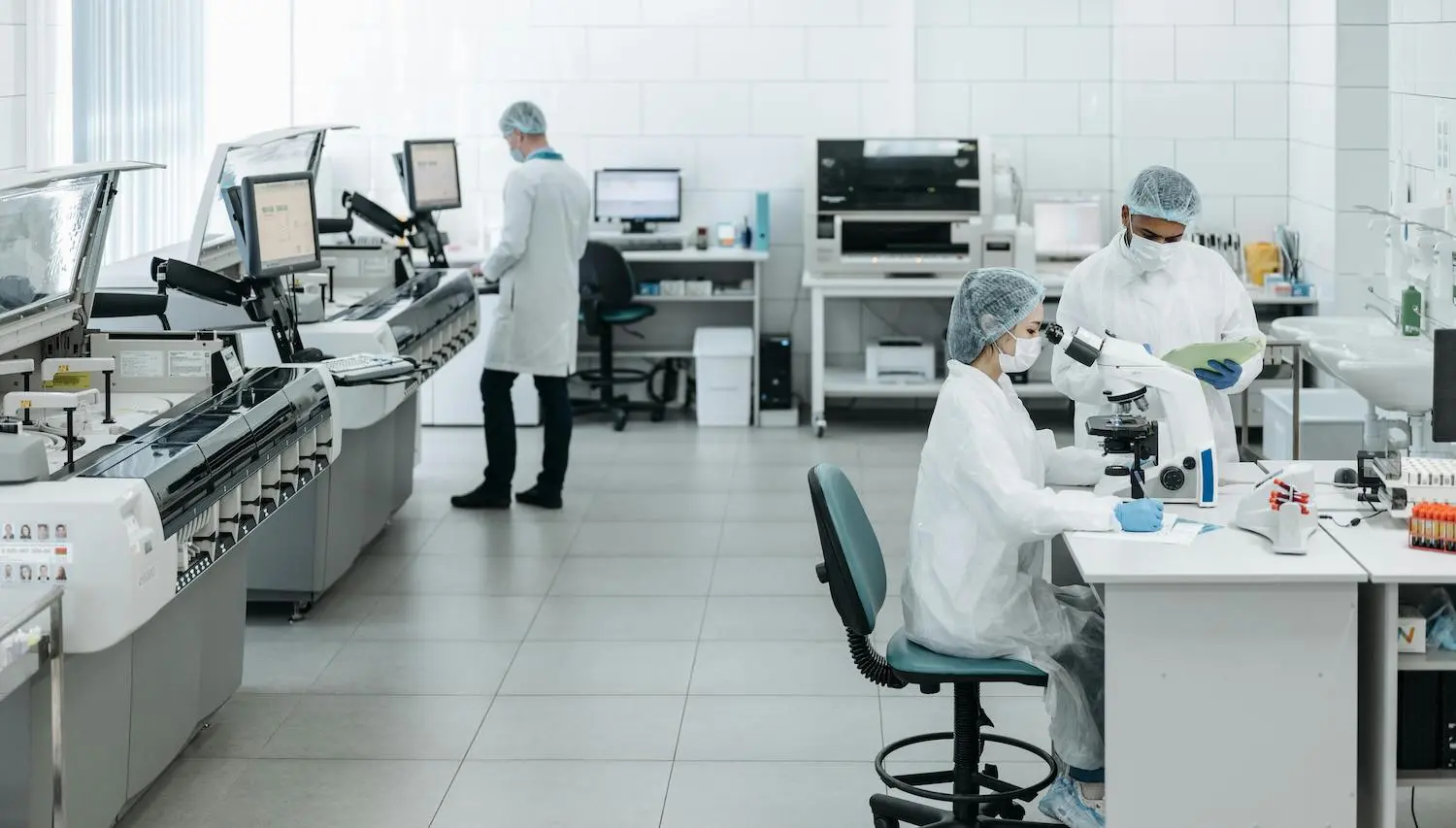
One of the critical details in the OECD release is the 73% business share of total R&D spending. That is useful because business-led R&D is usually a better signal than government headlines on their own. Companies tend to increase research spending when they believe there is commercial opportunity ahead, whether in manufacturing, defence systems, software, mobility, fintech, logistics, or applied industrial technology.
That is why Turkey’s outperformance should not be dismissed as statistical noise. It suggests private sector activity is still alive in a country that already has strong manufacturing depth, rising start-up ambition, and a diversified economic base.
The Investment Office says Turkey’s start-up ecosystem attracted $5.6 billion USD in investment over the last five years and produced six unicorns since 2020. Reuters reported last year that Aselsan is building a $1.5 billion USD technology base to more than double production capacity, while another Reuters report detailed a planned fintech platform backed by Trendyol, Baykar leadership, ADQ, and Ant International.
Why This Is Positive for Turkish Property Investors
Rising R&D spending in Turkey does not automatically produce soaring property prices. The real link is slower and more structural than that. Over time, stronger innovation spending tends to support the following:
- Better-paid technical and professional jobs.
- Stronger supplier networks.
- Deeper office and mixed-use demand in employment hubs.
- More resilient logistics and industrial demand.
- Stronger urban residential demand in districts where people work and live.
The OECD release provides a credible, international-data basis for arguing that Turkey is not only a demographic or geopolitical story. It is also becoming more of a capability story. And capability tends to feed directly into real estate demand in the right locations.
The Turkish Cities Investors Should Be Watching
Istanbul: Finance, Start-ups, and High-Value Urban Demand
Istanbul remains the clearest place where innovation, finance, technology, education, and global business overlap. It is also the city most likely to absorb high-value service jobs and international talent first. That supports the longer-term case for selected urban residential districts, regeneration areas, and office-linked micro-locations rather than generic peripheral stock.
Ankara: Defence, Engineering, and Policy-Led Employment
Ankara sits close to the defence, public policy, engineering, and advanced manufacturing side of the economy. That becomes even more relevant as more OECD governments redirect public R&D budgets towards defence. Turkey’s domestic defence and technology push increases the long-term relevance of Ankara and its knowledge-based workforce.
Izmir: Port Access, Lifestyle Appeal, and Industrial Depth
Izmir combines manufacturing, logistics, port access, and a more liveable coastal profile than many large industrial cities. For investors with a medium to long horizon, that blend keeps it interesting as Turkey upgrades production quality, export competitiveness, and the urban environments that attract professionals and entrepreneurs.
Bursa and Kocaeli: The Industrial and Export Engine
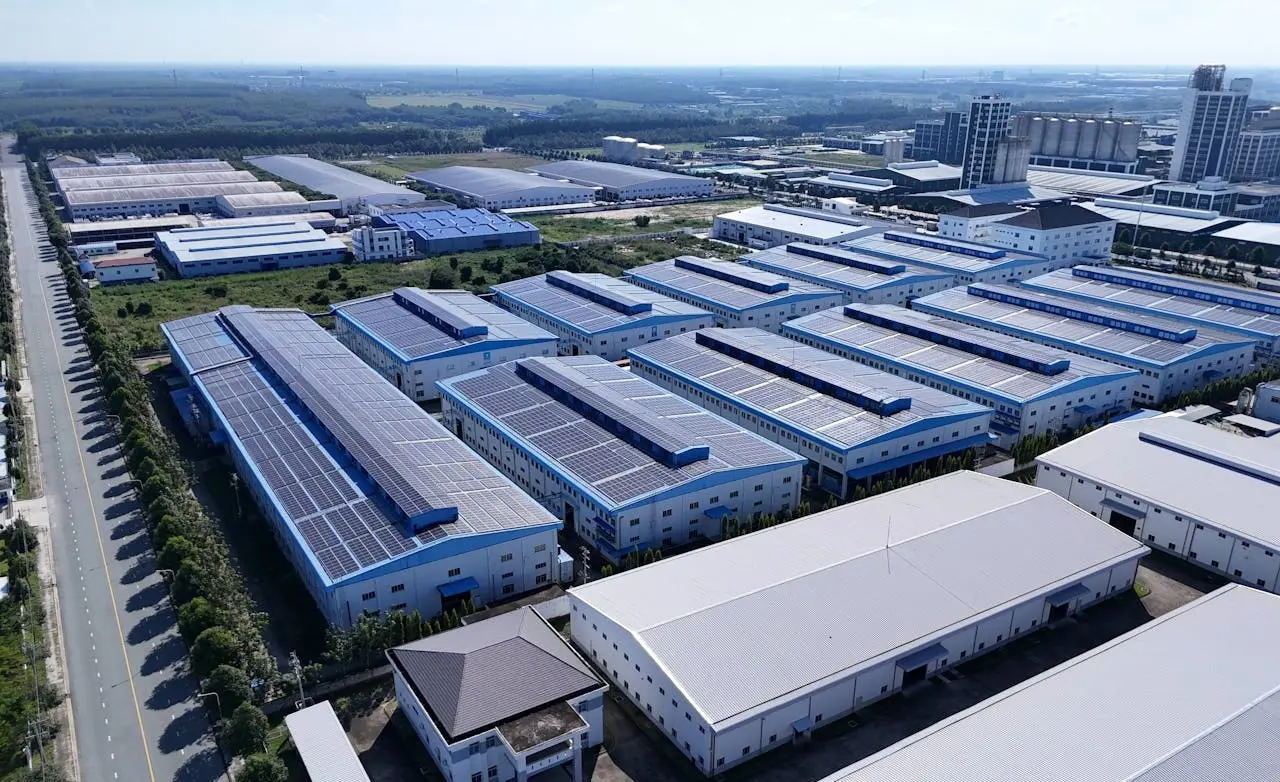
The automotive sector in Turkey exported $41.5 billion USD in 2025, and Kocaeli and Bursa were among Turkey’s top exporting cities. Bursa and the wider Marmara belt remain central to production, supplier networks, and export-led manufacturing tied to Europe. Stronger industrial capability can support logistics, industrial land, and urban housing demand over time.
Catch-Up Economies Often Offer Better Upside
Turkey does not need to outspend the US or Germany in absolute terms to be suitable for investment. In some ways, the bigger opportunity is that Turkey still has room for:
- Productivity gains.
- Export upgrading.
- Technology transfer.
- Workforce formalisation.
- Domestic capital-market deepening.
That is often where investors find the best long-term upside. Mature Western markets can still be excellent for capital preservation, but they rarely offer the same scope for re-rating when productive capacity starts improving. Turkey still does.
Defence Reorientation in the OECD Creates Another Opening
The OECD’s note that government R&D budgets are being redirected towards defence is especially interesting in Turkey’s case. Turkey already has a strong domestic defence and aerospace industry, and that supports high-skill employment, engineering activity, and advanced manufacturing. Reuters’ report on Aselsan’s $1.5 billion USD technology base fits this wider theme.
For property investors, that is useful because high-value defence and industrial clusters do not only produce weapons or technology systems. They also produce: engineers, subcontractors, housing demand, office demand, logistics demand, and better regional wage growth. That is another route by which R&D growth eventually reaches real estate.
Why This Fits the Bigger Investment Case for Turkey
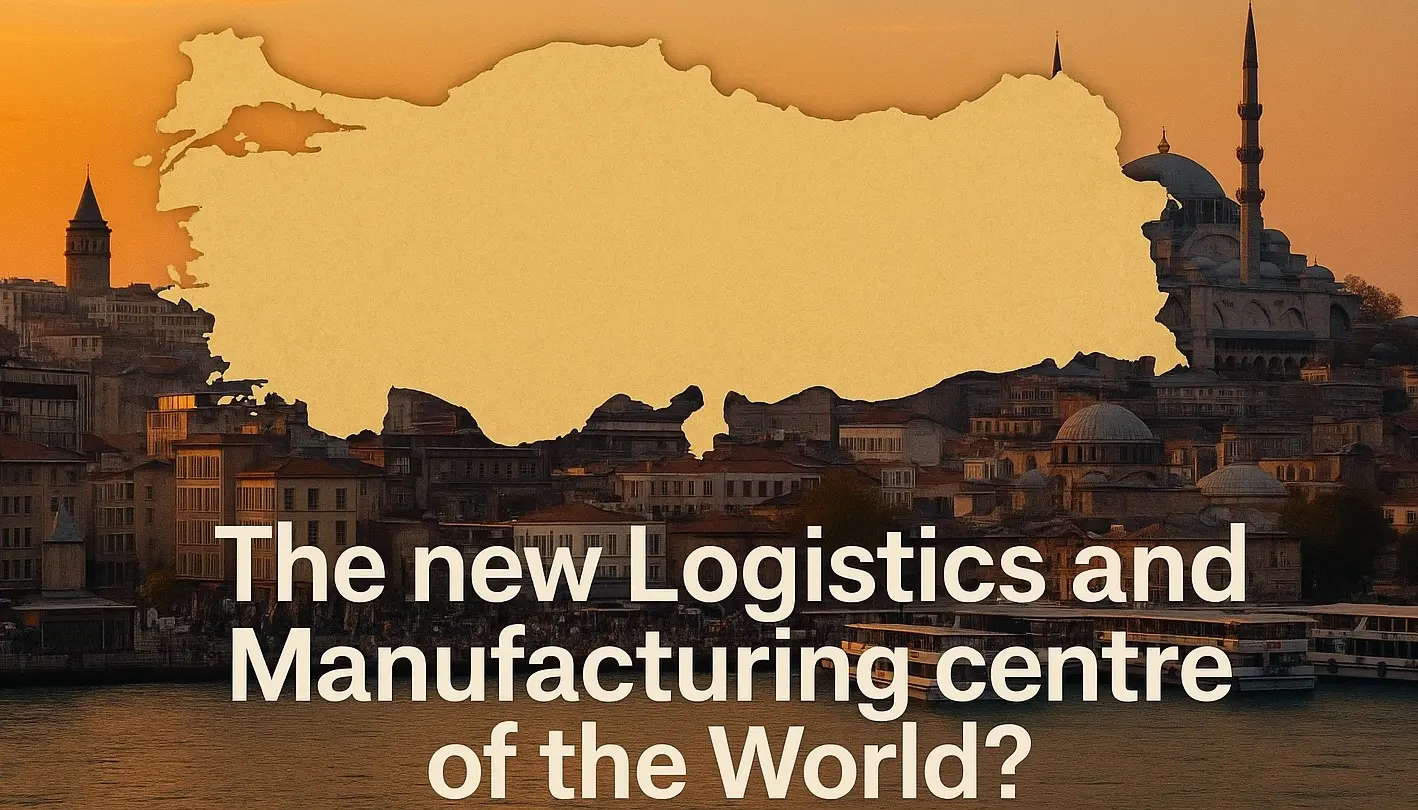
Turkey’s stronger R&D growth does not sit in isolation. It connects with a broader set of national advantages and policy shifts. Turkey is not only positioning itself geographically, it is also investing in the productive and innovative side of the economy while much of Europe is slowing. Simply, Turkey is preparing for a bigger role over the next 10 to 20 years.
1. Transport Corridors: Turkey’s role in trade routes between Europe, Asia, and the Middle East gives innovation-led growth more room to scale. Better connectivity helps productive companies move goods, talent, and capital more efficiently.
2. Energy Corridors: Turkey’s position as an energy transit country strengthens its industrial and geopolitical relevance. Economies with influence over power and energy flows attract more long-term strategic capital and business attention.
3. Tax Incentives and Pro-Investment Reforms: Efforts to attract exporters, multinationals, and international businesses create a stronger environment for innovative firms to expand. Productive investment tends to grow faster when incentives align with business activity.
4. HNWI and Relocation Interest: Rising attention from globally mobile investors adds another layer of demand to key cities. Wealth inflows support housing, office demand, private services, and the broader urban ecosystems linked to higher-value sectors.
5. Infrastructure Upgrades: Rail, logistics, and urban infrastructure improvements make productive economies more competitive. Innovation tends to cluster more effectively in countries where transport, mobility, and commercial efficiency continue improving.
Stronger innovation growth in Turkey as a whole, helps international investors identify which types of assets are more likely to benefit from improving productivity, better available jobs, and deeper urban demand over time.
Own assets tied to real employment hubs: The best-positioned assets are usually in cities and districts where skilled jobs, universities, industrial activity, and business services already cluster, because that is where innovation-led demand is likely to deepen.
Prioritise liquid urban residential stock:Residential units in strong city locations often benefit first from rising professional employment and household formation. Liquidity also stays stronger when local buyers and renters can absorb stock consistently.
Watch office and mixed-use locations: Office demand is not universal, but selected locations tied to finance, technology, defence, engineering, and professional services can become more attractive as productive sectors expand and mature.
Keep an eye on industrial and logistics corridors: Rising R&D and export competitiveness often feeds into stronger demand for warehousing, supplier space, and logistics-linked property, especially around established industrial belts and transport infrastructure.
Think in five to ten-year horizons: Innovation-led growth usually affects real estate gradually rather than instantly. The upside tends to appear over time as jobs, wages, business formation, and urban demand strengthen locations together.
Ready to Invest Before the Market Catches Up?
Big property cycles are often strongest when they are backed by more than one force at the same time. In Turkey, the long-term case is no longer only about value, geography, or citizenship. It is increasingly about whether the country can convert industrial depth, start-up growth, and rising innovation spending into stronger cities and more competitive urban economies.
The OECD’s figures suggest Turkey is moving in a more encouraging direction than much of Europe. For investors with a five to ten-year horizon, that is a signal worth taking seriously. At Property Turkey, we help buyers identify locations where economic trends meet real property demand, from Istanbul regeneration zones to established coastal and industrial-linked markets. Contact us for a confidential consultation with our advisory team.
FAQs: Why Turkey’s R&D Growth Is Relevant to Investors
Q: What did the OECD say about Turkey’s R&D growth in 2024?
A: The OECD said Turkey was among the countries recording over 5% growth in real R&D spending in 2024, alongside Japan and Korea.
Q: How did Europe compare to Turkey in terms of growth?
A: The OECD report said that the EU grew only 0.4% and Germany declined 0.4% in real R&D spending in 2024.
Q: Why is business-led R&D spending important?
A: The OECD says business accounts for 73% of total R&D spending across the OECD, making it a strong signal of private-sector confidence and future productive activity.
Q: Does R&D growth directly increase property prices in Turkey?
A: Not directly. R&D growth is a long-term signal because it supports better jobs, stronger companies, and deeper urban demand, which may influence property prices over time.
Q: Which Turkish cities are most relevant to this trend?
A: Istanbul, Ankara, Izmir, Bursa, and Kocaeli combine innovation, manufacturing, logistics, exports, or higher-value employment.
Q: Does Turkey already have a meaningful start-up ecosystem?
A: Yes. The Investment Office says Turkey’s start-up ecosystem attracted $5.6 billion USD over 2021 to 2025 Q3 and created six unicorns since 2020.
Q: Why are Bursa and Kocaeli important?
A: They are core manufacturing and export belts, especially in automotive and supplier industries, which makes them logical beneficiaries of stronger productive investment.
Q: Does this mean Europe is no longer investable?
A: No. It means Europe looks slower in productive dynamism right now, while Turkey still appears to have more room for catch-up and upgrading.
Sources Supporting This Article
- OECD (March 2026) – The OECD said real R&D growth across member countries held at 2.6% in 2024, with the EU at 0.4%, Germany at -0.4%, and Turkey above 5%.
- OECD (April 2026) – The OECD’s Turkey competitiveness review highlighted ongoing scope to improve business dynamism, productivity, and regulation.
- Investment Office of the Presidency of the Republic of Turkey (2026) – Turkey’s start-up ecosystem attracted $5.6 billion USD, ranking 12th in Europe and 3rd in MENA.
- Daily Sabah and export data cited in January 2026 – Turkey’s automotive sector exported $41.52 billion USD in 2025, with Istanbul, Kocaeli, and Bursa the country’s top exporting cities.
- Reuters (August 2025) – Reuters reported that Aselsan is building a $1.5 billion USD technology base to more than double capacity.
Nezir Can Operations Manager
Nezir 'Nez' Can is Operations Manager at Property Turkey and a contributor on Turkish culture, lifestyle, and everyday life across the country. Since joining the company, he has helped international readers better understand what it is like to live, work, and settle in Turkey.




 By:
By:








 Operations Manager

 Bodrum
  2
2  1
1 








 X
X