Buyer Guide
Turkish Residency by Investment: $200,000 Property Guide
Turkish Residency by Investment: $200,000 Property Guide
Turkish Residency by Investment: $200,000 Property Guide
Updated : 09 May 2026
Created : 09 May 2026
Turkey’s $200,000 USD property route gives foreign buyers a practical way to secure renewable Turkish residency through real estate. It is not the same as Turkish Citizenship by Investment, and it does not provide a passport immediately. Instead, it offers a lower-entry route for buyers who want to live in Turkey, test the market, build a family base, or position themselves before making a larger citizenship investment.
For many buyers, this route sits in the middle of the Turkish property market. Tourist residence permits have become harder to rely on, while the Turkish Citizenship by Investment Programme requires at least $400,000 USD in qualifying real estate. The $200,000 USD property residency route gives international buyers another option: own a suitable home, use it as a genuine residence, and apply for a short-term residence permit based on immovable property ownership.
This makes Turkish Residency by Investment ideal for retirees, lifestyle buyers, families relocating to Istanbul or coastal Turkey, digital entrepreneurs, regional investors, and buyers who want flexibility before committing to citizenship. It is a property-backed residence route, not a donation model, and it can be renewed if the buyer continues to meet the rules.
Quick Summary
Turkish Residency by Investment through property is based on buying a residential property in Turkey worth at least $200,000 USD or the equivalent in Turkish Lira at the date of acquisition. The property must be a home and used for that purpose. Buyers can apply for a renewable short-term residence permit, usually for up to two years at a time, subject to approval. The route is useful for people who want to live in Turkey, secure a legal address, access local services, and build a long-term base without immediately meeting the $400,000 USD citizenship threshold.
Key Takeaways: Turkish Residency by Investment
- Foreigners who buy residential property in Turkey can apply for a short-term residence permit.
- The property value for the residence route is now $200,000 USD or the Turkish Lira equivalent.
- The property must be residential and used as a home by the applicant.
- The residence permit can usually be issued for up to two years at a time, subject to approval.
- This route does not automatically grant Turkish citizenship.
- Turkish citizenship by property investment is a separate route from $400,000 USD.
- Buying in a restricted neighbourhood can prevent a first-time residence permit application.
- Family members may be able to apply if there is shared or joint family ownership.
- Buyers should check Title Deed, valuation, address registration, and neighbourhood status.
- The route is useful for lifestyle buyers, retirees, families, digital entrepreneurs, and investors.
What Is Turkish Residency by Investment?
Turkish Residency by Investment is a common phrase used for property-based residence in Turkey. Legally, the route sits under Turkey’s short-term residence permit framework for foreigners who own immovable property. In simple terms, a foreign buyer purchases a qualifying residential home and then applies for a residence permit based on that ownership.
This is different from a pure investment visa. The property must support a genuine residence purpose. It should be a home the applicant can use, register as an address, and present as the basis for staying in Turkey. The focus is not only the purchase price, but whether the property is suitable for residence and whether the applicant can meet the wider permit conditions.
For buyers, this route is attractive because it turns a property purchase into a practical right to live in Turkey legally. It can support day-to-day life, school planning, healthcare access, banking, utility setup, and a more permanent connection to the country.
The $200,000 USD Property Requirement
The most important practical threshold is $200,000 USD. A foreign buyer applying for a property-based residence permit should acquire a residential property with a value of at least $200,000 USD, or the equivalent amount in Turkish Lira, as of the acquisition date.
This threshold is central because properties below the required value may not support the real estate residence application. Buyers should not assume that every property purchase in Turkey creates residency rights. The Title Deed, declared value, valuation report, purchase structure, and address status all need to be reviewed before the buyer commits.
The route is therefore best treated as a planned residence purchase, not an ordinary holiday-home transaction. A buyer should know from the start whether the property is intended for lifestyle use, long-term living, future rental planning, citizenship upgrade, or eventual resale.
$200,000 USD Residency vs $400,000 USD Citizenship
The $200,000 USD property residency route in Turkey and the $400,000 USD Turkish Citizenship by Investment route are often confused by international buyers, but they serve different goals. One is a renewable residence route based on owning and using a Turkish home. The other is a direct citizenship pathway based on a higher real estate investment.
For many buyers, the question is not which route is better. It is which route fits the plan. A buyer may choose $200,000 USD residency first, then upgrade to $400,000 USD citizenship later if Turkey becomes the long-term base. Others may move directly to citizenship if the main aim is a Turkish passport rather than legal residence alone.
Feature
$200,000 USD Turkish Residency by Investment
$400,000 USD Turkish Citizenship by Investment
Main purpose
Renewable Turkish residence
Turkish citizenship and passport
Minimum property level
$200,000 USD residential property
$400,000 USD qualifying real estate
Status granted
Short-term residence permit
Citizenship, subject to approval
Passport granted?
No
Yes, if approved
Typical validity
Usually up to two years at a time
Citizenship is not a temporary permit
Property use
Property should be used as the applicant’s home
Property must meet citizenship programme rules
Sale restriction
No citizenship holding rule, but ownership supports residence
Three-year no-sale commitment usually applies
Best for
Living in Turkey, testing the market, family relocation
Buyers who want a direct Turkish passport route
Long-term route
Can support a longer residence history, but citizenship is not automatic
Designed as a direct citizenship route
Why Buyers Choose the $200,000 USD Residency Route
The $200,000 USD route appeals because it is lower than the citizenship threshold while still being tied to a real asset. Buyers are not paying a donation or a passive fee. They are buying a home that can support their life in Turkey.
Who Is the Turkish Residency Route Best For?
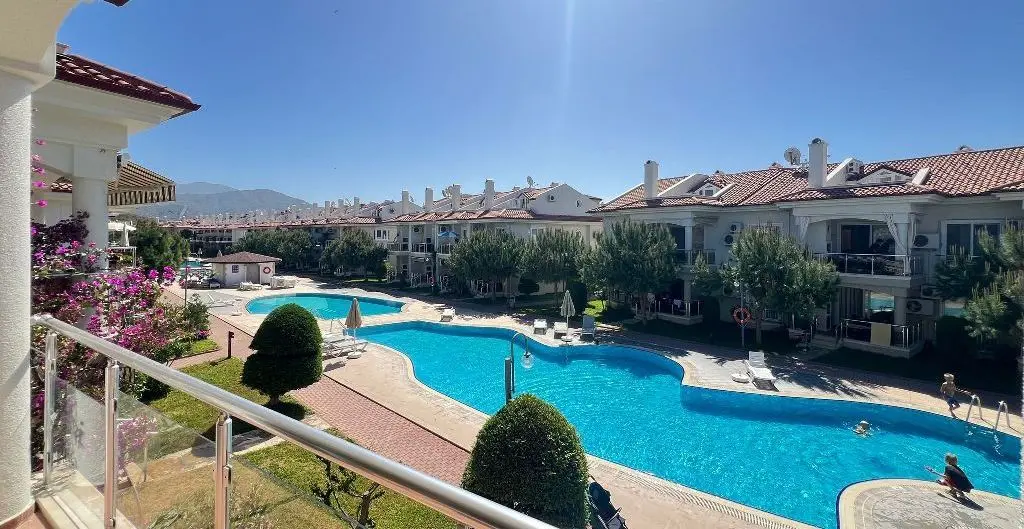
Lifestyle Buyers: Many buyers want Turkey for quality of life rather than pure investment. Istanbul, Bodrum, Antalya, Fethiye, Kalkan, and other areas offer different versions of Turkish living. A $200,000 USD property can support a more permanent lifestyle plan, provided the location and property qualify.
Retirees: Turkey can be attractive for retirees because of climate, private healthcare, lower day-to-day costs in many areas, direct flights, and established expat communities. A property-based residence permit gives retirees a clearer structure than repeated tourist stays.
Families Relocating to Turkey: Families may use the route to settle into a city, enrol children in school, secure an address, and establish local services. Istanbul is usually the deepest market for schools and healthcare, while coastal regions appeal to families seeking lifestyle and space.
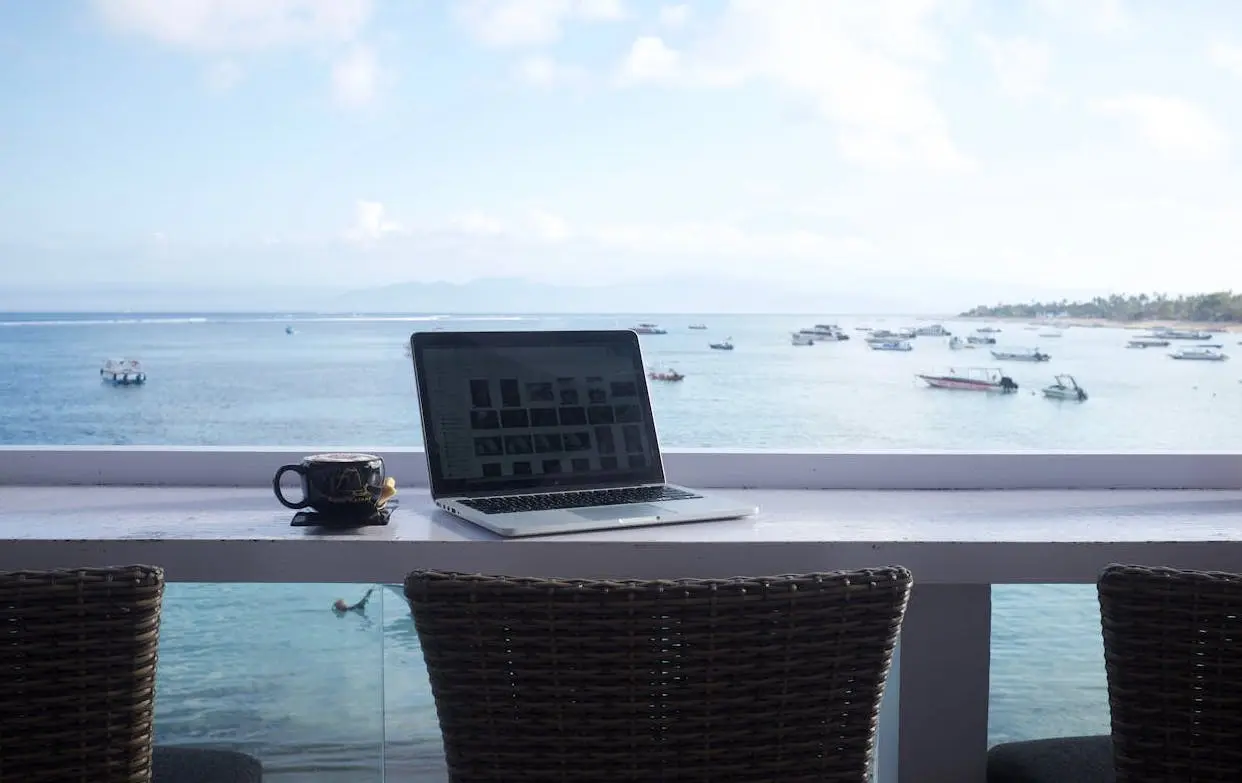
Digital Entrepreneurs and Remote Earners: Remote earners often need legal stability rather than a short visit. Property-based residence can provide a stronger base for people who want to spend meaningful time in Turkey while keeping their income or business activity abroad.
Buyers Considering Turkish Citizenship Later: Some buyers use the $200,000 USD route as a steppingstone. They buy a home, live in Turkey, learn the market, and later decide whether to increase their property exposure to meet the $400,000 USD citizenship route.
What Kind of Property Qualifies for Turkish Residency?
The property should be residential and suitable for use as a home. This usually means a Turkish apartment, villa, house, or residence that can support address registration and actual living. Commercial units, land without a residential home, or properties that cannot be used as a residence may not support the application.
The property should also have clean legal status. Buyers should check the Title Deed, zoning, permits, debts, mortgages, liens, military-zone restrictions, municipality records, and any issue that could affect transfer or future use.
For residency, the property is not only an investment asset. It is the applicant’s home in Turkey. That makes practical details important: building management, access, utilities, address registration, maintenance, insurance, and neighbourhood status.
Why Location Selection Is Critical
Location is one of the most important parts of Turkish Residency by Investment. Some neighbourhoods in Turkey are restricted for first-time residence permit applications due to foreign population density or administrative rules. A buyer may be able to purchase property in a restricted area, but still fail to use that address for a first-time residence permit.
This is one of the biggest risks in the $200,000 USD route. A property can be attractive, legal, and correctly priced, but still unsuitable for a first-time residence permit if the neighbourhood is closed. Buyers should check the address before purchase, not after.
This is especially important in parts of Istanbul, Antalya, Alanya, and other high-demand foreign-buyer markets. Neighbourhood status can change, so buyers need current checks at the time of purchase and application.
Best Places to Buy Property for Turkish Residency
The best place to buy property for Turkish residency depends on the buyer’s lifestyle, family needs, budget, and future plans. Some buyers prioritise liquidity and year-round demand, while others want coastal living, privacy, or retirement use. In every location, the exact neighbourhood and address should still be checked before purchase.
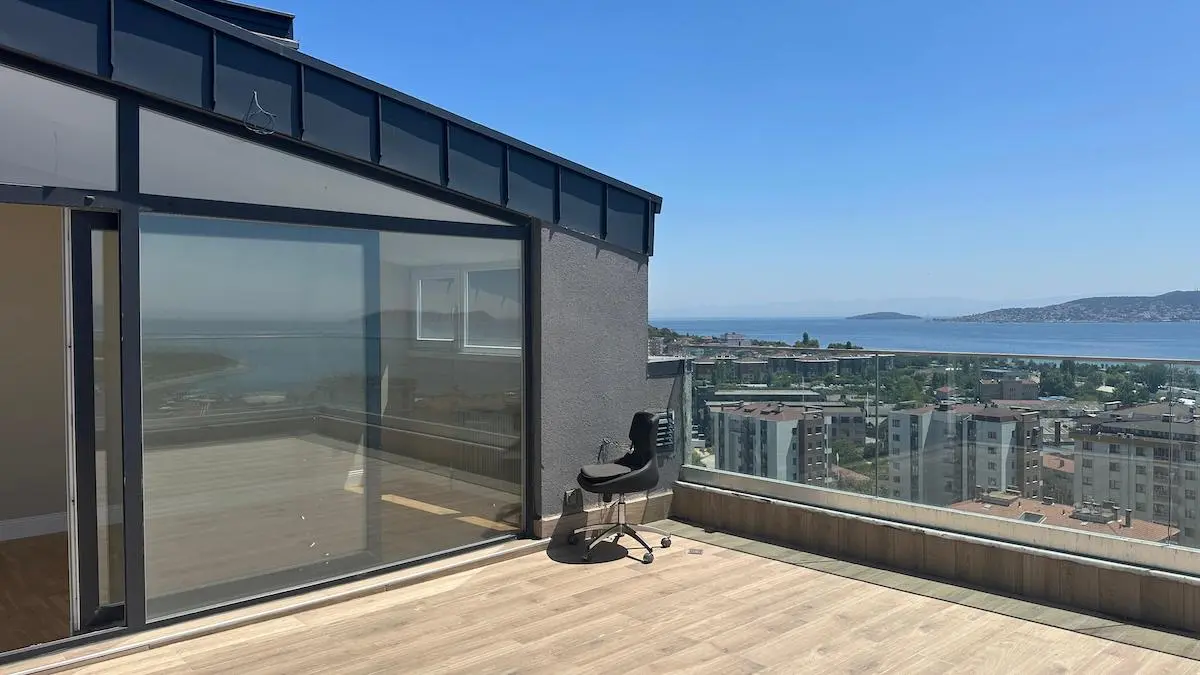
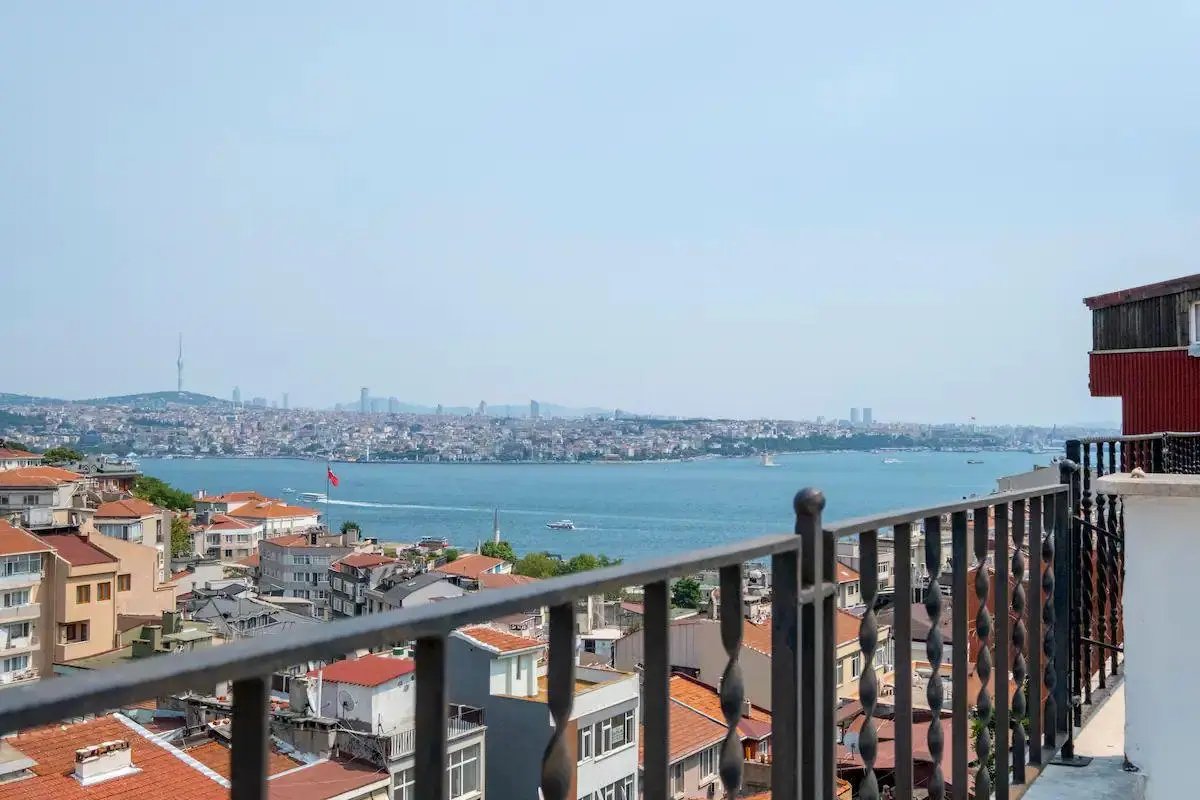
Istanbul: Family Stability and Year-Round Base: Istanbul suits buyers who want a year-round base with schools, hospitals, transport, business access, and strong resale depth. Popular choices often include central districts such as Şişli, Beşiktaş, Kadıköy, and Üsküdar, while family buyers may look at Bahçeşehir, Beylikdüzü, Zekeriyaköy, or Ataşehir. Residency buyers should focus on liveable apartments, managed compounds, transport access, and neighbourhoods that support the application.
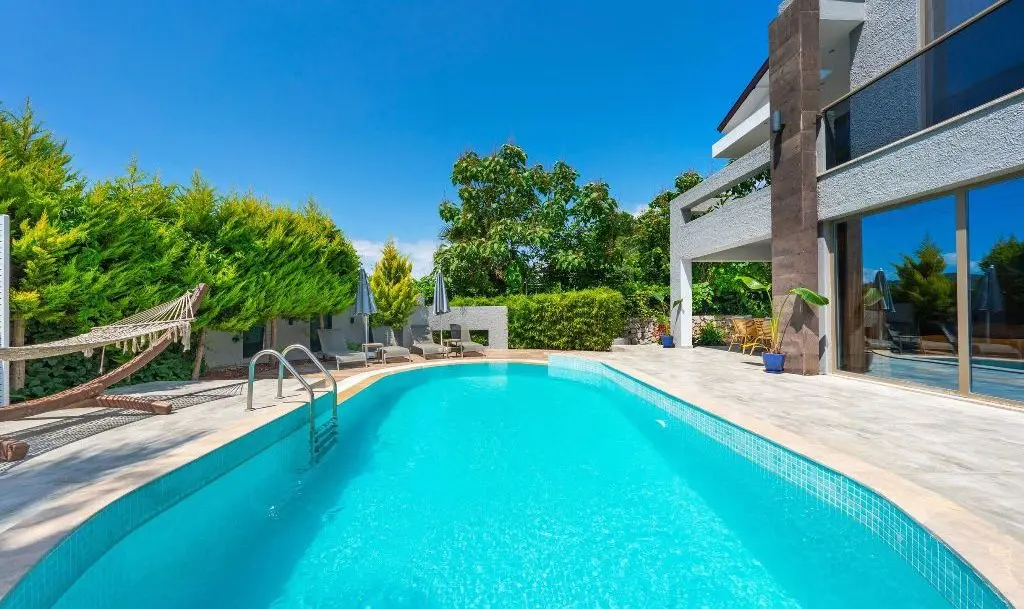
Bodrum: Private Villas and Mediterranean Lifestyle: Bodrum is best suited to lifestyle buyers, retirees, and higher-budget families seeking privacy, sea views, marina access, and long-stay comfort. Yalıkavak, Türkbükü, Gümüşlük, Turgutreis, Bitez, and central Bodrum each offer a different balance of lifestyle, price, and accessibility. For the $200,000 USD route, buyers should look beyond holiday appeal and choose homes suitable for longer visits, family use, and practical residence needs.
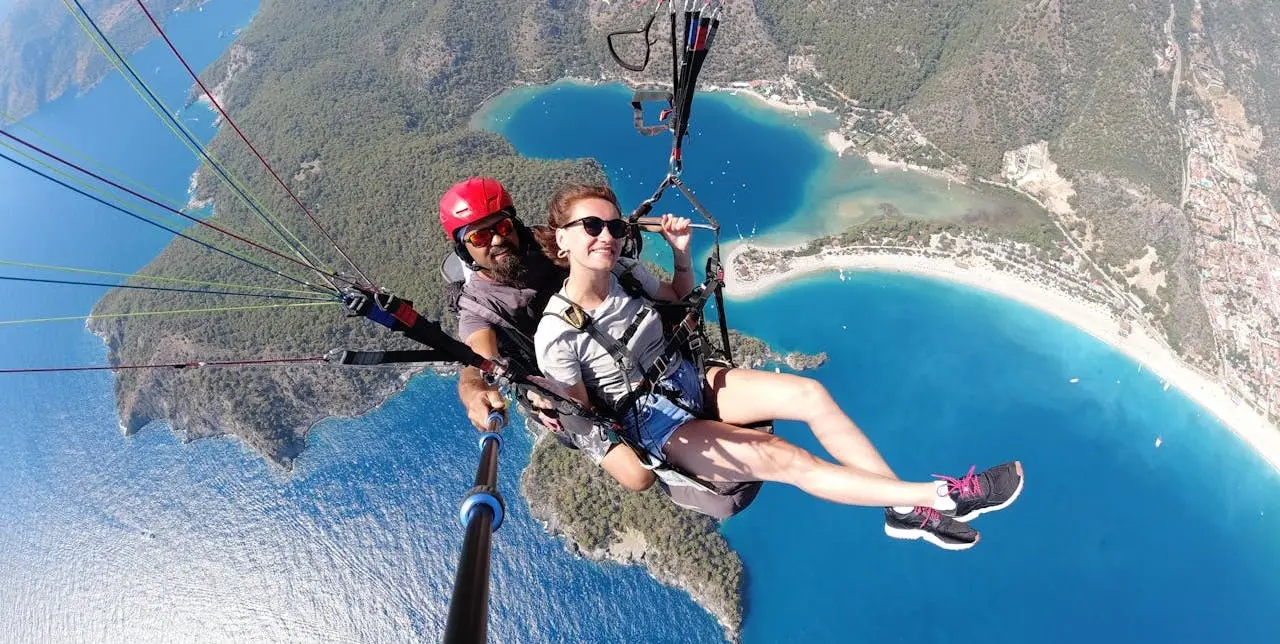
Antalya and Coastal Turkey: Expat Communities: Antalya is one of Turkey’s strongest coastal residency markets, with Lara, Konyaaltı, Döşemealtı, and central Antalya appealing to buyers who want beaches, hospitals, schools, shopping, and a large foreign-resident community. Beyond Antalya, Fethiye, Kalkan, Kaş, and Alanya offer different coastal lifestyles, from marina living and villa privacy to accessible apartment markets. The property should be legally clean, liveable, and suitable for address registration.
Can Family Members Apply?
Family planning is one of the reasons buyers look at Turkish residency by investment. Official guidance says that if immovable property used as a house is held through shared or joint family ownership, it may give residence permit application rights to family members.
In practice, ownership structure should be planned carefully before purchase. A spouse, children, or dependent family members may need specific documentation showing family ties, and the Title Deed structure can affect the application route.
This is an area where buyers should avoid guesswork. If the aim is to secure residence for a family, the purchase contract, Title Deed structure, translations, marriage certificates, birth certificates, and application sequence should be reviewed before completion.
Does Property Residency Allow Work in Turkey?
A residence permit does not automatically give the right to work in Turkey. Foreigners who want to work for a Turkish employer or conduct local work activity usually need a work permit or the correct legal structure.
This is important for remote workers, business owners, consultants, and entrepreneurs. Living in Turkey through a property residence permit is different from being authorised to work locally. Buyers should take advice if they plan to earn Turkish-source income, employ staff, set up a company, or invoice clients from Turkey.
For many international buyers, the attraction is that Turkey can become a legal home base while their wider income, assets, or business activity sit outside Turkey. That structure should be planned properly from the start.
Does Property Residency Lead to Long-Term Residence?
Turkey has a long-term residence permit route for foreigners who have continuously resided in Turkey for at least eight years on a permit, subject to conditions. This is not automatic, and time outside Turkey, public order, financial stability, and other requirements can affect eligibility.
For buyers serious about Turkey as a long-term base to live in, the $200,000 USD route can form part of a wider Turkish residency journey. It can provide a renewable legal stay while the buyer builds a life in Turkey.
However, investors should not treat long-term residence as guaranteed. Each renewal and future application depend on the rules in force, the applicant’s record, continued eligibility, and compliance with address and documentation obligations.
Documents Usually Needed for Turkish Residency
The exact document list can vary depending on nationality, application type, family status, property structure, and local authority requests in Turkey. However, international buyers should usually expect to prepare:
- Residence permit application form.
- Passport copy and original passport for appointment.
- Biometric photos.
- Valid health insurance covering the permit period.
- Turkish tax number.
- Proof of payment of residence fees and card fee.
- Title Deed photocopy showing property ownership.
- Valuation report where required.
- Municipality address or numbering document for first applications.
- Documents proving family relationship if family members apply through shared ownership.
- Translated and notarised civil documents where needed.
- Address registration documents after approval where required.
Step-by-Step: How the $200,000 USD Property Route Works
1. Define the Residence Goal: The buyer should decide whether the aim is lifestyle residency, family relocation, retirement, remote work, future citizenship, or long-term investment. The right location and property type depend on the goal.
2. Check Eligible Locations: Before choosing a property, the buyer should check whether the exact neighbourhood is open for first-time residence permit applications. This step is essential in Istanbul, Antalya, Alanya, and other high-demand areas.
3. Choose a Suitable Residential Property: The property should be a home, suitable for actual residence, legally transferable, and valued at least $200,000 USD or the equivalent in Turkish Lira at acquisition.
4. Complete Legal Due Diligence: The property Title Deed, debts, mortgage status, zoning, habitation status, seller authority, valuation, and transfer documents should be checked before funds are transferred.
5. Complete the Purchase and Receive the Title Deed: Turkish property ownership is confirmed through the Title Deed registration at the Land Registry. A preliminary contract alone does not transfer ownership.
6. Prepare the Residence Permit Application: The buyer prepares the application form, passport documents, photos, health insurance, Title Deed copy, address documents, and any supporting papers.
7. Apply Through the e-Residence System: First-time and transfer applications are made through the e-Residence system, followed by attendance at the Provincial Directorate of Migration Management on the appointment date.
8. Attend the Appointment: The applicant presents the required documents and may be asked for further evidence. Original passport and property-related documents should be ready before the appointment.
9. Register the Address: Once the permit is approved, address registration requirements should be completed within the required timeframe. This is important for renewals, utilities, banking, schooling, and future compliance.
10. Renew Before Expiry: Extensions should be prepared before the current permit expires. The applicant should continue to meet the purpose of stay, property ownership, health insurance, address, and document requirements.
Common Mistakes Buyers Should Avoid
Buying in a Restricted Neighbourhood: This is one of the most serious mistakes that buyers can make. The property may be legally purchased but unusable for a first-time residence permit if the address is closed.
Assuming $200,000 USD Guarantees Approval: The value threshold is only one part of the route. The property must be residential, the address must be usable, the documents must be correct, and the applicant must meet the general conditions.
Treating the Property as a Rental Investment: For this residence route, the property should be used as the applicant’s home. Buyers who want pure rental income should take advice before relying on the same property for residence.
Confusing Residency with Citizenship: The $200,000 USD route supports residence in Turkey. The $400,000 USD route is the dedicated property to Turkish citizenship and passport pathway. They are not the same thing.
Ignoring Title Deed and Valuation Details: The official ownership record and property value evidence are central. Any mismatch between purchase price, valuation, declared Title Deed value, and application purpose can create problems.
How Property Turkey Helps Buyers
Property Turkey helps international buyers structure the $200,000 USD property route properly from the start. The key is not only finding a property at the right price. The key is finding a property that matches the buyer’s residence goal, legal requirements, lifestyle needs, and future options.
Our team can help buyers assess eligible areas, avoid restricted neighbourhood risks, review Title Deed and valuation issues, understand the difference between residency and citizenship, and coordinate with legal advisers for the application process.
For buyers who may later upgrade to Turkish citizenship, we can also help assess whether the first property should be chosen with future citizenship planning in mind. For a free advisory consultation, enquire with us today – our experts are happy to answer all of your questions.
FAQs: Turkish Residency by Investment
Q: What is Turkish Residency by Investment?
A: It is property-based residence in Turkey. Foreigners who buy suitable residential property can apply for a short-term residence permit based on owning immovable property.
Q: What is the minimum property value for Turkish residency?
A: The current property route generally requires a residential home worth at least $200,000 USD, or the equivalent in Turkish Lira, as of the acquisition date.
Q: How long is the property residence permit issued for?
A: A short-term residence permit can usually be issued for up to two years at a time, subject to approval and continued eligibility.
Q: Can I rent out the property and still use it for residency?
A: The property should be used as the applicant’s home for this route. Buyers who want rental income should take advice before relying on the same property for residence.
Q: Can my family apply with me?
A: Family members may be able to apply where the property is held through shared or joint family ownership and family ties are documented. The structure should be planned before purchase.
Q: Can I buy any property in Turkey for residency?
A: No. The property should be residential, suitable for use as a home, meet the value threshold, and be located in an address that can support a residence application.
Q: What happens if I buy in a restricted neighbourhood?
A: You may still own the property, but a first-time residence permit application based on that address may be rejected. Always check the exact neighbourhood before buying.
Q: Does Turkish property residency allow me to work?
A: No. A residence permit does not automatically grant work rights. Foreigners who want to work in Turkey usually need a work permit or the correct legal structure.
Q: Can this route lead to long-term residence?
A: It can form part of a longer residence history, but long-term residence has separate conditions, including eight years of continuous lawful residence and approval by the authorities.
Q: Is Turkish residency by property renewable?
A: Yes, it can be renewable if the applicant continues to meet the rules, owns the qualifying property, maintains the correct address, and submits the required documents before expiry.
END
Subscribe To Our Media
Sign up To Save, Explore & Revisit Your Favourite Properties.
Sign up To Save, Explore & Revisit Your Favourite Properties.
Forget Password
Property Enquiry
Apply Now
Sense Sisli central Istanbul 10% income properties
















 X
X