When investors look at Istanbul through the lens of Turkish Citizenship by Investment, they often ask the wrong first question. They ask, “Which project looks the most impressive?” when they should be asking, “Which segment gives me the cleanest exit, broadest buyer pool, and the most dependable demand?”
For many CBI buyers, the strongest answer is still affordable central Istanbul. Istanbul is a city of more than 15 million people, accounting for 18.3% of Turkey’s population, and it remains the country’s largest housing market. In 2025, Istanbul recorded 280,262 home sales, more than any other province in Turkey, while nationwide housing sales reached 1.7 million, up 14.3% year on year.
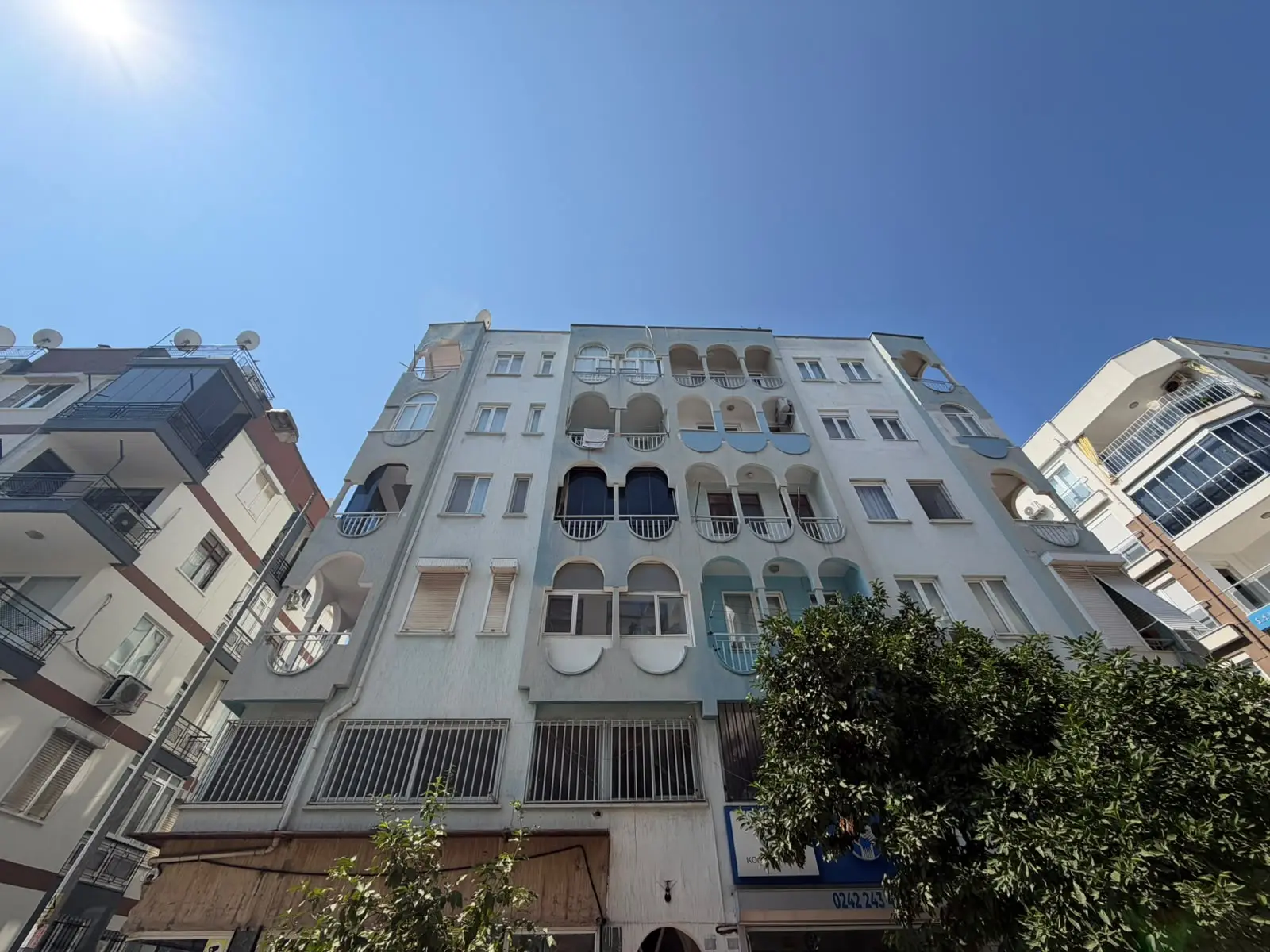
The best CBI segment is rarely the flashiest one. It is the segment that can be bought sensibly, rented easily, and sold back into a deep local market without depending on a smaller niche of foreign buyers. Affordable city centre Istanbul sits on the strongest side of the city’s real estate divide: scarcity-led central demand rather than land-led suburban supply.
That is why, for international investors who want hands-off ownership, strong liquidity, and a realistic resale route after the three-year CBI holding period, central Istanbul affordable properties remains the most practical investment in the Turkish market.
Quick Summary
For Turkish Citizenship by Investment buyers, affordable central Istanbul properties offer a stronger investment profile than many suburban projects because the exit market is broader, rental demand is deeper, and supply is naturally more constrained. The best-performing stock is not necessarily ultra-luxury. It is well-located, mid-market, city-centre property that appeals to domestic Turkish buyers, young professionals, couples, and long-term tenants as well as foreign investors.
Key Takeaways: Why Central Affordable Istanbul Works for CBI
- Turkish CBI real estate threshold is $400,000 USD, with a three-year holding requirement.
- Domestic demand, not foreign demand, is the real engine of Turkish housing sales today.
- In 2025, foreign buyers accounted for only 1.3% of total property sales nationwide.
- Mortgage-backed sales increased by 49.3% in 2025, showing improving local demand.
- Istanbul’s market is not one uniform market; some areas behave differently from others.
- Central districts benefit from scarcity and liquidity. Outer suburban areas face supply pressure.
Istanbul: Two Markets in One City
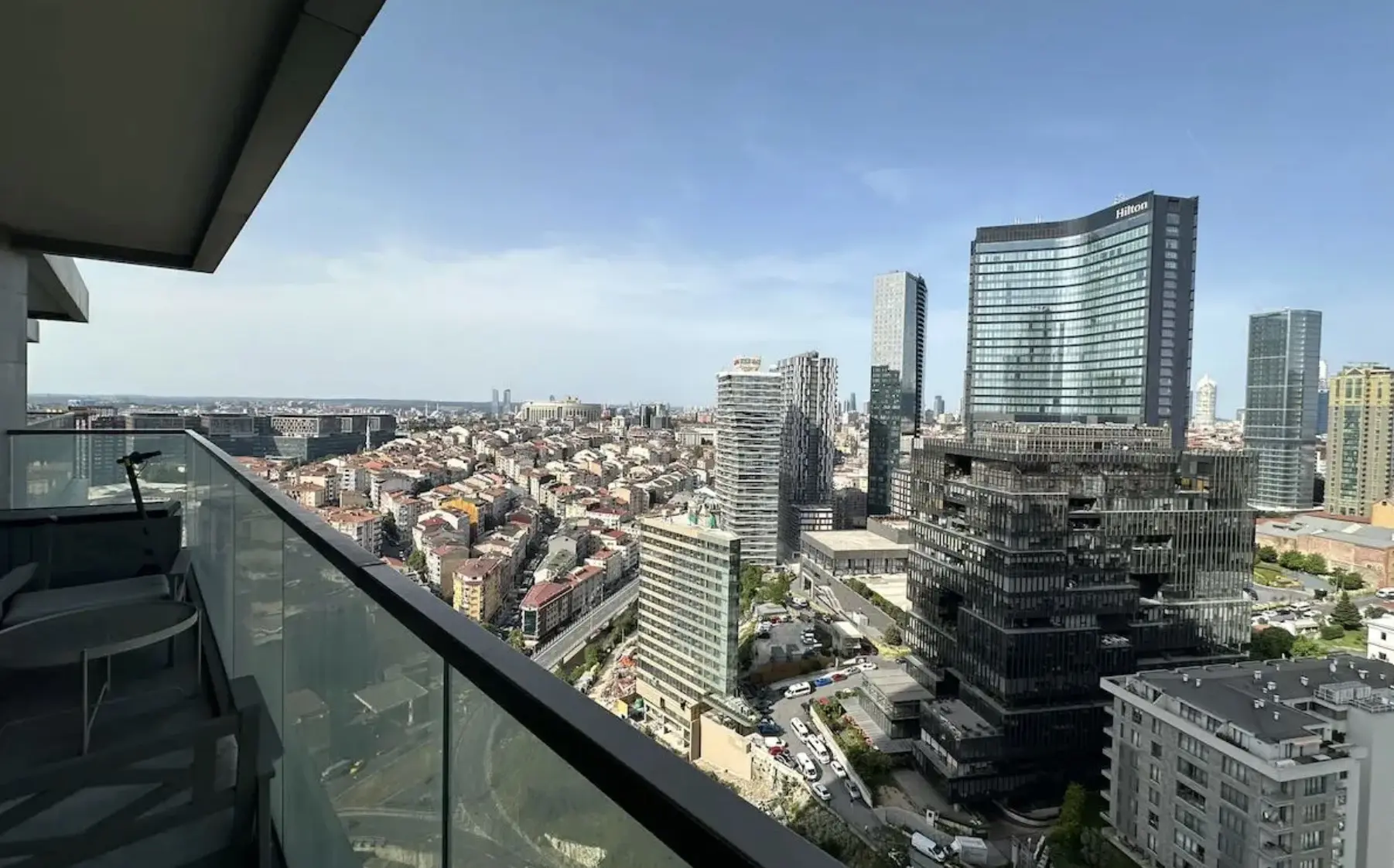
The simplest way to explain Istanbul is this: it is two different markets in one city. One market is central, dense, employment-linked, and supply-constrained. The other is outer, land-available, and more developer-led. Both can work, but they do not offer the same investment profile.
If your goal is lifestyle, space, schools, and a family environment, Istanbul suburbs can make perfect sense. If your goal is CBI with minimal drama, strong tenant demand, and an easier resale route, the logic shifts. In that case, the priority is usually central liquidity.
That is because the ideal Turkish Citizenship property is not just something that meets the threshold. It is something that still makes sense after the passport process is done. The best central stock can be rented to the city’s working population and later sold not only to foreigners, but also to local Turkish buyers.
Why Domestic Demand Matters More Than Foreign Demand
A lot of international buyers think Istanbul’s strongest investment segment must be something designed primarily for foreigners. In reality, Turkey’s housing market is driven by domestic demand. In 2025, foreign buyers purchased 21,535 homes nationwide, down 9.4% year on year, and represented just 1.3% of all housing sales across the country.
The safest resale strategy is to own a property that appeals to the local market. Affordable central apartments do exactly that. They fit the budgets and lifestyle needs of young professionals, couples, smaller families, and long-term city tenants who want to live close to transport, work, universities, retail, and daily infrastructure. The buyer pool is simply wider. For a CBI investor, broad demand means better liquidity.
Why Central Istanbul Has a Structural Advantage
Central Istanbul does not perform better because it is “popular.” It has a more favourable structural setup. The best central districts are already built up. Land is scarcer. Urban renewal happens plot by plot, not through waves of entirely new suburban inventory. That does not eliminate supply, it makes supply more limited and more expensive to create.
By contrast, many outer districts have more developable land and larger project pipelines. That can work for lifestyle-led buyers, but from an investment perspective it can dilute price performance if similar stock keeps coming to market.
A 2025 district-level analysis linked Istanbul house prices to socioeconomic conditions, highlighting that different districts behave in materially different ways. In simple terms, investors should stop treating “Istanbul” as one market and start treating it as a set of very different sub-markets.
Central vs Suburban Istanbul: The Practical Difference
Factor
Affordable Central Istanbul
Outer / Suburban Apartment Markets
Main demand source
Domestic working population, professionals, smaller households
More lifestyle-led and project-driven demand
Supply profile
More constrained, especially in strong micro-locations
Often more expandable because land is more available
Rental depth
Year-round demand in the right central pockets
Can be solid, but more dependent on community and product quality
Exit liquidity
Usually broader because more buyer types can absorb the stock
Can be slower where similar inventory keeps entering the market
Best fit for CBI
Strong for hands-off, liquid, income-friendly investing
Better for selective cases or lifestyle-oriented buyers
NOTE: This does not mean all suburban property is weak. It means suburban apartments often face more competition from fresh supply, while central affordable stock is more naturally protected by location.
Why Affordable Central Istanbul Fits the CBI Buyer So Well
The CBI threshold remains $400,000 USD for real estate purchases, and buyers must agree not to sell for three years. That structure creates a very practical question: what kind of property do you want to be sitting on after those three years? For many investors, the answer should be:
- Located in a district where pricing is supported by real urban activity.
Affordable central Istanbul checks more of those boxes than many large suburban compounds. It is also more “hands off” because the right centrally located apartment is easier to place with long-term tenants and less dependent on lifestyle when it comes to resale.
Mortgage and Rate Backdrop Supports CBI Investment
Turkey’s housing market is not just being supported by cash buyers. Mortgage activity has also started to recover. In 2025, mortgage-backed home sales throughout the country increased by 49.3% year on year to 236,668.
At the same time, the Turkish Central Bank cut its one-week repo rate to 37% in January 2026 as its easing cycle continued, even while remaining cautious on inflation. Reuters also reported that the Central Bank kept its end-2027 interim inflation target at 9% and its end-2028 target at 8%.
For property investors, improving domestic financing conditions support the local end-user market over time. And when your investment segment is central affordable stock that locals actually want to buy, better domestic mortgage activity supports future resale liquidity.
Which Type of Central Istanbul Properties Work Best?
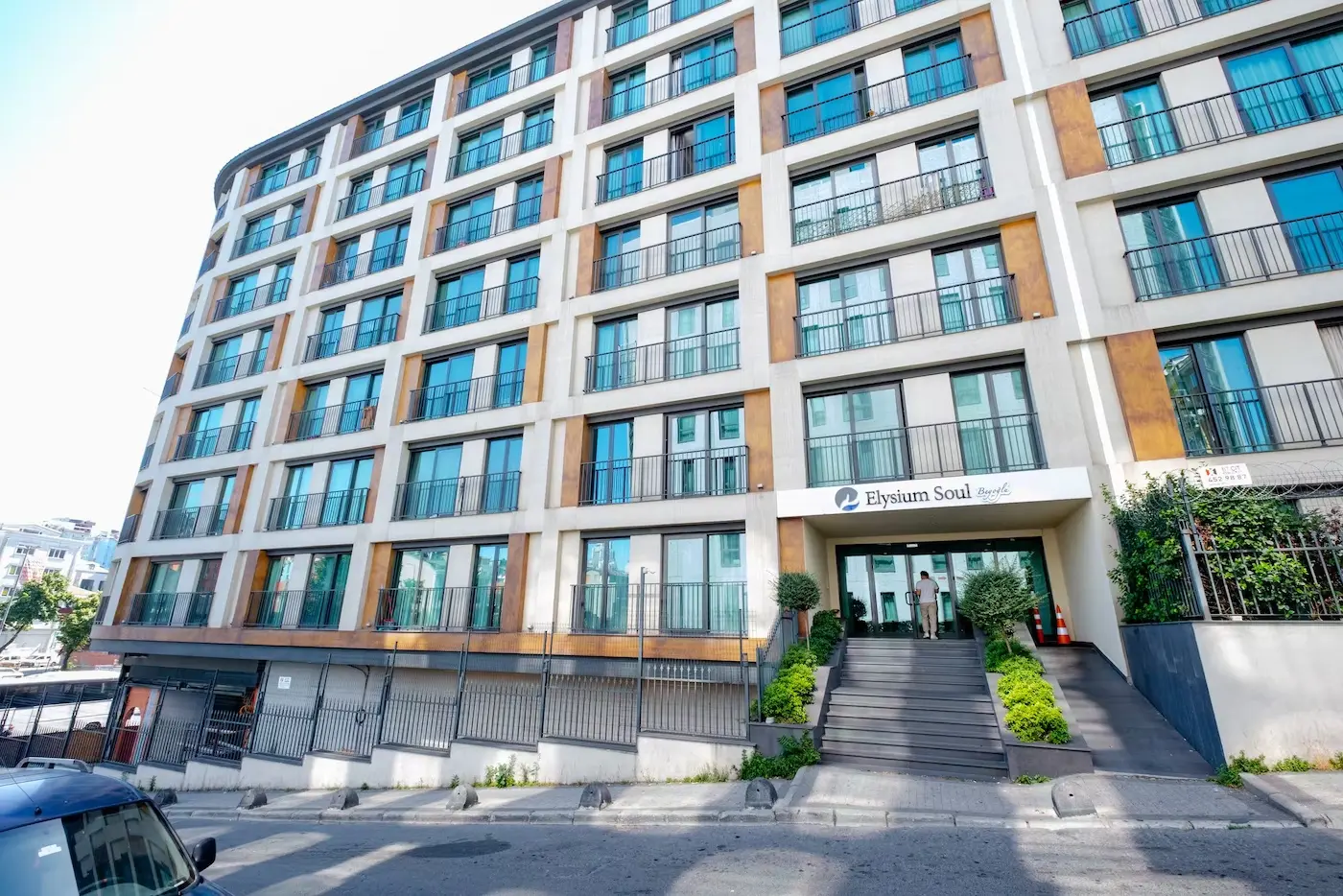
For Turkish Citizenship by Investment buyers, the strongest segment is not trophy Bosphorus property and not very cheap peripheral stock. It is the affordable-to-mid bracket in strong central districts, especially practical one-bedroom and two-bedroom units in areas with clear transport access, urban regeneration momentum, and year-round tenant demand.
The exact district in Istanbul matters, so does building quality, and so does earthquake resilience and Title Deed readiness. But as an investment category, this segment works well because it sits at the intersection of:
- Local affordability relative to central location.
- Strong tenant absorption.
- Easy and practical unit sizes.
- Reliable resale market depth.
Where Istanbul Suburbs Still Can Work for Buyers
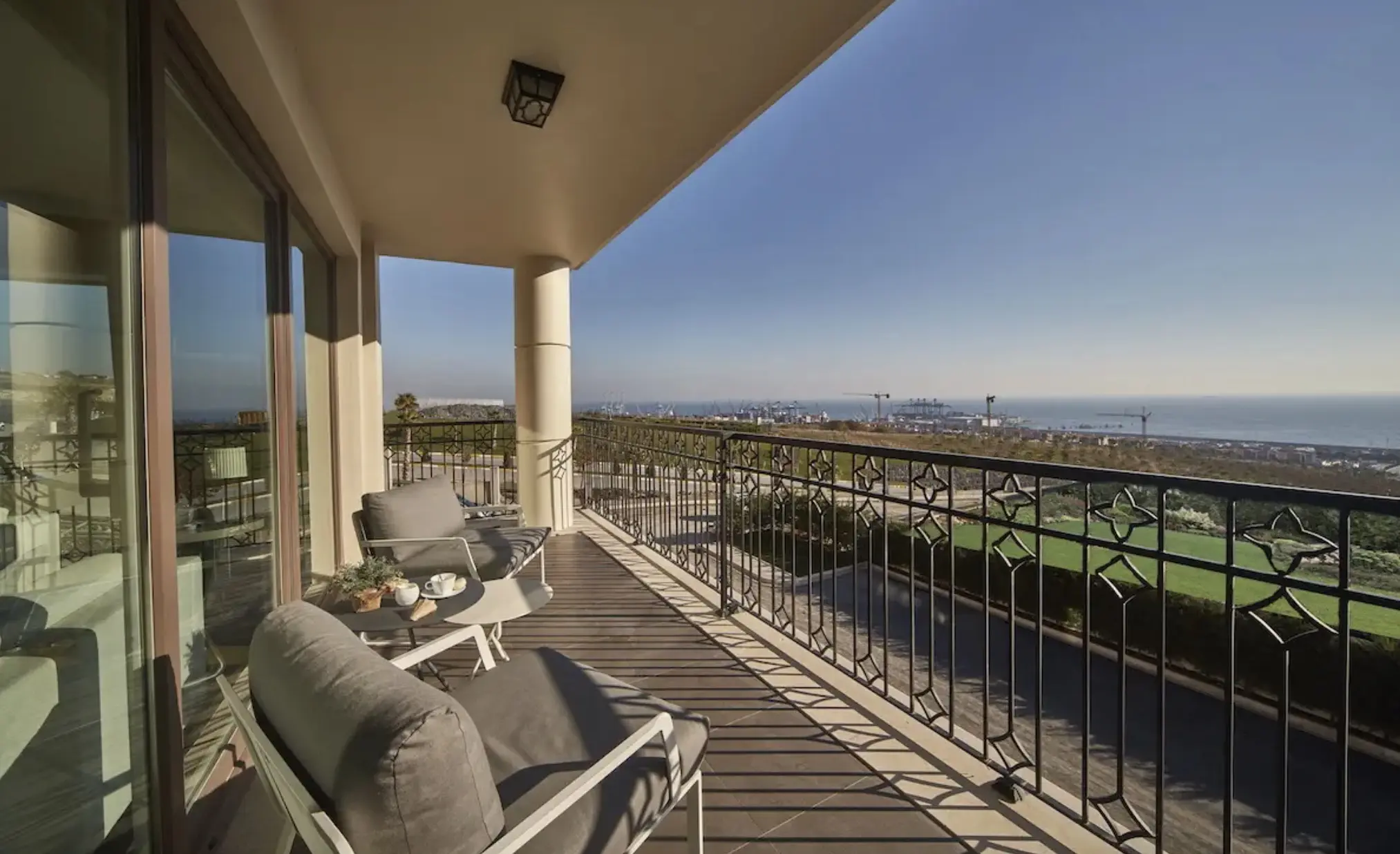
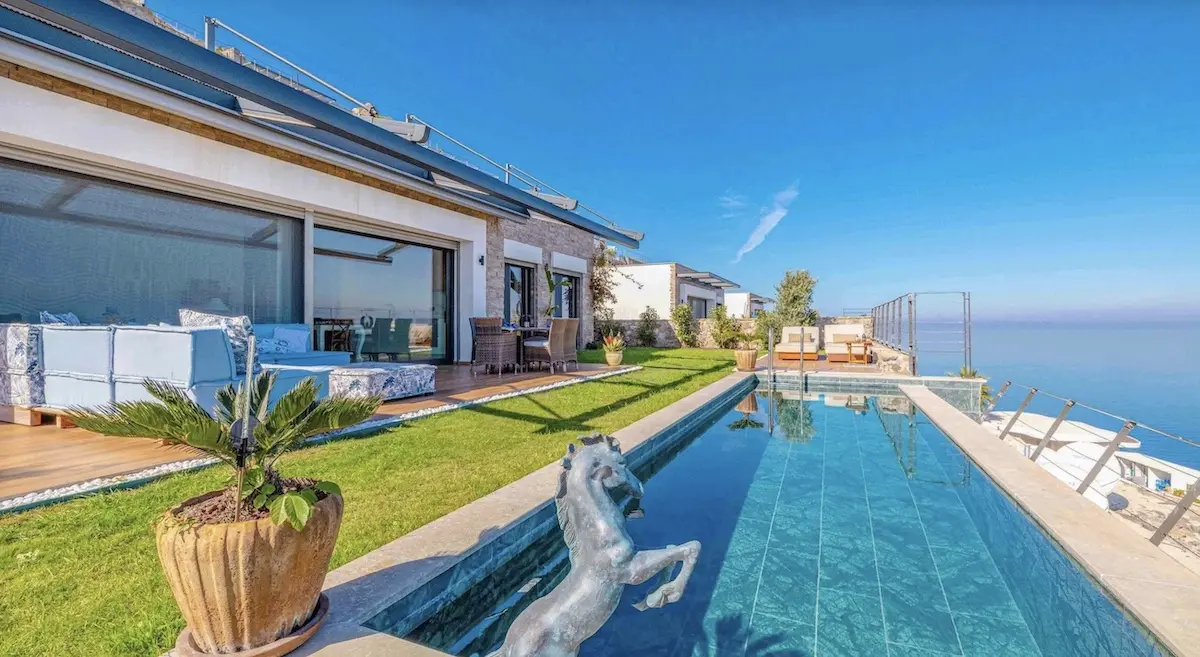
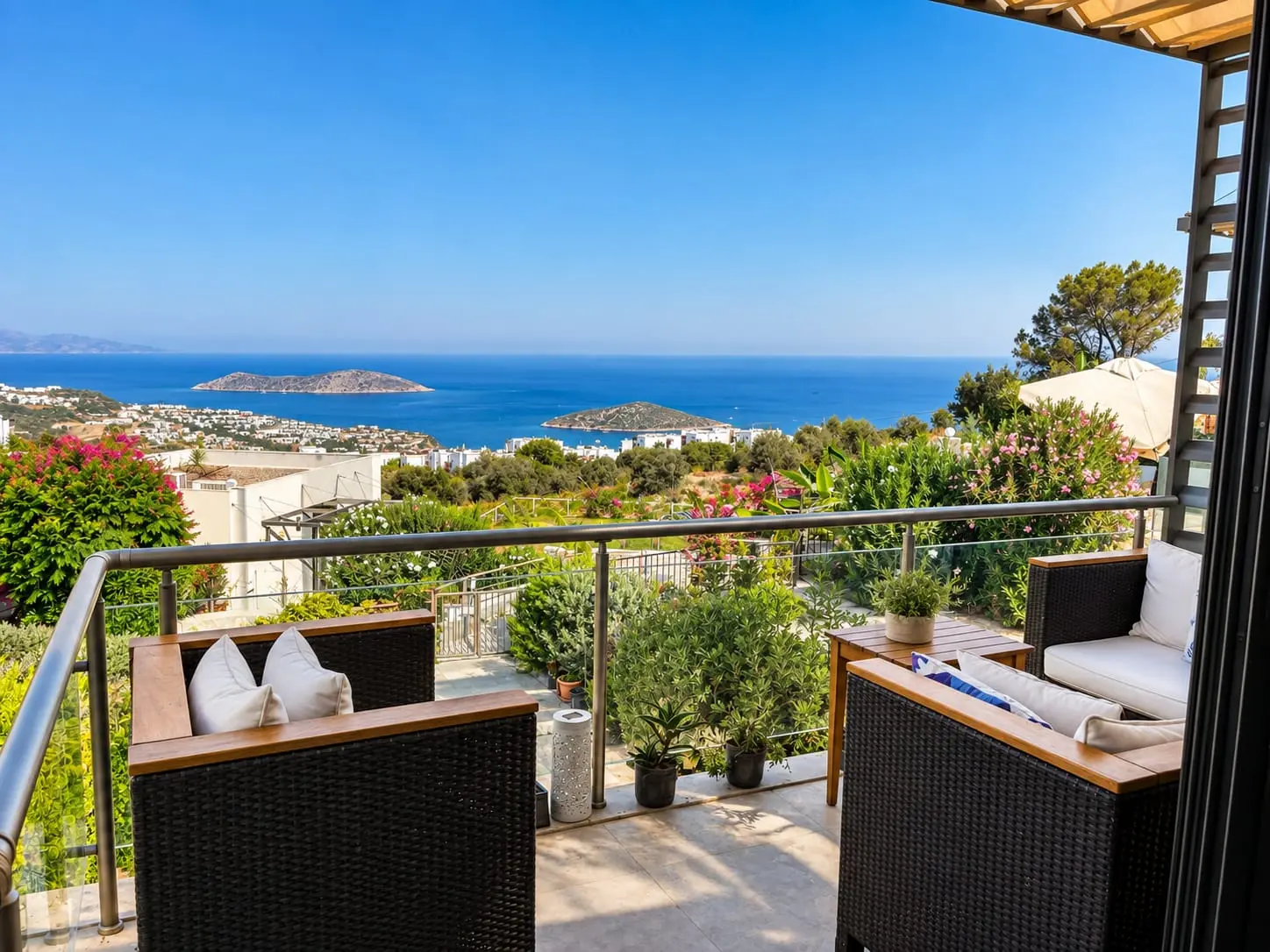
Let’s be clear, we are not saying “never buy property in the suburbs.” That would be too simplistic. Suburban Istanbul can still work very well for: lifestyle buyers, families who prioritise home space, investors buying low-density niche products with limited supply, or long-term rental strategies in the right communities.
The problem is not the suburbs of Istanbul themselves. The problem is assuming that every suburban apartment project will produce the same exit quality as a central Istanbul, scarcity-driven asset. Many times, it will not.
That is why, at Property Turkey, we often say the suburbs are better chosen for lifestyle and the centre is better chosen for liquidity, unless the suburban product is truly limited in supply and structurally differentiated.
Why “Easy Exit” Matters More Than Headline ROI
A lot of investors in Turkey become distracted by pre-launch and off-plan discounts, glossy developer brochures, or oversized suburban units that look good on paper. But a Turkish Citizenship by Investment buyer should be disciplined.
Why? Because your investment already carries a three-year holding requirement. That means your real risk is not just whether the property rents well. It is whether the property can be sold efficiently when the holding period ends.
That is why “easy exit” should be treated as a core part of the overall investment strategy. A central affordable apartment with real local demand is often more valuable than a larger suburban unit with weaker resale depth. Not because it looks better, but because it trades better.
Who Istanbul Affordable City Centre Is Best For?
Affordable central Istanbul is the strongest fit for CBI buyers who care more about investment and commercial logic than lifestyle use, and who understand that the best Turkish Citizenship by Investment asset is often the one that still makes sense even if obtaining a Turkish passport was removed from the equation. These buyers want:
Not every property above the citizenship threshold is a good CBI investment. The strongest assets are the ones that combine legal eligibility with real demand, practical pricing, and a believable exit route. At Property Turkey, we focus on helping buyers identify the parts of Istanbul where those conditions overlap most effectively. For many investors, that still means affordable, well-located central stock rather than developer-heavy suburban inventory. Contact us today for a free consultation with our local advisors in Istanbul.
FAQs About Affordable Central Istanbul for CBI
Q: Why is affordable central Istanbul stronger than suburban markets?
A: Central districts benefit from stronger local demand, more constrained supply, better tenant depth, and a wider resale audience than outer apartment-heavy zones.
Q: Is the Turkish Citizenship by Investment threshold still $400,000 USD?
A: Yes. The official real estate threshold remains $400,000 USD for investors, with a three-year holding commitment attached to the citizenship route.
Q: Why does domestic demand matter so much in Istanbul?
A: Domestic buyers drive the market. Foreign buyers represented only 1.3% of total home sales in Turkey in 2025, so the deepest resale market is still local.
Q: Is suburban Istanbul is a bad property investment?
A: No. Suburban products work well, especially lifestyle-led or low-density stock, but many suburban apartment markets face more supply pressure than central micro-markets.
Q: What type of central property is best for CBI buyers?
A: Practical one-bedroom and two-bedroom apartments in strong central districts offer the best mix of tenant demand, liquidity, and resale positioning.
Q: Why is exit liquidity important for Turkish Citizenship investors?
A: The three-year holding rule means that international investors should be planning the resale profile of the asset in Istanbul before they buy it.
Q: Does central scarcity really protect pricing?
A: It can help. Central districts have less land for continuous large-scale apartment supply than outer suburban locations, which supports stronger long-term pricing power.
Q: How do lower Turkish interest rates support CBI investors?
A: Recovering mortgage activity and a lower policy rate supports local end-user demand, which matters in CBI segments where domestic buyers are the natural exit audience.
Q: What is the simplest way to explain the central-vs-suburban choice?
A: In central Istanbul, scarcity protects you. In many suburban apartment markets, land availability can dilute returns, so the centre is often the safer choice for liquidity.
Sources Supporting This Article
- Anadolu Agency citing TURKSTAT (January 2026) – Turkey recorded 1.7 million home sales in 2025, with Istanbul leading the country with 280,262 sales.
- Global Property Guide (2026 market analysis) – Foreign activity remained modest relative to total Turkish housing sales. Domestic demand is the main driver of the market.
- Borsa Istanbul Review / ScienceDirect (2025) – Istanbul analysis confirmed that the city behaves as a set of very different sub-markets rather than one uniform market.
- Reuters (January 2026) – Turkey’s Central Bank cut its key rate to 37% in January 2026, continuing its easing cycle while staying cautious on inflation.
- Reuters (February 2026) – The Central Bank kept its end-2027 interim inflation target at 9% and its end-2028 target at 8%, signalling a medium-term disinflation path.
Cameron Deggin Founder & CEO, Property Turkey
Cameron Deggin is Founder and CEO of Property Turkey. A former finance professional and FCCA-qualified accountant, he founded the company in 2001 after recognising Turkey’s investment potential. With more than two decades analysing Turkish real estate, Cameron regularly advises international investors and is quoted by media including the Financial Times and BBC.




 By:
By:








 Founder & CEO, Property Turkey

 Bodrum
  2
2  1
1 












 X
X