Turkey is preparing one of its most ambitious investor incentive packages in a generation. The proposed measures go far beyond one tax break. They point to a wider attempt to reposition Turkey as a base for global capital, exporters, regional headquarters, entrepreneurs, internationally mobile families, and property investors.
The package is still moving through the political and legislative process, so final rules can change. But the direction is already clear. Turkey wants to export more, attract more capital, bring offshore wealth into the system, and turn Istanbul into a stronger regional financial centre.
Turkey’s proposed investor incentive package combines a 20-year foreign-income tax exemption for eligible new residents, lower corporate tax rates for exporters, expanded Istanbul Financial Center incentives, a regional headquarters regime, a one-stop investment office, service export support, asset-repatriation rules, and start-up-focused reforms. Together, these measures position Turkey as a competitive regional base for capital, companies, entrepreneurs, and globally mobile investors.
Key Takeaways: Turkey’s Investor Package 2026
- Turkey is planning a broad investor incentive package built around tax, trade, capital, talent, and Istanbul’s financial role.
- Manufacturing exporters could see corporate tax reduced to 9%, while other exporters are reportedly targeted at 14%.
- Services exporters in sectors such as software, gaming, medical tourism, education, engineering, and design could benefit from 100% tax exemption treatment.
- The Istanbul Financial Center is central to the package, with 100% exemptions for some activities inside the IFC and 95% treatment outside it.
- Turkey is also promoting a one-stop office model to reduce bureaucracy around company formation, permits, tax, incentives, and approvals.
- For real estate investors, the package means stronger capital inflows, easier company setup, international relocation, and buyer confidence influencing property demand.
The Bigger Idea: Turkey Is Building an Investment Platform
The package is not a list of isolated incentives, it is an economic positioning strategy. A presentation from Turkey’s Treasury and Finance Ministry frames the new investment framework around four strategic initiatives: export more, attract more, bring it home, and regional core. That shows the government is not only trying to reduce tax. It is trying to strengthen Turkey’s role in global trade, services, capital movement, corporate relocation, entrepreneurship, and regional finance.
For international investors, that wider logic is crucial. Tax breaks can attract attention, but sustainable investment demand usually needs more than low tax. It needs infrastructure, connectivity, banking, legal clarity, labour depth, housing, and business-use cases. Turkey is trying to connect those elements into one investment proposition.
20 Years of 0% Foreign Income Tax for New Residents
The most attention-grabbing part of the package is the proposed 20-year non-dom style incentive for eligible new residents. As currently described, people who have not been Turkish tax residents in the previous three years could relocate to Turkey and pay no Turkish tax on foreign-source income for 20 years. Turkish-source income would remain taxable, and the final law will define exactly who qualifies and which types of income are included.
This is significant because 20 years is unusually long by international standards. The Treasury presentation describes it as the world’s longest non-dom window, noting that Italy and Greece operate 15-year regimes. The proposal is aimed at entrepreneurs, high-net-worth individuals, and globally mobile people whose income, investments, or businesses sit outside Turkey.
For property investors, this could alter the appeal of Turkish Residency and Citizenship. Turkey already offers citizenship through real estate investment from $400,000 USD. If a qualifying buyer could combine property ownership, residence, citizenship planning, and long-term foreign-income tax treatment, the country’s appeal would move beyond lifestyle and passport access into broader wealth planning.
Exporters: 9% and 14% Corporate Tax Rates
The package also targets productive capital, especially exporters and manufacturing companies. Reuters reported that Finance Minister Mehmet Şimşek said Turkey is reducing the corporate tax rate for manufacturing exporters to 9%, while other reporting and market briefings point to a 14% rate for other exporters. This compares with a standard corporate tax rate of 25%.
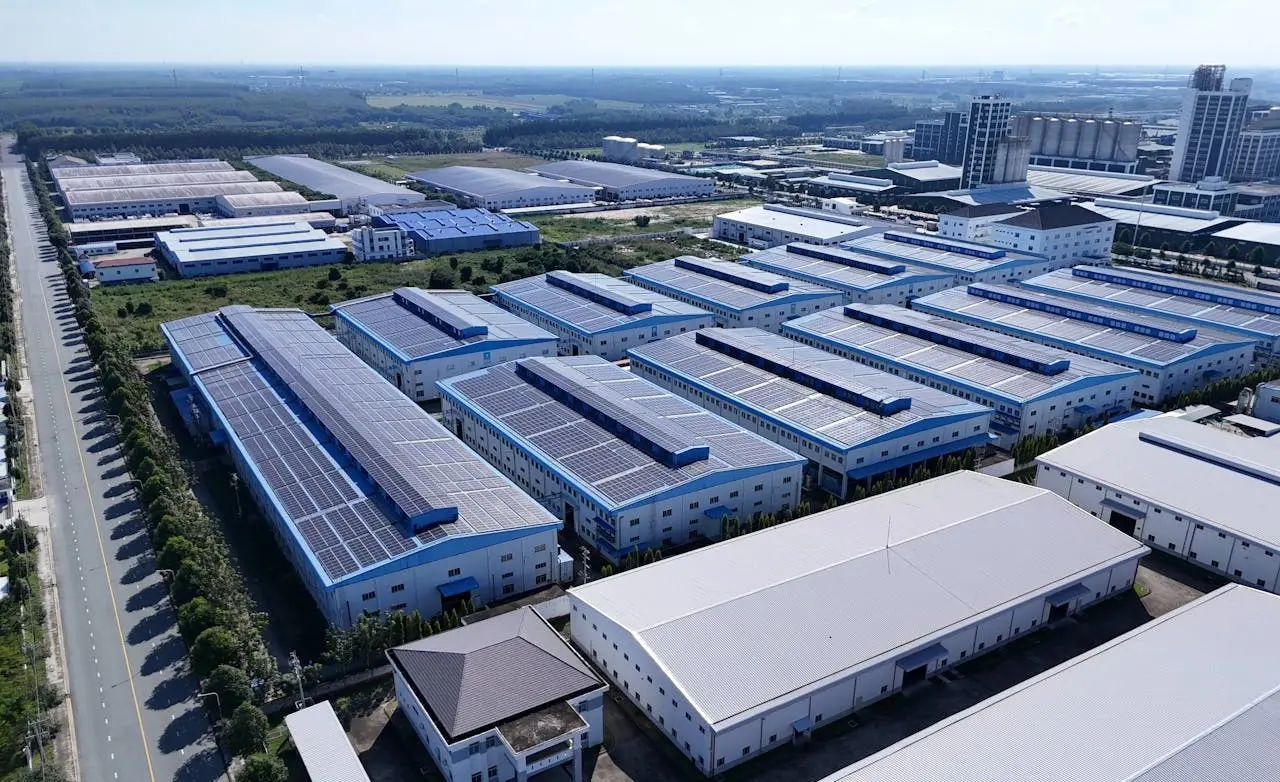
That is not a minor adjustment. It is a direct attempt to make Turkey more competitive for companies producing, exporting, and using the country as a regional operating base. The Treasury presentation describes Turkey as the 14th largest manufacturer by manufacturing value added, using World Bank data. It also positions the tax reduction as a targeted incentive to make exporters more competitive and attract foreign direct investment.
This is important for property investors because employment, factory investment, logistics activity, and export-led growth can create demand for homes, offices, warehousing, serviced residences, and rental property. The real estate impact could support the most investable city, logistics, and industrial-linked markets.
Services Exports: Turkey Wants Higher-Value Global Income
Reuters reported that Turkey is extending tax exemption treatment on services exports to 100%, targeting high-value sectors such as software, gaming, and medical tourism. The Treasury presentation also references education, engineering, design, and other service activities.
This is important for investors because global trade is no longer only about goods moving through ports. Increasingly, countries compete for digital services, healthcare demand, education, creative industries, engineering capacity, and remote business functions.
Turkey already has advantages in this area. It has a large labour force, competitive costs compared with Western Europe, a strong medical tourism sector, and deep connectivity through Istanbul. The Ministry presentation says Turkey’s services surplus has grown from $10.4 billion USD to $62.6 billion USD and describes the country as the world’s 20th largest service exporter.
For investors, this gives the package a more modern shape. Turkey is not only trying to attract new factories. It is trying to attract global companies, founders, developers, designers, medical operators, engineers, and service-led export businesses.
Istanbul Financial Center: The Core of the Regional Strategy
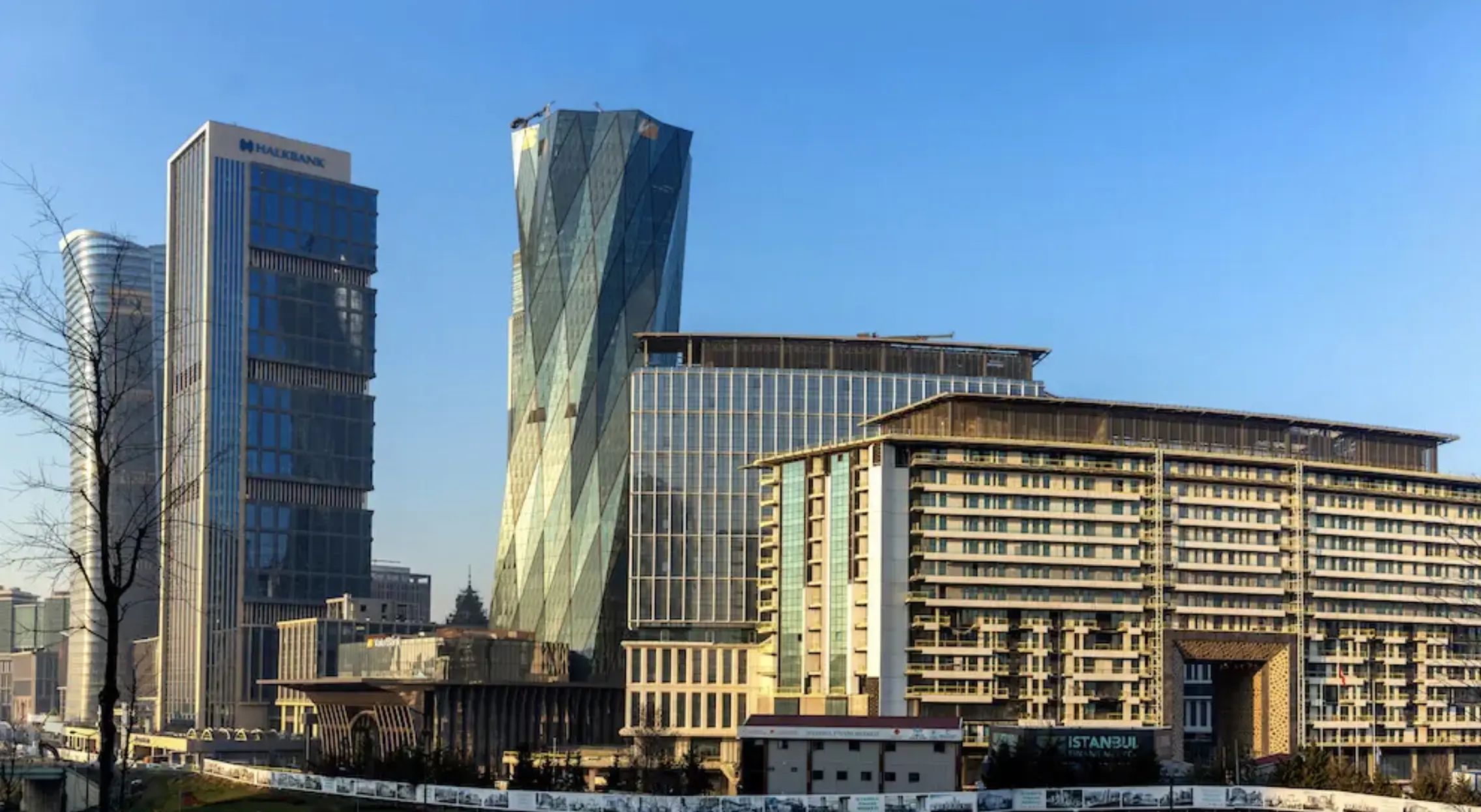
Istanbul is the centrepiece of Turkey’s financial repositioning. The package expands incentives linked to the Istanbul Financial Center. Zero corporate income tax on transit trade will apply to companies located in the IFC, while a 95% rate applies outside the IFC. The Treasury states that transit trade exemptions inside the IFC are being raised from 50% to 100%, regional headquarters incentives are being introduced, and IFC tax incentives are being extended from 2031 to 2047. This is designed to position Istanbul as a financial and trade gateway across Europe, the Middle East, North Africa, and Central Asia.
The timing is important. Regional instability has led some companies with Gulf operations to consider alternatives, while the IFC’s chief executive said 40+ companies from East Asia and Gulf countries have explored moving some operations to Istanbul. Turkey is clearly trying to present Istanbul as an alternative regional hub, not necessarily replacing Dubai, but giving companies a second option with a larger domestic market and direct access into Europe, Asia, and the Middle East.
For property buyers, the IFC angle matters most in Istanbul. A stronger financial district, more international companies, and deeper regional headquarters activity could support demand for high-quality residential property, rental homes, offices, and mixed-use districts around the city’s key business areas.
Regional Headquarters: Why Multinationals May Pay Attention
The regional headquarters regime is one of the more important business elements in the package. According to the Treasury presentation, qualifying regional headquarters and shared services centres could receive corporate tax exemption for 20 years. The regime covers activities such as management, strategy, advisory, audit, supply chain, and human resources. The presentation sets an eligibility marker that at least 80% of revenue must come from abroad.
The incentive appears strongest inside the Istanbul Financial Center, where the exemption is shown as 100%, while 95% treatment applies outside the IFC. This is useful for multinational companies because regional headquarters are not only about tax. They are about where teams sit, where executives travel from, where companies manage regional operations, and where international staff may live.
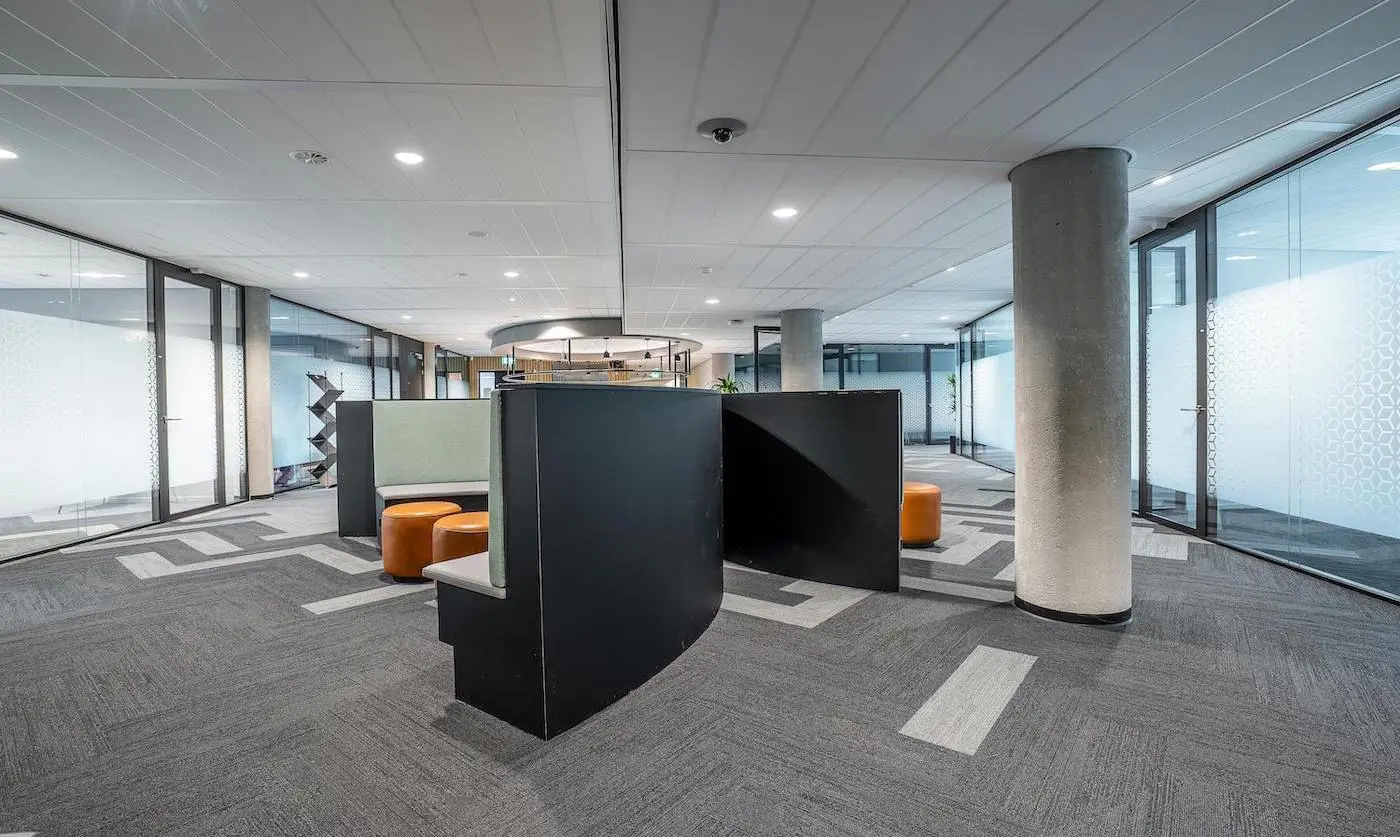
If Turkey can attract more headquarters functions, the impact could extend into residential demand, international schools, office occupancy, premium rental markets, serviced apartments, and executive relocation.
One-Stop Office: Reducing Friction for Investors
Tax incentives can lose power if the process is difficult. That is why the one-stop office proposal is an important part of the package. Daily Sabah reported that Erdoğan highlighted a system designed to streamline investment processes through a single digitalised platform. The Treasury presentation describes a one-stop shop for investors covering company formation, work and residence permits, tax and social security, land allocation, investment incentives, and environmental approvals.
This could make a real difference if implemented properly.
Foreign investors often worry less about one headline tax rate and more about execution. Can they open a company efficiently? Can they obtain permits? Can they hire? Can they understand tax obligations? Can they deal with approvals without getting stuck in bureaucracy? If Turkey can make the administrative side easier, the incentive package becomes more credible.
Start-ups, ESOPs, and Digital Company Formation
The package also includes a start-up angle, which is important for Turkey’s long-term capital positioning. The Treasury presentation describes plans for a digital company regime, online incorporation, online governance, tax-efficient Employee Stock Option Plans, streamlined convertible funding tools, and Terminal Istanbul as a flagship start-up campus at Atatürk Airport.
This is a different kind of investor message. It is aimed at founders, venture capital, technology talent, and companies that want a lower cost but globally connected base.
For Turkey, this is important because start-up ecosystems need more than founders. They need funding tools, talent incentives, digital administration, flexible equity structures, and credible places to cluster. If those reforms are implemented well, they could support Istanbul’s position as a regional technology and entrepreneurship centre.
For property investors, start-up growth usually feeds a different type of demand: younger professionals, rental housing, co-living, flexible offices, and urban districts with transport, amenities, and lifestyle appeal.
Bringing Offshore Wealth Back to Turkey
Another part of the package focuses on asset repatriation. Daily Sabah reported that Turkey plans to allow money, gold, and securities held abroad by citizens and companies to be transferred into the country at a low tax rate. The Treasury presentation frames this as a “bring it home” initiative designed to attract Turkish citizens’ offshore wealth back into the financial system.
Domestic capital is as important as foreign capital. If even a portion of offshore-held Turkish wealth returns, it could strengthen bank liquidity, investment activity, financial markets, and eventually parts of the property market in Turkey.
For international investors, the message is also relevant. Turkey is trying to deepen its capital base from both sides: attracting foreign investors to move in, and also encouraging domestic capital to return home.
Infrastructure: Why Turkey’s Physical Position Still Counts
Turkey’s investor pitch is stronger because it is not built only on tax. The Ministry highlights Turkey’s role in regional integration and connectivity, comparing routes such as the Middle Corridor, Development Road, South Corridor, and Cape of Good Hope route. It positions the Middle Corridor at 18 days compared with longer alternatives, including 25 days on the Development Road, more than 35 days on the South Corridor, and around 45 days via the Cape of Good Hope route.
The presentation highlights Turkey’s role as an energy hub, showing major pipelines including TurkStream, Blue Stream, TANAP, the Trans Adriatic Pipeline, Baku-Tbilisi-Ceyhan, the South Caucasus Pipeline, the Iran-Turkey gas pipeline, and the Iraq-Turkey pipeline.
This is why Turkey’s location continues to count. It is not just a slogan about east and west. Turkey sits across trade, energy, logistics, aviation, tourism, finance, and manufacturing routes. For global investors, that gives the country a different base from smaller tax-friendly jurisdictions. Turkey is a large real economy with strategic infrastructure.
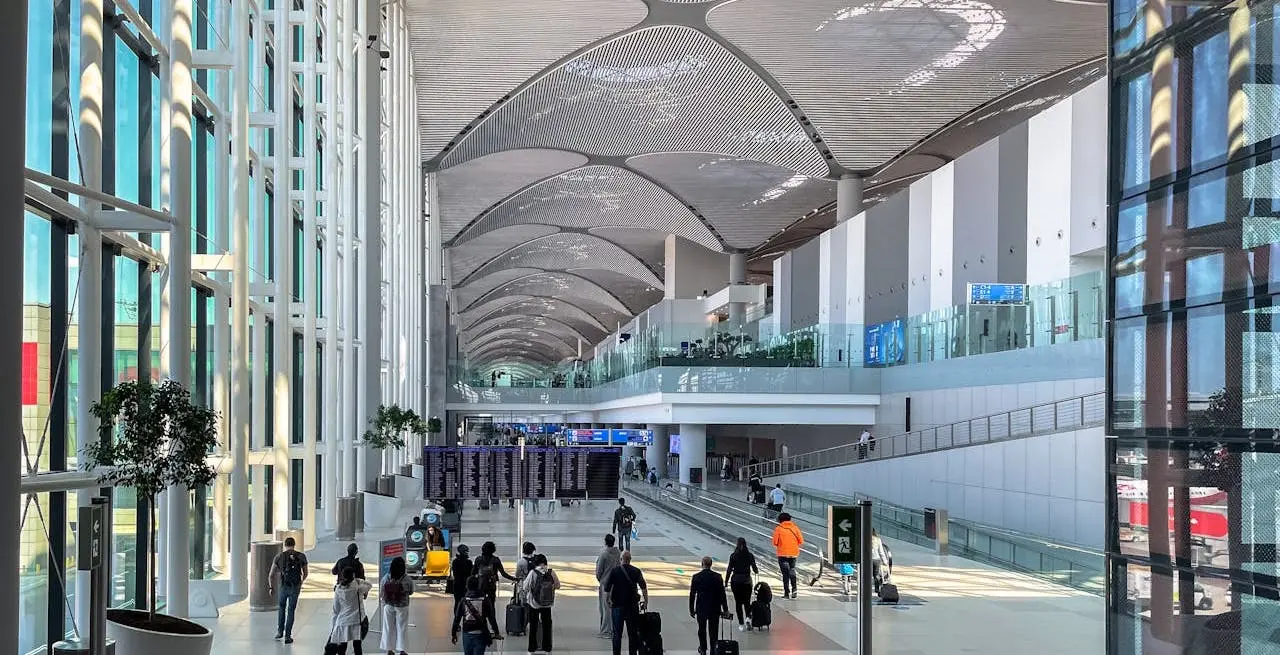
Istanbul Airport and Global Connectivity
Connectivity is one of Turkey’s strongest advantages. Istanbul Airport handles more than 84 million passengers annually across 330 destinations through 116 airlines. ACI Europe named Istanbul Airport as the world’s most connected hub in 2025 after a 59% increase in global hub connectivity since 2019.
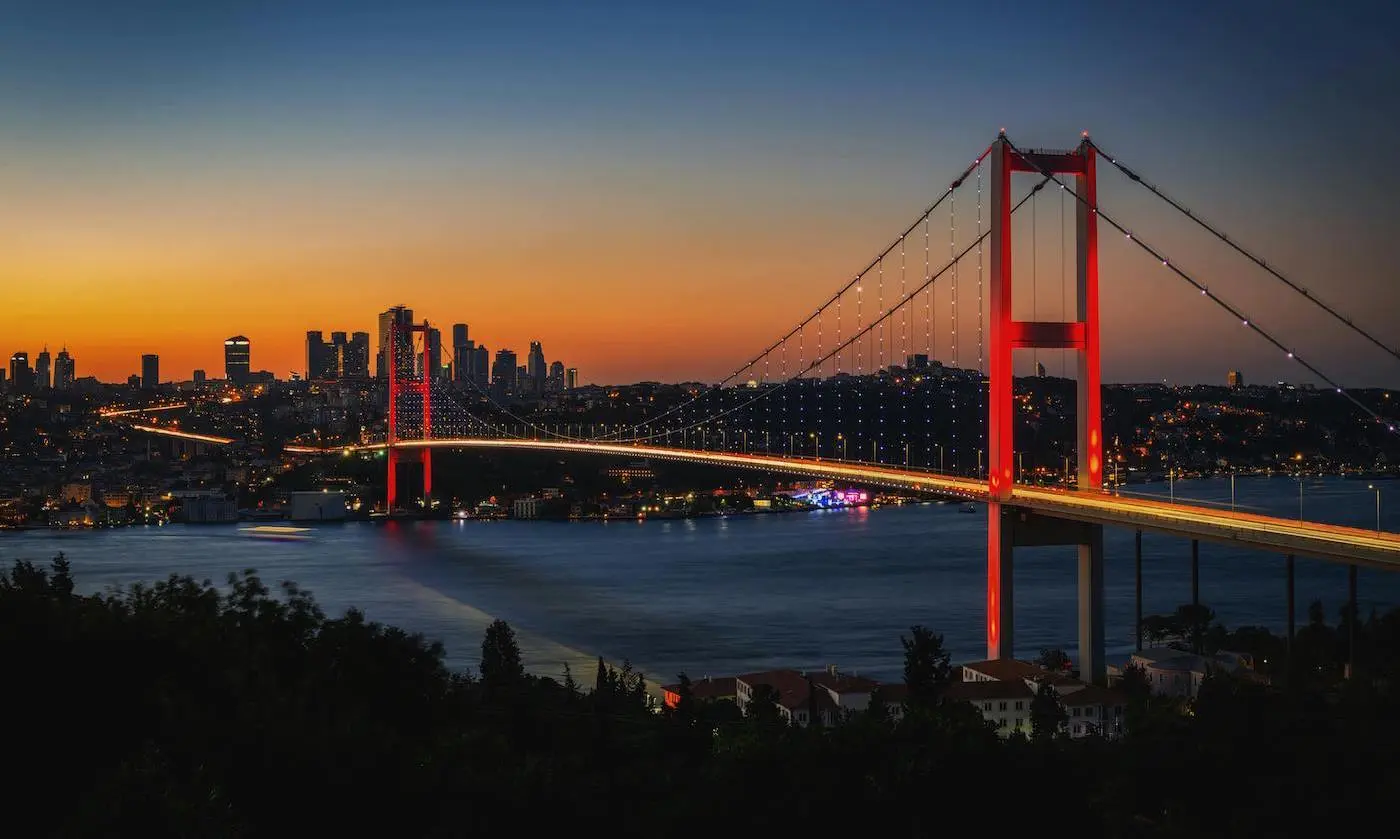
That is important for investors, entrepreneurs, families, and regional executives. A tax incentive is more useful when the country is easy to reach. Istanbul connects directly into Europe, the Middle East, Africa, Central Asia, and Asia, making it practical for people who need to live in one place while doing business across several regions.
For overseas real estate investors, Istanbul’s global connectivity supports both relocation and second-home demand. Buyers are more likely to commit when travel is simple, frequent, and internationally reliable.
What This Package Means for Turkish Real Estate
The investor incentive package is not a property law, but it has clear real estate implications. If Turkey succeeds in attracting more entrepreneurs, exporters, regional headquarters, service companies, returning capital, and globally mobile individuals, those people and companies will need places to live, work, meet, store, produce, and invest.
The most direct property impact would likely be in Istanbul. The Istanbul Financial Center, Ataşehir, central business districts, premium family neighbourhoods, and well-connected residential zones could benefit if corporate relocation and executive demand deepen.
Coastal markets could also benefit, but in a different way. Bodrum, Antalya, Fethiye, and Kalkan are more likely to appeal to lifestyle-led buyers, remote entrepreneurs, second-home owners, and families who want a Turkey base without living in Istanbul full time.
The citizenship route remains important in this context. Turkey’s $400,000 USD real estate citizenship threshold gives international buyers a clear property-linked pathway. When combined with Turkey’s new Secure Payment System, a wider tax and investment package, that route may become more strategically attractive.
Mortgage Revolution: The Domestic Demand Lever to Watch
The international investor angle is only one side of the market. Turkey’s domestic housing market has often been limited by high borrowing costs, shorter loan terms, and larger deposit requirements more mature mortgage systems.
The current system demands 30% down payments and 10-year loans. The proposed reform slashes the entry barrier to just 10% down with 20-year repayment terms. This will significantly boost demand, especially from first-time Turkish buyers in major city centres such as Istanbul’s affordable city centre market, and prices will respond.
Foreign investors do not move markets alone. The strongest property markets usually have both international demand and domestic liquidity. If local buyers gain better access to finance while international buyers respond to tax, citizenship, and relocation incentives, demand could strengthen from both directions.
Speak to Property Turkey: The Time to Invest is Now
Investment markets rarely wait for every rule to become fully established before they start adjusting. First comes the policy signal. Then comes the legislation. Then comes interpretation, implementation, and eventually market pricing. By the time a reform is widely understood, the best-positioned assets may already have been identified by earlier buyers.
Turkey is trying to become more competitive for capital at a time when many investors are reassessing Dubai concentration risk, the end of Portugal’s original NHR era, the complexity of the UK, and the cost of Singapore. Turkey offers a large domestic economy, a real manufacturing base, a major services sector, an Istanbul financial hub, deep aviation links, and citizenship through property. That combination is why the package deserves attention.
At Property Turkey, we help international buyers understand the practical side of these shifts, from Istanbul investment opportunities and citizenship-qualifying real estate to coastal lifestyle homes and long-term positioning. For a confidential and free consultation with our advisory team, please contact us today.
FAQs: Turkey’s 2026 Investor Incentive Package
Q: What is Turkey’s 2026 investor incentive package?
A: A reform plan designed to attract foreign capital, exporters, entrepreneurs, regional headquarters, high-net-worth individuals, and returning offshore wealth through tax incentives and administrative simplification.
Q: Is the investor incentive package already law?
A: No. The package still needs to pass through the legislative process. Investors should wait for final rules before making tax, company, relocation, or property decisions.
Q: What is the 20-year foreign income tax proposal?
A: Eligible new residents who have not been Turkish tax residents in the previous three years could receive 20 years of 0% Turkish tax on foreign-source income.
Q: What corporate tax incentives are being proposed?
A: The package includes a proposed 9% corporate tax rate for manufacturing exporters and a reported 14% rate for other exporters, compared with the standard 25% corporate tax rate.
Q: How does the Istanbul Financial Center benefit?
A: The Istanbul Financial Center is central to the package, with 100% tax exemption treatment for certain transit trade and regional headquarters activities inside the IFC, and 95% treatment outside it.
Q: What is the One-Stop Office model?
A: The One-Stop Office model is designed to centralise processes such as company formation, work and residence permits, tax and social security procedures, land allocation, incentives, and environmental approvals.
Q: Could this affect Istanbul property prices?
A: Potentially yes. If corporate relocation, IFC activity, international residency, and domestic finance access improve, demand may rise in well-connected Istanbul districts and premium residential areas.
Sources Supporting This Article
- Turkey Treasury and Finance Ministry presentation, April 2026: Outlines the four-part investment framework: export more, attract more, bring it home, and regional core.
- Reuters, April 2026: Reports Turkey’s proposed tax cuts, 100% services export exemption, 9% rate for manufacturing exporters, and Istanbul Financial Center incentives.
- Daily Sabah, April 2026: Reports Erdoğan’s comments on Turkey’s investment package, one-stop office, foreign-income exemption, Istanbul Financial Center, and asset repatriation.
- Cirium, January 2026: Reports Istanbul Airport’s 2025 performance, its 330 destinations, 116 airlines, and ACI Europe’s naming of Istanbul as the world’s most connected hub in 2025.
- World Bank, IMF, CBRT, TURKSTAT, and Investment Office data: Turkey’s manufacturing scale, services exports, GDP growth, FDI history, labour force depth, and infrastructure.
Cameron Deggin Founder & CEO, Property Turkey
Cameron Deggin is Founder and CEO of Property Turkey. A former finance professional and FCCA-qualified accountant, he founded the company in 2001 after recognising Turkey’s investment potential. With more than two decades analysing Turkish real estate, Cameron regularly advises international investors and is quoted by media including the Financial Times and BBC.




 By:
By:










 Founder & CEO, Property Turkey

 Kalkan
  2
2  2
2 
















 X
X