When investing in Istanbul property, you need to be clever. To clarify, real estate investment in this city is comparable to the speed of the market in other major cities like Rome, Paris, and London. Istanbul is an official alpha city and is also the heart and soul of Türkiye, despite not being the capital.
Jump in at the deep end, and you could end up with a dud investment and a drain on your wallet. However, enter the real estate market with the knowledge and confidence, and you will secure a profitable investment, whether you are looking at commercial property, rentals, a place to live, or simply building up your portfolio for capital and generational wealth.
With that in mind, here is our guide to securing an ideal property investment in this glorious city of the world. Here is how to do it right.
Summary - What to Know When Investing in Istanbul Property
Residency: A $200,000 USD investment is required for a residency permit, provided the home is not in a "closed neighbourhood" (restricted due to high foreign density).
High Prestige (Low Yield): Districts like Beşiktaş, Sariyer, and Kadikoy command the highest property prices ($6,500 USD to $12,000 USD+ per m²) but offer lower rental yields (4% to 6%). These are capital preservation assets.
High ROI (Growth Hubs): Districts like Zeytinburnu (8.3% yield), Kağıthane (8.4%), and Eyüpsultan (8.9%) are the current "sweet spots" for investors prioritising cash flow and high returns.
Infrastructure: The completion of the Halkali-Istanbul Airport Metro and the M12 Göztepe-Ümraniye line has created immediate value spikes in Halkali, Küçükçekmece, and Ümraniye.
Safety Premium: Earthquake resistance is the primary driver of value. Newer Konut Projeleri (housing projects) built after the updated 2018/2023 seismic codes command a 20–30% price premium over older stock.
What to Do: Investor's Checklist
Data Over Emotion: Consult a real estate analytics platform to verify sale and rental prices. Never rely solely on a developer’s brochure; check the historical investment score for the specific micro-neighbourhood.
Secure Your DAB Certificate: Before the Title Deed (TAPU) transfer, exchange your foreign currency into Turkish Lira through a Turkish bank to receive the mandatory Döviz Alım Belgesi (DAB).
Verify the "Iskan": Never buy without a Habitation License (Iskan). Without it, homeowners face higher utility costs and hurdles when reselling.
Demand the Full Declaration: Ensure the seller declares the full purchase price on the TAPU. Under-declaring to save on the 4% purchase tax is a common trap that disqualifies buyers from Turkish Citizenship and creates legal issues when exiting the country.
Government Guarantees: For off-plan investments, prioritise projects backed by Emlak Konut or TOKİ. These offer an extra layer of security against delivery delays or developer insolvency.
Action Tip: Before signing any contract, call our local experts to perform a preliminary check of the Title Deeds for any existing mortgages (İpotek) or liens (Haciz) that could stall your investment. They can also answer you questions about hotspot places to invest in.
More in-depth Information
1. Real Estate Prices
Istanbul's property market has changed dramatically over the past five years. In early 2021, the city average was around 3,600 TL ($450 USD) per m2. By early 2026, that figure has risen to between 60,000 and 65,000 TL ($1,400 USD to $1,550 USD) per m2, a nominal rise of over 1,200%.
The gap between districts is wide. Esenyurt offers entry points around 30,000 TL per m2. Whereas in Beşiktaş and Sarıyer, values regularly exceed seven times this amount.
The market is now stabilising. Analysts project 25% to 35% nominal price growth over the next twelve months, driven by metro expansion and Urban Regeneration. Buyers are paying a 20% to 30% premium for new builds that meet current seismic codes. On the Asian side, capital is moving toward Ataşehir and Ümraniye.
2. Metro Line Expansion
New metro lines are reshaping Istanbul's property map. On the European side, the M11 Airport–Halkalı line is the key driver. Arnavutköy and Kayaşehir, once peripheral are now connected to the city centre and airport. Property prices in these corridors are forecast to rise 20% to 30%.
On the Asian side, the M12 Ümraniye–Ataşehir–Göztepe line serves the Istanbul International Finance Centre. Residential units near new stations already command a 15% to 25% premium over district averages. The M5 extension toward Sultanbeyli is opening up Sancaktepe as a commuter option for young professionals.
3. Budget vs Luxury Apartments
Budget entry points sit in the outer suburbs. Esenyurt leads as the cheapest place to buy. Pendik and Beylikdüzü offer modern complex living at a fraction of the cost of the city centre. Entry-level units start around 3 million TL ($70,000 USD) and often deliver strong rental yields.
The Bosphorus and land scarcity define the luxury end. Beşiktaş is the city's most expensive district. Bebek, Etiler, and Levent range from 100,000 to 250,000+ TL ($2,300 USD to $5,800 USD+) per square metre. Waterfront Yalı houses in Sarıyer cost tens of millions of dollars. These assets preserve capital rather than generate rapid appreciation.
4. Bosphorus Views - A Pricy Property Investment
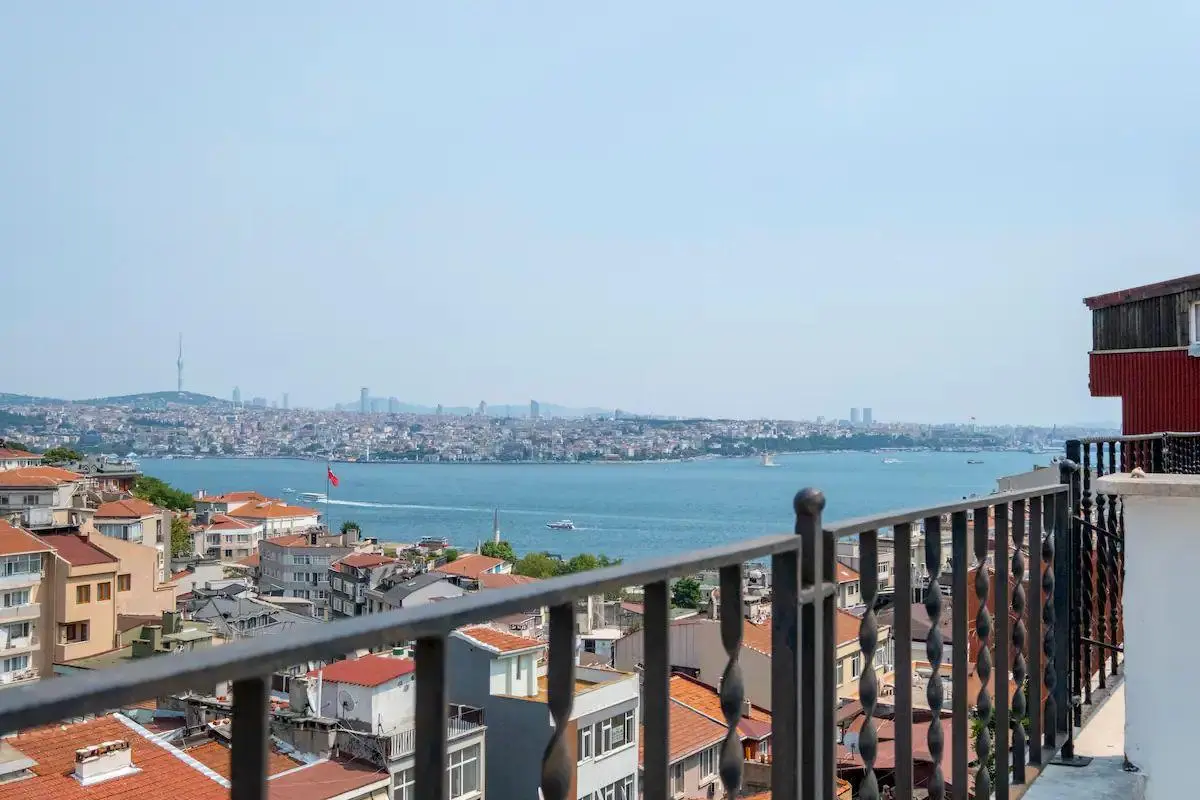
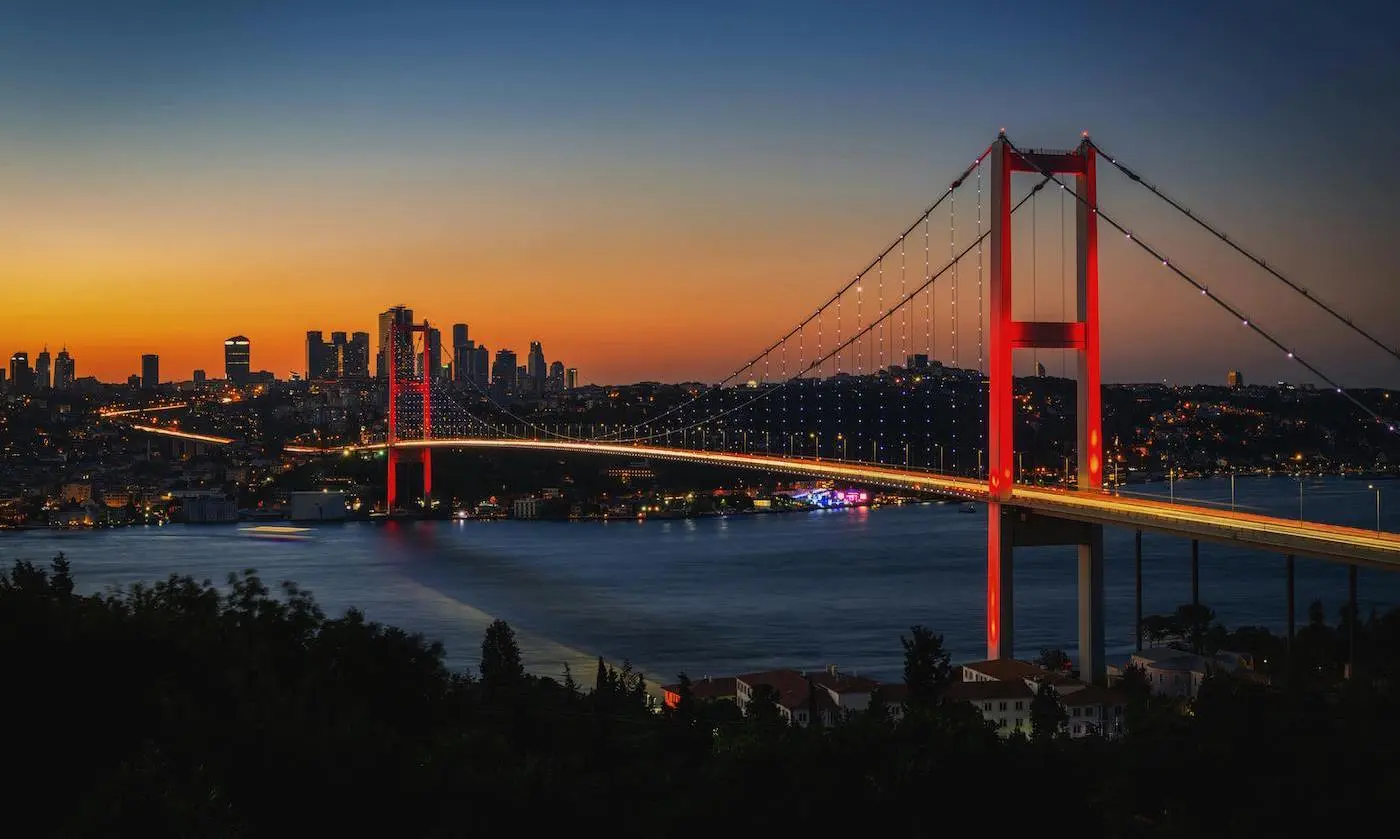
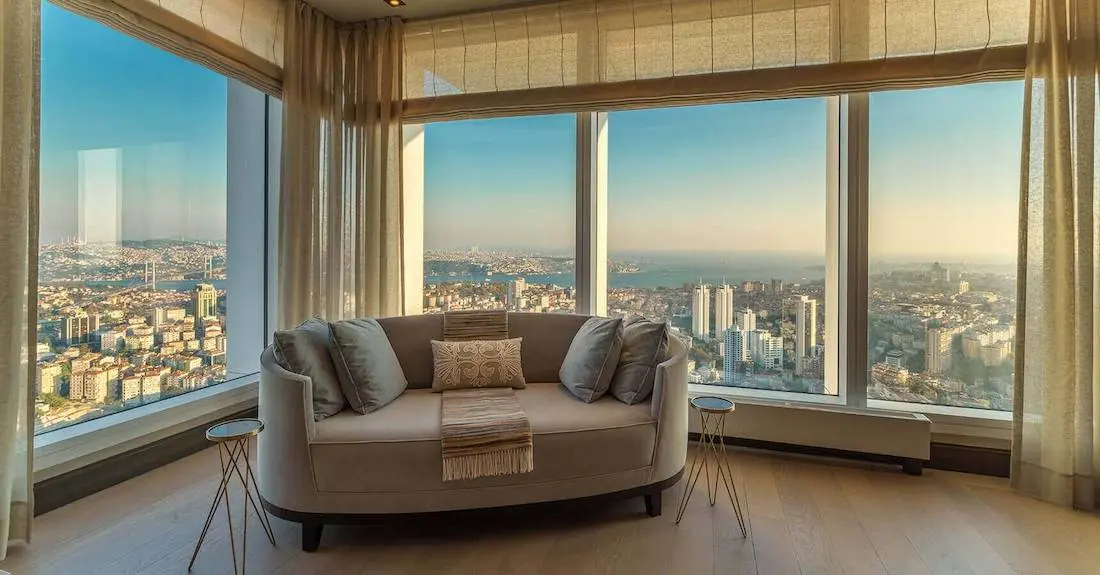
The Bosphorus shoreline, from the Yalı houses of Yeniköy to the hilltops of Etiler and Ulus, is a capital-preservation play, not a growth story. Prices range from $7,000 USD to $10,000 USD+ per square metre. Heritage protections mean no new coastal development is possible. Supply is fixed. Rental yields here sit at 3.5% to 4.5%. A modern development in Kağıthane will return 8%+. If income is the goal, look elsewhere. If legacy is the goal, the Bosphorus delivers.
5. Residence Permits for Foreign Nationals
Many districts in Istanbul are now closed to new foreign residence permit registrations. Under the 2026 rules, once foreign nationals exceed 20% of a neighbourhood's population, new permit applications are denied automatically. You can still buy anywhere for investment. But to register for residency, confirm the neighbourhood is open and that your home meets the $200,000 USD threshold. Check the Migration Directorate's official lists before you buy. This is not optional but essential.
6. Turkish Citizenship by Investment Program
The minimum real estate investment for Turkish Citizenship by investment is $400,000 USD, spread across multiple properties, residential or commercial. Hold these assets for three years without selling. The process requires an official valuation report (Ekspertiz Raporu) and a Foreign Exchange Purchase Certificate (DAB), confirming that funds were converted through the Central Bank.
7. Off-Plan Developments
The key protection when buying off-plan is the Kat İrtifakı Title Deed. This registers your land share and specific unit before the building is complete. For the strongest security, choose projects backed by Emlak Konut or TOKİ. For projects with 30 or more units, developers must provide insurance or bank guarantees against non-delivery. Ensure your Sales Promise Agreement is signed at a public notary. And remember: a DAB Certificate is mandatory at the Title Deed transfer stage.
8. Established Investment Areas in the Real Estate Market
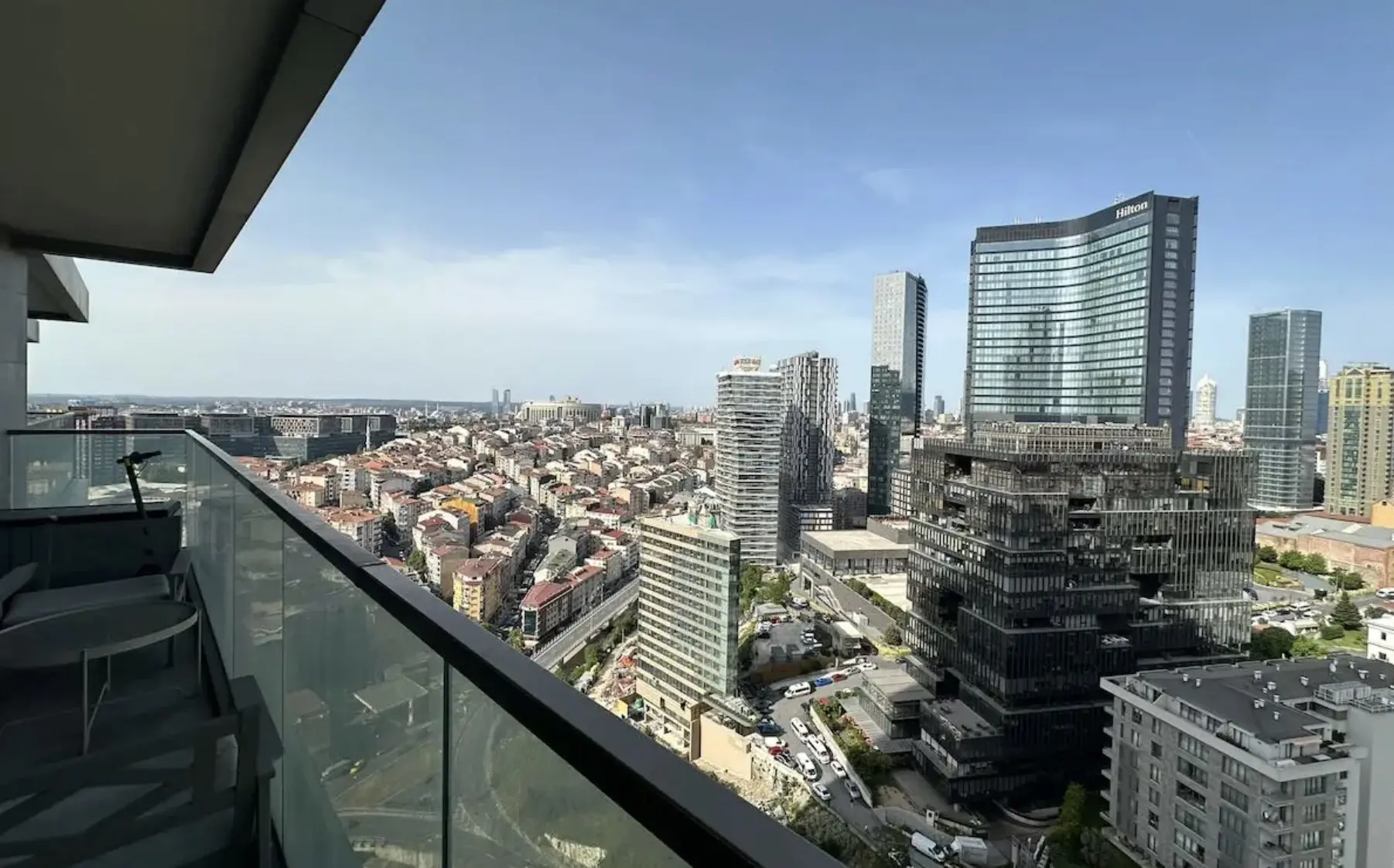
- Bomonti (Şişli): Once a neglected working-class area, Bomonti has transformed into a fast-moving property market. The arrival of the Hilton, Istanbul's largest hotel, confirmed the status.
- Beyoğlu: A top district for return on investment. Prices are high, so it requires a lot of capital.
- Caddebostan (Kadıköy): An upscale Asian side residential area with strong long-term appeal. This area is an established ferry hub and also excels in education and shopping.
- Beşiktaş: On the Bosphorus shore with growing business infrastructure. Rental prices and capital values are both high.
- Bahçeşehir: A garden suburb with green space and quality new builds.
9. Up-and-Coming Areas for Investment Property
- Kagithane: Positioned for major growth. Investors are securing off-plan units at competitive prices ahead of the area's transformation into a secondary CBD.
- Buyukcekmece: Great for off-plan projects and sea view homes. Much foreign direct investment has taken place in this area.
- Ümraniye (Asian side): 6.5% to 7.5% gross yield, driven by proximity to the Istanbul International Finance Centre.
11. Short-Term Holiday Rentals
Istanbul's short-term rental market is tightly regulated. Property owners must obtain a Tourism Residence Licence from the Ministry of Culture and Tourism. The biggest restriction is the unanimous consent rule: every owner in a building must agree to short-term rental activity before a licence is granted.
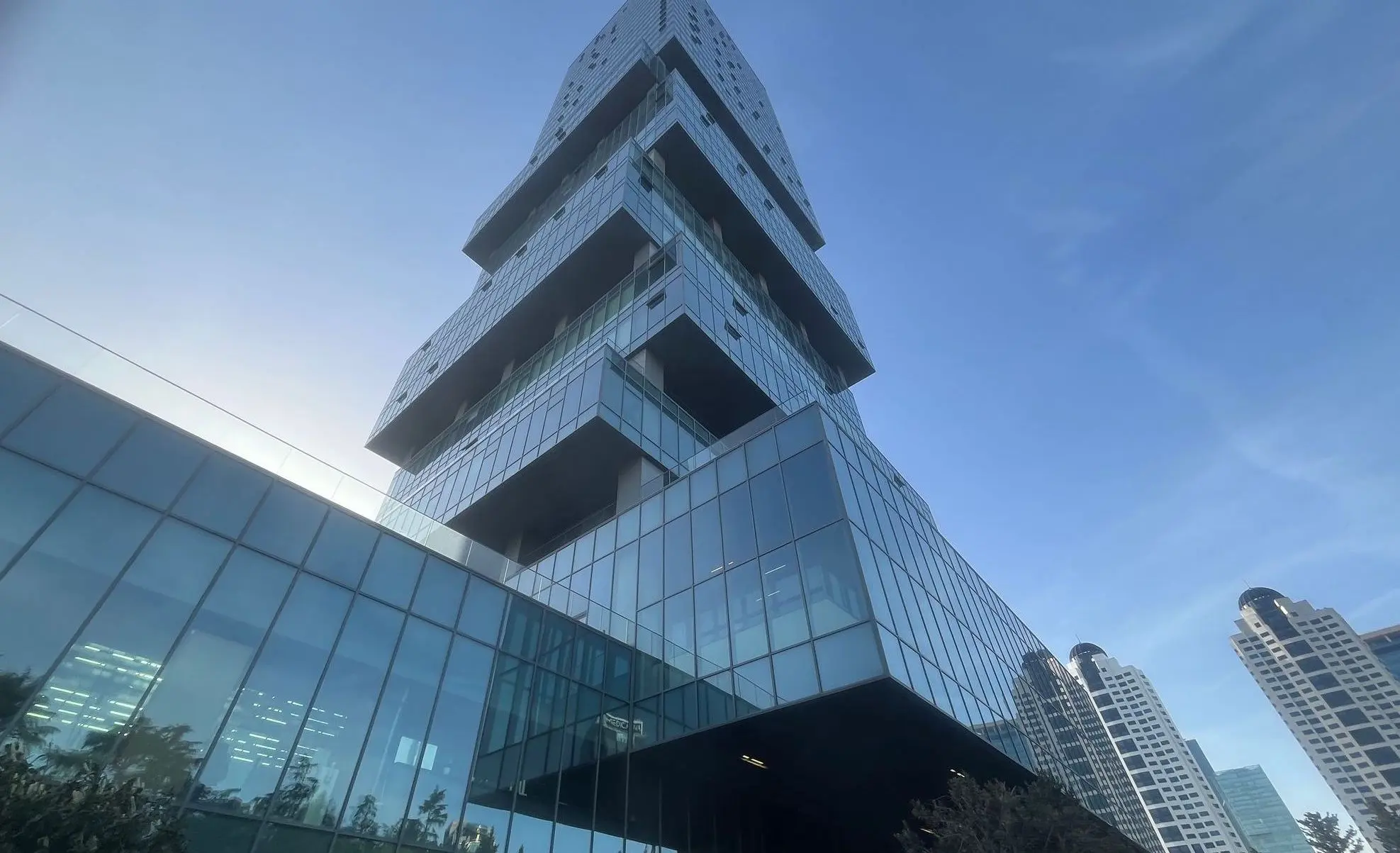
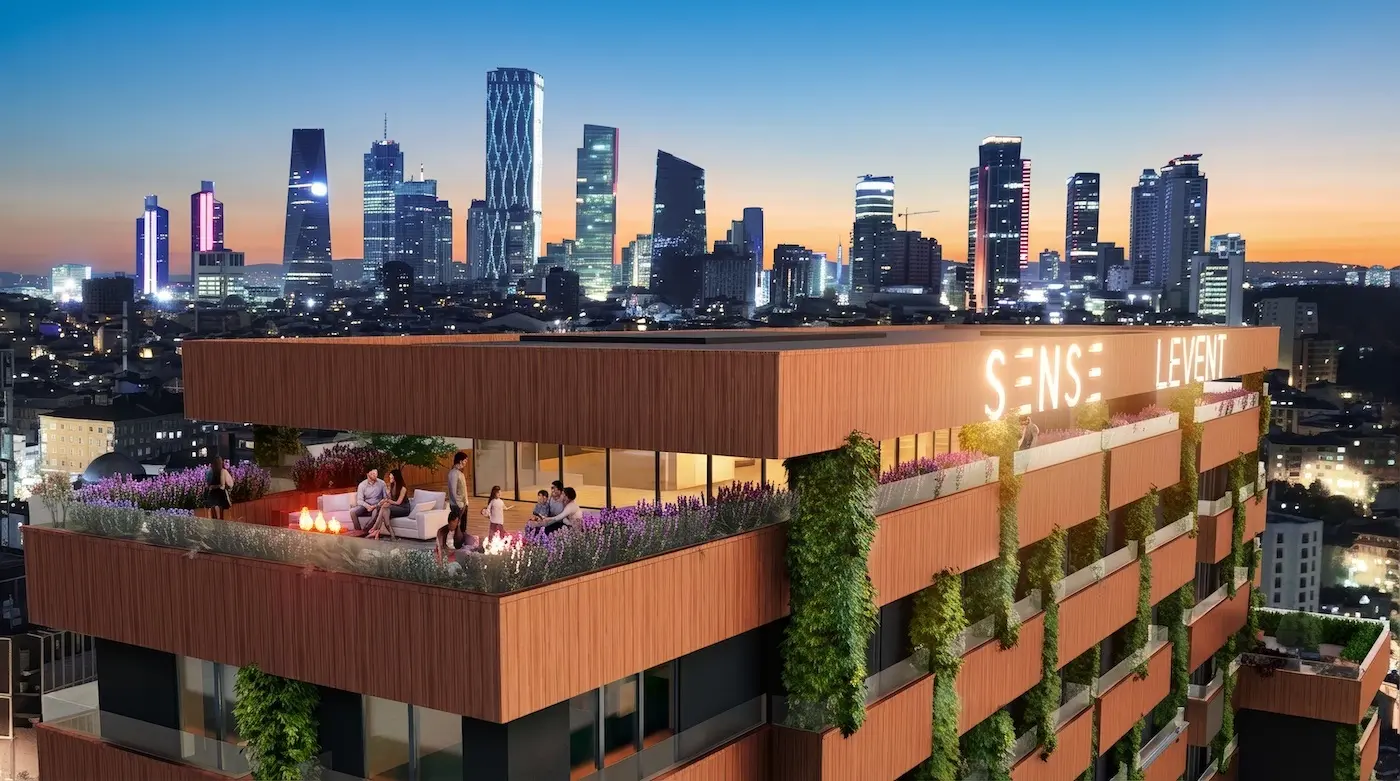
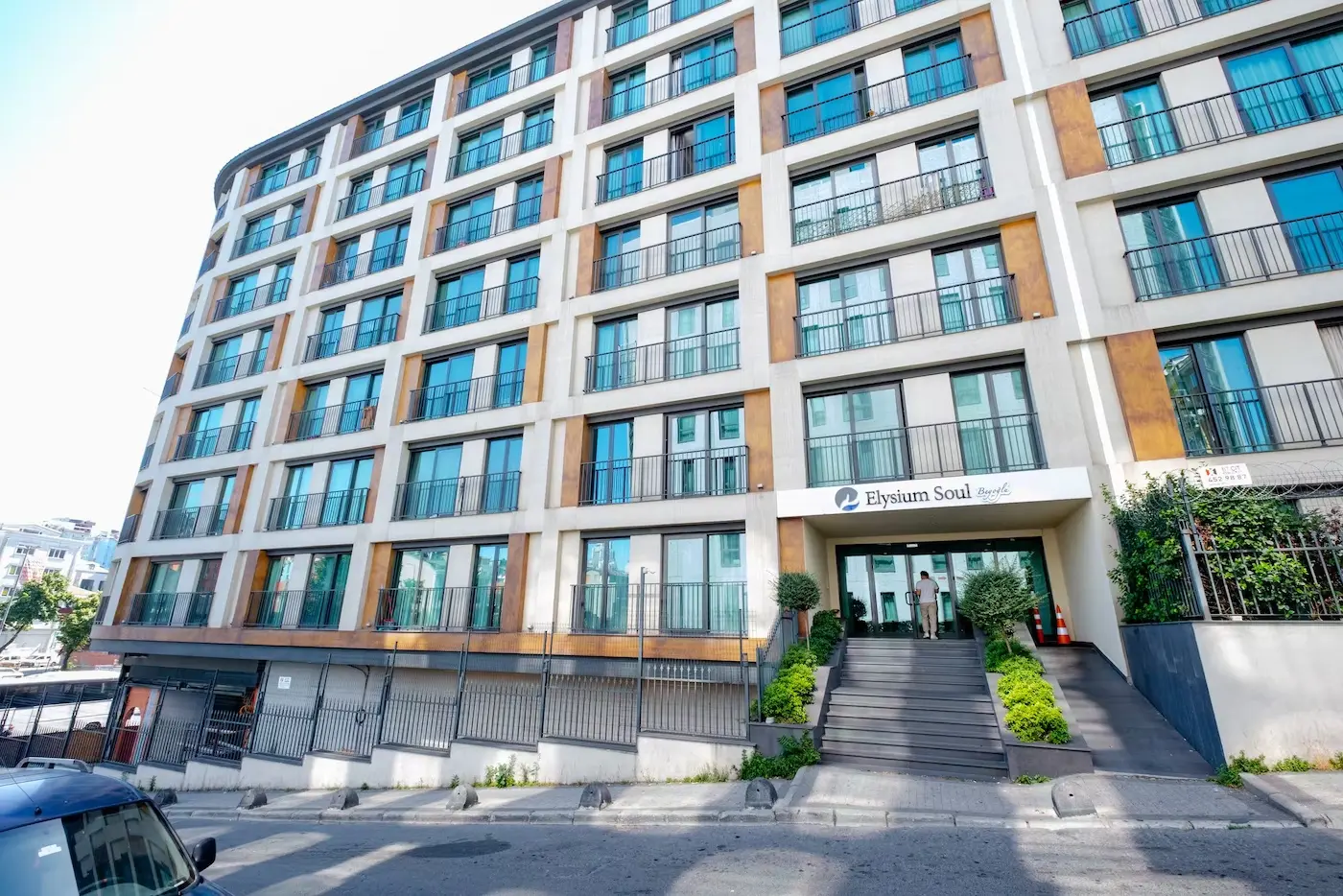
For individual investors, standard apartment blocks carry high risk. The smarter approach is to buy in a modern Residence complex where short-term commercial use was built into the management plan from the start. These are available in high-tourism districts like Beyoğlu, Şişli, and Kağıthane. Sense Levent is one such example.
12: Market Dynamics and Financial Factors
According to recent TurkStat data, housing sales remain a primary driver of the economy. While the USD/TRY exchange rate and the current account deficit create some volatility, they also turn the city into a buyer's market for those with foreign currency. Compared to expensive hubs like Hong Kong, prices for full ownership of sea-view apartments along the Golden Horn or the Bosporus are competitive. Investors also benefit from trends in the Global Housing Price Index, which show Istanbul’s resilience despite national challenges such as energy imports and the costs of oil and gas pipelines.
13: Navigating Legal and Tax Requirements
Turkish law (specifically Law No. 2644 and Law No. 6458) makes the process transparent for Turkish companies and individuals. When you buy an apartment, you will work with the General Directorate of Land Registry and Cadastre. Pay a property purchase tax, Title Deed fee, and a revolving capital fee at the Land Registry TAPU Office. While there is no wealth tax, owners must pay local property tax and income tax on rents. To avoid capital gain taxes, don’t sell before five years.
Is Istanbul Property a Good Investment?
Istanbul offers an accessible entry point among global alpha cities. Foreign currency buyers benefit from the USD/TRY exchange rate. Infrastructure investment is strong. Rental demand is high, and legal frameworks are established and transparent. However, the risks are real, i.e., currency volatility, seismic exposure in older stock, and evolving residency restrictions. But for buyers who do their research, verify their documents, and choose the right district, Istanbul provides capital growth, rental income, and long-term wealth.
This involves looking at both the local charm and the broader macroeconomic landscape. As a bridge between two continents, the European side and Asian hubs like Uskudar offer unique housing markets. Whether you want a residential property or high-yield commercial real estate, the city provides diverse options. From luxury homes in Göktürk to a seaside villa in Silivri or Çatalca, investors easily get their foot on the housing ladder.
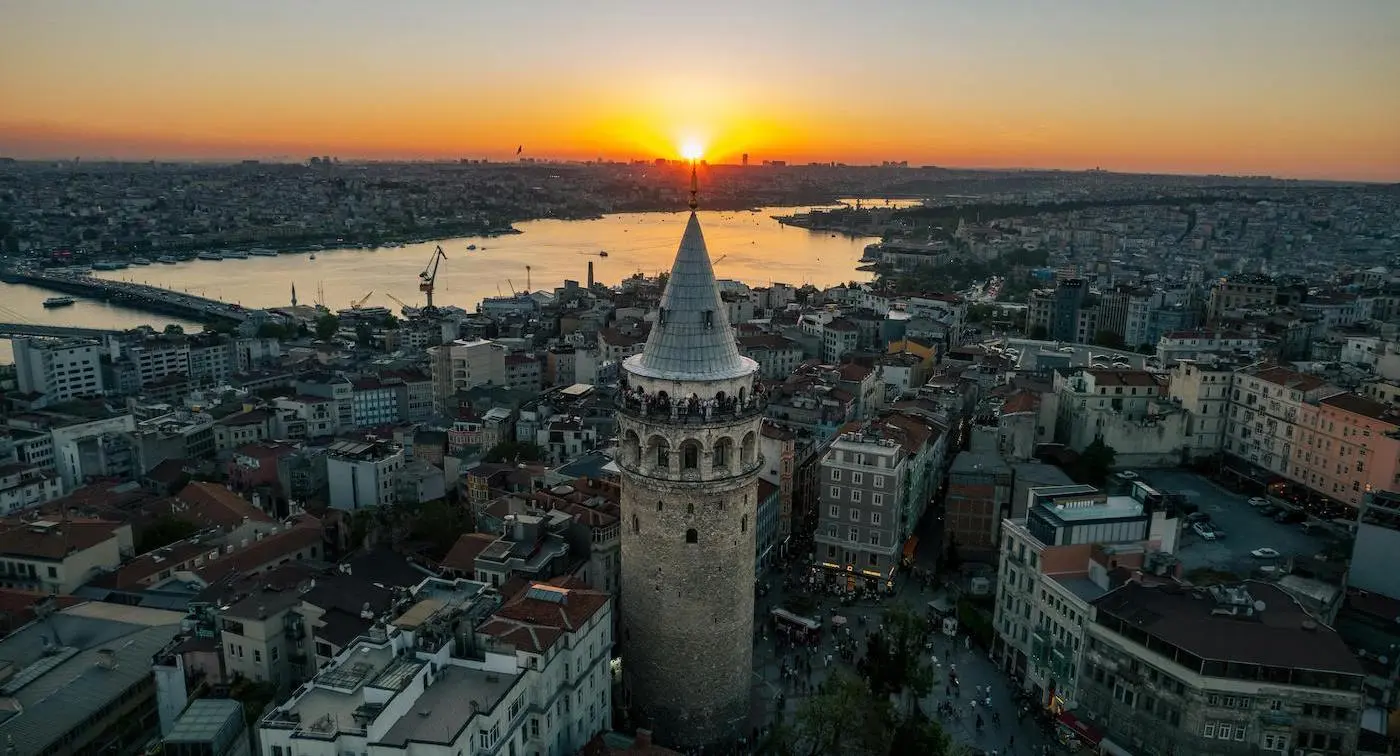
Consider Kartal and Pendik for their rapid growth. For historical value, Beyoğlu offers proximity to the Galata Tower, Istiklal Avenue, and the Grand Bazaar. Projects like Sense Levent are popular because they are near public transportation and landmarks. Many choose real estate investments to qualify for Turkish citizenship. The Ministry of Environment, Urbanisation and Climate Change and the Ministry of Industry and Technology oversee this process. For safety, the city is active with urban regeneration programs to improve buildings in earthquake zones. With full ownership and a growing demand for hotel or apartment lifestyles, Istanbul is ideal for building wealth in Turkey.
Take Action – Contact Us Today
We are Property Turkey, and whether you want to buy an apartment or a villa, we help buyers navigate Istanbul's property market. We specialise in investment property across all areas, from luxury homes on the Bosphorus to residential property in the outskirt districts. Call us today to chat with an agent who will answer your questions and guide you through the buying process. Alternatively, see our portfolio here and fill in the contact details to arrange viewings for investing in Istanbul property.
Cameron Deggin Founder & CEO, Property Turkey
Cameron Deggin is Founder and CEO of Property Turkey. A former finance professional and FCCA-qualified accountant, he founded the company in 2001 after recognising Turkey’s investment potential. With more than two decades analysing Turkish real estate, Cameron regularly advises international investors and is quoted by media including the Financial Times and BBC.




 By:
By:
 Founder & CEO, Property Turkey
 Bodrum
  2
2  1
1 





 X
X