For many investors pursuing Turkish Citizenship by Investment, the first real decision is not whether to buy in Istanbul. It is what type of property to buy in Istanbul. At the $400,000 USD threshold, buyers often assume commercial property must be the smarter choice. The logic sounds convincing at first: longer leases, business tenants, less day-to-day management, and the perception that a shop or office is somehow more “serious” than an apartment.
In practice, that conclusion is often wrong.
At the $400,000 USD to $500,000 USD level, the best property investment in Istanbul for most CBI buyers is usually affordable residential property in central districts, not commercial property. The reason is simple. This budget rarely buys prime commercial stock. It usually buys a weaker second-tier commercial asset in a segment facing structural pressure. The same budget can still secure the type of centrally located residential property that is supported by deep local demand, easier rental absorption, and a broader resale audience.
Quick Summary
If you are investing $400,000 USD to $500,000 USD for Turkish citizenship, commercial property in Istanbul is often the weaker choice. At that level, you are usually buying secondary retail or lower-grade commercial stock. Residential property in affordable central Istanbul usually offers a stronger investment profile because it is backed by broader tenant demand, deeper local resale liquidity, and more constrained supply.
Key Takeaways: Commercial vs Residential for CBI Buyers
- Segments such as logistics and Grade-A office formats require larger capital commitments.
- For CBI buyers, affordable central residential provides better liquidity and stronger tenant depth.
Why So Many Investors Get This Wrong
Commercial property carries a psychological advantage in the mind of many investors. It sounds more professional. It sounds more stable. It sounds less exposed to tenant turnover. That is why so many buyers arrive convinced that a commercial unit must be the stronger investment.
The problem is not the commercial category itself. The problem is price point. At $400,000 USD to $500,000 USD, an investor is not buying into the part of Istanbul’s commercial market that benefits from the strongest structural tailwinds.
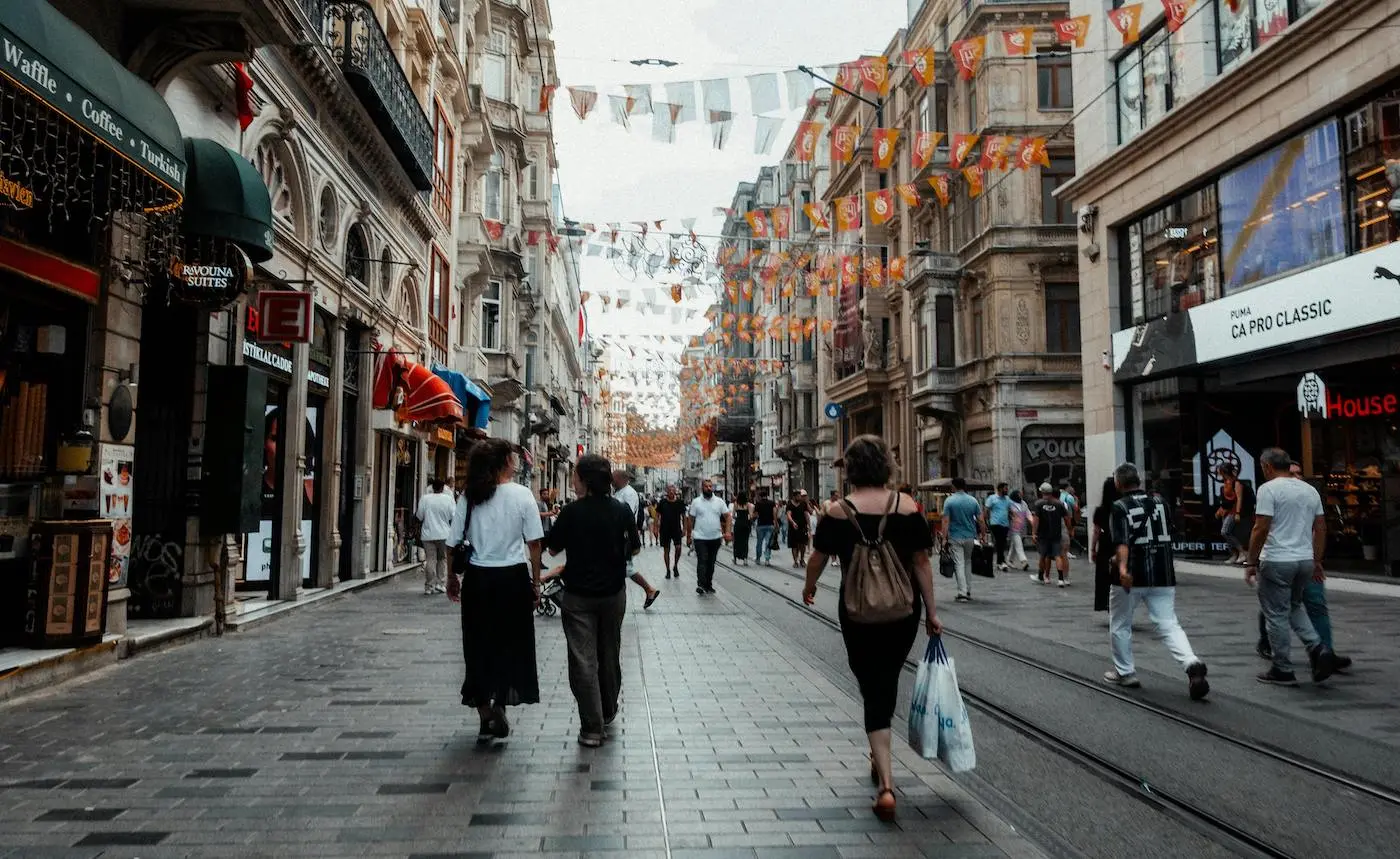
Instead, they are often buying a standard shop unit, a secondary retail box, or a modest office in a non-prime position. On paper, that can still look acceptable. In reality, it places the investor in exactly the segment that is most vulnerable to changing retail behaviour, such as rising e-commerce and shifting consumer habits.
The $400,000 USD to $500,000 USD Commercial Problem
The hard truth is that $400,000 USD to $500,000 USD does not buy prime commercial real estate in Istanbul. It does not buy institutional-grade logistics exposure. It does not buy a meaningful share of a high-performing mixed-use destination. It does not buy the type of Grade-A office product that attracts the strongest occupier demand. It usually buys yesterday’s format: a small retail unit or standard commercial box in a secondary location.
Globally, this part of the commercial market has already been under pressure for years. In the United States, more than 12,000 stores closed in 2017, driven by shifts in consumer behaviour toward e-commerce. Amazon's stock price rose over 2,000% in the same decade that Sears lost upwards of 90% of its market value. As of early 2026, the retail apocalypse continues: over 30 retail chains are closing stores across New York alone.
London tells the same story. Oxford Street, one of the most famous retail destinations in the world, has seen Debenhams close entirely, House of Fraser converted to offices, and John Lewis repositioned as a mixed-use facility. Footfall remains 11% below pre-pandemic levels. PwC analysis of the UK's top 500 towns found 2,692 store closures in just the first half of 2018 against only 1,569 openings, a net loss of over 1,100 stores in six months.
Istanbul is not immune to those same forces. It is simply at a different stage of the curve. The same forces – smartphone penetration, e-commerce growth, rising logistics infrastructure, and a younger generation that shops online – are reshaping how Turks buy goods. The investor who purchases a standard retail unit today in a non-prime Istanbul location is buying the same asset that landlords in London, Paris, and New York have been converting to residential for the past decade.
If You Want Commercial, Go Big or Go Home
Commercial real estate can still work extremely well in Turkey. But the strongest formats today are not generic shops. They are the types of assets tied to structural demand. That includes:
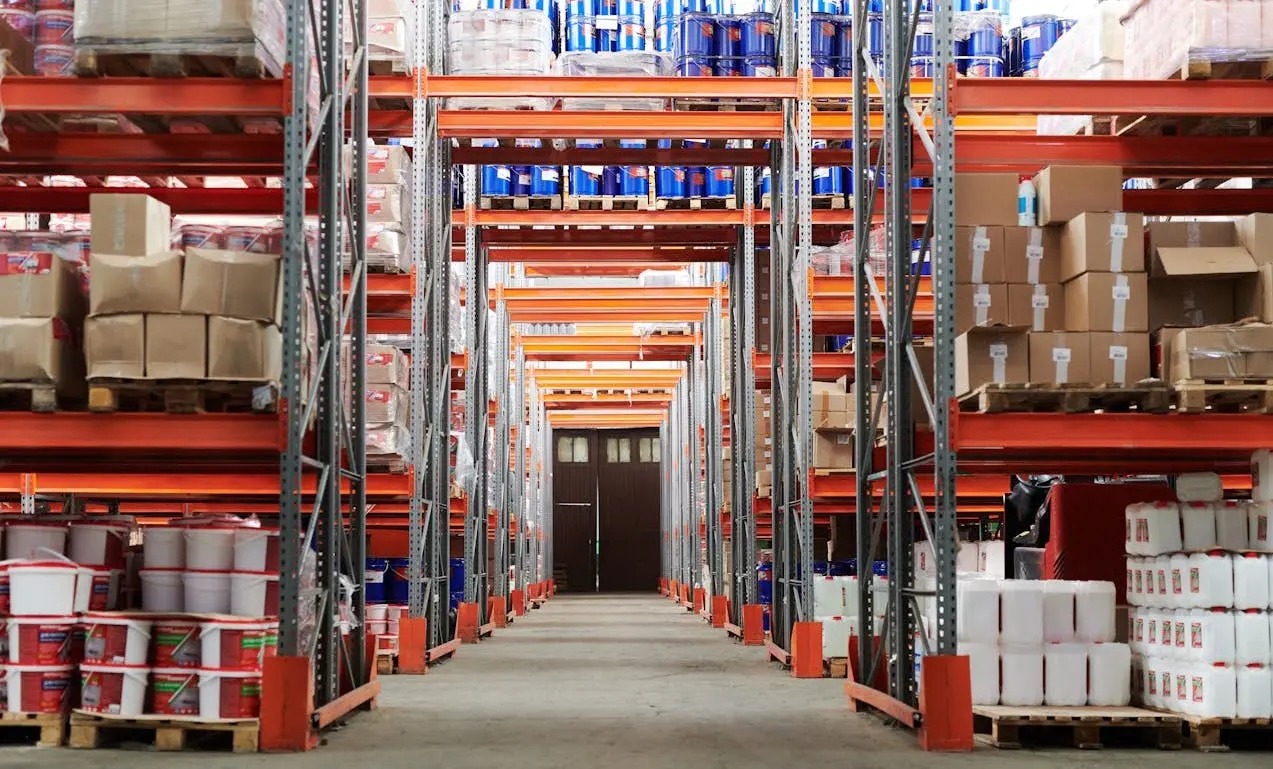
- Logistics and warehousing linked to e-commerce growth.
- Grade-A office in established core business districts.
- Destination-led mixed-use projects where the experience itself drives footfall.
- Hospitality-linked commercial assets in exceptional locations.
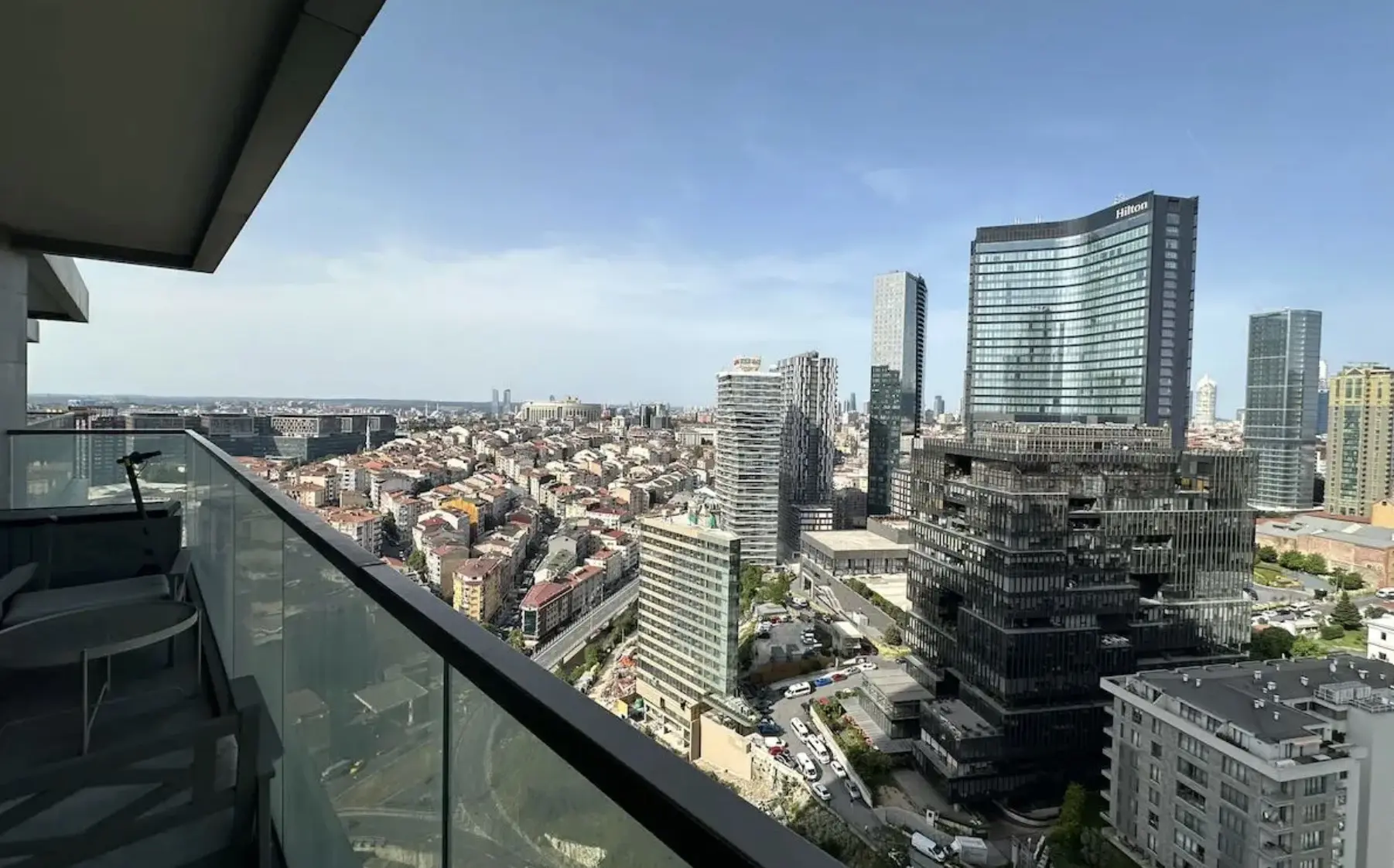
Istanbul's own data confirms this: Grade-A offices in Levent and Maslak maintain high demand, and e-commerce growth is driving significant warehouse demand in logistics corridors such as Hadımköy and Tuzla.
These assets are not accessible at $400,000 USD to $500,000 USD. This is where investor discipline is important in Turkey. If you truly want commercial property, the realistic choices are either to commit substantially more capital or to accept that, at this budget, residential is often the better asset class.
Case Study: The Istanbul Coffee Shop Myth
Consider one of the most common enquiries Property Turkey receives: the investor who wants to buy a small commercial unit around $400,000 USD to $500,000 USD and open a coffee shop. The logic is intuitive – Istanbul has a vibrant café culture, coffee shops seem recession-resistant, and foot traffic in certain areas looks strong. Every café looks busy from the pavement.
What this analysis misses, is not all coffee shops are the same. The fastest-growing coffee chain in Turkey is Espresso Lab. Founded in 2014 with a 190 square-foot store at Istanbul Bilgi University, Espresso Lab now operates 390 stores across 17 countries. It was ranked among the top 10 fastest-growing coffee brands in Europe, and its flagship Roastery in Istanbul's Merter district spans 64,500 square feet and welcomes over 10,000 visitors daily – hosting workshops, concerts, theatre, Pilates, ceramics, and film screenings.
Now consider what it costs to enter this space. The investment cost for an Espresso Lab franchise – covering the brand rights, fit-out, equipment, and a 250-square-metre premises – runs to 20 to 25 million Turkish Lira at current rates, before any property acquisition. An investor who has $500,000 USD available for a commercial play discovers quickly that they cannot access the brand, the location quality, or the format that makes this sector work. They are left with a generic café in a secondary location – exactly the format that is being displaced.
This is precisely why the small independent commercial unit at this budget is often the wrong bet. You may be buying into the category, but not into the part of the category that is actually winning. For a Turkish Citizenship by Investment buyer, that should be a warning sign. If your budget cannot access the strongest commercial format in the segment you are targeting, you are probably forcing the wrong idea.
- Strong employment-linked demand in central districts.
- Smaller household sizes and rising preference for city living.
- The return of mortgage-backed local demand.
Most importantly, local people actually need this stock.
The CBI structure itself makes central affordable residential more attractive. The threshold remains $400,000 USD, and the buyer must not sell for three years. So, the real question is not just what qualifies. It is what you want to be holding on day 1,000 when the restriction period is over. The ideal answer is:
- Easy to rent.
- Easy to manage.
- Easy to explain.
- Easy to resell.
That usually points to central residential rather than marginal commercial. It is also more hands-off in practice. A good centrally located residential unit is easier to place with long-term tenants than a secondary commercial unit is to place with the right business occupier. And when it comes time to sell, the audience is larger.
The Macro Picture Supports the Residential Case
Turkey’s housing market strengthened in 2025, and mortgage-backed sales rose sharply. At the same time, Reuters reported that the Turkish Central Bank cut its key interest rate to 37% in January 2026 as the easing cycle continued, while still managing inflation risk carefully.
If financing conditions continue to improve, that tends to support local residential demand first, especially in the affordable segments where domestic buyers are active. For CBI investors, your exit market should ideally improve with domestic financing conditions, not depend entirely on foreign sentiment.
What Type of Residential Property Works Best?
For most Turkish Citizenship investors, the strongest residential format is not ultra-luxury and not peripheral mass-market stock. It is the part of the Istanbul real estate market where local demand, rental yield potential, and liquidity usually align most effectively for investors. It is usually:
- One-bedroom or two-bedroom apartments.
- In genuinely central or near-central districts.
- With real transport access nearby.
- In buildings and micro-locations that appeal to professionals.
- At a price point that remains relatable to the local market.
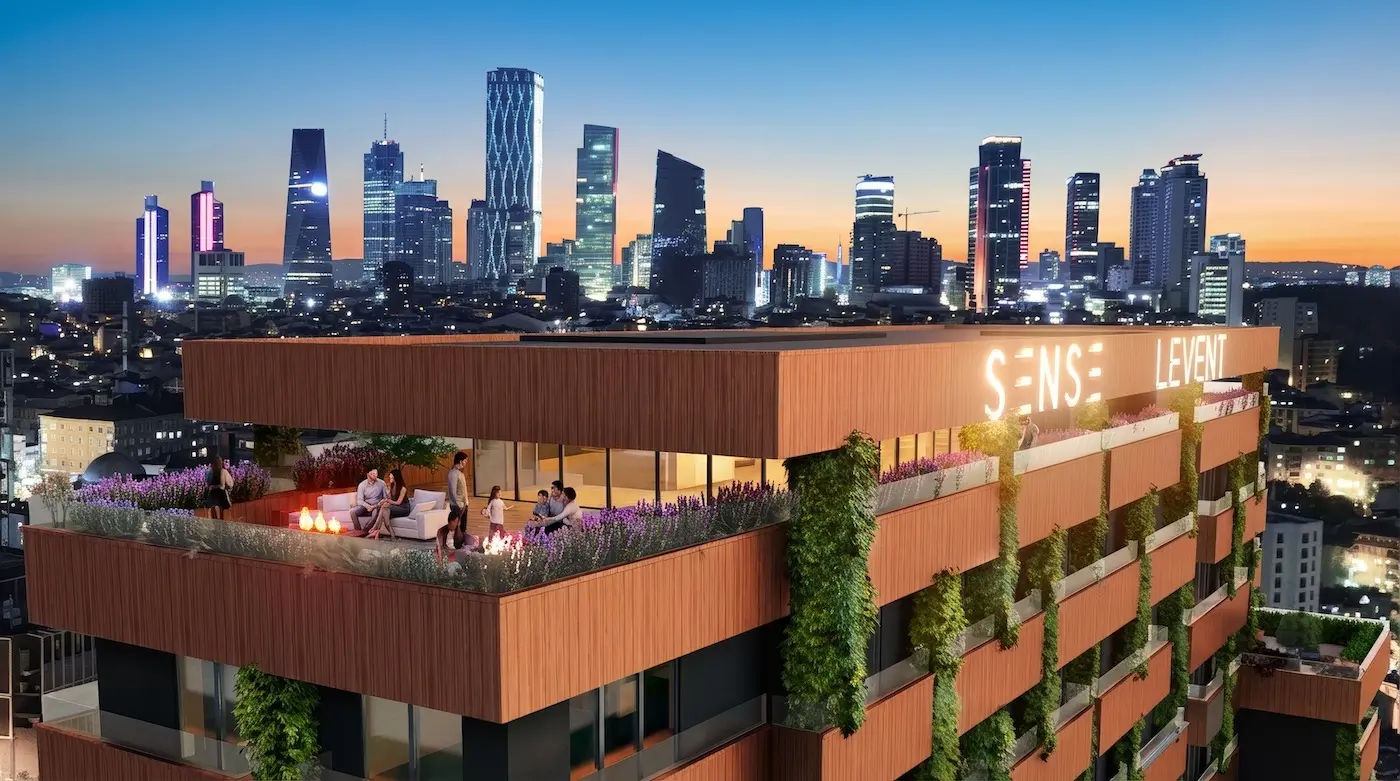
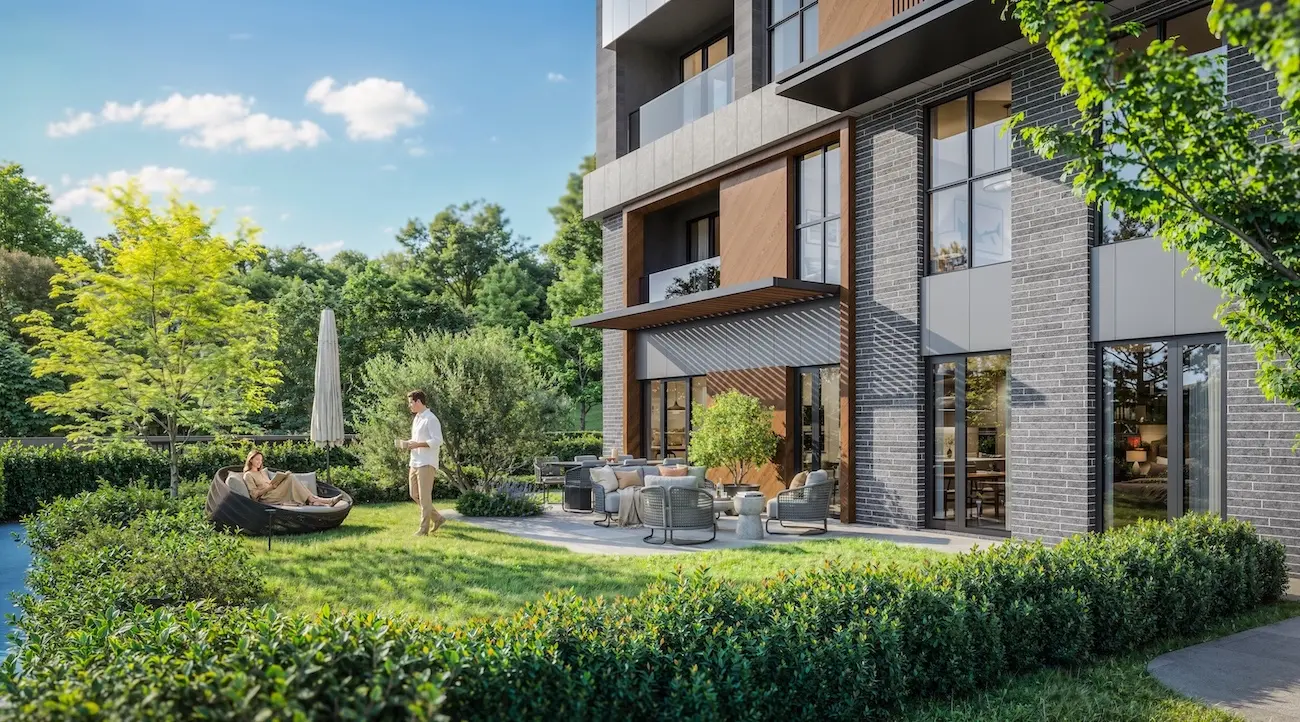
It is affordable stock in established central neighbourhoods that offers genuine urban amenity without premium pricing. Projects such as Sense Levent in Kağıthane represent exactly this – well-connected, genuinely urban, accessible to the professional demographic driving rental demand, and positioned at a price point that still generates strong yields while retaining significant capital appreciation upside.
Where Commercial Can Still Work in Istanbul
To be clear, this is not an anti-commercial argument. Commercial real estate in Turkey can work very well when investors:
- Have significantly larger budgets.
- Can access stronger locations.
- Understand occupier risk.
- Target logistics, Grade-A office, or destination-led assets.
But that is not the same conversation as the one most $400,000 USD to $500,000 USD CBI buyers are having. At that level, the choice is not between great commercial and good residential. It is often between weak commercial and strong residential.
The Verdict: Buy Affordable City Centre Apartments
Property prices in Istanbul are expected to rise by 67% from 2024 to 2030, driven by economic expansion aligned with Turkey's forecasted nominal GDP growth, which the World Bank projects will rise from $1.08 trillion USD in 2024 to $1.8 trillion USD in 2030.
For most Turkish citizenship investors at the $400,000 USD to $500,000 USD level, affordable central Istanbul residential is the better investment than commercial property. Commercial property is not automatically wrong. It is just often wrong at this budget.
The strongest small-ticket CBI investment is usually not a shop, not a generic office, and not a secondary retail unit. It is the type of centrally located residential property that local people need, tenants absorb easily, and future buyers understand immediately.
Sometimes the clearest investment advice is also the simplest: own what the next generation of Istanbul’s working population actually wants, and needs to live in. And at this level, that is an affordable apartment within Istanbul’s city centre.
Ready to Explore the Right Istanbul CBI Segment?
Not every listing above the threshold is a smart citizenship investment. The best assets combine legal eligibility with strong demand, practical pricing, and a believable exit strategy. At Property Turkey, we help investors focus on the parts of Istanbul where those conditions overlap most effectively. For many buyers, that still means affordable, well-located, city-centre residential property rather than small-ticket commercial stock. For a free consultation, please contact us to speak with our local advisors.
FAQs: Commercial vs Residential Property for Turkish Citizenship
Q: What is the best investment in Istanbul for Turkish citizenship?
A: For most buyers at the $400,000 USD to $500,000 USD level, affordable central residential property is usually a stronger choice than commercial shops.
Q: Is the Turkish Citizenship threshold still $400,000 USD?
A: Yes. The official real estate threshold remains $400,000 USD, with a mandatory three-year holding commitment attached to the citizenship route.
Q: Why is commercial property often weaker at this budget level?
A: Because up to $500,000 USD buys secondary retail or modest commercial stock rather than prime logistics, Grade-A office, or stronger destination-led formats.
Q: Is commercial property in Istanbul is a bad investment?
A: No. Commercial can work well with larger budgets and stronger asset quality, but many smaller-ticket commercial units face more structural risk.
Q: Why does domestic demand matter more than foreign demand?
A: Because foreign buyers represented only 1.3% of all housing sales in Turkey in 2025, which means local buyers still drive the real resale market.
Q: What kind of central residential unit works best for CBI buyers?
A: In most cases, practical one-bedroom and two-bedroom apartments in strong central districts offer the best mix of tenant demand, yield, and resale appeal.
Q: Why is exit liquidity so important for CBI investors?
A: Because investors must hold the property for three years, so the ease of resale after that period is a major part of the real return calculation.
Q: What is the simplest way to explain the commercial vs residential choice?
A: At the CBI budget level, residential usually buys you the right asset and commercial often buys you the wrong one.
Sources Supporting This Article
- Anadolu Agency citing TURKSTAT (January 2026) – Türkiye recorded around 1.7 million housing sales in 2025, up 14.3% year on year; Istanbul led the country with 280,262 sales.
- Invest in Türkiye (2026) – Foreign nationals can obtain Turkish citizenship through the purchase of real estate worth at least $400,000 USD, subject to a three-year no-sale commitment.
- PwC / Green Street (September 2024) – UK retail store closures continued at scale, with 6,945 stores shut across the country in the first half of 2024.
- Reuters (2025) – Major retailers in mature global markets continued shutting stores, showing that secondary retail remains exposed to long-term shifts in consumer behaviour.
Cameron Deggin Founder & CEO, Property Turkey
Cameron Deggin is Founder and CEO of Property Turkey. A former finance professional and FCCA-qualified accountant, he founded the company in 2001 after recognising Turkey’s investment potential. With more than two decades analysing Turkish real estate, Cameron regularly advises international investors and is quoted by media including the Financial Times and BBC.




 By:
By:



 Founder & CEO, Property Turkey
 Bodrum
  2
2  1
1 








 X
X