Our tips for buying property in Turkey are just the starting point. As a fully licensed, experienced real estate company with a proven track record, we guide clients step-by-step so you can buy with confidence. With a portfolio spanning Alanya, Antalya, Fethiye, Istanbul, the Bodrum peninsula, and more, we guarantee you will find what you want. Call an agent today with questions; otherwise, read on for our advice on the Turkish real estate market.
Quick Summary – Tips for Buying Property in Turkey
- The Professionals: Use only a licensed real estate agent with a proven record and regional knowledge. Turkish law doesn’t require a lawyer, but many buyers hire one for peace of mind and extra protection.
- Diligence: Your lawyer will verify the Title Deed (TAPU) details, confirm habitation licenses (İskan), and ensure there are no attached debts on the Deeds.
- Required Needs: Obtain a Tax ID number, open a domestic bank account, and don’t forget to get the Foreign Currency Exchange Certificate when transferring the funds.
- Mandatory Reports: Obtain an official property appraisal report (Ekspertiz Raporu) and secure mandatory DASK earthquake insurance before transfer. Buyers also need a foreign exchange document proving they converted currency through the Central Bank.
- Financing Constraints: While a foreign buyer can legally get a mortgage, cash transfers and developer payment plans remain the primary purchase routes.
- Title Transfer: Complete the transaction process in person (or via POA) at the Land Registry Office (TAPU ve Kadastro Genel Müdürlüğü).
In-depth Tips for Buying
1. Know Your Ownership and Lifestyle Goals
What’s your reason for buying? To move here, rent it out, or invest for wealth. Your answers affect which apartment or villa, and which part of Turkey, is right for you. Not every home is a good investment, and not every property is an ideal rental home. Options seem limitless when you don't know the country well, and it's difficult to filter out the noise.
2. Get to Know the Local Housing Market
Some people fall in love with pictures of a sun-drenched villa and then get disappointed when reality falls short. Conversely, that two-bed apartment you discounted at first glance might well look very different upon viewing. Keep an open mind and view a variety of homes. Compare house prices across the board, as prices per square metre vary by district. Research locally, not regionally.
3. Do Due Diligence Before the Deposit
Even in Turkey, where villas and apartments are affordable, if that low-cost home seems too good to be true, it's probably because it is. Off-plan properties follow a different system of building licences, regulations, and payment schedules. Some houses on the market lack the correct paperwork, for example, zoning and planning permissions, which means you won't be able to get a TAPU (Title Deed). When the owner of an illegally built home wants to offload it, they'll often target foreigners, knowing that they have little knowledge of the law.
4. Research Agents Carefully
Some agents last for a season, some make it to two years, but few go the distance. To protect yourself, choose a reputable agent. They'll know the market and have the contacts to get the best deals with reliable developers and owners. Worse than the here-today-gone-tomorrow agents are the chancers: people you'll meet with an unmissable bargain to present. This might be a server at your hotel, or a friendly person you meet in the street who has an apartment for sale at a knockdown price. Avoid at all costs; this person will be selling an illegal home or an off-plan home that doesn’t exist.
5. Most Foreign Nationals Hire a Lawyer for Legal Checks
An independent lawyer could cost up to $1,500 USD, but it's worth it. They'll check the legality of your future home, all the necessary licenses and certificates. They'll make sure everything's legitimate, arrange a purchase contract, and keep you up to speed on the buying process.
6. You'll Need a Translator
Even with an English-speaking lawyer, you must translate all documents related to a potential purchase. Translator services are available in every major centre; find one familiar with the ins and outs of purchases. Your agent should have a list of reliable translators. When signing for your Deeds at the land registry and cadastre directorate, foreigners need a translator.
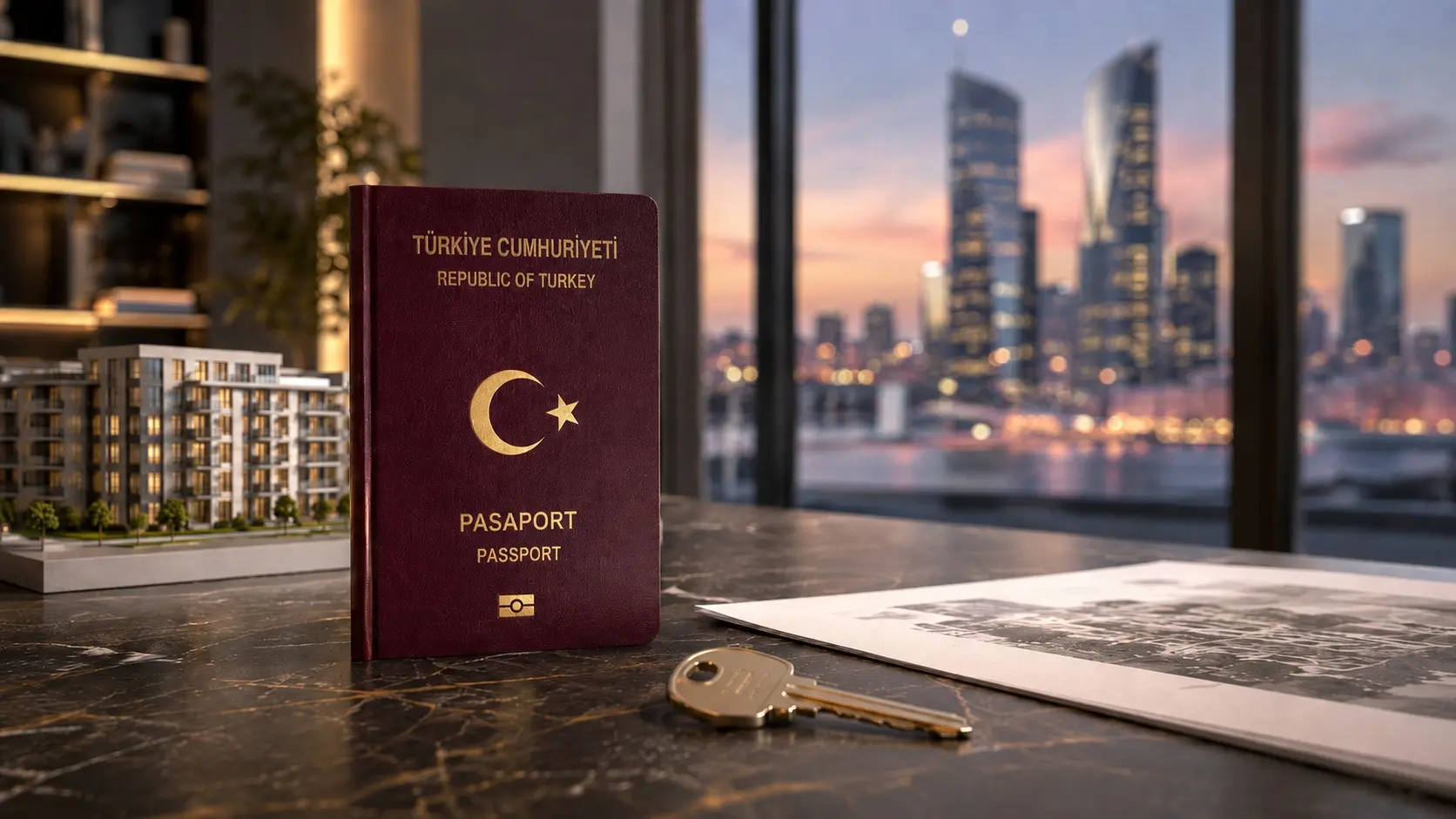
7. A Turkish Passport and 20 Years Tax-free
The government is doing its best to encourage foreign buyers, and over the last few years it has introduced incentives to keep people buying homes. Currently, foreigners can gain Turkish citizenship by spending more than $400,000 USD on a home. Additionally, Turkey offers a program that gives new investors 20 years of tax-free income. Know the benefits so you can take full advantage of them.
8: Know the Short-Term Rental Income Laws
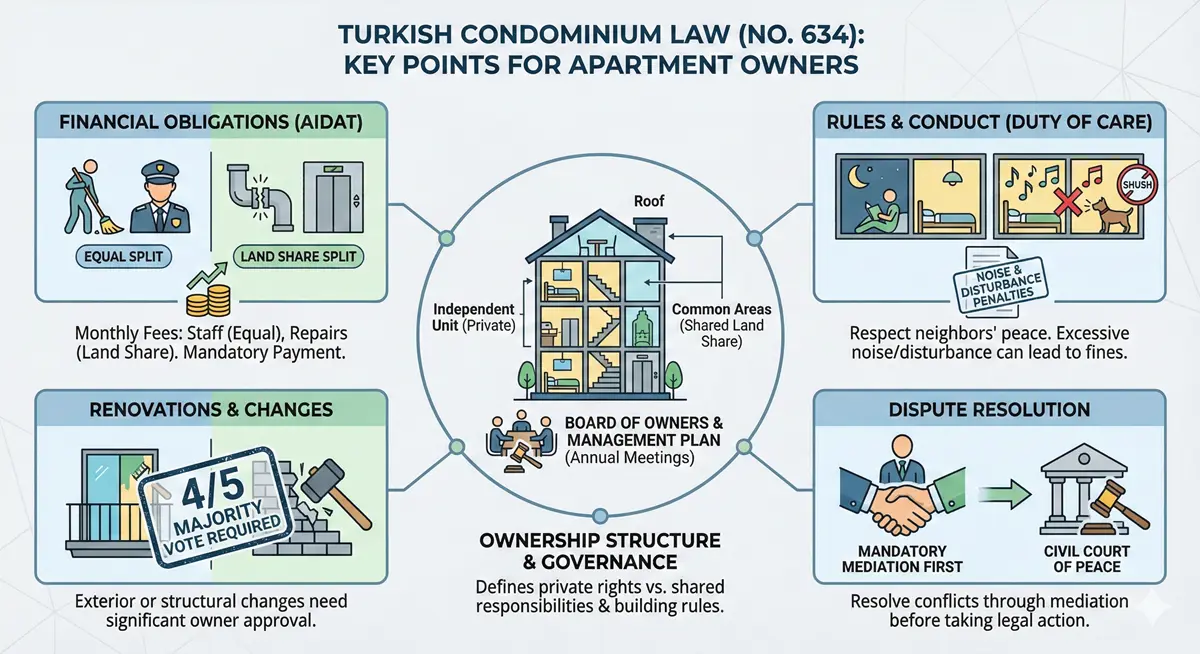
Some people entering the residential real estate market look to recoup costs or even generate passive income by renting out their home. However, as in Spain, Italy, and France, it isn't that easy anymore. Landlords need a licence and their neighbours' approval to rent an apartment. This falls under the Turkish condominium law.
Landlords must declare every guest who stays there, and are limited to 100 days. To rent to tourists or short-term guests for up to 100 consecutive days, Law No. 7464 applies. For this reason, most buy-to-let investors look for pre-approved Airbnb complexes. Don't forget you also need to pay rental income tax. Long-term leases fall under a different category.
9: Use a Turkish Bank Account to Transfer Funds
To open a bank account, you need a Turkish tax number. Both are easy to do. The key is to pay for your home in Turkish Lira and prove you converted your currency through the Central Bank. Use your bank account to do this, and get a Döviz Alım Belgesi (DAB), or the Foreign Currency Purchase Certificate. Buyers need this to obtain the Title Deeds, so don't do it any other way.
What are the Steps Involved in Buying Property in Turkey?
The Turkish property market is straightforward, and the processing time to get your Title Deed is quick if all paperwork and finances are in place. However, we understand that overseas buyers may be entering a market they know little about, so here is a quick guideline.
Step 1: Know your reason for buying (e.g., retirement, holiday home, or investment) and your budget. Remember to factor in roughly 8% of the purchase price for closing costs.
Step 2: When you find a home, we help with negotiations with the seller. You sign a reservation form and pay a small deposit to take the listing off the market. Your lawyer verifies regulatory frameworks, confirms compliance with the reciprocity rule, checks the Turkish Land Registry for hidden liens or mortgages, and resolves potential legal issues before funds move. Your lawyer drafts a binding sales agreement that outlines payment schedules, completion dates, and the included inventory.
Step 3: Requirements:
- Foreigner Identity Number: Apply for a Tax ID number, which serves as your administrative identifier for financial and land transactions.
- Bank Details: Open an account in the Turkish Republic using your tax number, passport, and proof of address.
- POA: Use this only if you cannot be in the country to sign the Title Deeds personally. You can grant your lawyer or someone else to act on your behalf.
- Foreign Exchange Certificate: Turkish law requires buyers to convert foreign currency into Turkish Lira through a licensed domestic bank before title registration. The bank issues this official certificate.
Step 4: An independent, SPK-licensed appraiser inspects the apartment or villa to establish its market value. This step protects the customer from inflated pricing and forms the baseline valuation required by government authorities. Also buy the compulsory DASK / Earthquake Insurance coverage for the structure before registration.
Step 5: The final Title Deed transfer occurs at the TAPU ve Kadastro Genel Müdürlüğü (General Directorate of Land Registry and Cadastre). Pay the property taxes and fees before signing. The directorate then issues the TAPU, transferring legal Ownership and Title Deeds to your name.
Step 6: After the Purchase. Register or transfer the electricity, water, gas, and internet into your name using your new TAPU and tax ID. Pay the annual taxes and review inheritance rules to understand your situation. For investment returns, aim to keep the property for at least five years.
FAQs: Buying Property in Turkey
Q: Is it a good idea to buy property in Turkey now?
A: Yes, if you do research and don’t buy on a whim. Many newcomers to the market tend to think of the country as one whole market, but like other countries, certain areas perform better than others, and you also have luxury destinations as well as cheap, affordable towns. Contact us today to receive information on which areas perform better than others, for prices, affordability, and potential appreciation.
Q: What is the best investment in Turkey?
A: The ideal investment depends heavily on your goals and desired return on investment, but overall, real estate is the best option. Turkey recently introduced a new program that qualifies new investors for 20 years of tax-free status. Additionally, there is the CBI Turkish citizenship programme. From Istanbul to Antalya to Bodrum, and more destinations, some markets are still in their infancy and have strong long-term potential for capital appreciation.
Q: Can a British citizen buy a property in Turkey?
A: Yes, British citizens can buy a property in Turkey. British buyers face no restrictions whether they buy an urban apartment or a coastal holiday home. The buying process follows the normal steps, including obtaining a tax number, opening a bank account, getting a property valuation report, and securing DASK insurance before the Title Deed transfers.
More About Turkey
Our Listings: View our portfolio of apartments and villas from Istanbul to Bodrum, Antalya, Fethiye, and many more destinations. Use the contact details to learn more about the home or arrange a viewing.
Expert Advice: Contact us today to chat directly with an agent for expert insights into the housing market, the buying process, and regional trends. They will also discuss your preferences and how to become a homeowner.
Our Blog: Our articles cover much more, including land registry law, investment thresholds, currency tips, and legal fees. Think of it as the ultimate buyer's guide to the whole country. Beyond the latest tips for buying property in Turkey, it covers more for your journey to obtaining your Title Deeds.
Nezir Can Operations Manager
Nezir 'Nez' Can is Operations Manager at Property Turkey and a contributor on Turkish culture, lifestyle, and everyday life across the country. Since joining the company, he has helped international readers better understand what it is like to live, work, and settle in Turkey.




 By:
By:


 Operations Manager

 Bodrum
  2
2  1
1 










 X
X