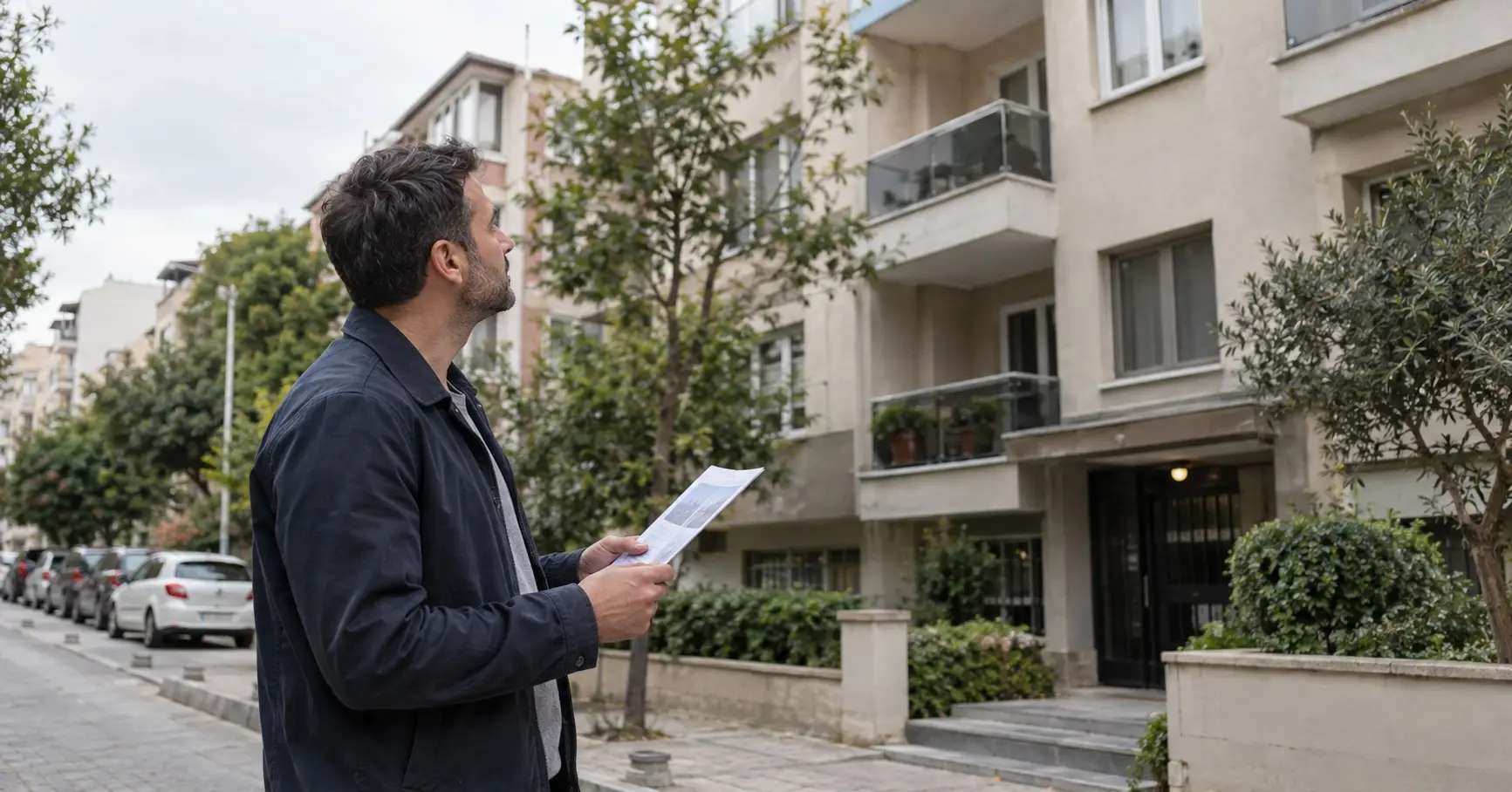
Every property market has its sirens – listings priced so far below the going rate that scrolling past them feels almost impossible. In Turkey right now, with housing costs at record highs, these "bargain" listings are more tempting than ever. But real cases coming out of Istanbul's own property market show exactly why the question every buyer should be asking isn't "How do I not miss this?" – it's "Why is this so cheap?"
The 1.5 Million TL Apartment That Wasn't What It Seemed
In Gaziosmanpaşa, a district of Istanbul where a decent 140m² apartment normally costs upwards of 4 million TL, a listing surfaced offering exactly that – 140 square metres, for just 1.5 million TL. On paper, an extraordinary deal. In reality, a red flag the size of a billboard.
The lesson from real estate professionals is blunt: the sale price on the listing is never the whole story. A discount that steep is almost never generosity, it's a symptom. And the underlying condition can be any combination of the following:
- Kat Mülkiyeti / Kat İrtifakıProblems: The property may not have full, finalised ownership status.
- Missing "İskan" (YapıKullanmaİzinBelgesi): The official occupancy / habitation permit.
- Ineligibility for Mortgage Financing: Banks simply won't lend against it.
- Encumbrances on the Title Deed: Liens, mortgages already registered by someone else, legal annotations (şerh), or declarations (beyan).
- Shared/ Fractional Ownership (HisseliMülkiyet): Meaning you may not even be buying what you think you're buying.
- No Genuine Sale Authority: The person listing it may not have the legal right to sell it at all.
The Esenyurt Case: When "Cheap" Meets "Uncreditable"
A second real example makes the risk concrete. In Esenyurt, a 2+1 garden-floor apartment was listed at 1,285,000 TL. When a prospective buyer inquired, they were told outright: the property was not eligible for mortgage financing. The reasons given were exactly the kind hidden beneath low prices – unresolved kat irtifakı status and issues with the occupancy permit. The property was flagged as legally risky.
Here's why that single sentence – "not eligible for a loan" – should stop any buyer in their tracks: a bank's refusal to lend against a property is one of the most reliable early-warning signals in the entire market. Banks don't guess. If their own risk assessment says no, that tells you something the glossy listing photos never will.
A New Verification System Exists – But It Won't Save You
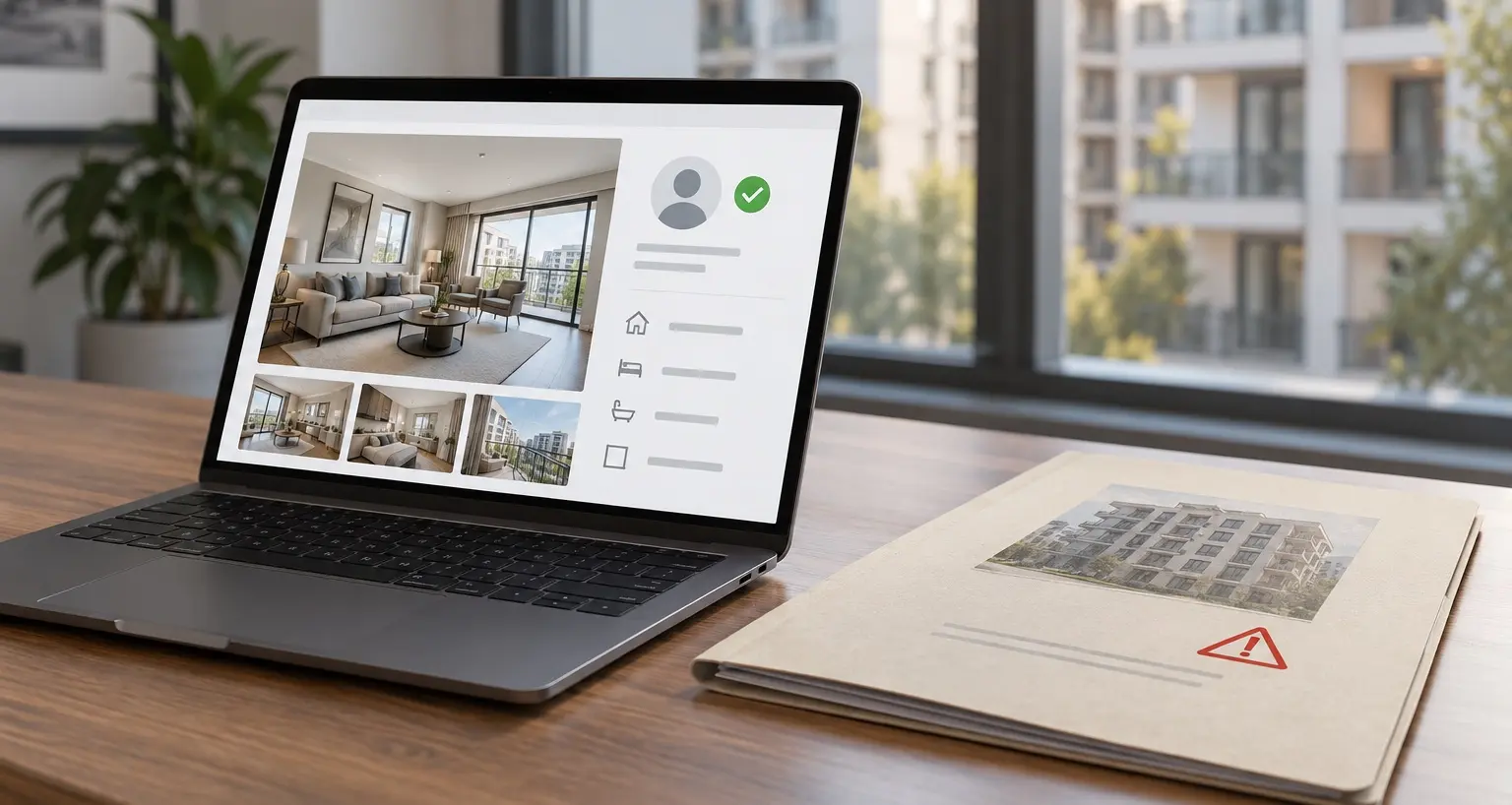
Turkey's Ministry of Trade has introduced the Electronic Listing Verification System (EİDS), which now requires anyone posting a property listing on websites, Instagram, Facebook, or WhatsApp to have their identity and their authority to market that property officially verified.
This sounds reassuring, and it is a genuine step forward against fake listings and listing spam. But here is the critical distinction buyers must understand: EİDS only verifies who is posting the ad. It does not verify that the property itself is problem-free.
The Ministry has been active in enforcement. In August 2026 alone, 42 real estate businesses and 40 gallery operators were fined a combined 8.2 million TL for posting listings that violated regulations. That's real, recent proof this problem is widespread enough to require government crackdowns. And still, verification of the messenger tells you nothing about the property's Title Deed, occupancy status, or legal history. That homework remains entirely the buyer's responsibility.
The Title Deed: Don't Take the Seller's Word for It
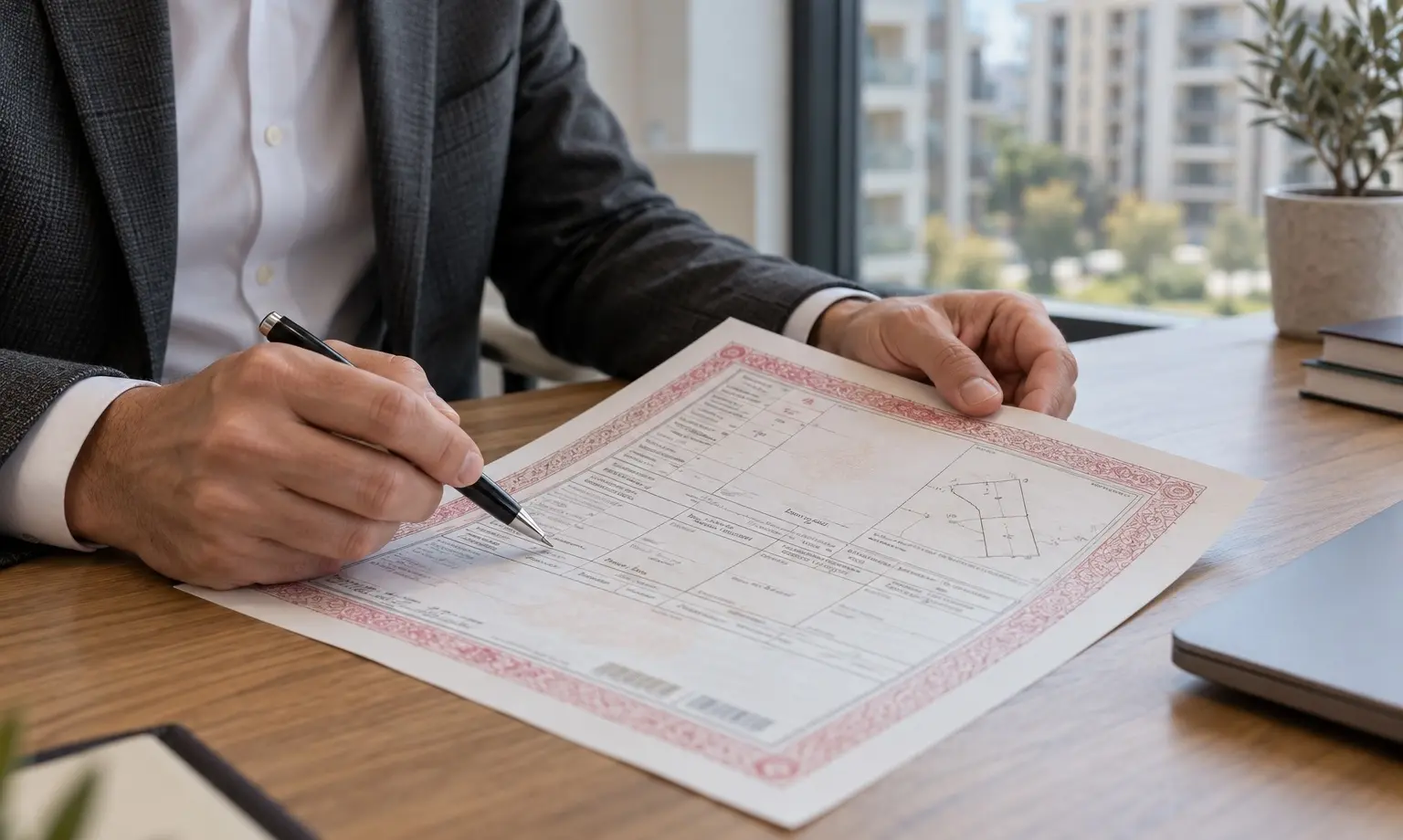
One of the most common, and most dangerous, mistakes buyers make is accepting a verbal assurance like "the Title Deed is clean, there's no issue" at face value. It isn't enough. Before any money changes hands, the Deed itself needs to be checked for:
- Whether it's registered as full ownership (kat mülkiyeti) or a preliminary construction-easement status (kat irtifakı).
- Fractional / shared ownership.
- Mortgages, liens, or attachments (ipotek, haciz).
- Legal annotations or declarations (şerh, beyan).
Turkey's Land Registry maintains official channels for checking this, but the point isn't which portal you use. The point is: verbal reassurance from a seller is not due diligence.
The Document You Sign Before You've Even Decided
Here's a trap many buyers don't see coming. When a property is shown to a prospective buyer, a "property viewing document" (yer gösterme belgesi) is often presented for signature. Buyers are frequently told it's just a form confirming you saw the property. That's not always true.
Real case law backs this up: Turkish courts, including a 2026 İstanbul Regional Court of Appeal decision, have ruled on disputes where signed viewing documents were later used by real estate offices to pursue commission claims through enforcement proceedings, simply because the buyer didn't read what they'd agreed to. The document's title said one thing; its contents said another.
The rule is simple: read everything before you sign anything, regardless of what you're told the document "just" does.
The Deposit Pressure Tactic
The final stage where buyers get caught is the deposit (kapora). Watch for pressure phrases like:
- There's another buyer interested.
- If you don't pay the deposit today, it's gone.
- This price is only valid today.
Sending money before the legal status of a property is confirmed, and before you've verified the identity of who you're paying, is one of the highest-risk moments in the entire transaction.
A Safer System Is Coming – But Not Yet
From 1 October 2026, Turkey's Ministry of Trade is rolling out a Secure Payment System, requiring that cash, wire, or electronic transfers in property sales happen simultaneously with the Title Deed transfer – closing the gap where fraud typically occurs. It was originally due 1 July 2026 but pushed back three months for technical reasons. It's a meaningful reform. But until it's fully in force, buyers remain exposed to the risks described above.
Checklist Before Touching a "Too Cheap" Listing
1. EİDS Check: Confirm the identity and authority of whoever posted the listing.
2. Title Deed Check: Ownership type, kat mülkiyeti / irtifakı, registered owner.
4. Occupancy Permit (İskan) Check: Does it exist, does it match the building permit.
5. Mortgage Pre-check: If told "not eligible for credit," find out why.
6. Physical Verification: Does the real property match the advertised size, layout, floor.
7. Contract Check: Read every document before signing, especially commission and penalty clauses.
8. Payment Discipline: No deposit or payment before every check above is complete, and ideally through a secure / escrow mechanism.
The Real Question Isn't "How Do I Not Miss This?"
It's "Why is this so cheap?" Sometimes the answer is simply an urgent sale, a genuine opportunity. But just as often, the discount is the visible tip of an iceberg: an unresolved occupancy permit, a mortgage red flag, an encumbered Deed, or a contract clause nobody explained properly.
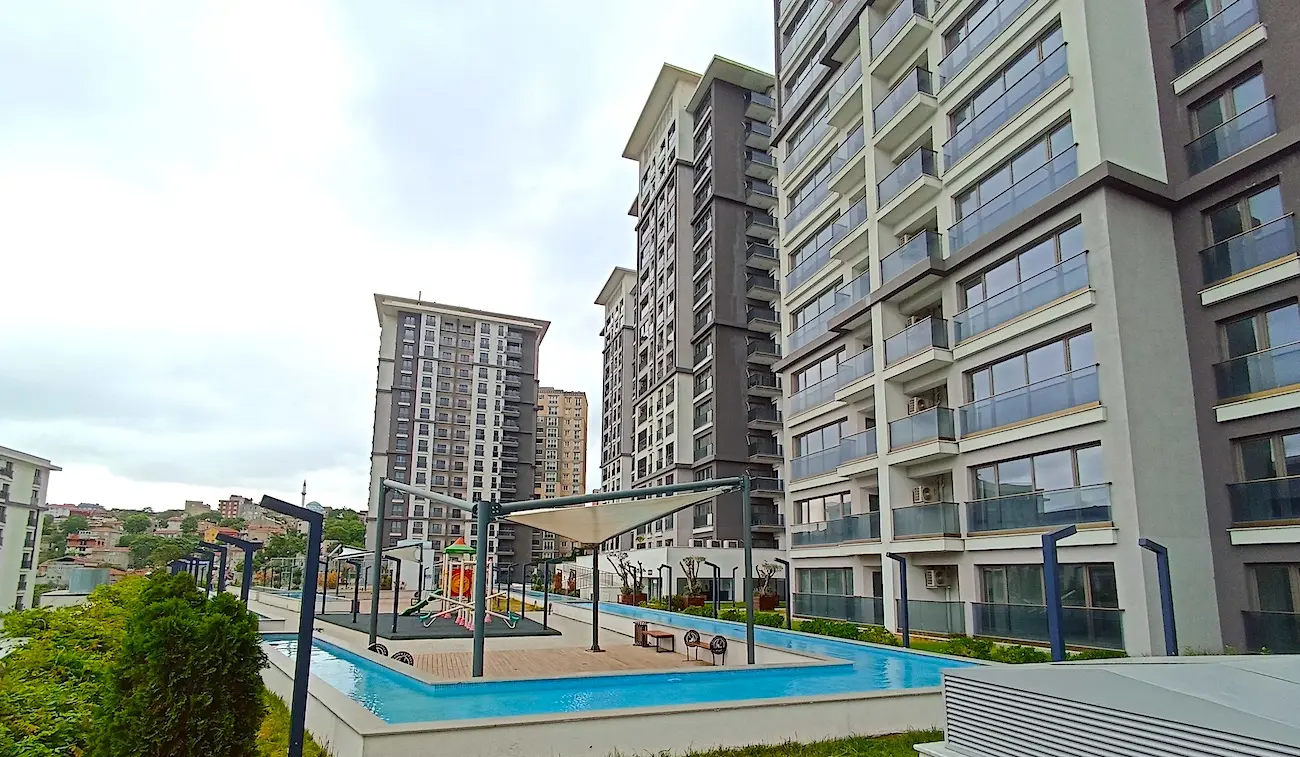
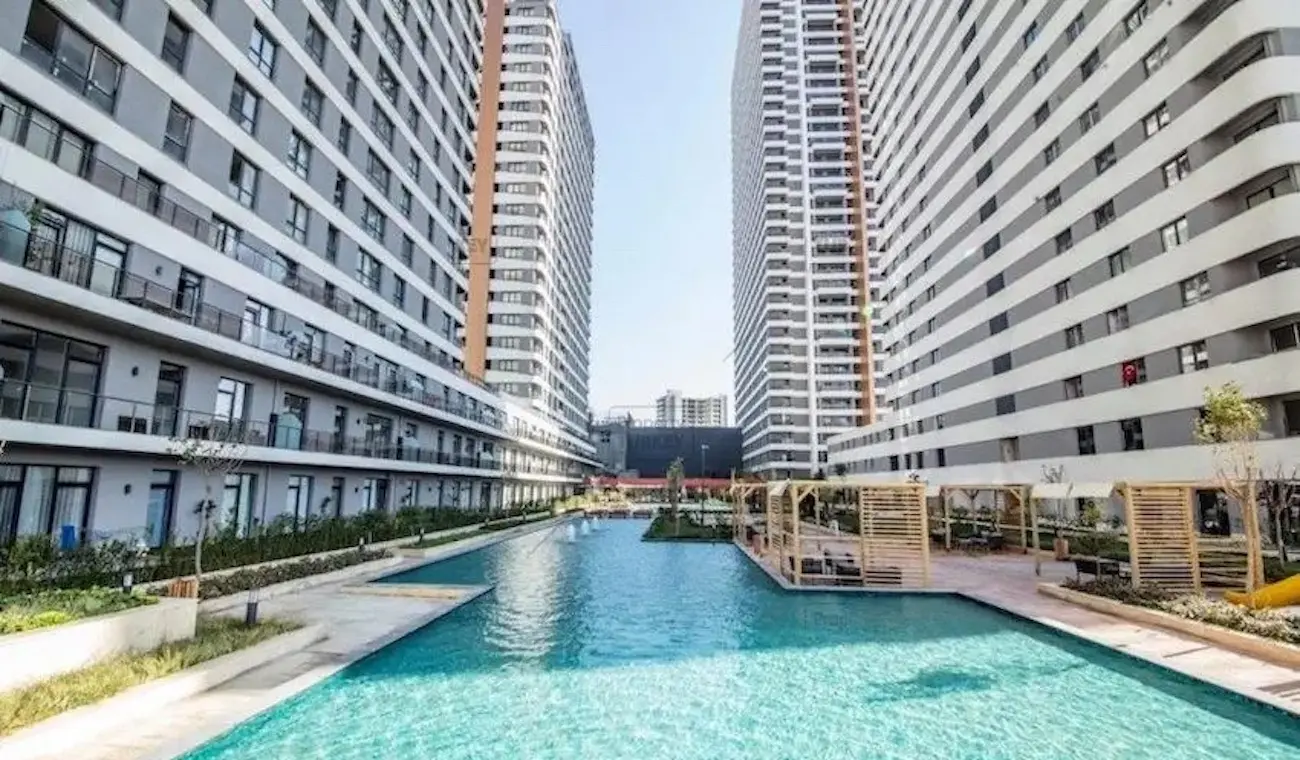
This is why buyers – Turkish and international – choose to purchase through a fully licensed, transparent agency rather than chasing anonymous listings alone. At Property Turkey, every property we bring to a client has already been through full legal, Title, and structural due diligence before it ever reaches a viewing – because a good deal should feel exciting, never risky.
Q: Why are some properties in Turkey priced far below market value?
A: A lower price may reflect an urgent sale, but it can also indicate missing permits, unresolved ownership, liens, shared Title, financing restrictions, or structural concerns. Compare the home with similar local properties and complete independent legal checks before paying a deposit.
Q: Can I buy a property in Turkey without an İskan?
A: A property without an occupancy permit may create complications involving utilities, mortgage finance, insurance, resale, or regulatory compliance. The risk depends on the building and municipality. A lawyer should confirm the development's legal status and explain the consequences before purchase.
Q: What does mortgage ineligibility mean for a Turkish property?
A: Mortgage ineligibility does not automatically make a property unsellable, but it is an important warning sign. Banks may reject homes with Title Deed discrepancies, incomplete permits, valuation problems, or construction irregularities. Buyers should establish the precise reason before deciding whether to proceed.
Q: What should I check on a Turkish Title Deed?
A: Confirm the registered owner, property description, and ownership type, including whether it has kat mülkiyeti or kat irtifakı status. The Title Deed should also be checked for mortgages, liens, attachments, legal annotations, declarations, restrictions, and any form of shared ownership.
Q: Is it safe to pay a deposit on a cheap property in Turkey?
A: Do not pay a deposit until the seller's identity, authority to sell, and the property's legal status have been verified. Any deposit agreement should clearly explain refund conditions, deadlines, and penalties. Use a secure payment method and obtain independent legal advice.
Cameron Deggin Founder & CEO, Property Turkey
Cameron Deggin is Founder and CEO of Property Turkey. A former finance professional and FCCA-qualified accountant, he founded the company in 2001 after recognising Turkey’s investment potential. With more than two decades analysing Turkish real estate, Cameron regularly advises international investors and is quoted by media including the Financial Times and BBC.




 By:
By:

 Founder & CEO, Property Turkey
 Bodrum
  4
4  4
4 














 X
X