Buyer Guide
Retire in Turkey: Cost of Living, Visas, and Best Places
Retire in Turkey: Cost of Living, Visas, and Best Places
Retire in Turkey: Cost of Living, Visas, and Best Places
Updated : 07 Jul 2026
Created : 01 Jan 2014
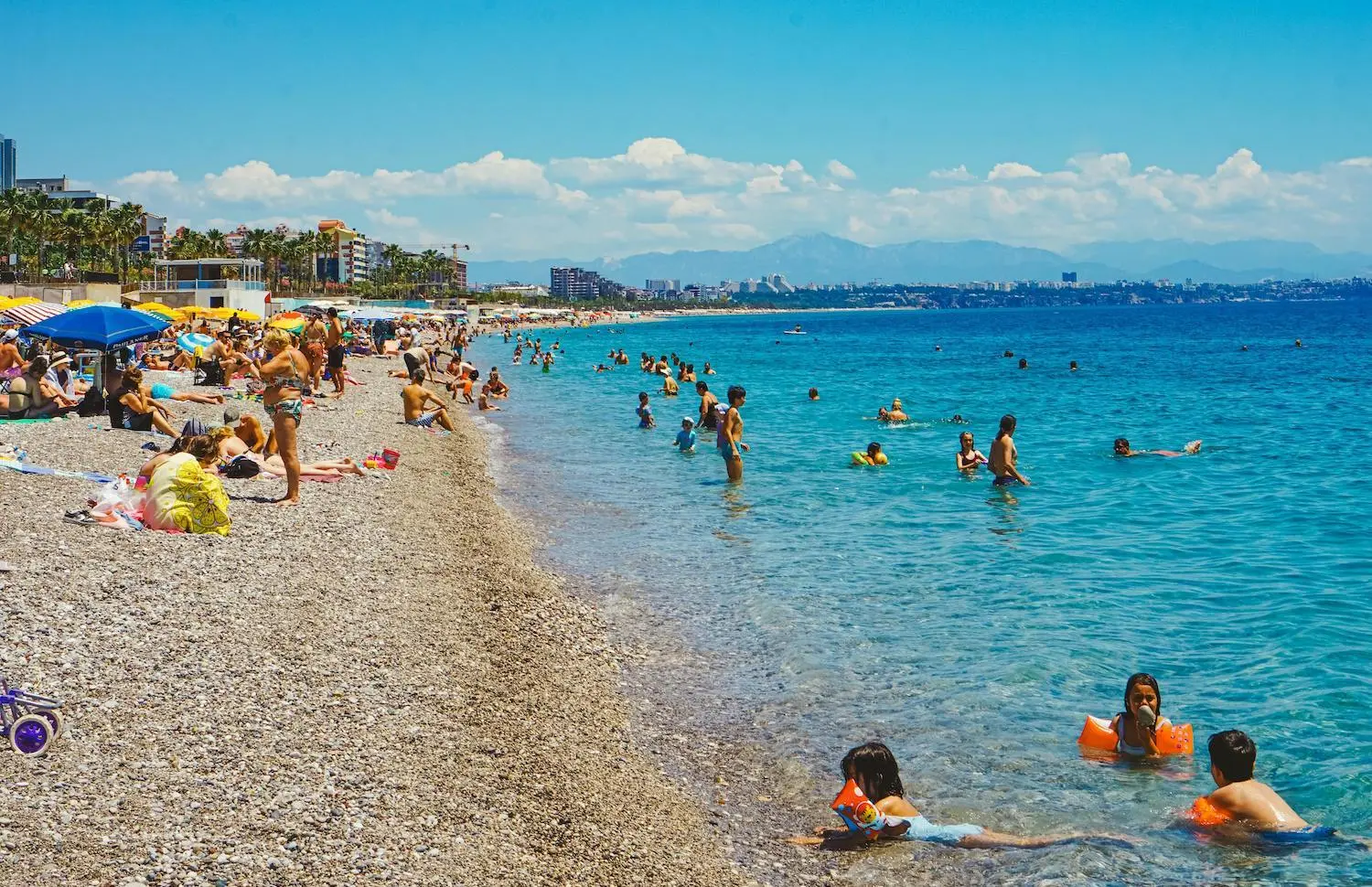
To retire in Turkey is to enjoy an abundant lifestyle in the sun. Retiring here is a joyful milestone because very few destinations come close to offering the same blend of rich history, beautiful coastlines, and affordability. Additionally, Turkey has quickly become one of the top destinations for international retirees because of its beautiful destinations that they can call home.
Sometimes homebuyers ask us if living in Turkey is cheap. We always answer that it is. Especially for those from Western countries, Turkey has vastly improved over the last twenty years and is a fierce competitor for potential retirees. But we like to make sure our clients are fully informed, so in this article, we break down the living costs and what retirees will pay out.
Quick Summary – Cost When you Retire to Turkey
Baseline Budget: Single retirees can live modestly on $800 to $ 1,400 per month. For couples, $1,200 to $2,000 per month covers rent, utilities, insurance, and regular dining out.
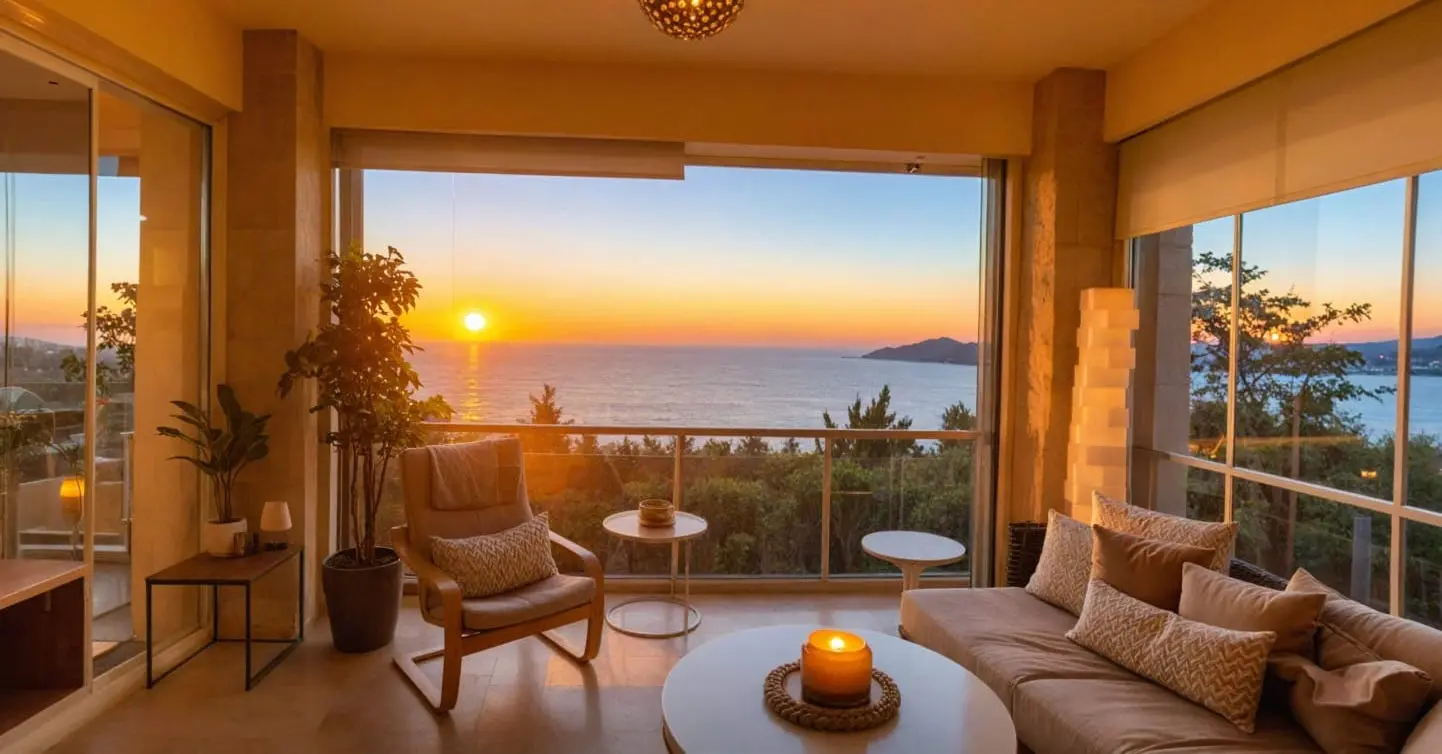
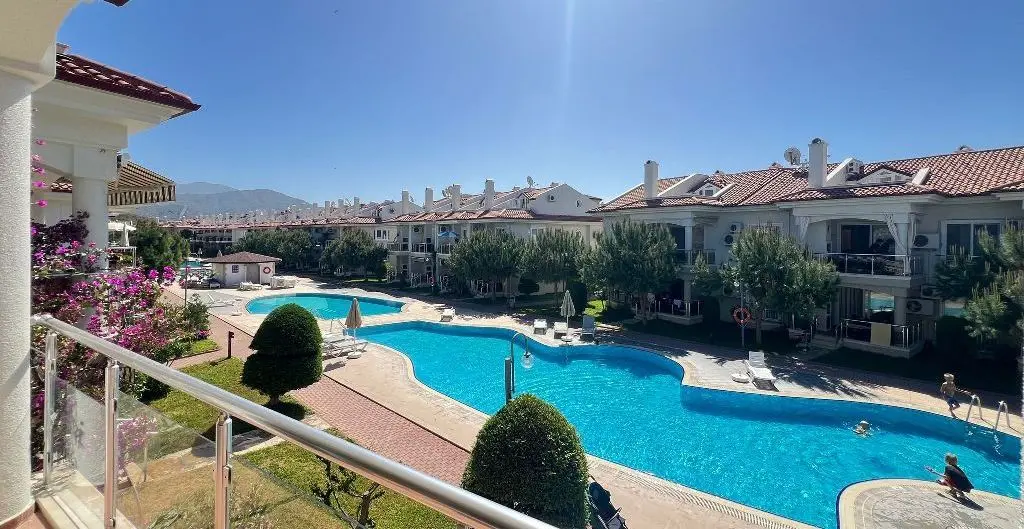
Rent and Housing: In coastal expat hubs like Fethiye, Antalya, Alanya, or Didim, a modern 1- or 2-bedroom apartment ranges from $350 to $700 per month. In metropolitan centres like Istanbul, rent rises to $700 to $1,500+ per month in desirable neighbourhoods. Expect to pay an extra $30 to $100 per month for site maintenance on complexes with a pool or security.
Utilities and Tech: Electricity, water, heating/cooling, and high-speed broadband generally total $80 to $150 per month, fluctuating based on summer air-conditioning use. For comparison, Numbeo says that utilities in London are 66% higher than in Istanbul.
Groceries and Dining: For consumer prices, locally grown food is incredibly cheap. Buying fresh produce at weekly street markets (pazar) keeps grocery costs around $150 to $250 per person per month; a mid-range three-course dinner for two runs about $30 to $45.
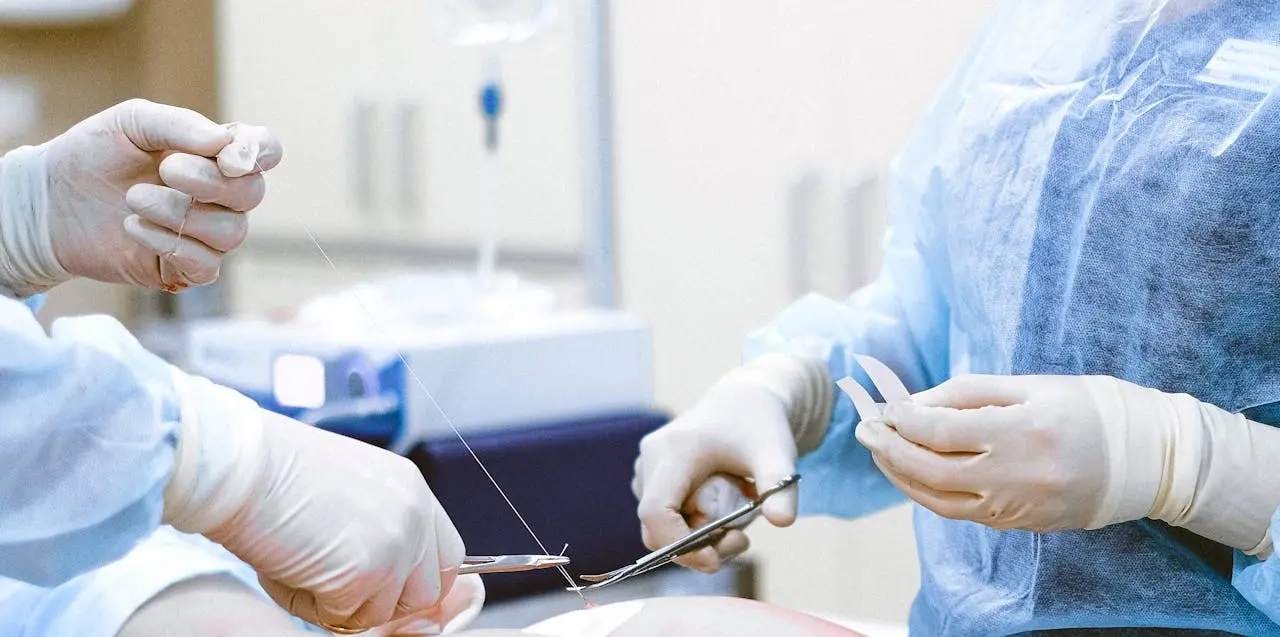
Healthcare and Insurance: Under 65 mandatory private expat health insurance costs $50 to $150 per month, heavily dependent on age. After one year of residency, you can opt into the government health system for a flat monthly premium of roughly $50 to $65 per person, giving complete coverage at state hospitals.
Transportation: Public transit – buses and dolmuş minibuses – is incredibly budget-friendly at $20 to $40 per month for regular use. Keeping a private car is more expensive due to vehicle import taxes and European-level fuel prices.
High-net-worth individuals seeking a safer investment consider the Turkey citizenship by investment programme. If an applicant invests $400,000 in property, they can apply for Turkish citizenship and enjoy the same benefits as citizens.
Low costs and interest rates, the possibility of favourable returns on investment, and the growing demand in the resale market are among the reasons this country is attractive for real estate investment. Most people buying properties are Britons, Russians, and Germans who want a perfect holiday home or retirement home on the Mediterranean coast.
The Turkish property market remains active due to continued foreign interest and numerous big infrastructure projects. When buying real estate, contact licensed agents and reliable Turkish lawyers familiar with the Title Deed (TAPU) transfer process. In addition, there are other aspects to consider, such as the Turkish Condominium Law.
After buying a home, register it with the Turkish Address Registration System (Nüfus), a mandatory system set up by the Ministry of Interior that links individuals to their residential addresses. You will pay property taxes at the time of purchase and annually, depending on the size of your home.
2: Income and Legal Affairs
Apart from the visa itself, foreigners must provide proof of income, such as a pension. Remember that retirees cannot take local jobs under Turkish law, as work permits are very hard to obtain.
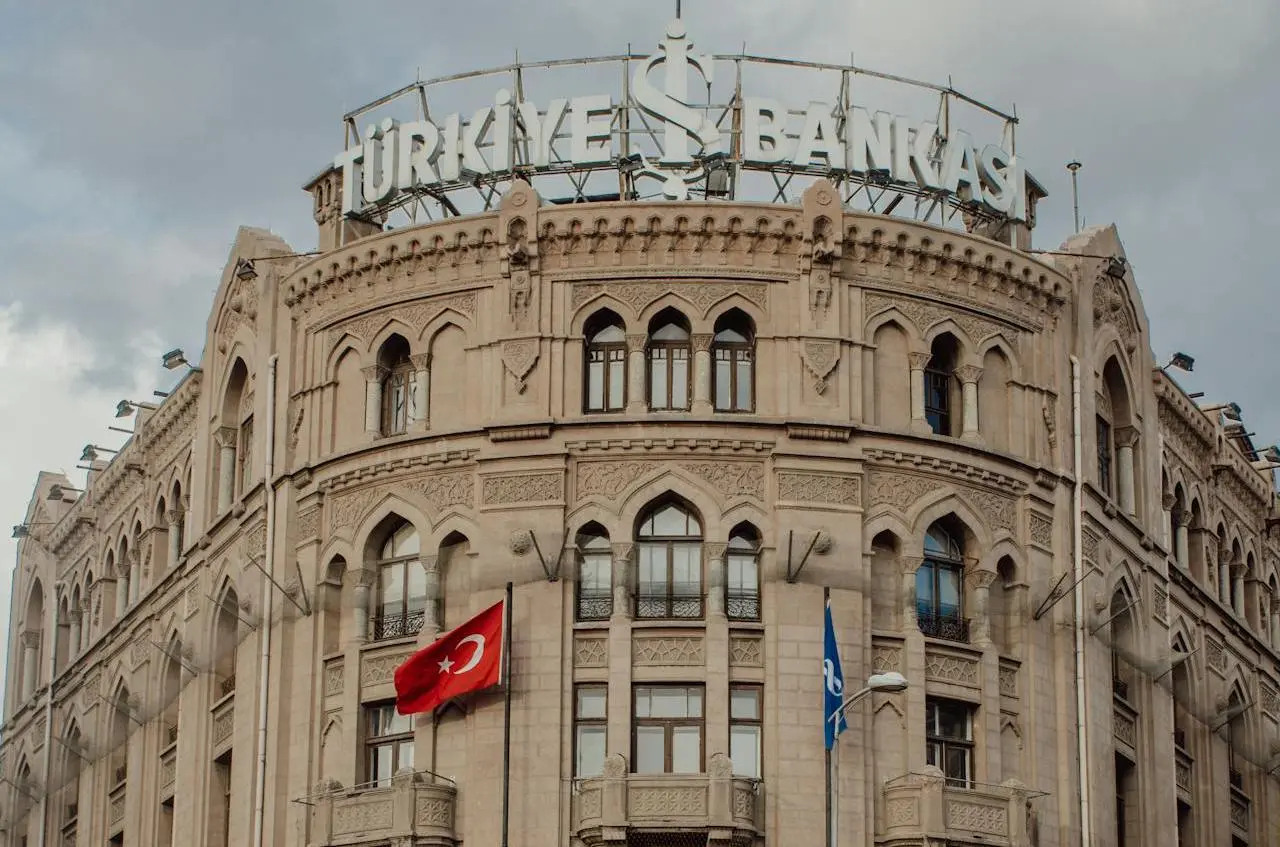
Many expats make bank deposits into high-interest savings accounts. Then, after paying tax, they withdraw the interest monthly. For retirees with a pension, this is a high monthly income, and depending on the amount deposited, some expats build their net worth and never touch their capital. High street banks, including Garanti and HSBC, offer these accounts, so shop around to see who offers the best interest rates. Remember that interest rates go down as well as up, so give some leeway if factoring this income into your monthly budget. Also remember that exchange rates can fluctuate, which is important if you plan to withdraw the deposit in later years.
4: Short and Long-Term Residence Permits
To start, most expats enter on a standard Turkish visa or without one, and they must contact the DGMM (Directorate General of Migration Management) to get a Residency Permit. Due to changes in immigration policies introduced by the government of Turkey, short-term residency application fees have increased. The amount of the administration fee is determined by the applicant's nationality and the duration of residency.
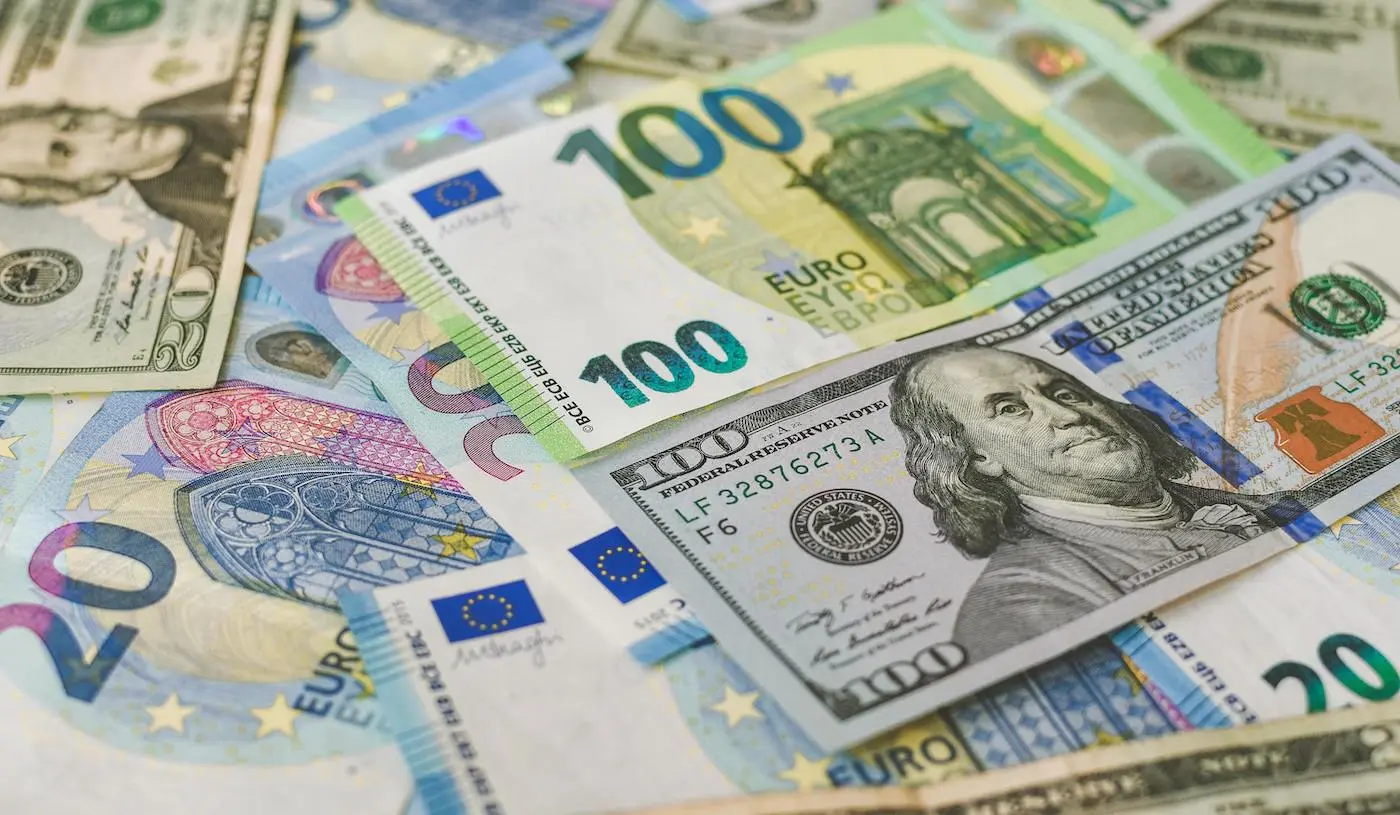
For the ordinary category for foreigners, it is about 28,467 TL ($630) for a one-year permit and 56,935.94 TL ($1,334) for a two-year permit. One-time Entry Fee: If you entered without a visa, you must pay a one-time entry fee of about 9,376.40 TL. NOTE: Prices are accurate as of 2026.
To qualify for an indefinite, 99-year long-term Residence Permit in Turkey, foreigners must first achieve eight years of continuous, legal residency in the country. This clock can easily reset your visa option if you trigger a residency interruption, which occurs if you spend more than 6 consecutive months outside Turkey in a single year or more than 365 cumulative days abroad within any 5-year period.
5: Private Health Insurance Versus the Public Healthcare System
Turkey's healthcare system is excellent, and anyone applying for a Residency Permit under the age of 65 must secure private health coverage. After holding a residence permit for a year, it becomes possible to choose public healthcare run by the Social Security Institution (Sosyal Güvenlik Kurumu / SKK). Providing a monthly contribution to the fund will grant access to public hospitals.
Paying monthly premiums into the Social Security Institution (Sosyal Güvenlik Kurumu or SGK) grants you full access to public hospitals, modern medical care, extensive physical rehabilitation, and growing mental health support networks.
Private Health Coverage (PHI): For your first year, basic private health coverage plans are inexpensive and provide the necessary cover as per visa requirements. Lower rate for young expats (25 to 35): Expect to pay between 4,000 and 5,500 TL on an annual basis. Older expats (50+) pay between 8,000 and 15,000+ TL, depending on pre-existing conditions. While private policies give you access to many high-quality health care institutions with English-speaking staff, they may have restrictions on outpatient services.
Public Health Coverage System (SGK): Once you have been living in Turkey for one year on a residence visa, you can apply for the Turkish Universal Health Insurance System (SGK). Through SGK payments, you will have access to comprehensive healthcare services at public hospitals and family health centres. The government fixes the premium depending on the national minimum wage.
Dental Care: Although emergency treatment is available through the public healthcare scheme, other procedures, such as cosmetic dental procedures and complex dental issues, are handled in private care facilities, since they are much cheaper than in Europe or America.
Mental Health: Services and solutions related to mental health matters are improving. Public healthcare hospitals provide relevant assistance in this regard without needing people to pay for it.
Geriatric Care: Older adults receive relevant assistance either through private companies or through programs provided by the Turkish government.
6: Finance, Banking, and Taxes
Managing your finances properly means switching to a local Turkish bank to open a multi-currency account with both foreign currency and Turkish Lira balances. Regarding taxation, check the regulations on pensions in your country. For example, an American citizen will need to learn about the Foreign Earned Income Exclusion and how it affects their income.
Fortunately, Turkey has already signed double tax treaties with several countries, including the USA and the UK, so you won’t pay tax twice on the same pension income. The Turkish Revenue Administration is responsible for the taxation procedures.
7: Everyday Life When Retiring Abroad
Getting around is convenient thanks to the extensive Public Transport System, which includes buses, metro, and rail transport. If you wish to drive a car, you may use your foreign driver’s license for 6 months, then exchange it for a local one. If you travel with your furry friend, prepare your pet passport and international health certificate beforehand.
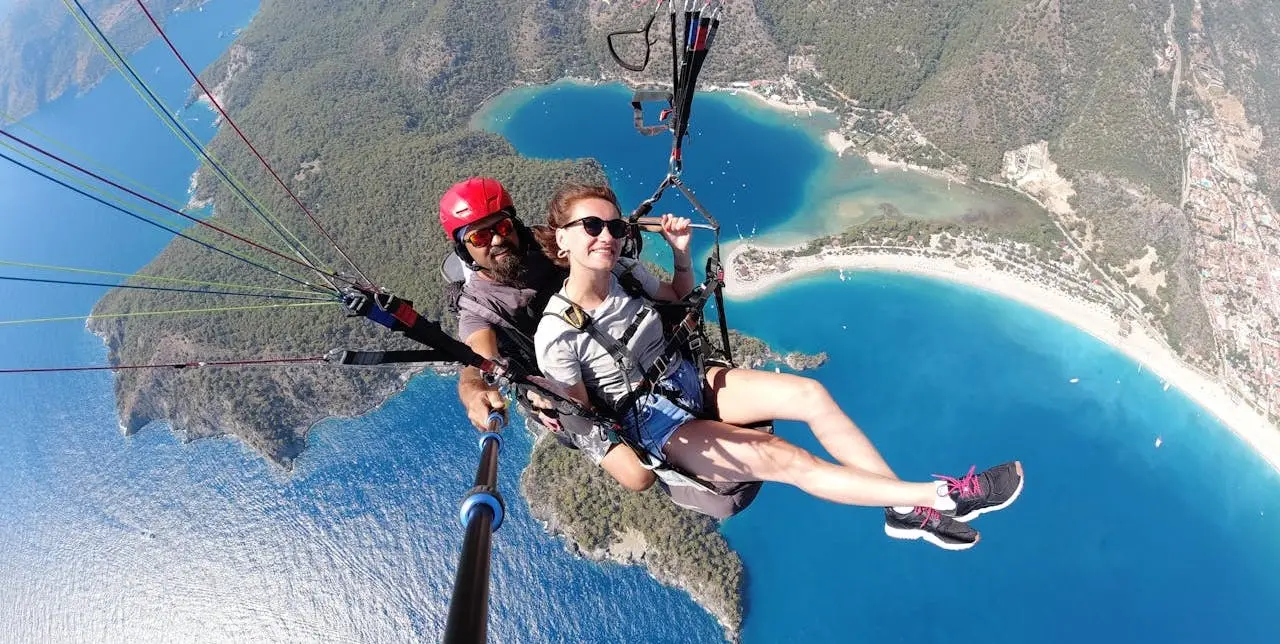
Finally, it would be a good idea to get acquainted with the famous Turkish cuisine. Don't forget about language learning. Knowing even just a few words will help. Many places also have community projects to get involved in. Otherwise, find a tourism company and sign up for day tours to explore your new country.
8: Affordable Expat Communities and Property Prices
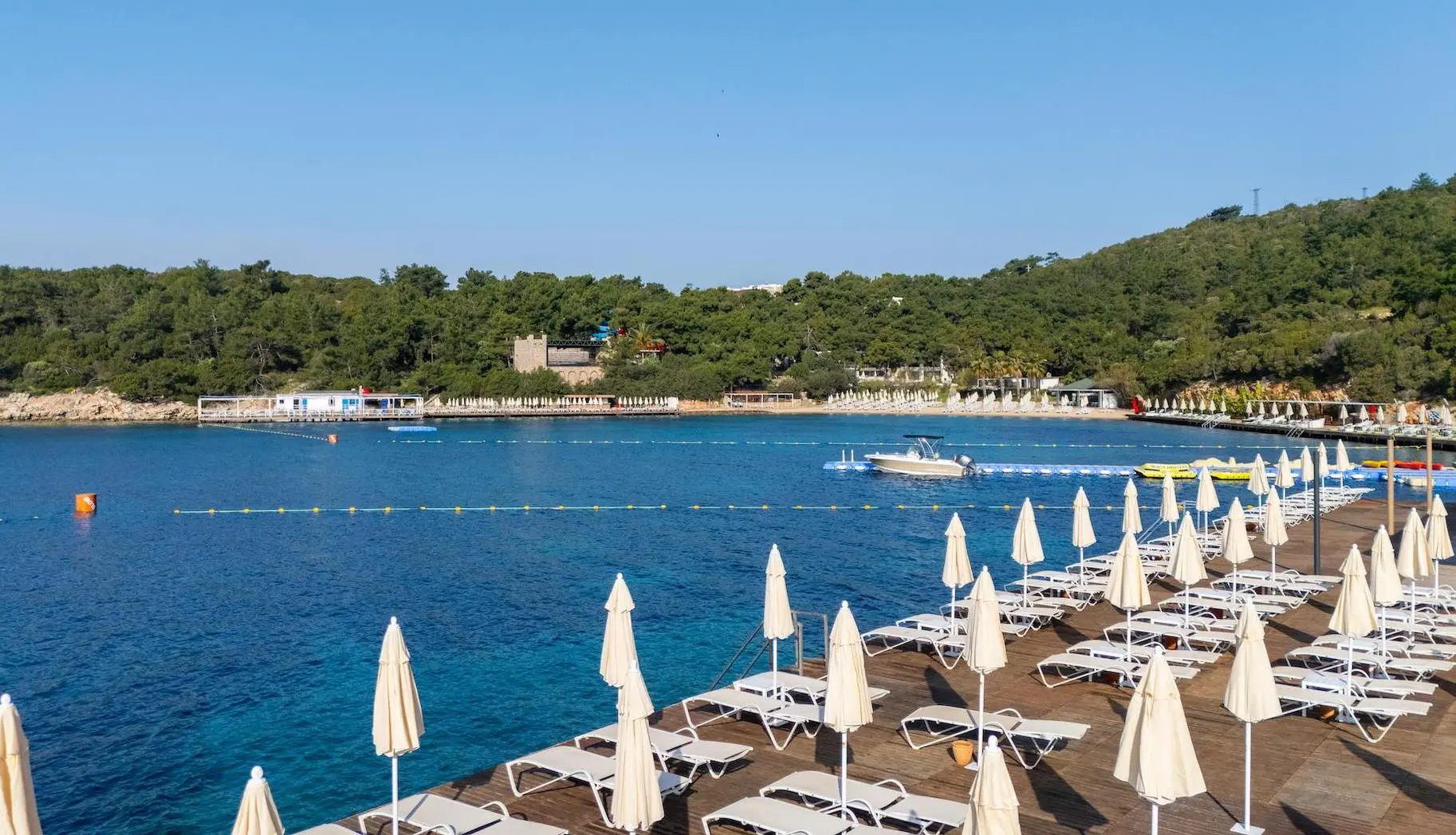
When looking at destinations, you will soon realise that property prices vary across the regions. You can discover affordable real estate sectors as well as destinations that easily match exclusive markets. Although there are retirement communities in big cities like Istanbul or Izmir, most retirees head to the south or west coast for beach-town resorts that are also familiar to tourists.
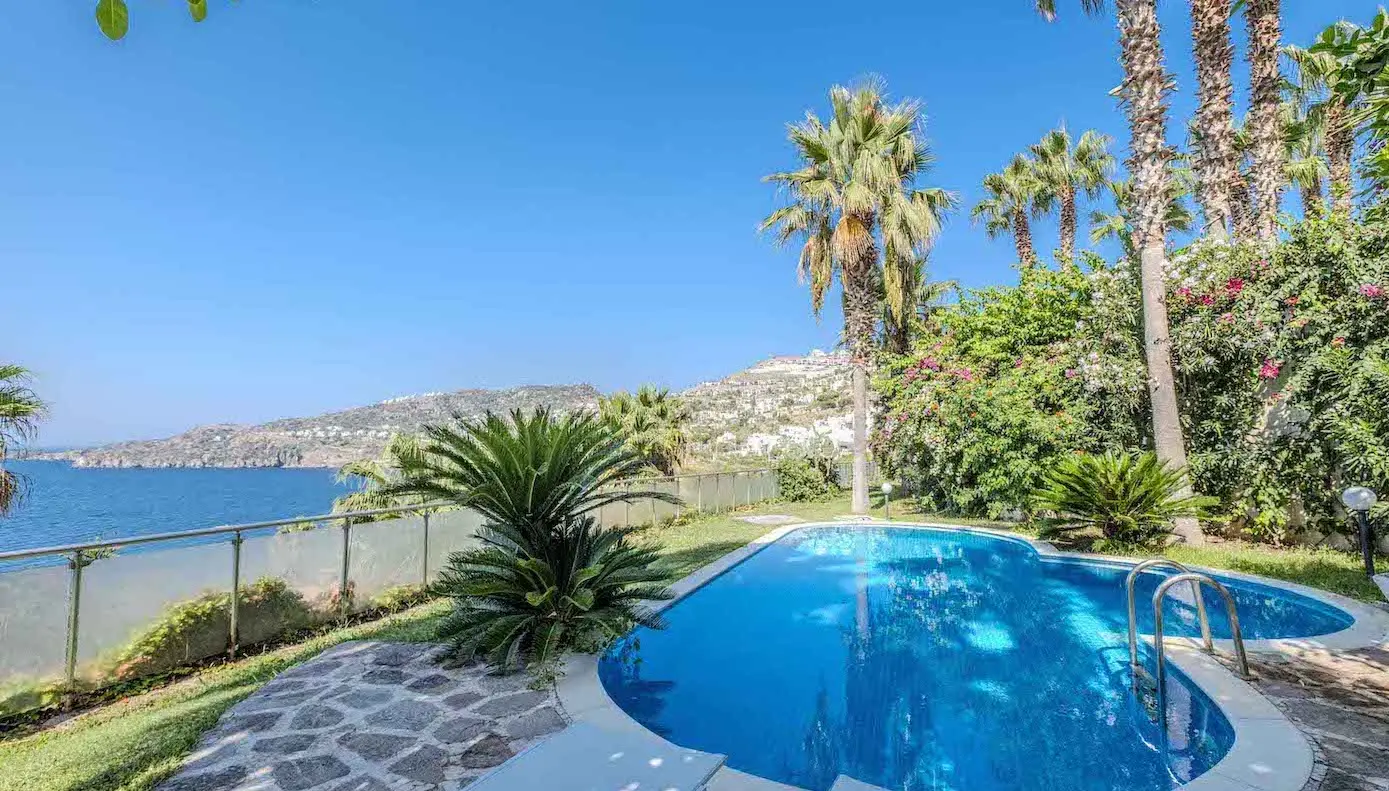
Kalkan: Is known for large, luxury villas with private infinity pools. Reached via Antalya or Dalaman airports, Kalkan town maintains an exclusive vibe. Buy-to-let properties in this area generate good returns.
Dalyan: Is an affordable, nature-based destination that boasts historical vibes thanks to the Lycian rock tombs and the ruins of the city of Kaunos. Dalyan is also near the famous Iztuzu Beach.
Fethiye: Is a favourite destination of retirees offers one of the best costs of living, alongside a huge choice of destinations. Established expat communities make it easy to settle in.
Bodrum Peninsula: Maintains an exclusive vibe, and places like Yalikavak also host international millionaires and foreign royalty.
Final Thoughts: Retiring in Turkey
Retiring abroad to Turkey has become an increasingly sophisticated and financially lucrative endeavour for global retirees looking to stretch their wealth under the sun. Driven by the Turkish government's massive tax reforms, new residents who have not been tax-domiciled in the country for the past three years can now enjoy an incredible 20-year income tax exemption on all foreign-sourced pensions, rental returns, and dividends.
The Turkish property market remains a major draw, offering diverse investment options ranging from high-end modern villas in Bodrum's trendy Yalikavak sector to peaceful riverside stone houses in Dalyan, where you can cruise right past the ancient ruins of Kaunos and the cliffside Lycian Rock Tombs on your way to Iztuzu Beach.
While the classic route to a Turkish passport and full passport ownership under the Turkey citizenship by investment programme requires a secure $400,000 real estate asset held for three years, retirees looking for a simpler lifestyle pathway typically opt for short-term residency based on property ownership, which currently requires a uniform countrywide minimum Title Deed registration value of $200,000.
This path allows foreigners to bypass restrictive loops, giving you direct, long-term access to a modern country boasting an affordable Public Transport network of local dolmuş minibuses, remarkably low annual property taxes, and exceptional, English-friendly healthcare hubs across major expat favourites like Antalya, Izmir, and Kalkan.
FAQs: How to Retire in Turkey
Q: How much money do I need to retire in Turkey?
A: The money you need to retire will depend on the lifestyle you want and where you move. For example, homeowners save on rent. Healthcare options will depend on private healthcare, public health insurance, or paying as you go if over 65. Retirees in Fethiye have lower living costs than retirees in Yalikavak, Bodrum, since the latter is known for attracting wealthy millionaires from around the world. Istanbul is more expensive to live in than other places like Antalya or Izmir.
Q: Can a UK citizen retire to Turkey?
A: Yes, many UK citizens enjoy retirement in Turkey. Most live on residency permits rather than Turkish citizenship, but the latter is available to those who purchase a home worth $400,000. Instead of moving to working cities like Istanbul, most British retirees live on the south or west coasts.
Contact Us for Retirement and Investment Options
We are Property Turkey, an investment and lifestyle specialist in Turkey that has helped thousands of foreign buyers purchase homes, either for holidays or permanent living. We hope we have answered your questions and given enough general information about Turkey. If you are looking to invest in Turkey and have general questions, call us today to speak with a local agent, or see our portfolio of homes you can live in when you retire in Turkey.
END
Subscribe To Our Media
Sign up To Save, Explore & Revisit Your Favourite Properties.
Sign up To Save, Explore & Revisit Your Favourite Properties.
Forget Password
Property Enquiry
Apply Now
Sense Sisli central Istanbul 10% income properties







 X
X