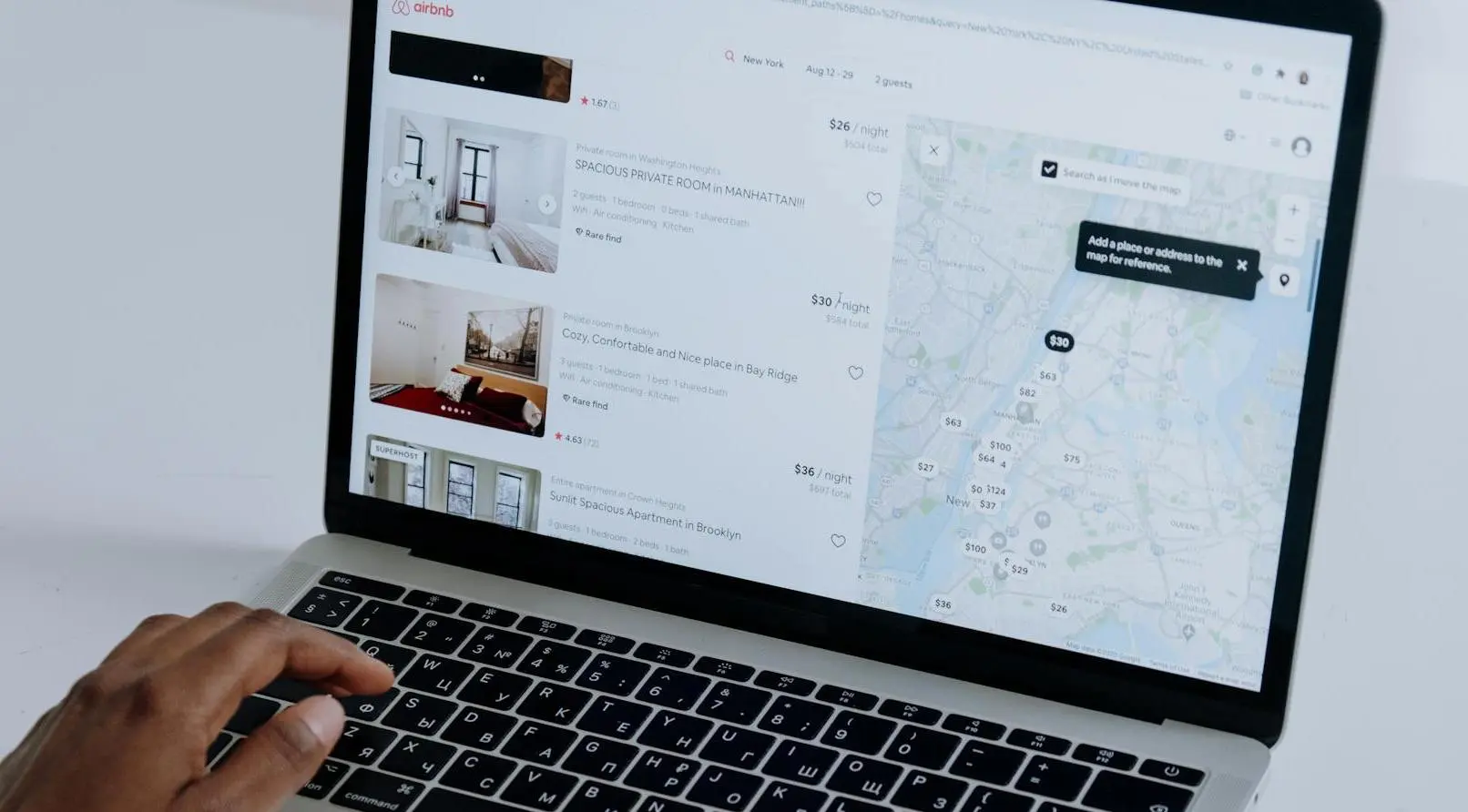
If an estate agent tells you that any apartment in Turkey can be purchased and placed on Airbnb, be very careful. Short-term letting in Turkey is no longer an informal extension of ordinary residential renting. It is a regulated tourism activity, with permits, operating requirements, and serious penalties.
That does not mean Airbnb in Turkey is dead. Far from it. Properly licensed short-term rentals can still produce some of the strongest rental returns available to property investors, particularly when the property is selected specifically for this business model.
What has disappeared is the easy version: buy a random apartment, upload photographs, hand the keys to a local agent, and collect money throughout the year. Law No. 7464 has fundamentally changed that model, while platform-level permit verification has made illegal operation increasingly difficult.
For investors, this creates both a warning and an opportunity. Most residential properties are poor choices for an Airbnb strategy. A relatively small group of legally operable properties, professionally managed in locations with high year-round occupancy, can become much more valuable as unlicensed competition disappears.
Is Airbnb Actually Dead in Turkey?
No. Amateur Airbnb is dying. Turkey has not banned short-term rentals; it has changed the legal structure under which they can operate. Properties that satisfy the rules can still be rented for short stays, while owners remain free to earn income through legal tourism accommodation.
What has changed is the assumption that every apartment can become an Airbnb. Under Law No. 7464, a rental for 100 days or less is treated as tourism-purpose letting rather than an ordinary residential lease and requires a specific permit.
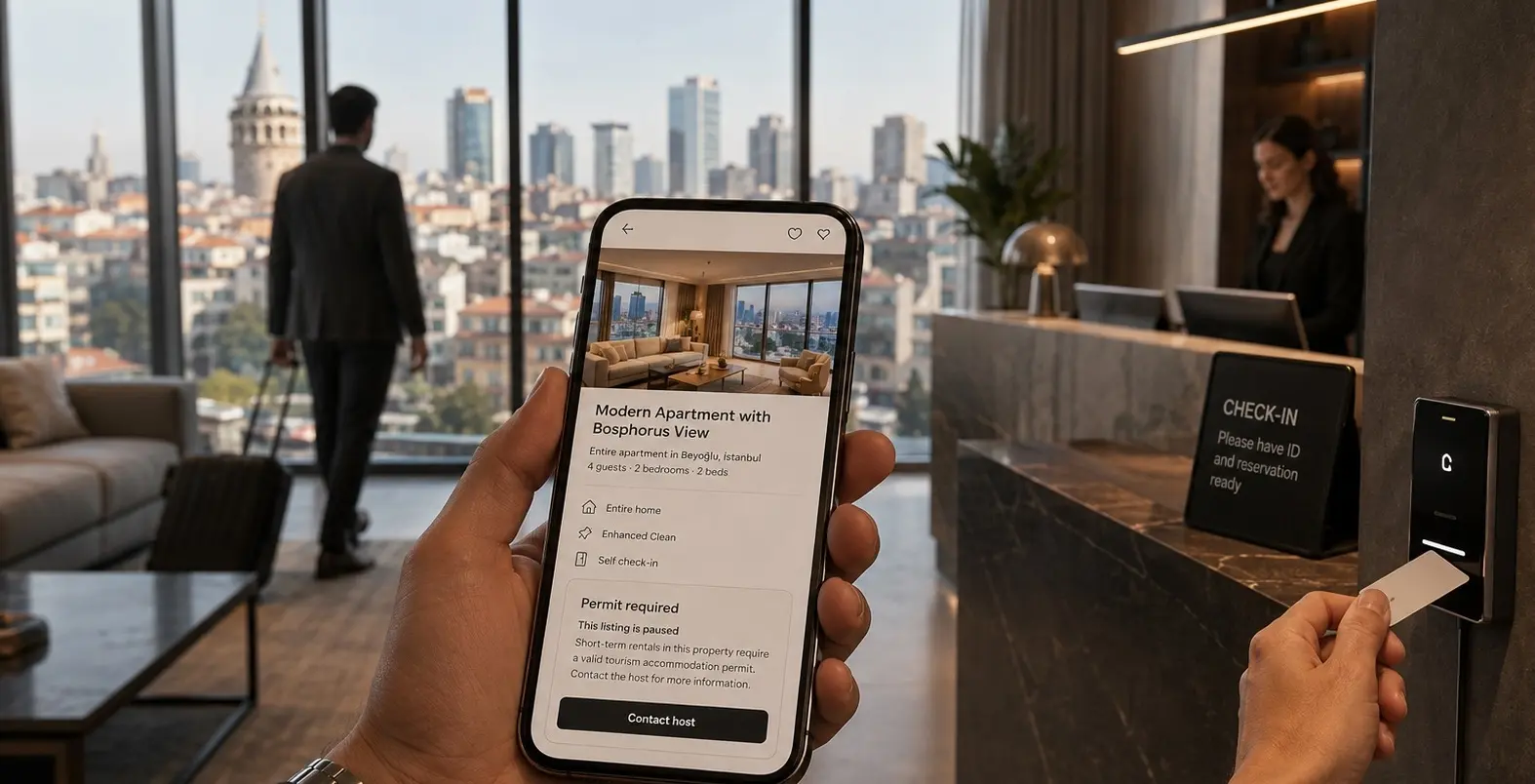
For many apartment owners, the difficult part is not completing an online form. It is proving that the property itself can legally operate within the system. This is where casual investors can discover that a seemingly perfect Airbnb apartment cannot obtain the necessary approval.
The government direction is clear: short-term accommodation is being pushed towards a more controlled, documented, and professional model with identifiable operators, legal properties, guest reporting, safety standards, and visible permit numbers. For serious investors, that is not bad news.
What Law No. 7464 Changed
Law No. 7464 came into effect from 1 January 2024 and established the current framework governing short-term residential rentals in Turkey. The legislation covers properties rented for periods of 100 days or less per contract.
The legislation applies to tourism-purpose residential rentals, regardless of whether bookings originate through Airbnb, Booking.com, another platform, or direct reservations. Several core rules are important for property investors:
- A tourism rental permit is required before short-term letting begins.
- The property must meet the relevant accommodation and safety requirements.
- Permit information must be displayed correctly in advertising.
- Guest identification must be reported under the applicable system.
- Ordinary tenants cannot simply sublet residential property as an Airbnb business.
- Room-by-room residential Airbnb letting is not the standard permitted structure.
- Rules differ for ordinary apartments, detached homes, and qualifying high-quality residences.
Why Most Ordinary Apartments Cannot Do Airbnb
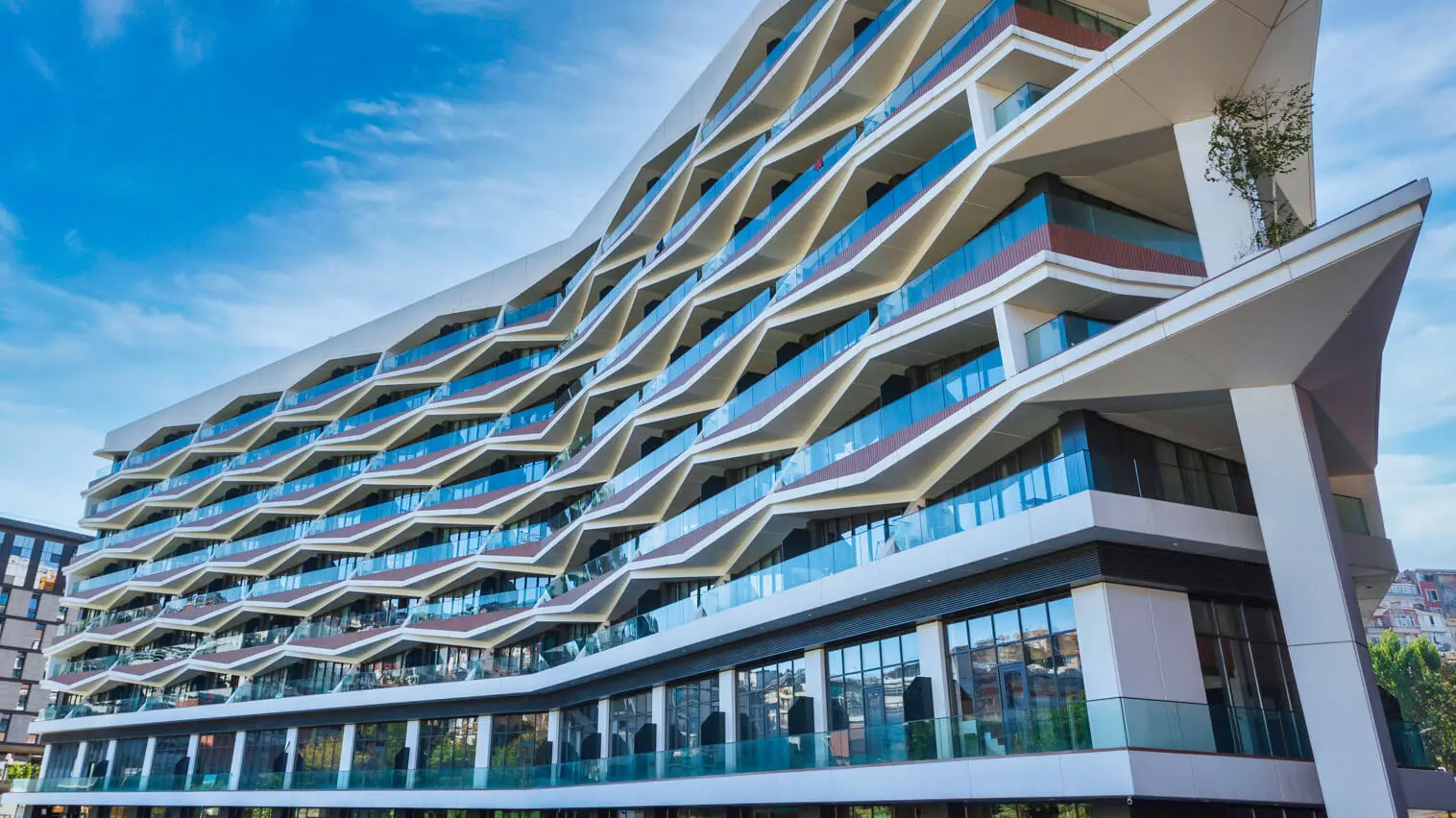
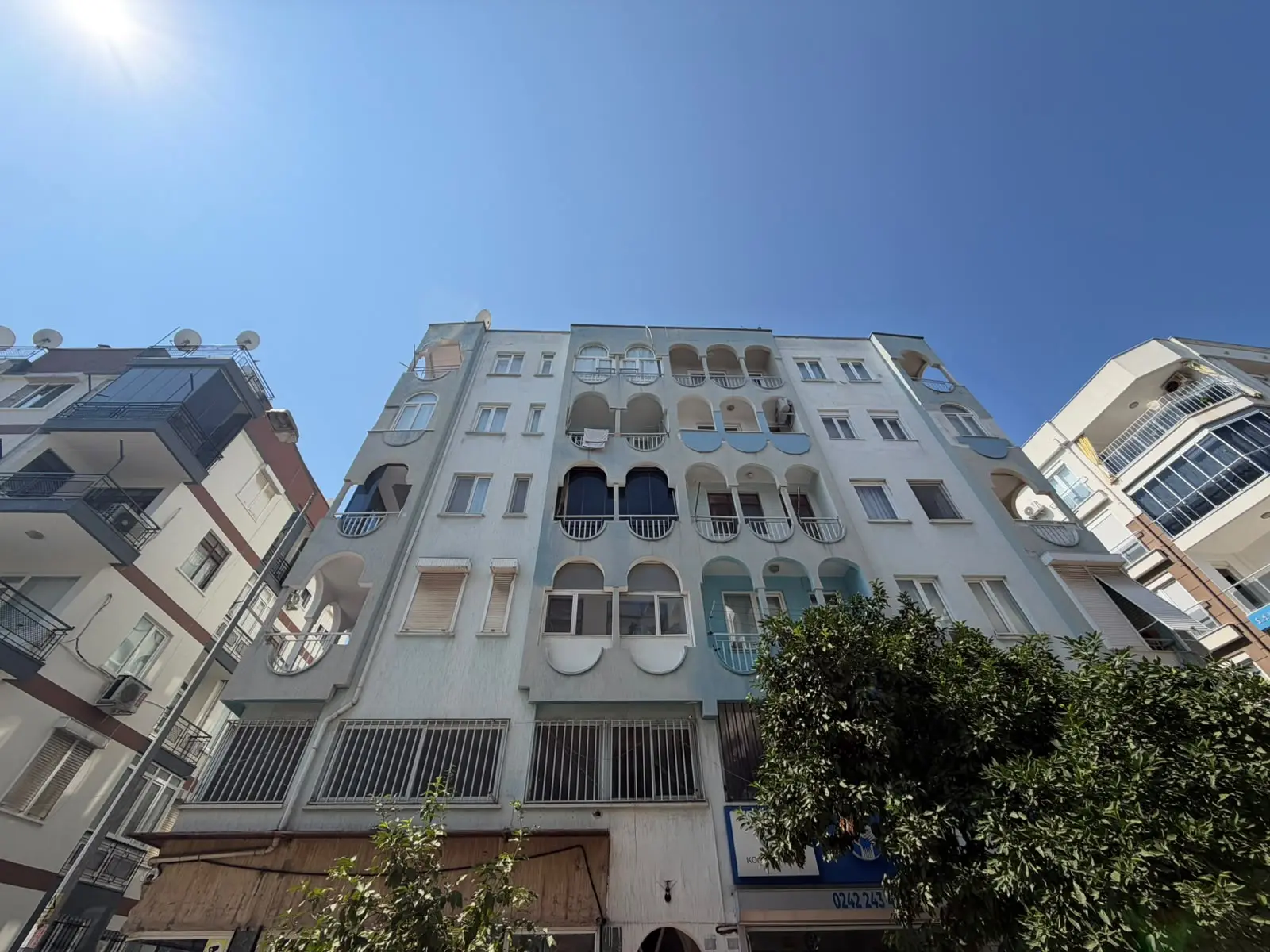
The biggest issue for a typical apartment is building consent. For an ordinary independent apartment inside a multi-unit residential building, the application requires unanimous approval from apartment owners in that building. The decision must be documented in the required form.
Think about what that means in practice. An investor might find a beautiful one-bedroom apartment in central Istanbul. The price might be excellent. Tourist attractions could be within walking distance. Comparable Airbnb listings might appear to charge attractive nightly rates. None of that matters if the building cannot support the permit.
One owner who objects to tourists entering the building can prevent the required unanimous decision. That makes buying a property first and investigating Airbnb permission afterwards an extremely risky investment strategy.
There are additional restrictions. In buildings containing more than three independent sections, permits issued to the same landlord are limited to 25% of the units. Where more than five units in the same building are involved, additional business licensing requirements apply.
The Fines and Penalties for Unlicensed Airbnb in Turkey
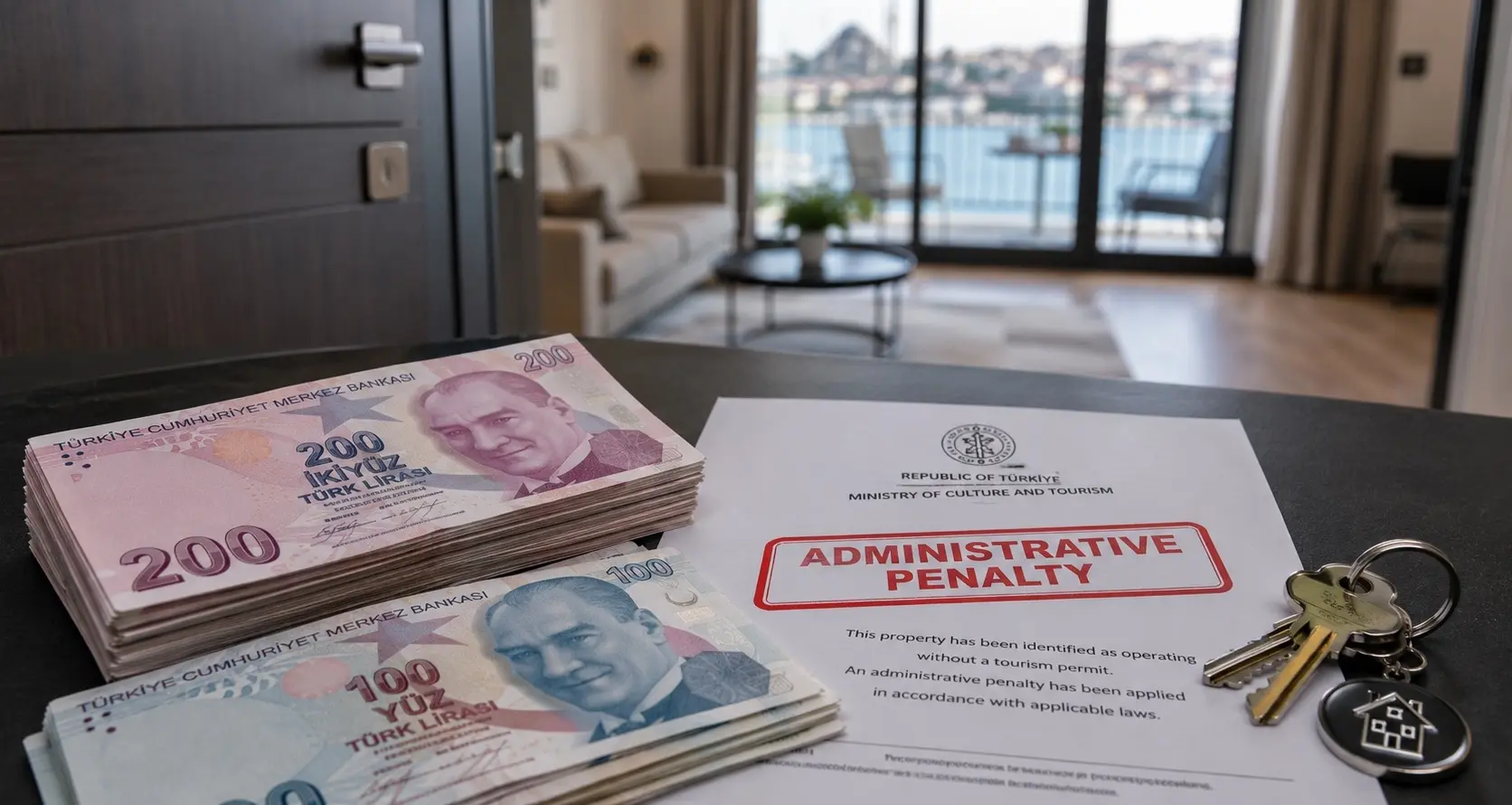
The penalties for operating an unlicensed Airbnb in Turkey are heavy. In Fethiye, authorities fined owners of 42 unlicensed villas more than 6 million Turkish Lira in 2025. Investigators also identified attempts to disguise short stays through artificial contracts exceeding 100 days.
Turkey's Ministry of Culture and Tourism has repeatedly emphasised that unlicensed short-term letting is subject to enforcement, while permit holders themselves also face requirements concerning advertising, guest information, property standards, and operation.
Violation
2026 Administrative Penalty
First detection of unlicensed tourism letting
180,617 TL per property
Continued operation after the initial period
903,088 TL
Further continued illegal operation
1,806,177 TL
Intermediating an unlicensed property
180,617 TL per relevant contract
Airbnb Has Closed Much of the Grey Area
From 1 April 2026, Airbnb introduced stronger verification requirements for Turkish properties. Hosts adding listings in Turkey are required to submit relevant permit information, including the applicable tourism rental or tourism establishment certificate details.
The information is checked against government records. Incorrect or outdated information can prevent the property from continuing to host through the platform. This is a major development because enforcement no longer depends on an inspector finding a property operating without permission. Airbnb itself now requires proof that the accommodation belongs within the legal system.
Market supply has already fallen sharply. By July 2026, active short-term rental listings on Airbnb were down 58.9% year-on-year in Istanbul, 27.6% in Bodrum, and 26.8% in Antalya. For professional operators, this is an advantage. If fewer owners can legally enter the market while tourism demand remains high, licensable properties with experienced management have a stronger competitive position.
High Nightly Rates Do Not Equal High Returns
This is one of the biggest mistakes we see property investors make. They look at Airbnb and compare nightly prices. A luxury villa in Yalıkavak might command several times the nightly rate of a central Istanbul apartment. On the surface, Bodrum can look like the obvious winner.
But nightly price is only one side of the equation. The second number is occupancy. A Bodrum property charging 14,000 TL during summer can still generate disappointing annual income if it spends much of autumn, winter, and spring without bookings. Management fees, service charges, maintenance, utilities, and other ownership costs continue even when the property is empty.
Istanbul vs Bodrum vs Antalya on Airbnb
Market
Typical Nightly Price
Average Occupancy
Rental Pattern
Best Suited To
Istanbul
Around $84 USD
Around 61%
Strong year-round demand
Pure rental investors
Bodrum
Around $310 USD
Around 46%
Very strong summer, highly seasonal
Holiday-home owners
Antalya
Around $208 USD
Around 51%
Longer season, but still seasonal
Lifestyle and rental buyers
Source: AirDNA Market Data, July 2026.
Bodrum's average nightly rate is more than three times Istanbul's. That looks attractive until the booking calendar is considered. Istanbul does not need to charge Bodrum prices because demand is spread much more evenly across the year.
AirDNA's seasonality data helps show the difference. Istanbul scores 91 out of 100, compared with 46 for both Bodrum and Antalya. In simple terms, Istanbul has much more consistent booking demand across the calendar, while the coastal markets depend far more heavily on seasonal peaks.
This is why investors should focus on annual occupancy and net income rather than nightly rates. A lower nightly price multiplied across far more occupied nights can produce a stronger and more dependable result.
The Problem with Coastal Airbnb Investment
Property Turkey operates short-term rental properties across several Turkish markets, including Istanbul and coastal destinations such as Bodrum, Antalya, and Fethiye. The differences between these markets become clear once the summer season ends.
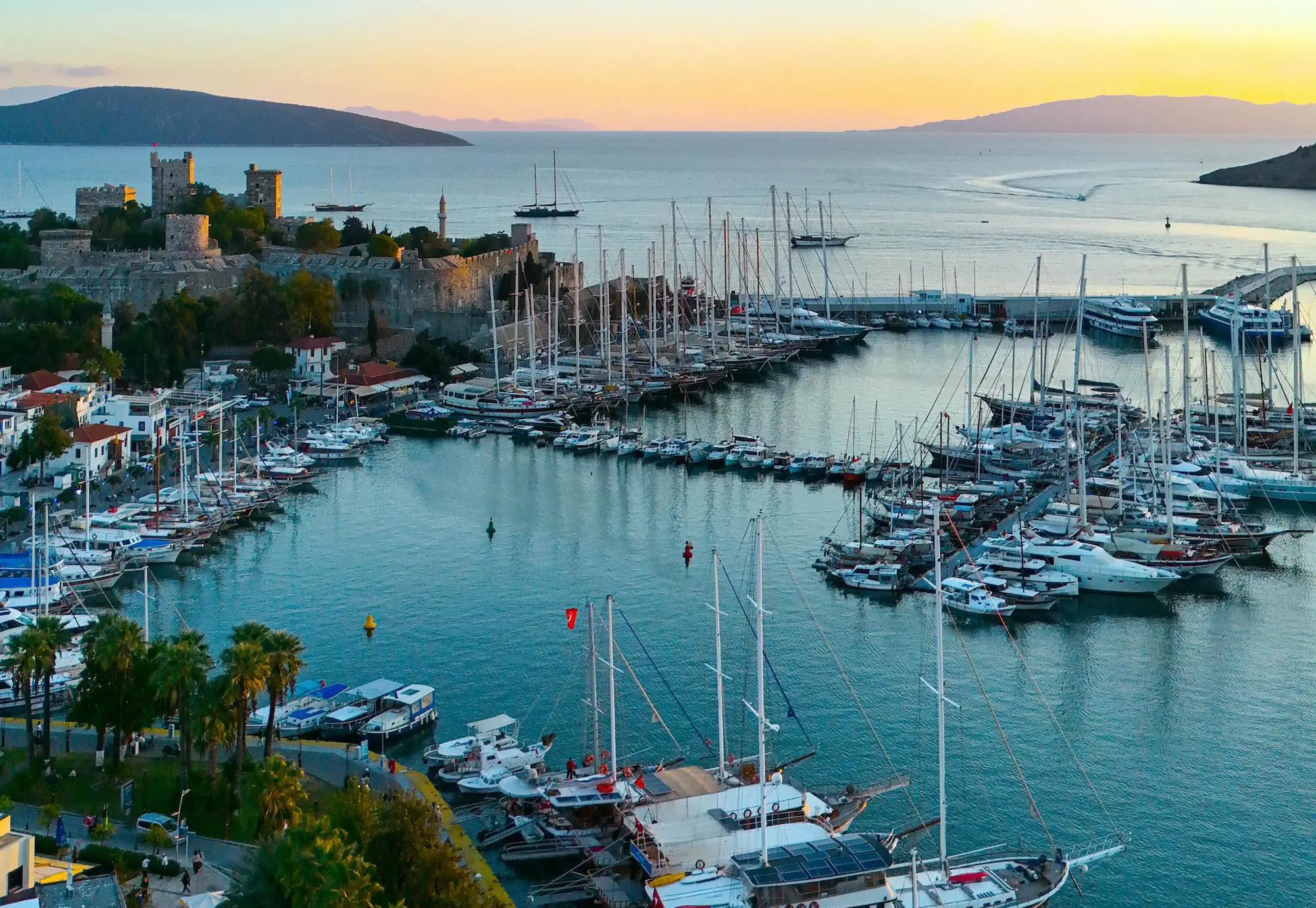
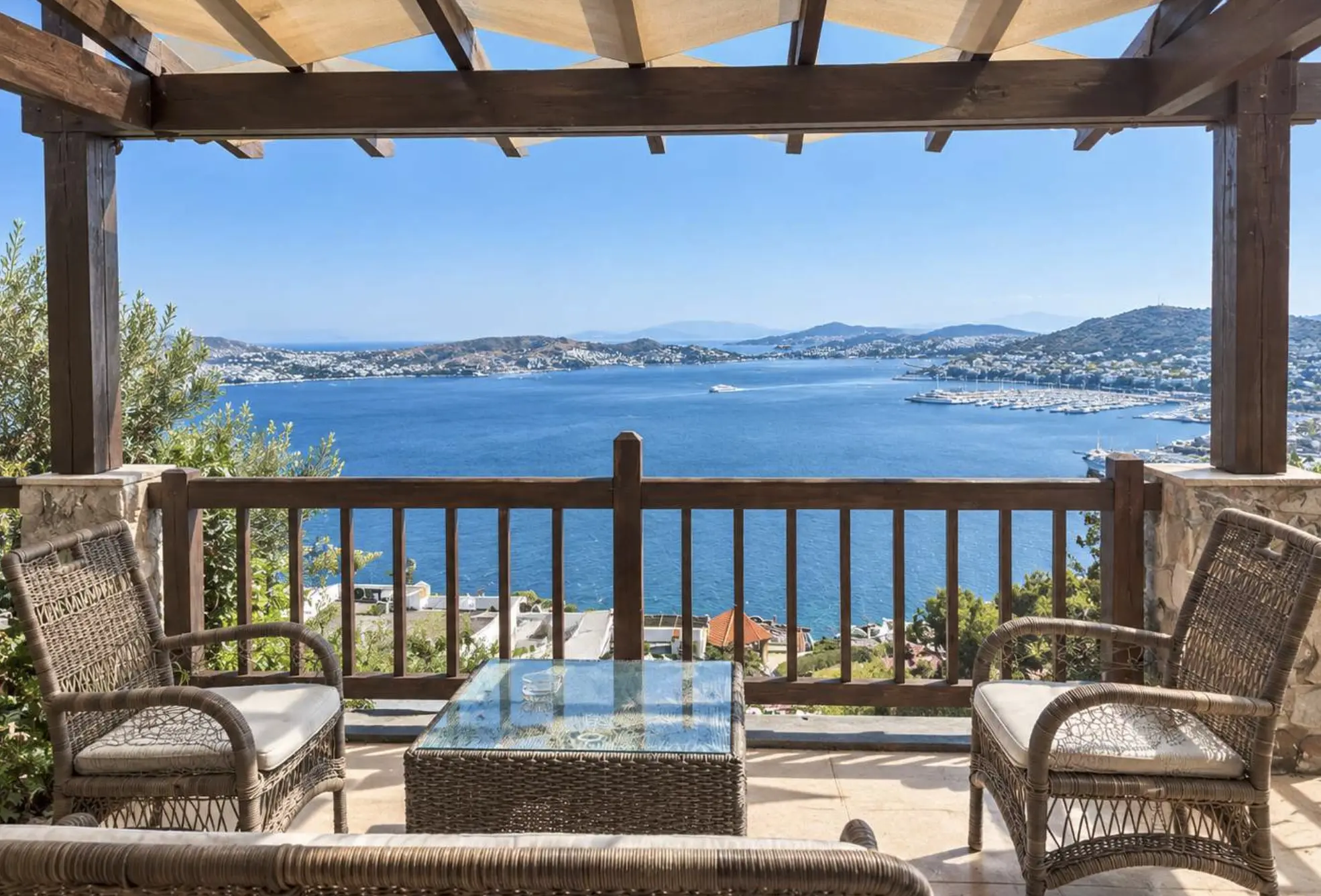
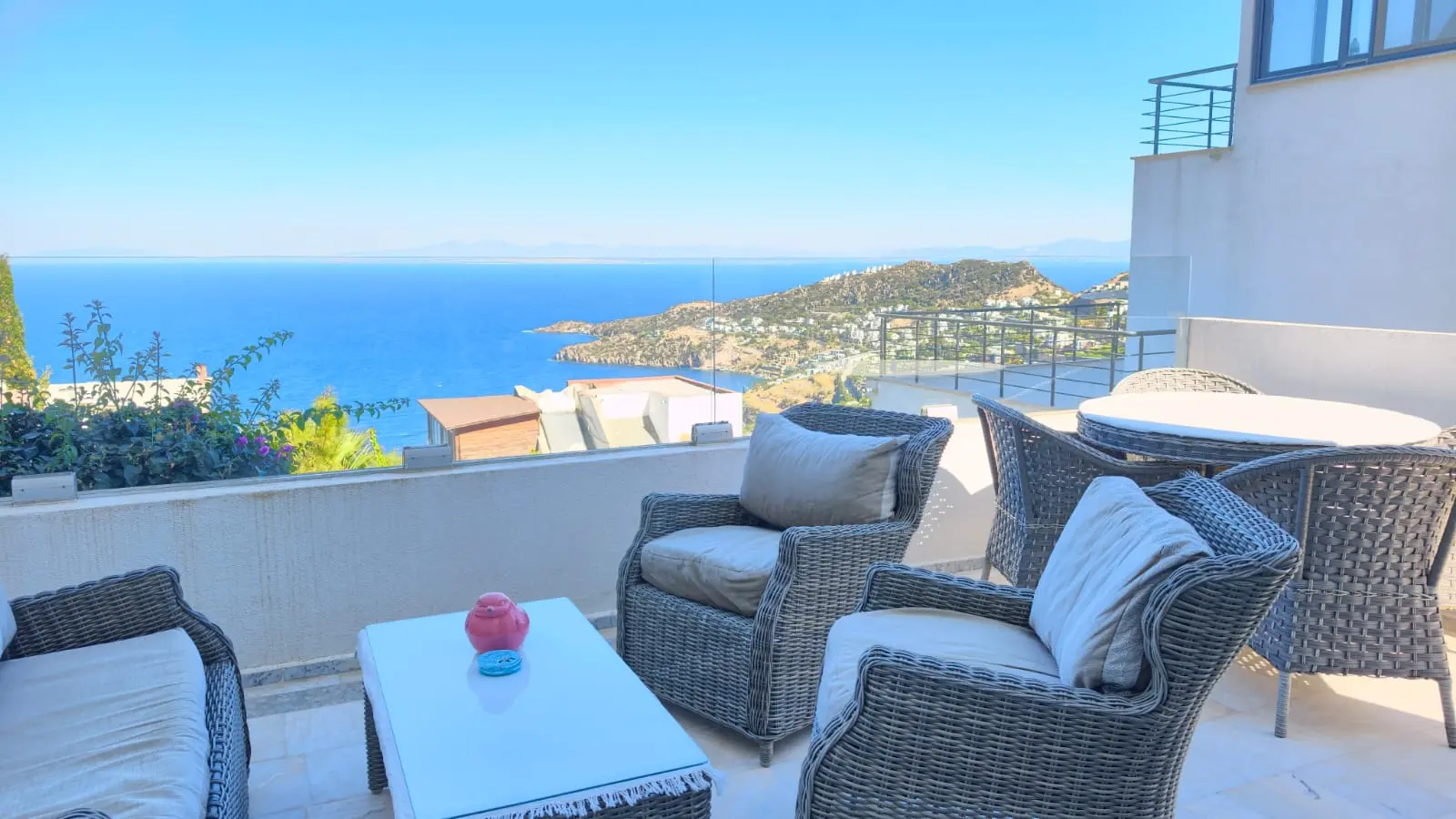
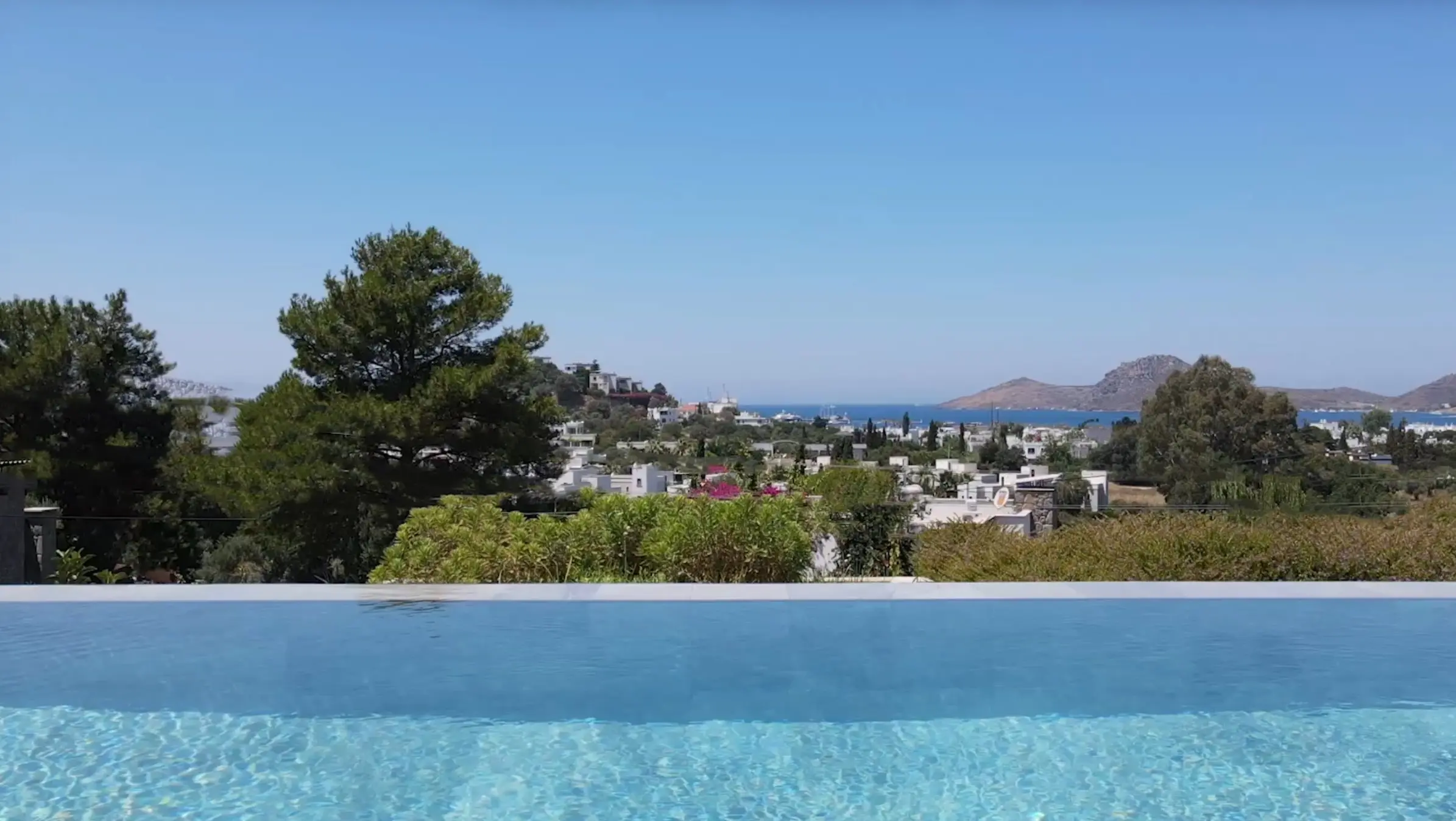
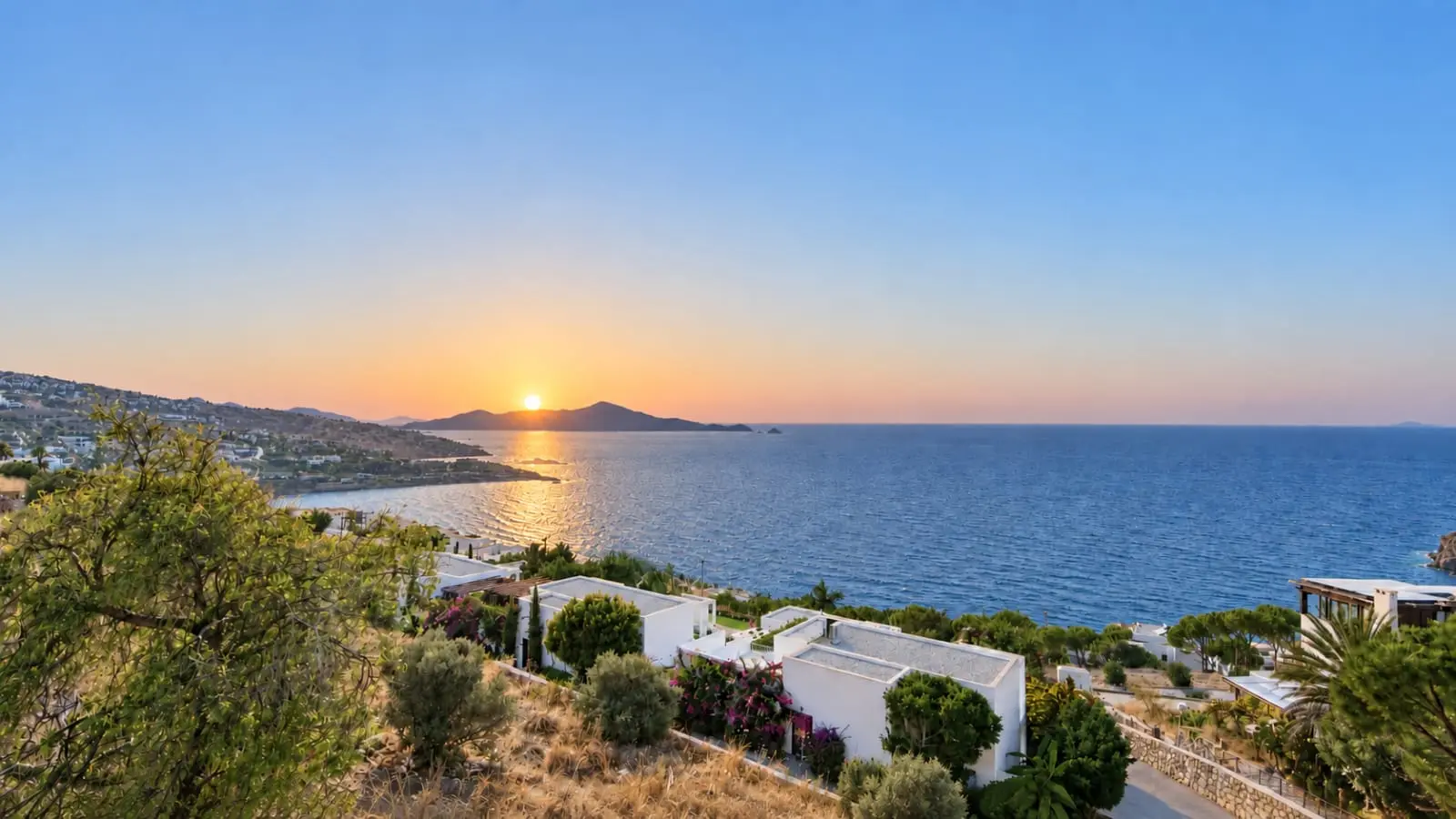
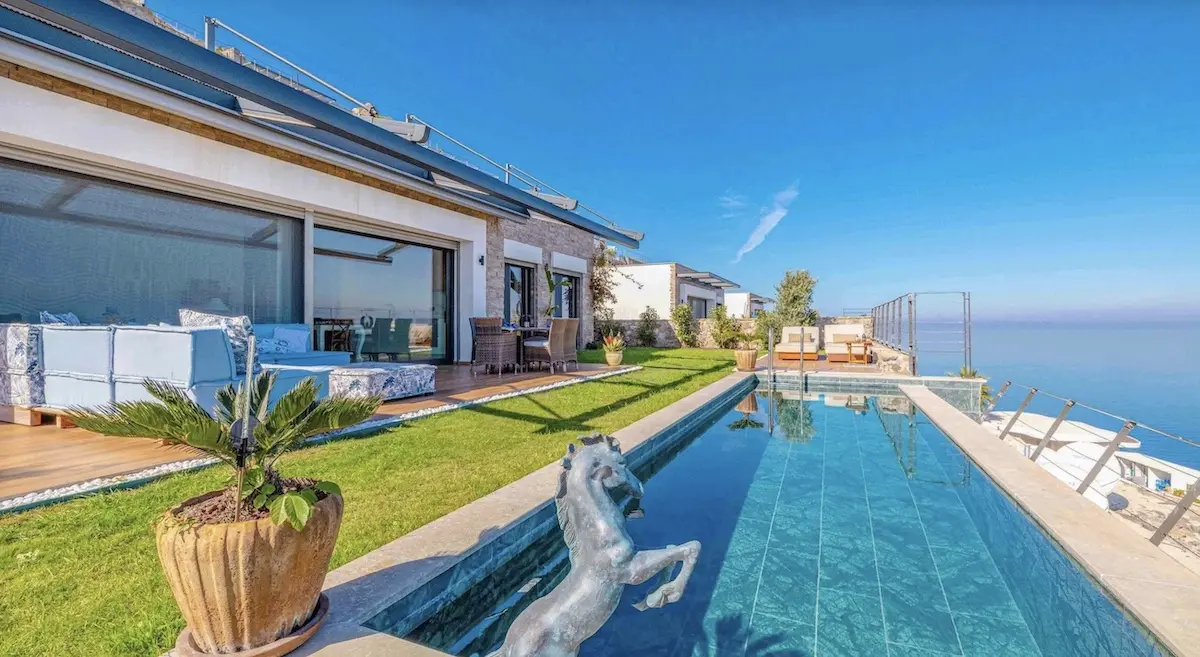
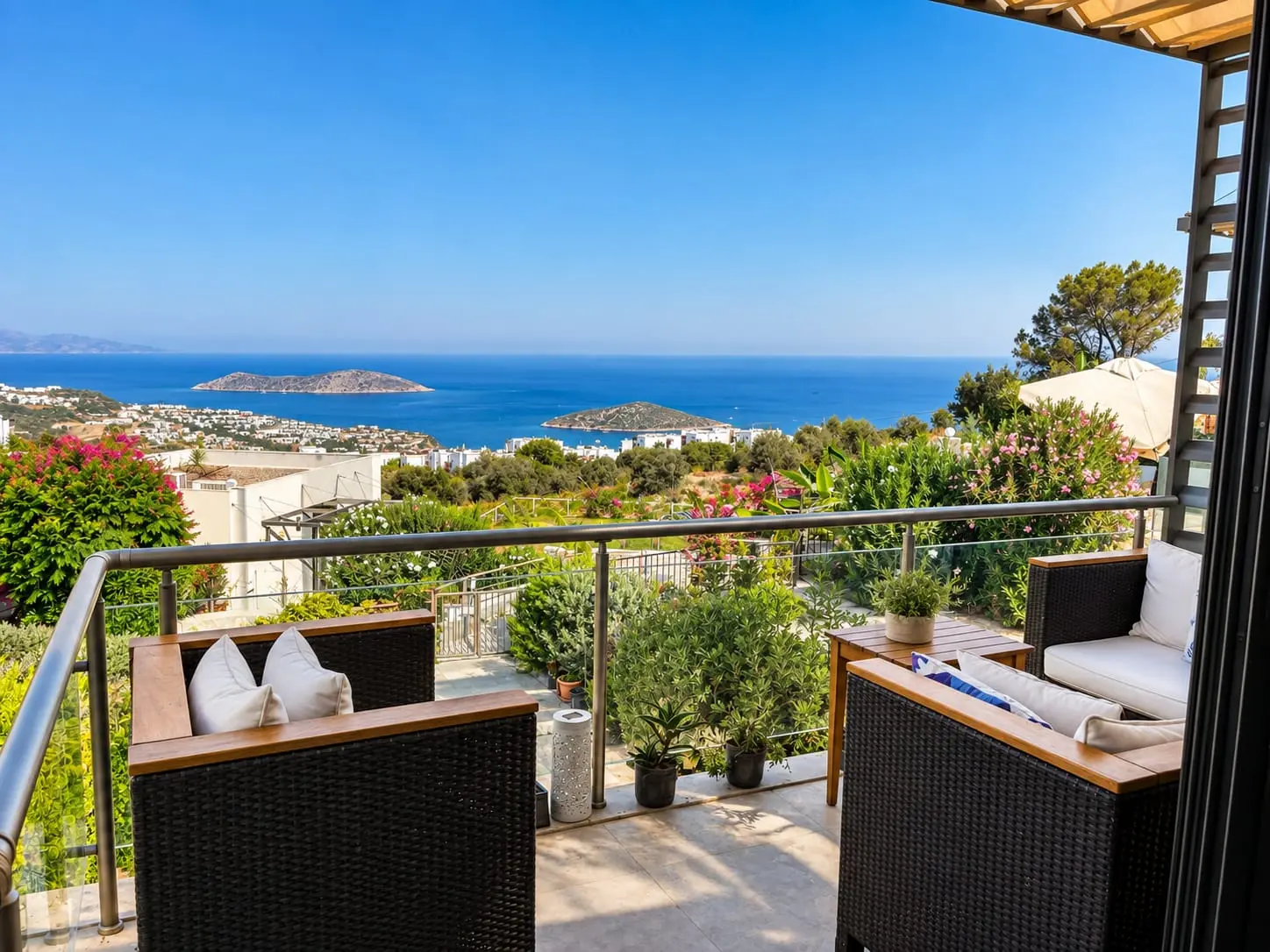
Bodrum can produce exceptional peak pricing. Areas including Yalıkavak and Türkbükü attract wealthy international visitors, yacht traffic, and affluent domestic tourism, creating periods when high-quality properties can achieve very strong nightly rates.
For somebody who owns a holiday home in Bodrum and wants additional rental income while they are not using it, that can work extremely well. A pure investor who does not plan to spend summers in Turkey should analyse the opportunity differently.
For a pure short-term rental investor, the lesson is simple. Do not chase the highest nightly rate. Chase the strongest combination of legal operation, sensible purchase price, high occupancy, and consistent annual demand.
Why Central Istanbul Is Different
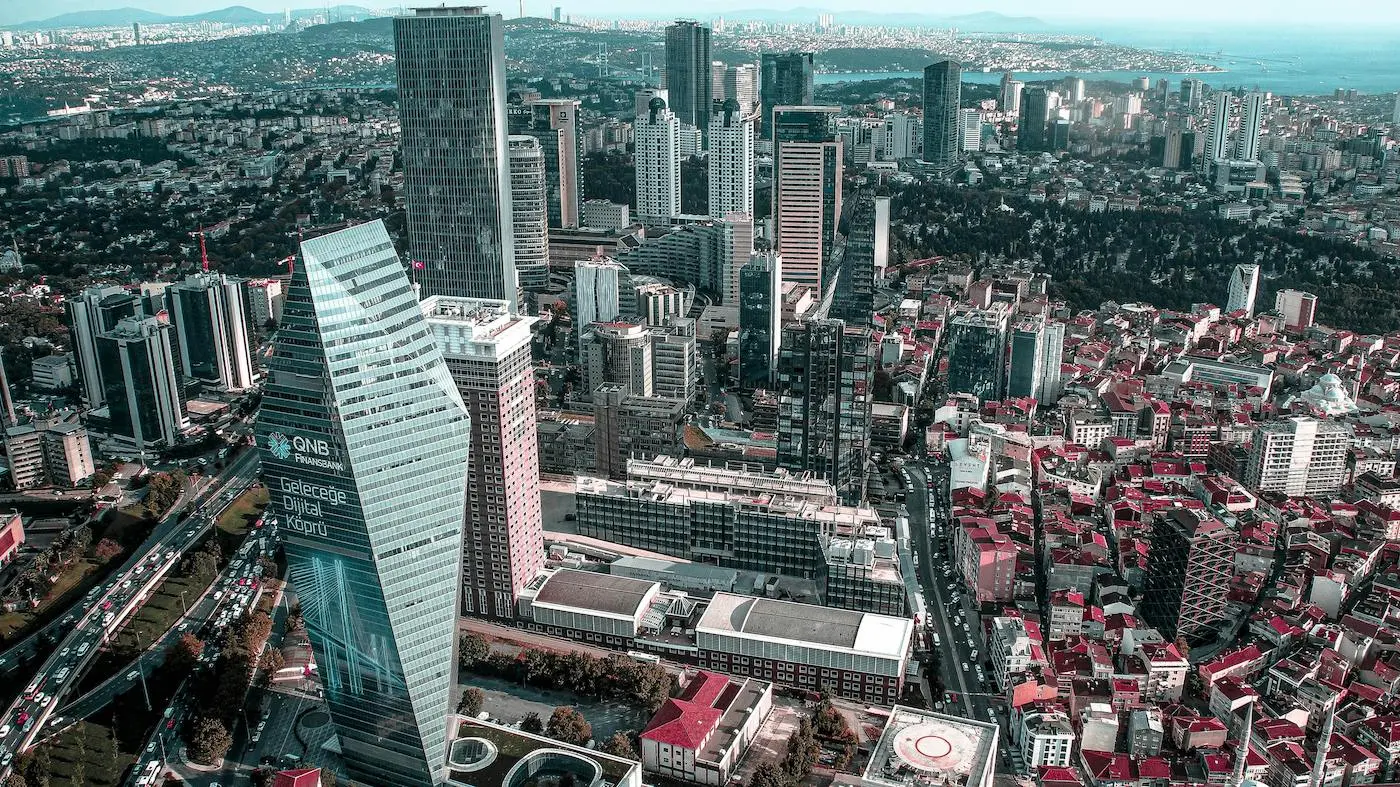
Istanbul does not depend on one tourism season. The city recorded 18.97 million foreign visitor arrivals in 2025. Turkey as a whole recorded 52.78 million, meaning Istanbul represented 36% of total foreign visitor arrivals.
More importantly, those visitors do not disappear outside summer. 1.49 million foreign visitors travelled to Istanbul in December 2025. January recorded 1.27 million. November recorded 1.46 million. That is what a short-term rental investor needs to see. Istanbul demand comes from multiple sources:
- International leisure tourism.
- Domestic tourism.
- Corporate and business travel.
- Exhibitions and trade fairs.
- Medical tourism.
- University and education-related stays.
- Sporting and cultural events.
- Religious holiday periods.
- Weekend city breaks.
- Visiting friends and family.
When one segment slows, another can keep the calendar moving. For a yield-focused short-term rental investor, this demand base is often more valuable than the ability to charge an exceptional rate for a short summer period.
Why Invest in Beyoğlu, Şişli, and Beşiktaş
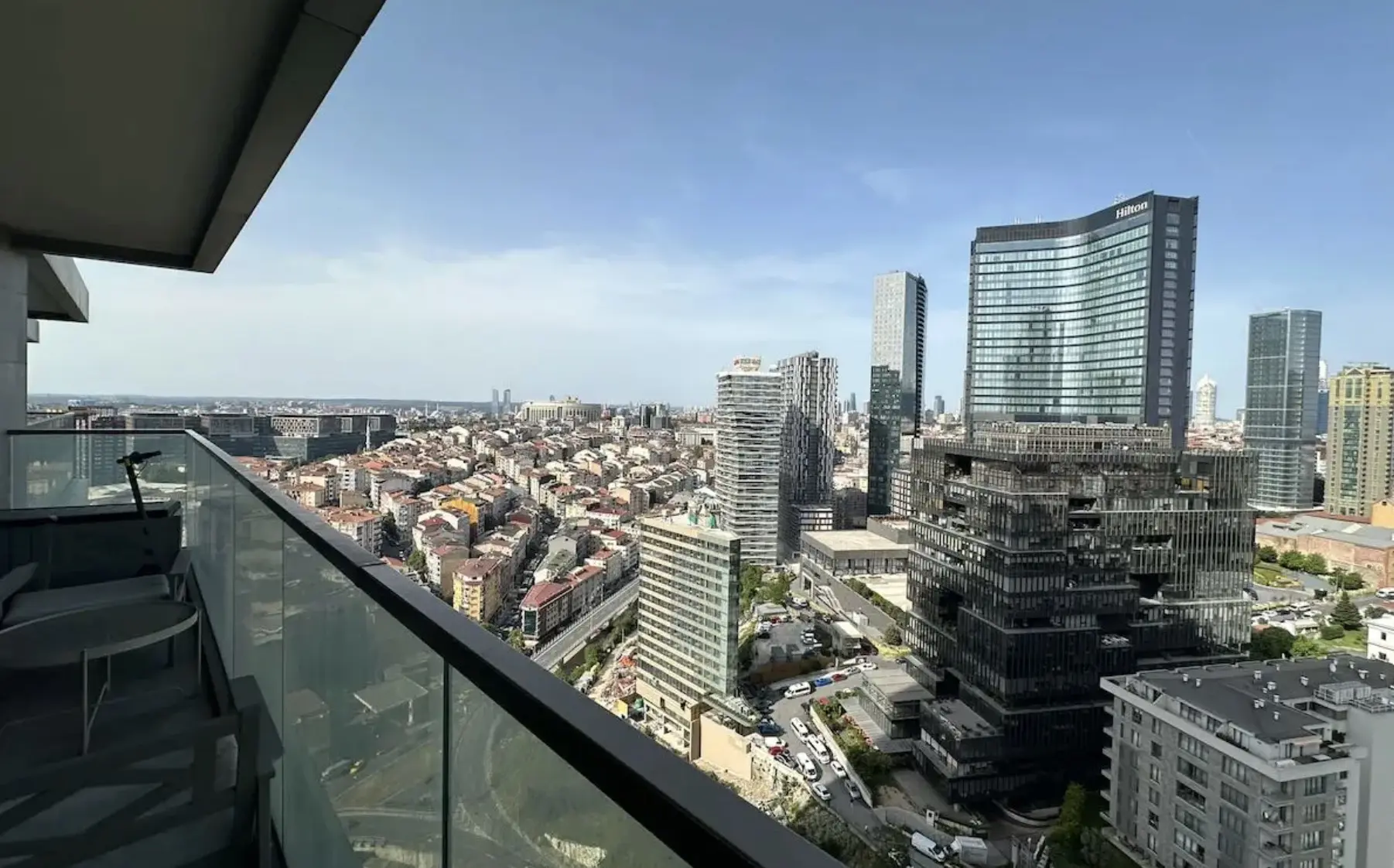
Not every Istanbul district produces the same short-term rental numbers. The strongest performance tends to come from selected central stock in Beyoğlu, Şişli, and Beşiktaş – where tourism, business, entertainment, healthcare, and transport demand overlap.
Beyoğlu: Benefits from Taksim, Galata, İstiklal Avenue, cultural attractions, nightlife, and access to the historic peninsula. It serves visitors and tourists who want central Istanbul rather than suburban accommodation.
Şişli: Has a different demand profile. Business travellers, medical visitors, shoppers, and longer-stay guests add depth beyond conventional sightseeing, while areas around Nişantaşı, Bomonti, and major commercial zones provide year-round reasons to stay.
Beşiktaş: Combines tourism with business, universities, Bosphorus access, entertainment, and some of Istanbul's strongest established residential districts. Correctly located accommodation can attract both international and domestic bookings.
Property Turkey's Short-Term Rental Data
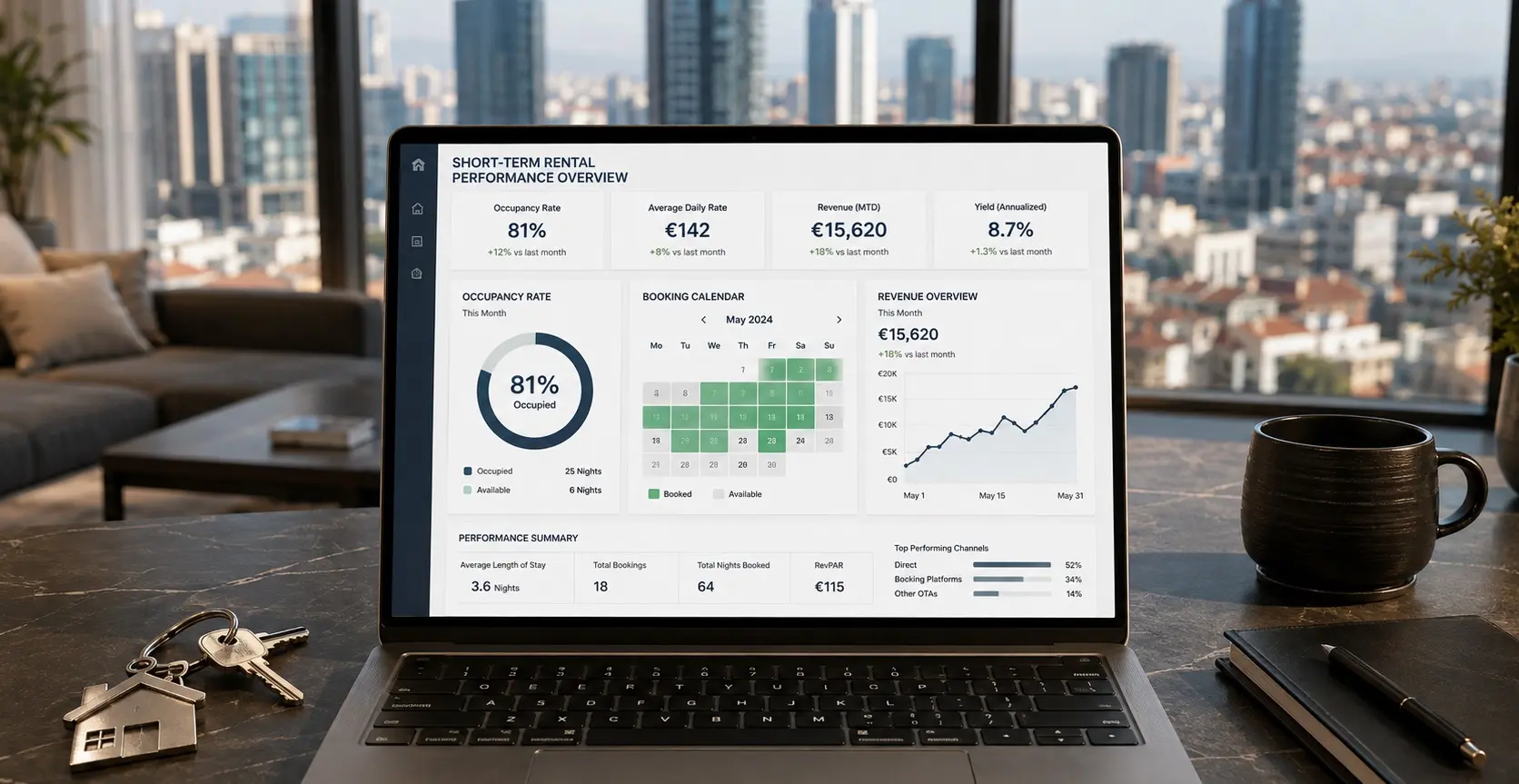
Property Turkey's managed portfolio gives a more targeted view than citywide averages. Select properties operated within Beyoğlu, Şişli, and Beşiktaş have achieved occupancy levels of 80%. That is substantially above Istanbul's wider short-term rental market average of 61%.
This performance does not come from simply uploading a listing. The properties have to be selected correctly, priced correctly, operated legally, and actively managed. Guest communication, review performance, photography, channel management, cleaning standards, and dynamic pricing all influence annual occupancy.
On selected investments, our internal figures indicate investors can achieve net rental income yields exceeding 8% after relevant taxation, subject to the individual purchase price, operating costs, and performance of the property.
That is not a guaranteed return, but it demonstrates what can become possible when property selection and professional operation are treated as one investment strategy rather than two separate decisions.
Professional Management: More Important Than Ever
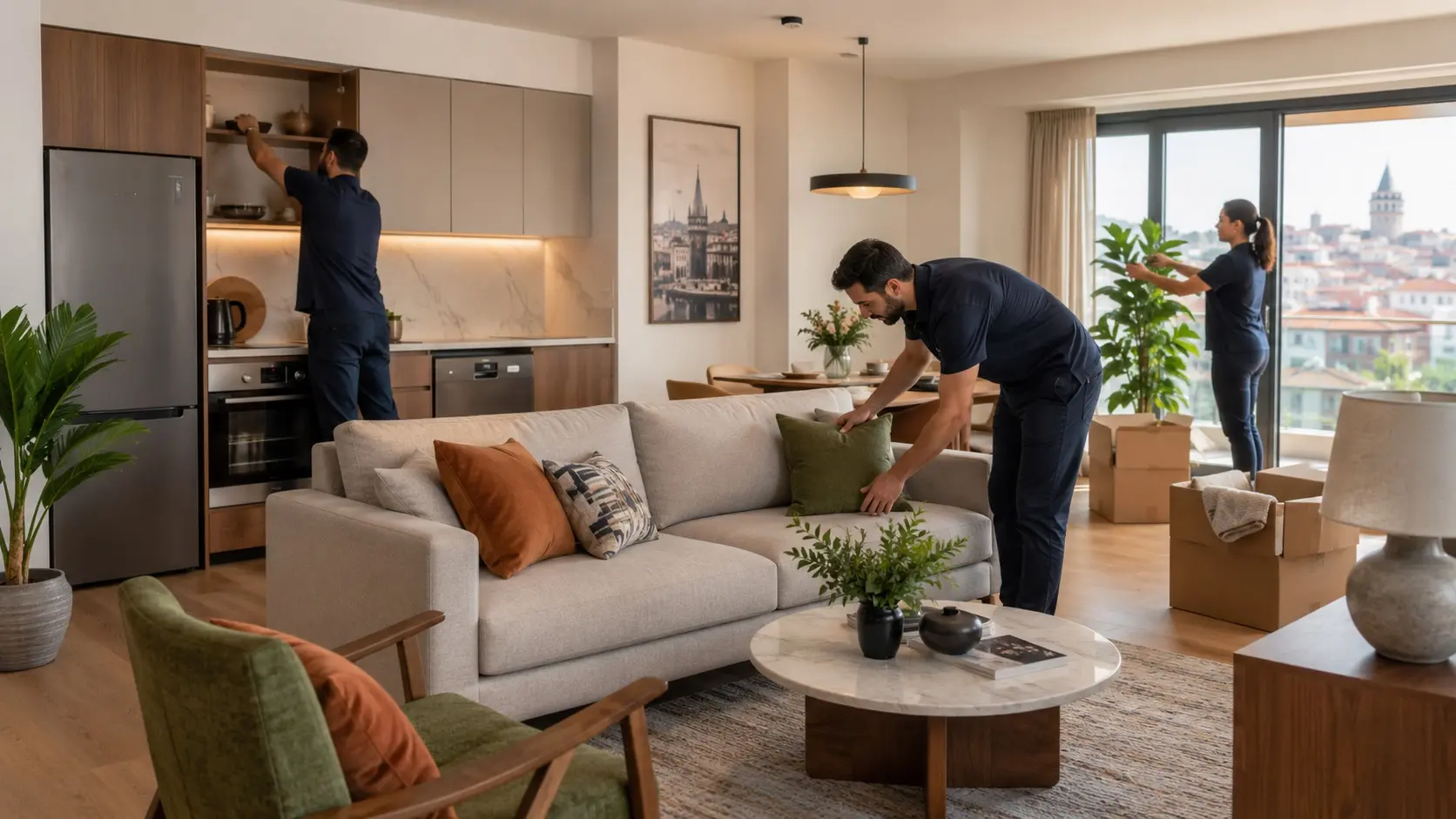
Airbnb management used to sound straightforward. Take photographs. Write a description. Answer messages. Arrange cleaners. Hand over keys. That is no longer enough. Operating legal short-term accommodation in Turkey involves a wider set of responsibilities, including compliance, guest registration, property standards, platform requirements, and the commercial work required to maintain occupancy. A professional operator should be able to manage:
- Tourism rental compliance and permit coordination.
- Legal listing requirements.
- Guest identity reporting.
- Dynamic nightly pricing.
- Multi-platform distribution where appropriate.
- Professional photography and listing optimisation.
- Guest screening and communication.
- Check-in and check-out procedures.
- Cleaning and linen management.
- Maintenance and emergency response.
- Review management.
- Revenue reporting.
- Tax and accounting coordination.
- Building and neighbour relations.
This is why the direction of Airbnb regulation in Turkey favours professional investors. The government is not trying to eliminate tourism rentals. It is trying to remove unregistered accommodation, improve standards, protect neighbours and guests, and bring tourism activity into a regulated framework.
What Should an Airbnb Investor Buy in Turkey?
If short-term rental yield is the main objective, start with the operating model before choosing the property. Do not find a home you like and then ask whether Airbnb is possible.
1. Confirm the Legal Route: Establish whether the individual property and building can do legal short-term letting. Do this before paying a reservation deposit or relying on projected Airbnb income.
2. Prioritise Occupancy Over Headline Rates: Study how many nights the property can realistically sell across 12 months. A lower rate multiplied by far more occupied nights can produce substantially better annual returns.
3. Buy Into Real Demand: Central tourism, business, healthcare, and transport locations provide multiple booking sources. This reduces dependence on one tourist season or one type of guest.
4. Keep the Purchase Price Sensible: Rental yield starts with purchase cost. Paying an inflated price for a luxury asset can destroy the percentage return even if gross rental revenue appears impressive.
5. Use Professional Management: Short-term letting has become a tourism business. The operator should understand regulation, pricing, occupancy, guest management, and the operational details required to keep the property competitive.
So, Is Airbnb Dead in Turkey?
Airbnb is not dead in Turkey; the amateur model is. The era when almost anyone could purchase an apartment, place it online, and operate informally is being closed by legislation, platform verification, and enforcement.
What remains is a more professional market. Investors need a legally suitable building, the correct permit structure, a location capable of producing occupancy throughout the year, and professional management capable of turning those nights into sustainable income.
For pure rental investors, this usually means affordable central Istanbul rather than expensive seasonal resort stock. Beyoğlu, Şişli, and Beşiktaş can combine international tourism with business, medical, domestic, and city-break demand across 12 months.
Selected Property Turkey-managed units in these areas have achieved occupancy of up to 80%, with net income yields exceeding 8% on suitable properties, after relevant taxation and operating costs. The opportunity has not disappeared; it has become harder to access.
And for investors who buy the right property and operate it properly, that may be exactly what makes the opportunity more valuable. For more information about legal Airbnb in Turkey, enquire to speak with our professional advisors and local experts.
FAQs About Airbnb in Turkey
Q: Is Airbnb legal in Turkey?
A: Yes. Short-term property rentals are legal when the property and operator comply with the applicable tourism rental legislation and permit requirements.
Q: Do I need a licence to Airbnb my property in Turkey?
A: For tourism-purpose residential rentals of 100 days or less, a tourism rental permit is required. The exact process depends on the property type, ownership, and building structure.
Q: Can any apartment in Istanbul be used for Airbnb?
A: No. Ordinary apartment buildings require unanimous owner approval, while the property must also satisfy wider permit requirements. Buying before checking eligibility can leave an investor with a property that cannot legally operate short-term.
Q: What is the fine for illegal Airbnb in Turkey?
A: The first administrative penalty for unlicensed tourism letting is 180,617 TL per property in 2026. Continued operation can increase penalties to 903,088 TL and eventually 1,806,177 TL.
Q: Is Bodrum or Istanbul better for Airbnb investment?
A: Bodrum can achieve higher peak nightly rates, but Istanbul has stronger year-round occupancy. For pure yield investment, occupancy, purchase price, and annual net income are more important than the highest nightly rate.
Q: What occupancy can Istanbul Airbnb property achieve?
A: The wider Istanbul short-term rental market averages around 61% occupancy. Selected professionally managed units in Beyoğlu, Şişli and Beşiktaş have achieved 80%.
Q: Can Property Turkey manage short-term rentals?
A: Yes. Property Turkey works with licensed short-term rental properties and professional tourism management structures. Our focus is not simply listing a property, but selecting suitable stock, maintaining legal compliance, and maximising occupancy and net investor returns.
Cameron Deggin Founder & CEO, Property Turkey
Cameron Deggin is Founder and CEO of Property Turkey. A former finance professional and FCCA-qualified accountant, he founded the company in 2001 after recognising Turkey’s investment potential. With more than two decades analysing Turkish real estate, Cameron regularly advises international investors and is quoted by media including the Financial Times and BBC.




 By:
By:




 Founder & CEO, Property Turkey
 Bodrum
  2
2  1
1 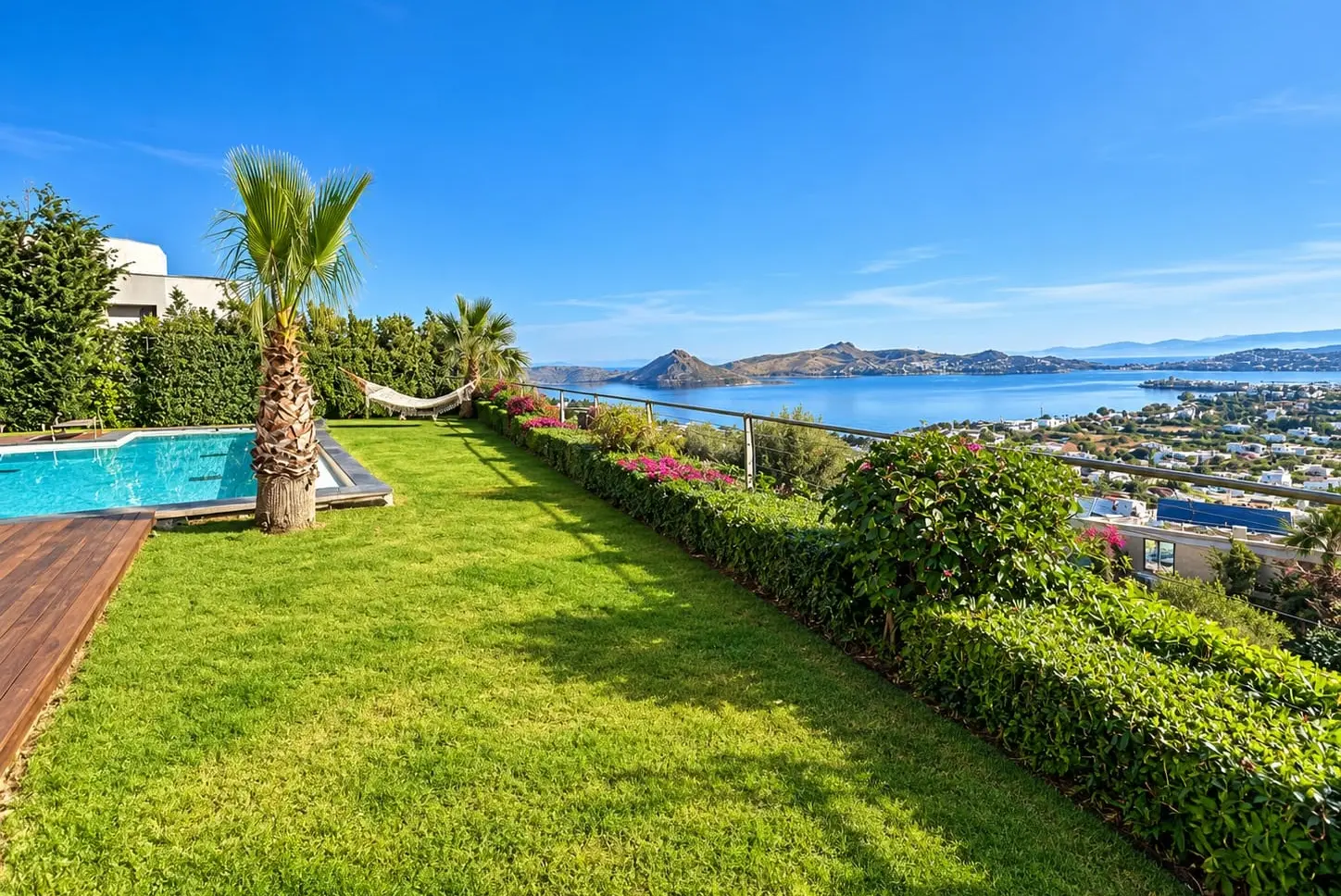








 X
X