This is for the other investor. The one whose objective is the citizenship, whose second objective is the return, and who has no intention of ever living in the property. If that's you, keep reading, because almost everything you're being told in this market is designed to serve somebody else's interests.
Every Other Programme Charges You: Turkey Pays You
Here's the structural fact that most buyers never have explained to them properly.
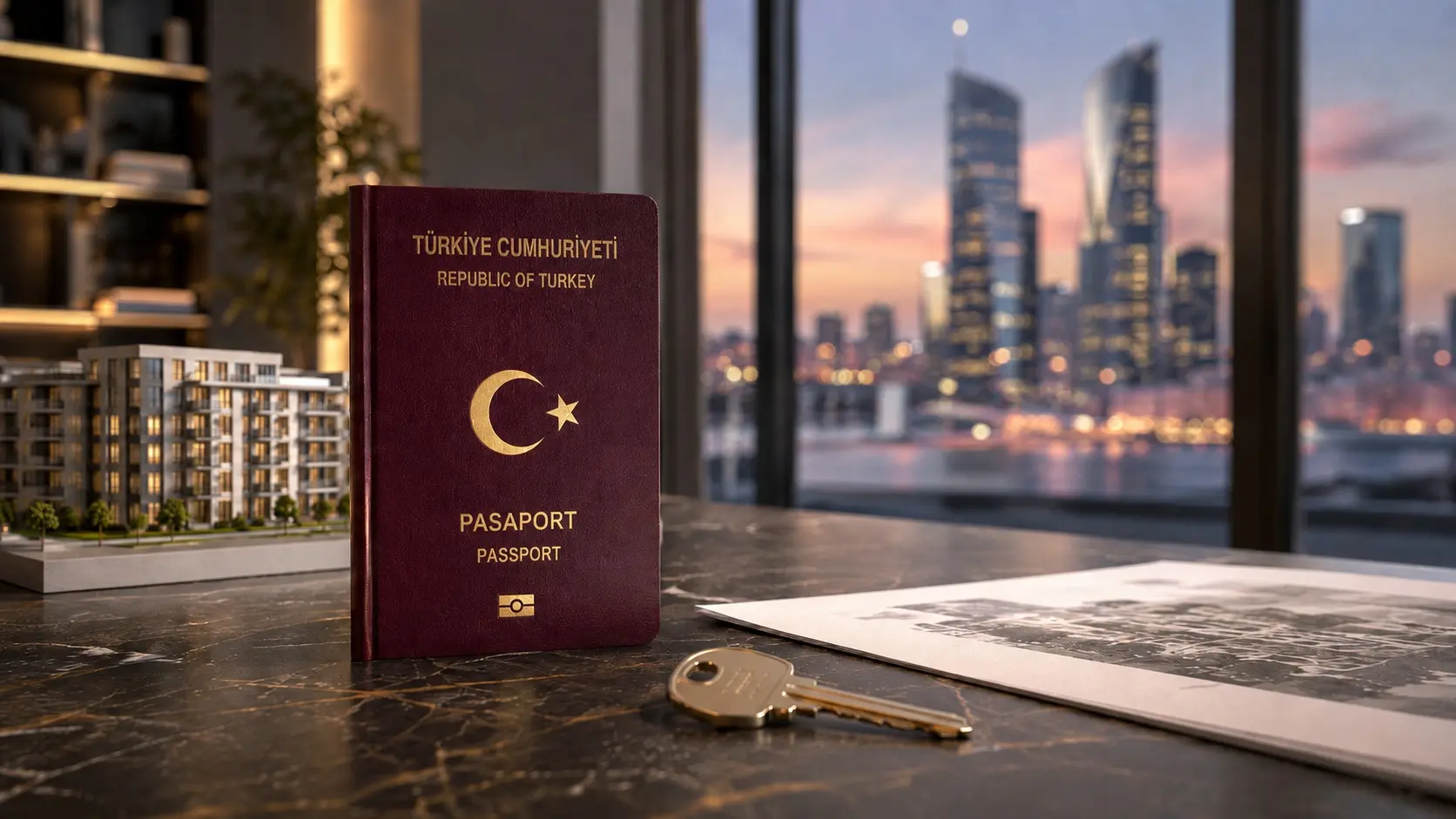
Under Turkey's programme, you buy real estate with a government-appraised value of at least $400,000 USD, hold it for three years under a no-sale annotation on the Title Deed, and you and your family receive full citizenship. You can rent the property throughout the holding period. After three years the restriction lifts automatically and you can sell without any effect whatsoever on your citizenship status.
Read that again. You sell. You take your capital back. You take your capital gain. You keep the passport – for yourself, your spouse, and every one of your children under 18.
Turkey CBI vs Other Programmes
Programme
Entry
What Happens to Your Money
Turkey
$400,000 USD
Recoverable asset. Sell after 3 years, keep citizenship
Dominica
$200,000 USD
Donation – gone
Antigua & Barbuda
$230,000 USD
Donation – gone
Grenada
$235,000 USD
Donation – gone
St Lucia
$240,000 USD
Donation – gone
St Kitts & Nevis
$250,000 USD
Donation – gone
Greece
€250k to €800k Euros
Residency only. Not citizenship
Portugal
€250,000+ Euros
Residency only. Real estate route closed. Naturalisation now 10 years
Spain
N/A
Golden visa abolished, April 2025
Malta
N/A
Citizenship route terminated, April 2025
The Caribbean programmes are cheaper on the headline. They are also donations. That money is spent. It buys a passport and nothing else, forever.
The European programmes don't give you citizenship at all, they give you a Residence Permit and a decade-long wait, and two of the biggest have closed entirely.
Turkey gives you a productive asset that generates rent while it's locked, and hands the capital back with its gains when the lock expires. On a correctly chosen asset, the passport doesn't cost you anything. It pays you.
The Part Nobody in This Industry Wants to Tell You
Once you accept that the citizenship itself is essentially administrative – follow the procedure properly and you get it – the only variable left is which property you buy. And this is exactly where the market fails investors.
Turkey's citizenship programme has attracted an enormous amount of noise. Ask five agents where to buy and you'll get five confident answers pointing in five different directions. What you won't be told is why.
Developers with surplus stock pay the largest commissions. It's not complicated. A unit that's been sitting unsold in an oversupplied district for two years carries a sales incentive that a genuinely liquid, centrally located apartment never needs to offer. So, the units that are hardest to sell are precisely the units you'll be pushed towards hardest.
You'll hear about "up and coming" districts on the far periphery. You'll be shown glossy renders of mega-projects with lazy rivers and shopping centres attached. You'll be told a nightly rate for a coastal resort without ever being told how many nights of the year it's occupied.
None of it is illegal. Most of it isn't even dishonest, exactly. But it is optimised for someone's interests, and the someone is not you.
Your Interests are Simple: highest appraisal per Dollar spent, highest occupancy, highest liquidity on exit in year three. Judge every recommendation against those three tests and most of them collapse immediately.
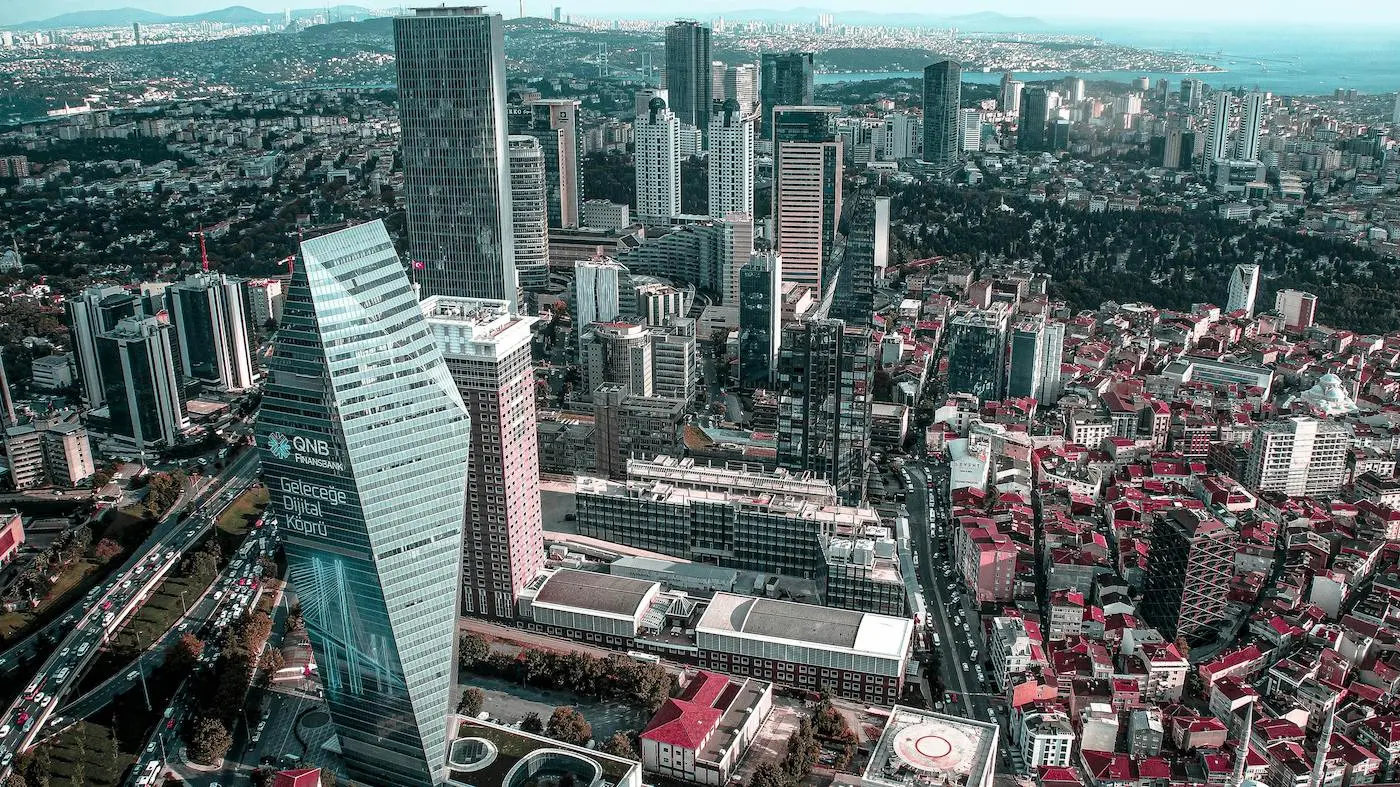
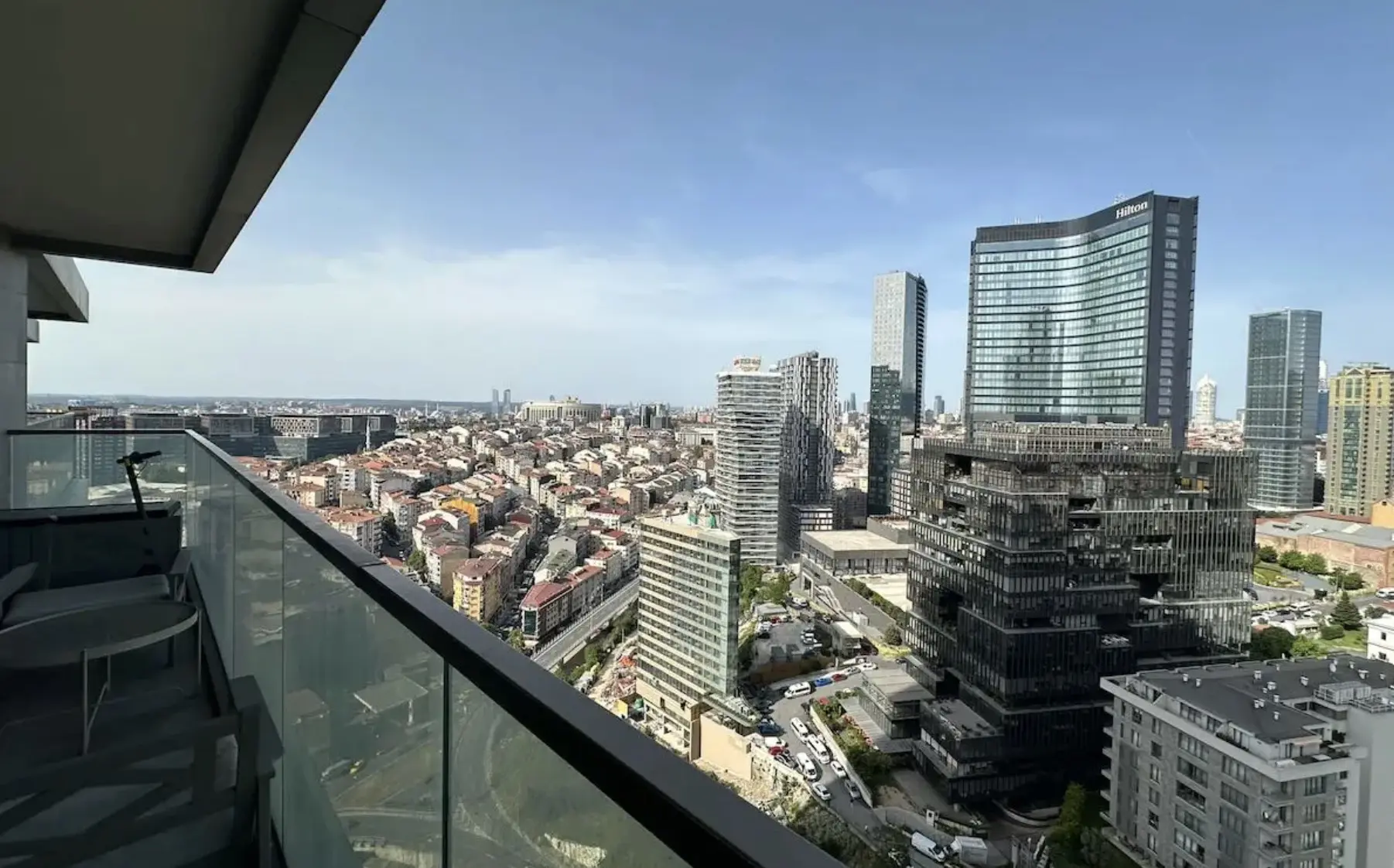
1. Valuation Efficiency: Your $400,000 USD isn't measured by what you paid, it's measured by a government-licensed appraiser's report. Those appraisals are conservative and routinely land below the actual selling price. Central Istanbul delivers the highest appraised value per Dollar spent, anywhere in Turkey. This is why we always advise clients to invest $425,000 USD to $450,000 USD, overshooting the threshold by 10% to 15% so the file clears without drama.
2. Demographics:Turkey's median age is around 33 – far younger than Europe, China, or the United States. That population is marrying later, having children later, and forming millions of single and co-habiting households, most visibly in Istanbul. These buyers and renters are not wealthy yet, but their earning power is rising. And in a city where crossing from one side to the other can take three hours, they want to be central. Not luxurious. Central.
3. Supply is Physically Constrained: There is essentially no developable land left in central Istanbul. New, modern, earthquake-compliant housing can only come from Urban Regeneration – demolishing and rebuilding non-compliant stock, which accounts for over 60% of Istanbul's housing. That process is slow, street by street, and it is not going to accelerate. Demand keeps rising against supply that structurally cannot respond. That is the textbook definition of a price floor with an upward slope.
4. Yields and Occupancy. Central Istanbul, areas such as Beyoğlu, Şişli, Beşiktaş, and Kağıthane, runs at roughly 7% gross rental yield, against around 5.5% in outlying districts like Esenyurt, Beylikdüzü, and Başakşehir. 12 months of demand, not fourteen weeks of season. Coastal resorts can show spectacular nightly rates; but ask them how many nights per year.
The Reform Nobody Has Priced in Yet
Turkish first-time buyers currently need around 30% down payment and can realistically only get 10-year mortgage terms. In a country with a median age of 33, that prices out an enormous amount of people who want central apartments.
As rate policy stabilises, mortgage reform is widely expected to move Turkey towards developed-market norms with longer terms and lower deposits. When that happens, a very large group of currently excluded buyers enters the market at once.
Where does that demand land hardest? Where supply is most constrained. Central Istanbul. Which is precisely why the time to take a position is before the reform, not after it.
And Then There's the Tax Layer
In June 2026, Turkey enacted a 20-year exemption from Turkish income tax on qualifying foreign-source income for individuals who establish Turkish tax residency and who were not Turkish tax resident in the three preceding calendar years. Foreign dividends, overseas capital gains, foreign rental income, royalties – all exempt and not even required to be declared. Inheritance and gift tax drops to a flat 1% for those qualifying.
For Context: Italy charges €300,000 Euros a year for its comparable regime. Greece charges €100,000 Euros. Turkey charges nothing.
Citizenship doesn't automatically make you a Turkish tax resident, that's a separate test, and it needs proper advice. But it removes every practical obstacle to establishing one, and it makes Turkey a credible primary home rather than a place you happen to own something. For an internationally mobile investor already restructuring their affairs, the two decisions belong in the same conversation.
Put it into surplus stock on the periphery because somebody's commission depended on it, and in three years you'll be trying to exit an illiquid asset in a crowded market.
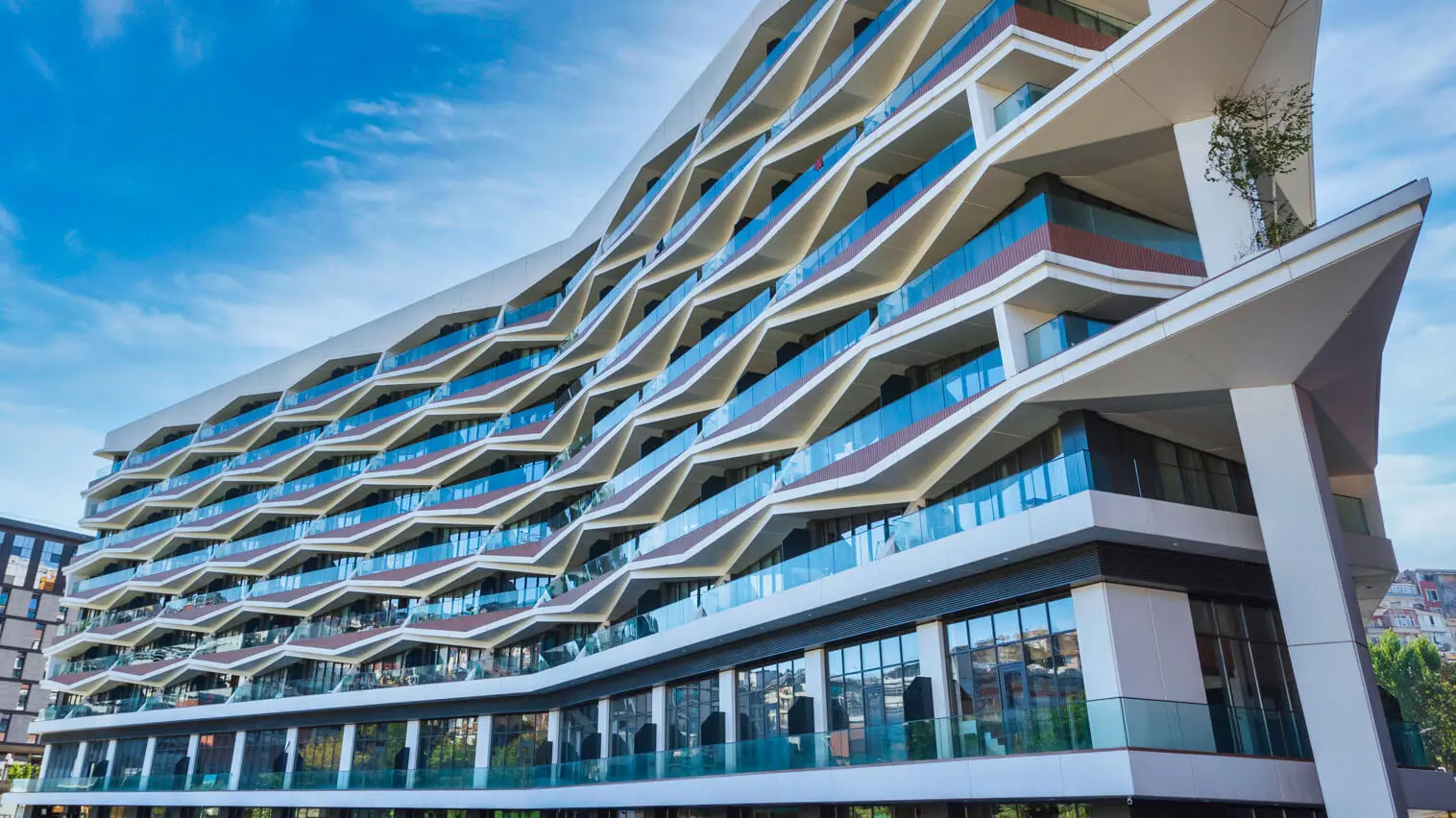
Put it into affordable, modern, well-located central Istanbul, and in three years you sell into genuine demand, take your capital and your gain, and keep the Turkish passport you effectively got for nothing.
We've been advising international buyers in Turkey since 2001. We don't sell surplus stock. Ask us what we'd buy with our own money, and you'll get the same answer we've just given you. For a free consultation with our citizenship experts in Istanbul, contact us today.
FAQs: Citizenship by Investment in Turkey
Q: Can I sell my property after getting Turkish citizenship?
A: Yes. The property carries a three-year no-sale restriction annotated on the Title Deed. After three years the restriction lifts automatically and you may sell freely. Selling does not affect your citizenship, your spouse's, or your children's.
Q: How much do I need to invest for Turkish citizenship in 2026?
A: $400,000 USD in real estate, based on a government-licensed appraisal, not the asking price. Because appraisals are conservative and often come in below the sale price, we advise budgeting $425,000 USD to $450,000 USD to clear the threshold comfortably.
Q: Can I buy two properties instead of one?
A: Yes, for Title Deed purchases, multiple properties can be combined to reach the $400,000 USD threshold. For notary pre-sale arrangements, the rules are tighter, so structure is important. Take advice before committing.
Q: Who is included in the application?
A: The main applicant, their spouse, and all children under 18, at no additional investment.
Q: Do I have to live in Turkey?
A: No. There is no minimum stay requirement. A single biometric visit is the only physical presence needed.
Q: How long does the process take?
A: Typically three to 12 months from investment to passport for a clean file, depending on documentation.
Q: Is Turkish citizenship better than a Caribbean passport?
A: They serve different purposes. Caribbean programmes are cheaper and largely donation-based – the money is spent permanently. Turkey requires more capital, but the investment is recoverable after three years and generates rental income throughout.
Q: Where is the best place to buy for citizenship in Turkey?
A: For pure investors seeking maximum return, centrally located, affordably priced Istanbul districts such as Beyoğlu, Şişli, Beşiktaş, and Kağıthane offer the highest appraised value per Dollar, the strongest rental yields at around 7% gross, and the deepest resale liquidity when the holding period ends.
Q: What rental yield can I expect?
A: Roughly 7% gross in central Istanbul, versus around 5.5% in outlying districts. Central Istanbul also enjoys year-round occupancy, unlike seasonal coastal markets.
Q: Does Turkish citizenship give me 0% tax on foreign income?
A: Not automatically. The 20-year foreign-income exemption enacted in June 2026 applies to individuals who become Turkish tax residents from 1 January 2026 and were not tax resident in Turkey in the previous three calendar years. Citizenship and tax residency are separate and need proper professional structuring.
Q: Will Turkish property prices keep rising in central Istanbul?
A: No one can guarantee price movements. What can be stated factually is that central Istanbul has almost no developable land, that over 60% of the city's housing stock requires regeneration, and that anticipated mortgage reform would release substantial pent-up demand into that constrained supply.
END
Subscribe To Our Media
Sign up To Save, Explore & Revisit Your Favourite Properties.
Sign up To Save, Explore & Revisit Your Favourite Properties.
Forget Password
Property Enquiry
Apply Now
Sense Sisli central Istanbul 10% income properties








 X
X