Turkey’s 2026 tax reforms could become one of the most important investor-relocation developments near Europe. For high-net-worth individuals, globally mobile families, crypto investors, Dubai-based entrepreneurs, and offshore capital holders, the package is not just about lower tax. It is about where wealth can live next, after more than 142,000 millionaires relocated globally in 2025.
The proposal includes a possible 20-year exemption from Turkish tax on foreign-source income for qualifying new residents, a reported 1% inheritance tax treatment for the same group, a low-cost asset-repatriation route, stronger Istanbul Financial Center incentives, and a 9% corporate tax rate for manufacturing exporters.
Alongside Turkey’s $400,000 USD real estate citizenship programme, the package provides a serious Plan B structure for private wealth. It gives investors a route to move part of their life, capital, business activity, digital-asset gains, and family security into a large sovereign country with Istanbul, Bodrum, citizenship, banking, property, and real economic scale.
Quick Summary
Turkey’s 2026 reform package could be important for HNWIs and crypto investors because it speaks to the exact problems they face in 2026: high-tax legacy jurisdictions, Gulf concentration risk, rising scrutiny of offshore structures, volatile digital wealth, and the need for a second base that is more than a residency card. For a HNWI family, the attraction is foreign-income protection, inheritance planning, citizenship through property, lifestyle depth, and a real country behind the tax offer. For a crypto investor, the attraction is the ability to convert part of digital wealth into compliant fiat, Turkish real estate, potential citizenship, and a long-term jurisdiction outside a single crypto hub.
Key Takeaways: Why HNWIs and Crypto Investors Should Care
- Turkey has proposed up to 20 years with zero Turkish tax on foreign-source income for qualifying new residents.
- The proposal is aimed at individuals who have lived abroad and have not been Turkish tax residents for at least three years.
- A reported 1% inheritance tax treatment could make Turkey more relevant for HNWI succession planning.
- The asset-repatriation proposal could give large offshore capital holders a lower-friction route into Turkey.
- Turkey’s $400,000 USD real estate citizenship route gives HNWIs a property-backed second passport.
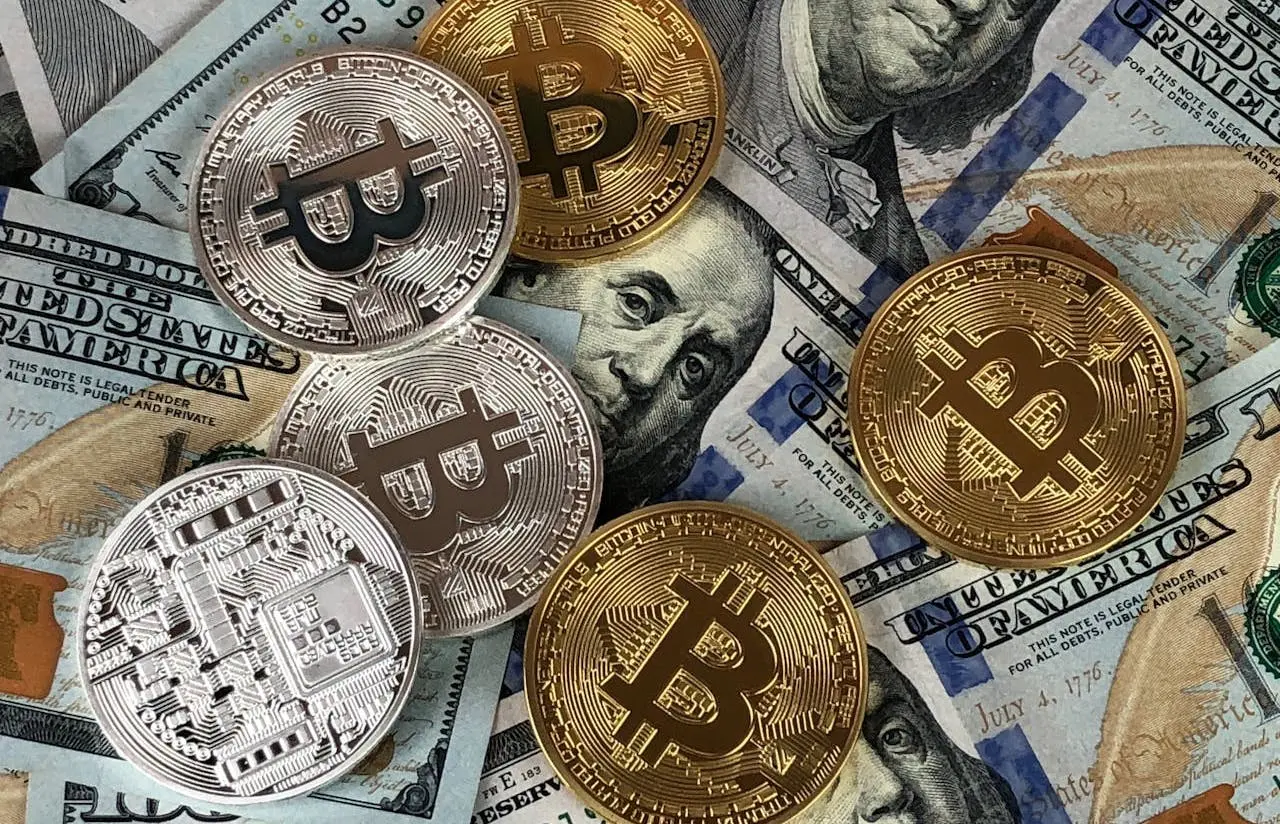
- Crypto investors cannot pay directly for Turkish property in crypto, but crypto-origin wealth can be converted into fiat and used with a clean source-of-funds trail.
- Istanbul offers business, schools, healthcare, banking depth, and liquidity. Bodrum offers privacy, lifestyle, and coastal wealth positioning.
- The Istanbul Financial Center gives the tax package an institutional anchor for companies, regional headquarters, finance, and trade.
- More than 142,000 millionaires relocated globally in 2025, showing how active the private-wealth migration market has become.
The Real HNWI Question: Where Can Wealth Live Next?
Wealth migration has changed. HNWIs are no longer only asking where tax is lowest. They are asking where their families can live, where their capital can be protected, where their businesses can operate, where their children can study, and where they can hold a second passport tied to a real asset.
This is the gap Turkey is trying to fill. Dubai remains strong for tax efficiency, speed, crypto activity, and business setup. London still offers depth, education, and legal history. Southern Europe offers lifestyle and residency. But Turkey now has a chance to sit between these worlds.
For a wealthy family, Turkey can offer Istanbul as a city base, Bodrum as a lifestyle base, property-backed citizenship, a large domestic economy, and a proposed foreign-income tax shield lasting up to 20 years. That combination is rare because most jurisdictions only solve one or two parts of the HNWI problem.
Why the 20-Year Foreign Income Proposal Is Important
The proposed 20-year exemption is the centrepiece for HNWIs. It could allow qualifying new residents to live in Turkey while foreign-source income remains outside Turkish tax. Domestic Turkish income would still be taxable, but overseas dividends, overseas business income, foreign investment returns, and other non-Turkish income streams could receive highly favourable treatment.
For internationally mobile families, this changes the calculation. A HNWI with offshore investments, a family office, foreign company dividends, carried interest, crypto profits already realised abroad, or rental income from other countries may consider Turkey as a long-term base without automatically bringing worldwide income into a heavy tax net.
The length of the proposed window is also important. A five-year regime is useful. A ten-year regime is meaningful. A 20-year structure is different because it can cover children’s schooling, business growth, property ownership, wealth transition, and long-term family planning.
Why HNWIs Are Not Just Looking for Low Tax
The strongest HNWI jurisdictions combine tax logic with lifestyle, security, liquidity, and family optionality. A wealthy buyer does not normally move to a country only because a tax rate looks attractive on paper. They move when the full ecosystem works.
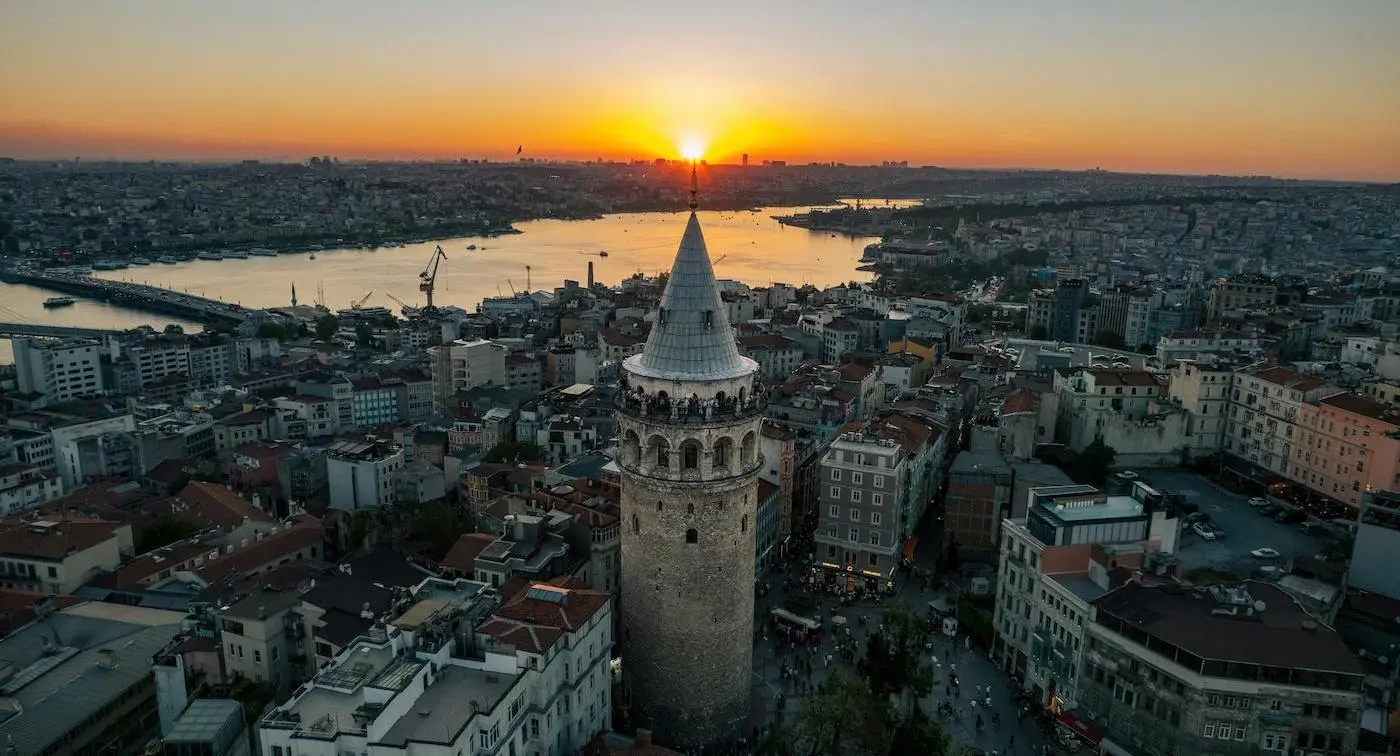
Turkey’s advantage is that it can offer more than one version of life inside one country. Istanbul gives HNWIs international schools, private hospitals, global flights, business networks, waterfront districts, and one of the region’s deepest real estate markets. Bodrum gives privacy, marina life, coastal villas, family living, and a Mediterranean base close to Europe and the Gulf. Turkey also has internal wealth momentum: one global wealth report placed Turkey first for UHNWI growth in 2024, with a 10% expansion, ahead of the United States at 8%.
That two-base model actually works. A family can buy property in Istanbul for liquidity, business access, and citizenship planning, then also hold a Bodrum villa for lifestyle and privacy. This gives Turkey a different profile from city-state wealth hubs, where everything depends on one location.
The Citizenship Angle Makes the Reform Package Stronger
Turkey’s Citizenship by Investment Programme starts from $400,000 USD in qualifying property, with a three-year holding period. For HNWIs, that is not only a passport route. It is a way to tie citizenship planning to a hard asset in a functioning market.
Many citizenship and residency programmes involve donations, fees, bonds, or passive financial commitments. Turkey’s route is connected to real estate that can potentially provide rental income, capital appreciation, lifestyle use, or portfolio diversification.
When the citizenship route is combined with a possible 20-year foreign-income exemption, the value becomes more serious. A HNWI is no longer only asking whether a Turkish passport is useful. They are asking whether Turkey can become a long-term family base, tax-residency option, property market, and succession-planning jurisdiction at the same time.
Crypto Investors Read the Reforms Differently
Crypto investors have a specific problem. They may have created wealth quickly, globally, and outside traditional banking rails, but they still need to land that wealth into the real world. That means bankable money, property ownership, source-of-funds evidence, tax planning, residency, citizenship, and family security.
Turkey is already one of the world’s most active crypto markets, while also offering a major real estate market and a citizenship route through property. Recent crypto-market data has placed Turkey second globally by absolute trading volume, exceeding $1 trillion USD, while separate reporting has put annual Turkish crypto transactions near $200 billion USD in 2025.
The reforms add a further layer. A crypto investor who is globally mobile may now ask whether Turkey can become the place where part of their digital wealth becomes a home, a passport route, and a long-term base.
The important point is compliance. Turkey does not allow property to be bought directly with crypto as payment. The realistic route is crypto to fiat, fiat to bank, bank to property. For serious investors, that is not a weakness. It is the route that creates the banking trail, audit trail, and legal clarity needed for property ownership and Turkish citizenship applications.
Crypto to Turkish Property: The Practical Investor Route
For international crypto investors, the Turkish reform package becomes more appealing when it is connected to a clear real estate pathway. The practical route for investors using crypto normally looks like this:
1. Document the source of crypto wealth.
2. Convert crypto through a regulated exchange, licensed payment partner, or OTC route.
3. Move fiat into a Turkish bank account with a clear transaction history.
4. Select a Turkish property suitable for investment, lifestyle, or citizenship.
5. Complete the purchase through the banking system.
6. Use the property for residency, citizenship, rental income, or long-term family living.
A crypto investor in Turkey is not simply moving from Bitcoin, Ethereum, USDT, or USDC into a Turkish flat. They are moving from digital volatility into a legal Title Deed, a real asset, a possible citizenship route, and potentially a new tax-residency framework.
Dubai-Based Crypto Investors Are Looking at Turkey
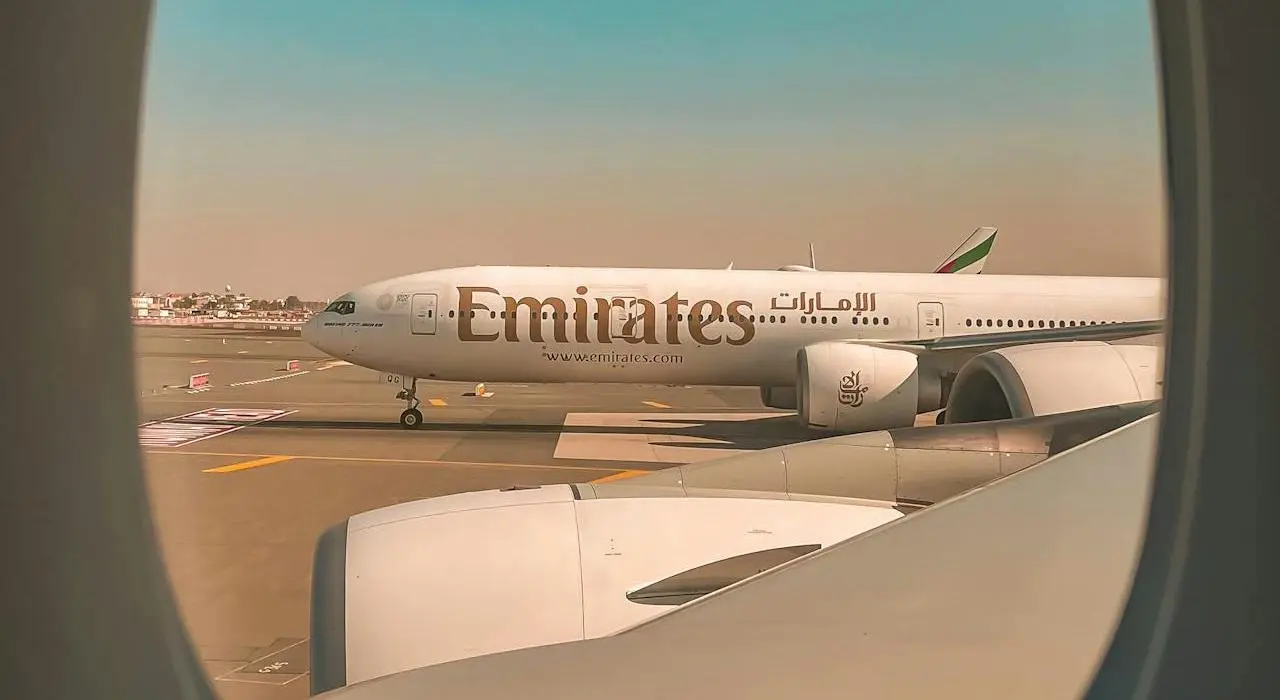
Dubai is one of the world’s strongest crypto, wealth, and business hubs. Its DMCC free zone has been reported to host more than 650 crypto firms, while the UAE was cited as having a 30.4% crypto ownership rate in July 2025. For many international crypto investors, Dubai remains the operating base. The question is whether it should be the only base.
Recent regional tensions have made concentration risk a much bigger part of the private wealth management conversation. That does not mean Dubai is losing its appeal. It means sophisticated investors are thinking in layers. One base for business. Another base for citizenship. Another market for real estate. Another jurisdiction for family optionality.
Asset Repatriation: A Major Crypto and HNWI Bridge
The proposed asset-repatriation element is especially important for offshore capital holders. If implemented as described, it could provide a lower-cost route for bringing money, gold, foreign currency, securities, and other assets into Turkey.
For HNWIs, that may create a way to normalise offshore holdings and redeploy capital into Turkish property, business, or family office structures. For crypto investors, it may become part of a broader plan about how digital wealth, once converted into fiat, can be documented and introduced into the Turkish system.
The 20-year foreign-income proposal, 1% inheritance tax treatment, asset-repatriation route, citizenship programme, and Turkish property market all solve the same investor need: how to move capital from fragile, high-tax, or overly concentrated situations into a jurisdiction with more optionality.
1% Inheritance Tax Proposal for Succession Planning
The reported 1% inheritance tax treatment for qualifying new residents could be especially relevant for family wealth and future planning. HNWIs are not only planning for where they live next year. They are planning how assets move between generations.
1% inheritance tax could make Turkey more attractive to families who want to combine living, investing, citizenship, and succession planning in one jurisdiction. A wealthy family looking at Istanbul property, Bodrum lifestyle, and Turkish citizenship may now also ask how the country fits into future inheritance planning.
The Istanbul Financial Center Gives HNWIs a Business Anchor
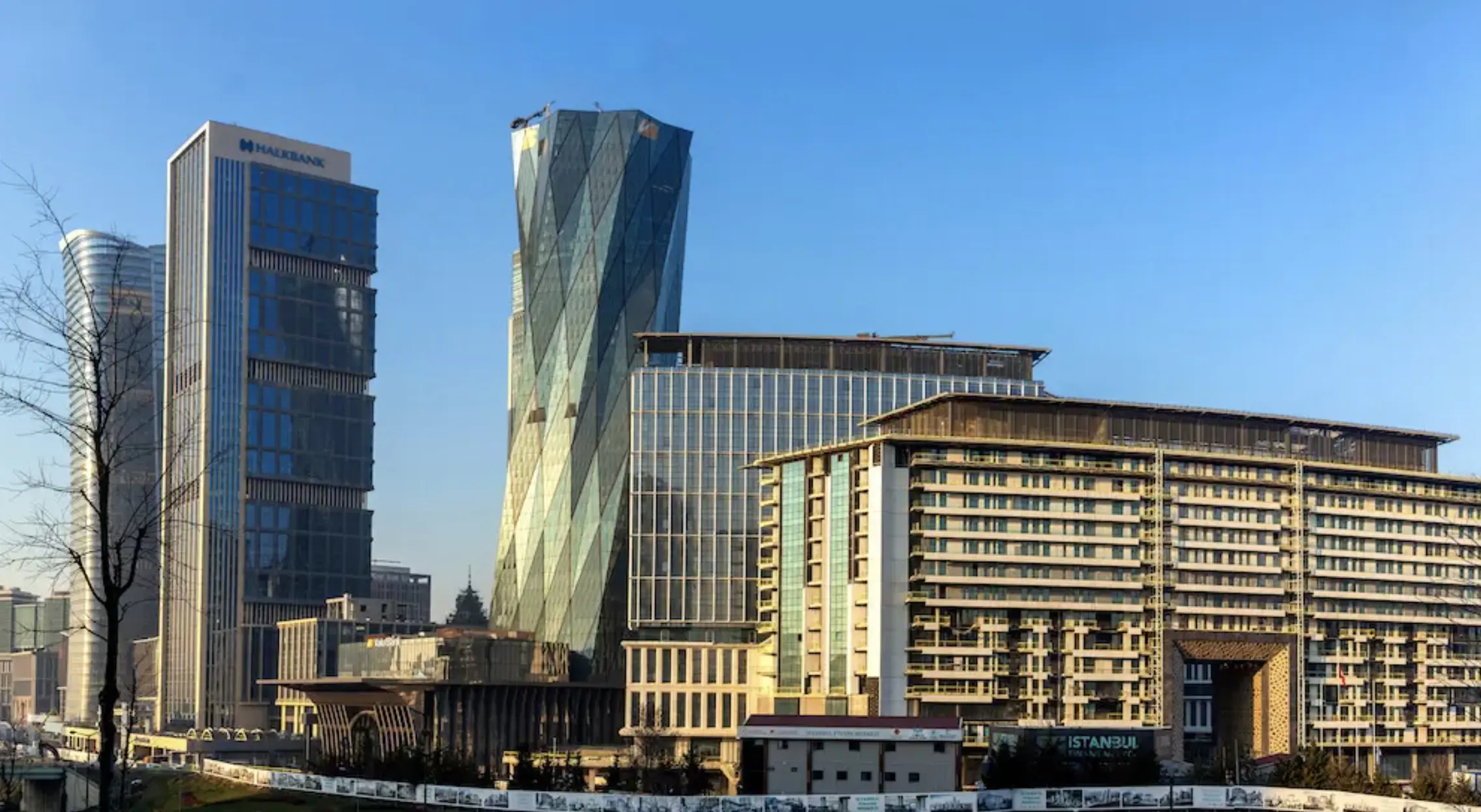
HNWIs often have companies, holding structures, trading activity, regional operations, or family office needs. A tax offer without a credible institutional base can feel thin. The Istanbul Financial Center (IFC) gives Turkey a clearer business framework.
The incentives connected to the IFC include favourable treatment for qualifying financial service export income, tax relief linked to certain transactions, and salary-related benefits for internationally experienced staff. The wider reform package also includes stronger treatment for transit trade and regional business activity.
For HNWIs, this creates a more complete proposition. They can look at Turkey not only as a home or passport route, but as a place for regional headquarters, investment vehicles, trade structures, finance activity, and professional infrastructure.
Istanbul and Ataşehir: Reform Package Has a Real Estate Map
If the reforms pass broadly, real estate demand is unlikely to spread evenly across Turkey. The first areas to benefit are likely to be those that already match international HNWI and property investor needs.
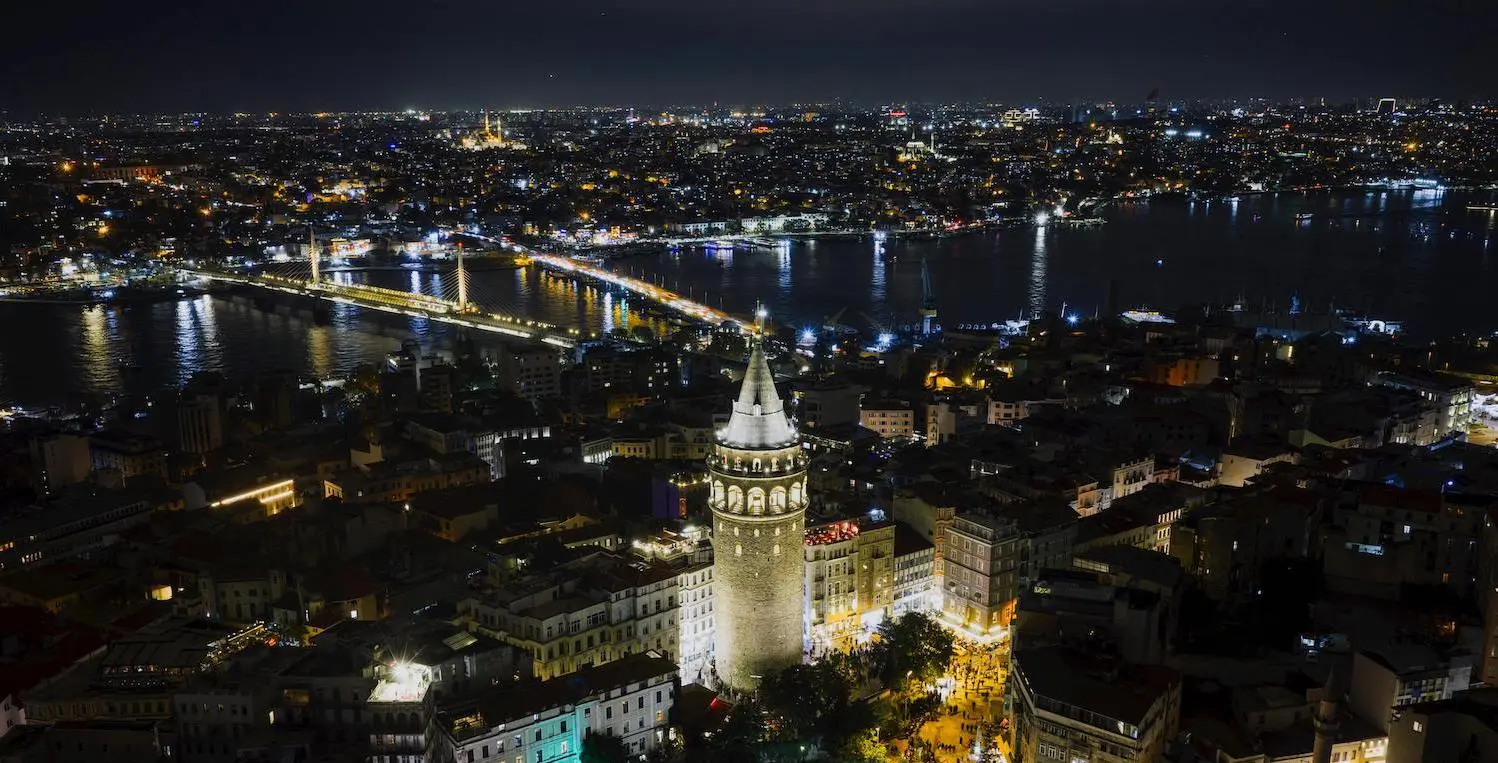
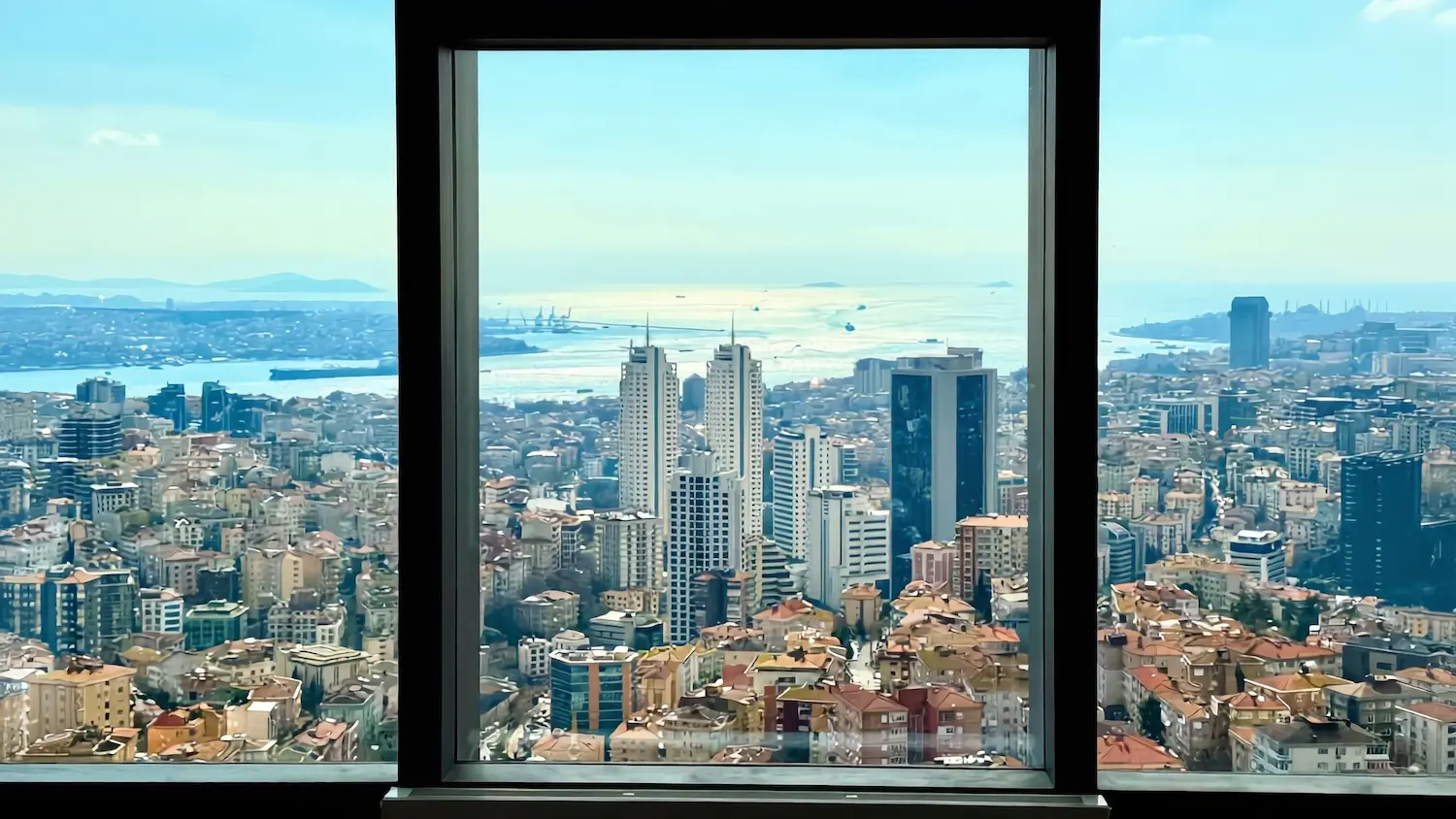
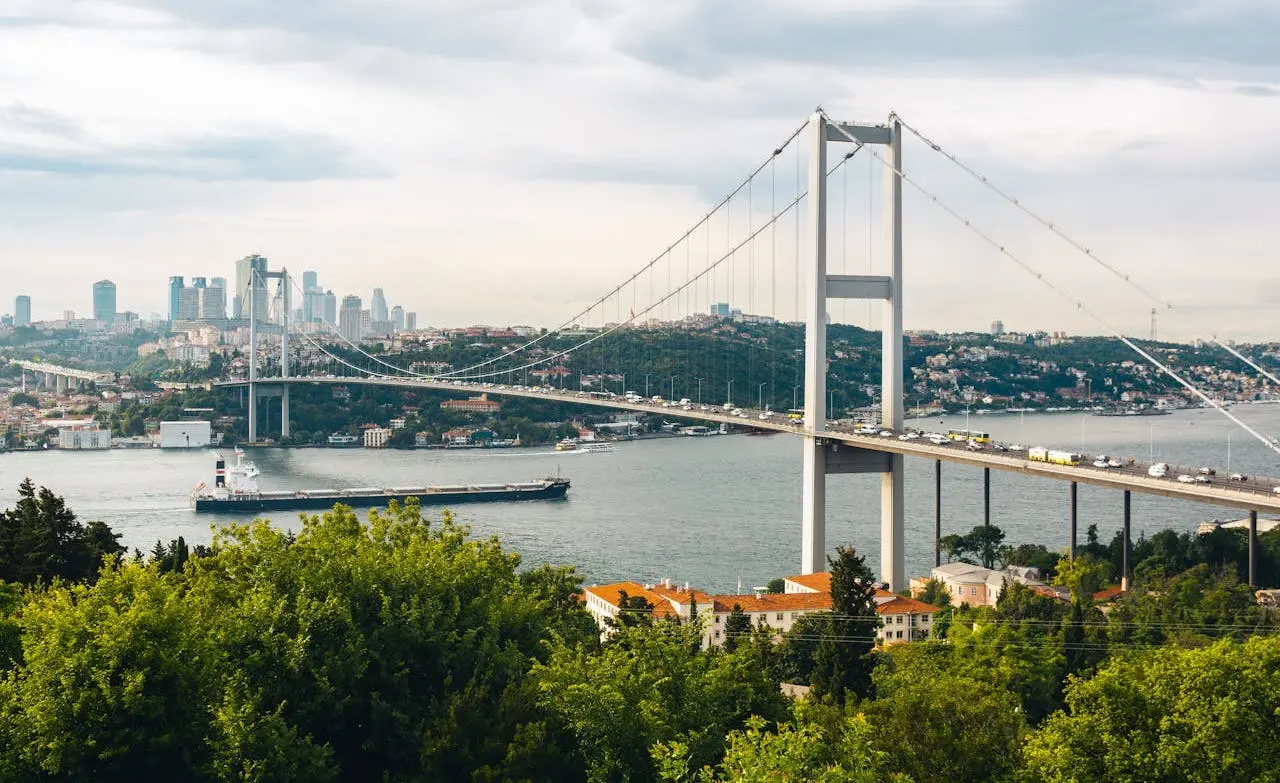
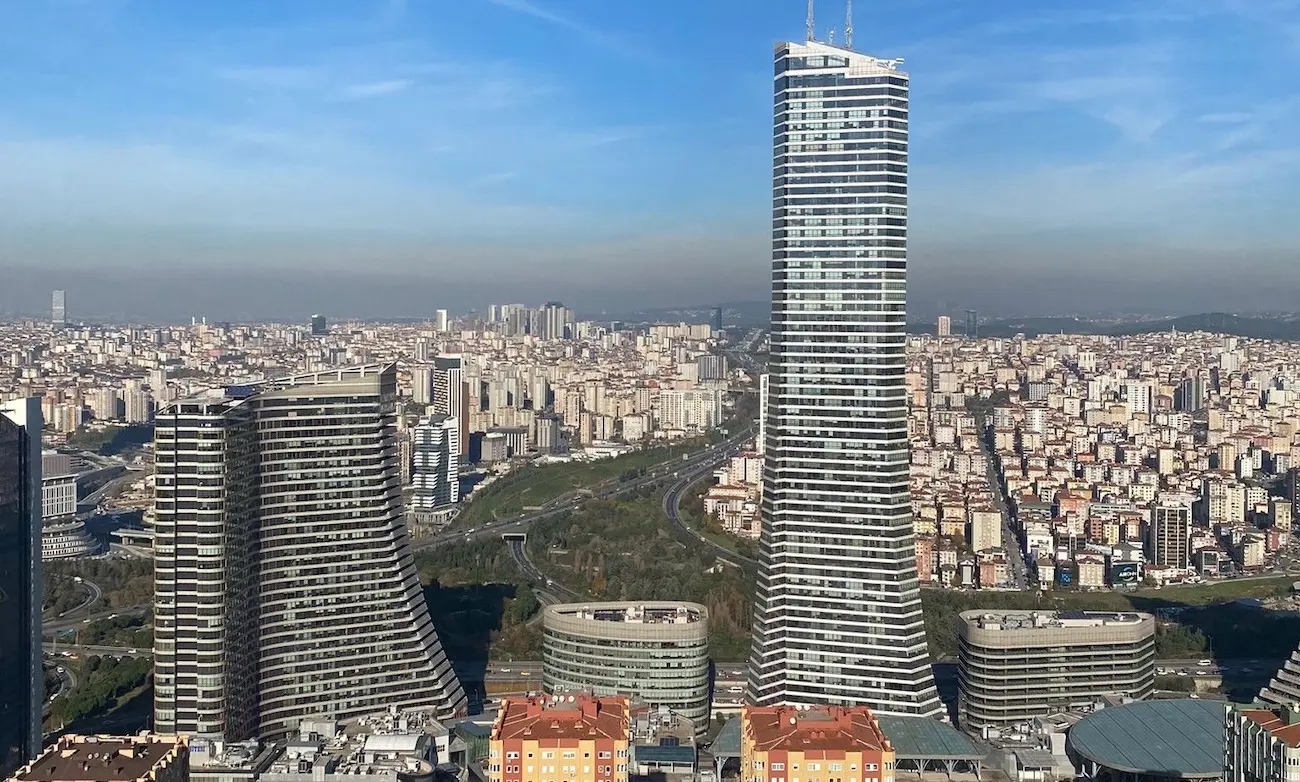
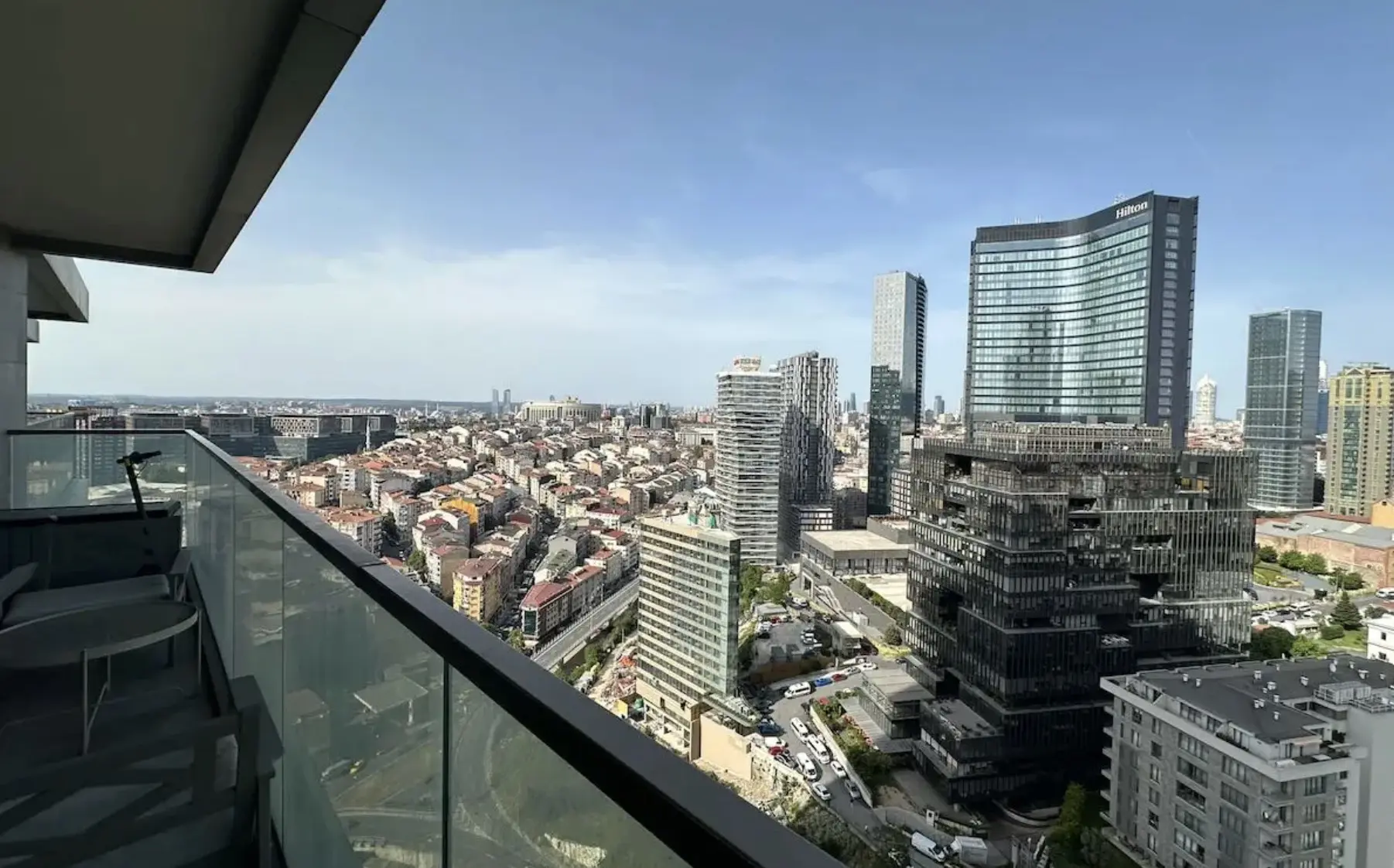
Istanbul is the most obvious because it offers liquidity, depth, international schools, private healthcare, flights, rental demand, and business access. It is also a city of more than 16 million people, which gives it year-round housing demand beyond foreign buyers alone. Within Istanbul, areas connected to the Istanbul Financial Center and Ataşehir could become sought after by investors who want to position near Turkey’s finance, trade, and corporate growth.
Affordable city centre, Istanbul Urban Regeneration Zones, prime Bosphorus districts, established family neighbourhoods, branded residences, and citizenship-eligible stock could also benefit. The logic is simple: if more wealthy foreigners consider Turkey as a base, they will prioritise property that is usable, liquid, well located, and suitable for family life or rental demand.
Bodrum: The HNWI Lifestyle Base in the Same Jurisdiction
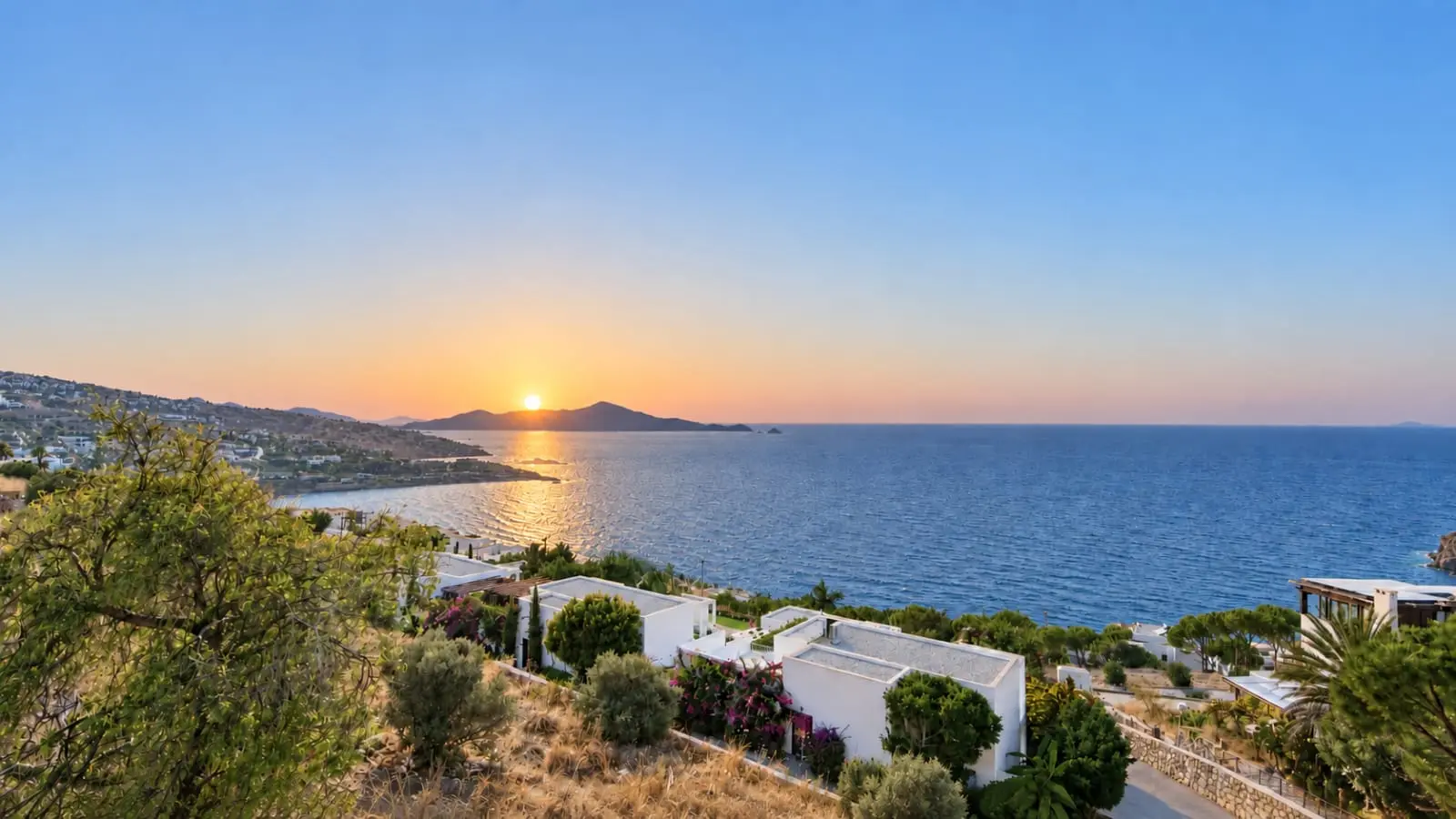
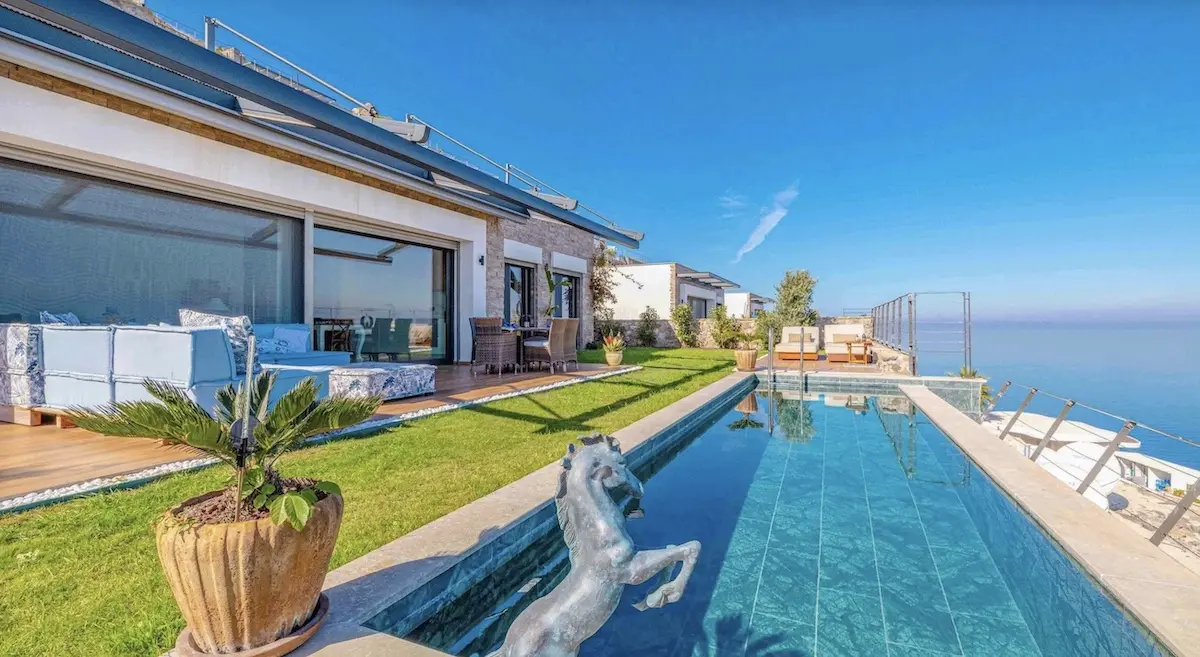
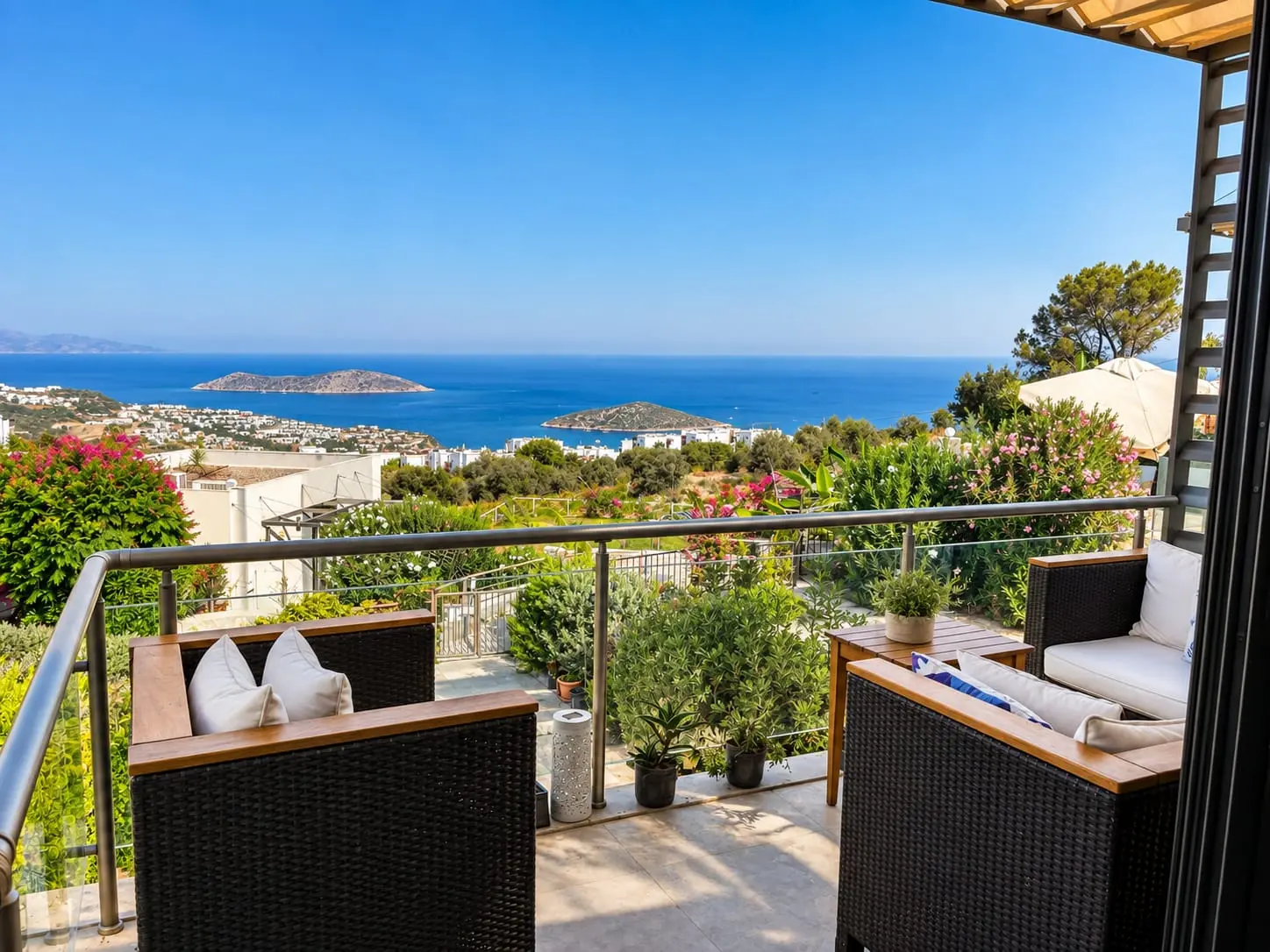
Bodrum plays a different role than Istanbul. It is less about regional headquarters, finance, and corporate infrastructure. It is about home privacy, luxurious lifestyle, marina access, sea view villas, wellbeing, and family time.
For many HNWIs, that is exactly the point. Turkey does not force wealthy families to choose between a city base and a coastal base. A family can use Istanbul for business, schooling, flights, and property liquidity, while using Bodrum for summer living, privacy, and Mediterranean lifestyle.
This internal flexibility is one of Turkey’s strongest HNWI advantages. It allows a family to build a portfolio across more than one lifestyle need while remaining inside the same legal and citizenship framework.
Why the Reform Package Is Important for Private Wealth
The real importance of Turkey’s 2026 reforms is not that one rate is lower than another. The package brings tax, succession, citizenship, asset repatriation, property, and lifestyle into one private-wealth conversation, giving HNWIs and crypto investors several reasons to assess Turkey as a serious second jurisdiction.
For HNWIs, It Potentially Offers:
- Long-term protection for foreign-source income.
- A low inheritance tax treatment for qualifying newcomers.
- A real estate citizenship route from $400,000 USD.
- A large sovereign country rather than a single-city wealth hub.
- Istanbul for liquidity, business, education, and healthcare.
- Bodrum for privacy, lifestyle, and family use.
- A possible route for offshore capital normalisation.
For Crypto Investors, It Potentially Offers:
- A way to move from digital wealth into hard assets.
- A compliant fiat route into Turkish property.
- A citizenship pathway through real estate.
- A second jurisdiction outside Dubai or other crypto hubs.
- Exposure to a country with major crypto activity and improving regulation.
- A possible tax-residency framework for globally mobile investors.
Who Could Benefit Most from Turkey’s 2026 Tax Reforms?
1. Dubai-Based Crypto Investors: These investors may want to keep Dubai as an operating base while building a second jurisdiction. Turkey gives them a way to convert part of their digital wealth into property, citizenship, family security, and possible long-term relocation.
2. UK and European HNWIs: Many wealthy families are reconsidering high-tax or increasingly restrictive jurisdictions. Turkey may appeal to those who want a nearby, lifestyle-rich, non-EU base with citizenship, property, and a possible foreign-income tax shield.
3. Gulf Families Seeking Diversification: Gulf-based families may not want to leave the region completely. They may simply want a second base with strong cultural familiarity, direct flights, coastal living, and a property-backed citizenship route.
4. Crypto Founders and Early Investors: Founders and early crypto investors often need to convert gains into bankable, durable assets. Turkey gives them a property market, citizenship route, and a potential long-term tax-residency option if they can document funds properly.
5. Offshore Capital Holders: Families with assets held abroad may find the repatriation proposal useful if it becomes law. Turkish property could then become one of the most natural destinations for normalised capital.
Property Turkey’s Role for HNWIs and Crypto Investors
Property Turkey has worked with international buyers since 2001 and understands the practical difference between a simple property purchase and a serious private-client strategy. In this reform environment, investors need more than listings. They need guidance across property, citizenship, tax residency, source-of-funds preparation, legal process, banking, and long-term asset planning.
For HNWIs, that means identifying the right Turkish property based on citizenship eligibility, liquidity, family use, long-term rental demand, and future resale depth. For crypto investors, it means coordinating the route from digital wealth into compliant fiat, then into Turkish real estate with a clean paper trail.
The opportunity is not only to buy before the reforms are fully priced in. It is to position correctly before the rules, demand, and market narrative become more widely understood. For a free advisory consultation with our in-house lawyers and experts, please contact us today.
FAQs: Turkey’s 2026 Tax Reforms for HNWIs and Crypto Investors
Q: Why are Turkey’s 2026 tax reforms relevant to HNWIs?
A: The proposed reforms offer qualifying new residents up to 20 years of foreign-income tax relief, 1% inheritance tax treatment, asset-repatriation options, and a property-backed citizenship route. That is important for wealth preservation, succession planning, and family relocation.
Q: Why are crypto investors looking at Turkey now?
A: Crypto investors need ways to turn digital gains into bankable assets, property, citizenship, and long-term security. Turkey offers a major crypto market, real estate depth, a citizenship route, and possible tax-residency benefits.
Q: Can crypto be used directly to buy Turkish property?
A: No. Turkish property cannot legally be paid for directly in crypto. The practical route is converting crypto into fiat through a compliant process, moving funds through the Turkish banking system, then completing the property purchase with a clear source-of-funds trail.
Q: Can crypto-origin funds be used for Turkish citizenship by investment?
A: Yes, but the funds must be converted into fiat and documented. The key issue is proving where the money came from, how it was converted, and how it entered the property transaction. Property Turkey’s lawyers can help with the entire process.
Q: Why is Dubai-based crypto capital looking at Turkey and Istanbul?
A: Dubai is a powerful crypto and wealth hub, but many investors now want a second jurisdiction. Turkey can complement Dubai by offering property-backed citizenship, Istanbul and Bodrum real estate, and possible foreign-income relief if the reforms pass.
Q: How does Turkish citizenship through property fit into the reforms?
A: Turkey already offers citizenship through qualifying real estate from $400,000 USD, with a three-year holding period. If the foreign-income and inheritance proposals pass, the citizenship route could become part of a broader HNWI relocation strategy.
Q: Which Turkish property markets could benefit most?
A: Istanbul is likely to attract investors needing liquidity, schools, healthcare, flights, and business access. Ataşehir may benefit from Istanbul Financial Center proximity, while Bodrum should remain attractive for HNWIs seeking privacy, villas, marinas, and lifestyle use.
Q: What should crypto investors prepare before buying in Turkey?
A: They should prepare exchange records, wallet evidence where needed, bank statements, OTC documentation if applicable, identity documents, and a clear explanation of how digital assets were converted into fiat for the property purchase.
Q: Does Turkey replace Dubai for crypto investors?
A: For many international investors, the stronger strategy is to keep Dubai as a business or crypto base while using Turkey as a second jurisdiction for real estate, Turkish citizenship, family security, and diversification.
Q: Why could the 1% inheritance tax proposal be important?
A: HNWIs think beyond income. They also plan how wealth moves to the next generation. A low inheritance tax treatment, if enacted for qualifying residents, could make Turkey more appealing for HNWI family succession planning.
Sources Supporting This Article
- Reuters, April 2026: Erdoğan announced a legislative package including a 20-year exemption from Turkish tax on foreign-source income for eligible newcomers.
- Daily Sabah, April 2026: The package, as described, includes a 1% inheritance tax for qualifying individuals relocating to Turkey.
- Bloomberg Law, May 2026: The bill would provide the 20-year foreign-income exemption, reduce inheritance tax, and establish an asset-repatriation amnesty.
- Reuters, March 2026: Turkey recorded nearly $200 billion USD in annual crypto transactions in 2025 and was moving towards tighter crypto taxation and regulation.
- Reuters, July 2025: Dubai’s DMCC free zone hosts more than 650 crypto firms, highlighting why Dubai-based crypto investors are a central audience.
Cameron Deggin Founder & CEO, Property Turkey
Cameron Deggin is Founder and CEO of Property Turkey. A former finance professional and FCCA-qualified accountant, he founded the company in 2001 after recognising Turkey’s investment potential. With more than two decades analysing Turkish real estate, Cameron regularly advises international investors and is quoted by media including the Financial Times and BBC.




 By:
By:






 Founder & CEO, Property Turkey

 Bodrum
  2
2  1
1 










 X
X