"Small minds talk about interest rates. Average minds talk about remote work. Great minds are looking at a map."
Interest rates, inflation, and currency movements are important to any serious investor considering property in Turkey. Yet they are also the numbers everybody can already see. The larger question is what happens when work, wealth, taxation, politics, technology, and citizenship all begin moving at the same time.
A successful entrepreneur no longer needs to build an entire life around an office. Wealthy families increasingly use different countries for business, residence, assets, education, taxation, and citizenship. For investors looking beyond headlines, Turkey now presents a very different proposition from five years ago.
The Office Became a Laptop and Geography Became Optional
Remote working did not disappear after the pandemic. Research covering more than 16,000 college educated workers across 40 countries found that working from home had stabilised by 2024 and 2025, with employees in English speaking countries averaging roughly 1.5 to 2 remote days each week.
Technology will push this further. The World Economic Forum found that 86% of employers expect AI and information processing technologies to transform their businesses by 2030. Management, analysis, communication, translation, administration, and decision support are all becoming less dependent on physical location.
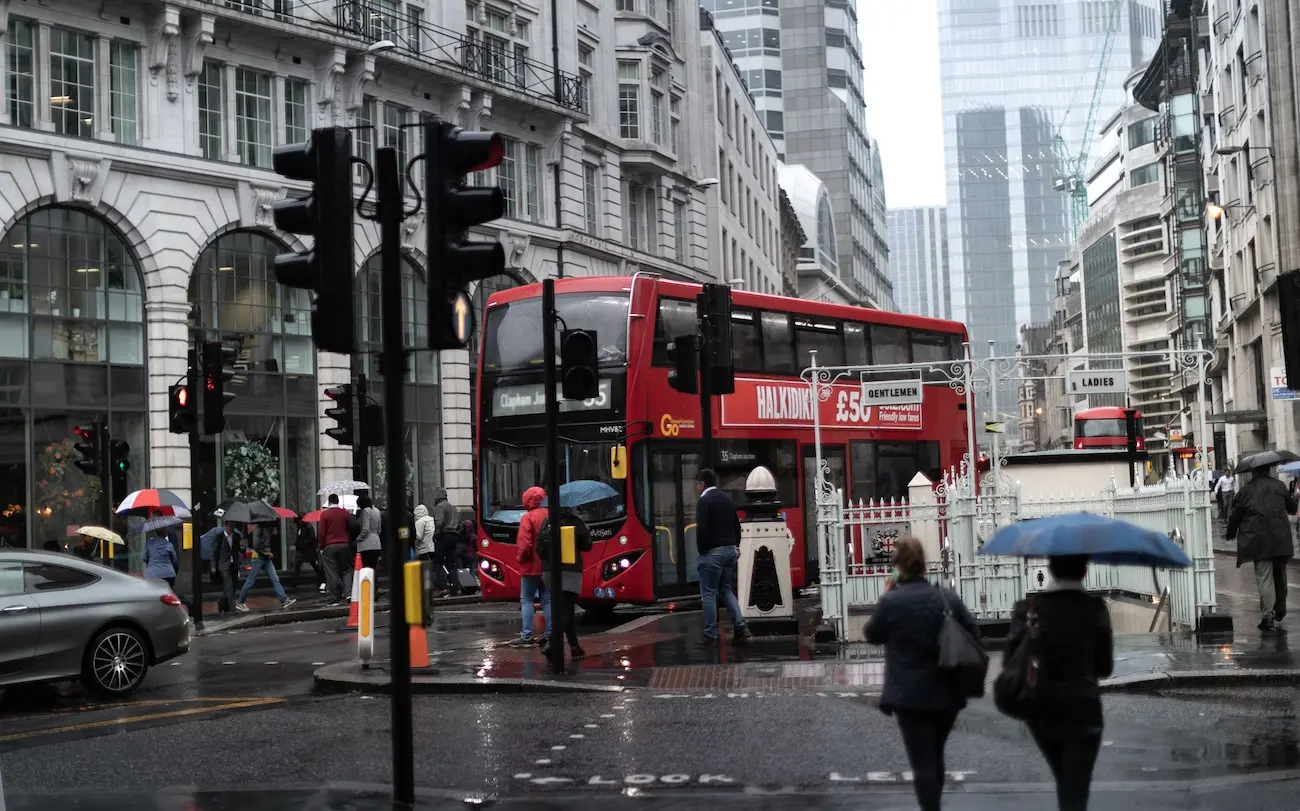
20 years ago, a senior appointment in London often meant moving the family to London. Today, it can mean being in London when required while living somewhere warmer, owning assets elsewhere, holding another citizenship, and organising the family around a completely different home base.
Follow the Millionaires and You Can Already See the Movement
Private wealth migration data estimated that 142,000 millionaires relocated internationally during 2025, up from 134,000 in 2024. The forecast for 2026 rises again to 165,000, which would represent the highest level of millionaire migration recorded in a single year.
These are HNWIs with at least $1 million USD in liquid investable wealth who relocate and remain in another country for more than six months. When people at this level move, they often take investment capital, companies, spending, and future tax revenue with them.
#
Country
Net Millionaires Lost, 2025
Estimated Wealth Leaving
Biggest Pressure
1
United Kingdom
-16,500
$91.8 billion USD
End of the non-dom regime and wider inheritance tax exposure
2
China
-7,800
$55.9 billion USD
Capital controls and overseas diversification
3
India
-3,500
$26.2 billion USD
Tax, succession planning, and global diversification
4
South Korea
-2,400
$15.2 billion USD
High inheritance taxation and economic uncertainty
5
Russia
-1,500
$14.7 billion USD
War, sanctions, and asset security
Britain Shows How Quickly the Old Wealth Bargain Can Change
The United Kingdom was once one of the leading global destinations for private wealth. In 2025, it lost an estimated 16,500 millionaires, carrying $91.8 billion USD in investable wealth. London still has leading finance, schools, universities, culture, law firms, and global connectivity. What changed was the bargain offered to wealthy residents, especially those who had structured their affairs around the long-standing non-domicile tax system.
From 6 April 2025, the remittance basis was replaced by a residence-based regime. Long term UK residents can also bring overseas assets within the inheritance tax net, depending on residence history, with the standard inheritance tax rate remaining 40% above available allowances and exemptions.
The issue goes beyond taxation. Across many developed economies, wealthy residents are also dealing with heavier regulation, growing bureaucracy, greater financial reporting, expanding surveillance, and governments taking a closer interest in how people earn, move, invest, and hold their money.
Historic prestige does not guarantee that mobile capital will stay forever. The investor who once accepted high taxation, costly housing, and growing state oversight because London was where business happened can now think more strategically: if the business can travel with me, where do I want my family and wealth to be?
The Second Exodus Is Harder to Count
Another movement is developing across Europe that cannot yet be measured neatly in millionaire migration tables. It concerns established families with immigrant backgrounds who may have lived in Germany, France, Austria, Britain, Sweden, or elsewhere for two or three generations and built successful lives there.
Their grandparents may have arrived to work in factories, construction, transport, healthcare, or public services during the post-war decades. Their children became citizens. Their grandchildren built companies, entered professions, accumulated property, and created wealth in countries they have known as home throughout their lives.
Political direction around immigration is now changing. National-populist parties that were marginal or small 20 years ago have become major electoral forces, while tougher positions on deportation, asylum, border controls, national preference, and in some cases, remigration have moved much closer to mainstream debate.
Country
Party
Earlier Support
Recent Support
Immigration Direction
Germany
AfD
4.7% in 2013
20.8% in 2025
Tighter immigration and expanded removals
France
National Rally
10.4% in 2007
34% to 36% in 2026 polling
National preference, tighter borders, increased returns
Portugal
Chega
1.3% in 2019
22.8% in 2025
Stronger border control and tougher immigration policy
Austria
FPÖ
11.0% in 2006
28.8% in 2024
Restrictive asylum policy and increased removals
United Kingdom
UKIP / Reform UK
2.2% in 2005
23% in 2026 polling
Lower immigration and tougher removals policy
Sweden
Sweden Democrats
2.9% in 2006
20.5% in 2022
Lower immigration and stronger return policy
The figures are not perfectly comparable because parties, election systems, and polling methods differ, but the direction is clear. For a wealthy second or third generation family with Turkish, Iranian, Arab, Pakistani, Indian, African, or other foreign roots, the response does not need to be panic. Families with significant assets can simply secure another citizenship, home, and legal base before they need one.
Wealthy Families Hedge Countries as Well as Assets
Traditional diversification asks whether a portfolio holds enough property, equities, cash, bonds, commodities, and private investments. The next stage of private wealth planning adds another question. How many countries does the family have available if tax, politics, security, regulation, or lifestyle changes? That can mean building several layers of protection:
- Second Citizenship: A legal right to live somewhere else, rather than relying entirely on a visa that can be changed or withdrawn.
- Property Ownership: A real home and financial asset that can support relocation quickly if circumstances change.
- Alternative Tax Residence: The ability to organise future income and capital around a more favourable legal framework.
- Family Mobility: More choices for a spouse and children over education, work, residence, and business.
- Capital Diversification: Assets and financial relationships across several jurisdictions, reducing reliance on one government.
This is the modern HNWI version of hedging. Diversification is no longer restricted to what sits inside an investment account. Citizenship, residence, property, banking relationships, and physical location now form part of the same long-term planning process.
Count the Doors and the List Is Getting Shorter
At the same time, several routes that once served international investors have closed or become less attractive. Malta's investor citizenship programme was ruled contrary to EU law in April 2025, ending the last direct citizenship by investment route inside the European Union.
Spain abolished its Golden Visa in 2025. Portugal had already removed real estate from its qualification route, while changes introduced in 2026 extended the standard path towards Portuguese citizenship for many applicants.
Caribbean citizenship programmes remain open, although main routes normally involve non-refundable contributions. Turkish Citizenship by Investment now occupies a rare position, offering direct citizenship through qualifying property in a G20 country, with a minimum real estate threshold of $400,000 USD and a three-year holding requirement.
For someone comparing long-term options, this difference is significant. Turkey allows the qualifying capital to be placed into a real property asset that can be used, rented, and eventually sold after the restriction expires.
Dubai Changed the Plan B Conversation in 2026
Dubai has been one of the great winners from global wealth migration. The UAE was estimated to have received a net 9,800 millionaires in 2025, supported by low taxation, safety, connectivity, modern infrastructure, and an international business environment that remains highly attractive.
The Iran conflict in 2026 changed how some wealthy residents viewed concentration risk in the Gulf. Missile and drone attacks, disruption around the Strait of Hormuz, and direct regional security concerns turned a theoretical risk into something families and investors could see clearly.
The response is measurable. Wealth migration advisers recorded a 41% increase in enquiries from UAE-based individuals between the final quarter of 2025 and first quarter of 2026, while applications for alternative residence or citizenship increased by 29% over the same period.
The same reform introduced a 1% inheritance tax rate for qualifying inheritances occurring during the exemption period. Turkey also introduced an asset declaration regime running to 31 July 2027, with rates from 0% to 5% depending on timing, asset type, and the length of the qualifying commitment.
For private wealth, the changes create four major planning opportunities:
- Foreign Income: Eligible foreign-source income and gains can receive long-term Turkish income tax exemption for qualifying new residents.
- Inheritance: Qualifying inheritances during the exemption period can benefit from a 1% Turkish inheritance tax rate.
- Asset Declaration: Eligible foreign assets can enter the Turkish framework at rates ranging from 0% to 5%.
Citizenship does not automatically create tax residence, and buying property does not automatically qualify someone for the foreign-income exemption. The structure has to be planned, particularly where an investor is leaving another tax jurisdiction, owns companies abroad, or receives income from several countries.
Why Property Changes the Citizenship Calculation
Under the real estate route, a foreign investor can qualify for Turkish citizenship by purchasing eligible property worth at least $400,000 USD and registering the required three-year restriction against the Title Deed. The application can include a spouse and dependent children under 18.
The money is invested into property, rather than paid as a non-refundable government contribution. The asset can be occupied, rented for income, held within a wider portfolio, and sold after the restriction period has ended. The investor and family keep their Turkish passports indefinitely.
Property selection is important. Some projects are overpriced because foreign buyers are focused on citizenship. A strong purchase should still satisfy normal investment tests covering entry price, location, appraisal, rental demand, construction quality, management costs, and the depth of the resale market.
Inflation Is Real, but It Is Only One Part of the Map
This brings us back to the objection we hear every day. What about Turkish inflation, interest rates, and the Lira? Those questions are legitimate, but an investor who stops there is assessing a national headline rather than the individual asset and the wider case for property investment in Turkey.
A property investor is buying a specific home in a specific location for a specific purpose. The result depends on purchase price, currency exposure, rental income, resale demand, construction quality, holding period, tax position, citizenship value, and future demand for the location.
If global wealth becomes more mobile, Gulf investors look beyond one regional base, European political uncertainty encourages family hedging, and Turkey continues attracting international capital through tax and citizenship reform.
That’s why staring only at today's inflation print can give an incomplete picture. The intelligent investor still studies inflation and interest rates but then goes further. Who is moving? Where is wealth leaving? Which governments are becoming less competitive for HNWIs? Which countries are opening new doors?
Ready to Rethink the Map? Come Back Home to Turkey
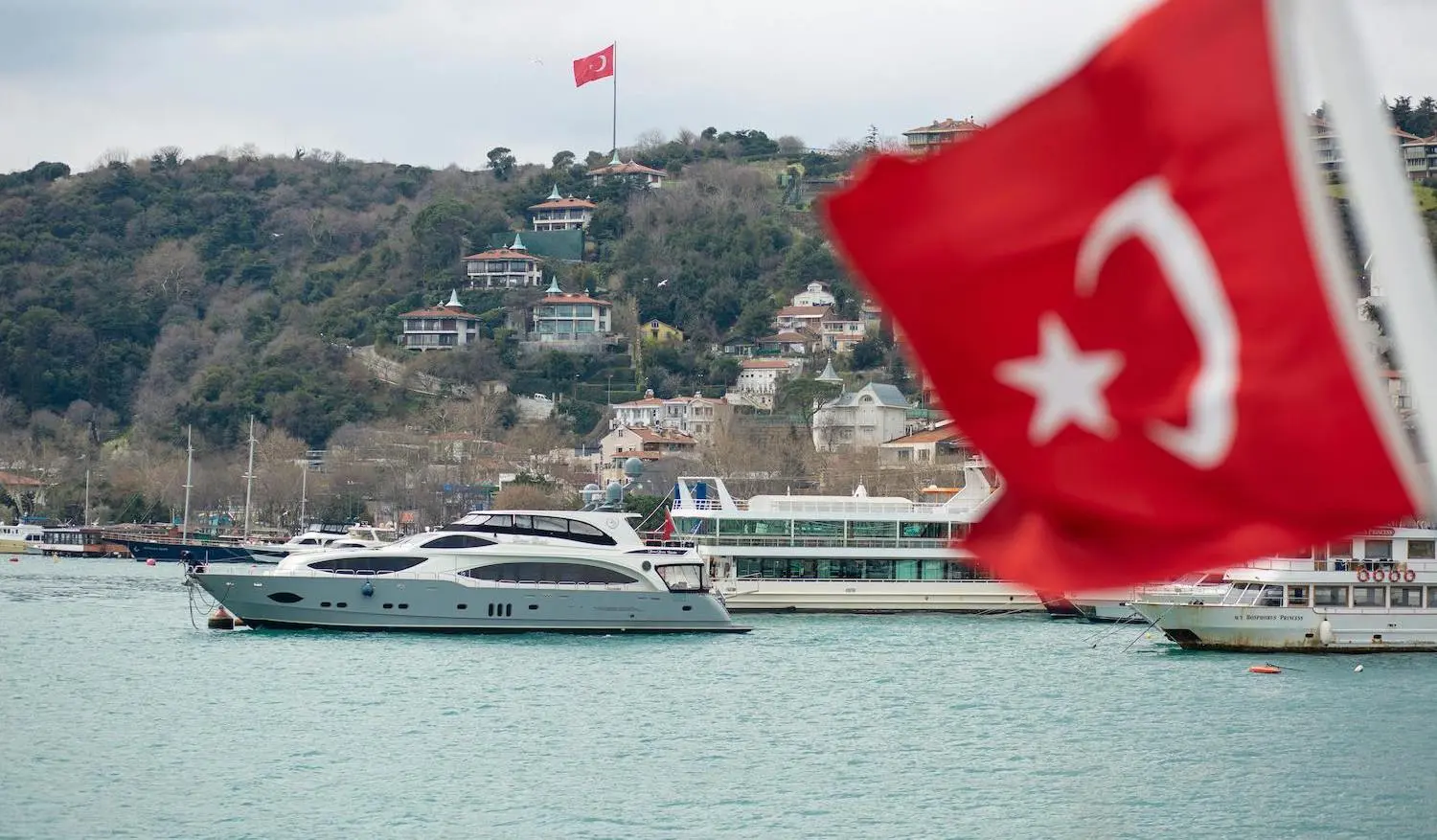
Anatolia has been receiving people for thousands of years. Göbekli Tepe dates back more than 11,000 years, while the lands of modern Turkey have hosted merchants, empires, religious communities, exiles, traders, craftsmen, families, and travellers moving between continents for generations.
Today the people arriving in Turkey are entrepreneurs with international companies, families with several passports, investors with assets in several currencies, remote executives, Gulf-based business owners, European diaspora families, and HNWIs looking for a jurisdiction that gives them more choices over the next generation.
The old approach was to chase the strongest single address. The new approach is to build several addresses and retain the freedom to move between them. Turkey offers a major economy, deep real estate market, property-backed citizenship, tax incentives for qualifying new residents, and a lifestyle people genuinely enjoy.
Interest rates will change again. Inflation will change again. Governments across Europe will change again. AI will keep changing the relationship between people and offices. Investors who see only today's headline are looking at the wall, while those planning ahead are looking at the map.
For a growing number of internationally mobile investors, one route on that map is increasingly difficult to ignore. The old centres still have enormous strengths, but the next generation of wealth will demand more choices. Come back home to Turkey.
If you are assessing Turkish citizenship, tax residence, or a property-led Plan B, speak to Property Turkey before choosing the asset. The structure works best when the property, citizenship application, and wider family strategy are considered together from the beginning.
FAQs: Turkey and Global Wealth
Q: Why are HNWIs considering Turkey in 2026?
A: Turkey combines a $400,000 USD property-backed citizenship route with major 2026 tax reforms, a large domestic economy, established international cities, and geographic access to Europe, Asia, and the Middle East. For mobile families, the attraction includes citizenship, taxation, property, lifestyle, and long-term flexibility.
Q: Does Turkish citizenship automatically give me 0% tax on foreign income?
A: Turkish citizenship and tax residence are separate. The 20-year exemption applies to qualifying foreign-source income and gains for eligible individuals who become resident in Turkey and satisfy the statutory conditions, including the previous three calendar year test. Cross-border tax planning should be completed before changing residence.
Q: How much property is required for Turkish citizenship?
A: The current real estate route requires at least $400,000 USD of qualifying property, supported by the required valuation and purchase documentation. A three-year restriction on sale is registered against the property. Investors should budget above the minimum in case the official appraisal is lower than the purchase price.
Q: Can I sell the property after three years?
A: Once the required three-year restriction has expired, the property can be sold without cancelling citizenship obtained through the qualifying investment. The eventual financial return depends on the property chosen, which is why location, fair pricing, rental demand, and domestic resale potential remain important from the beginning.
Q: Why could European political change increase demand for Turkish citizenship?
A: Wealthy families often respond to political uncertainty by adding options rather than waiting for an emergency. Rising support for nationalist and anti-immigration parties may encourage some families to secure another citizenship, property, and legal home, particularly when they have cultural or family connections with Turkey.
Cameron Deggin Founder & CEO, Property Turkey
Cameron Deggin is Founder and CEO of Property Turkey. A former finance professional and FCCA-qualified accountant, he founded the company in 2001 after recognising Turkey’s investment potential. With more than two decades analysing Turkish real estate, Cameron regularly advises international investors and is quoted by media including the Financial Times and BBC.




 By:
By:







 Founder & CEO, Property Turkey

 Bodrum
  3
3  2
2 















 X
X