The proposed model is to build a professionally managed portfolio of approximately 15 to 25 affordable, modern apartments in central Istanbul, generally priced between $175,000 USD and $250,000 USD per unit. The properties would be ready or close to completion, suitable for long-term rental, and selected for their appeal to both Turkish and international buyers.
Rather than holding every apartment separately, the portfolio could be placed within a dedicated Turkish real estate investment fund structure. This can provide consolidated ownership, reporting, portfolio management, and potentially more efficient tax treatment – subject to the investor’s residence, legal position, and final Turkish tax advice. Under the target three-year model, the strategy aims to combine:
- 8% annual net rental income.
- 50% capital appreciation over three years.
- Diversification across central Istanbul properties.
- Professional rental and property management.
- Fund-based ownership and exit planning.
- Potential tax efficiencies where the legal conditions are satisfied.
These targets would turn an initial $4 million USD portfolio into a projected $6 million USD of property, while generating approximately $960,000 USD in rental income. The resulting combined value would be close to $7 million USD.
The $4 Million USD Istanbul Strategy at a Glance
Strategy Component
Target Position
Initial capital
$4,000,000 USD
Typical apartment value
$175,000 USD to $250,000 USD
Indicative portfolio size
Approximately 15 to 25 units
Preferred property type
Ready or near-ready central apartments
Target annual net rental return
8%
Three-year rental income target
$960,000 USD
Capital growth assumption
50% over three years
Projected property value
$6,000,000 USD
Combined property and rental value
$6,960,000 USD
Projected three-year profit
$2,960,000 USD
Illustrative three-year ROI
74%
NOTE: These figures are targets rather than guarantees. Achieving them would require disciplined acquisition, effective rental management, favourable currency performance, and carefully planned exits.
Why Not Buy One Trophy Istanbul Property?
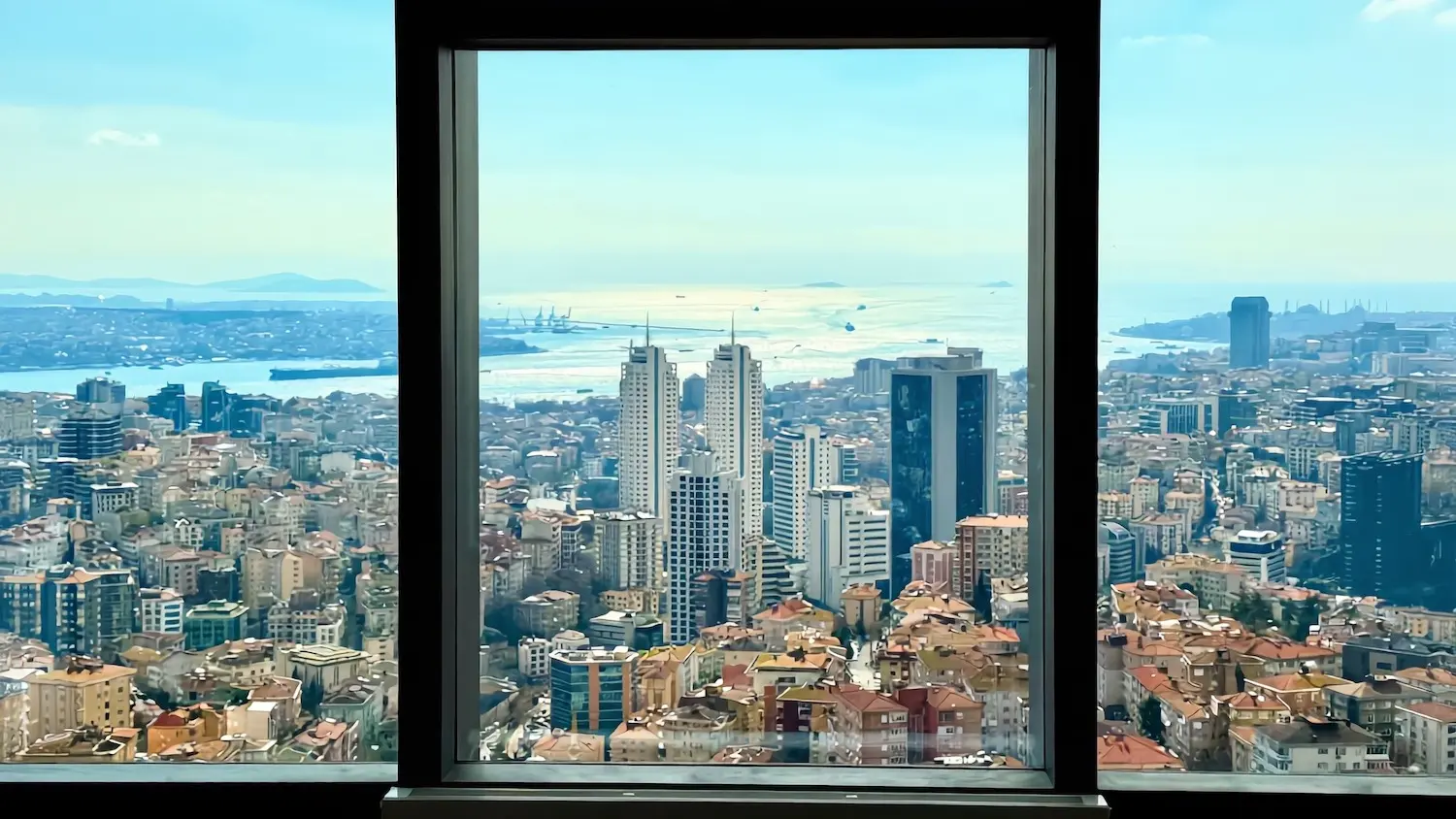
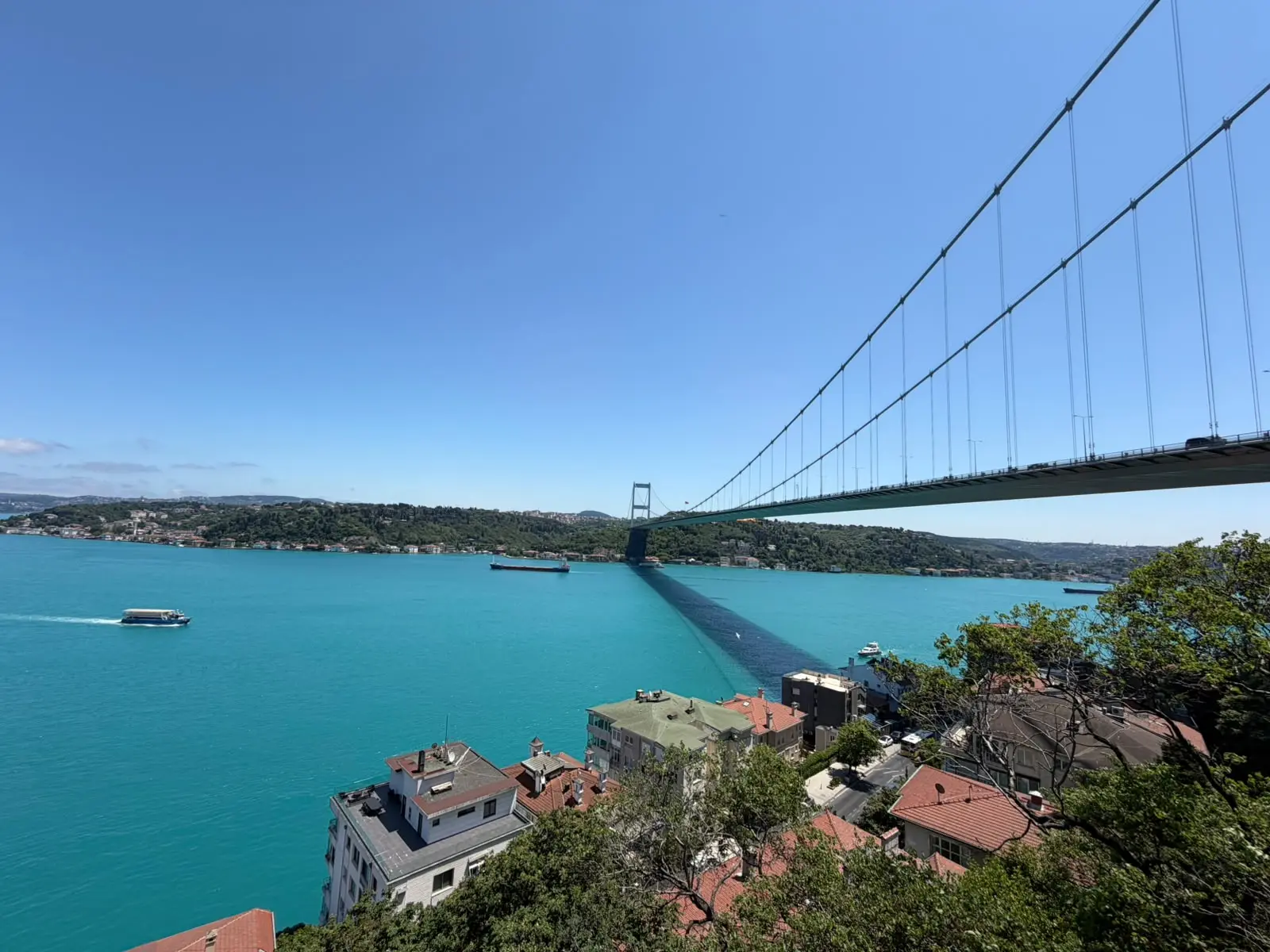
An investor entering Istanbul with $4 million USD could purchase one exceptional waterfront property or several high-end residences in districts such as Beşiktaş, Sarıyer, or Bosphorus neighbourhoods. That may be appropriate for personal use, wealth preservation, or prestige. It is not necessarily the strongest route for producing income and maximising liquidity. A single trophy property creates several investment weaknesses:
- Concentration Risk: A large proportion of the investor’s capital is tied to one Title Deed, one building, and one location.
- Narrower Tenant Demand: The number of people able to rent a multimillion-dollar home in Istanbul is limited.
- Longer Resale Periods: Luxury properties in Turkey can require significant time to find the correct buyer.
- Irregular Rental Performance: Vacancy on one property can eliminate the portfolio’s entire rental income.
- Limited Flexibility: The investor cannot sell part of the asset to release a smaller amount of capital if needed.
A portfolio of compact city-centre apartments operates differently. One unit can be sold while the remaining properties continue generating income. Vacancies are distributed across several homes, and each apartment is accessible to a much broader group of residents and investors.
- Turkish professionals working in central business districts.
- Young couples seeking modern accommodation.
- University students and academic staff.
- Medical tourists and accompanying relatives.
- International employees and executives.
- Digital workers and longer-stay visitors.
- Turkish citizens returning from overseas.
- Local investors seeking rental income.
- Future mortgage-backed Turkish buyers.
This variety is important. A property should not depend entirely on foreign investors or short-term visitors. Its strongest protection comes from remaining useful and affordable to people who live and work in Istanbul throughout the year. The preferred apartment is usually:
- Compact but not impractical.
- Modern and well-finished.
- Close to public transport.
- Within easy reach of employment centres.
- Suitable for long-term rental.
- Located in a professionally managed building.
- Affordable enough for a wide resale audience.
- Ready or sufficiently close to completion to limit construction risk.
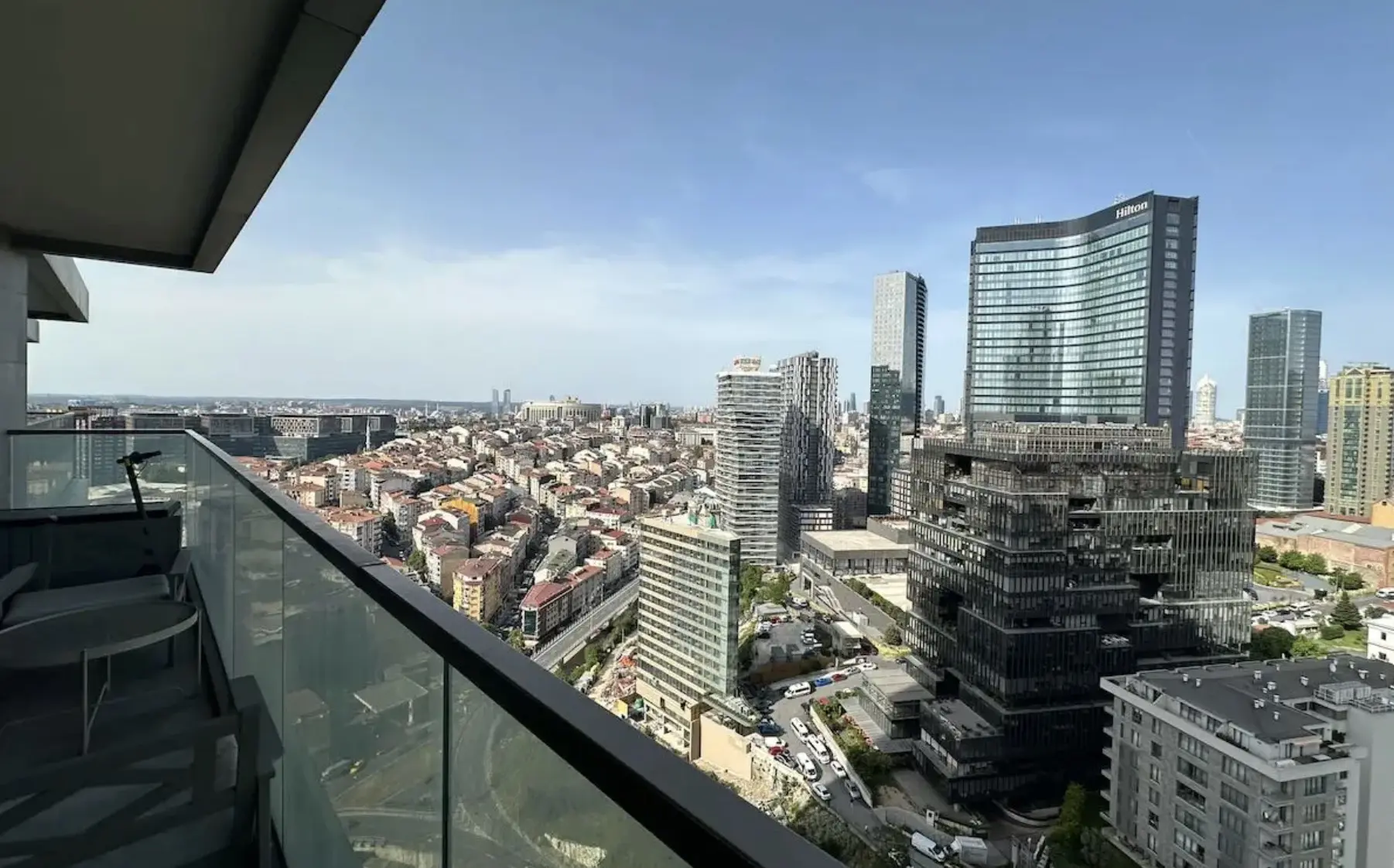
This can include carefully chosen opportunities in areas such as Beyoğlu, Şişli, Kağıthane, Bomonti, parts of Fatih, and selected locations close to major business, university, hospital, and transport infrastructure.
Istanbul Rental Growth Supports the Income Case
Official Central Bank data demonstrates why rental demand deserves close attention. In May 2026, Istanbul’s Residential Property Price Index was 25.4% higher than one year earlier in nominal Turkish Lira terms. Over the same period, Istanbul’s New Tenant Rent Index increased by 36.7%. New rents therefore increased considerably faster than residential prices during the measured period.
This does not mean every Istanbul apartment can deliver an 8% net return. Rental performance varies according to purchase price, furnishing, unit size, building charges, management costs, vacancy, and the type of tenancy.
However, the data confirms strong pressure within the Istanbul rental market. Investors who secure the correct entry price can potentially capture both rental repricing and future capital growth of their property.
Why Property Entry Price Is Important
The success of a $4 million USD portfolio is largely determined before the first tenant moves in. An apartment purchased 10% below its realistic market value has an immediate advantage. An apartment purchased 15% above market value may require several years of growth simply to correct the initial error.
This is why the strategy should focus on block negotiations, distressed opportunities, developer inventory, and properties where the investor’s purchasing power can secure preferential commercial terms. A cash-backed real estate investment fund purchasing several apartments may be able to negotiate:
- Lower prices per square metre.
- Bulk purchase discounts.
- Furniture or appliance packages.
- Reduced payment-plan premiums.
- Developer-paid closing costs.
- Improved unit selection.
- Rental guarantees where commercially credible.
- Priority access to ready inventory.
- Flexible substitution rights between units.
Using a Real Estate Investment Fund Structure
For an investment of this size, holding 15 to 25 apartments personally may create unnecessary administrative and tax complexity. A better alternative is a dedicated real estate fund vehicle that acquires and manages the portfolio. A suitable fund structure can provide:
1. Consolidated Ownership: The investor owns units or participation interests in the fund rather than personally managing numerous unrelated Title Deeds and rental arrangements.
2. Professional Portfolio Management: Acquisition, rental administration, maintenance, reporting, and disposals can be handled under one coordinated investment mandate.
3. Clearer Financial Reporting: Rental income, expenses, valuations, and asset performance can be presented at portfolio level, allowing the investor to compare each property against agreed targets.
4. Diversified Exit Planning: The fund can sell selected apartments at different stages rather than waiting for one large property to find a buyer.
5. Potential Tax Efficiency: A qualifying Turkish real estate investment fund may provide tax-exemption or tax-efficiency benefits where the fund, investor, holding structure, distribution policy, and applicable legislation satisfy the necessary conditions.
Turkey’s 2026 tax reforms have increased the number of tax and corporate structuring opportunities available to international investors. These reforms strengthen the case for reviewing property, business, residence, and investment planning together, rather than treating real estate acquisition as an isolated transaction.
What Would the Fund Portfolio Actually Buy?
At the target range of $175,000 USD to $250,000 USD, a $4 million USD commitment could acquire between 15 and 25 apartments before taxes, fund costs, furnishing, and reserves. Bulk discounts or below-market acquisitions may increase the number. Higher-quality central units and cash reserves may reduce it. The portfolio should not simply maximise the number of Title Deeds. It should maximise the quality of income and the probability of resale.
Portfolio Allocation
Indicative Share
Purpose
Core long-term rental apartments
55% to 65%
Stable occupancy and recurring income
Higher-yield furnished units
15% to 25%
Enhanced rental performance
Near-ready discounted opportunities
10% to 20%
Capital growth from completion
Cash and operating reserve
5% to 10%
Costs, vacancies, and opportunities
The portfolio may include several different Istanbul apartment types:
- Studios and compact one-bedroom apartments for professionals.
- Larger one-bedroom homes suitable for couples.
- Selected two-bedroom apartments for longer-term tenants.
- Furnished units suitable for corporate or medium-term stays.
- Near-completion properties purchased at a discount.
- Resale apartments in buildings with strong management.
Short-term rental potential can be considered, but it should never be the only route to achieving the target yield. Turkish licensing rules, building consent, management restrictions, and operational costs must be checked for each property.
What Does a Suitable Istanbul Investment Look Like?
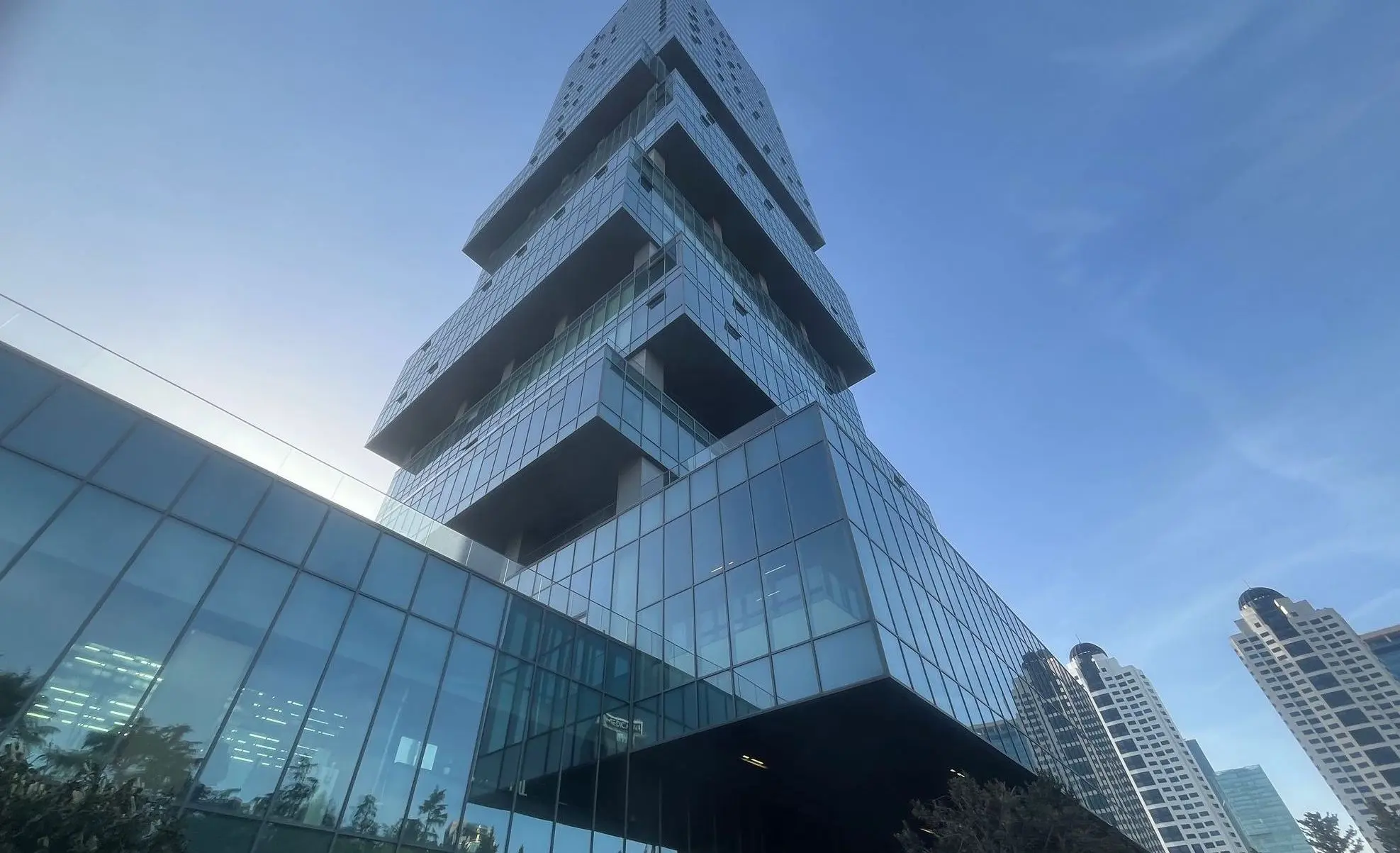
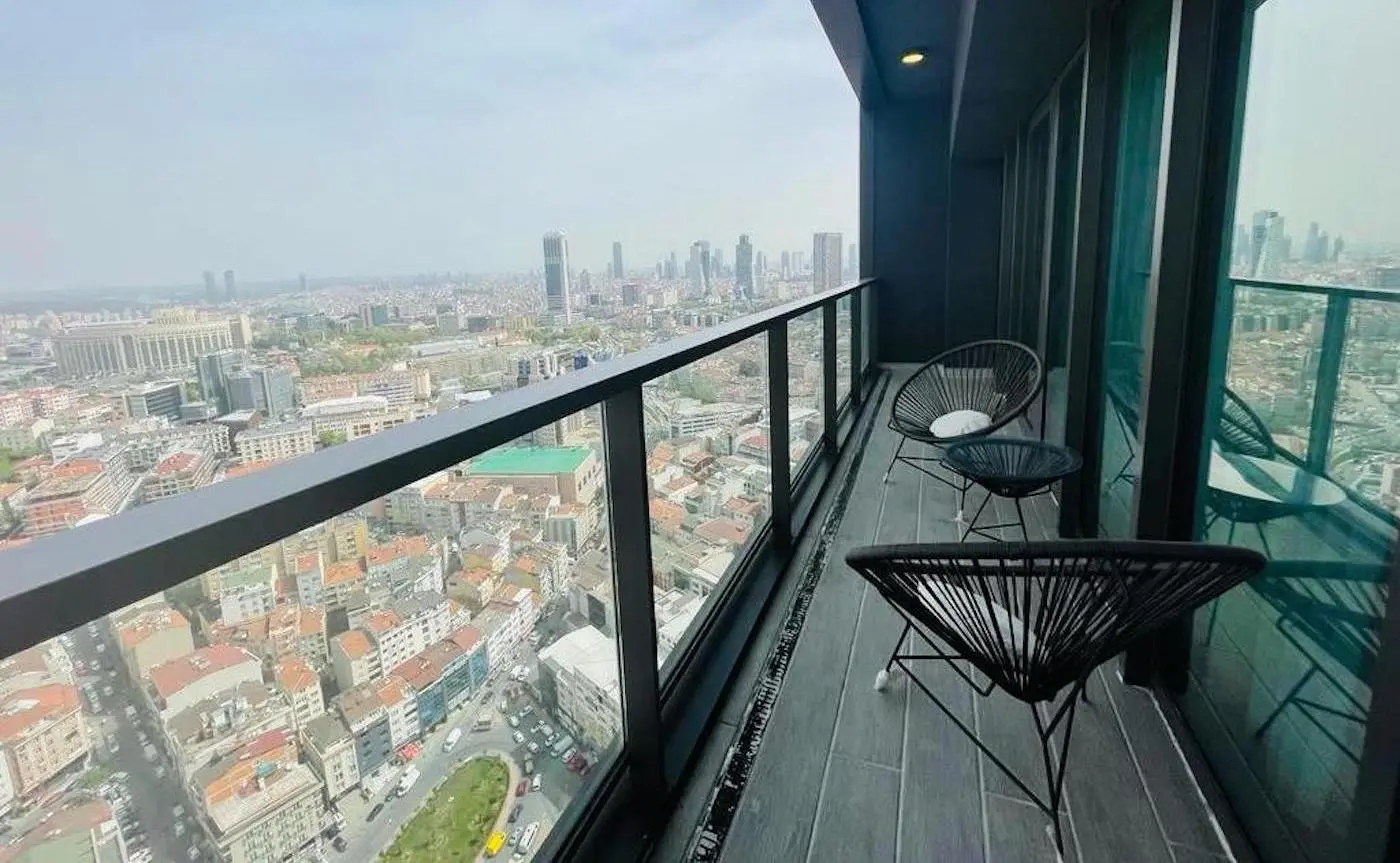
Designer apartments in central Beyoğlu provide a useful example of the type of property that could satisfy the fund’s investment criteria. The purpose is not necessarily to purchase only within one Beyoğlu development. Instead, this type of property can be used as a benchmark when reviewing opportunities across central Istanbul. A suitable apartment profile would normally offer:
- A central Istanbul location.
- Modern design and construction.
- Strong long-term rental appeal.
- An affordable entry price.
- Practical and efficient unit sizes.
- Access to a walkable urban environment.
- Proximity to public transport and employment.
- Resale liquidity among local and foreign buyers.
- Potential furnished or short-stay demand where permitted.
- Professional building management.
The final portfolio should normally be diversified across carefully selected buildings and micro-locations rather than concentrated within one asset. Concentration may still be justified where the fund can secure exceptional pricing, strong contractual protections, or commercial terms that compensate for the additional exposure.
Can the Portfolio Produce an 8% Net Rental Return?
An 8% net-net target is ambitious but potentially achievable through disciplined purchasing and management. Net-net means rental income remaining after agreed property-level operating costs, including:
- Building management charges.
- Rental management fees.
- Routine maintenance.
- Vacancy allowances.
- Tenant placement costs.
- Local insurance.
- Replacement of furniture and appliances.
- Relevant municipal or property expenses.
The following calculation assumes that the full $4 million USD remains income-producing and that rental proceeds are not reinvested. Actual results will vary during acquisition periods, furnishing, vacancies, and disposals. At 8%, a $4 million USD portfolio would generate:
Period
Target Net Rental Income
Per year
$320,000 USD
Over three years
$960,000 USD
Over five years
$1,600,000 USD
Mortgage Normalisation Could Be the Main Capital Catalyst
Turkey’s high interest rates have restricted the number of local households able to purchase homes with mortgage finance. This can create an opportunity for cash-backed investors. When financing is expensive, developers and sellers have fewer qualified local buyers. An institutional or high-net-worth investor may therefore gain greater negotiating power.
The potential catalyst arrives later. As inflation and interest rates decline, mortgage affordability may gradually improve. More Turkish households could then compete for compact, centrally located apartments.
The properties most likely to benefit from an improvement in local mortgage access are not necessarily Istanbul’s most expensive homes. They are apartments within the financial reach of salaried professionals and middle-to-upper-income households. That supports the strategy’s focus on the $175,000 USD to $250,000 USD range.
Over the next 18 months, a key market driver is the gradual return of more accessible mortgage credit. Today, the market is constrained by high entry requirements, with buyers often needing 30% to 40% down payment and mortgage terms generally shorter than optimal. As mortgage conditions in Turkey improve, we expect products such as:
- 10% down payment.
- 20-year mortgage terms.
How the Three-Year Return Is Calculated
The projected return combines recurring rental income with an assumed increase in the portfolio’s underlying value. Separating these components makes the model easier to assess, stress-test, and compare against alternatives.
Rental Income
- Initial portfolio: $4,000,000 USD
- Target annual net yield: 8%
- Annual net income: $320,000 USD
- Three-year net income: $960,000 USD
Capital Appreciation
- Initial portfolio: $4,000,000 USD
- Assumed three-year appreciation: 50%
- Projected portfolio value: $6,000,000 USD
- Projected capital gain: $2,000,000 USD
Combined Result
- Rental income: $960,000 USD
- Capital gain: $2,000,000 USD
- Total projected profit: $2,960,000 USD
- Combined value: $6,960,000 USD
- Three-year return: 74%
Together, these assumptions produce a projected profit of $2.96 million USD. Actual performance will ultimately depend on acquisition pricing, occupancy, currency movements, operating costs, taxation, and the timing of property disposals.
Could the Portfolio Double Over Five Years?
The three-year model targets a 74% combined return. Extending the strategy to five years creates a route towards exceeding a 100% total return and potentially doubling the original investment. At an 8% annual net rental return, the portfolio could generate approximately $1.6 million USD over five years before considering reinvestment. The portfolio would then need to appreciate from $4 million USD to approximately $6.4 million USD for the combined property value and accumulated rental income to reach $8 million USD.
Five-Year Model
Potential Value
Initial investment
$4,000,000 USD
Five-year rental income at 8% annually
$1,600,000 USD
Property value required to reach a combined $8 million USD
$6,400,000 USD
Required property appreciation
60%
Combined value
$8,000,000 USD
Total illustrative return
100%
A return above 100% could become possible if capital appreciation exceeds 60%, rental income is reinvested, acquisitions are completed below market value, or mortgage normalisation strengthens resale demand. The correct holding period should be determined by rental performance, valuations, mortgage conditions, currency movements, and the investor’s wider tax strategy.
Risk Controls for a $4 Million USD Portfolio
No successful Istanbul property investment should be built around one optimistic forecast. The main risks include: Turkish Lira depreciation, lower-than-expected rental yields, delayed mortgage recovery, regulatory changes affecting rentals, building management failures, unexpected maintenance costs, concentration within one development, slower resale demand, tax-rule changes, weak fund governance, and developer or completion risk. The portfolio can reduce these risks through practical controls:
1. Diversify Across Buildings: Avoid placing the entire commitment into one project unless the commercial terms justify the concentration.
2. Favour Ready and Near-Ready Properties: This limits construction risk and allows the fund to begin generating income sooner.
3. Maintain a Cash Reserve: A reserve can cover vacancies, repairs, legal costs, and opportunities requiring rapid completion.
4. Complete Legal and Technical Due Diligence: Title, planning, earthquake compliance, building management, debts, and rental restrictions should be checked before purchase.
5. Plan the Exit Before Buying: Every acquisition should have an identified resale audience. A unit with no likely Turkish buyer should require exceptional pricing to justify inclusion.
6. Review Performance Property by Property: Units that consistently underperform should be sold and replaced rather than retained for emotional reasons.
A Practical Three-Year Implementation Plan
An implementation schedule turns the investment into an organised acquisition, management, and exit programme. Each stage should protect capital, maintain flexibility, and keep decisions aligned with measurable performance targets.
Months 1–3: Structuring and Acquisition Preparation
- Confirm the investor’s tax residence and ownership requirements.
- Establish the appropriate fund or investment vehicle.
- Obtain Turkish and home-country tax opinions.
- Agree the investment mandate and reporting currency.
- Build the first acquisition shortlist.
- Negotiate portfolio and block discounts.
- Complete legal and technical due diligence.
Months 3–12: Portfolio Assembly
- Acquire the first ready apartments.
- Furnish and prepare units for rental.
- Establish management and maintenance systems.
- Add near-ready properties where pricing is attractive.
- Monitor actual net yields against the investment mandate.
- Retain sufficient cash for operating requirements.
Year 2: Rental Optimisation and Selective Rebalancing
- Review rents and occupancy.
- Sell any unsuitable or underperforming units.
- Reinvest where better opportunities are available.
- Monitor mortgage access and local buyer demand.
- Update independent valuations.
- Prepare the strongest assets for potential sale.
Year 3: Staged Exit or Continued Hold
- Identify units with the highest resale demand.
- Sell selectively rather than liquidating at once.
- Retain high-yield apartments where income remains attractive.
- Review fund distributions and tax consequences.
- Compare a full exit against a five-year extension.
- Repatriate or reinvest proceeds under the agreed tax plan.
Following this sequence allows the fund to deploy capital gradually, test rental performance, correct underperforming positions, and approach the third-year exit with stronger data, preparation, and negotiating leverage when selling.
Building the Istanbul Portfolio Before Credit Improves
The central investment argument is not that every Istanbul property will rise by 50%, or that an 8% net yield is available without careful selection. The opportunity comes from combining several advantages within one coordinated structure:
- Cash purchasing power during a period of restricted local credit.
- Negotiated entry pricing.
- Affordable central apartments with broad demand.
- Rental income while the portfolio is held.
- Diversification across multiple units.
- Potential mortgage-driven resale demand.
- Professional fund management.
- Tax and exit planning completed before acquisition.
A $4 million USD investor does not need to speculate on one extraordinary property. The capital can be deployed across a portfolio of useful, rentable, and resalable Istanbul homes. Under the target assumptions, the portfolio could produce approximately $960,000 USD of net rental income and $2 million USD of capital appreciation over three years, creating a combined value close to $7 million USD.
A five-year hold could create a credible route towards a 100% total return, particularly if rental income continues, selected apartments remain undervalued in USD terms, and mortgage-backed local demand recovers.
Property Turkey, PT Oracle, and Funding Turkey can coordinate the full strategy, including investment structuring, fund formation, tax and legal review, property acquisition, negotiations, due diligence, rental management, and eventual disposal. For more information, please enquire today for a free consultation with our local and trusted experts.
NOTE: This article presents an illustrative investment strategy and does not constitute personal tax, legal, or investment advice. Returns, yields, exchange rates, and tax treatment are not guaranteed and must be confirmed through investor-specific professional advice.
Cameron Deggin Founder & CEO, Property Turkey
Cameron Deggin is Founder and CEO of Property Turkey. A former finance professional and FCCA-qualified accountant, he founded the company in 2001 after recognising Turkey’s investment potential. With more than two decades analysing Turkish real estate, Cameron regularly advises international investors and is quoted by media including the Financial Times and BBC.




 By:
By:






 Founder & CEO, Property Turkey
 Bodrum
  9
9  9
9 









 X
X