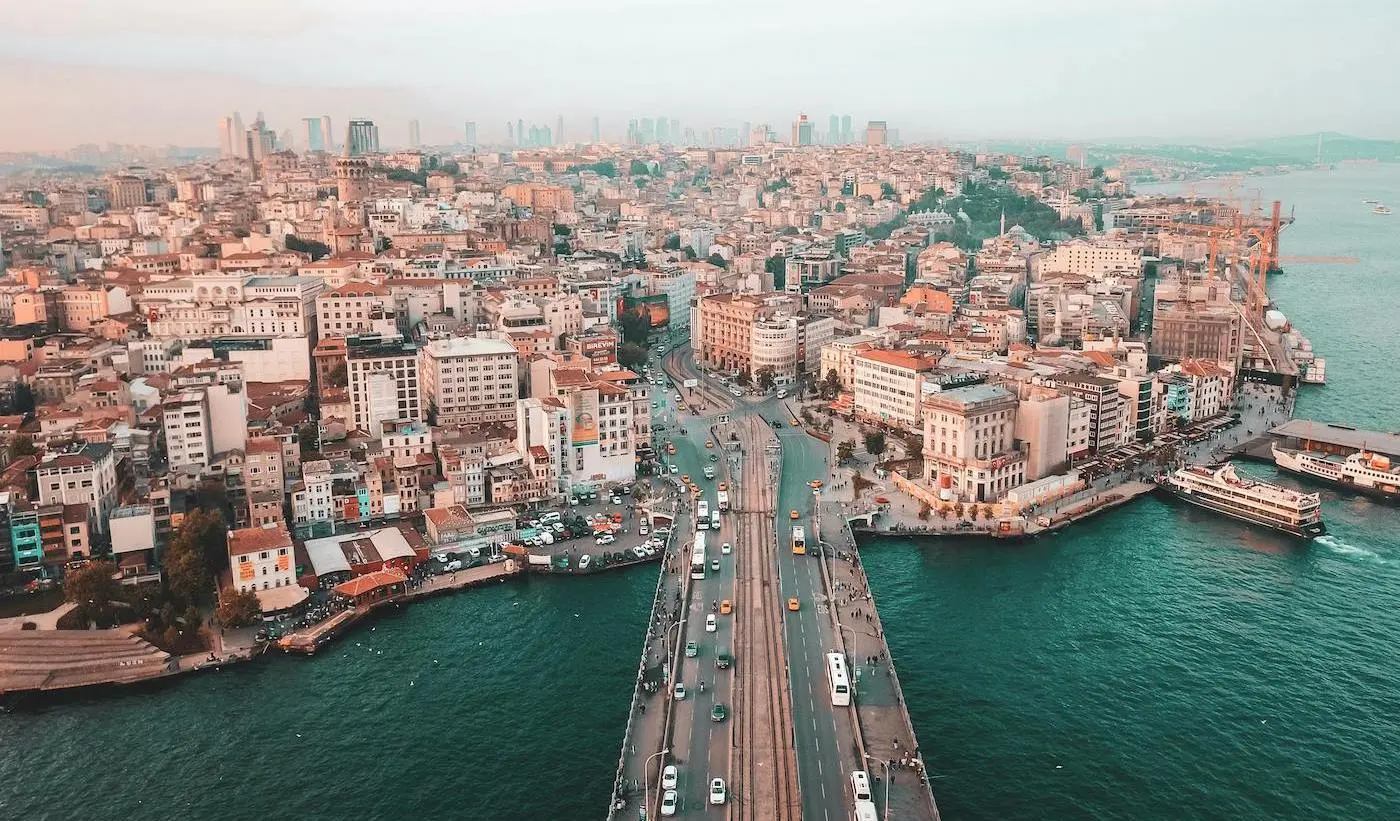
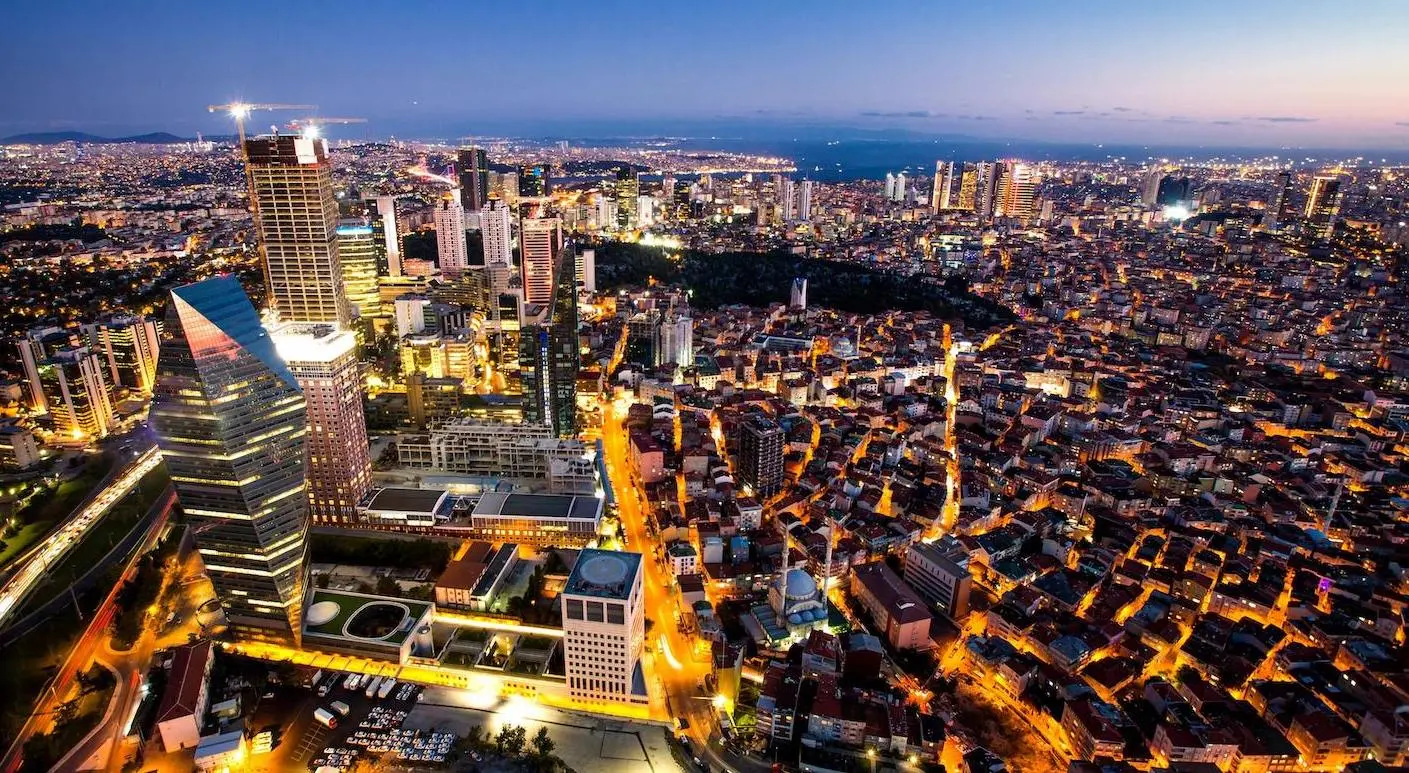
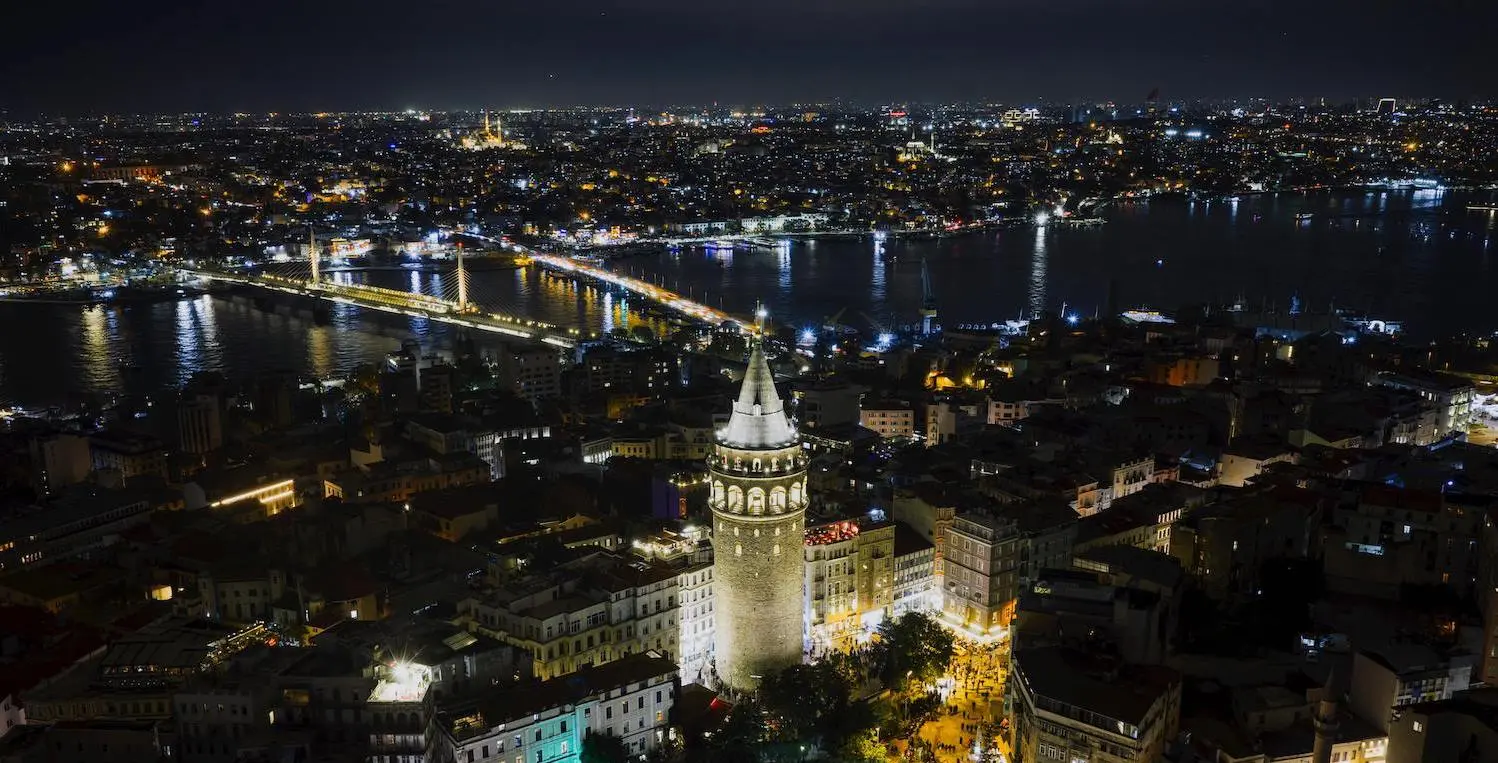
Istanbul is unlike any other city in Turkey. It is the country’s commercial capital, largest population centre, main employment hub, and deepest housing market. Official data places the city’s population at around 15.75 million in 2025, accounting for more than 18% of Turkey’s total population.
This creates constant demand for housing, but Istanbul’s property market is not uniform. The city contains historic neighbourhoods, ageing apartment blocks, coastal mansions, renewed inner-city districts, family suburbs, branded residences, investment-led projects, and large new-build communities on the edges of the city.
For buyers looking at property in Istanbul, average figures can mislead. A low price may signal opportunity, but it may also reflect weak resale liquidity, poor building quality, title risk, maintenance problems, or limited tenant demand. The real question is not simply where the property is. The better question is what type of Istanbul asset you are buying.
Why Istanbul Works Differently from Other Global Cities
In many mature cities, location is the main driver of value. In Istanbul, location is still important, but it is only one part of the calculation. Earthquake resilience, building age, construction quality, planning compliance, Title Deed status, parking, management quality, and neighbourhood regeneration can have a major effect on price performance.
This comes from Istanbul’s development history. Over the last 70 years, the city absorbed huge internal migration. Demand for affordable housing grew faster than formal planning and infrastructure could keep up. Large parts of the city expanded through dense apartment construction, later regularised buildings, and neighbourhoods that developed before modern transport, parking, and social facilities were in place.
One of the biggest differences in Istanbul is the gap between older housing stock and compliant new property. Buyers are not only comparing districts. They are comparing building types, legal clarity, construction standards, and future buyer confidence. In practical terms, much of the market falls into two broad groups:
- Older stock with land or renewal value: These properties sit in central locations, but may come with structural risk, poor layouts, weak parking, ageing utilities, and uncertain renewal timing.
- Newer stock with safety, lifestyle, and liquidity value: These properties usually offer better appeal for tenants, banks, families, and future buyers because the building itself supports confidence.
The strongest Istanbul properties often combine both advantages. They sit in central or improving districts, but also offer modern construction, clear title deed status, proper management, and either completed renewal or a visible improvement path.
The Data Behind Istanbul’s Demand
Istanbul has one of the deepest housing demand bases in the region. It attracts local families, internal migrants, professionals, students, medical visitors, foreign buyers, Turkish diaspora buyers, and investors seeking rental income.
Turkey recorded around 1.7 million home sales in 2025, with Istanbul leading all provinces at 280,262 transactions. This shows that Istanbul’s market is not driven only by foreign buyers. Foreign sales across Turkey fell to around 21,535 homes in 2025, while Istanbul’s total transaction depth remained far larger.
The city is also an economic giant. Istanbul generated 29.2% of Turkey’s GDP in 2024, according to provincial GDP data. This concentration of jobs, services, universities, hospitals, finance, tourism, and trade supports rental demand in central and well-connected districts.
CBRT data also shows the difference between headline price growth and real returns. In April 2026, Istanbul residential prices increased by 26.2% year-on-year in nominal terms, while the national index fell 4.3% in real terms after inflation. Istanbul new tenant rents increased 36.2% year-on-year in nominal terms.
How to Read Istanbul Prices in USD
Foreign buyers often view Istanbul real estate through a USD, GBP, or EUR lens. Sellers, developers, tenants, and households usually think in Turkish Lira. This difference is important because Istanbul prices can rise sharply in local currency while looking flatter in USD if exchange-rate movement offsets part of the gain. A strong Istanbul asset should be tested in two ways: how it performs in the local market and how it protects value for a foreign buyer measuring returns in hard currency.
Istanbul Market Phase
What Usually Drives Prices
What Buyers Should Understand
Early urban expansion
Population growth, internal migration, low-cost housing demand
Some older central stock may hold land or regeneration value but building risk can be high
Credit and infrastructure growth
Mortgage access, stronger local purchasing power, new metro and road access
Better-connected districts usually see stronger resale depth and tenant demand
Central branded homes can outperform, but peripheral oversupply needs caution
FX and inflation repricing
Property used as a store of value, Turkish Lira volatility, rising replacement costs
Local prices may rise quickly while USD returns vary by timing and asset quality
Regeneration and compliance phase
Safer buildings, newer stock, title clarity, better management
Earthquake-compliant central property increasingly commands a premium
The main upward phases in Istanbul are usually driven by improved credit access, infrastructure investment, branded residential development, foreign and diaspora demand, inflation hedging, and Urban Regeneration. However, weaker USD periods can appear when currency depreciation moves faster than local price growth, when affordability falls, or when too much supply is delivered in areas without strong end-user demand.
This is one reason Istanbul cannot be judged only by citywide averages. In the same year, a compliant central apartment in Kağıthane or Şişli may gain liquidity, while an older non-compliant building or a distant investor-led project may struggle. The investor’s task is to identify property that can hold value in both local and hard-currency terms.
Earthquake Risk Is a Market Driver, Not a Side Issue
No serious Istanbul investment strategy can ignore earthquake risk. This is not only a safety issue. It directly affects property pricing, bankability, tenant demand, resale liquidity, and long-term buyer confidence.
After the 2025 Istanbul tremor, Reuters reported that around 1.5 million buildings in the city were considered at risk, with roughly one third needing urgent transformation. It also reported that around five million residents were living in risky homes. For buyers, this makes building quality one of the clearest dividing lines in the market.
Modern, earthquake-compliant buildings increasingly attract a premium, especially in central areas where old housing stock is common. Buyers are becoming more selective. Banks, tenants, families, and foreign investors all place greater value on clear documentation, strong construction standards, and properly managed buildings.
This is why two apartments in the same district can have completely different investment profiles. One may be an ageing building with uncertain structural performance and poor resale prospects. Another may be a newly delivered, compliant building with parking, lifts, management, security, and strong tenant demand.
Urban Regeneration Is the Main Investment Theme
Urban Regeneration is one of Istanbul’s most important residential market forces. It is not just about replacing old buildings with newer ones. It directly changes how entire neighbourhoods are viewed, priced, rented, and lived in.
Regeneration can bring safer buildings, better layouts, new retail, improved public areas, higher-income residents, better rental stock, and more confidence from end-users. The biggest price movements often happen after the first high-quality completed schemes prove that an area has changed. For investors, this creates several clear effects:
- Risky or obsolete buildings are replaced by safer housing.
- Modern layouts, parking, lifts, and shared areas improve daily living.
- New cafés, clinics, offices, schools, and services strengthen local demand.
- Higher-income residents can change the buyer and tenant profile.
- Better rental stock makes the area more attractive to professionals.
- Older central Istanbul can narrow the gap with newer planned districts.
This is why investors should look beyond finished luxury districts only. In Istanbul, some of the strongest value sits in areas that are already central but still partly under-regenerated. These neighbourhoods offer lower entry prices than prime coastal or Bosphorus areas, while still benefiting from transport, employment access, and rising demand for compliant homes.
However, Urban Regeneration also needs careful checking. Buyers need to understand title status, construction permits, developer strength, delivery record, service charges, building standards, and the real depth of the surrounding neighbourhood.
The Best Areas to Watch in Istanbul
The best investment areas are usually not the cheapest areas. They are the places where price, quality, employment access, tenant demand, and future liquidity meet.
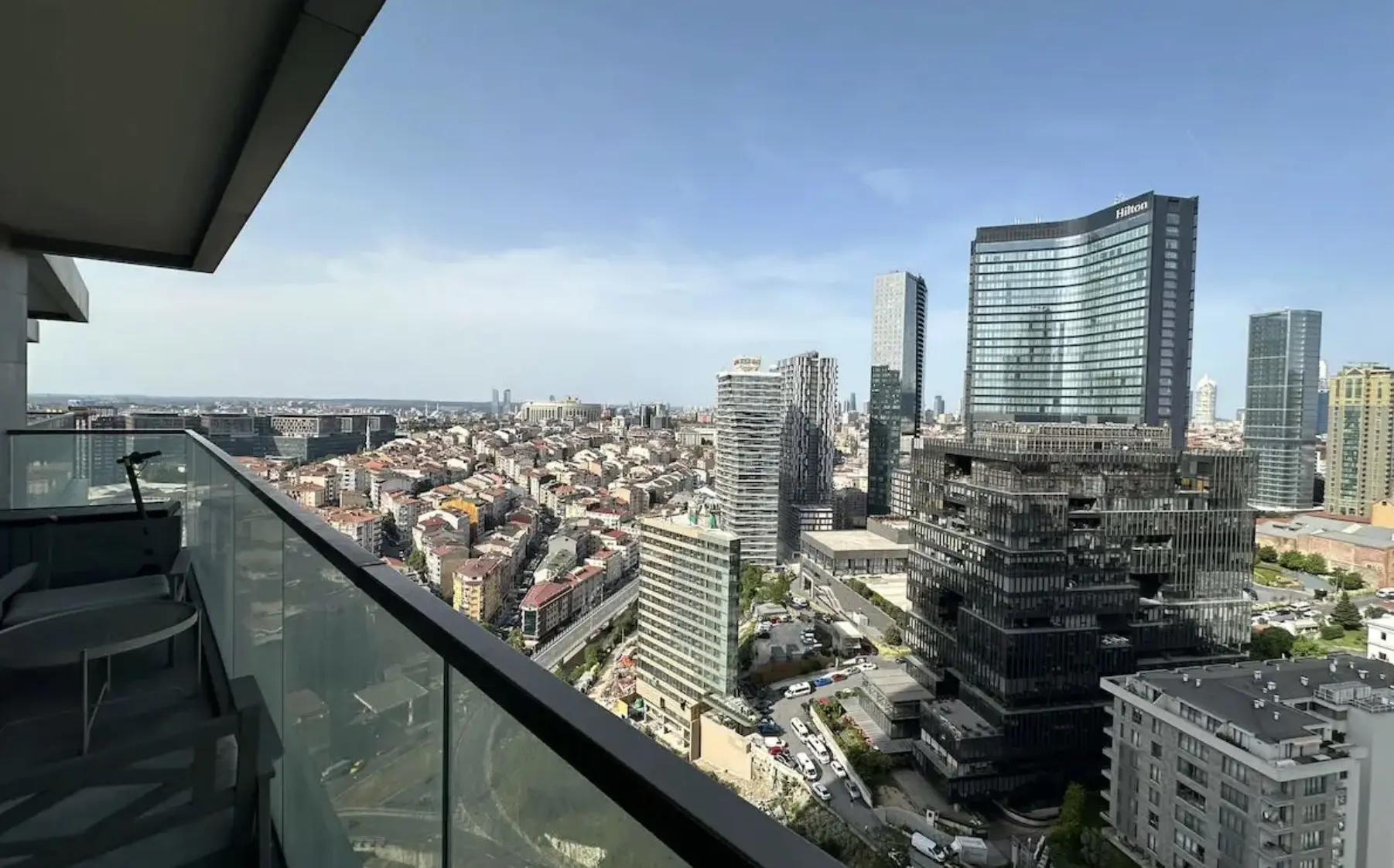
Kağıthane:Kağıthane is one of the clearest examples of central Istanbul Urban Regeneration. Once viewed as a lower-profile district, it has become more attractive because of its proximity to Şişli, Levent, Maslak, Beşiktaş, and the city’s major business areas. Its appeal comes from relative affordability compared with prime central districts. Buyers can still find modern residences and mixed-use projects at lower entry levels than nearby luxury areas, while tenants benefit from short commuting times. The best opportunities are close to metro access, business districts, and improved public infrastructure.
Şişli:Şişli is one of Istanbul’s most important central districts. It has strong employment access, hospitals, universities, retail, public transport, and neighbourhood depth. Areas such as Bomonti, Feriköy, Kurtuluş, Mecidiyeköy, and parts of Fulya offer different entry points for buyers. For investors, Şişli is not dependent on one buyer group. It appeals to professionals, students, families, medical visitors, corporate tenants, and foreign residents. The key is building selection. Modern, well-managed apartments have a stronger investment case than older stock with unclear maintenance or structural issues.
Bomonti:Bomonti has become one of the most recognisable regeneration areas in central Istanbul. Its rise has been supported by branded residential projects, hotel investment, offices, restaurants, cultural venues, and access to surrounding districts. The area is not cheap compared with the past, but it still offers a useful benchmark for what regeneration can do in Istanbul. It shows how older central districts can reposition when quality projects, lifestyle services, and professional tenants arrive.
Mecidiyeköy:Mecidiyeköy and nearby zones are practical investment areas because of their central working population, transport access, and proximity to Levent, Şişli, and Kağıthane. These are not trophy markets, but they can offer strong rental performance when the property is modern and well located. The opportunity is selective. Buyers should avoid weak buildings and focus on completed or near-completed modern stock with clear management, strong access, and realistic rental demand.
Eyüpsultan:Eyüpsultan offers a different type of investment case. It includes family neighbourhoods, green areas, Golden Horn access, improving transport, and parts of the district with regeneration potential. It can suit buyers looking for more space and a lower entry point than central Şişli or Beşiktaş. The district is varied, so local guidance is essential. Some areas are more residential and family-led, while others benefit more clearly from transport and urban renewal.
Ataşehir:Ataşehir has become a stronger Asian-side investment area because of the Istanbul Financial Center and the growth of finance, banking, and professional services. This supports demand for apartments, executive rentals, serviced residences, and mixed-use projects. Recent reforms add interest for internationally mobile buyers, including Istanbul Financial Center incentives and Turkey’s 20-year foreign-source income tax exemption for qualifying new tax residents.
Zeytinburnu: Zeytinburnu has become important because of coastal redevelopment, access to central Istanbul, and modern residential projects. It appeals to buyers looking for sea access, lifestyle facilities, and newer stock without paying prime Bosphorus prices. The best projects tend to be those with clear end-user appeal, good management, parking, social facilities, and access to daily amenities. Buyers should be careful with oversupplied schemes that rely too heavily on investor marketing.
Prime Areas Still Have Their Own Logic
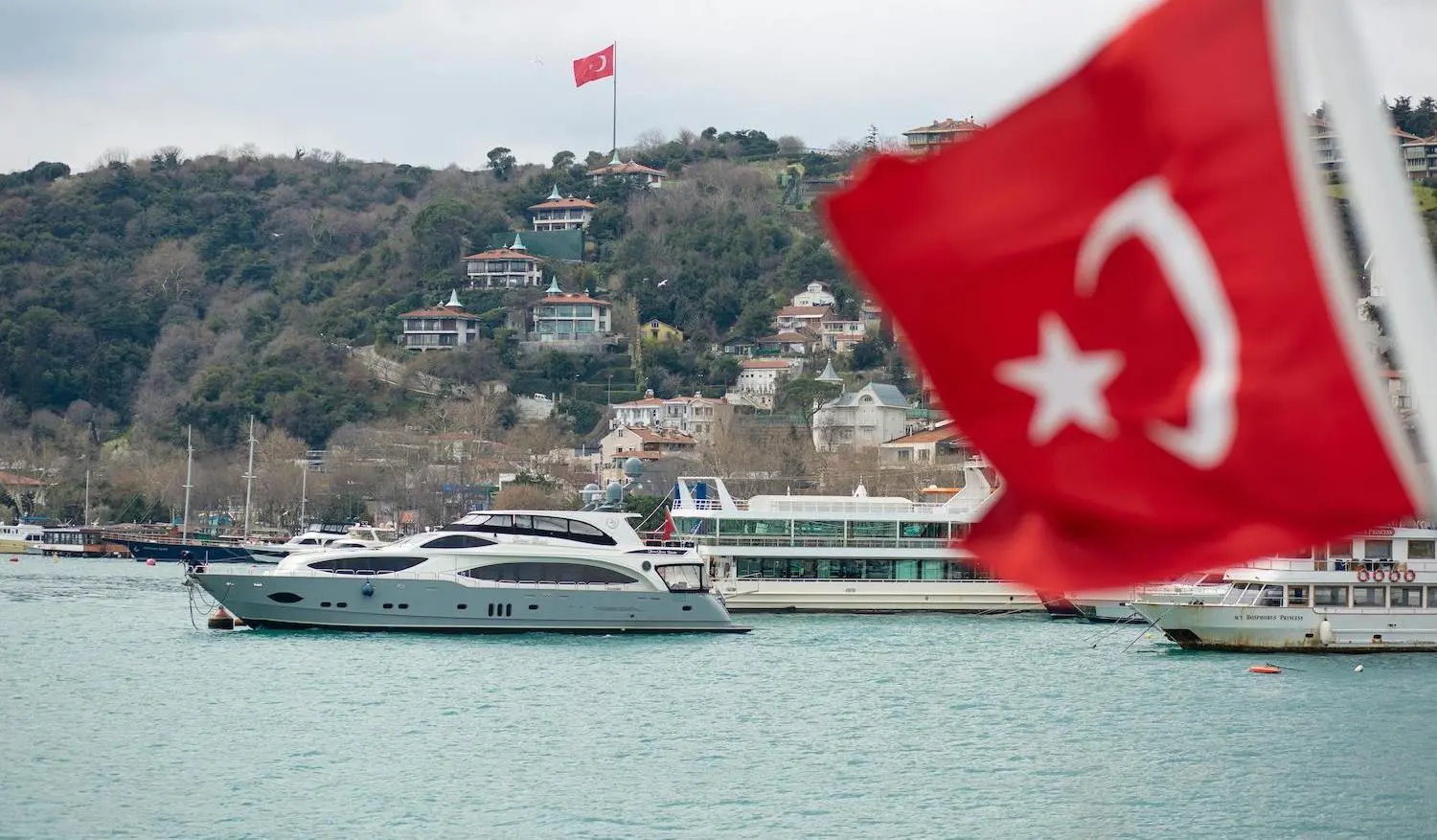
Prime Bosphorus and coastal districts behave differently from the wider market. Areas such as Bebek, Arnavutköy, Yeniköy, Emirgan, Nişantaşı, Etiler, and parts of Kadıköy have a scarcity element that protects long-term property value.
These areas are less dependent on mortgage-led buyers and more influenced by wealth preservation, lifestyle, views, heritage, and limited supply. Entry prices are higher, but the right property can hold value because comparable stock is difficult to replace.
For many investors in Turkey, however, the best risk-adjusted opportunity may not be prime luxury property in Istanbul. It may be high-quality, centrally located property in districts still moving through regeneration.
Where Investors Need to Be Careful
Not all new-build property in Istanbul is a good investment. Some distant districts have large amounts of supply, weaker tenant depth, and limited resale audiences. A project can look impressive in a brochure but still struggle if the location lacks daily demand. Buyers should be cautious with:
- Distant projects sold mainly on price.
- Buildings without clear transport access.
- Investor-heavy blocks with many resale units.
- Older buildings without a regeneration route.
- Projects with weak management or high service charge disputes.
- Properties with title, permit, or completion uncertainty.
- Areas where rental demand depends only on projected yields.
The aim is not to buy “cheap Istanbul properties”. The aim is to buy liquid Istanbul. That means property with a clear resale audience, strong tenant demand, modern standards, and a location with clear end-user appeal.
What Investors Should Check Before Buying
A proper Istanbul investment review should include more than a viewing and price comparison. Buyers should check the building, the legal position, the local market, and the resale audience. Important checks include:
- Building age and earthquake credentials.
- Construction quality and developer reputation.
- Title Deed status.
- Zoning and planning compliance.
- Habitation permit status.
- Service charges and site management.
- Parking, lifts, security, and shared facilities.
- Transport access and walkability.
- Real rental demand, not only projected yields.
- Resale liquidity.
- Local regeneration activity.
- FX risk if measuring returns in USD, GBP, or EUR.
This is where professional consultation and expert guidance adds value to the investor. Istanbul rewards detailed property selection. Generic buying can create problems, even when the district name looks strong.
The Next 5 to 10 Years for Istanbul Property
The best Istanbul property performance is likely to be selective rather than citywide. Broad averages will continue to hide major differences between old stock, regenerated central districts, prime scarce assets, and supply-heavy outer areas. The best-positioned property types are likely to include:
- Earthquake-compliant central apartments.
- Regenerated inner-city homes.
- Compact rental units near employment hubs.
- Branded residences in proven central areas.
- Mixed-use projects with daily convenience.
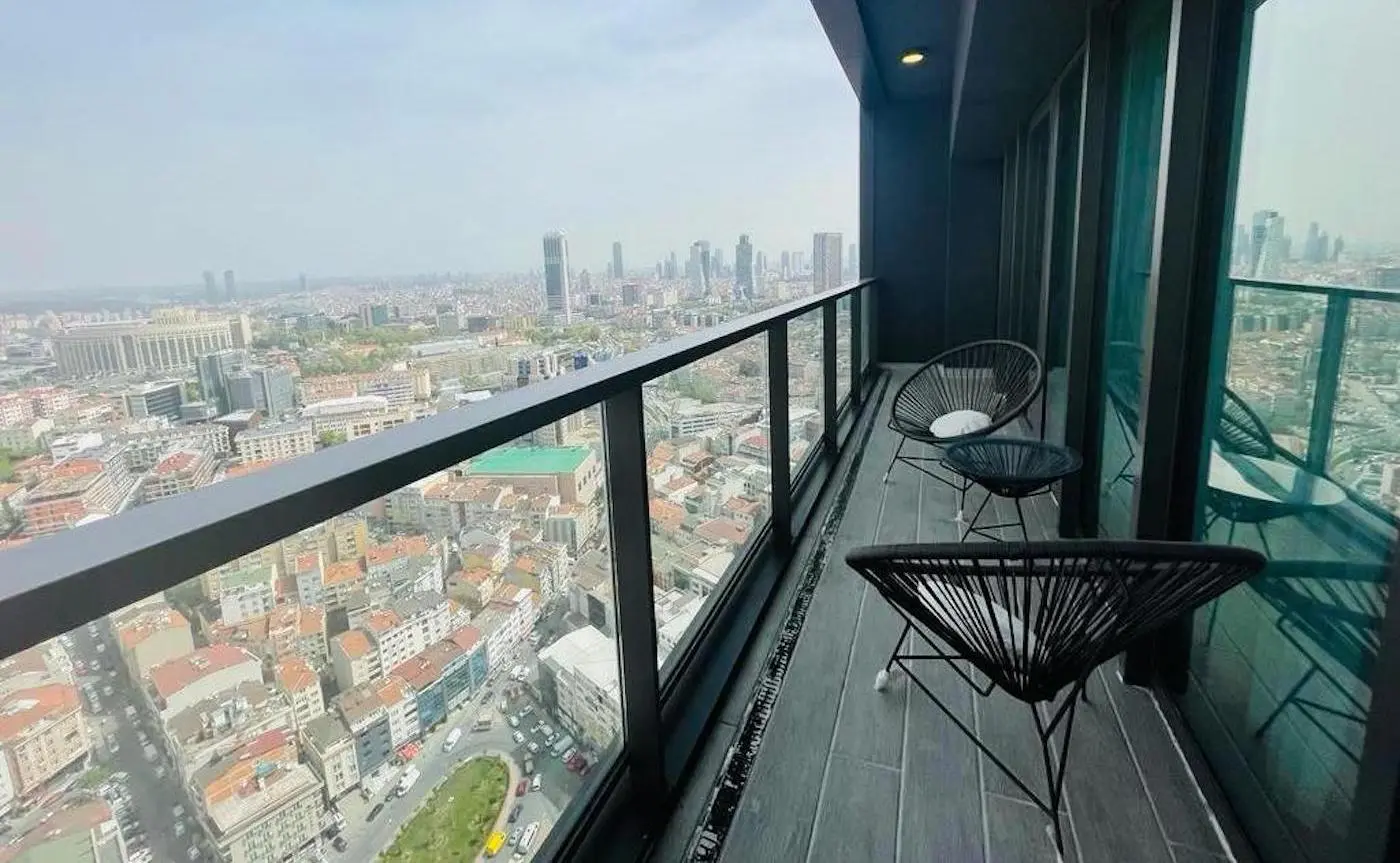
- Scarce sea, park, skyline, or Bosphorus view homes.
- Family-friendly homes in improving residential districts.
For foreign buyers, the key is to avoid treating Istanbul as a single investment label. The city’s scale creates opportunity, but its complexity creates risk. The buyer who understands the difference between price and value will be in a much stronger position.
Why Istanbul Rewards Careful Property Selection
Istanbul remains one of the most compelling residential markets in the region because it combines population depth, economic power, rental demand, regeneration, infrastructure investment, and long-term scarcity in central districts.
But this is not a market for generic buying. Earthquake resilience, Urban Regeneration, quality compliance, title security, building management, and true end-user demand dictate performance more than a famous district name alone.
For serious investors, the opportunity is not simply Istanbul property. It is safe, central, well-managed, regeneration-backed property with a real tenant base and a clear resale audience. That is where capital protection and growth are most likely to come together.
For tailored guidance on where to buy, what to avoid, and how to compare Istanbul property opportunities, contact Property Turkey to speak with an experienced consultant before making your next investment decision.
Cameron Deggin Founder & CEO, Property Turkey
Cameron Deggin is Founder and CEO of Property Turkey. A former finance professional and FCCA-qualified accountant, he founded the company in 2001 after recognising Turkey’s investment potential. With more than two decades analysing Turkish real estate, Cameron regularly advises international investors and is quoted by media including the Financial Times and BBC.




 By:
By:


 Founder & CEO, Property Turkey

 Kalkan
  2
2  2
2 











 X
X