Mustafa Kemal Atatürk founded the Turkish Republic and influenced world events for decades. His impact affected many nations, including the Greeks, British, Italians, and French. Even the remaining Ottoman dynasty opposed him. Atatürk is a defining figure of the 20th century. As a military commander and reformer, he turned the remnants of a collapsed empire into a sovereign republic.
Today, his image is everywhere: in public squares, school classrooms, on home walls, and in shop windows. His legacy isn't even a hundred years old, yet Turks everywhere adore him. His undeniable contribution stands the test of time. To understand modern Türkiye, you need to understand the life and legacy of its founding father.
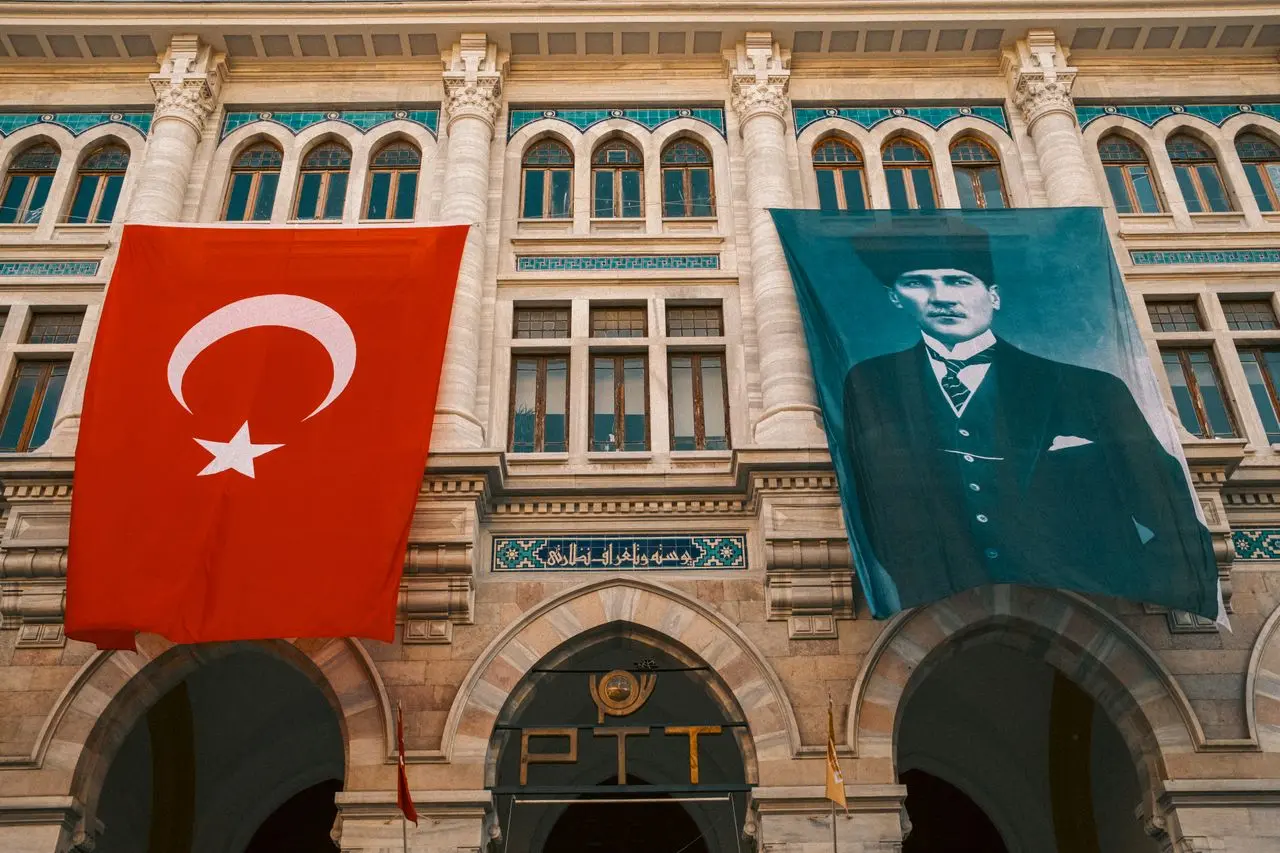
Quick Summary of Mustafa Kemal Atatürk
- Atatürk was born in 1881 in Salonica: Now Thessaloniki, Greece, the city was then part of the Ottoman Empire. His mathematics teacher gave him the name “Kemal”, reflecting perfection.
- From 1915 to 1923: He gained fame as a commander during the Gallipoli Campaign (Çanakkale War). In 1921, he received the titles of Gazi and Marshal for his leadership during the war. He declared the Republic of Turkey on 29 October 1923 and became its first President.
- 1934 to 1938: Following the new surname law, the Turkish Republic bestowed upon him the surname Atatürk, meaning “Father of the Turks”. He passed away on 10 November 1938. Every year on this date at 09:05, Türkiye pauses for a moment of silence to commemorate his death.
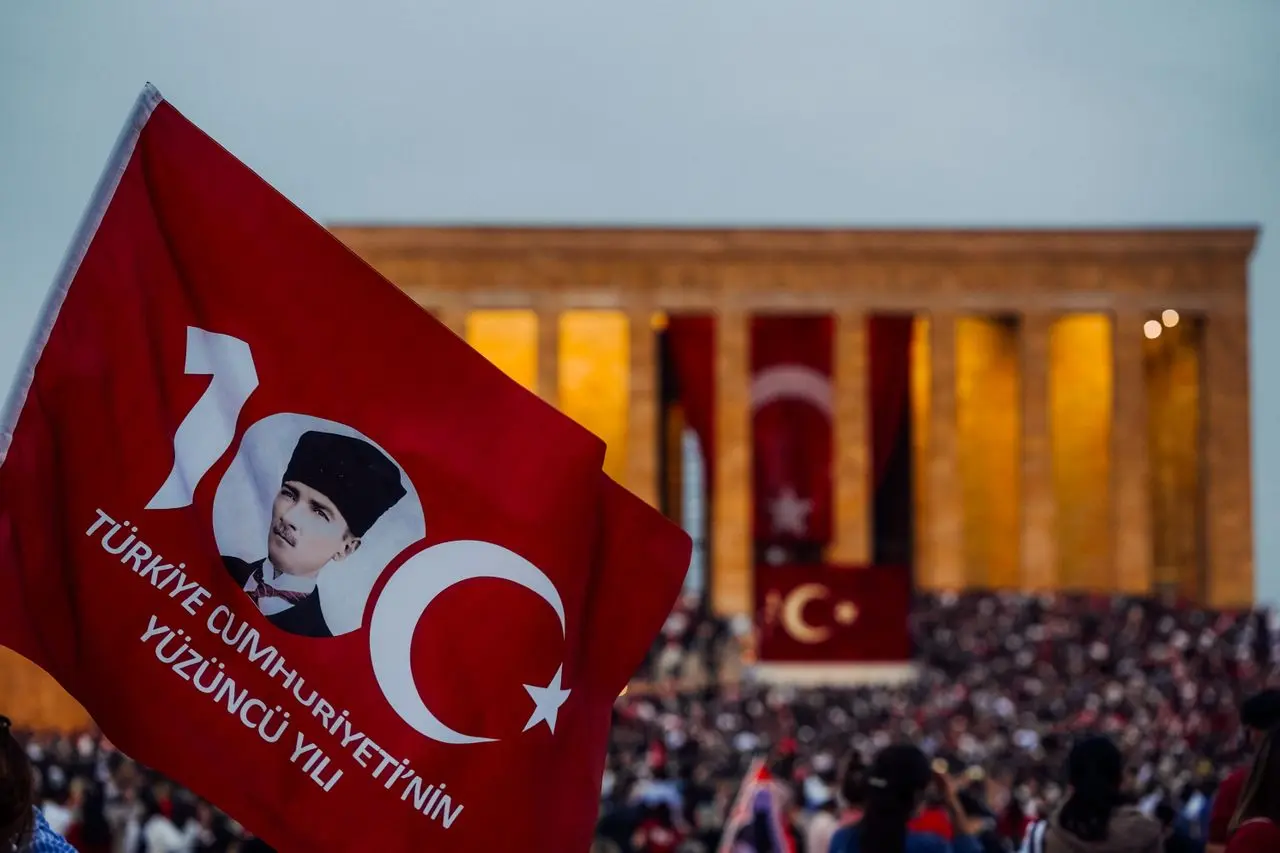
How His Legacy Impacted Modern-Day Türkiye
1: His Early Life and Family
Historians say traditional registers do not list his exact birth date. However, Atatürk later chose 19 May as his symbolic birth date to align with the start of the liberation movement. His mother, Zübeyde Hanım, raised him alongside his sister, Makbule Atadan. His early schooling included traditional religious studies and the Salonica Military School.
Mustafa Kemal studied French, read European literature, and examined political models from Paris, Russia, and across the continent. His surroundings in the Balkans included Greek, Bulgarian, Serbian, Albanian, Arab, and Russian influences. This complex crossroads showed him the structural weaknesses of the collapsing Ottoman state.
2: Becoming the Hero of Gallipoli
Mustafa Kemal rose quickly through the ranks, earning titles such as Bey and later Pasha. His leadership during World War I saw him fight British, French, and other Allied forces at Gallipoli. Following the Ottoman defeat in WWI, foreign armies occupied key regions from Smyrna (İzmir) to Istanbul.
Refusing to accept the occupation, Mustafa Kemal built a resistance movement across Anatolia and neighbouring regions. His troops defeated invading Greek armies and gained international recognition, replacing the old Ottoman system with a government centred in Angora, modern-day Ankara.
3: Personal Life and Adopted Family
Amid the chaos of the War of Independence, Mustafa Kemal married Latife Uşaklıgil in Smyrna. Their short wedding ceremony and honeymoon period symbolised a new model of marriage. Although their marriage ended in divorce, Latife, who had been educated in Europe, represented the changing role of women in the new republic.
They had no biological children, but in later years Atatürk adopted several children, including Sabiha Gökçen, Turkey's pioneering female combat pilot, whose name is now carried by Sabiha Gökçen International Airport on Istanbul's Asian side. His sister remained a constant connection throughout his adult life.
4: Why 19 May 1919 Is Important
19 May 1919 was a foundational turning point in Turkish history. It marks the date Atatürk arrived in the Black Sea port city of Samsun to launch the War of Independence. After World War I, the Ottoman Empire faced defeat and partition by Allied powers. Originally tasked as an inspector general overseeing Ottoman troop disbandment, Mustafa Kemal Pasha arrived in Samsun aboard the SS Bandırma on 19 May.
Instead of enforcing Allied terms, he organised resistance groups and established a political movement to defeat the occupying forces. The landing led to the Amasya Circular, the Erzurum and Sivas Congresses, and the establishment of the Grand National Assembly in Ankara. The campaign initiated on this date culminated in the Treaty of Lausanne and the official proclamation of the Republic of Turkey.
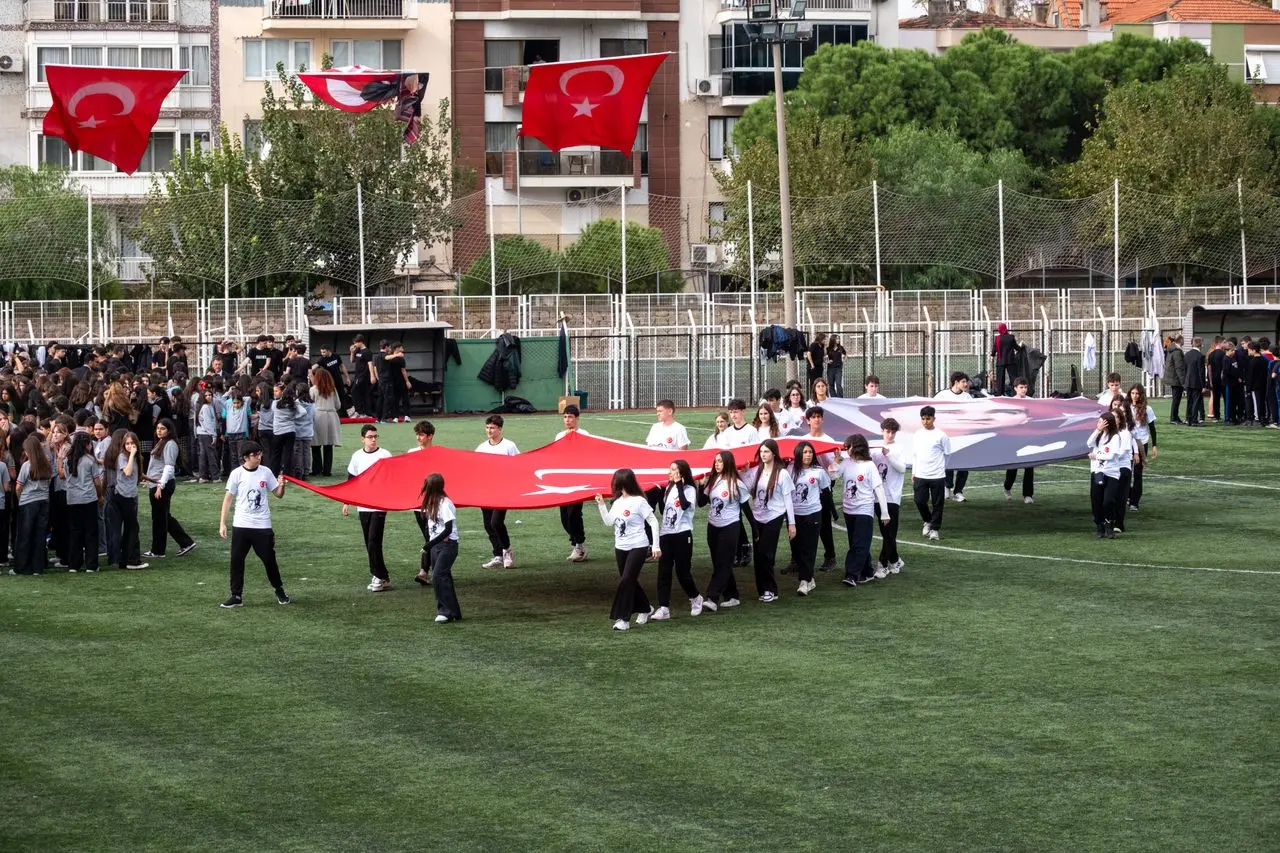
Atatürk chose 19 May as the opening moment of his famous 1927 speech, Nutuk. Today, Türkiye and Northern Cyprus celebrate the date as an official holiday, the Commemoration of Atatürk, Youth and Sports Day.
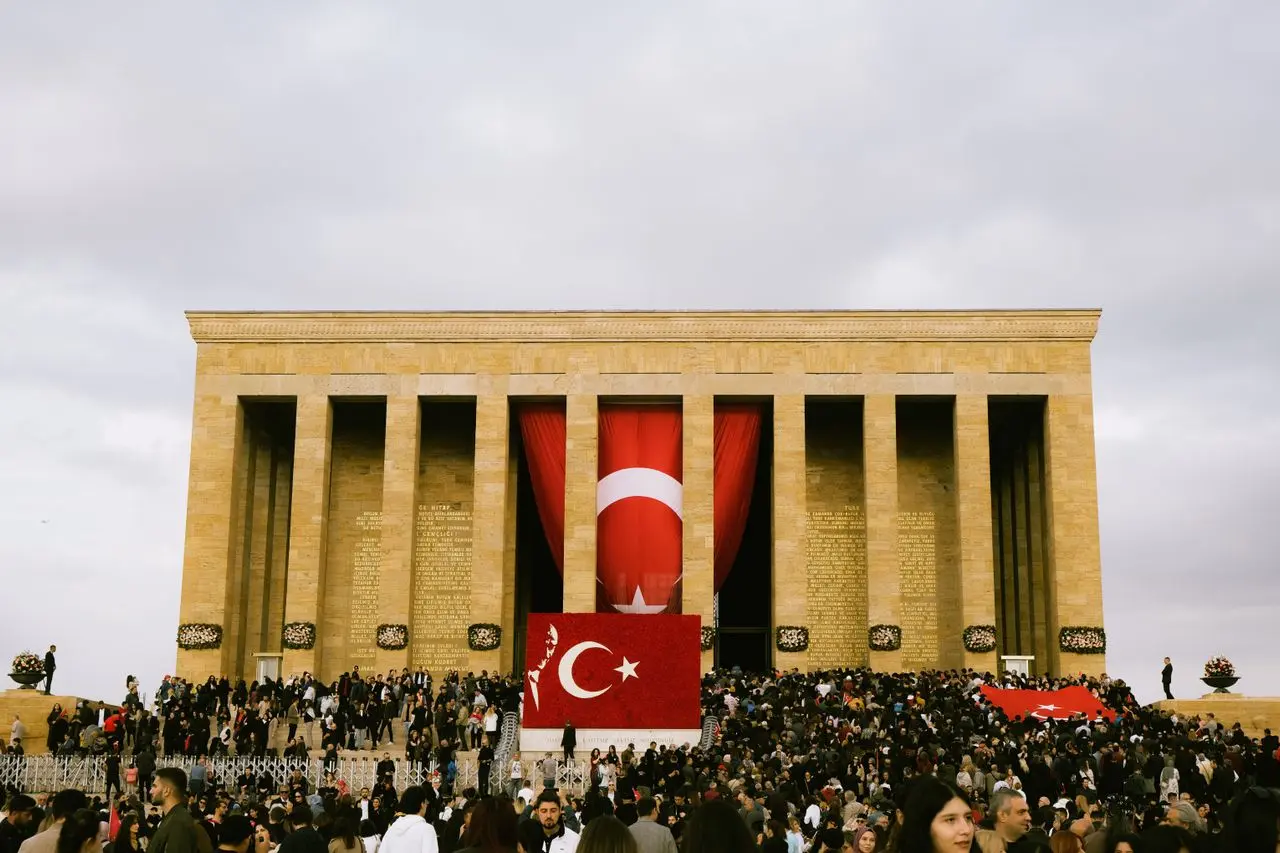
5: Building the Turkish Republic: What He Did for Türkiye
To build an independent state, Turkey moved away from archaic codes towards secular governance. Religious courts were closed and traditional Islamic law was replaced within the state legal system. In 1926, parliament adopted the Swiss Civil Code to overhaul property ownership and family law. Further adaptations of European penal and commercial codes gave Turkey a new judicial foundation. The Republic's founding changed everything. As head of state, Mustafa Kemal replaced traditional imperial rule with a republican system of governance:
- Abolition of the Caliphate: The government abolished the Caliphate, closed religious courts, and established civil codes modelled on European systems.
- Alphabet and Language Reform: In 1928, Turkey replaced the Arabic script with a Latin-based Turkish alphabet.
- Women: The regime expanded women's political rights, including equal voting rights and eligibility to hold parliamentary office.
- Calendar and Name Reforms: Turkey switched from the Rumi and Islamic calendars to the Gregorian calendar. All citizens were also required to adopt family names.
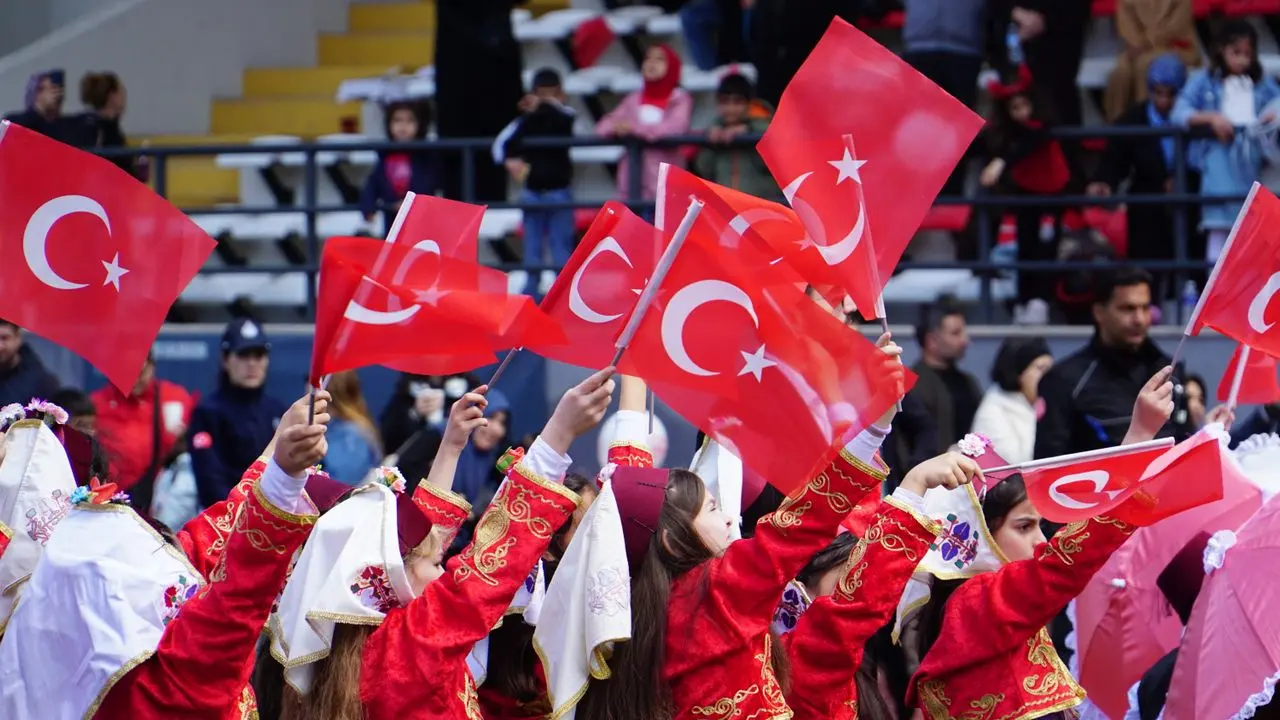
- Children's Day and National Holidays: 23 April was declared National Sovereignty and Children's Day, emphasising youth development and civic participation.
6: His Philosophy: Logic, Secularism, and Peace
Atatürk valued reason, logic, scientific inquiry, and civic pride. While respecting Islam as a personal faith for Muslim citizens, he separated government policy, administration, and law from religious institutions. His foreign policy doctrine, “Peace at Home, Peace in the World”, helped shape Turkey's relations across Europe, the Balkans, and Asia.
Rather than ruling by decree alone, he organised legislative bodies. He formed the Grand National Assembly on 23 April 1920, establishing the principle that sovereignty belonged to the people: “Sovereignty unconditionally belongs to the nation.” He focused on core guiding principles, often called the “Six Arrows” of Kemalism: Republicanism, Populism, Nationalism, Secularism, Statism, and Reformism.
7: Why Do Turks Love Him So Much?
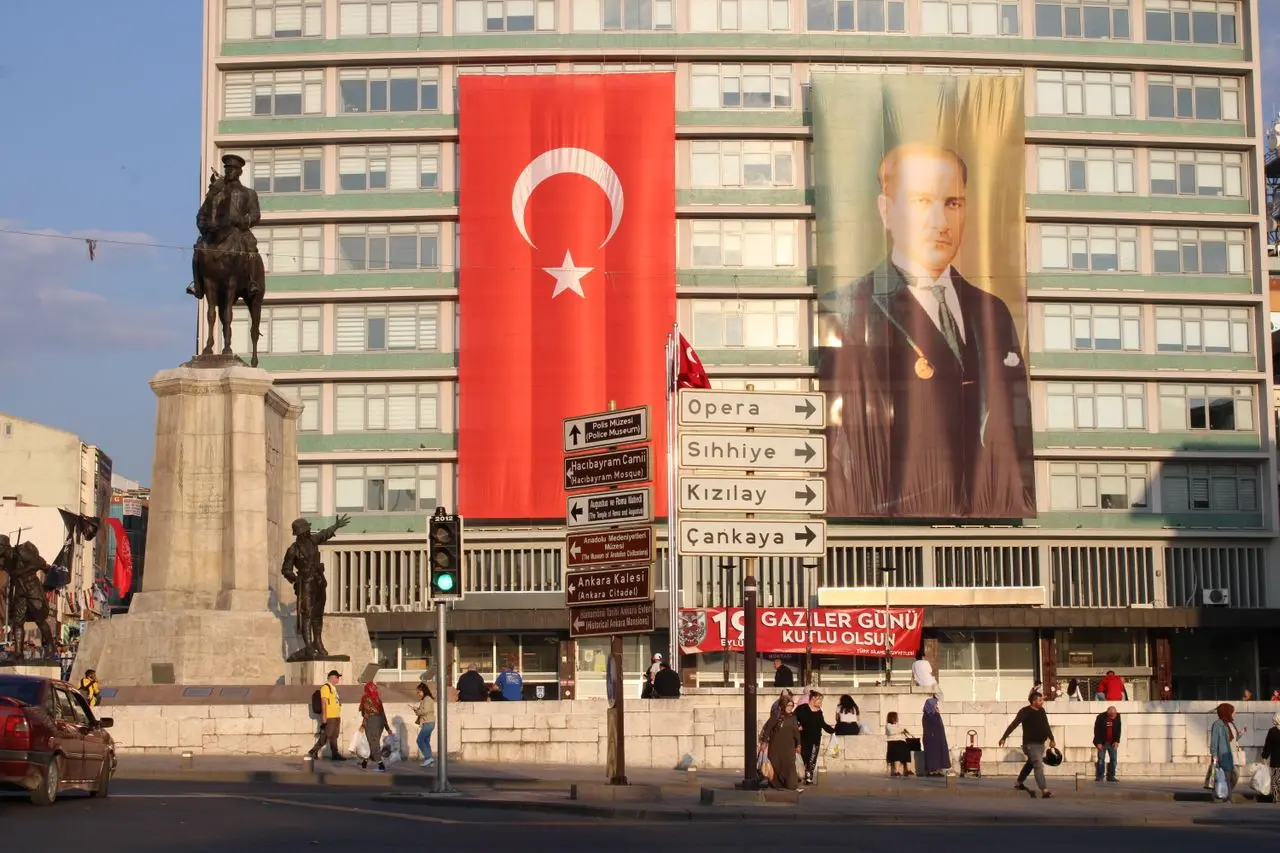
Turks love Atatürk because his reforms and drive to build a better country still shape their daily lives. He preserved independence when European powers attempted to partition Anatolia after WWI. He gave the country a shared identity rooted in civic pride and progress. From equality in marriage and property rights to secular education, his reforms reshaped citizens' lives.
This is about more than a historical figure in Türkiye; for many Turks, Atatürk represents the foundation of their sovereign country. Turkey remains an intensely patriotic nation, and his image and ideas continue to occupy a central place in public life.
8: Social Equality for Women
Mustafa Kemal believed a republic could not thrive while half its population remained excluded from social and political life. Under his leadership, Turkey expanded women's legal protections and political rights. These reforms affected marriage contracts, divorce, inheritance, and child custody. In 1934, women received full parliamentary voting rights and eligibility for office, years before several Western European democracies introduced similar measures.
Prominent female trailblazers emerged, including Latife Hanım and Afet İnan. Additionally, the adoption of the Swiss-based Turkish Civil Code in 1926 replaced centuries-old religious and customary laws. Changes included:
- Monogamy, rather than polygamy, became the legal standard for marriage.
- Women could initiate divorce proceedings rather than relying on unilateral male repudiation.
- Mothers gained greater equality in child custody following divorce or separation.
- Women gained inheritance rights alongside male relatives and the freedom to own, manage, and sell property.
- Only official civil marriages conducted by recognised authorities had legal standing. Religious marriages alone did not.
In the 1935 general elections, the first in which women participated, 18 female deputies won seats, accounting for 4.6% of parliament. At the time, this put Türkiye ahead of countries such as France, Switzerland, and Italy in female parliamentary representation. Women also entered administrative roles, medicine, law, academia, engineering, and the arts.
9: Modernising the Education System
Education became a cornerstone of daily life in the new republic. The old Ottoman system was marked by high illiteracy rates and religious schooling, with literacy at about 10%. Ottoman Turkish blended Turkish with extensive Arabic and Persian vocabulary and grammatical influences, creating a divide between educated elites and the broader population. A new system was clearly needed.
By adopting a modified Latin-based Turkish alphabet, the government sought rapid improvements in literacy. National Schools (Millet Mektepleri) were established to teach adults the new alphabet. The system also helped printing presses, scientific bodies, and government ministries operate within modern international standards.
In 1924, the Ministry of National Education (Millî Eğitim Bakanlığı) took control of the country's schools. Madrasas were abolished, ending religious control over state schooling, and a secular curriculum covering science, maths, and logic was introduced. Mixed-gender classrooms became increasingly common, while women gained greater access to universities and professional careers as teachers, doctors, lawyers, scientists, and administrators.
10: The Rebirth of Turkey's Economic Policy and Foreign Affairs
Atatürk saw the Ottoman dynasty's power and finances decline amid territorial losses and heavy state spending. To prevent the new country following the same path, he was determined that the republic would achieve greater economic independence and resilience.
Under a statist framework, Turkey built railway networks and state-backed industrial plants for sugar, textiles, and steel production. The new İş Bankası helped fund domestic business expansion. The government also advanced scientific agriculture by establishing model farms to train rural communities. These policies laid foundations for a more industrialised and economically independent country.
11: Fast Forward 100 Years to Modern-Day Türkiye
Without a doubt, Mustafa Kemal laid much of the groundwork for the Turkey we see today. His vision and reforms established institutions that shaped the country's development over the following century. The impact of Mustafa Kemal's achievements, and the governments and leaders who followed him, can still be seen across modern Turkey.
Defence Autonomy and Drone Technology: 80% of its military equipment is domestically manufactured. Turkey has become a major producer of uncrewed aerial vehicle (UAV) technology, exporting combat-proven drones such as the Bayraktar TB2 and Akıncı to numerous countries. Major defence projects also include the KAAN fighter programme and the TCG Anadolu amphibious assault ship.
Global Standing: Türkiye has NATO's second-largest army by active personnel and plays a significant role within the alliance. Its forces combine combat experience with electronic warfare, naval capabilities, and layered air-defence systems. At the crossroads of Europe, Asia, and the Middle East, Turkey frequently plays a role in international conflicts, maritime trade agreements, and regional diplomatic talks.
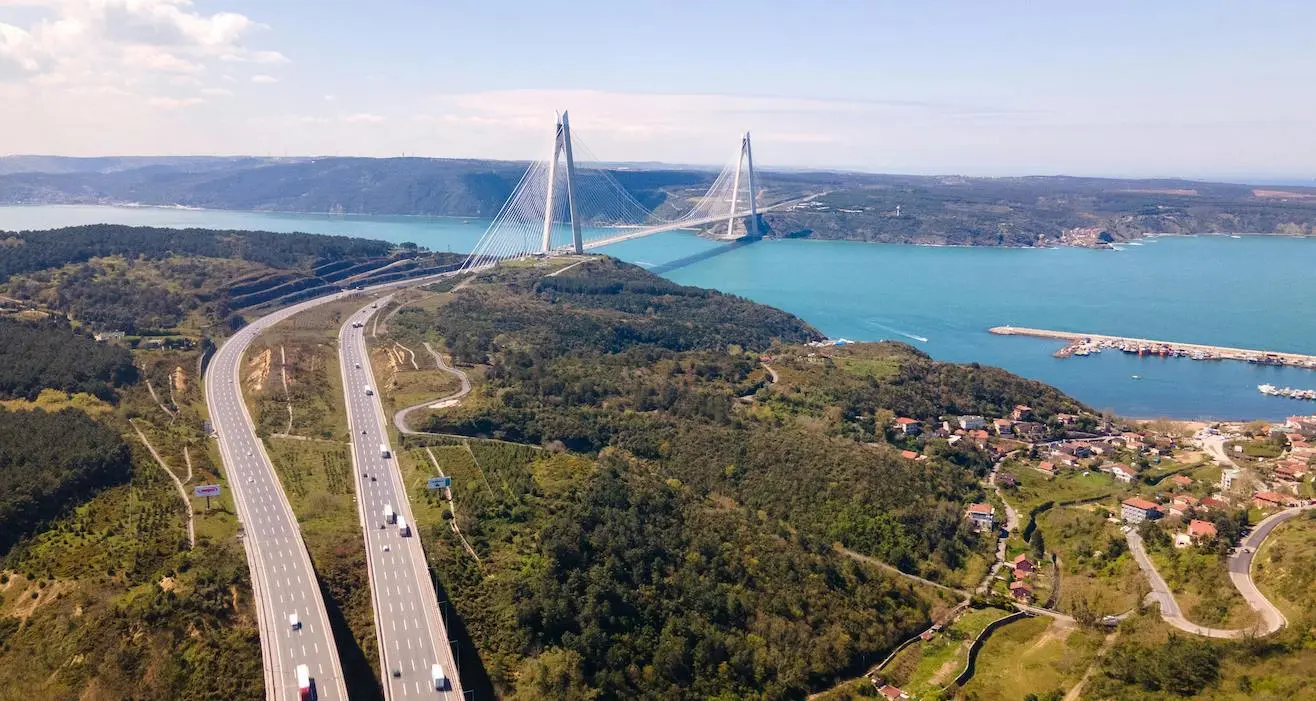
Economy, Infrastructure, and Industry: Specialising in automotive production, manufacturing, textiles, and plastics, Turkey has a trillion-dollar-plus economy and is a major exporter. Mega projects include Istanbul Airport, high-speed rail networks, suspension bridges, and maritime trade ports. Flagship carrier Turkish Airlines flies to more countries than any other airline, establishing Istanbul as a major hub for travel and cargo logistics.
Tourism Leadership: As one of the world's most visited nations, Turkey welcomes millions of foreign visitors every year to its Mediterranean and Aegean coastlines, historical sites, and cultural heritage centres. With major urban hospitals and medical centres, it has also become a hub for healthcare travellers seeking surgery, dentistry, and other procedures.
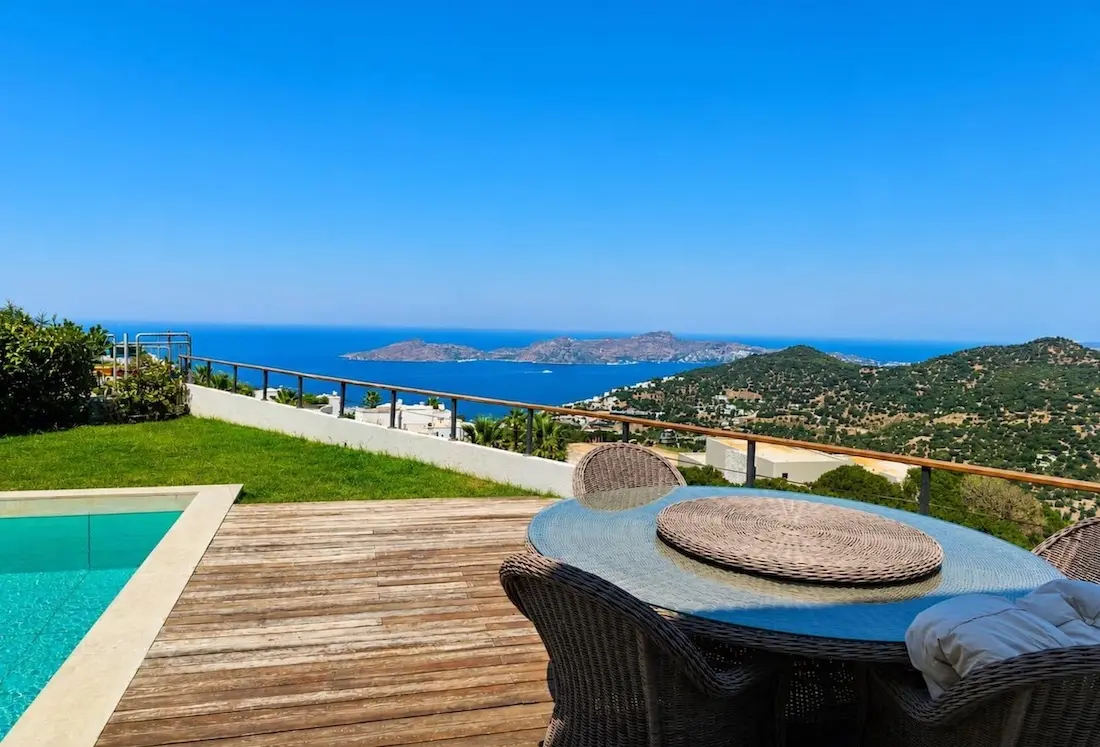
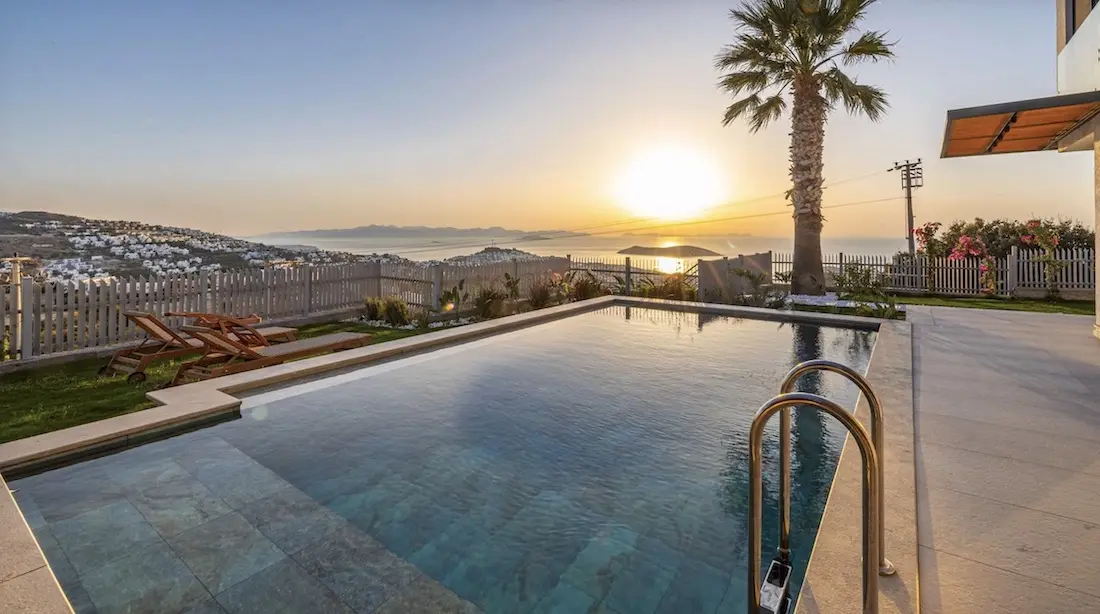
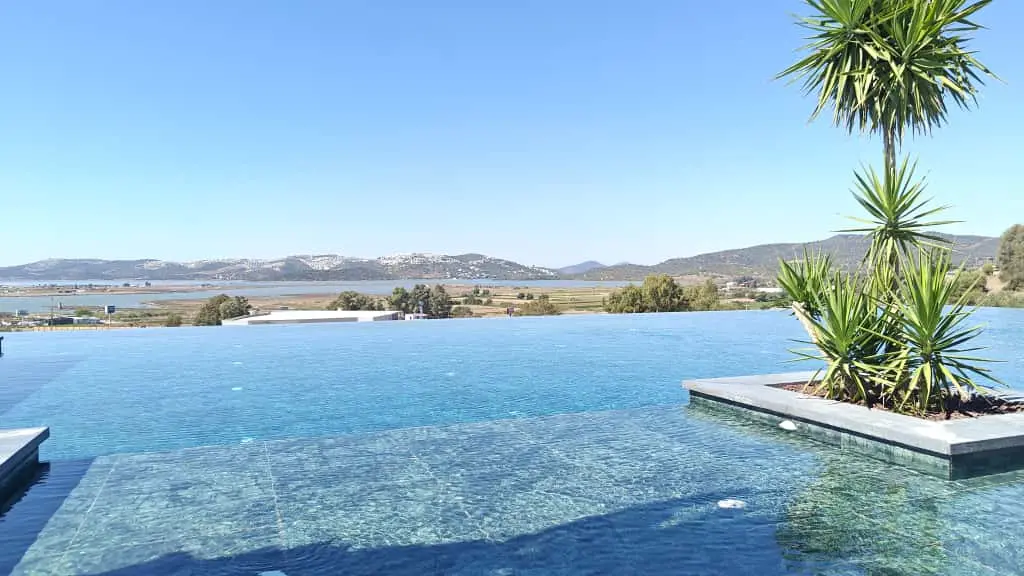
Real Estate: Türkiye is a major property investment destination for numerous reasons. With relatively fast buying procedures and an established market for international buyers, investors purchase homes across the country. Foreigners also buy holiday homes and retire here. Real estate contributes substantially to the economy, while programmes such as Turkish Citizenship by Investment and the new 20-year tax-free incentives add to the country's investment appeal.
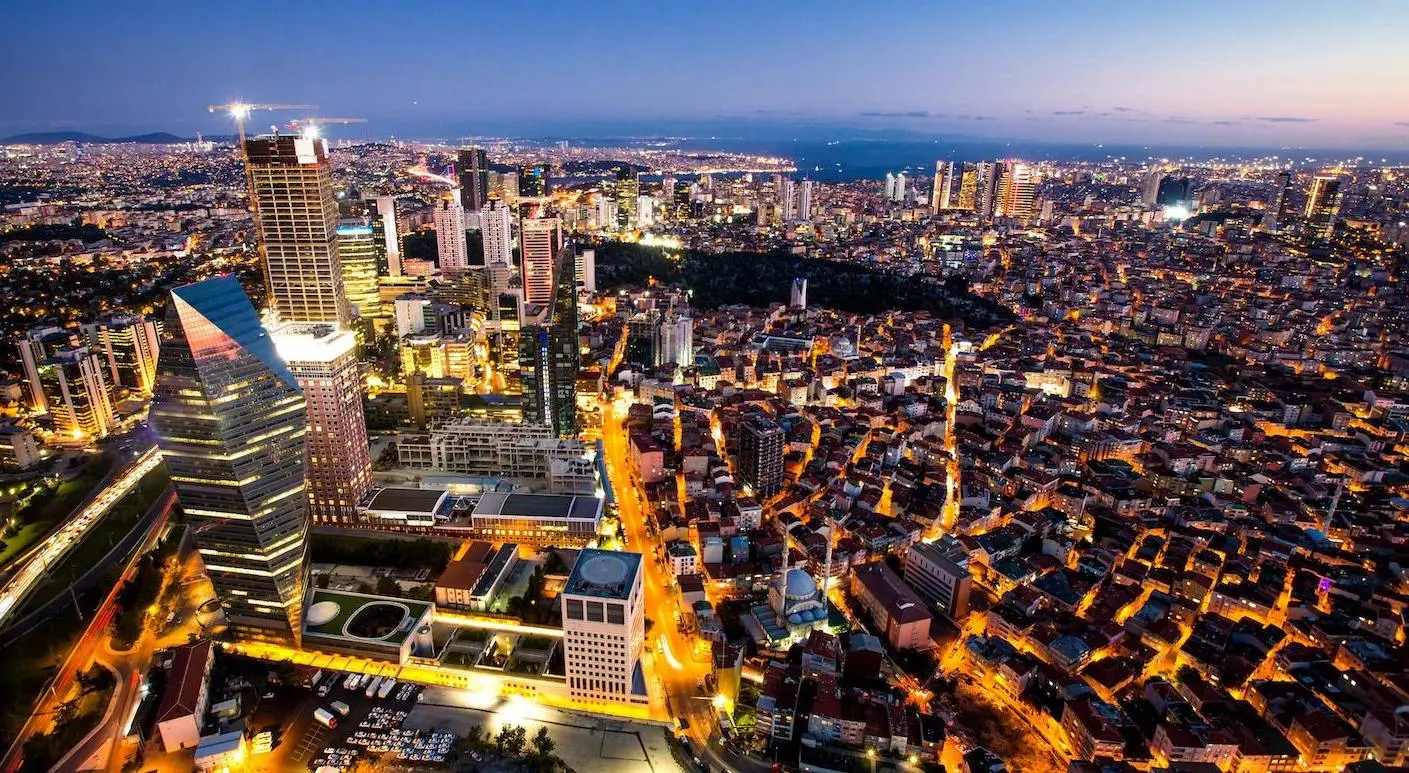
Why Is Türkiye So Important in History?
Starting at the beginning, Türkiye sits close to ancient Mesopotamia, widely regarded as one of the cradles of civilisation. Add to this sites such as Göbeklitepe, one of the world's oldest known monumental ritual complexes, and the number of civilisations and empires that have conquered and ruled these lands is staggering.
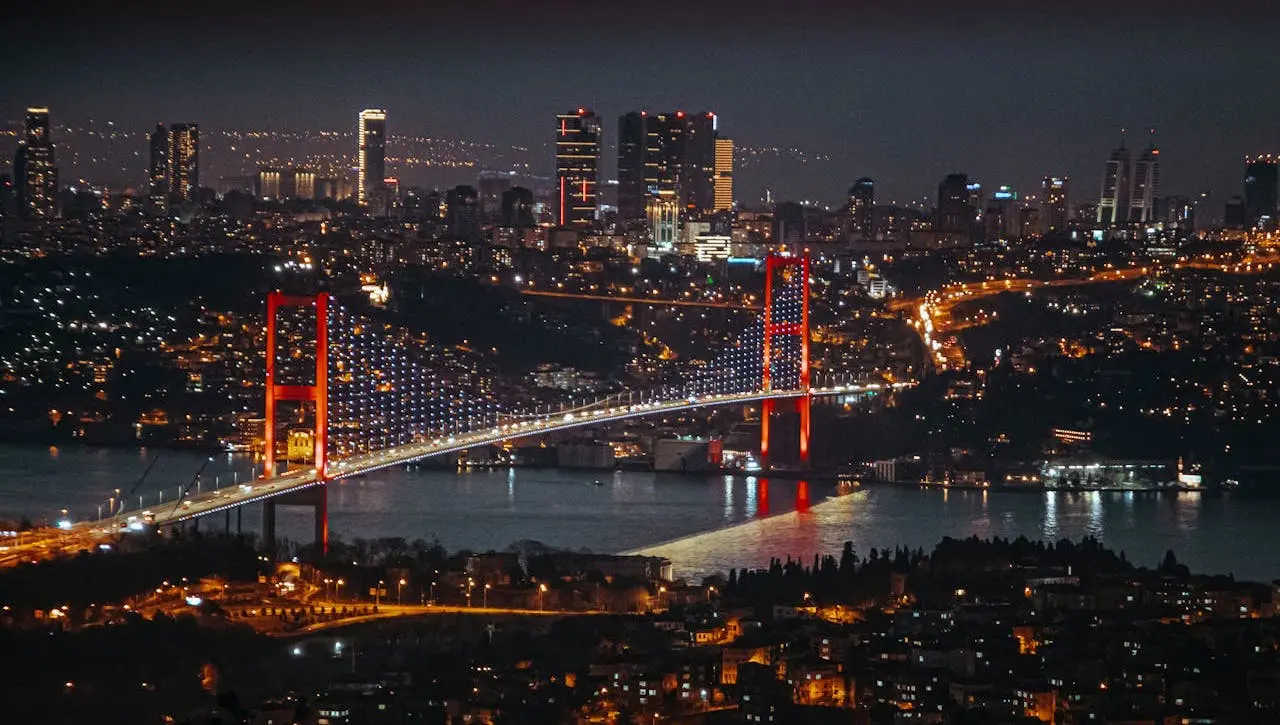
From the Persians to the Lycians, Romans, and Ottomans, each has left its mark through architecture and cultural traditions. The birth of the Turkish Republic changed the course of the country's modern history as foreign occupation ended and a sovereign state emerged. Lastly, the Bosphorus Strait, separating Europe and Asia, has for centuries been one of the world's most strategically important waterways.
Nezir Can  Operations Manager
Nezir 'Nez' Can is Operations Manager at Property Turkey and a contributor on Turkish culture, lifestyle, and everyday life across the country. Since joining the company, he has helped international readers better understand what it is like to live, work, and settle in Turkey.
View full author profile →




 By:
 Istanbul
 17
 17







 X