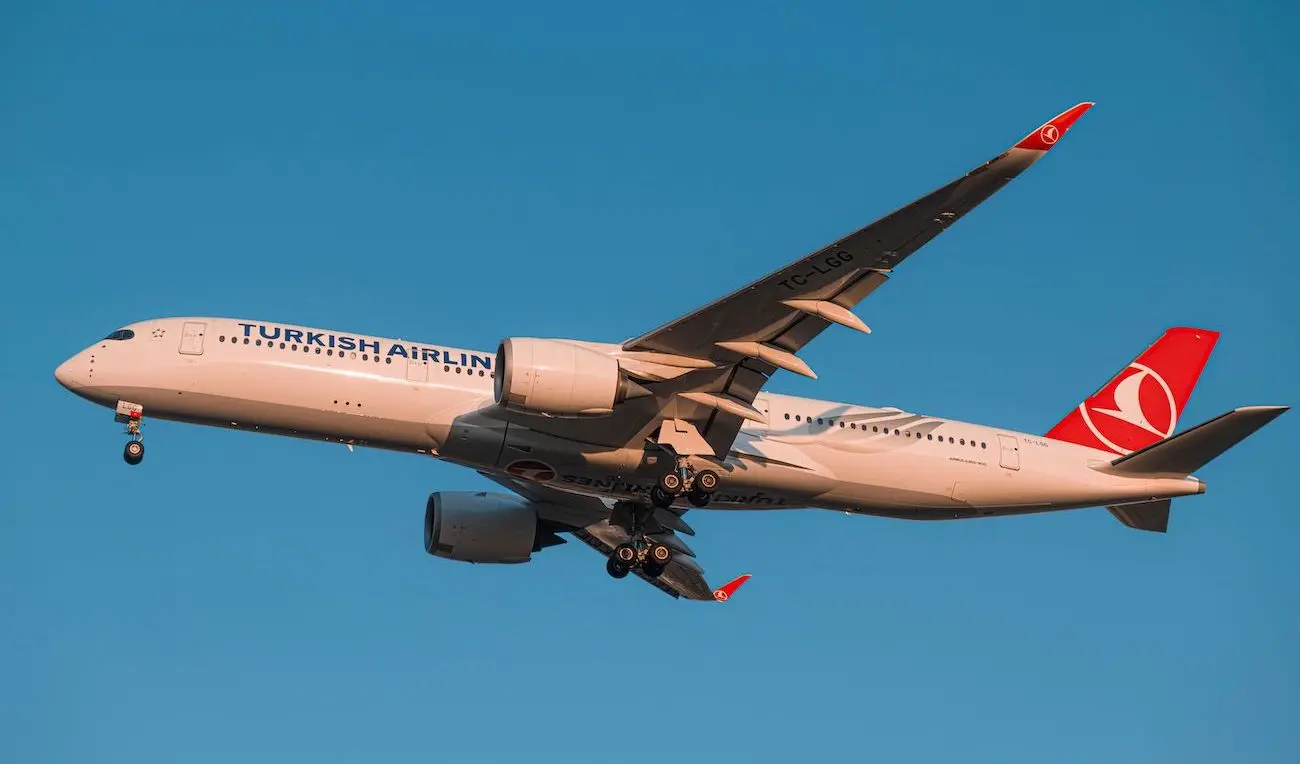
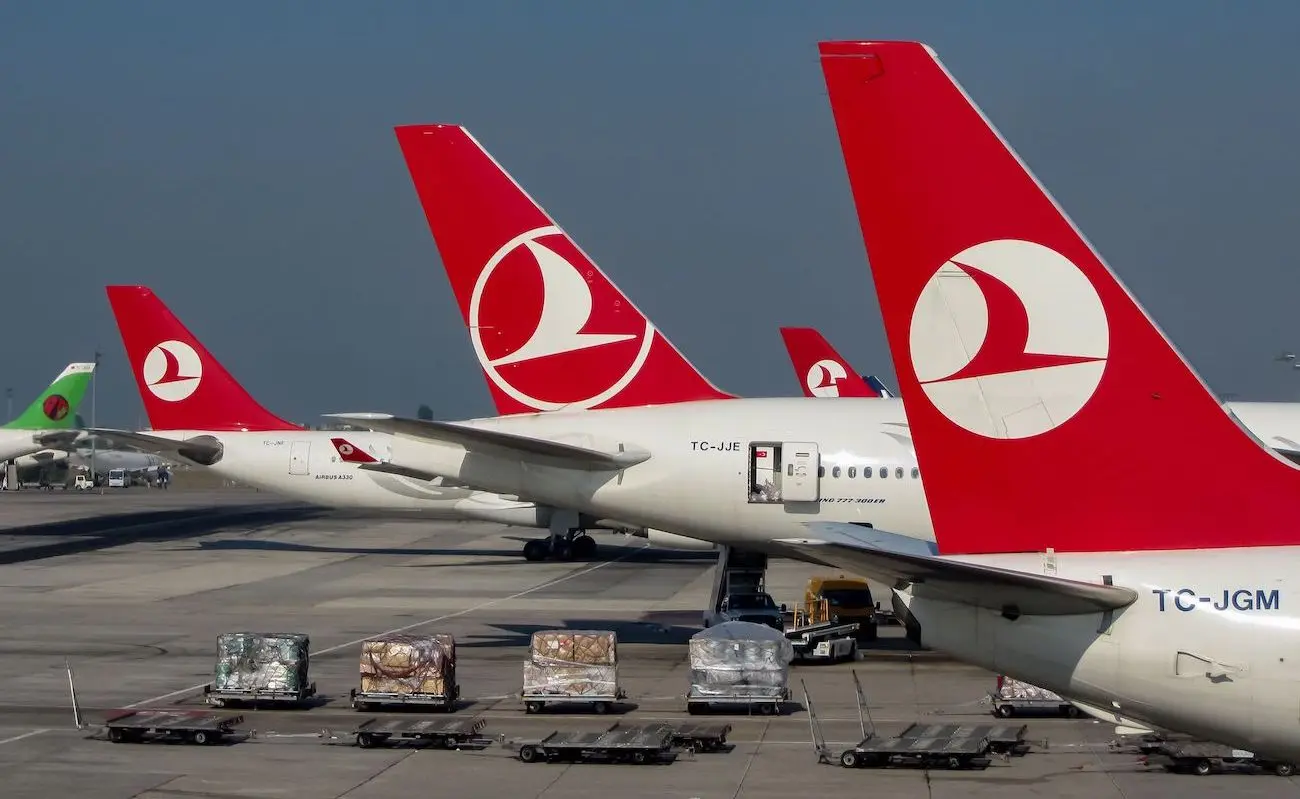
One airline now flies to 131 countries. It is not Emirates, Qatar Airways, United, Delta, or Lufthansa. It is Turkish Airlines, the national carrier that has turned Istanbul into one of the most connected cities on Earth. In 2025, Turkish Airlines served 352 destinations in 131 countries, carried 92.6 million passengers, recorded $24.1 billion USD in revenue, and delivered $2.2 billion USD in profit from main operations.
This is not just a strong airline performance; it is a national achievement. Turkish Airlines is now part of the wider investment argument for Turkey, because it changes how the country is reached, used, and understood by global buyers. A country that is difficult to access relies on committed lifestyle buyers. A country with strong flight connections attracts tourists, tenants, remote workers, business owners, second-home buyers, and citizenship investors at the same time.
Key Takeaways: Turkish Airlines and Investment in Turkey
- Turkish Airlines flies to 131 countries, giving Turkey unmatched global reach.
That means around 1.5 billion people can be reached from Istanbul within a relatively short flight. For an airline, this allows smaller cities to become viable. For Turkey, it creates a real estate advantage that goes far beyond holiday demand.
A buyer in London can fly to Istanbul, Bodrum, Antalya, or Dalaman with ease. A business owner in the Gulf can use Istanbul as a regional base. A family from Central Asia can reach Turkey without difficult flight planning. A buyer from Africa can connect through Istanbul to Europe, North America, or the Middle East.
This is why Turkish Airlines has not just built a premium route map between major capitals. It has built access to secondary cities, including places often ignored by other global carriers. Mogadishu, Mazar-i-Sharif, Ouagadougou, Batumi, and Constanta are not typical flagship airline destinations. For Turkish Airlines, they are part of the machine.
How Connecting Passengers Feed Istanbul’s Growth
Around 60% of Turkish Airlines’ international passengers are connecting passengers. These are travellers flying from Lagos to London, Tehran to Toronto, Addis Ababa to Amsterdam, or similar routes where Istanbul works as the transfer point.
Many of them do not begin with Turkey as their destination. But repeated exposure changes awareness. A traveller who transfers through Istanbul several times becomes familiar with the airport, the airline, the country, the culture, and eventually the idea of visiting or investing.
This is important for Turkish real estate. Property demand is not built only through advertising. It is built through familiarity. Turkish Airlines has created that familiarity on a global scale. Every transit passenger is a potential future tourist. Every tourist is a potential future buyer. Every buyer who can return easily is more likely to complete, furnish, manage, rent, and eventually reinvest.
Istanbul Airport Gives Turkish Airlines Room to Grow
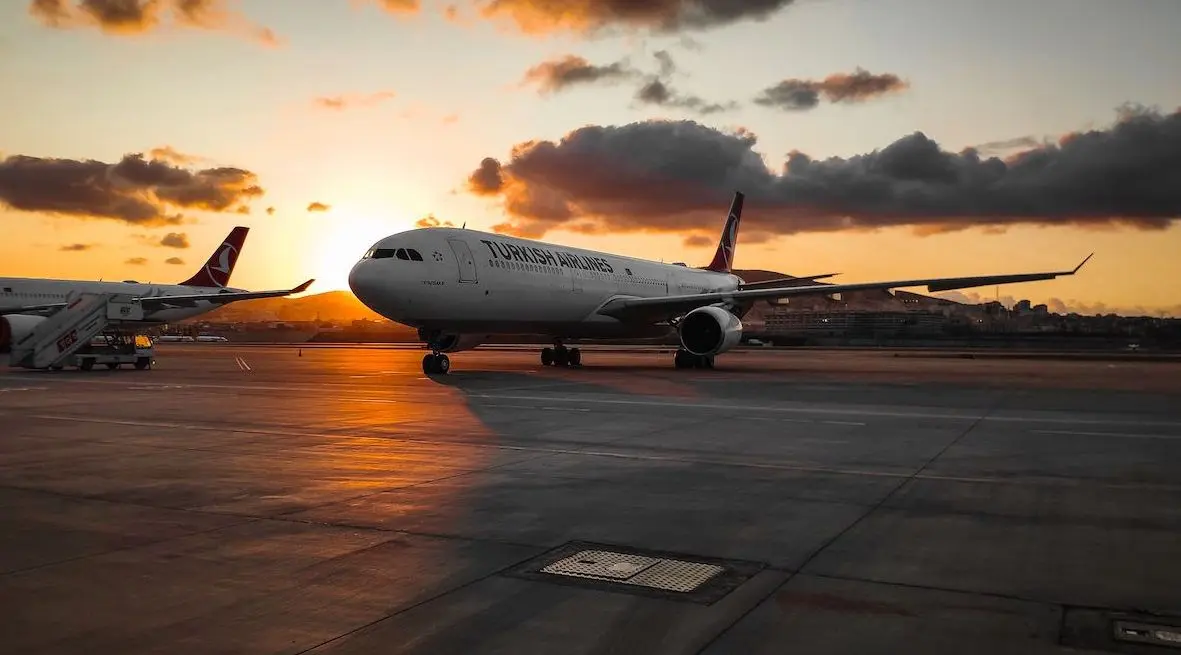
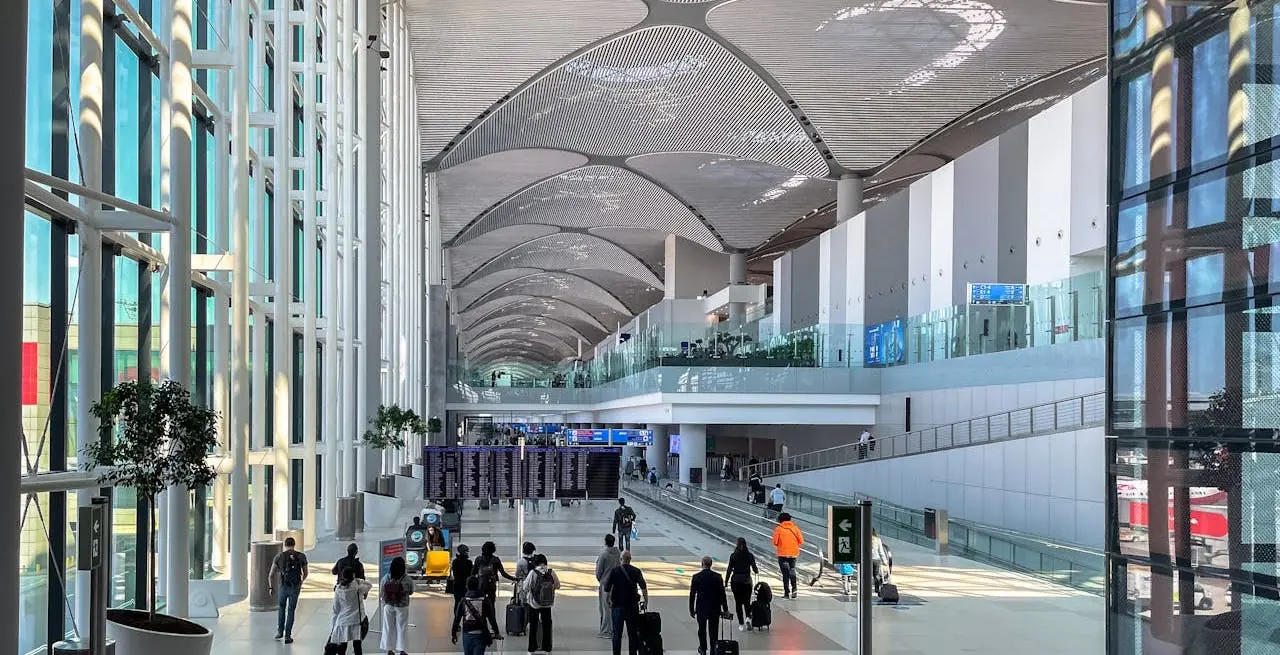
Istanbul Airport opened in 2018 as one of the largest aviation infrastructure projects in modern history. Its long-term design capacity is around 200 million passengers per year, giving Turkish Airlines something that many competitors do not have: room to grow. That scale is important for several reasons:
- Capacity: Turkish Airlines can expand without facing the same limits seen at older European airports such as Heathrow, Frankfurt, and Amsterdam.
- Location: Istanbul sits closer to Europe and Central Asia than Dubai or Doha, giving the airline a natural advantage for regional and long-haul connections.
- Control: Turkish Airlines dominates capacity at the airport, giving the carrier strong control over scheduling, connections, frequency, and onward passenger flow.
- Strategy: The airport is not just a place where Turkish Airlines operates. It is the physical platform for Turkey’s aviation strategy.
That state-backed model is also visible in the airline’s ownership and financing. Turkey Wealth Fund owns 49.12% of Turkish Airlines and secured a €837 million Euros and $285 million USD syndicated loan in 2025, showing how the carrier is supported by sovereign-level financial capacity as part of Turkey’s wider aviation strategy.
In 2025, Istanbul was ranked number one in Europe for direct connectivity and among the top global hubs for hub connectivity. This is exactly the kind of infrastructure investors look for when assessing a country’s long-term direction.
Turkish Airlines: 2033 Growth Plan
Turkish Airlines turns 100 years old in 2033. By then, it aims to have more than 800 aircraft and carry 170 million passengers per year. To understand the scale, the airline ended 2025 with 516 aircraft. Moving towards more than 800 aircraft means adding almost the equivalent of a major global airline to its existing fleet in less than a decade.
The orders are already being placed. Turkish Airlines confirmed a major Airbus order including 150 A321 aircraft and 70 A350 wide-body aircraft. It also announced an agreement with Boeing for up to 75 787 Dreamliner planes and a commitment covering up to 150 737 MAX aircraft.
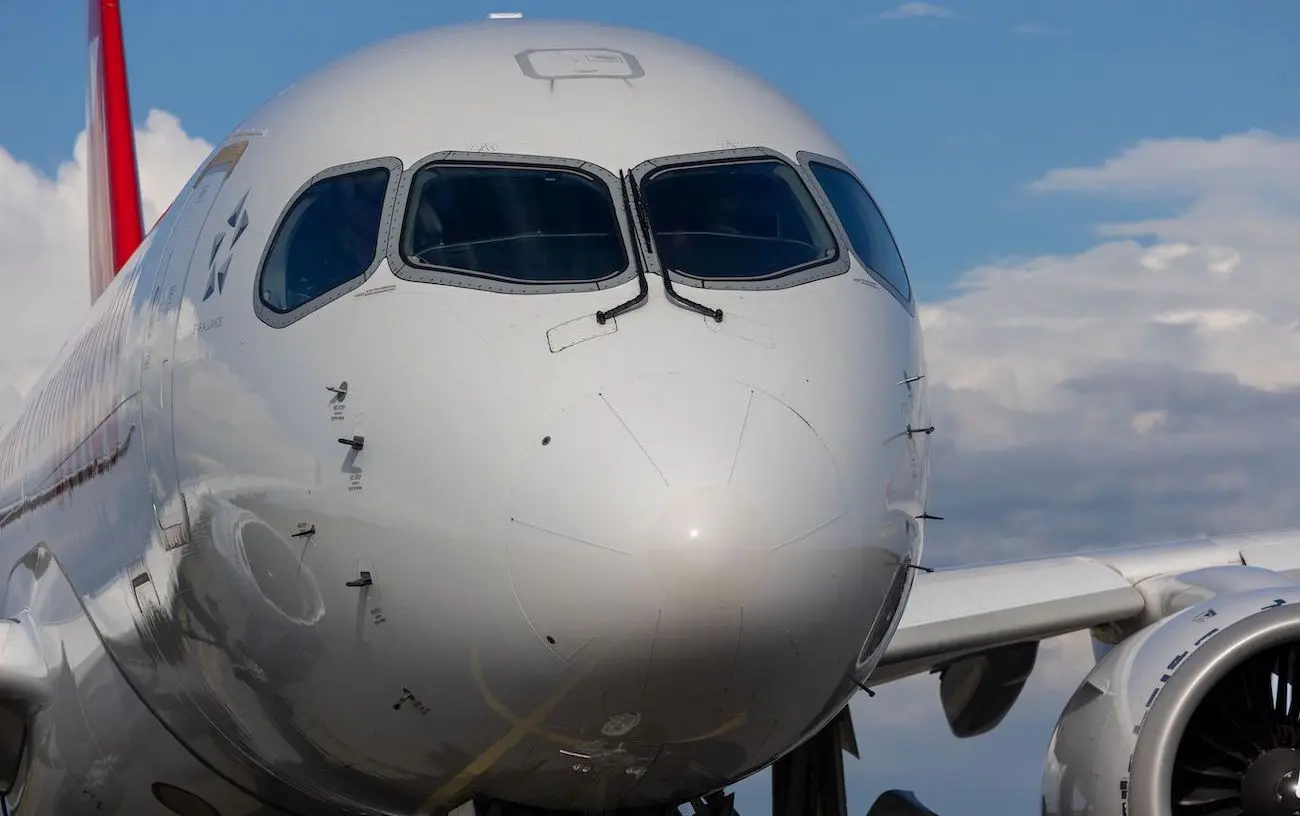
That aircraft mix is important. Narrow-body aircraft such as the A321neo and 737 MAX help feed the Istanbul hub from short and medium-haul markets. Wide-body aircraft such as the A350 and 787 open longer-range routes across North America, Asia, Africa, and the Far East.
For Turkey as a country, this means more direct visitors and tourists. For property buyers, it makes real estate ownership easier to plan and manage. For rental investors, it expands the future pool of tenants, guests, and repeat travellers.
Turkish Cargo Adds Another Investment Layer
Turkish Airlines is not just a passenger carrier. Turkish Cargo has become one of the world’s largest air freight operations, with $3.4 billion USD in cargo revenue recorded in 2025, and cargo volume growth of 16.6%. Cargo capacity supports trade, exports, e-commerce, manufacturing, pharmaceuticals, textiles, fresh produce, and time-sensitive logistics.
It also helps explain why Turkey is trying to position itself as more than a tourist destination. The country wants to be a manufacturing, logistics, financial, and investment base between Europe, Asia, the Middle East, and Africa.
For real estate investors, stronger trade and logistics can help business districts, airport-adjacent development, serviced apartments, expat housing, and long-term rental demand in Istanbul. It also benefits secondary business cities connected into the wider Turkish aviation network.
AJet and SunExpress Complete the Aviation System
Turkish Airlines is not operating alone. AJet, its low-cost carrier, is expanding from Sabiha Gokcen Airport and has a long-term fleet target of around 200 aircraft. This helps Turkey cover price-sensitive domestic and international routes. SunExpress, the joint venture between Turkish Airlines and Lufthansa, focuses on leisure flights between Europe and Turkey. Together, the structure is clear:
Aviation Brand
Main Role
Real Estate Relevance
Turkish Airlines
Global long-haul and hub traffic
Drives international access to Istanbul and Turkey
Turkish Cargo
Freight and logistics
Supports trade, business activity, and commercial demand
AJet
Low-cost regional and domestic growth
Improves affordability and domestic movement
SunExpress
European leisure traffic
Supports tourism markets and coastal rental demand
How Aviation Growth Supports Turkish Real Estate
Turkish Airlines strengthens the real estate market in Turkey in several ways. It increases tourist arrivals, improves short-term rental potential, helps overseas owners visit more regularly, supports family relocation, connects business owners with Istanbul, and gives citizenship investors a country they can actively use.
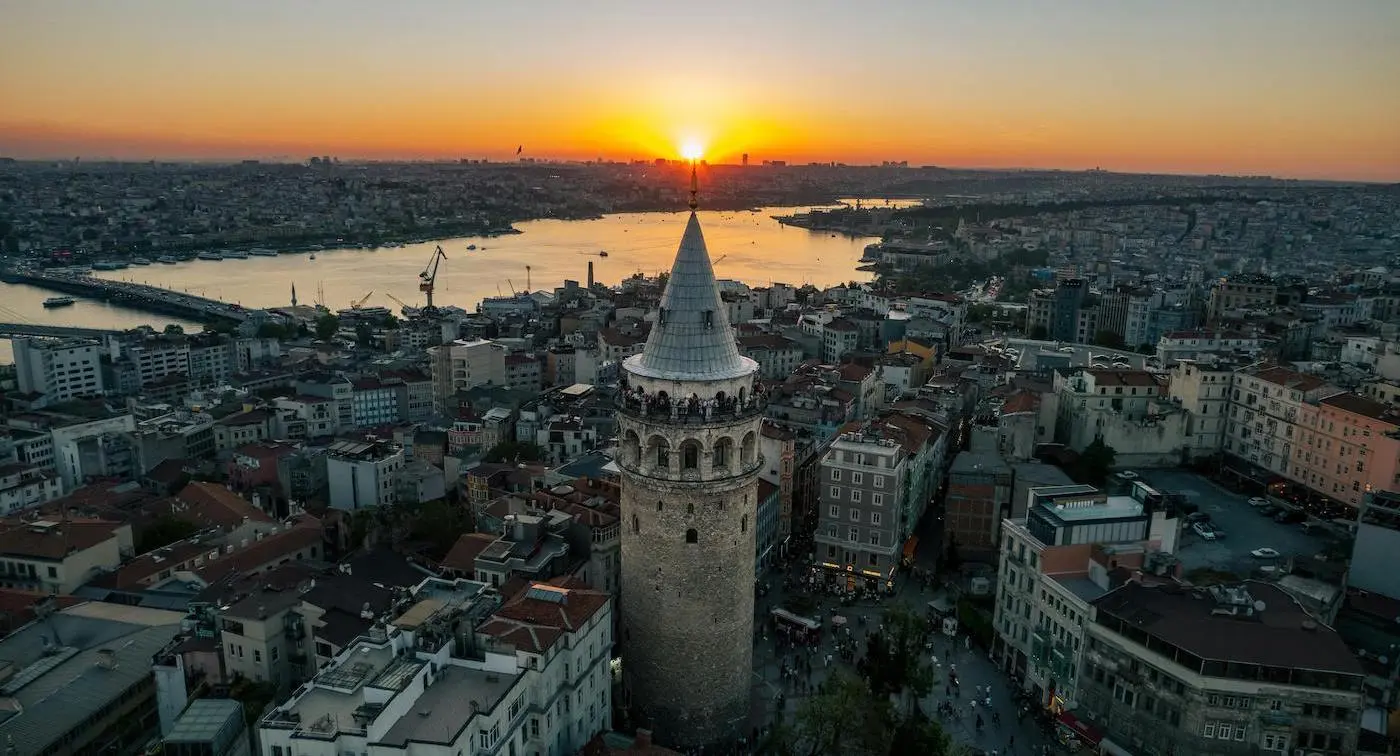
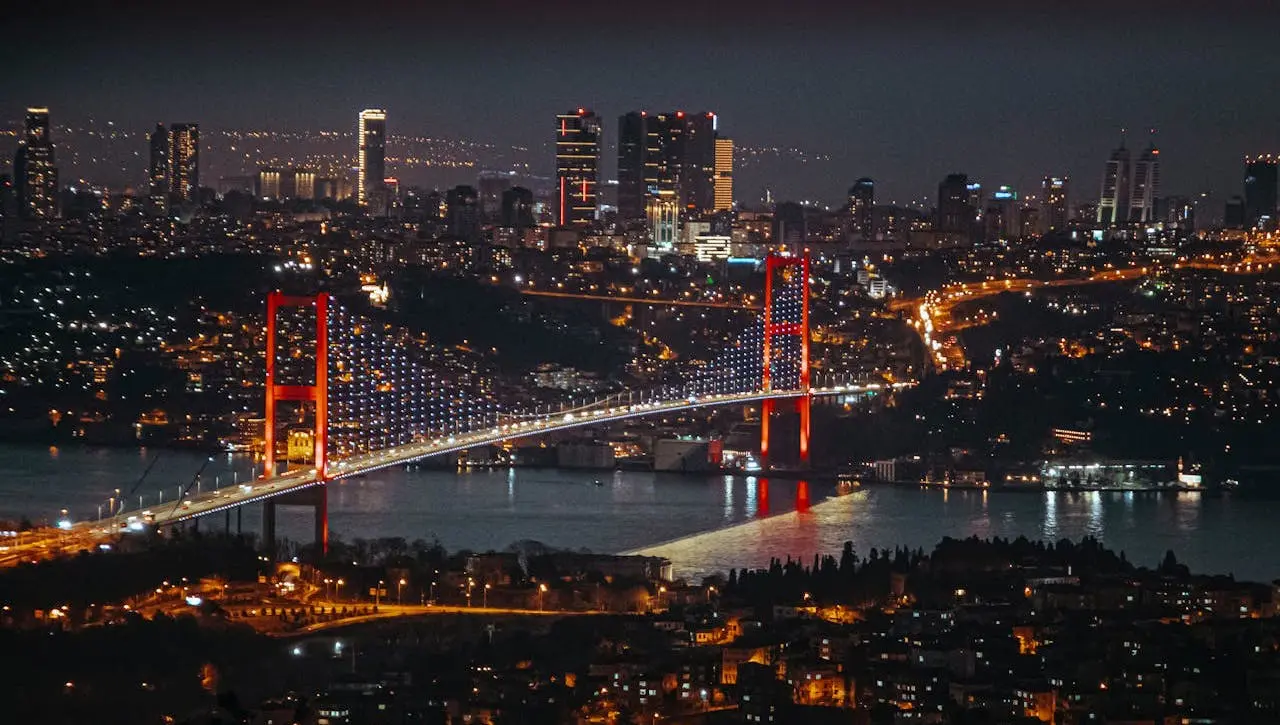
This is especially important in Istanbul. The city is not only a cultural and historic destination. It is an aviation, finance, education, medical tourism, and business hub. Each new route adds another layer to that role.
Coastal markets also benefit. Antalya, Bodrum, Fethiye, and Kalkan depend heavily on international visitors. When Turkey’s aviation network expands, these destinations become simpler to own in, rent out, and return to throughout the year.
This does not mean all income becomes tax-free. Turkish-source income remains taxable under normal rules. But for internationally mobile investors, entrepreneurs, retirees, and business owners with overseas income, the reform makes Turkey far more competitive as a relocation base.
That connects directly with Turkish Airlines. A favourable tax framework carries more weight when the country is globally connected. A second residence is more appealing when flights are frequent. A citizenship strategy is stronger when the passport country is simple to reach and useful in daily life.
Citizenship by Investment Becomes More Practical
Turkey’s citizenship by investment programme is one of the most direct routes of its kind. The real estate route requires a minimum property investment of $400,000 USD, with a Title Deed restriction preventing resale for at least three years.
Many citizenship programmes offer legal status, but not every country offers a practical base. Turkey is different. It combines citizenship access with global flights, domestic mobility, healthcare, excellent education, tourism, business activity, and a large real estate market.
A Turkish passport is one benefit. A usable country is another. Buyers can fly in for viewings, return for family stays, manage their property, visit lawyers or banks, and use Istanbul as a travel base. For investors comparing Turkey with other citizenship or residency options, aviation access affects how often the asset is used, how easily it can be rented, and how a family can build a long-term plan.
What This Means for Different Turkish Property Buyers
Turkish Airlines has become a symbol of Turkey’s wider direction. The country is using geography, infrastructure, aviation, tax policy, tourism, and citizenship by investment to strengthen its position between Europe, Asia, the Middle East, and Africa. For real estate buyers, Turkish Airlines is not just a national carrier. It is part of the reason Turkey remains one of the most strategically placed property markets in the world:
1. Istanbul Buyers:A buyer considering Istanbul is not only buying into a city of 16 million people. They are buying into a global aviation, finance, education, healthcare, and business centre where improved flight access supports corporate lets, family relocation, student housing demand, medical tourism, and long-term liquidity across prime districts.
2. Antalya Buyers: A buyer considering Antalya is not only buying a Mediterranean lifestyle property. They are buying into one of Turkey’s strongest tourism markets, supported by European leisure flights, domestic routes, and global connections through Istanbul. This strengthens holiday rental demand, owner visits, and long-term resale confidence across the region.
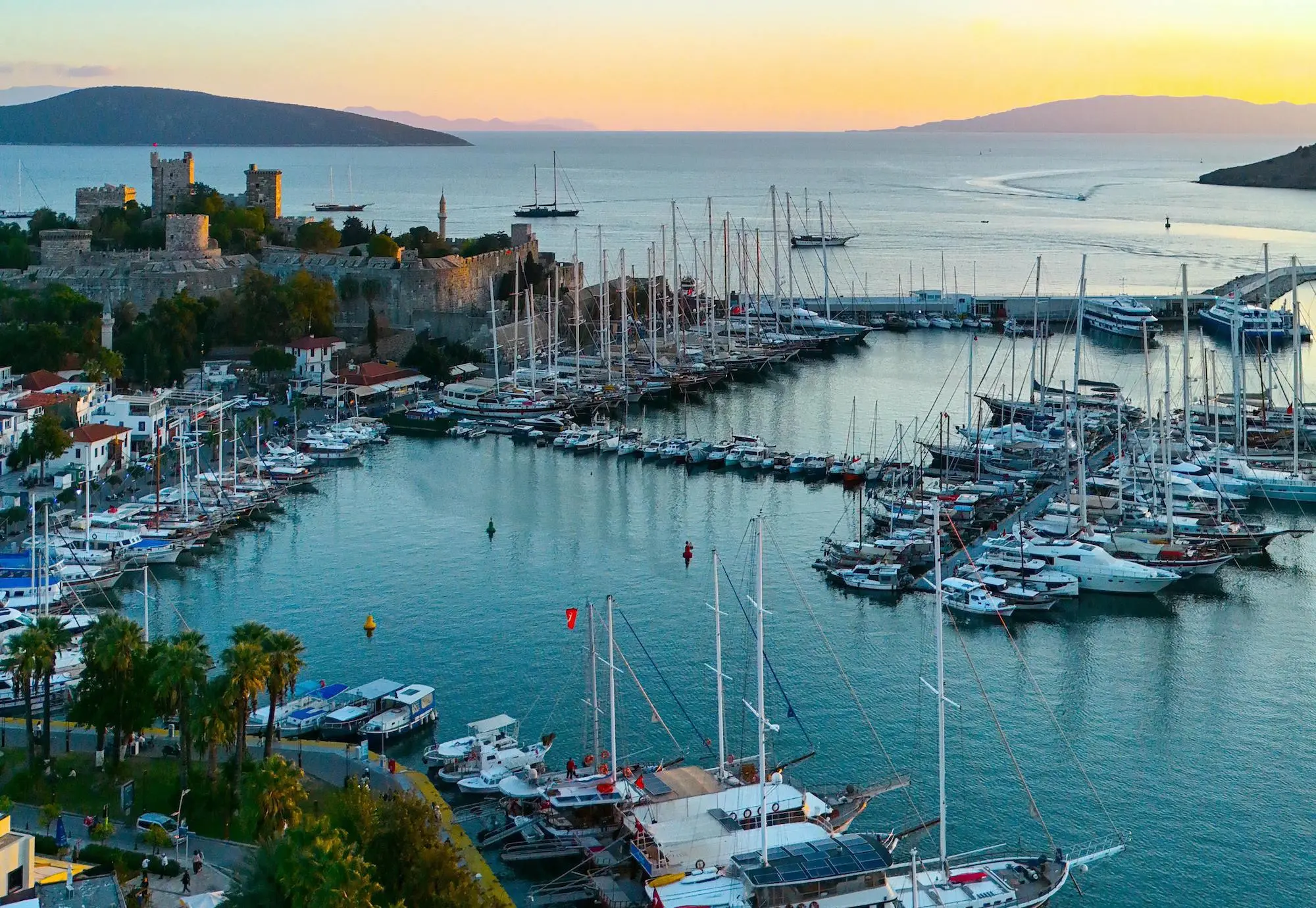
3. Bodrum Buyers:A buyer considering Bodrum is not only buying a luxury coastal home. They are buying into a destination increasingly connected to international wealth, lifestyle migration, marina tourism, and seasonal demand. Stronger access helps premium villas, branded residences, and sea view homes reach a broader pool of overseas buyers.
4. Fethiye and Kalkan Buyers: A buyer considering Fethiye or Kalkan is buying into a more relaxed coastal market where access remains essential. Easier travel through Istanbul and seasonal leisure routes help support villa rentals, repeat family holidays, and second-home ownership in destinations that depend heavily on international visitors and families.
5. Citizenship Investors: A citizenship investor is not only meeting a $400,000 USD threshold. They are gaining access to a country that can be used, visited, rented, lived in, and connected from. Turkish Airlines makes the passport more practical by turning Turkey into a base, not just a legal status.
6. Rental Investors:A rental investor benefits when Turkey attracts more tourists, business travellers, medical visitors, students, and families. Turkish Airlines helps feed those demand streams by bringing more people through Istanbul and across the country. Better access can improve occupancy, reduce seasonality, and support stronger exit options.
7. Remote Workers and Business Owners: A remote worker or business owner looking at Turkey is not only considering property prices. They are looking at mobility, tax efficiency, lifestyle, schooling, and access to clients or partners abroad. Turkish Airlines makes Istanbul a practical base for active residents.
8. Family Relocation Buyers: A family relocating to Turkey needs more than a home. They need schools, healthcare, domestic travel, international flights, and the ability for relatives to visit easily. Turkish Airlines supports that by making Turkey easier to reach from multiple regions while keeping Istanbul connected to business centres.
9. Retirement and Lifestyle Buyers: A retirement or lifestyle buyer is often focused on comfort, healthcare, climate, safety, and ease of travel. Turkey’s aviation network makes ownership more practical, especially for buyers who split time between countries. Regular access helps owners use their homes more often and remain connected to family.
Turning Connectivity into Real Estate Opportunity
“Turkish Airlines has done something very few national carriers can do, it has made Turkey feel close to almost everywhere,” says Cameron Deggin, CEO of Property Turkey. “For real estate investors, that is more than convenience. It supports tourism, rental demand, repeat visits, family relocation, and business confidence. When a country becomes easier to reach, its property market becomes easier to understand.”
As the airline grows towards its 2033 targets, Turkey becomes a clearer base for lifestyle, investment, rental income, and citizenship planning. For international buyers, the connection is clear. Stronger aviation supports tourism, more manageable ownership, and wider international demand. To explore investment properties, citizenship-approved real estate, rental opportunities, or lifestyle homes in Turkey, contact Property Turkey today for a free consultation.
Nezir Can Operations Manager
Nezir 'Nez' Can is Operations Manager at Property Turkey and a contributor on Turkish culture, lifestyle, and everyday life across the country. Since joining the company, he has helped international readers better understand what it is like to live, work, and settle in Turkey.




 By:
By:

 Operations Manager

 Kalkan
  2
2  2
2 
















 X
X