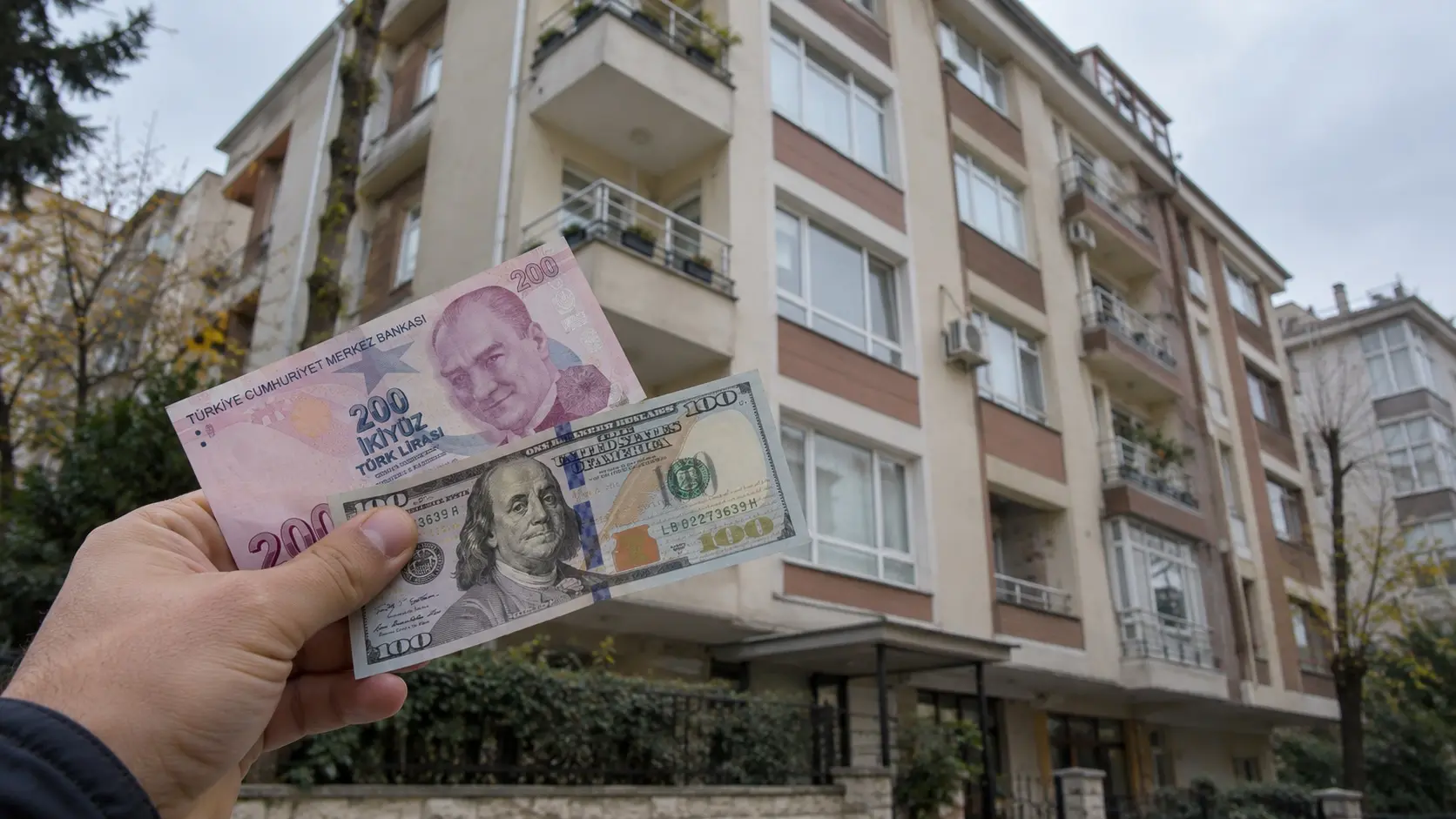
Every foreign buyer runs the same calculation before they pick up the phone. They watch the Turkish Lira slide from about 1.5 to the Dollar in 2010 to roughly 48 today, a loss of about 97%, and assume any property bought along the way must have been wiped out in hard currency. It is an intuitive assumption. It is not what the data shows.
What Do the Numbers Show?
Measure average Turkish property prices in US Dollars from early 2010 to the latest Central Bank data in August 2026, and national prices are up roughly 63%. In Turkish Lira they rose about fiftyfold, comfortably outrunning the currency's fall. The Lira's chart tells you what happened to Turkish cash. It does not tell you what happened to Turkish bricks.
It was not a straight line. In Dollar terms, average prices fell by more than a third between 2013 and 2020 before recovering sharply. That is why timing and location of the property is just as important as the asset class.
The Central Bank's Residential Property Price Index is quality adjusted and uses bank appraisal reports, rather than simply averaging advertised prices. Its revised series extends back to January 2010. For a consistent Dollar comparison, divide the index by the Lira-per-Dollar exchange rate at each endpoint, using matching dates and the same exchange-rate convention.
For Example: A home worth 3 million Turkish Lira at 30 Lira per Dollar equals $100,000 USD. If its price rises to 4.8 million TL while the rate moves to 48 TL per Dollar, its Dollar value remains $100,000 USD. The property price and currency must be measured together.
Supply cannot respond quickly. An estimated 1.5 million homes in Istanbul are classed as at risk in an earthquake, around 600,000 of them urgently. Replacing them means Urban Regeneration, building by building, which moves slowly and cannot be accelerated on demand. Rising structural demand against supply that cannot respond quickly sets the price floor. The currency moves around it. It does not define it.
Domestic buyers also dominate the market. TurkStat's 2025 figures recorded 1.69 million house sales, up 14.3% on 2024. Foreign buyers accounted for around 21,500 purchases, or 1.3% of the total.
Why Does Affordable City-centre Istanbul Outperform?
Our own portfolio, centred on Istanbul city centre, has run ahead of the national trend. Our Affordable Istanbul Centre holdings grew 2.5 times in value in US Dollar terms between 2018 and 2026, against roughly 2.1 times for the national average over the same period.
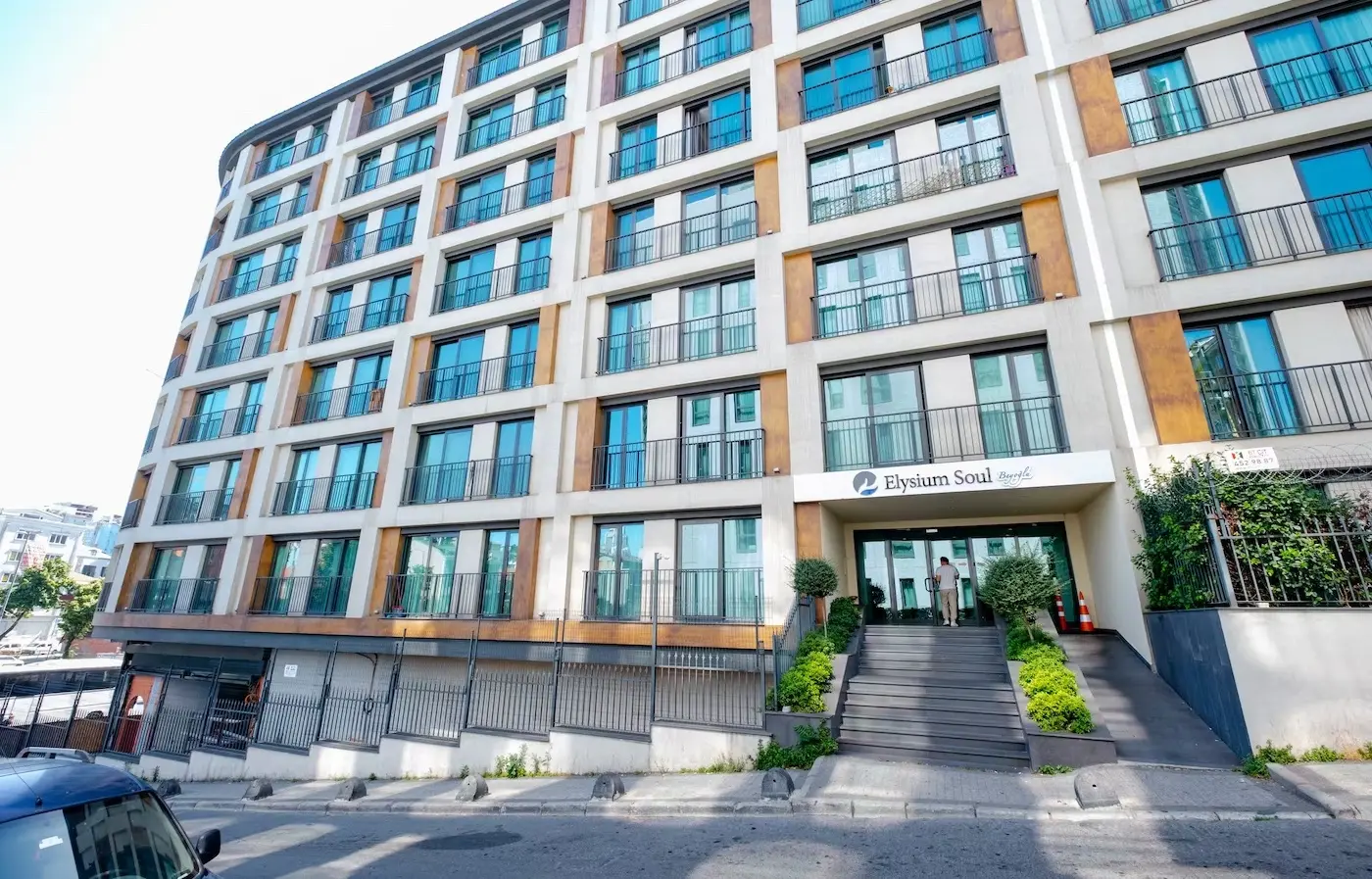
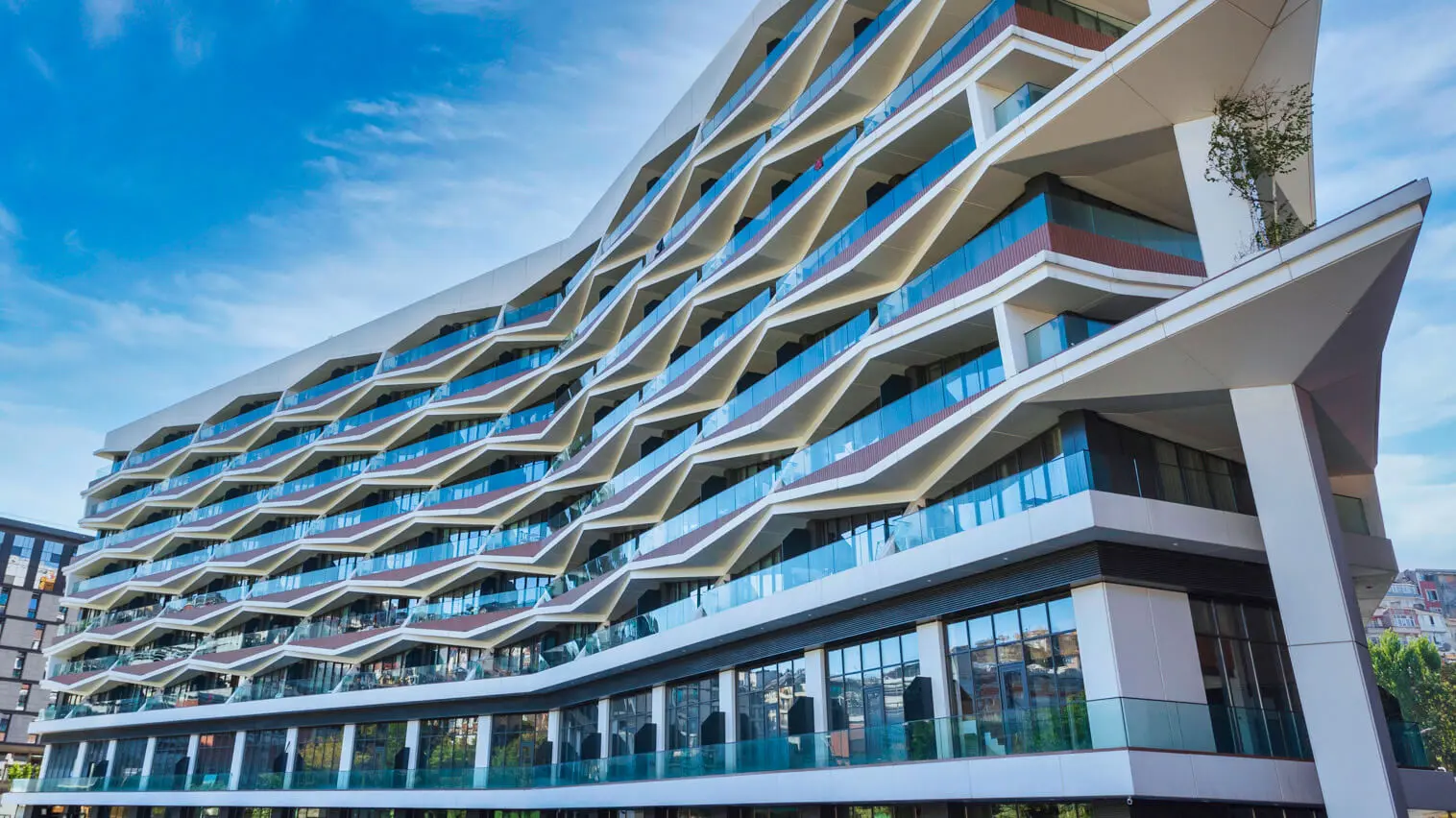
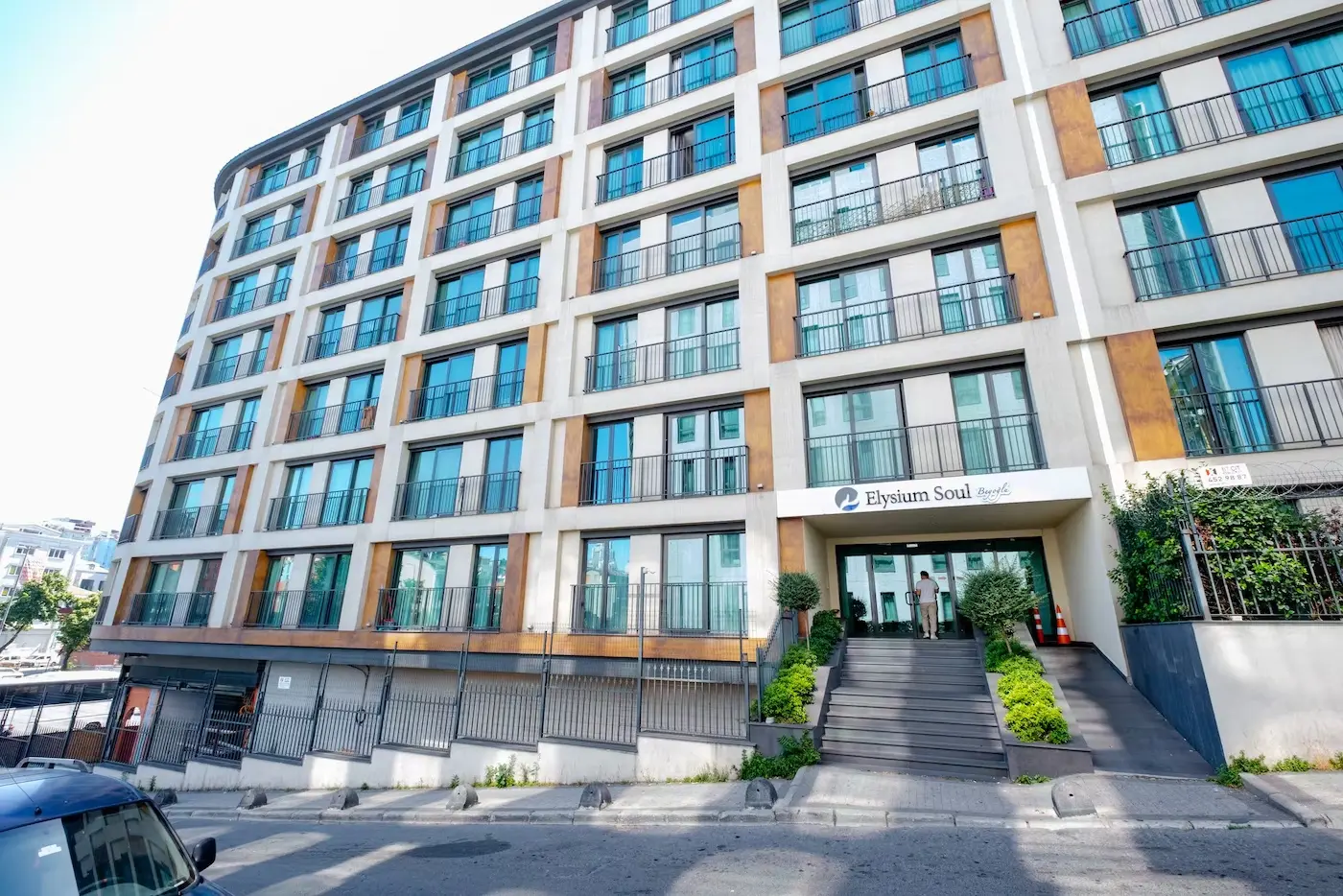
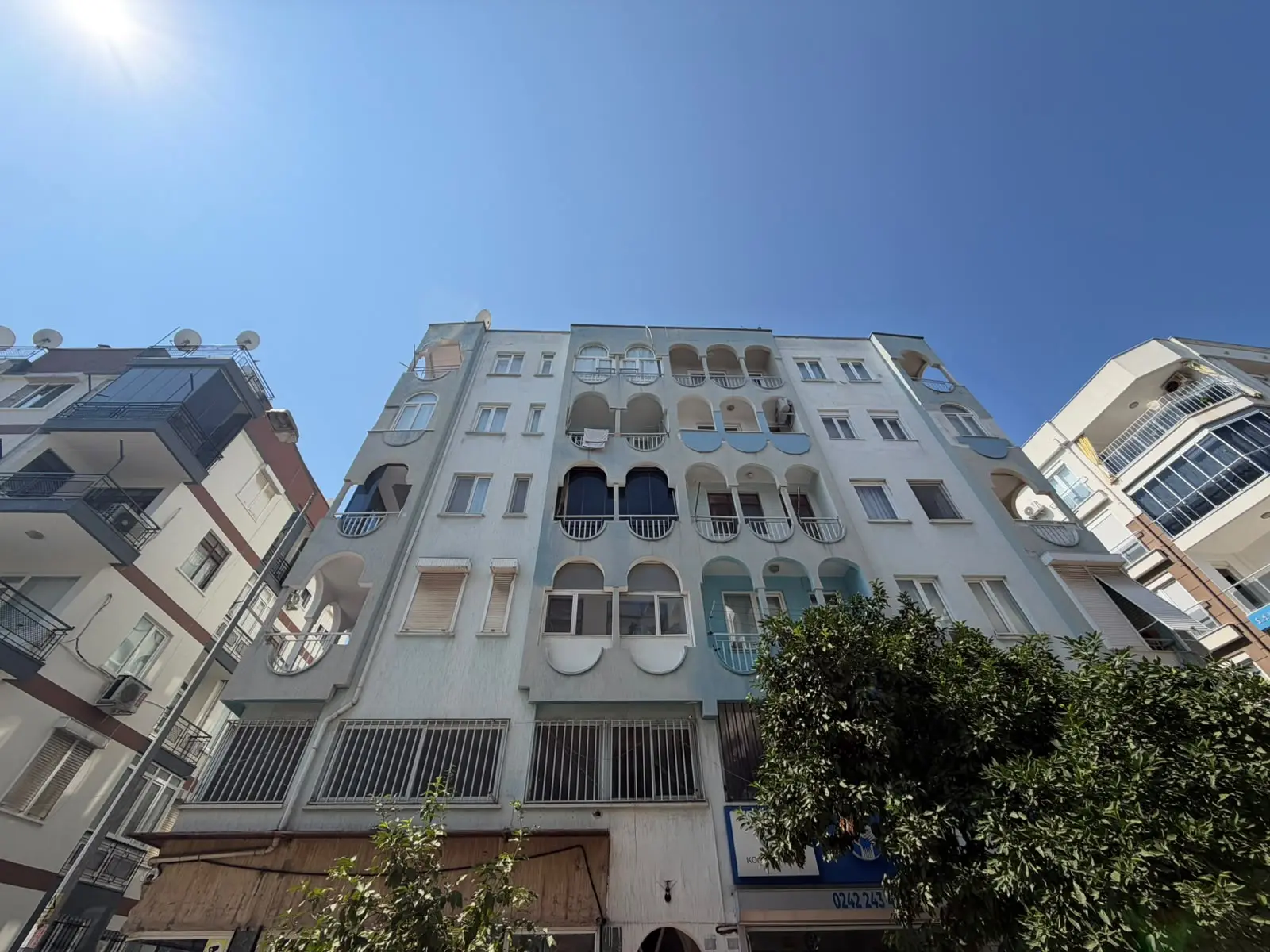
The reason is not luck. Affordable, well-located central apartments sit where the deepest rental demand, the broadest resale liquidity, and the most active regeneration zones overlap. They are not the luxury-branded towers in the brochures. They are the modest, central homes that every young professional, forming household, and long-term renter competes for; and that competition drives price growth.
Why is Bodrum Called Istanbul's Outer Suburb?
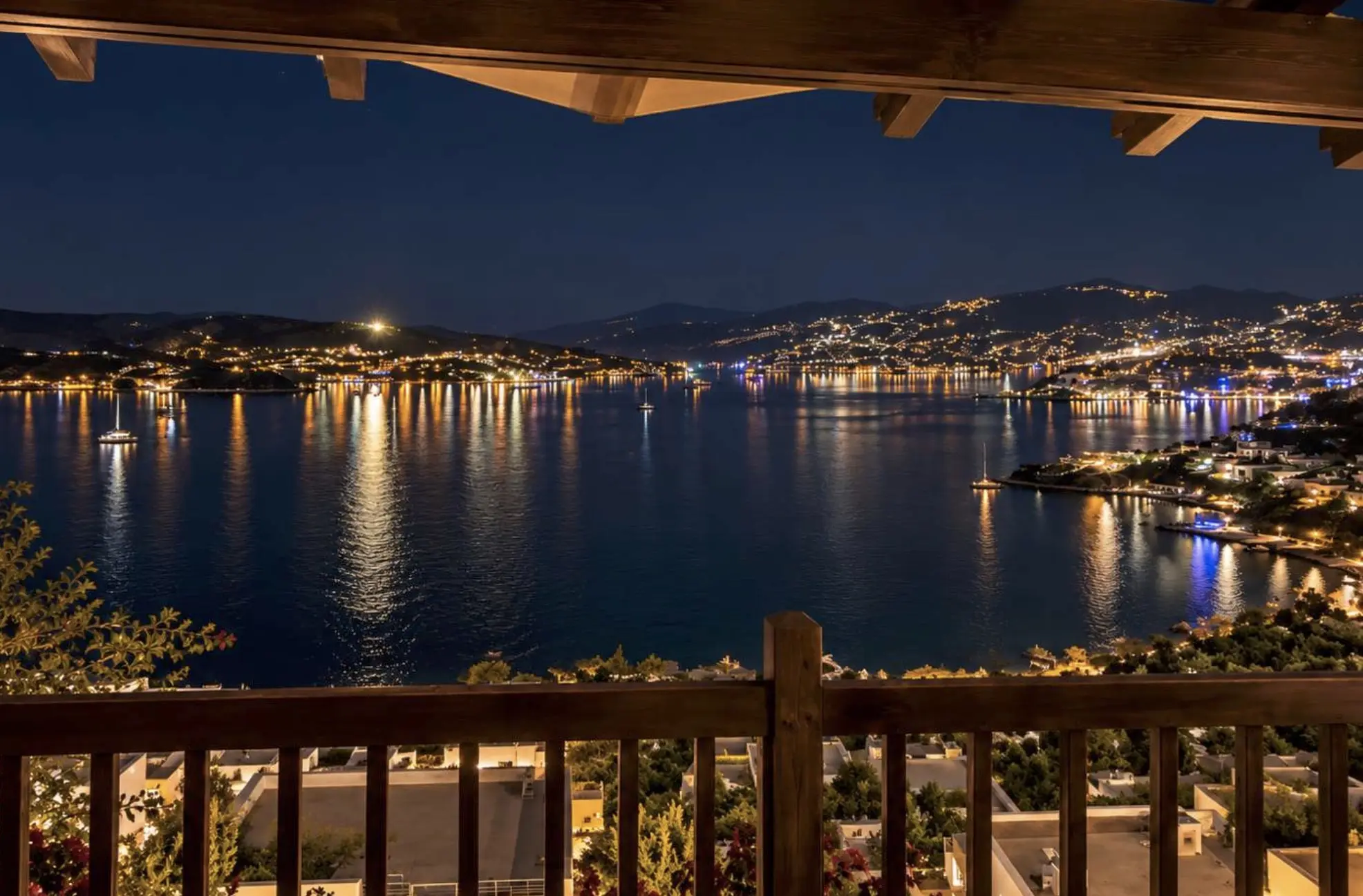
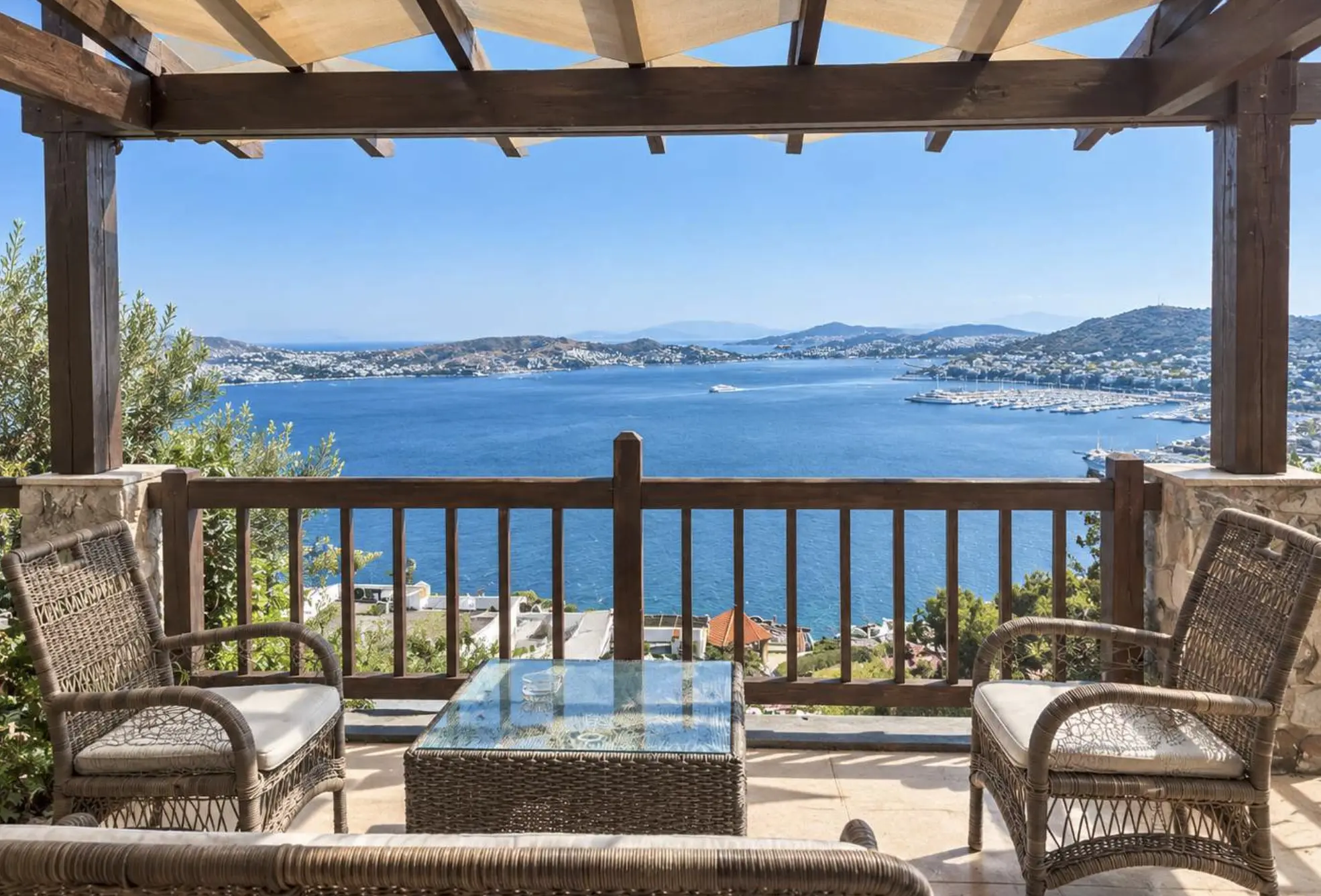
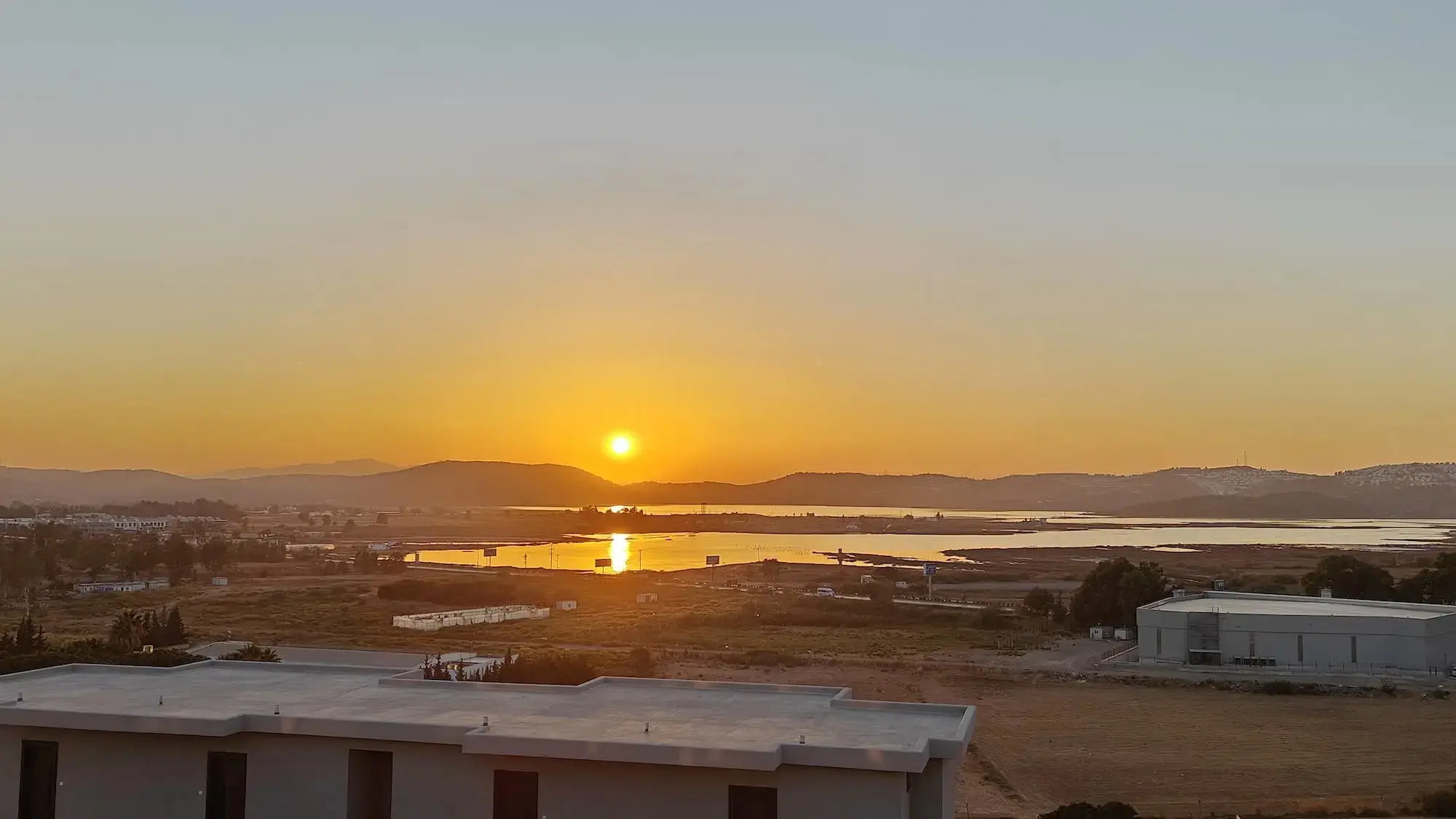
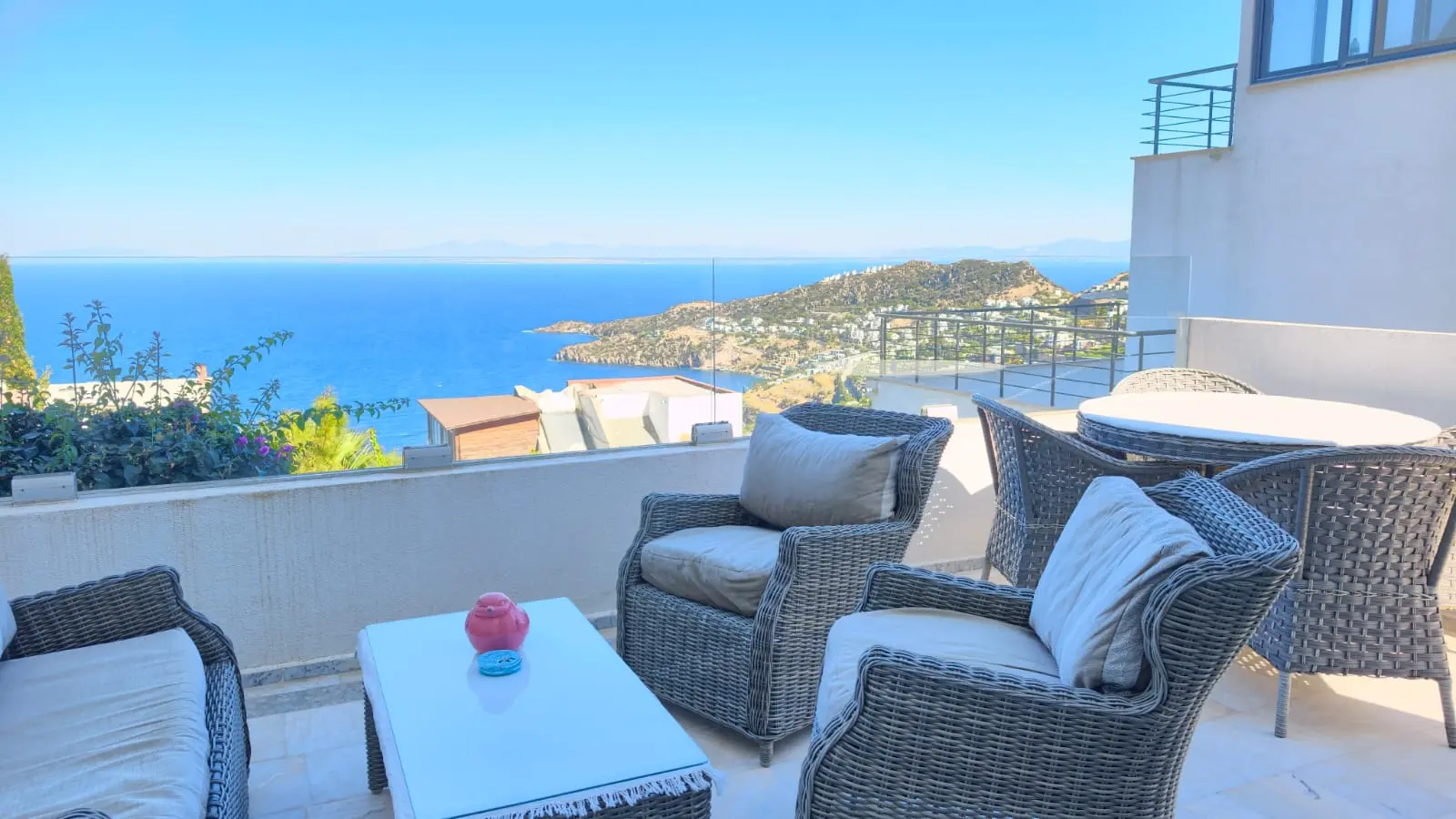
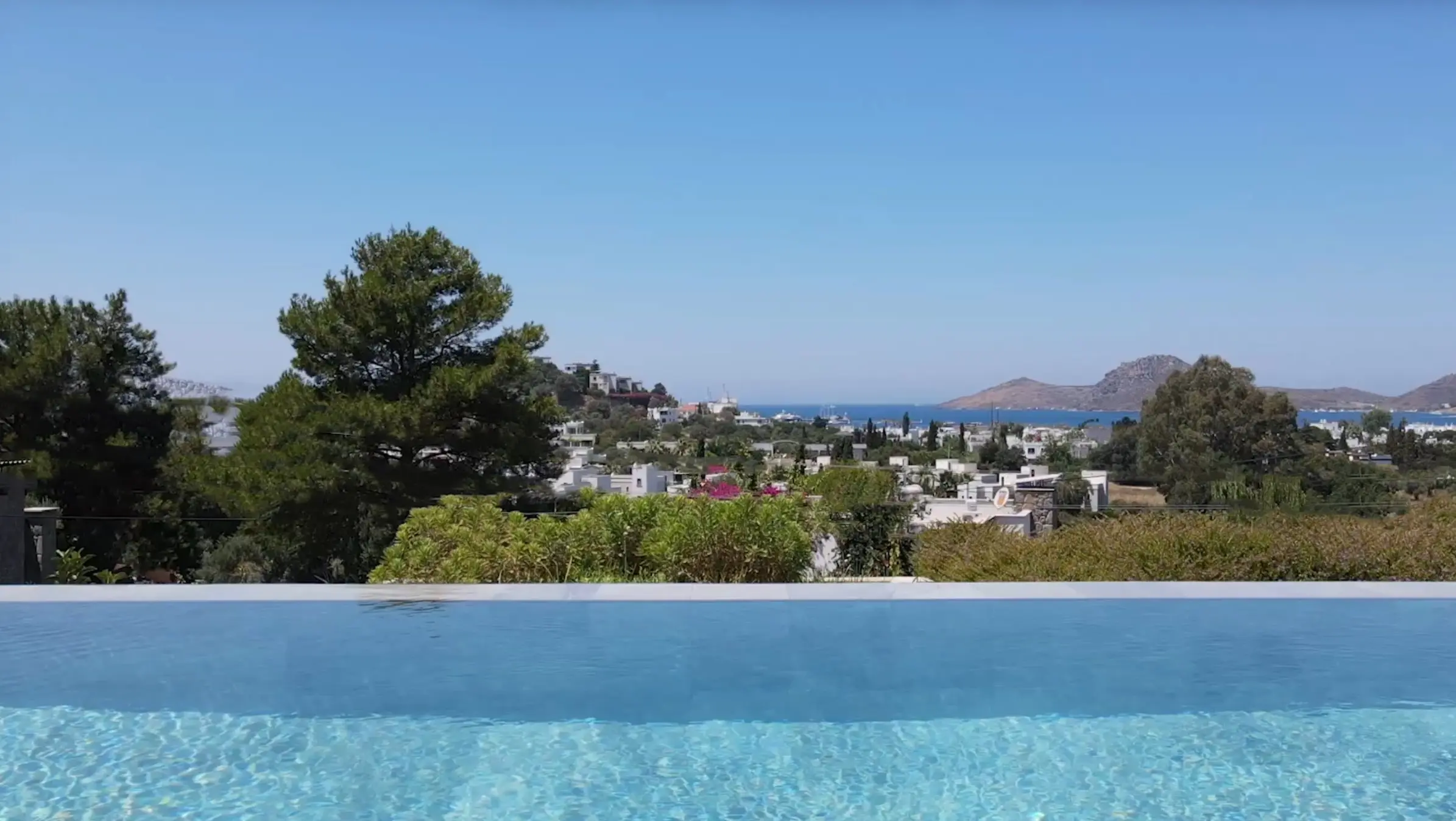
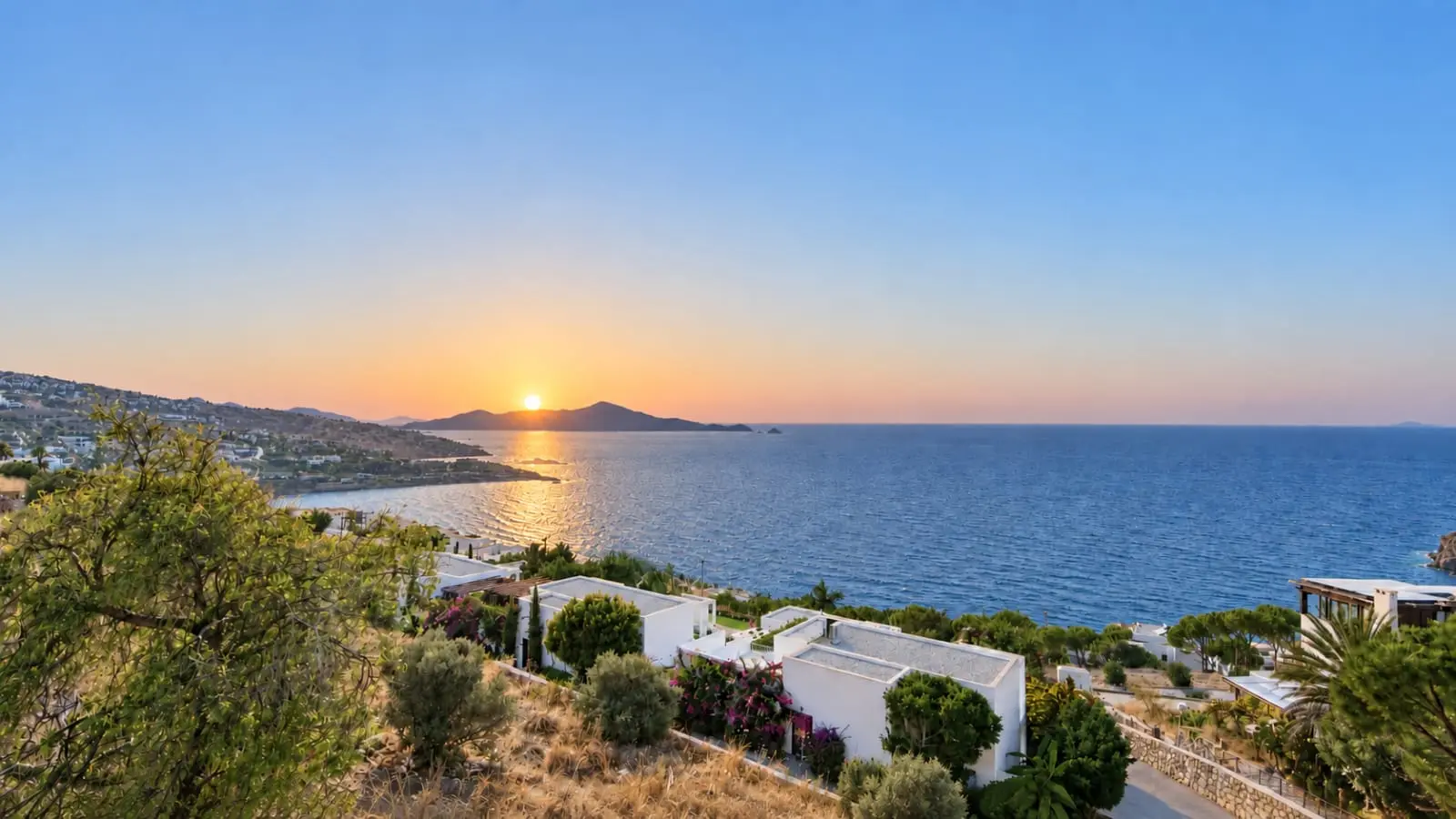
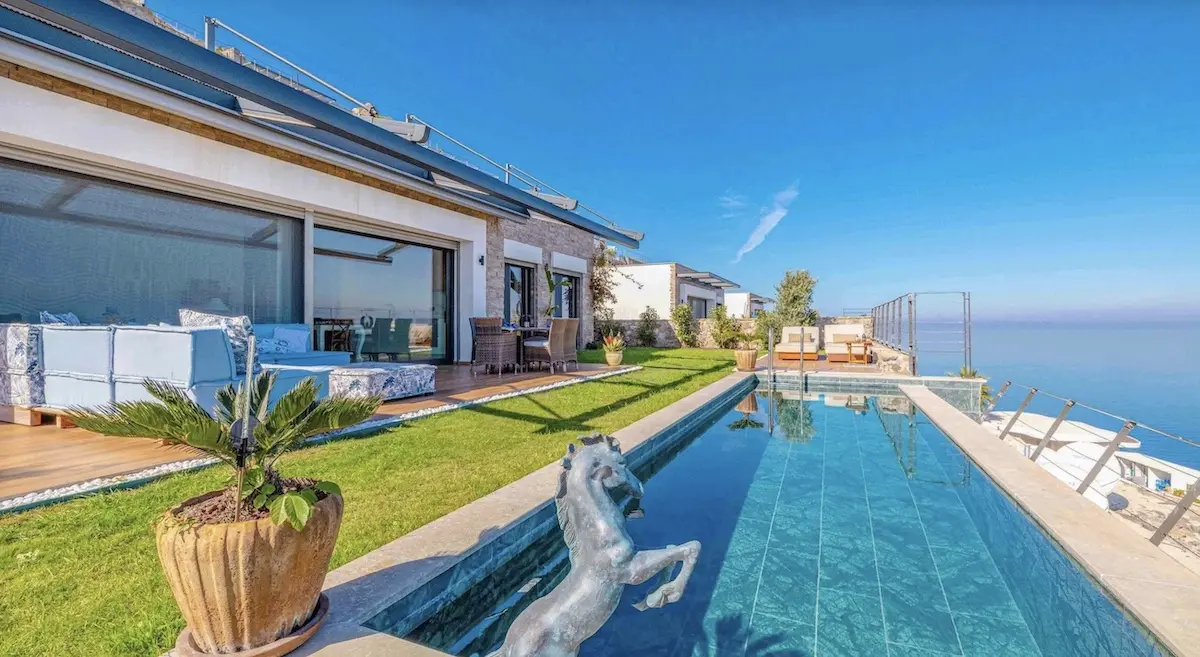
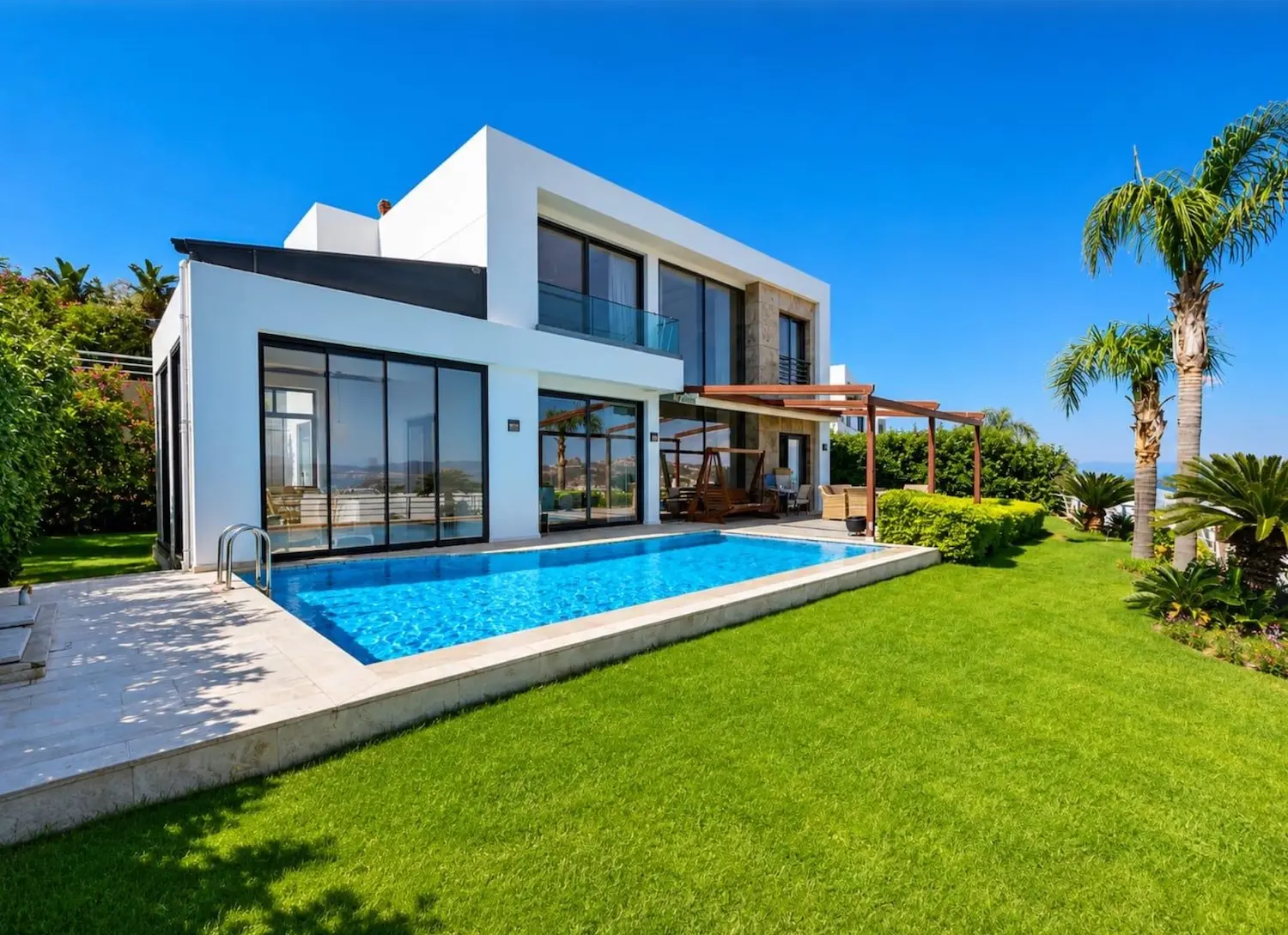
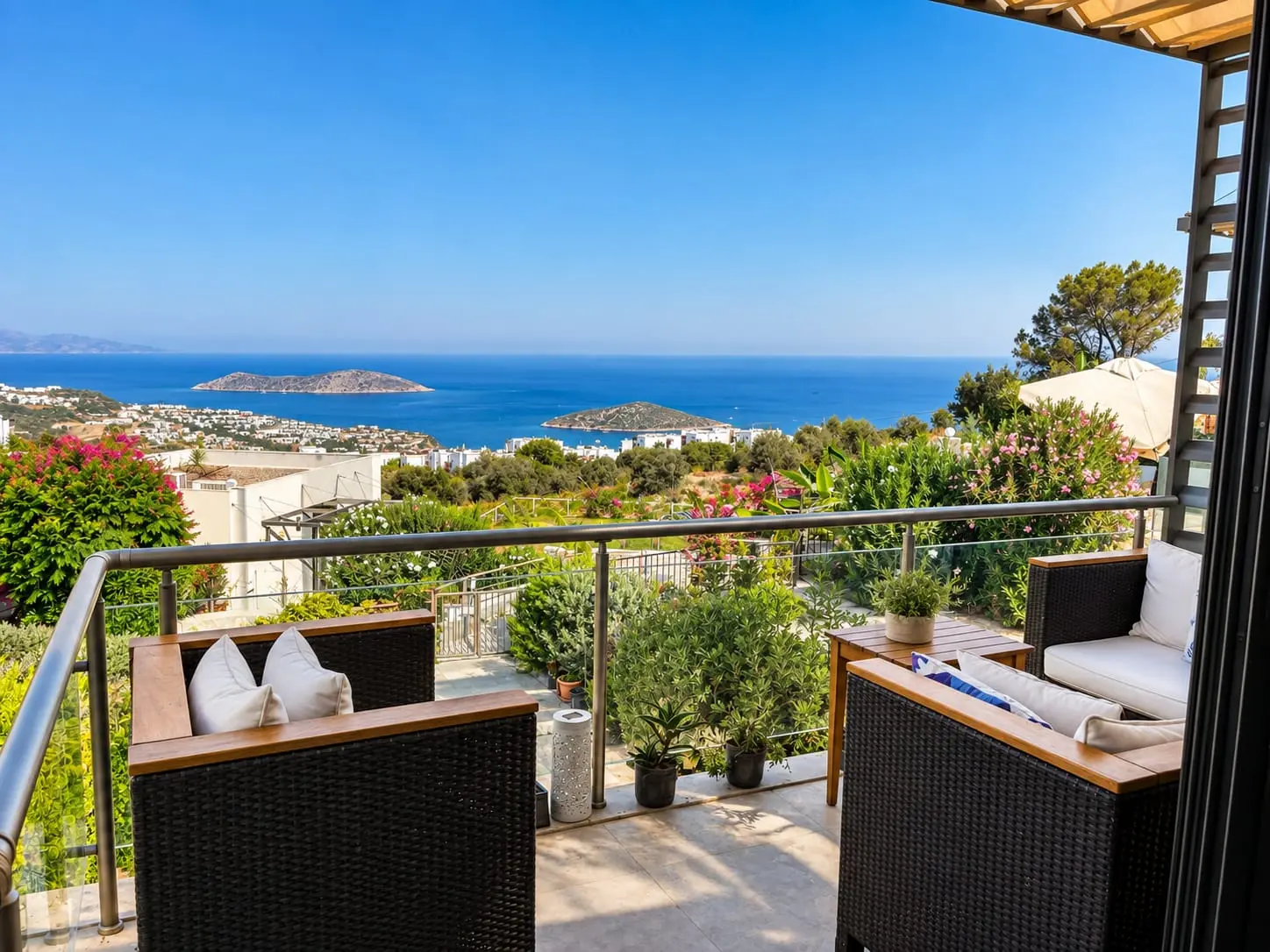
Bodrum is hundreds of kilometres from Istanbul but little more than an hour by air. In our experience its demand behaves like an extension of the city's. Istanbul's own wealth, plus the international buyers Istanbul attracts, treat it as a coastal counterpart rather than a separate regional market. That is why Bodrum is the second pillar of our portfolio alongside the city centre. Coastal markets are more seasonal and more selective than central Istanbul, so location within Bodrum is even more important for investors.
What Rental Yield Can I Expect?
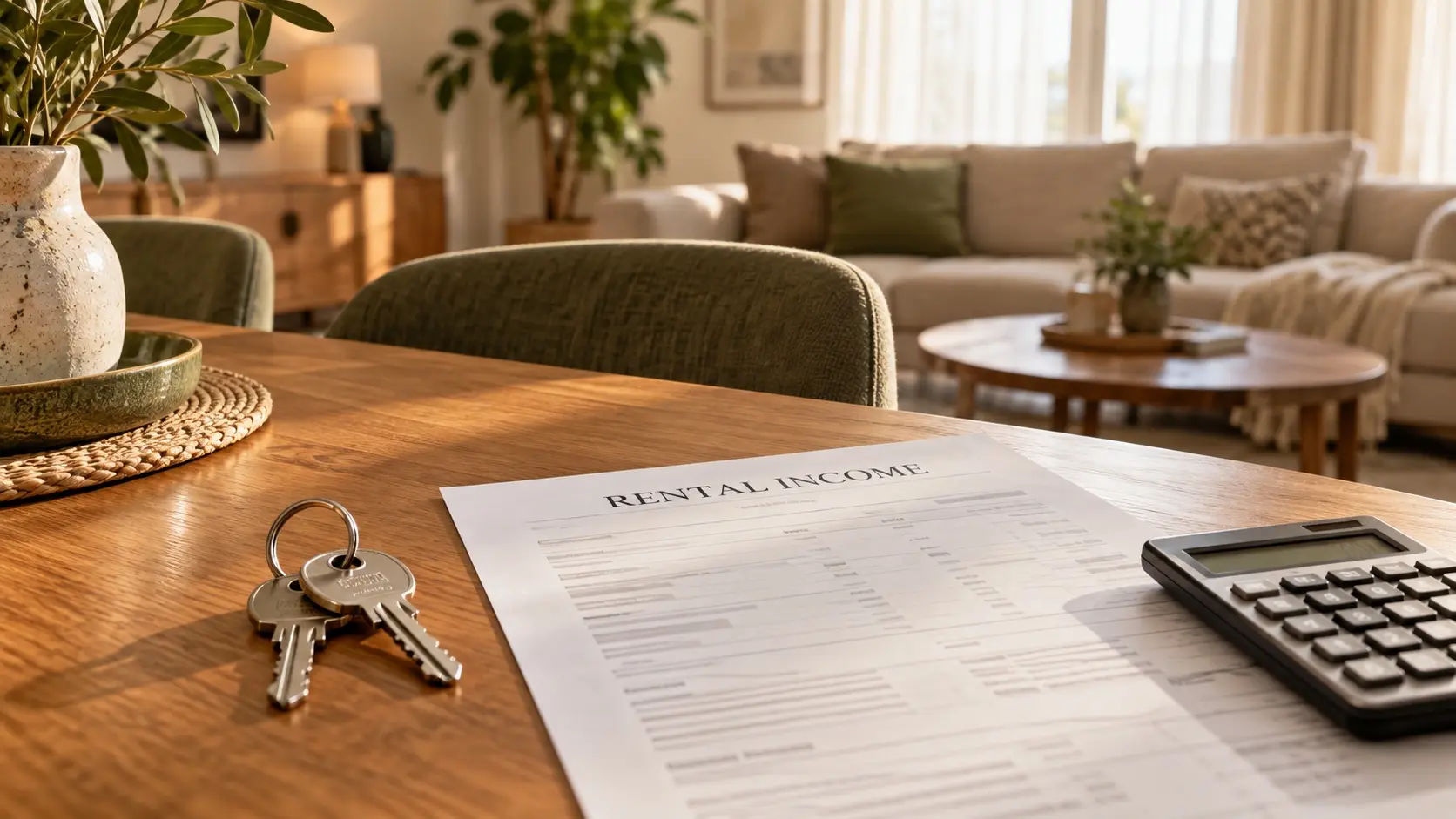
Capital growth is only half the return. According to Global Property Guide’s Q3 2026 benchmark, gross residential yields in Turkey average 7.86%, with Istanbul averaging 9.92%. Its two-bedroom apartment examples show yields of 8.78% in Şişli and 8.08% in Kağıthane.
Industry estimates put net yields 1.5 to 2 percentage points lower after tax, fees, and vacancy. Central locations let all year, not just in summer, and good property management is what turns a brochure yield into income actually received.
To compare properties consistently, calculate annual rental income divided by purchase price for the gross yield, then deduct actual ownership costs to assess the net yield. Check:
- Management charges, maintenance, and building service fees.
- Vacancy periods, insurance, and applicable taxes.
- The exchange rate when rent is converted into Dollars.
When Has Turkish Property Lost Value in Dollars?
Two periods deserve naming. The first is the late 2010s, covered above. The second is more recent and more uneven. On Central Bank data, national Dollar values have edged higher since 2023, but coastal markets have lagged central Istanbul, with resort areas softer in Dollar terms through 2025. The slowdown is mainly domestic, driven by high interest rates working through the economy rather than by the exchange rate. Pretending otherwise would undermine everything else in this article.
What Could Drive the Next Phase of Turkey’s Property Market?
The domestic slowdown is easing. Local demand is recovering, and as interest rates fall gradually, property buyers currently priced out are likely to return in volume. That demand should land hardest where supply is most constrained: affordable, central Istanbul. Nobody can time this precisely, which is the case for acting on fundamentals rather than headlines.
FAQs: About Turkish Property in USD
Q: Has Turkish property lost value in Dollars since 2010?
A: No. On Central Bank data, average prices are up about 63% in Dollar terms to August 2026, though they fell by more than a third between 2013 and 2020, before recovering.
Q: Why do Turkish property prices rise when the Lira falls?
A: Property is priced on replacement cost and domestic demand, not just the exchange rate. Over 16 years Lira prices rose about fiftyfold while the Lira fell about thirtyfold.
Q: What rental yield can I expect in Istanbul?
A: According to data, investors can expect about 8.2% gross rental yields on average in early 2026, with net yields typically 1.5 to 2 points lower.
Q: Is it better to invest in Istanbul or Bodrum?
A: They do different jobs. Central Istanbul offers year-round rental depth and resale liquidity. Bodrum offers lifestyle and wealth-driven demand, with more sensitivity to location. Many investors hold both.
Q: How do I calculate my Turkish property's return in USD?
A: Convert the purchase cost and eventual sale proceeds into Dollars at the exchange rates applicable to each transaction. Add rental income converted when received, then deduct purchase, ownership, and selling costs.
Q: Does a high gross rental yield mean a better investment?
A: A high gross yield is a starting point, not a complete assessment. Compare building condition, tenant demand, likely vacancy, and resale prospects alongside income. An apartment with lower yield may produce a stronger net result if it needs fewer repairs and attracts reliable, longer-term tenants.
Find the Right Turkish Property for Your Investment Goals
None of this means every Turkish property doubles in value, and timing is clearly crucial. It means the Lira's chart is the wrong chart to read. Since 2001, Property Turkey has operated as a complete property ecosystem: we buy, manage, rent, sell, fund, advise on legal matters, and build. 25 years of that tells you which location, segment, and moment compound; and why managing an asset after purchase is just as important as choosing it.
Speak to Property Turkey about your budget, preferred currency, and investment timeframe. Our team can help you compare available Istanbul apartments and Bodrum homes, assess rental assumptions, and understand the costs of ownership. Request a property shortlist and discuss purchase support, management, and your eventual resale plan.
Cameron Deggin Founder & CEO, Property Turkey
Cameron Deggin is Founder and CEO of Property Turkey. A former finance professional and FCCA-qualified accountant, he founded the company in 2001 after recognising Turkey’s investment potential. With more than two decades analysing Turkish real estate, Cameron regularly advises international investors and is quoted by media including the Financial Times and BBC.




 By:
By:

 Founder & CEO, Property Turkey
 Bodrum
  2
2  1
1 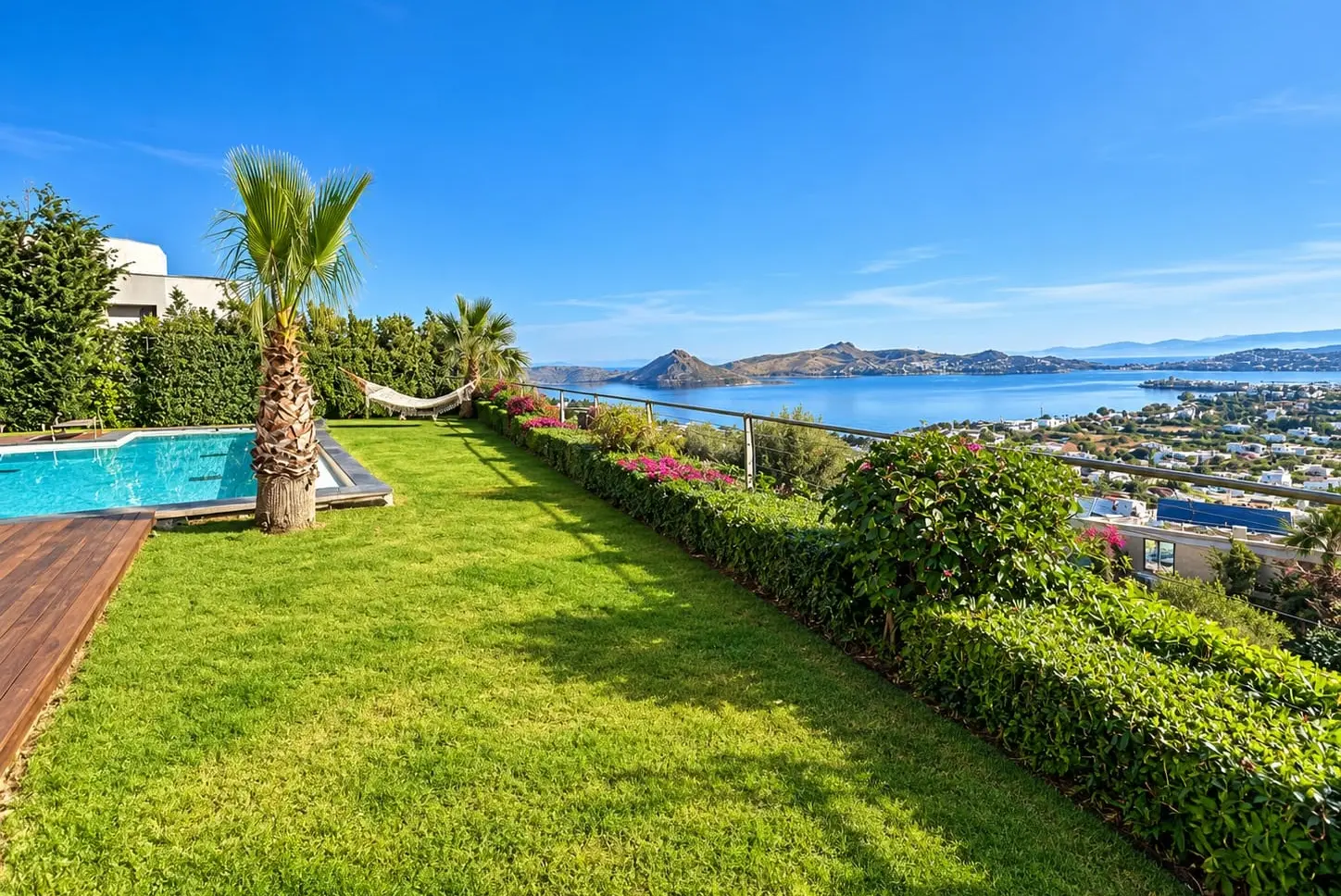







 X
X