Yes, Turkey is a Muslim country, but it is also secular. This is an important distinction that separates the country from other places like Saudi Arabia or Jordan. For people looking to learn more about the country, it is important to understand the secular setup and how it differs from the religious Muslim face.
These days, roughly 99% of Turks are Muslim. Still, religion is voluntary, and a Turkish citizen can call themselves a Muslim without fully practising the religious observances like fasting, attending the mosque, or abstaining from alcohol. To better understand, it is worth exploring how Turkey separates government from religion. Let’s get into it.
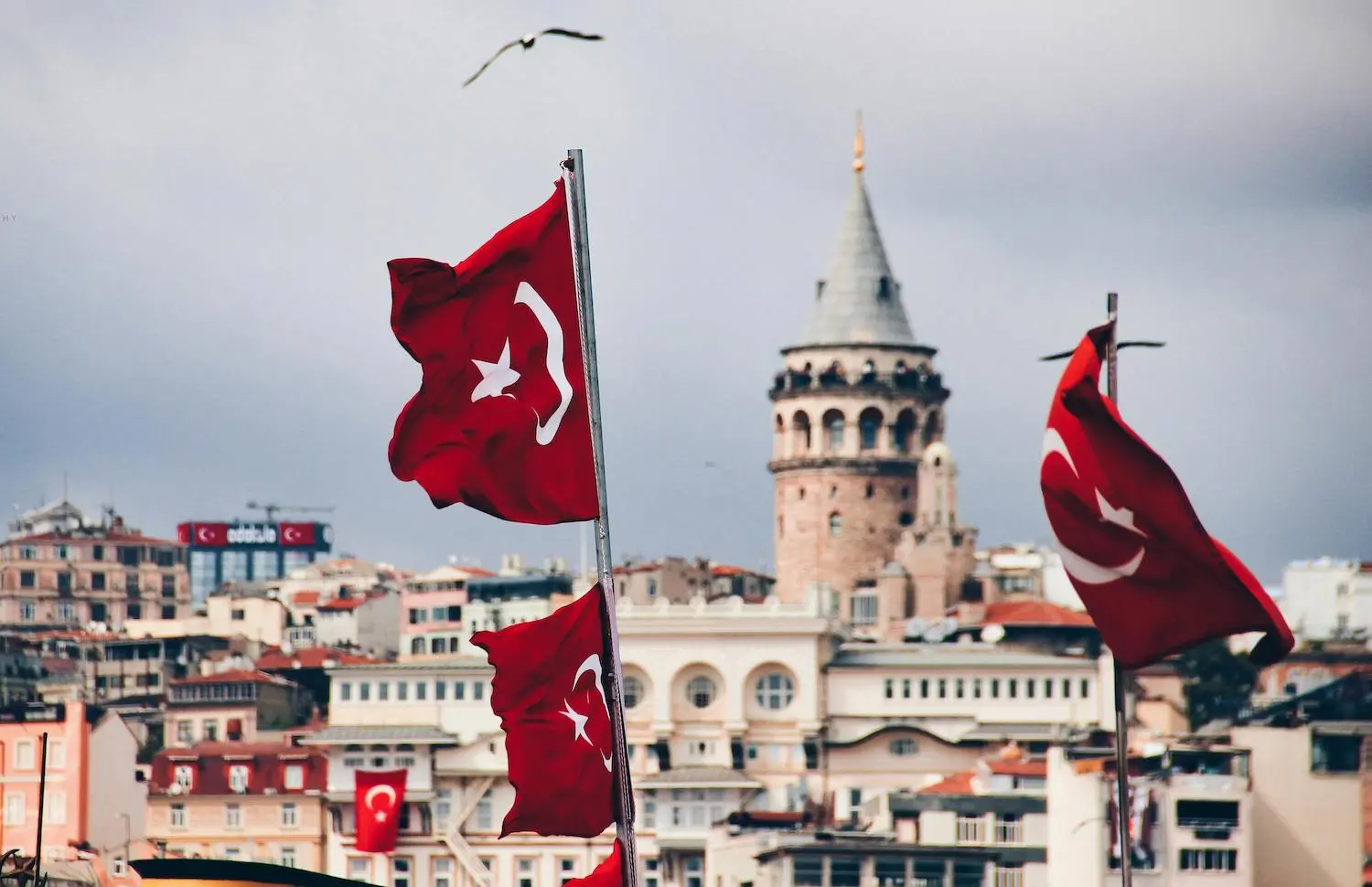
Bullet Point Summary: Is Turkey a Muslim Country?
Demographics: Around 99% of Turks are Muslim (mostly Sunni, with a large Alevi minority), making Islam the dominant religion. İmam Hatip schools (religious schools) that train prayer leaders support the practise of Sunni Islam.
Structure: Turkey is a republic, not an Islamic state. Secularism (laicism) has been in place since Atatürk's reforms in the 1920s and 30s. So, there is no official state religion, and religion is separate from government, education, and law. However, religious affairs are state-managed. The Diyanet (Presidency of Religious Affairs) is a government body that oversees mosques, appoints imams, and issues guidance.
Other Expressions of Faith: Include elements of Shi'a Islam, Twelver Shi'a Islam, and mystical Sufi orders, such as the famous Whirling Dervishes. Communities of Judaism, Greek Orthodox Christians looking to the Ecumenical Patriarchate and its Patriarchate, Chaldean Christians, and the Syriac Orthodox Church have deep roots in historical hubs from Diyarbakir to the neighbourhoods of Istanbul. Intellectual currents like Quranism (focusing strictly on the Koran) also find their place in modern theological conversations. Spiritual groups, such as the Bektaşi branch, add unique local traditions to the mix.
Bottom line: "Muslim country" is ambiguous: Looking at it, culturally and demographically, then yes, it mostly consists of Muslims. However, constitutionally and legally, it has no compulsory religion and authorities forbid Islamic (sharia) law. Turkey is secular with an overwhelmingly Muslim population. "Muslim-majority" is more accurate than "Muslim country" in the constitutional sense.
More Information About Religion in Turkey
1: The Background Story
The Anatolian peninsula has never belonged to one religion for long. It was the heartland of the Byzantine Empire and early Christianity before waves of Turkic tribes and Arab Muslims, most notably the Seljuk Turks, swept in from Central Asia starting in the eleventh century, bringing Sunni Islam with them. Constantinople, the Byzantine capital, held out until 1453, when the Ottomans conquered it and renamed it Istanbul.
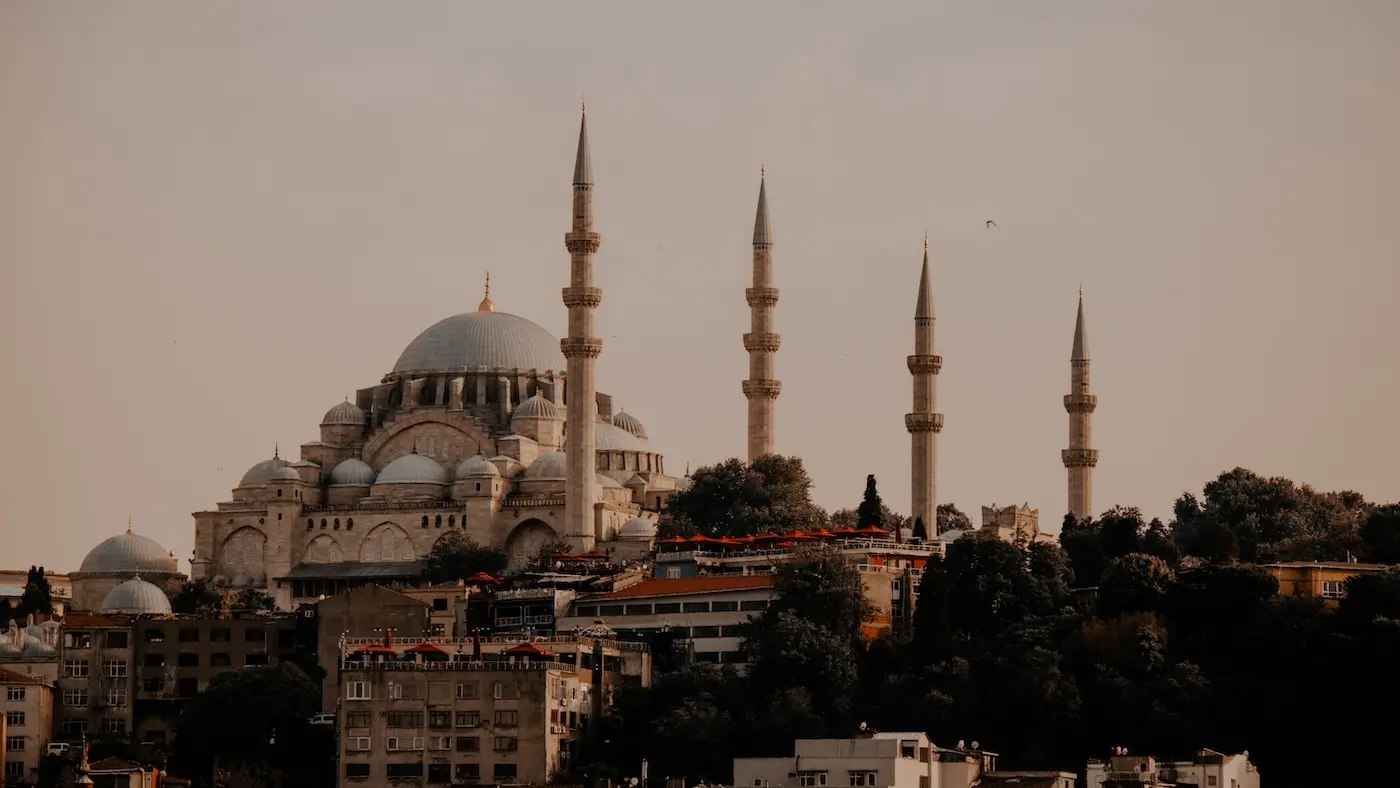
Over the following centuries, the Ottomans built a civilisation around Islamic art and architecture, with the Suleymaniye Mosque and the Selimiye Mosque in Edirne among its masterpieces. They also absorbed minorities such as Armenians, Greek Orthodox communities, Jews, Chaldean Christians, the Syriac Orthodox Church, and Yezidis.
2: The Collapse of a Religious Empire
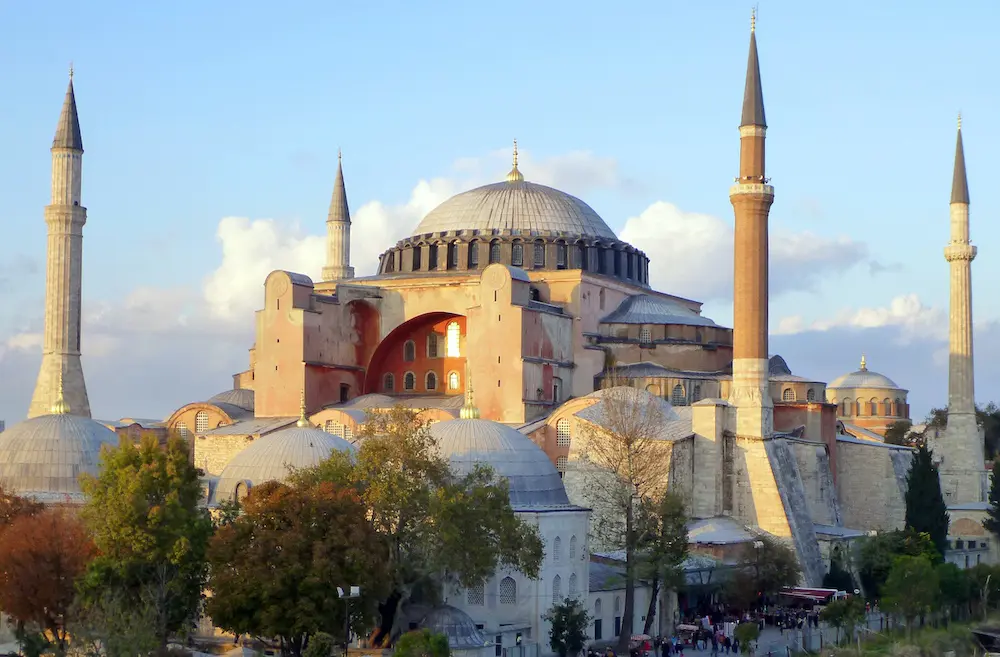
For centuries, the region was the heart of the mighty Ottoman Empire, where the Sultan also held the title of caliphate, uniting politics and religion under the watchful eye of the Şeyhülislam – the chief religious official. Back then, the majestic skyline featured architectural wonders such as the Byzantine Empire’s crowning jewel, the Hagia Sophia, and the Kariye Mosque. With the fall of the empire and the establishment of the Lausanne Agreement, Turkey became a secular state, thus separating the mosque from the state.
3: What Does It Mean to be a Secular State?
Unlike nations where Islamic law (Sharia) is the basis of the legal system, Turkey’s constitution establishes a strictly secular entity (laiklik, derived from the French laïcité). Sharia was abolished in 1926 and replaced with a Swiss-inspired civil code and European criminal models in 1937. Religion is legally separated from politics, jurisprudence, and public policy.
4: Mustafa Kemal Ataturk and Secularism
When the Ottoman Empire collapsed after the First World War, Mustafa Kemal Atatürk built a new republic in central Anatolia to separate politics and religion. He launched reforms in the 1920s and 1930s to pivot the nation toward Europe. He abolished the Caliphate and the office of the Şeyhülislam, the empire's chief authority; replaced Islamic law with civil codes; and, in 1934, turned the Hagia Sophia into a museum, a gesture to signal that the new republic belonged to no single faith.
Often called Turkish secularism or laiklik, it isn’t the same as how the American or French governments stand apart from religion. It is closer to supervised religion, keeping Islam visible in public life but tightly managed.
5: About the Muslim Population and Sunni Islam
The prevailing faith is Sunni Islam. Newborn Turks are registered as such unless requested otherwise. However, various independent sociological studies (including KONDA Research) provide a more complex picture.
Muslim Identification: Independent estimates place the active Muslim-identifying population between 88% and 92%. The remaining consists of non-believers, deists, atheists, and minorities (Christians, Jews). Approximately 85% self-identify as Sunni Muslim.
Muslim minorities that are not Sunni: Alevis, which has a mixture of Shia and Sufi elements, is the largest non-Sunni Islamic sect, accounting for approximately 5% to 15% of the region’s population. Other Shia sects, in smaller numbers, include Alawites and Jafaris, who live in southern regions.
6: About the Alevi Community
Their beliefs and historical relationship differ from traditional Sunni Islam. Alevism is a syncretic faith tradition with historical roots in Shia Islam, Sufism, and pre-Islamic Anatolian traditions. It emphasises humanism, inner spirituality, tolerance, and divine love rather than strict adherence to formal dogmas.
Alevis don’t attend mosques, do not fast during Ramadan, and do not make the pilgrimage to Hajj to Mecca. Instead, they observe fasting during the month of Muharram and partake in the communal religious gatherings.
Spiritual services take place in a Cemevi (house of gathering). Rituals (Cem) feature music played on the long-necked lute (saz), devotional hymns (dışlık), and the Semah (a sacred ritual dance performed by both men and women together). Alevi communities exist across central and eastern Anatolia (Sivas, Tunceli, Kahramanmaraş, and Çorum), as well as in major cities such as Istanbul, Izmir, and Ankara.
7: Other Religious Minorities
Armenian Apostolic: Roughly 60,000 worshippers, with most living in Istanbul, where they maintain churches, private schools, newspapers, and communities. This is the largest non-Muslim minority, with its centre at the Armenian Patriarchate of Constantinople in Istanbul.
Judaism (Sephardic and Ashkenazi): In 1492, the Ottoman sultan welcomed ancestors who fled the Spanish Inquisition. The congregation centres in Istanbul and Izmir and operates synagogues, a hospital, and a newspaper (Şalom). Their centre is the Neve Şalom Synagogue and the Chief Rabbinate of Turkey in Istanbul.
Syriac Christians (Assyrians and Arameans): An ancient Christian sect that speaks a modern Aramaic dialect. While historically centred in the Southeastern Anatolian region of Tur Abdin (around Mardin and Midyat), most now live in Istanbul. Famous for ancient monasteries, such as Deyrulzafaran and Mor Gabriel in the Southeast.
Greek Orthodox (Rum): Although historically large, the local Greek Orthodox community diminished due to 20th-century events, including the 1923 population exchange and post-war emigration. Despite its small local congregation, Istanbul is the base of the Ecumenical Patriarchate of Constantinople, the spiritual centre for over 200 million Eastern Orthodox Christians worldwide.
Sufi: The Mevlevi order, founded in the spirit of the poet Rumi, represents a mystical strand of Islam that the secular republic once formally banned (Atatürk outlawed Sufi lodges in 1925) but that persists culturally, especially through Rumi's enduring popularity and the whirling dervish ceremonies that draw tourists to Konya.
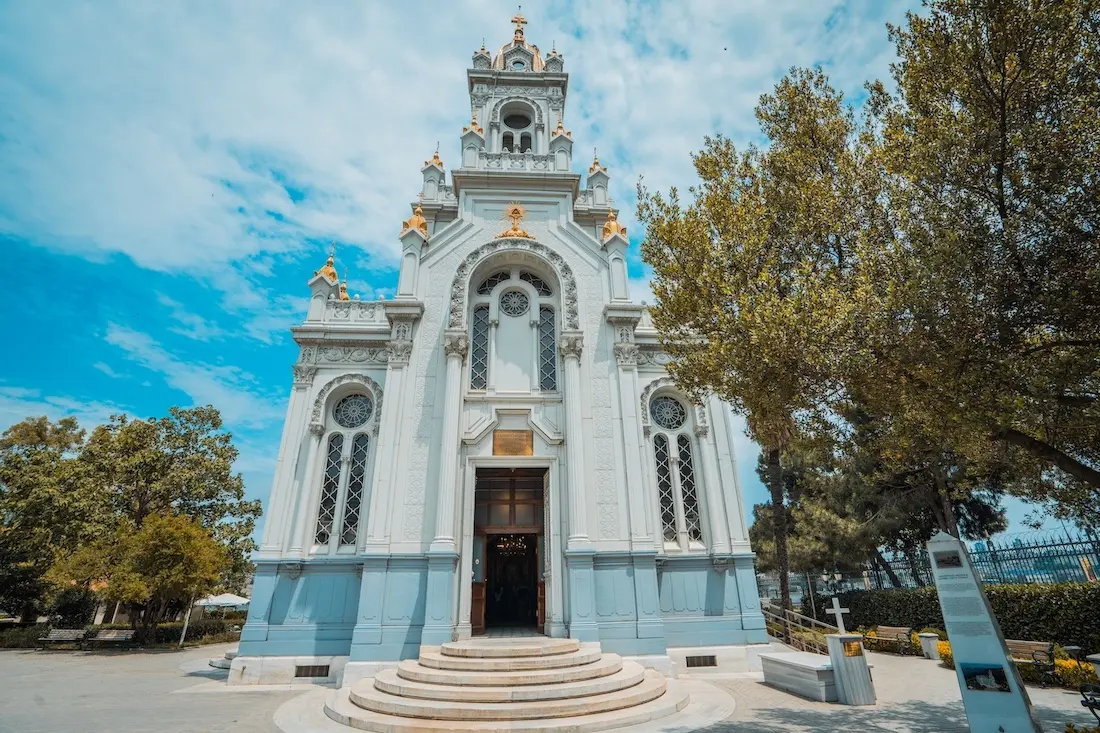
8: About the 1923 Treaty of Lausanne:
Turkey's framework for non-Muslims rests primarily on this foundational international treaty. However, it explicitly recognises only Armenians, Greeks, and Jews as non-Muslim minorities. Recognised minorities manage their properties, schools, and places of worship through state-registered Foundations (Vakıflar). Unrecognised groups (such as Syriacs, Protestants, and Catholics) cannot easily register places of worship and often operate instead through civil associations (dernek).
9: The Diyanet: How Islam is Managed
Unlike the strict separation of church and state (as in the US), the Diyanet, a governmental organisation, handles Islam. Unlike many countries where religious bodies operate as independent non-governmental institutions, Sunni Islam is heavily centralised and governed through this Directorate.
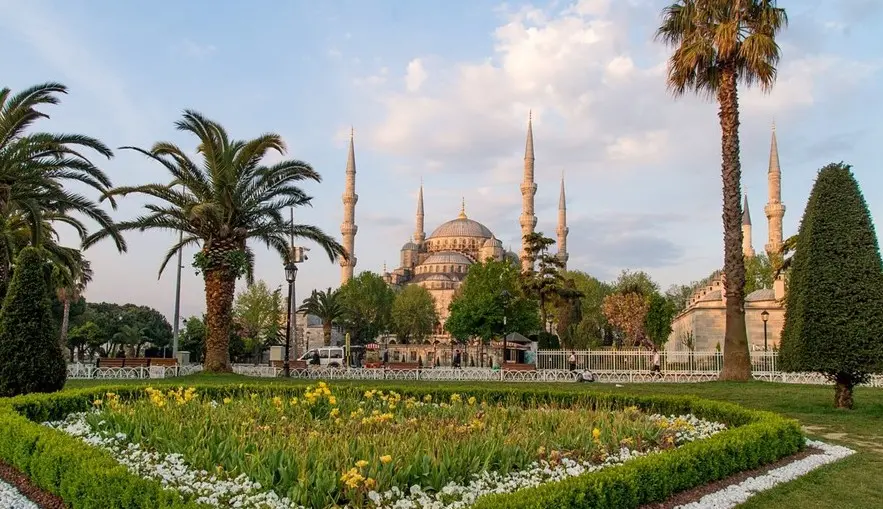
Created in 1924 following the abolition, the Diyanet keeps religion under secular supervision. The Diyanet employs over 130,000 civil-servant imams, manages more than 85,000 mosques nationwide, and writes the standardised weekly Friday sermon (Khutbah) delivered in all registered mosques.
FAQs: Religion in Turkey
Q: How strict is Islam in Turkey?
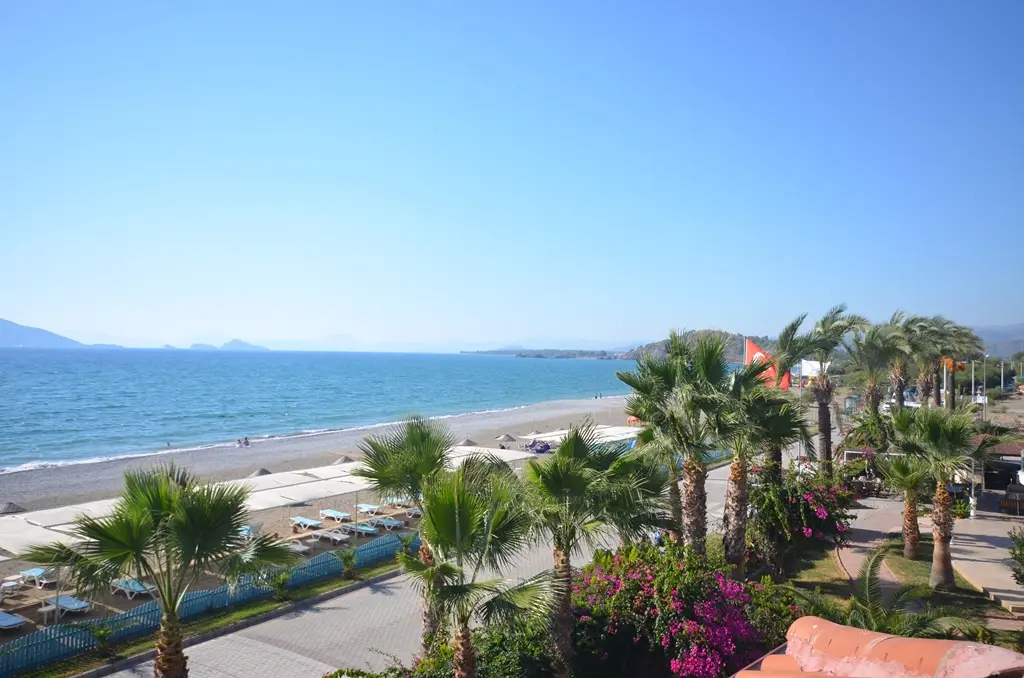
A: Islam is not strict at all and is purely a personal choice. The call to prayer will sound from mosques five times a day, but attendance is purely voluntary. People will also see vast differences in how Islam appears in daily life, depending on whether they go east or west. The east is more conservative, with lower alcohol consumption and more rigid dress codes. Whereas the Aegean and Mediterranean coasts, where all the tourist holiday resorts are, are quite liberal, with bars and nightclubs staying open till the early hours and relaxed dress standards. Cities like Konya and Kayseri have a reputation as conservative, whereas in Izmir, Bodrum and Fethiye, the opposite is true.
Q: Why is Turkey not like other Muslim countries?
A: This is all down to a man called Mustafa Kemal Ataturk, who was the founding father of the Republic and led the Turkish War of Independence in 1923. Turkey stands out in the Middle East for its unique identity, shaped by Atatürk after the Ottoman Empire's end. Unlike many Middle Eastern countries, Turkey, at the time of its founding, decided to regulate religion through democratic institutions, such as the Diyanet. It also adopted Western legal codes and switched from Arabic to Latin script to move towards European modernisation.
Q: Can Muslims drink alcohol in Turkey?
A: Muslims can drink alcohol if they are over the age of 18. Retailers cannot sell alcohol to anyone between 10:00 PM and 6:00 AM. Retail alcohol sales are also illegal near educational institutions, student dormitories, and gas stations. Street drinking in parks, plazas, and non-designated beaches can also lead to fines, so stick to licensed outdoor terraces or designated areas.
Q: Is Christianity allowed in Turkey?
A: Christianity is allowed in Turkey. The Constitution under Article 24 guarantees freedom of religion and belief. Therefore, Christianity, church attendance, possession of Bibles, and conversion to Christianity are allowed. Under the Treaty of Lausanne signed in 1923, Turkey recognises the non-Muslim religious minorities such as the Armenian Apostolic Church, the Greek Orthodox Church, and the Jewish community. Protestants, Evangelicals, Latin Catholics, and Jehovah’s Witnesses don’t have minority status under the Lausanne Treaty. Nevertheless, groups can operate as associations (derneys) or obtain the status of worship-place foundations, thereby possessing property and church buildings. Hundreds of active churches operate openly across the country, serving major historic denominations as well as Protestant and non-denominational congregations. The early spread of Christianity is also evident in the rock-cut churches of the Göreme Open-Air Museum and in places like Ephesus, which was home to the famous Artemis riots. The seven churches of Revelation were also in the Aegean region.
Q: Is Turkey officially an Islamic country?
A: No, Turkey is not Islamic, but a secular republic. The Turkish Constitution explicitly says there is no official religion. The clause declaring Islam as the official religion was repealed in 1928, and full secularism (laiklik) started in 1937. Turkiye bases its laws, courts, and governance on civil law rather than Sharia. While 90% of Türkiye is culturally or religiously Muslim, this refers to demographics, not the legal or constitutional identity. Article 24 of the Constitution guarantees freedom of conscience, religious belief, and private worship for all citizens regardless of faith.
Learn More about Türkiye
Few countries wear the tension between faith and state as visibly as Türkiye. But Türkiye's balancing act stands out most clearly against its neighbours. At the same time, international relations remain complex; as a key member of NATO, Turkey navigates delicate geopolitical tightrope walks involving neighbouring Middle Eastern countries, global stances on Hamas, and its long-running, complicated aspirations regarding the European Union.
Ultimately, religion in Turkey remains an interplay between deep-seated tradition, modern identity, and ever-evolving public life. That layered inheritance is why modern Turkey, despite being an overwhelmingly Muslim-majority country, is not monolithic. Small but historic communities of Rum Orthodox Christians (Keldani̇ler and Chaldean), Armenians, and Jews still live in Istanbul and elsewhere, a living reminder that this is a crossroads, not a monolith. For more information about the country, see our blog, which covers the culture, traditions, and history, as well as how Turkey operates as a Muslim, secular country.
Aleksandra Cihanoğlu  Senior Advisor
Aleksandra Cihanoğlu is a Senior Advisor at Property Turkey and a regular contributor on topics including Citizenship by Investment, relocation, travel, and lifestyle opportunities in Turkey. Her writing focuses on helping international readers understand the practical realities of living, investing, and building a long-term future in the country.
View full author profile →




 By:
By:
 Bodrum
  4
4  5
5 








 X
X