From inventing the brewing method to introducing the drink to Europe, Turkish coffee holds a special place in history. Beyond the caffeine buzz, the beverage connects centuries of tradition, hospitality, and storytelling across Middle Eastern cultures. While many people assume that it is the most popular drink in Türkiye, it isn’t. This crown goes to a humble cup of Turkish tea. However, coffee holds a special place in the culture, thanks to its history and the way it is drunk.
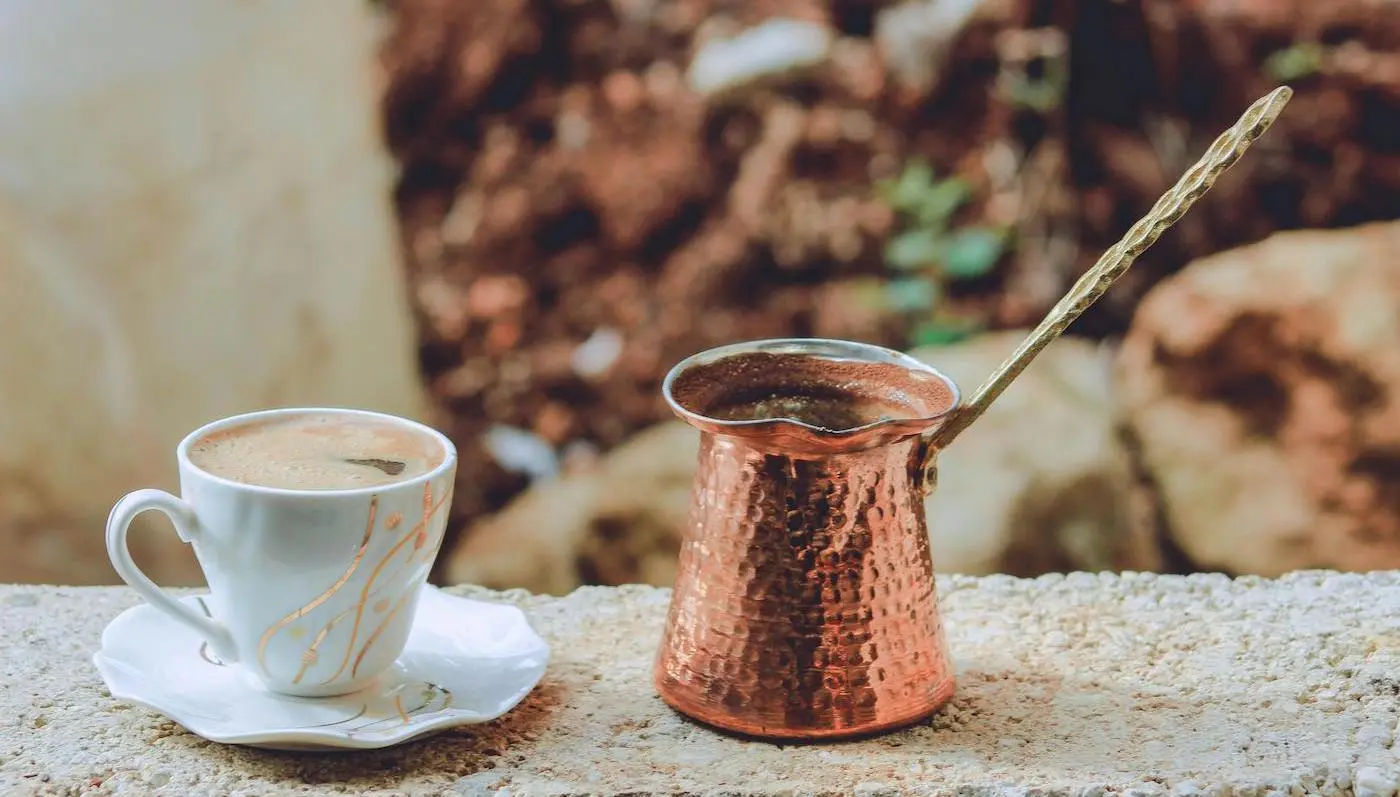
Summary: Why Turkish Coffee is Special
- For its distinct taste, coffee grinders use Arabica beans.
- Its health benefits come from chlorogenic acids (antioxidants), which help reduce inflammation and support cholesterol, blood sugar, and blood pressure.
- To make the beverage, use a special pot called a cezve, or an ibrik in other countries.
- In Türkiye, the drink is especially popular at social gatherings and engagement ceremonies.
- Ottoman Sultan Suleiman the Magnificent first introduced it to the Ottoman court.
- Different types vary by bean and brewing method. They include Dibek Turkish coffee and Menengiç Turkish coffee.
- In 2013, the drink joined the UNESCO Intangible Cultural Heritage list.
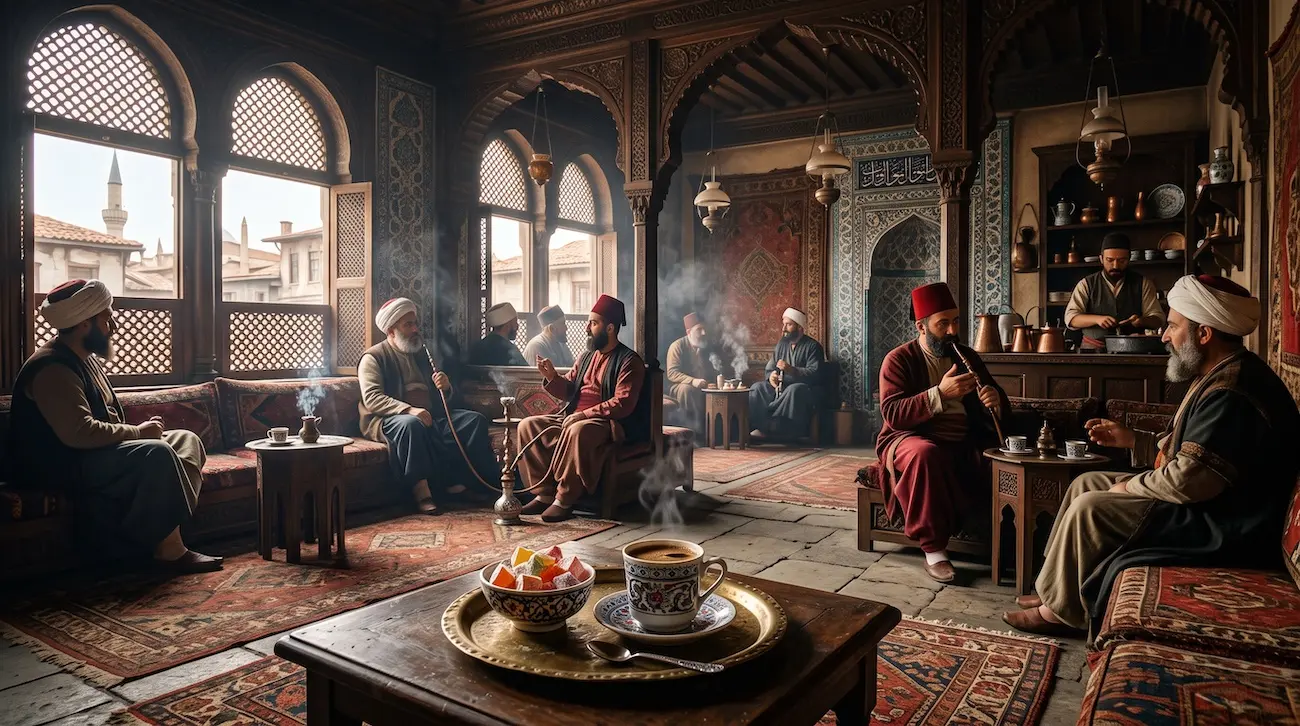
1: The First Mention and Brew
Legend says Sheikh Hassan Sazeli discovered the beverage, boiling beans on a journey to Mecca in 1258. Sellers embraced the Sheikh as their patron saint, and in the final decades of the Ottoman Empire, every shop had a banner proclaiming “O His Holiness Sheikh Sazeli”. Otherwise, you could say the Turks invented coffee as we know it, although it originated in Ethiopia first and then Yemen.
When the beans reached Constantinople (modern-day Istanbul) in the 16th century, the Ottomans developed a new brewing method: they roasted the beans over a fire, ground them, and then gently boiled them in water over the fire. They called the drink “kahve”, the origin of the word we use today.
2: Illicit Substance
In the mid-16th century, the Sultan outlawed the drink in Constantinople. Devout Muslims were behind the ban, and a fatwa was issued. When ships loaded with beans sailed into the port, they dumped the cargo into the sea. However, citizens ignored the fatwa, and everyone kept brewing as normal until the end of the century, when the drink was legalised.
3: The Craze Spreads Through Europe
The Turks began exporting their favourite beverage across Europe and the Middle East. In 1669, the Turkish Ambassador introduced it to the Parisian court of Louis XIV. England wasn't far behind, and the timing was good, as a 17th-century craze for all things Turkish (such as Turkish baths and imported flowers) meant the Brits welcomed the caffeine version.
4: Heroism In Vienna
This is an interesting story. In 1683, the 300,000-strong Ottoman army surrounded Vienna, laying the grand city to siege. With an Austrian army of 33,000 defending the city, odds didn't look good for the Viennese.
However, help came in the form of a young Pole named Franz Kolschitzky. Kolschitzky had lived in Istanbul and was fluent in Turkish. Donning the uniform of the Turkish army, he slipped behind enemy lines and managed to gather enough strategic information to allow the Austrians to attack.
The Turks fled, leaving everything behind including 500 sacks of green beans. No one knew what to do with them, except our hero Franz Kolschitzky, who went on to open the first Viennese houses, adding cream and honey to the beverage to cater to Viennese tastes. Today, a Viennese coffee (topped with cream) is an homage to the Austrian capital.
5: Turkish Coffee Culture
In Turkey, the unfiltered beverage is an integral part of life, and it's even tied to marriage customs. Traditionally, to determine the “manhood” of a future groom, a bride will make a cup laced with salt, using a lot to indicate she's not interested, or a little to show she is. If the suitor drinks the whole cup, he proves his willingness to marry.
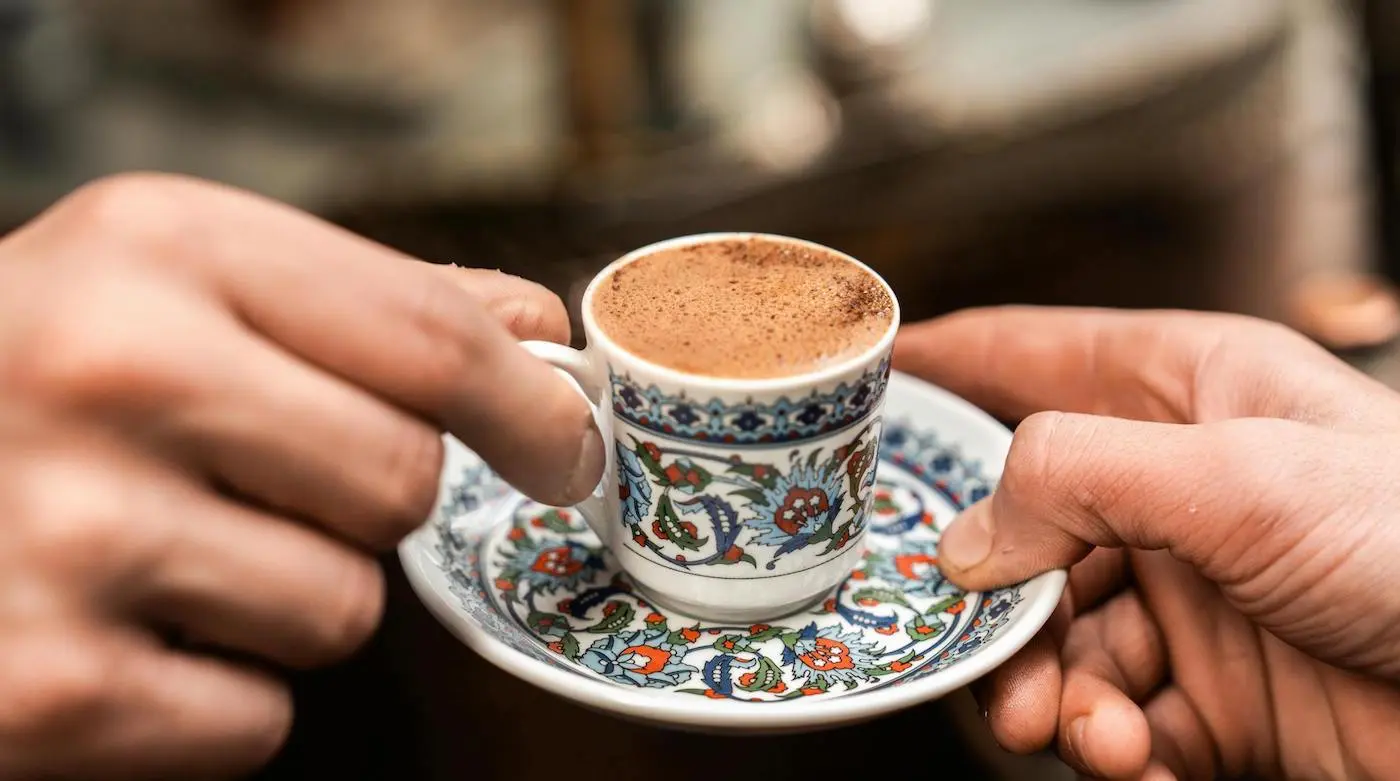
Tradition dictates there must be enough liquid left at the bottom of the cup for fortune telling (Kahve Falı). To glimpse your future, turn your empty small cup upside down onto the saucer and leave it for a few minutes. Then read the grounds that run onto your saucer to see what's in store for the future.
6: The Preparation
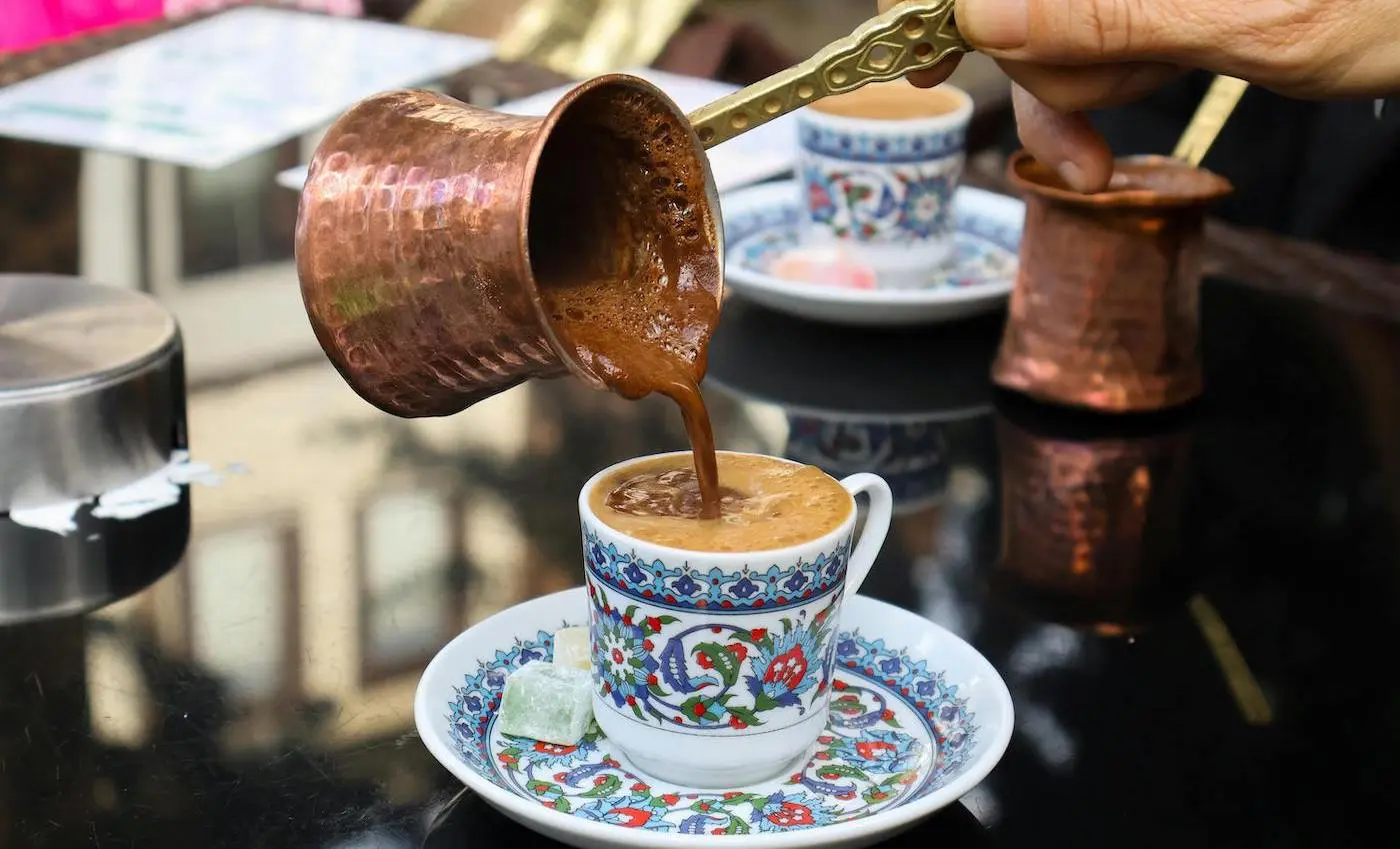
In the beginning, roasted and ground beans simmer in water without filtration. Achieving the ideal texture requires an exceptional level of grind fineness, far finer than an espresso or a chocolatey mocha.
The Beans: While many connoisseurs buy whole beans and grind them at home using specialised hand mills, electric appliances automate heat control and foam retention without compromising flavour. Ground beans simmer in a traditional long-handled copper pot known as a cezve, džezva (or ibrik).
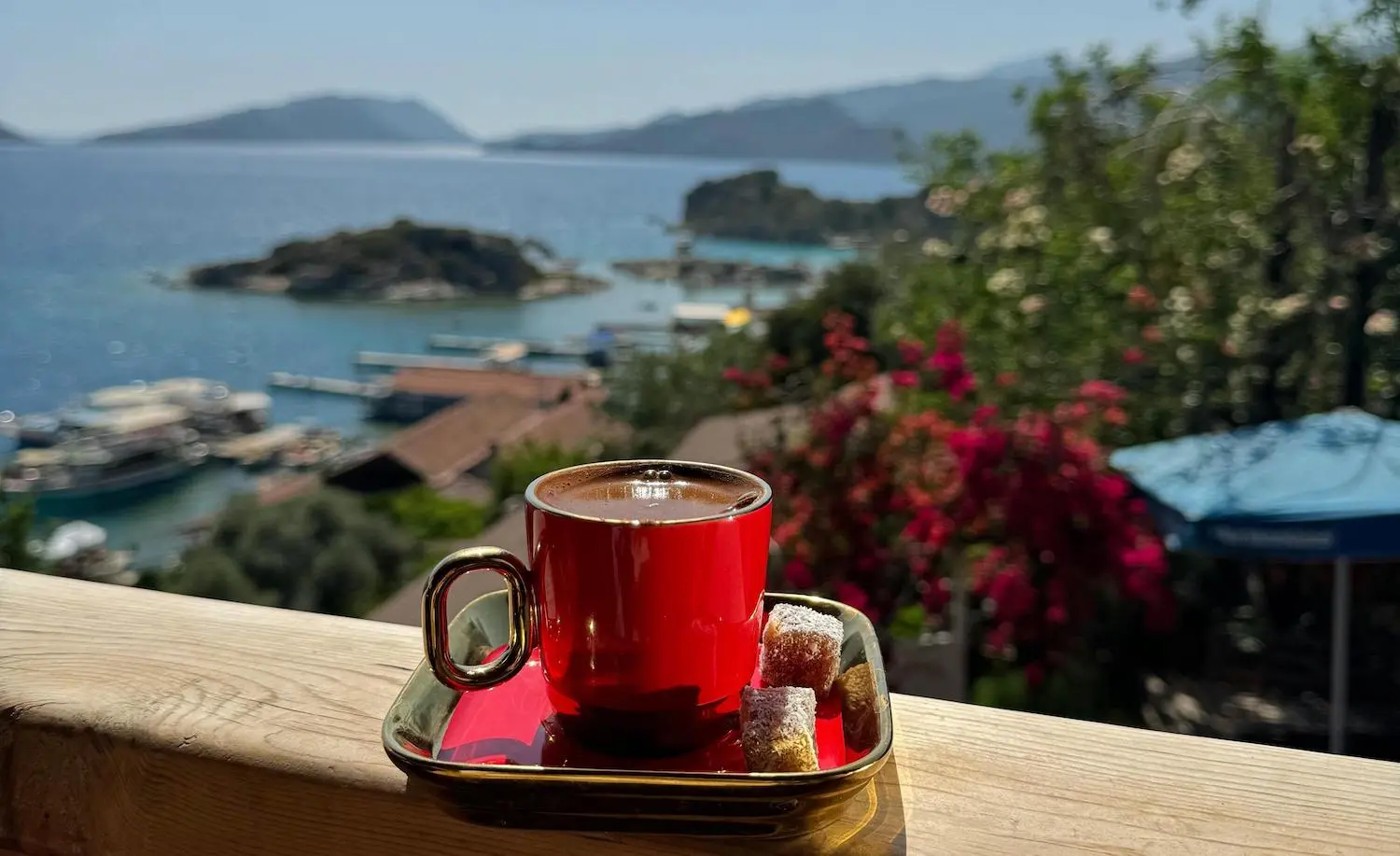
Sweetness and Pairing: Traditionally, people add sugar during brewing rather than after serving. Sometimes they also use alternative natural sweeteners like stevia or distinct honey varieties. On the side, a piece of dusted lokum (Turkish delight) balances the brew’s bold intensity.
FAQs: About Turkish Coffee
Q: Is Turkish coffee better for you than regular coffee?
A: It can be. Because it is unfiltered, the drink contains higher levels of healthy compounds like polyphenol antioxidants and chlorogenic acid, which fight inflammation and disease. Additionally, the espresso-like caffeine boost may also improve reaction time. However, this brewing method includes diterpenes like cafestol and kahweol, which increase triglyceride and LDL cholesterol levels.
Q: What is the point of Turkish coffee?
A: Culture: Born in the Ottoman Empire, Turkish coffee culture anchors social gatherings, traditional kahvaltı (breakfasts), and marriage traditions (where a bride brews the drink for her prospective in-laws).
Caffeinated Rituals and Fortune-Telling: After drinking, people use the remaining grounds in the cup for kahve falı (fortune-telling), a popular pastime in any cafe or coffeehouse. Apps like Faladdin have digitised this tradition.
Regional and Flavour Variations: From historic spots in Istanbul near Eminonu, the Grand Bazaar, and the Golden Horn to regional styles like Mirra coffee in the southeast or Pistacia terebinthus (Menengiç) coffee in Antakya and Antalya, it highlights diverse regional flavours. Related styles include Bosnian coffee, Greek briki coffee, and Arab finjan service.
Q: How do you drink Turkish coffee correctly?
A: Sip Water First: Drink from the accompanying water glass to cleanse your palate before tasting.
Never Stir: Served in small cups (fincan), the grounds need time to settle.
Enjoy with Sweets: Pair it with lokum (Turkish delight) to balance the intense roast profile.
Stop at the Mud: Sip slowly from the top foam layer, stopping once you reach the thick sediment at the bottom.
Q: Is Turkish coffee stronger than espresso?
A: It depends on how you define "strong". Espresso has a higher caffeine concentration per serving. However, Turkish coffee delivers more caffeine per cup than a single shot of espresso because the ground beans stay in contact with water longer during brewing. So, thanks to the fine grind, dense mouthfeel, and unfiltered texture, a well-brewed cup tastes stronger to a connoisseur than standard espresso or mocha.
More About Turkish Food and Drink
We are Property Turkey, a team of local and regional experts well-versed in everything related to Türkiye. From our knowledge about places, towns, and cities to our expertise in investing and property, we’ve put everything in our blog. Read it today and find out more about Turkish coffee and the many other exciting aspects of this country.
Nezir Can  Operations Manager
Nezir 'Nez' Can is Operations Manager at Property Turkey and a contributor on Turkish culture, lifestyle, and everyday life across the country. Since joining the company, he has helped international readers better understand what it is like to live, work, and settle in Turkey.
View full author profile →




 By:
By:

 Kalkan
  2
2  2
2 

















 X
X