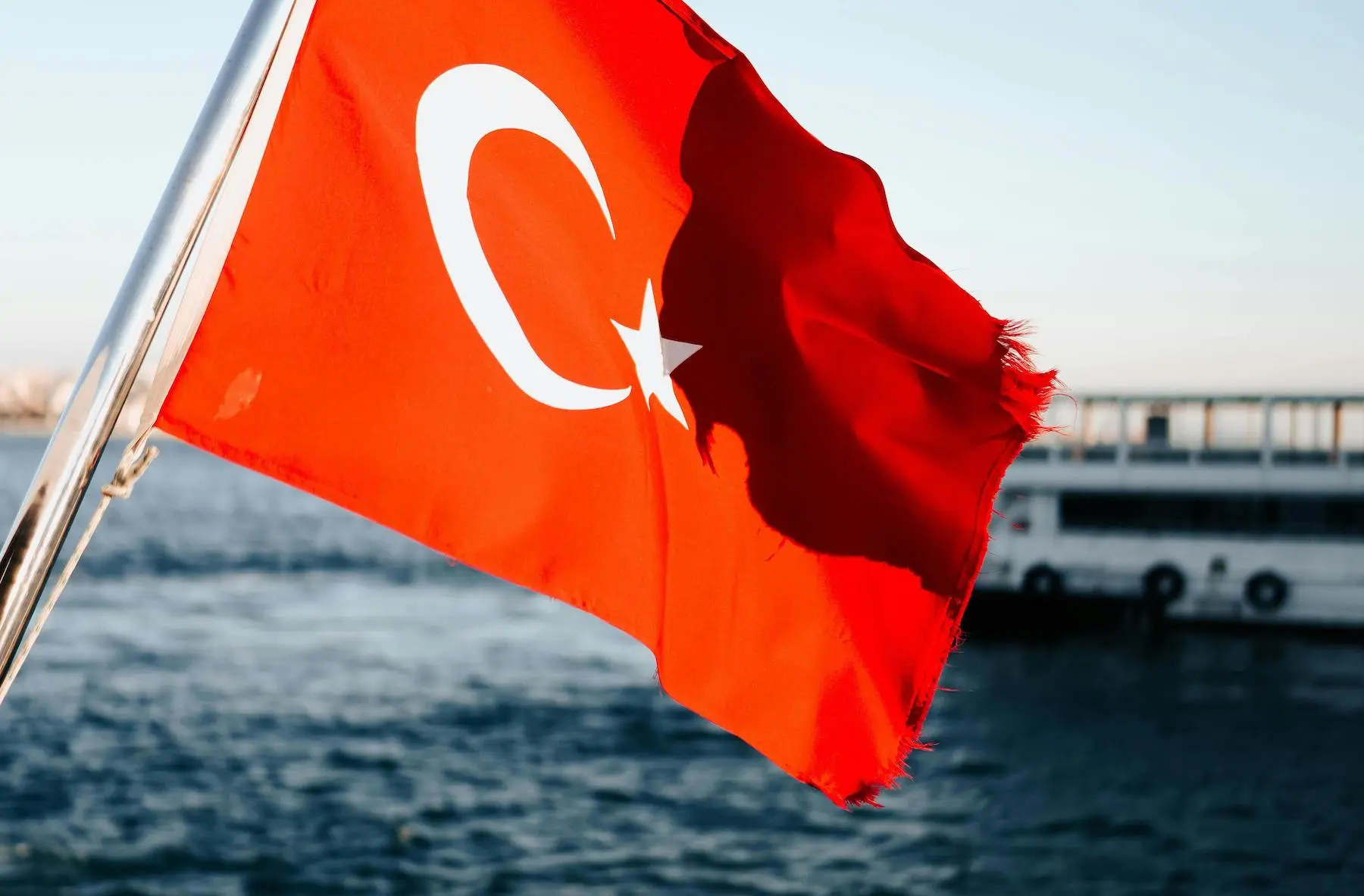
Turkey changed its name to Türkiye for several reasons. Indeed, this isn't a typo but a highly calculated move. This rebrand is not a superficial marketing tweak. The highly coordinated initiative shifted the historically Western-defined identity to an independent worldwide power. At the centre of this transformation is Turkish President Recep Tayyip Erdoğan, whose long tenure from the political capital of Ankara has systematically reshaped how the nation plays on the world stage.
The rebranding is just one of many steps that the Turkish government has undertaken to improve their global reputation. And although on the surface it seems many still call the country by its old name, the brand in business and investment is stronger than ever.
Quick Summary of Why Turkey Changed Its Name to Türkiye
Why: The primary goal was to reclaim cultural sovereignty, boost the country's brand value abroad (replacing "Made in Turkey" with "Made in Türkiye" on exports), and completely dissociate the nation from the North American bird and negative English dictionary slang (where "turkey" can mean a failure or a silly person).
When It Happened: The Government of Turkey, in a formal declaration issued in late 2021, declared “Türkiye” is the most authentic representation of Turkey's cultural, civilizational, and traditional values. By the summer of 2022, the United Nations accepted this change.
How: Turkey's President Erdoğan issued an internal circular which demands that "Türkiye" be used for all domestic and commercial purposes. Next, Turkey's State Media, including TRT and Anadolu, ran a media campaign called "Hello, Türkiye" to educate audiences worldwide on the change. Turkish Foreign Minister Çavuşoğlu submitted a formal diplomatic request to the UN Secretary-General (António Guterres), resulting in the immediate amendment of the UN's official Member States List.
Cultural Sovereignty: For Turkish citizens, Türkiye has always been the proper name for their country. "Turkey" is an Anglicised version, and by asking the international community to embrace Türkiye as the country's name, Turkey is restoring its rightful name to the world.
Timeline: How Turkey Became Türkiye
Date
What Happened
Impact
December 4th, 2021
President Recep Tayyip Erdoğan signed a circular promoting the use of Türkiye as the country’s international brand
This formally introduced Türkiye for exports, official communication, international media, and national branding
Late 2021
The Turkish government began promoting “Made in Türkiye” instead of “Made in Turkey” on exported goods
This connected the name change to trade, product identity, and the country’s wider economic reputation
2022
Turkey launched international communication efforts, including the “Hello Türkiye” campaign
The campaign helped introduce the new spelling and pronunciation to global audiences
May 26th, 2022
Turkey submitted its formal name-change request to the United Nations Secretary-General
This moved the rebrand from a national campaign into the international diplomatic system
June 2022
The United Nations accepted the change, and Türkiye replaced Turkey in official UN usage
This confirmed Türkiye as the country’s official international name at the UN
After 2022
Türkiye became increasingly visible across diplomacy, exports, government communication, and international branding
The rebrand became part of the country’s long-term identity, investment, tourism, and trade positioning
Deep Dive – About the Global Rebranding
1: The Strategic Shift: From "Turkey" to "Türkiye"
On December 30th, 2021, President Recep Tayyip Erdoğan announced a decree establishing a brand for the Republic of Türkiye to represent its culture and values worldwide. All UN, WTO, and NATO officials accepted this branding change by mid-2022. However, the rebranding is closely linked to a larger domestic political agenda.
To project the message that Türkiye will be an independent, technologically advanced, and culturally confident country, the government has clearly articulated its plan to build on the "Century of Türkiye." Using its Directorate of Communication, the cabinet launched an international "Hello Türkiye" campaign with visual styles across all ministries and corporate social media accounts.
2. Distance from the Big Bird (and the Slang)
The Turkish government wasn't thrilled with what pops up when you type "Turkey" into an English search engine. In English, "turkey" is a large North American bird famously served at Thanksgiving. Additionally, according to the Cambridge Dictionary, the word "turkey" is also English slang to describe "something that fails badly" or "a stupid or silly person." Türkiye didn't want to be associated with this.
3. The "Made in Türkiye" Rebrand
This name change was an aggressive move for nation branding – the practice of a country using marketing tactics to manage its international reputation.
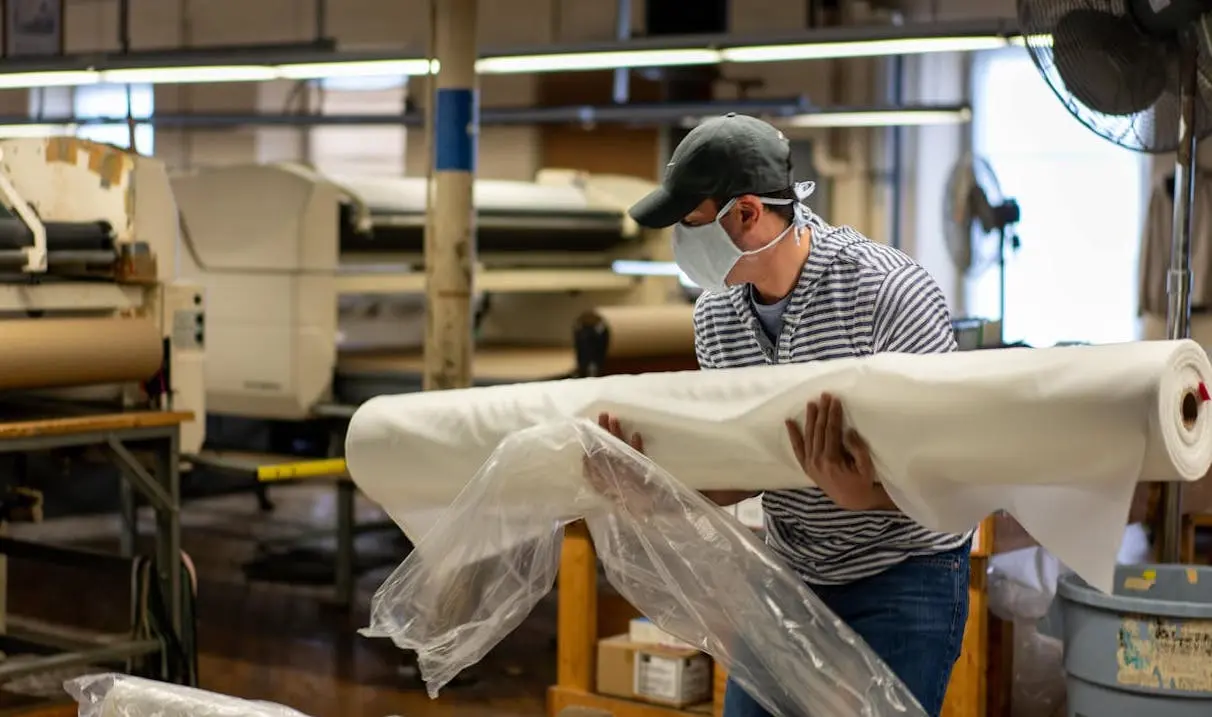
The Turkish government launched the "Made in Türkiye" campaign to change how the country’s exported goods are labelled and perceived worldwide. To protect and enhance Türkiye's identity, the government has mandated that all products made for international sale must use the unified branding "Made in Türkiye."
Organised by the country's Directorate of Communications, this media push featured promotional videos, social media campaigns, and international influencers to normalise the new spelling and its three-syllable pronunciation (Tur-key-yay). Turkey's objective is to strengthen its overseas economic identity through this rebranding of Turkish goods and services.
4: Name changes are Nothing New for Istanbul
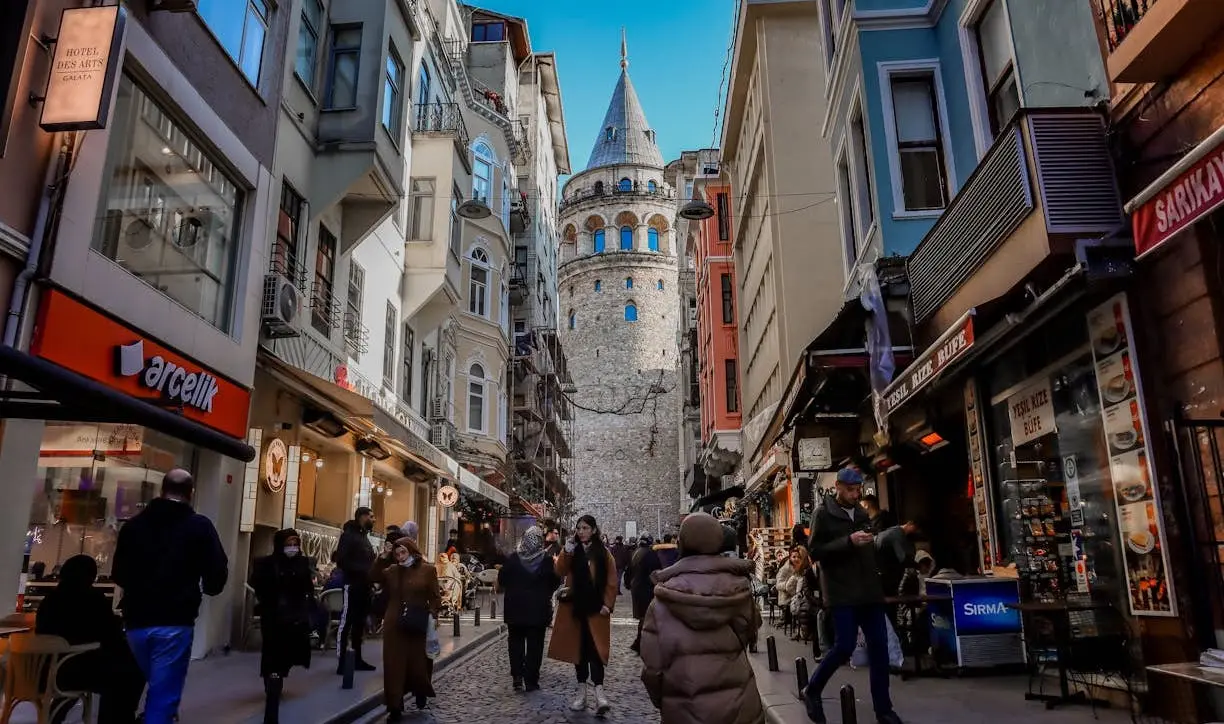
The city's history revolves around the three major names that defined its eras. Firstly, as Byzantion, Latinised later as Byzantium. For nearly a thousand years, it remained a highly prosperous trading hub, fought over by Persians, Athenians, and Spartans. By the 4th century, the Roman Empire had grown too massive to govern from Italy. Constantine chose Byzantium, rebuilding it on a monumental scale.
But people called it Constantino polis ("The City of Constantine") for sixteen centuries, surviving the fall of the Western Roman Empire and the rise of the medieval Byzantine Empire, which served as the empire's capital. When Sultan Mehmed II conquered the city for the Ottoman Empire in 1453, the name Constantinople didn't vanish.
The Ottomans actively used the Arabic variation, Kostantiniyye, on official coins, state documents, and imperial decrees until after World War I. When Mustafa Kemal Atatürk founded the modern Republic of Türkiye, he launched a sweeping modernisation project, including the new name, Istanbul.
5: Other Countries That Have Changed Their Name
Changing a country’s name is a logistical and political headache, yet history is full of nations that successfully pulled off a major identity makeover.
Ceylon to Sri Lanka (1972): For generations, the island nation was known as British colonial Ceylon (famously associated with tea). In 1972, the country officially adopted the name Sri Lanka.
Siam to Thailand: This happened in 1939.
Persia to Iran: This happened in 1935.
Burma to Myanmar: This happened in 1989.
Swaziland to Eswatini (2018): To mark the 50th anniversary of his country’s independence from British rule, King Mswati III announced that Swaziland would revert to its historic native tongue, and be called "The Kingdom of Eswatini," which translates to "Land of the Swazis."
Rhodesia to Zimbabwe (1980): Originally named after Cecil Rhodes, the British colonial administrator, the nation, upon achieving recognised independence and majority rule, renamed itself Zimbabwe to honour the historic stone city of Great Zimbabwe.
Macedonia to North Macedonia (2019): After breaking away from Yugoslavia in 1991, this Balkan nation called itself the Republic of Macedonia. This infuriated neighbouring Greece, which has its own northern province called Macedonia and accused the new country of trying to hijack Greek history (and potentially territory). By adding one word—North Macedonia—the country settled the feud and finally entered NATO.
Czech Republic to Czechia (2016): While "The Czech Republic" remains the official legal and bureaucratic name, the government wanted a shorter, punchier option for casual use. It’s hard to fit "Czech Republic" on the chest of an Olympic jersey or a product label, so Czechia registered with the UN as the official short-form name.
Holland to The Netherlands (2020): This was an overseas marketing pivot. "Holland" only refers to two specific, highly congested coastal provinces (North and South Holland, home to Amsterdam and Rotterdam). In 2020, the government officially dropped "Holland" from all tourism and promotional branding to promote all regions of the Netherlands.
More Initiatives by Turkey for International Audiences
Turkish Citizenship by Investment: The Turkish Citizenship Programme, launched in 2017, offers a streamlined pathway for foreign citizens to obtain a Turkish passport through direct economic contributions. One popular way to attain citizenship is by purchasing real property; the minimum purchase amount is $400,000 USD.
20 Year No-Tax: Established by Law No. 7582 on June 3, 2026, Turkey's New Tax Law is a new way to attract foreign nationals and mobile individuals worldwide. Under this law, foreign nationals won’t pay tax on foreign income for 20 years. International businesses also benefit.
What Türkiye’s Rebrand Means for Property Buyers
Turkey’s move to Türkiye is more than a change in spelling. It reflects a country taking greater control of how it is seen internationally, from exports and tourism to investment, citizenship, and relocation. For overseas buyers, this is important because national confidence, global positioning, and investor-focused reforms all contribute to how a property market is understood.
We are Property Turkey, and we specialise in selling apartments and villas. Our clients stem from all around the world, and now own investment or holiday homes, and some even retire here. Find out more about us by reviewing our portfolio, or if you would like to learn about investing and why Turkey changed its name to Türkiye, contact us today.
FAQs About Why Turkey Changed Its Name to Türkiye
Q: Is Turkey officially called Türkiye now?
A: Yes. Türkiye is the official name used by the United Nations and many international organisations. However, Turkey is still widely used in English-language searches, travel content, and everyday speech.
Q: When did Turkey change its name?
A: Turkey began the official rebrand in late 2021, when President Erdoğan issued a circular promoting Türkiye in official and commercial use. The United Nations accepted the change in 2022.
Q: Why did Turkey ask the UN to use Türkiye?
A: Turkey asked the UN to recognise Türkiye because it is the country’s own Turkish-language name. The change also supported cultural identity, export branding, and international reputation.
Q: How do you pronounce Türkiye in English?
A: Türkiye is commonly pronounced as Tur-key-yeh or Tur-kee-yeh by English speakers. The spelling reflects the Turkish name more closely than the Anglicised version, Turkey.
Q: Does the name change affect Turkish passports or citizenship?
A: The rebrand does not change the value of Turkish citizenship or the Turkish passport. It changes how the country is officially named and presented internationally.
Q: What does “Made in Türkiye” mean?
A: “Made in Türkiye” is the export branding used for Turkish goods sold abroad. It replaces “Made in Turkey” and supports a more unified international identity for Turkish products.
Q: Is Turkey still the same country as Türkiye?
A: Yes. Turkey and Türkiye refer to the same country. Türkiye is the official international name, while Turkey remains the common English-language version used by many people.
Q: Why do many property websites still use Turkey?
A: Many international buyers still search for Turkey, Turkish property, and property in Turkey. For that reason, real estate websites often use Turkey while also explaining the official name.
Nezir Can Operations Manager
Nezir 'Nez' Can is Operations Manager at Property Turkey and a contributor on Turkish culture, lifestyle, and everyday life across the country. Since joining the company, he has helped international readers better understand what it is like to live, work, and settle in Turkey.




 By:
By:
 Operations Manager
 Istanbul
  2
2  2
2 











 X
X