There's plenty to know about travelling to Turkey, so in this article we'll cover the basics and the most common questions. For the most part, Turkey is a relaxed country, and places like Antalya, Cappadocia, Fethiye, and Bodrum always host large numbers of international visitors. Hence, the atmosphere is more cosmopolitan than strictly cultural. However, it never hurts to know more about Türkiye to enrich your visit.
About Travelling to Turkey: Do's and Don'ts
Local Currency: Turkish Lira (TRY / ₺): You can use credit and debit cards in most places. However, carrying small amounts of local cash is useful for local markets (pazar), tipping, public restrooms, and small purchases. Avoid exchanging currency at airports due to high rates / fees. ATMs (Bankamatik) are widespread; look for those affiliated with major international banks to keep withdrawal fees lower.
Mosque Dress Code: When visiting mosques (like the Blue Mosque or Hagia Sophia), cover your knees and shoulders. Women must cover their hair with a scarf. Most mosques used by tourists provide these at the entrance. Remove shoes before stepping onto carpeted areas.
eSIM / Local SIM: Roaming is expensive. Buy an eSIM or a tourist SIM card (Türk Telekom, Vodafone, or Turkcell) upon arrival. Google Translate helps when communicating off the main tourist paths.
Cultural: Always respect the Turkish flag and the picture of Mustafa Kemal Atatürk, whose picture appears on the money and in offices. Failure to do so will result in a fine or deportation.
DO Always Carry ID. Local laws require you to carry your original passport (or residency permit). Police frequently perform random spot checks in major cities and on highways.
DON'T Photograph Military, Police, Security Officials, or Buildings: Taking photos of military personnel, police checkpoints, or official government buildings is illegal and leads to questioning or confiscation of equipment.
DON'T Drink Tap Water: While municipal water is safe for washing hands and brushing teeth, it has high calcium levels that can upset the stomach, so use only bottled water.
Often Asked Questions About Türkiye
1. What Do People Eat for Breakfast in Turkey?
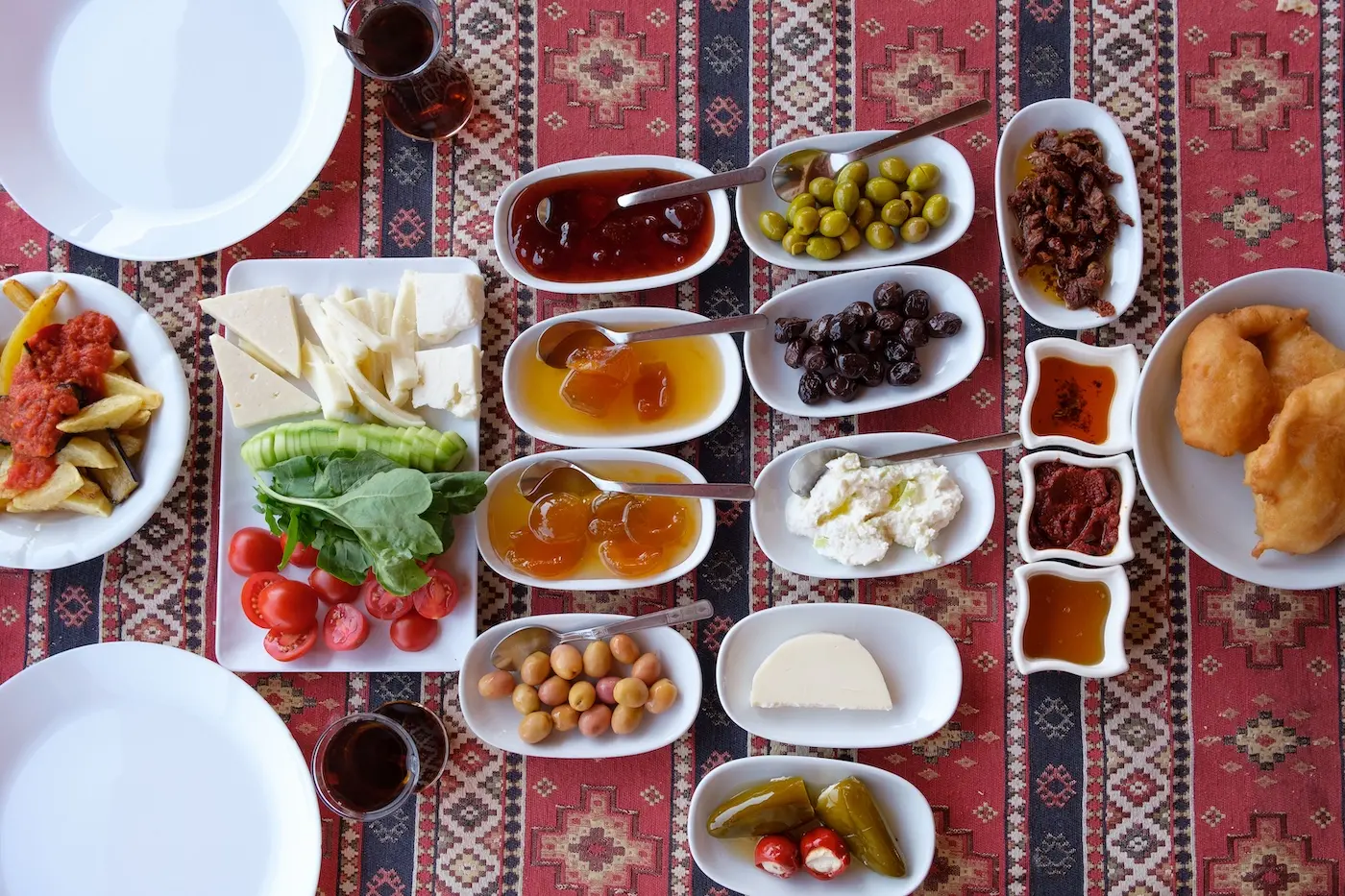
A typical Turkish breakfast includes Turkish cheese, butter, olives, eggs, tomatoes, cucumbers, jam, honey, and kaymak, a creamy dairy product like clotted cream. You might also taste sucuk (a spicy sausage), and pastry and bread dishes like borek and simit. And of course, all washed down with a cup of cay (chai or tea). A popular weekend pastime is for the whole family to go for a köy kahvaltısı. They love the traditional village breakfast in scenic settings, such as Lake Bafa on the Aegean coast or Cumalikizik village near Bursa.
2. Should I Tip? And Whom?
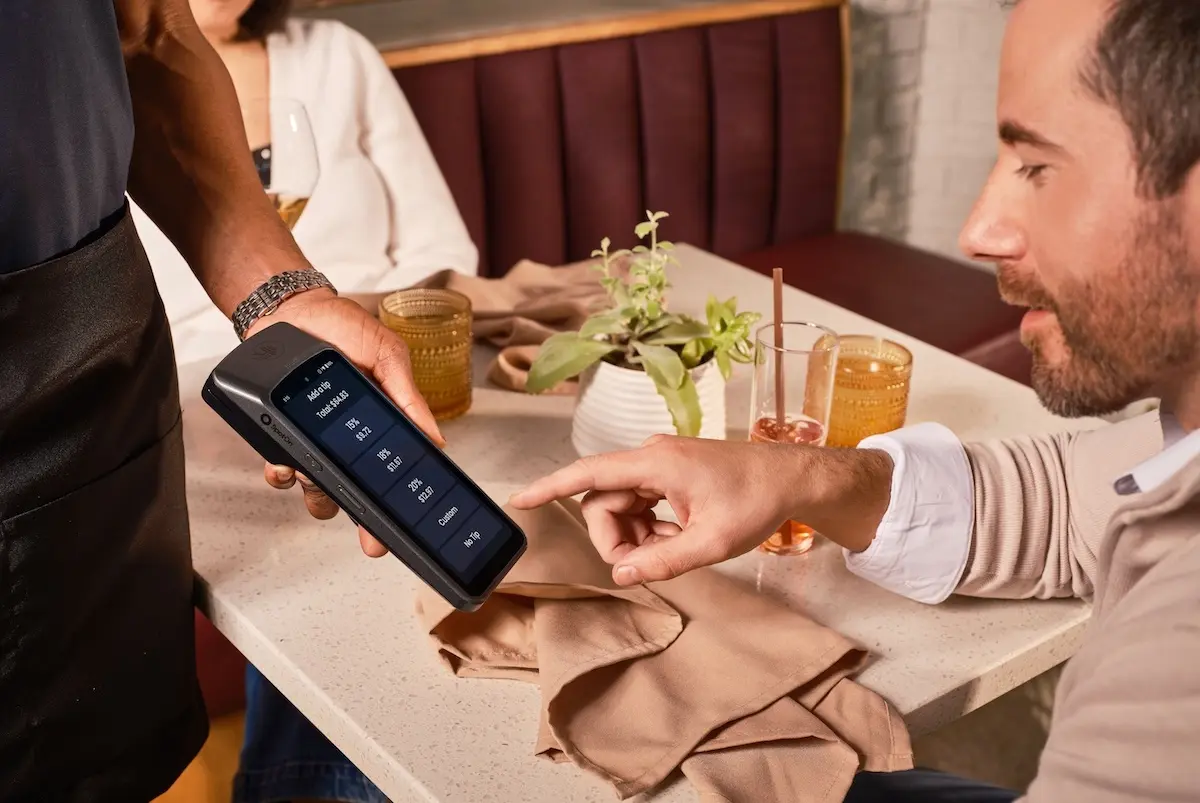
It's normal in Turkey to tip servers, drivers, hotel workers, and guides. The amount depends on how happy you are with the service, but the standard rate is 10%. On tours, tip your guide and driver. Most leave a tip box on the dashboard for clients to see as they get off. Don’t tip taxi drivers unless you feel they've gone especially out of their way.
3. Can I Wear a Bikini in Turkey?
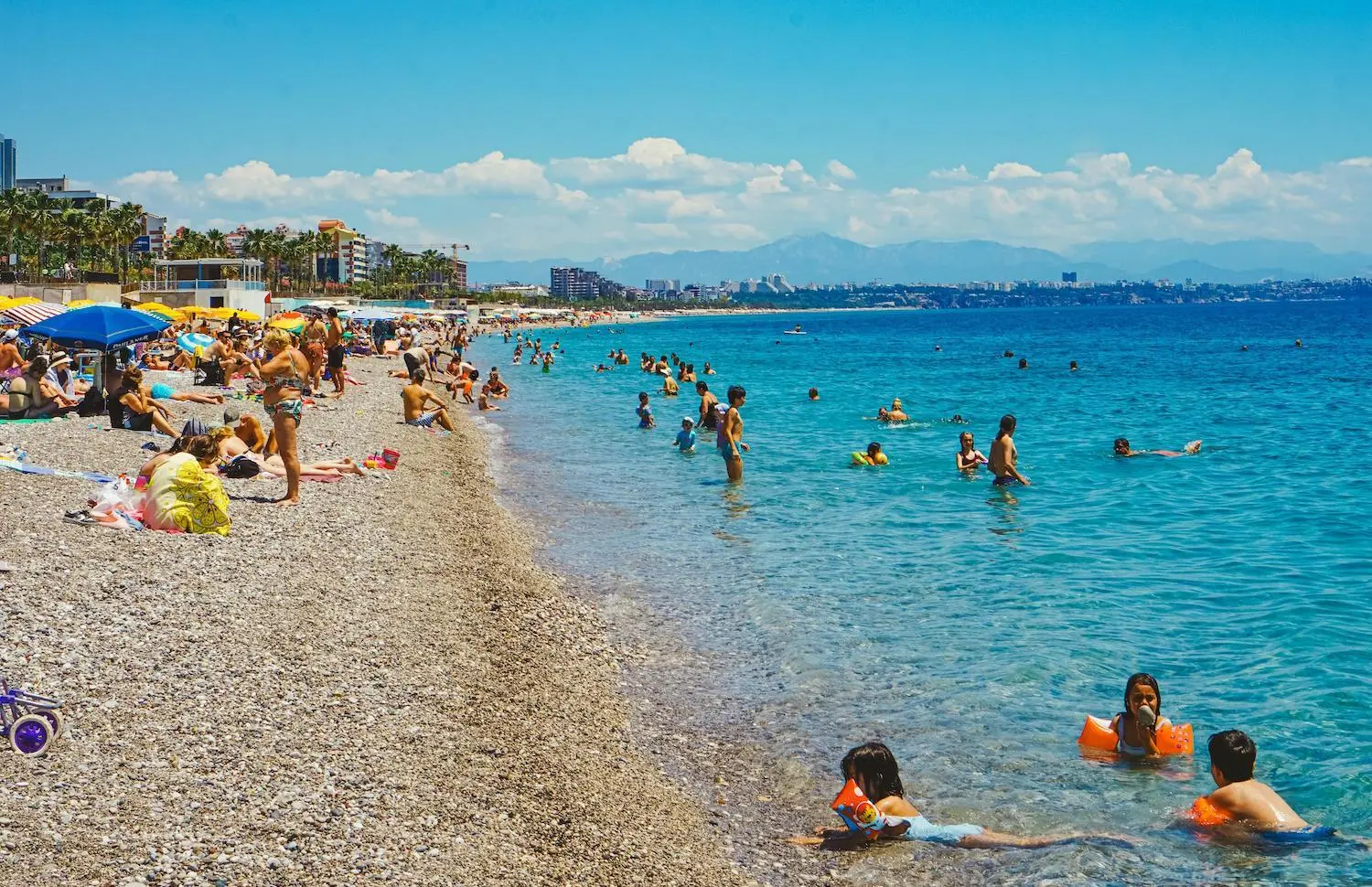
Of course you can. In beach resorts, almost anything goes, including bikinis. Nudity is illegal, but some tourists sunbathe topless. That said, just be aware of your environment. If you're heading inland, or to a non-touristy place, look around to see what other bathers are wearing. Some places are conservative, and some hotels operate on a strict Muslim basis.
4. When do People Eat?
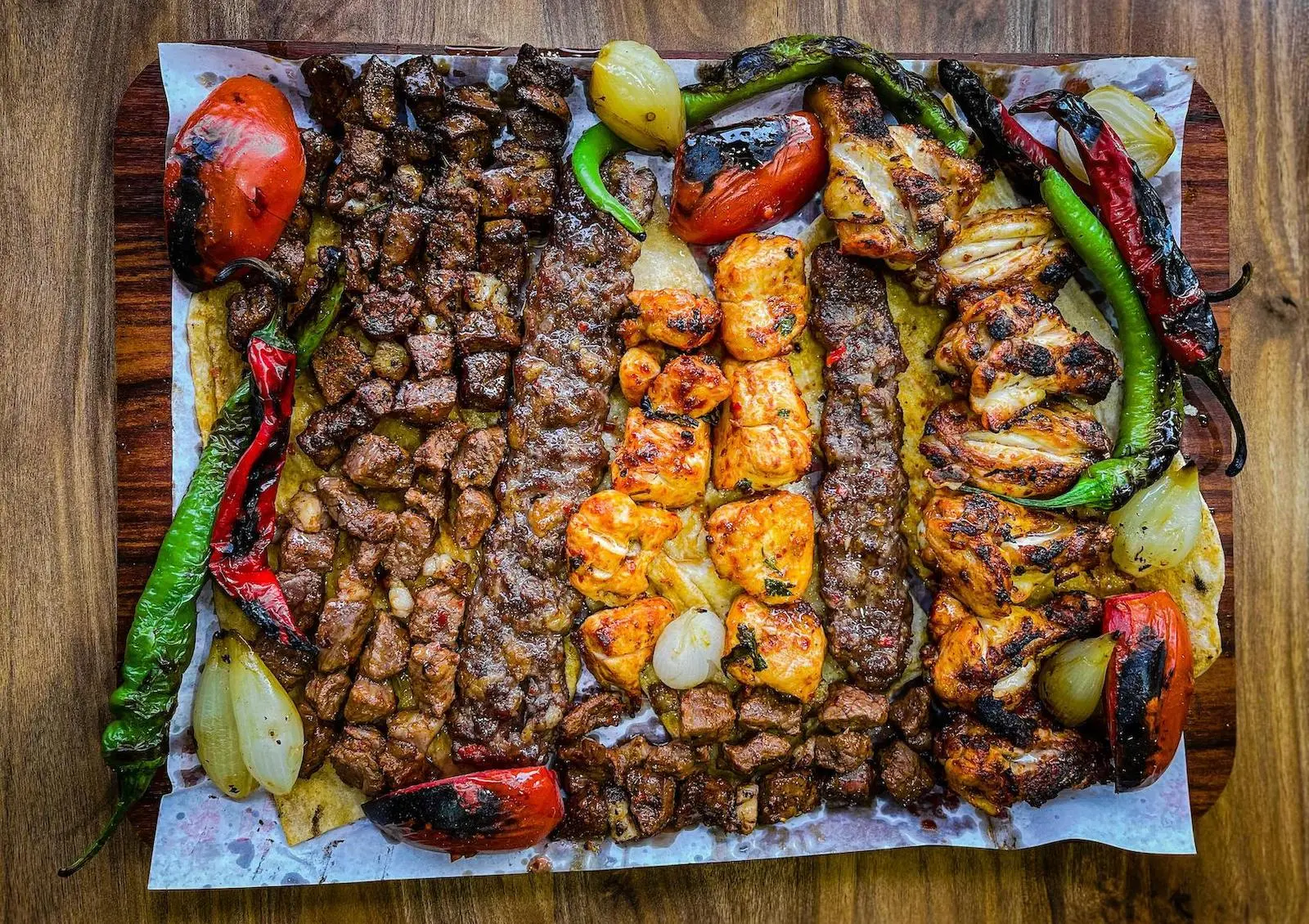
Dinner typically starts late in Turkey, and you won't see many people dining before 8pm, with restaurants and eateries lingering until midnight. However, in holiday resorts, most restaurants open earlier to cater to tourist crowds. Many restaurants serve Western cuisine; however, we recommend trying Turkish cuisine. From simple Meze (starters) to Baklava, raki, and Kahramanmaras ice cream, there is much to drool over.
5. Is Turkey Safe?
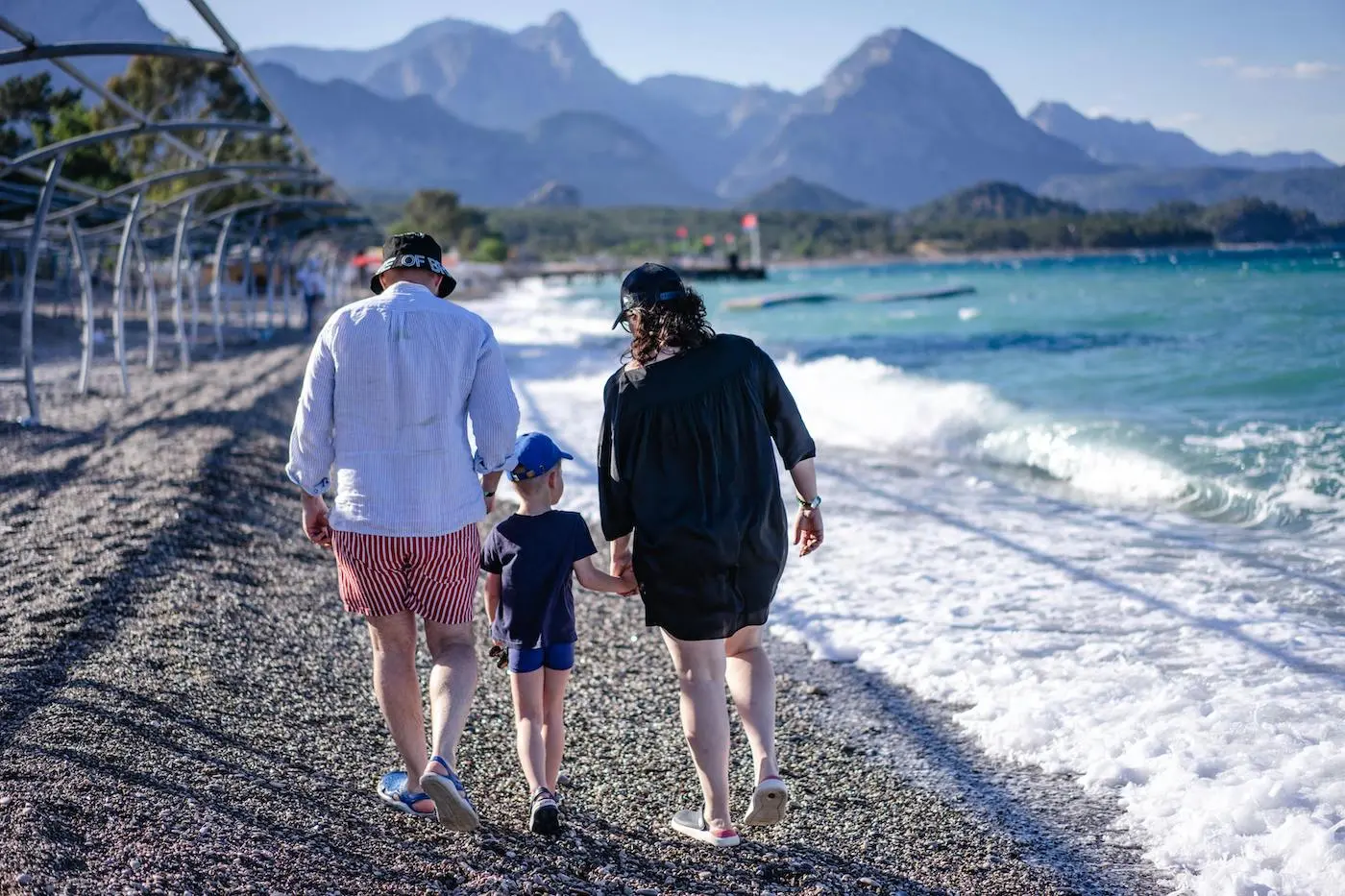
The crime rate is much lower than in other countries. So, take the same safety precautions that you would do anywhere else. In cities like Istanbul, take special care in touristic areas as pickpockets frequent places like Taksim Square, especially at night. In smaller areas, the street crime rate is much, much lower, but it still pays to be aware of your surroundings.
As for terrorist dangers and conflicts in other countries, the risk in coastal resort areas is very low. Turkey is the 37th largest country. While travelling to the borders of Iran and Syria isn't recommended, most tourist places are more than a 2-day drive away from the Middle East region.
The FCDO (UK Foreign, Commonwealth & Development Office) also talks about terrorism, but this is precautionary, and the warning has been there for years. It is like saying you won't go to Italy because of a terrorist attack that happened in France. Come and enjoy the delights like Pamukkale, Ephesus, the Bosphorus Strait, and more.
6. Will my Credit Card Work?
Yes, it will. Most places take contactless or PIN payments. Remember that prices are in Turkish Lira, but your card will charge in your home currency. Different card providers use different rates, so do check. Many British people use Monzo, a mobile card with instant notifications and one of the best exchange rates.
7. Will I need a Visa?
Citizens of many countries, including the US, UK, and EU, can travel to Türkiye visa-free for tourism for up to 90 days within 180 days. Staying longer requires a Turkish Residence Permit. Other nationalities may still require an e-Visa in advance, a traditional sticker visa, and additional travel documents. Always double-check Turkish government sites (e.g., www.evisa.gov.tr) before booking. Your passport must be valid for at least 6 months beyond your entry date and have at least one blank page for immigration stamps.
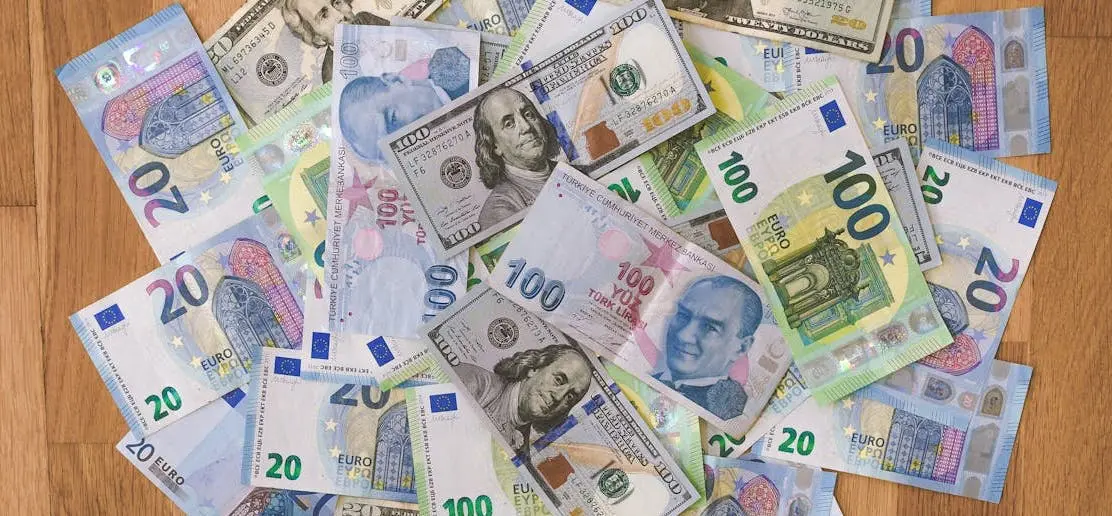
8. Can I use Dollars or Pounds?
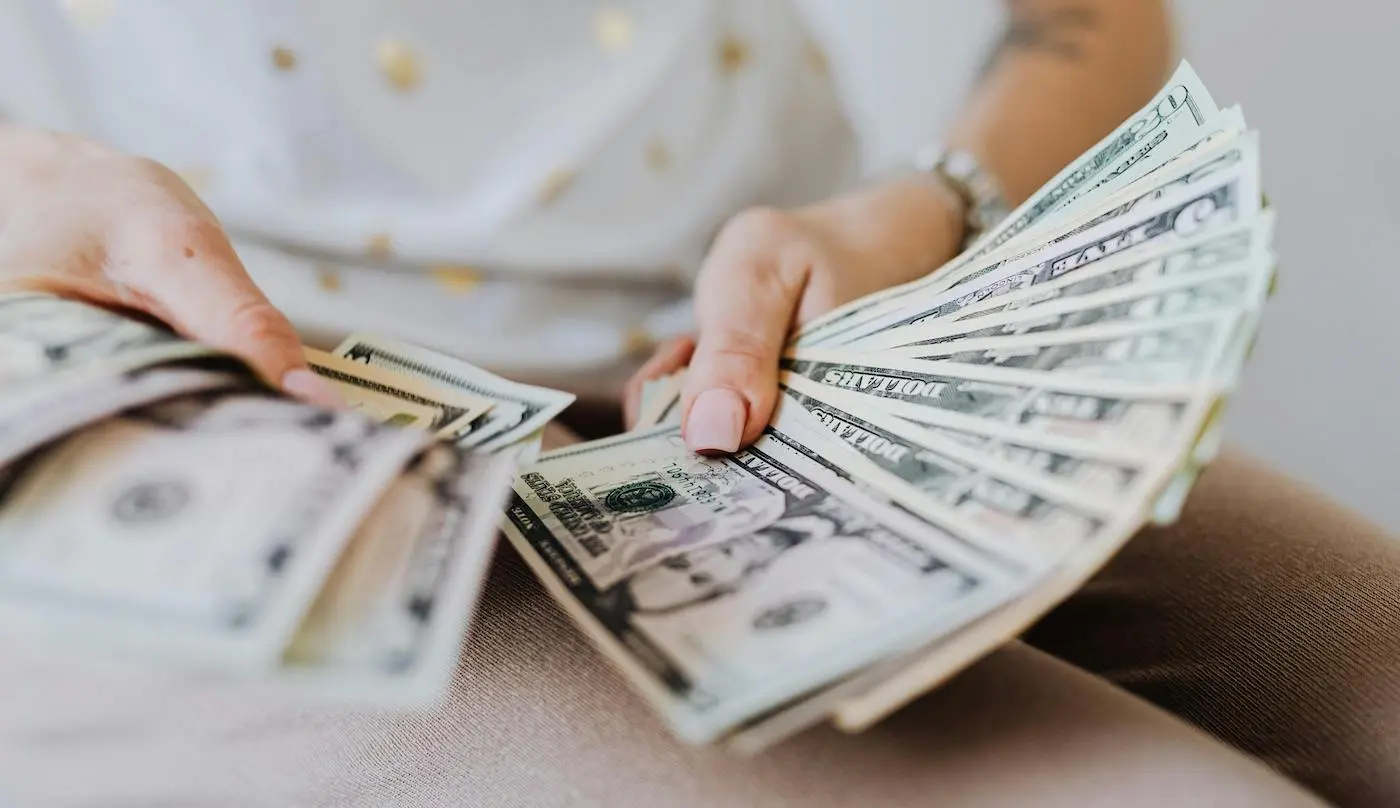
Yes, you can. Vendors will also accept Euros. However, check the exchange rate, as it varies by location. Also, carry local Turkish Lira for small vendors, but bring a debit card, mobile payment, or contactless card to avoid unfavourable currency conversion charges and airport desk fees.
9. How will I Get Around?
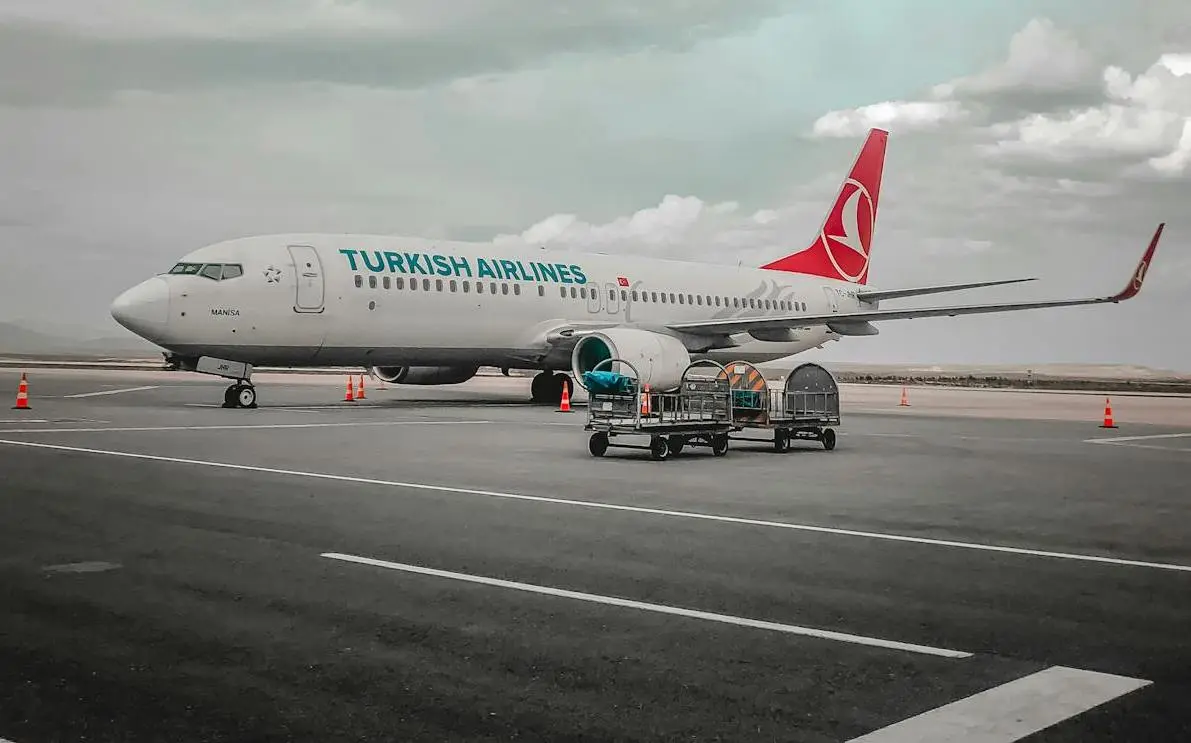
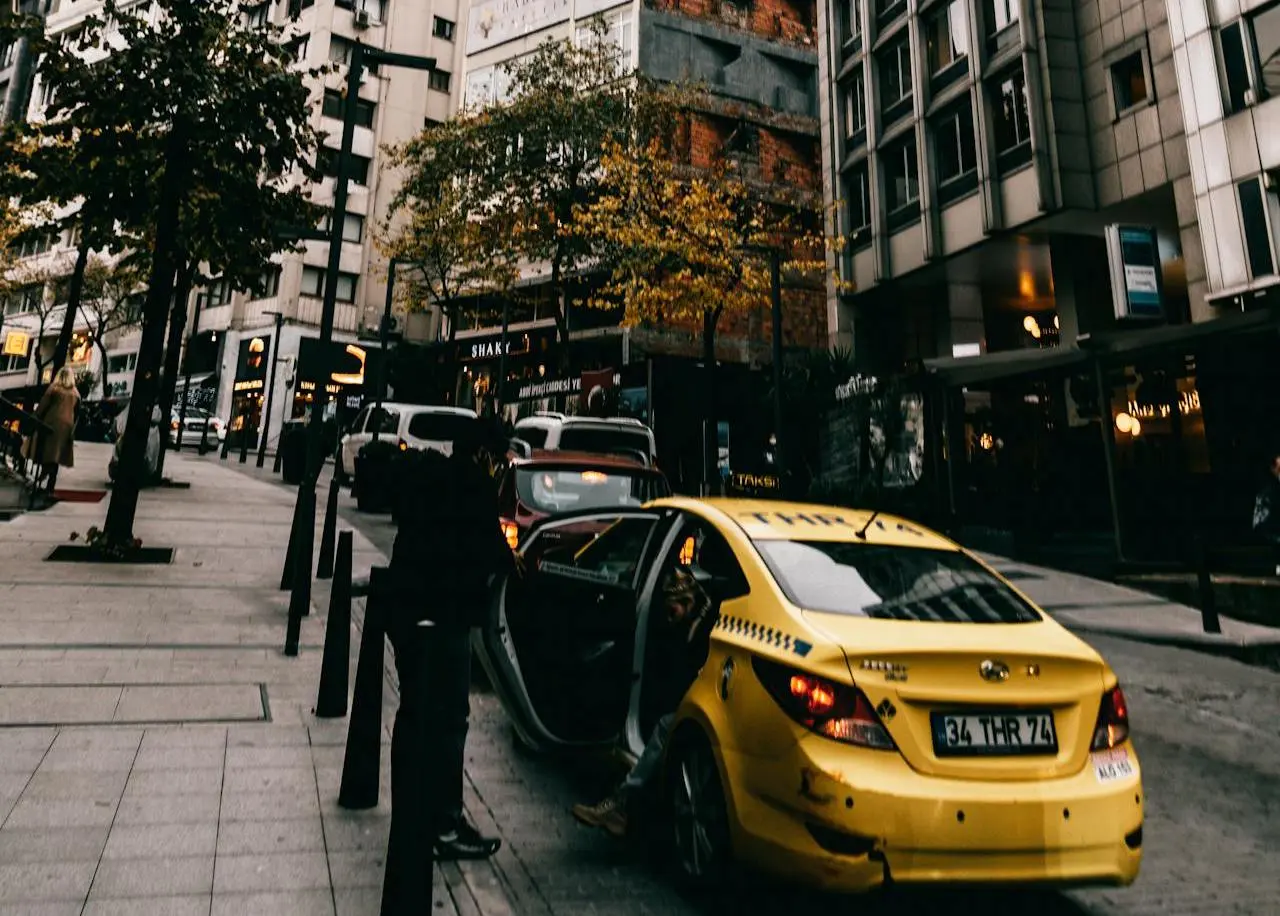
Turkey has a good long-distance bus network, with air-conditioned buses and a ticketing system to buy seats. Locally, dolmuses (small buses) are a great travel option. They're cheap and plentiful, and locals flag them down by the side of the road. If you visit Istanbul, get an Istanbul Kart for ferries, trams, and the metro. Although there are taxi apps, most people use the yellow taxis with ranks on major street corners, and you can also call one to your hotel. Domestic flights are frequent and affordable between major hubs, and for scenic travel, the high-speed train network (YHT) connects Istanbul, Ankara, Eskisehir, and Konya.
10: What are the Main Attractions in Türkiye?
Istanbul: A Bosphorus Cruise offers views of grand waterfront mansions, while inland trips reveal the ruins of former Constantinople. At the iconic Topkapi Palace, visitors admire imperial treasures. Meanwhile, vendors in the Grand Bazaar sell Turkish Tea, sweet Lokum (Turkish delight), and traditional glass charms designed to ward off the superstitious Evil Eye. Fly into Sabina Gokçen for the Asian side, or Istanbul Airport, for the European side. Istanbul Atatürk Airport is closed to commercial air traffic and domestic flights.
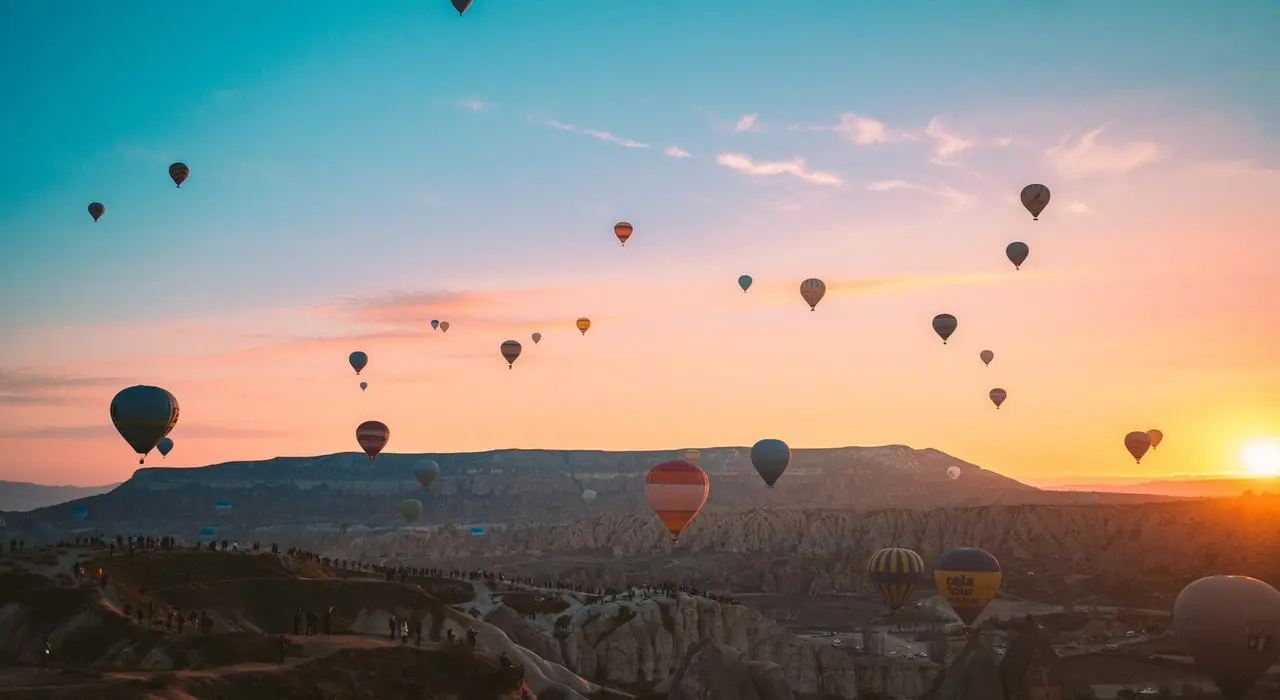
Cappadocia: Further south in Central Anatolia, Cappadocia's fairy chimneys host world-famous hot-air ballooning over the Göreme Open-Air Museum. Also go quad biking, explore underground cities, or indulge in authentic Anatolian cuisine.
South East: Farther east, the gastronomy hubs of Gaziantep and Adana (famous for regional Kebab variants and classic döner kebab), and historical regions like Adıyaman, Sanliurfa, and Kahramanmaraş. In the far east, some biblical historians believe Mount Ararat is the legendary landing site of Noah's Ark.
Pamukkale: Despite the status as the capital, few people venture to Ankara unless on a countrywide bus tour. However, Pamukkale is one of the most visited attractions. Sitting next to the ruins of Hierapolis, Pamukkale features terraces filled with sulphur water that look like a cotton castle.
Ephesus: Located near Kusadasi, Ephesus, an ancient Greco-Roman city, hosts millions of visitors every year. Most people head there for the day, but extend your visit overnight, and visit Saint John's Basilica, the Virgin Mary's house, and Sirince wine village.
11: Which Part of Turkey is Best for Holidays?
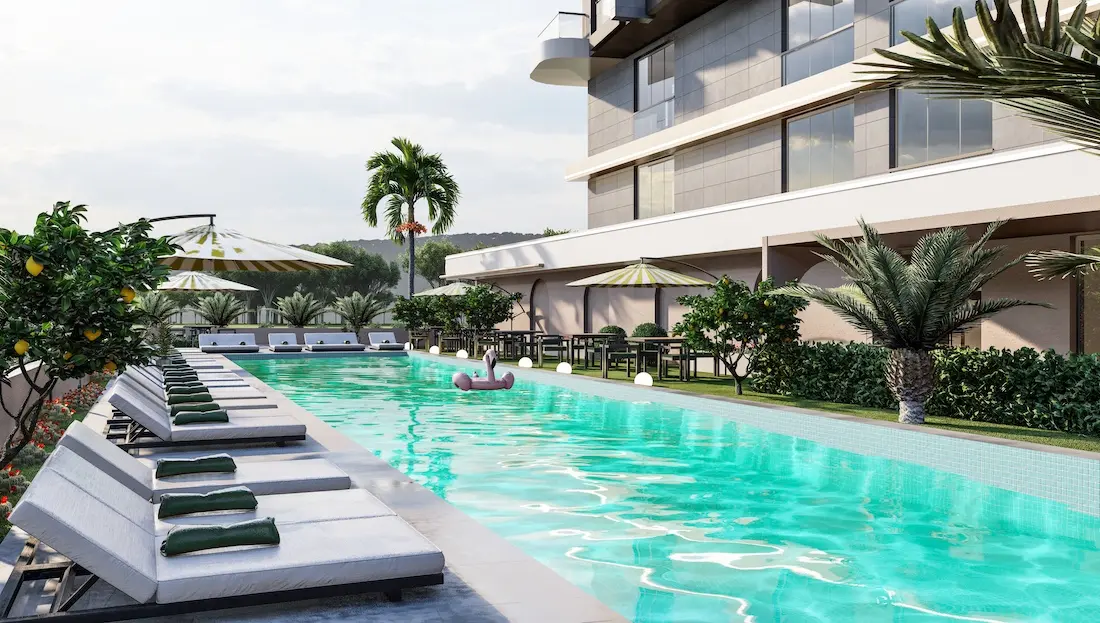
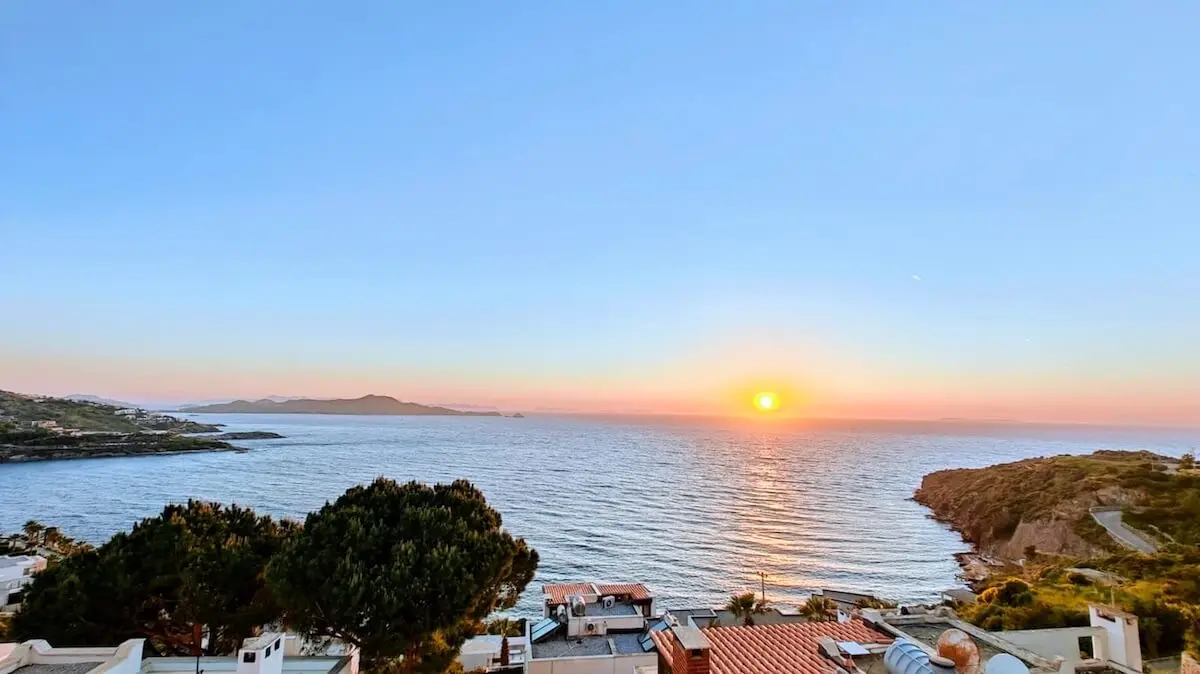
For beaches, swimming pools, and lots to do that involves sun, sea, and sand, any holiday resort on the Aegean or Mediterranean coast is good. To narrow down your choices, research the Bodrum peninsula, Fethiye region, or Antalya. Dalaman, Antalya, and Bodrum Airports serve these areas and cover the entire Turquoise Coast.
Along the southern coastline, the Turquoise Coast features blue water, the Duden waterfalls, and pristine beaches. Resorts like Antalya, Lara, Alanya, and Kalkan are popular with British, Russian, and German holidaymakers.
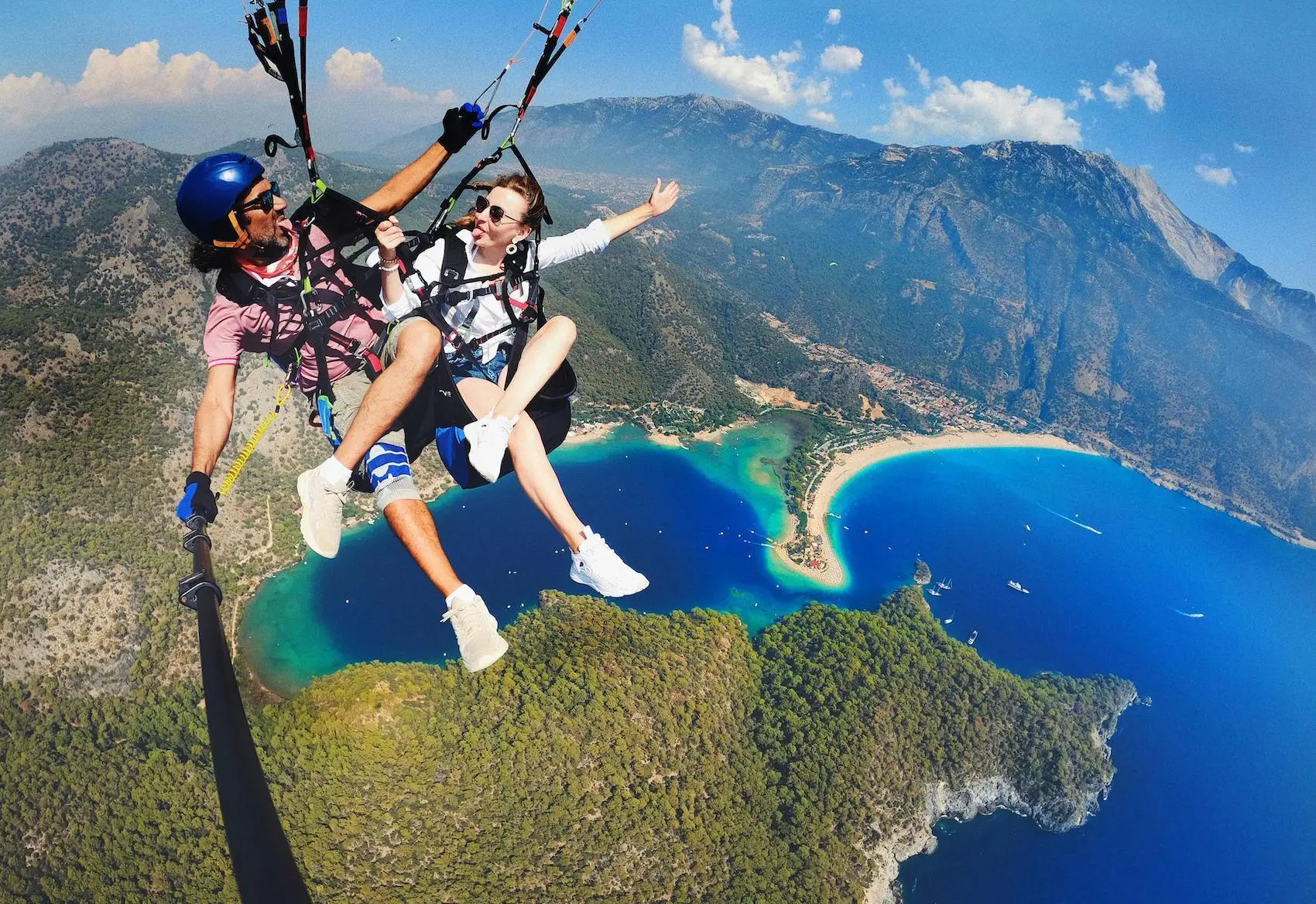
Fethiye and Marmaris are known for water sports, ziplining, quad biking, and world-class paragliding over Oludeniz, or for long-distance hikes along the ancient Lycian Way near quiet coastal spots like Finike.
More about Turkey
A trip to Türkiye is indeed a journey into an astonishing intersection of history, rich culture, and splendid nature. It's hard to take in everything: from visiting the oldest capital of the Byzantine Empire in present-day Istanbul to exploring the luxurious Topkapi Palace and enjoying a classic Bosporus boat ride. But exploration in this country isn't limited to metropolitan experiences. Find out more in our blog that talks about destinations, experiences, and answers more questions that first-time travellers have.
Nezir Can  Operations Manager
Nezir 'Nez' Can is Operations Manager at Property Turkey and a contributor on Turkish culture, lifestyle, and everyday life across the country. Since joining the company, he has helped international readers better understand what it is like to live, work, and settle in Turkey.
View full author profile →




 By:
By:

 Kalkan
  2
2  2
2 











 X
X