The question every Dubai investor is now asking. You bought the dream: zero tax, glass towers, a skyline that looked like the future. Then a regional war arrived uninvited, and the dream got a stress test it never signed up for.
I founded Property Turkey in 2001, and I've sat across the table from plenty of investors wearing exactly that look. My advice is always the same: don't run for the nearest exit. Run towards the best evidence. Here’s five reasons why.
What Actually Happened to Dubai
Dubai's 2025 was a record: about $187bn (Dh686.8bn) of property sales. Then the Iran war began in late February, and the party got a very loud fire drill.
By Q3 2026, home sales were Dh72.6bn ($19.7bn), down 47% year-on-year, with transactions down 38%. S&P Global Ratings cites price falls of 5% to 15% since the end of 2025 and expects a gradual correction, not a crash. Emaar's Mohamed Alabbar talks of a 5% to 10% adjustment.
Fair is fair: Dubai isn't finished. What changed is the thing buyers paid a premium for, the feeling that nothing could touch it. That premium has been repriced.
So where is the money going? Some of it is coming here. Between March and May, foreign property investment in Turkey rose by more than 28% year-on-year, to $590 million. In the first half of 2026, Gulf buyers more than doubled the area they bought, lifting their share of foreign purchases from 15% to 33%.
Let's keep it honest: total foreign area bought in H1 was down 8%. This is not a stampede. What changed is who is buying, and why. And I'm not telling you to sell Dubai. I'm telling you to stop holding it alone.
1. Security: The Shield You Only Notice When You Need It
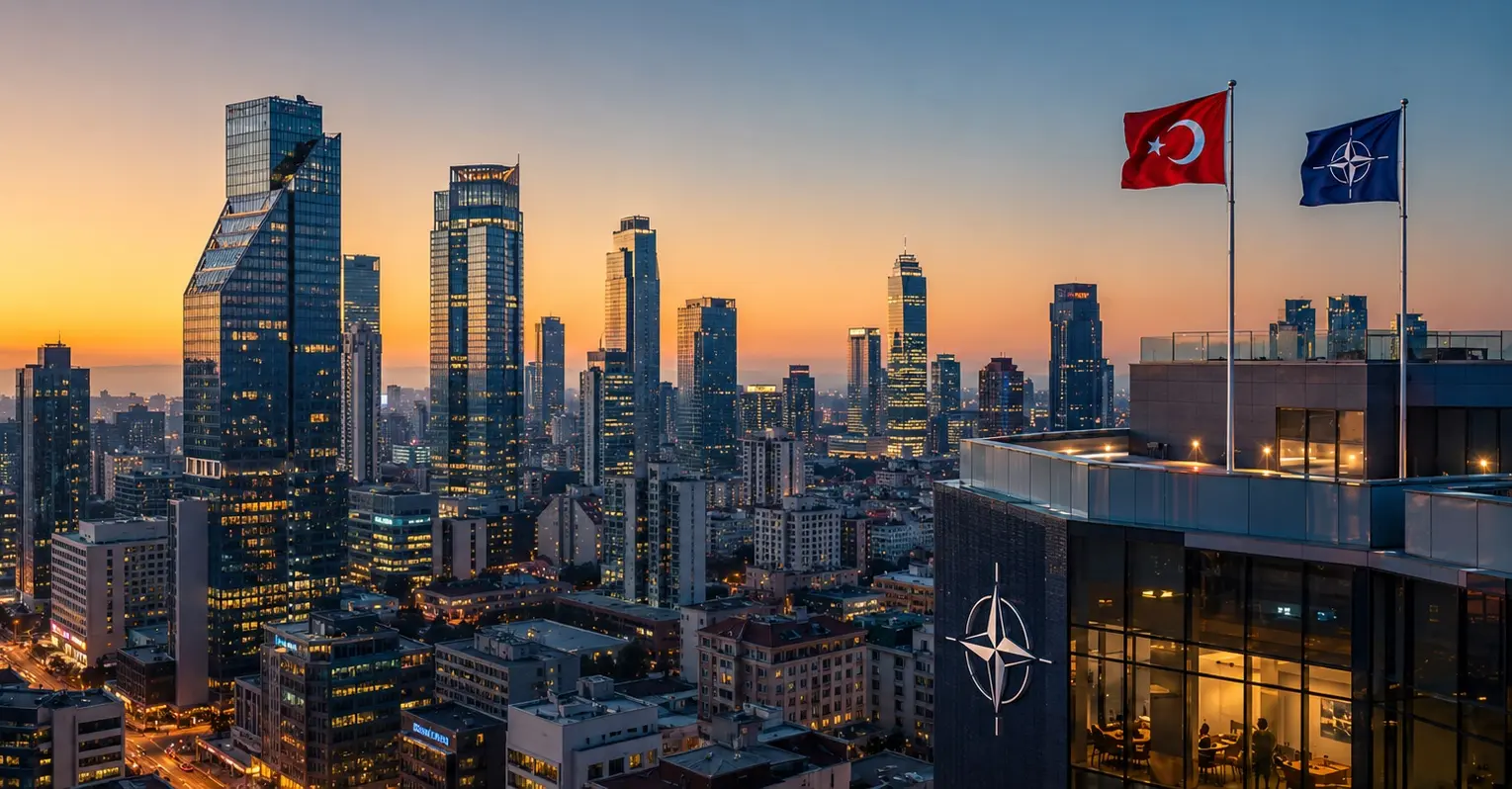
Let's not pretend it's a quiet neighbourhood. Turkey borders Iran, and in March, ballistic missiles were fired towards it. NATO air defences intercepted them, the second over Gaziantep on 9 March, with no casualties or damage reported in that incident. NATO confirmed the interception and said it stands ready to defend all Allies.
That is what NATO membership looks like in practice: an air-defence network that works. Add NATO's second-largest army by active personnel, and you have a country that stayed out of the fight with the West's biggest military alliance behind it.
No market on this map is risk-free. But there is a difference between a country on the front line and a country with that kind of cover overhead.
2. Tax and Ownership: Same Deed, Clear Rules
A Turkish Title Deed (TAPU) gives foreign buyers the same freehold ownership as Turkish citizens. The exceptions are narrow: military and security zones, and limits on total land area, which rarely impact a city apartment in places like Istanbul.
Now the money. Dubai buyers are used to zero, and Turkey isn't zero. I won't pretend otherwise. What you get is a published rulebook and a clean exit:
Tax
What You Pay
Worth Knowing
Title deed fee
4% of declared value
Legally split 2% each. In resales the buyer usually pays it all, and it is negotiable
Annual property tax
About 0.2% of assessed value (residential, 2024 rate)
Paid to the municipality
Rental income
15% to 40%, sliding scale
Taxed after allowances and deductible costs such as management fees, maintenance, and insurance
Gains under an annual exemption are not taxed, costs are deductible, and the purchase price is inflation-indexed if inflation exceeds 10% while you own
Citizenship alone does not trigger it. Turkish tax residency does
For a new Turkish tax resident, that exemption gives you the same zero on foreign income you're used to, with a passport route attached. Rent earned in Turkey is still taxed, so model your own bracket before you buy. This is information, not tax advice.
3. Citizenship: A Second Passport with a Real Exit
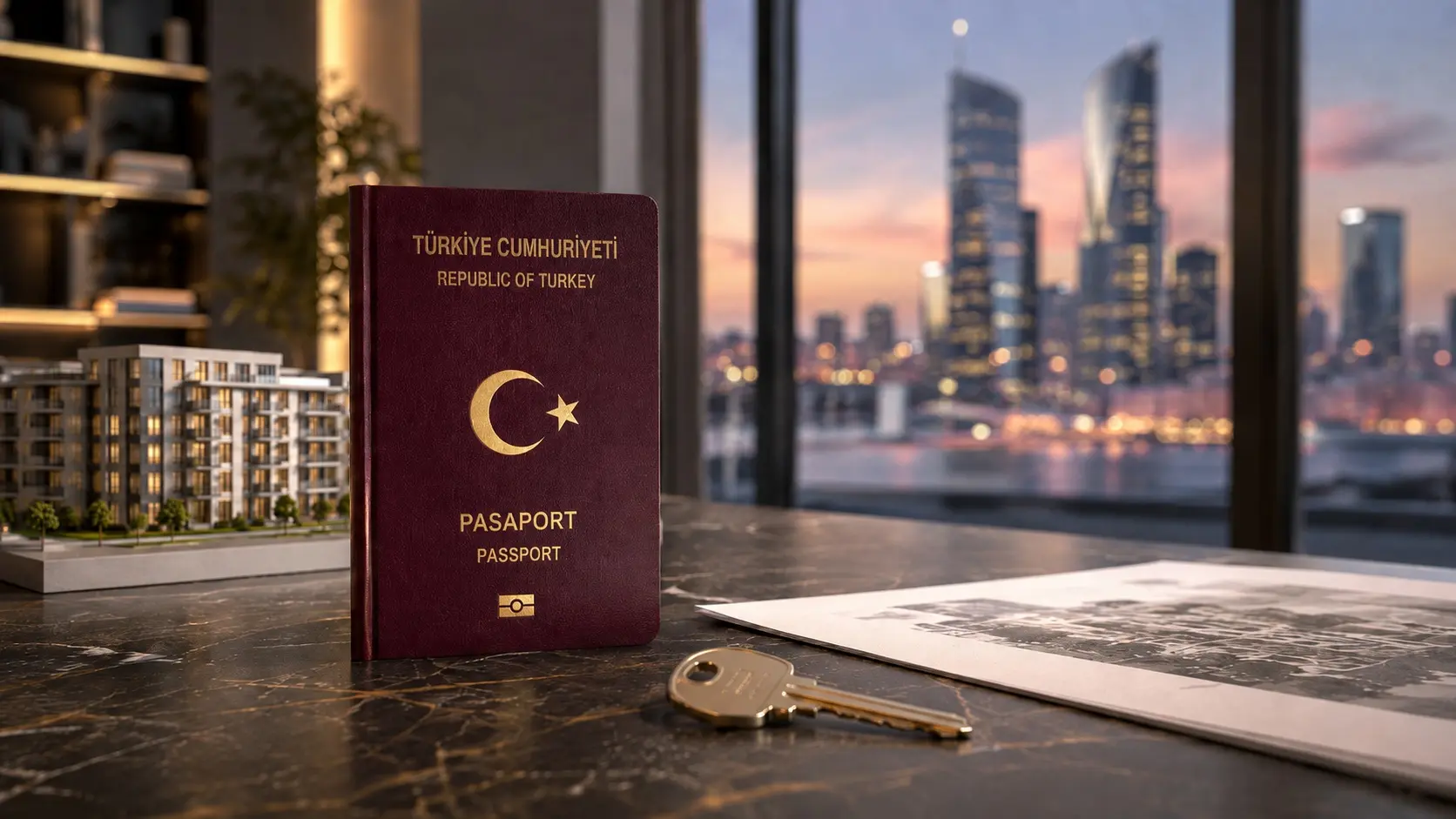
Dubai's Golden Visa gives you residency. Turkey gives you citizenship. The deal: put at least $400,000 into Turkish property and hold it for three years under a no-sale note on the Title Deed. It covers you, your spouse, and your children under 18. There is no residency requirement and no language test, and a well-prepared file takes three to six months from purchase to approval.
Citizenship is permanent. After three years you can sell, repatriate the proceeds, and keep the passport. Children born after you become a citizen can acquire it through you. Three honest flags for CBI investors:
- Plan the exit: Three years frees the property, but gains tax only falls to zero after five. Sell in between and the profit is taxed on the sliding scale.
- Valuation is everything: In August, the Interior Ministry said it had cancelled or withdrawn citizenship for 6,134 people, 1,413 of them principal investors, the rest family, amid a crackdown on inflated valuations and sham property deals. Rules tightened again on 28 September, with valuation carrying more weight. The $400,000 threshold did not change.
It wasn't. On Central Bank data, average Turkish property prices are up about 63% in US Dollars from early 2010 to August 2026, while in Lira they rose roughly fiftyfold. The Lira's chart tells you what happened to Turkish cash. It doesn't tell you what happened to Turkish bricks.
It wasn't a straight line. In Dollars, prices fell by more than a third between 2013 and 2020 before recovering sharply, and resort areas were softer in Dollar terms through 2025. Our affordable Istanbul city-centre holdings grew about 2.5 times in Dollar terms between 2018 and 2026, against roughly 2.1 times for the national average. Location and timing are crucial.
Source: Global Property Guide, Q3 2026. Net yields typically run 1.5 to 2 points lower after tax, fees, and vacancy. So Istanbul's 9.92% gross points to roughly 8% net, and in affordable central Istanbul we can reach up to 8% net after taxes and management fees. For context, Dubai yields average 6% to 8% in many communities.
2. Commission the independent valuation (appraisal) report.
3. Take out DASK, the compulsory earthquake insurance.
4. Complete the payment of the property and transfer.
5. Receive the Title Deed in your name, in person, or through a properly drafted Power of Attorney.
Now the question every smart investor asks next: earthquakes. Turkey is seismically active, and anyone who tells you otherwise is selling you something. In Istanbul alone an estimated 1.5 million homes are classed as at risk, around 600,000 of them urgently. Replacing them is slow, which is exactly why quality stock is scarce.
Our Rule: We only recommend buildings from 2002 onwards, built under modern earthquake regulations. Newer stock is the answer; older stock is the risk. No building is quake-proof, which is why the checks are important: insist on an independent structural survey before you commit and make sure DASK is in place.
One Team in Turkey and Dubai, A to Z Service
Dubai taught you what “joined up” feels like. Turkey can feel like the opposite if you wing it: an agent here, a lawyer there, a valuer you've never heard of, and a property manager who goes quiet after completion.
That's why, since 2001, Property Turkey has run as a complete property ecosystem: one company instead of five, with a clear path from first enquiry to ownership, management, or resale. Here is our A to Z:
1. Search and acquisition: We work for you, the buyer. We don't take payments from sellers, so our advice stays independent.
2. Legal and finance: Due diligence, Title Deed checks, contracts, tax guidance, and financing advice, handled in-house.
3. Citizenship and residency: Property selection, valuation checks, family documents, and the application itself.
4. Design and construction: Build, renovate, or fit out – from land search to finished home.
5. Management and lettings: Long-term and short-term lets, inspections, maintenance, rent collection, and financial reporting.
The point of one team is no handoffs where a detail gets lost. The valuation, the legal file, and the citizenship application are handled by people who talk to each other. We have offices in London, Istanbul, Bodrum, Fethiye, Kalkan, Antalya, and the UAE, and hundreds of ratings on Trustpilot.
Diversifying Beyond Dubai with Turkish Property
Dubai isn't dead, and I'm not asking you to leave it. I'm asking you to stop holding it alone. Turkey doesn't promise zero tax or zero risk. It offers a NATO-backed neighbourhood, a clear rulebook, a five-year route to tax-free gains, a second passport with an exit, yields that compare well with Dubai's, and a property market that has outrun its currency's fall, with average prices up about 63% in Dollars since 2010.
Tell us your budget, your timeframe, and your goal, whether that is income, Turkish citizenship, lifestyle, or all three, and we'll show you what fits. Speak to Property Turkey today and start planning your move from Dubai.
NOTE: This article is for information only and is not legal, tax, or investment advice. Figures are as of October 2026. Rules change, so take professional advice before you buy.
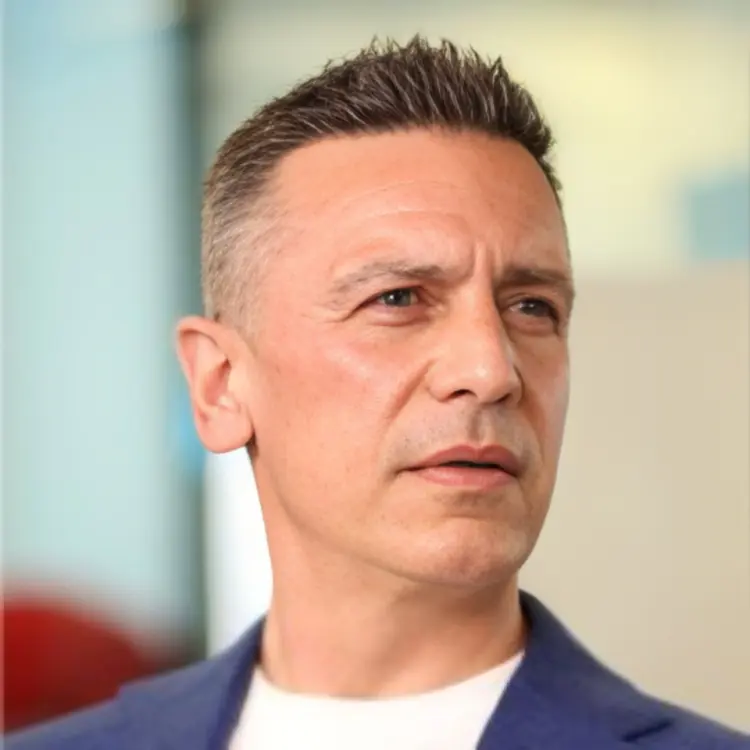
Cameron Deggin Founder & CEO, Property Turkey
Cameron Deggin is Founder and CEO of Property Turkey. A former finance professional and FCCA-qualified accountant, he founded the company in 2001 after recognising Turkey’s investment potential. With more than two decades analysing Turkish real estate, Cameron regularly advises international investors and is quoted by media including the Financial Times and BBC.




 By:

 Founder & CEO, Property Turkey
 Bodrum
 4
 4




 X