From the Bosphorus to the Topkapi Palace, visiting Istanbul in winter is an unforgettable experience as the city takes on new vibes and earns its well-deserved status as a famous global travel destination. While the weather is colder than in the summer months, winter brings a slightly slower pace as the crowds thin out. Budget travellers do well thanks to lower hotel and flight rates. So, that is two reasons to book, and below are many more.
Tips for Visiting Istanbul in Winter
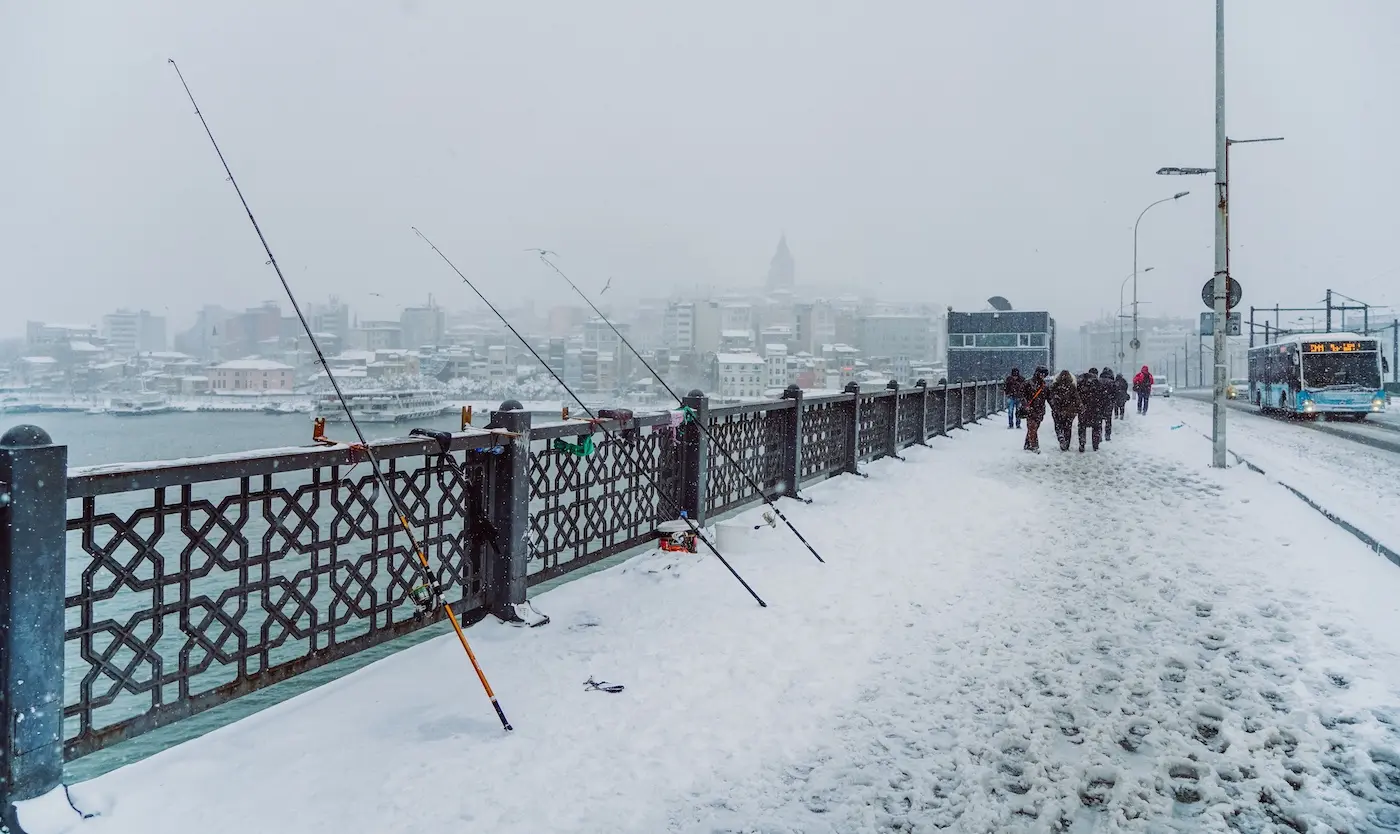
- January is the coldest month and may see snow, but February gets the most rainfall. Leave your swimming costume at home unless you plan to have a Turkish Bath, because the focus is staying warm.
- While there are some sunny days, the temperatures drop at night. Temperatures range between 3°C and 10°C, with frequent rain or occasional snow, but proper preparation ensures a rewarding trip.
- The weather will shift between rainfall, sharp Bosphorus winds, some snow, and clear, sunny days. Packing the right apparel keeps long walking tours comfortable. Wear supportive shoes. Steep hills and slippery cobblestones call for comfortable footwear.
- Pack layered clothing and rain gear, like thermal base layers and fleece mid-layers. Remember waterproof coats, sturdy walking boots with good grip, and compact umbrellas for sudden downpours. Warm accessories like scarves, beanies, and gloves protect against coastal winds.
More Reasons to Enjoy Winter in Istanbul
1: Hammams are the Perfect Way to Warm Up!
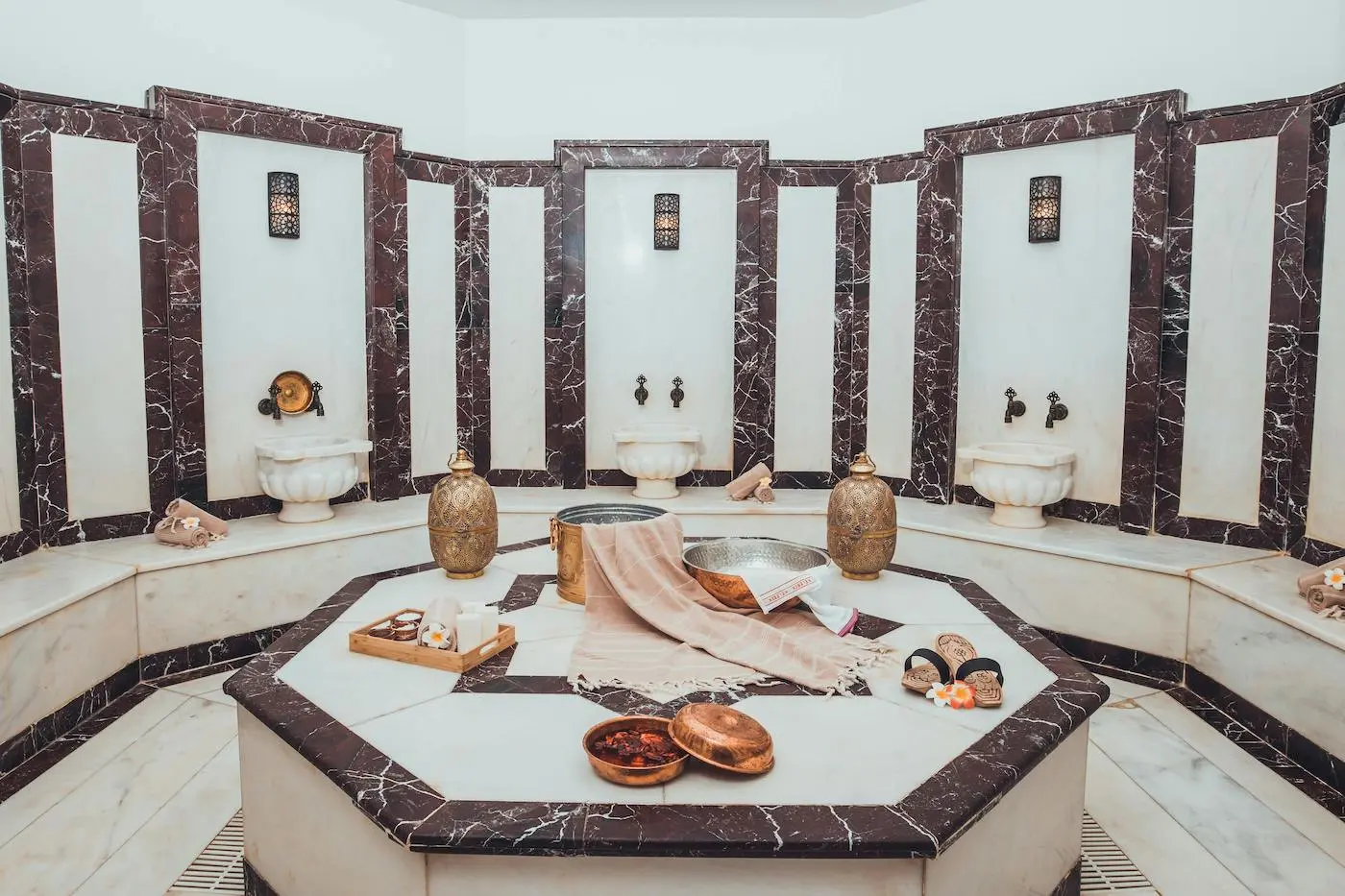
Visiting a traditional Turkish Bath (Hamam) is so relaxing after exploring the city outdoors. Heated marble slabs (göbektaşı) and hot steam rooms thoroughly thaw the body's chill. Professional body scrubs and massages leave your skin refreshed while reflecting centuries-old Ottoman spa traditions, which branched off from Roman Bath traditions. Dive into luxury and steaming-hot comfort and leave your chilly worries outside.
2: Drink Salep and Boza
Rumours say the most romantic place is the upper deck of a ferry, accompanied by a warm cup of salep; a sweet drink, covered in cinnamon powder. On cold afternoons, when the sun goes down over the Kiz Kulesi, sip this heavenly drink slowly. Also try Boza, a wintry fermented drink for chilly days and nights. It has a sweet-and-sour taste and a delightful aroma. Boza sellers stroll down the streets, yelling “Bozaaaaa”, so watch out for them.
3: The Indoor Sultanahmet Museums are within Walking Distance
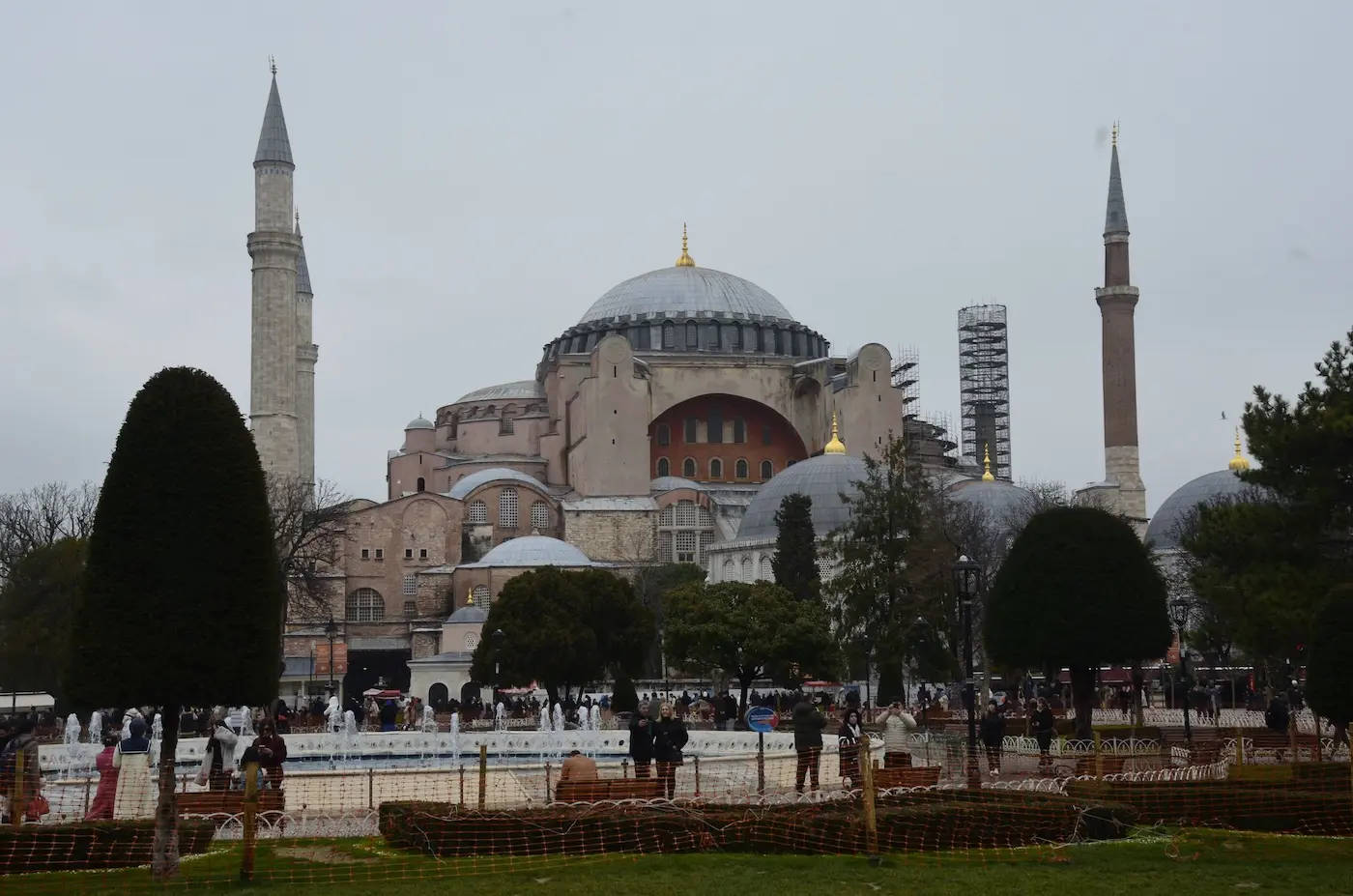
These buildings are the remnants of the Byzantine and Ottoman Empires in Sultanahmet Square in Fatih. This is Turkey’s most visited spot, and during summer, the crowds are huge, but from December through February they thin out.
- Hagia Sophia: Now a mosque but originally built by Emperor Justinian I in 537 AD, the structure features a massive central dome alongside intricate Christian mosaics and Ottoman calligraphy.
- Blue Mosque: Sultan Ahmed, I commissioned the Blue Mosque in the early 17th century to rival Hagia Sophia. Thousands of handmade blue İznik tiles line the interior walls, giving the building its famous nickname. Six slender minarets dominate the skyline and frame the main courtyard.
- Topkapi Palace: Ottoman sultans ruled their vast Empire from Topkapi Palace for nearly four centuries. The sprawling complex contains lush courtyards, imperial treasury chambers, and the opulent Harem quarters. Elevated pavilions across the grounds offer wide views.
- Basilica Cistern: This marvellous engineering achievement, nicknamed the 1001 Columns, is underground and reached via stone stairs. On clear days, soak up the atmosphere of the nearby old hippodrome and imagine the days gone by.
- Istanbul Archaeology Museums: Architect Osman Hamdi Bey founded the Istanbul Archaeological Museums complex in the late 19th century near Topkapi Palace. The complex houses over one million artefacts, including the famous Alexander Sarcophagus and ancient treaty tablets. Three distinct buildings display artefacts from civilisations in the Near East, Anatolia, and the Mediterranean.
4: The Grand Bazaar and Spice Bazaar
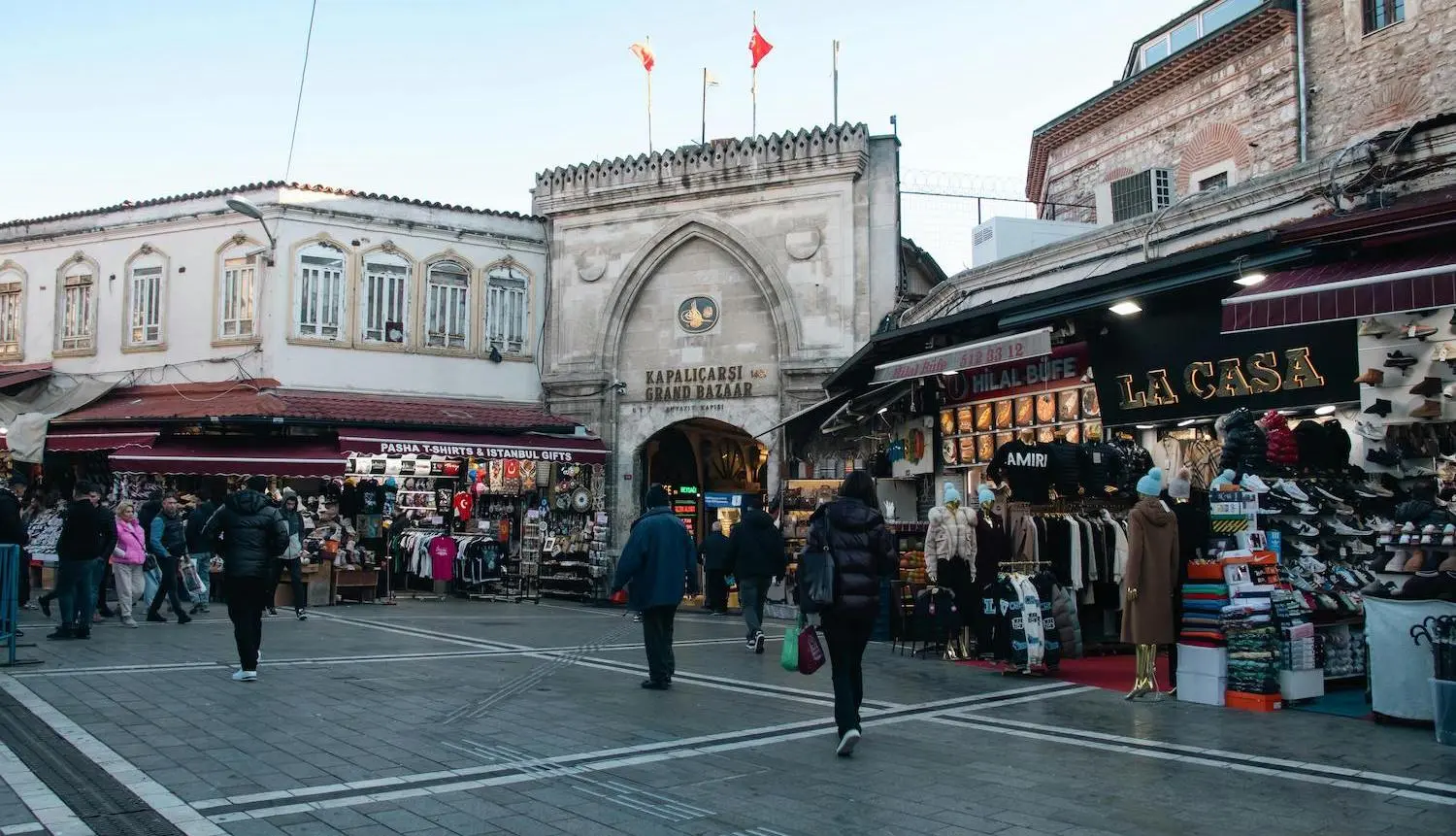
These two indoor markets portray real Ottoman vibes. The mix of ancient architecture and vendors calling out their wares can be quite addictive. The Grand Bazaar, the world's oldest indoor market, has 4,000 shops spread across a maze-like structure. The Ottomans built the structure after they conquered Constantinople. Many films have taken place here. Within a 15-minute walk is the smaller Spice Bazaar, which isn’t as overwhelming and is easier to navigate.
5: The Kadikoy District Presents a Different Face
Kadikoy on the Asian side is normally busy in summer, but from December to March, crowds disperse and reveal a different side of this bustling area:
- Kadikoy Produce Market is the district's active heart, with stalls filled with fresh seafood, olives, cheeses, and spices. Situated near the Kadikoy ferry terminal, this historic permanent market operates Monday through Saturday. It features narrow open-air pedestrian lanes lined with permanent shops, fishmongers, and artisan food stalls.
- Tellalzade Sokak is Kadıköy's primary antique street with shops selling vintage records, Ottoman lamps, retro furniture, and rare collectables. Also explore Akmar Passage and the second-hand bookshops.
- Bahariye Caddesi is the neighbourhood's main pedestrian shopping boulevard. Watch the historic T3 red nostalgic tram run down the centre of the avenue, pass by the Süreyya Opera House, and browse apparel boutiques and cafés.
6: The Food Scene is Out of this World
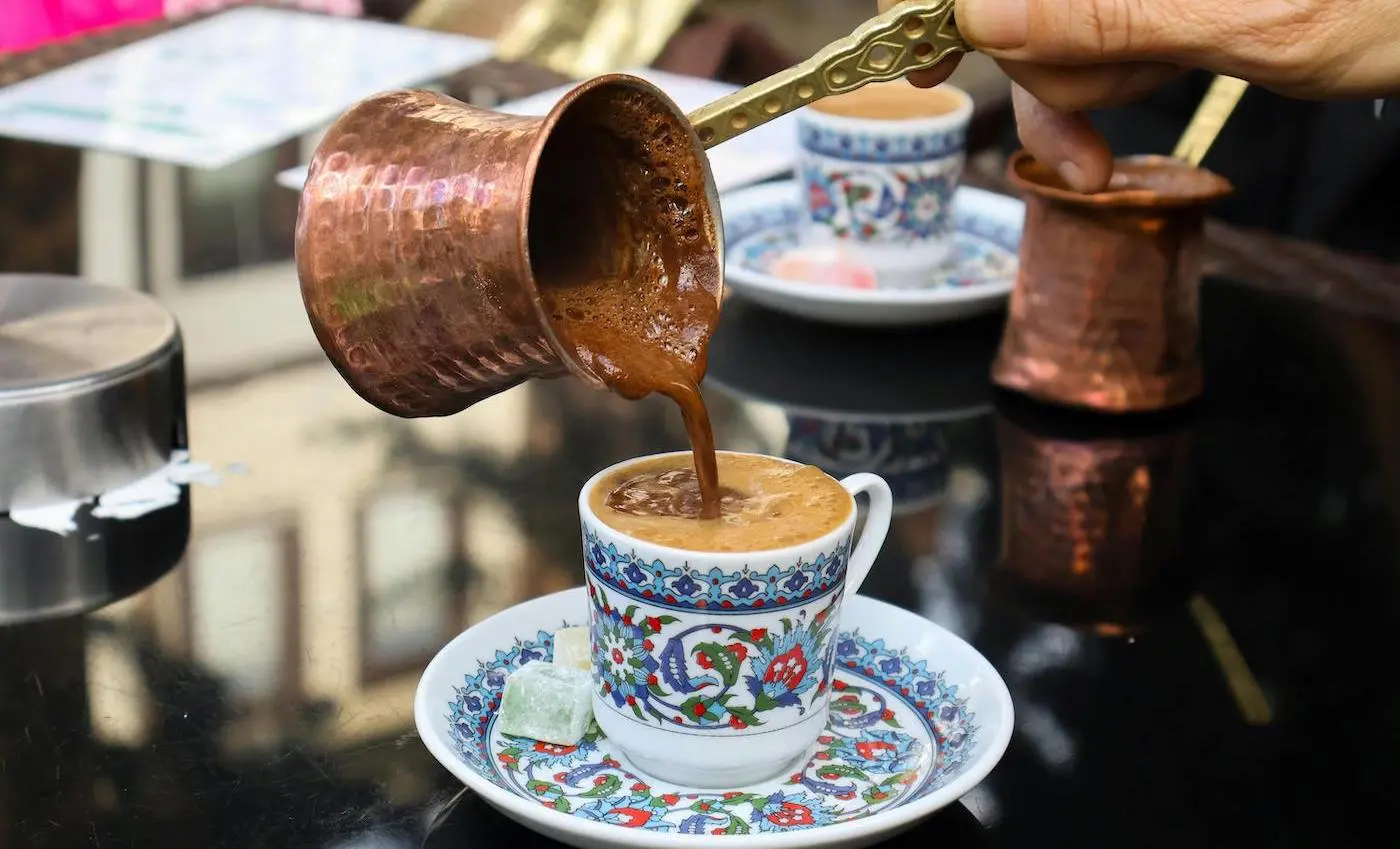
Foodies are in Luck. Enjoy a culinary journey through Turkish coffee, tea culture, raki, and traditional dishes. Although rooftop restaurants normally close at this time of year, food lovers still have options. From modern fast food to five-star dining to takeaways, finding something to eat is easy:
- Traditional lokanta serves hot dishes that are great for budget travellers. Some give free bread and salad at the beginning of the meal and are worth visiting for warming Turkish soups.
- Keep an eye out for street sellers selling roasted chestnuts, called Kestane.
- Müjgan Yeldeğirmeni is where to find the best Turkish breakfast. Bear in mind this is a favourite among locals, not a tourist spot, so tables are full and queues are long.
- Hacı Bekir Efendi was the original inventor of Turkish delight, at the time made for the royal sultans of the Ottoman Empire. His descendants still run the shop in the Sirkeci area, which is ideal for taking home souvenirs.
7: Indoor Attractions in Beyoglu
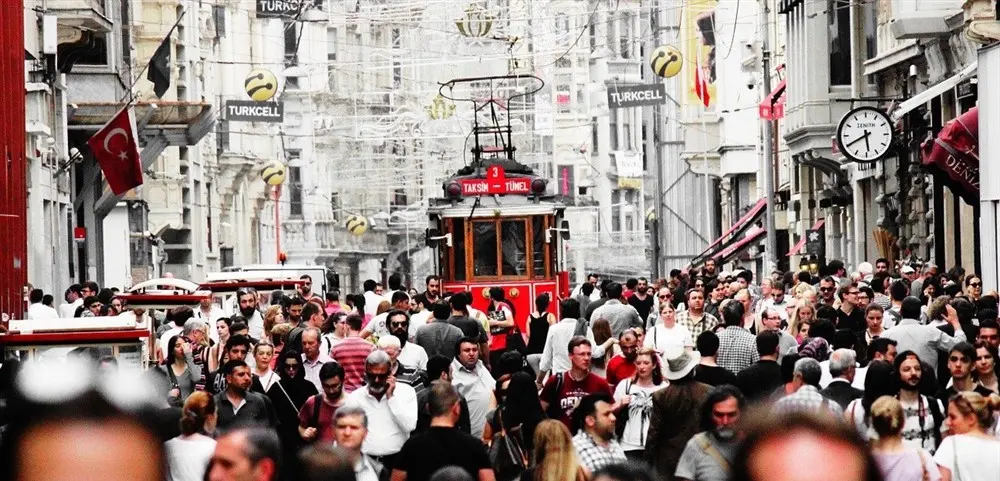
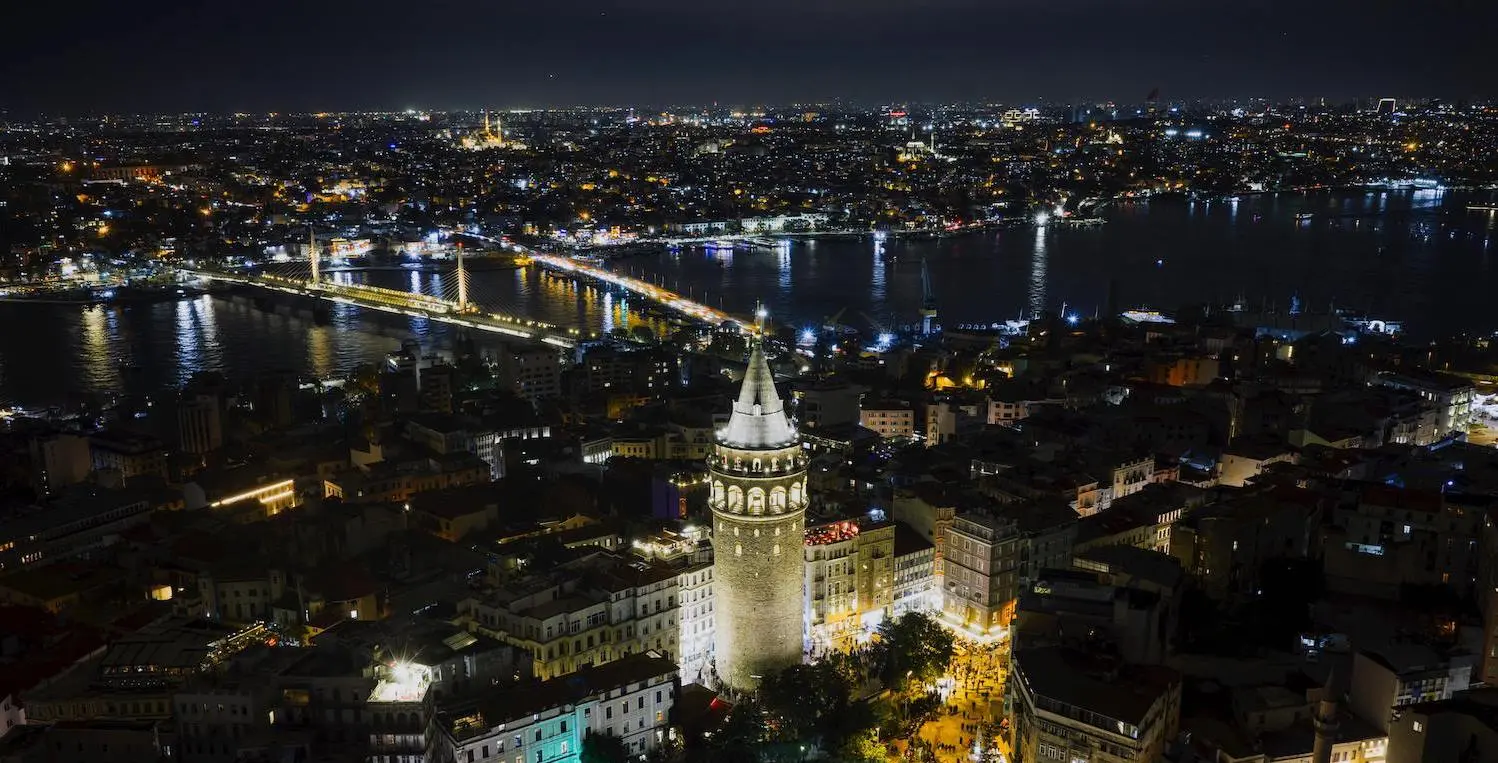
Cross the Golden Horn from the Fatih district to enter Beyoglu, the heart of shopping and nightlife, with the landmark Galata Tower and Taksim Square. Then, while shopping, drop by the various indoor attractions:
- The Pera Museum occupies a restored 19th-century hotel building and displays high-profile international and Turkish art exhibitions.
- The Istanbul Museum of Modern Art sits on the Galataport waterfront and hosts premier contemporary art exhibitions.
- Salt Galata converts the former Imperial Ottoman Bank headquarters into a public research centre and art gallery.
- Galata Mevlevi Hanesi Museum, one of the city's oldest surviving Mevlevi Sufi lodges, with whirling dervish performances called the Sema.
- Lastly, the Church of Saint Anthony of Padua, the largest active Roman Catholic church, hides behind a Venetian-style courtyard along Istiklal Avenue.
- The Museum of Innocence brings Nobel laureate Orhan Pamuk's titular novel into physical display cases inside a 19th-century townhouse.
8: Also visit Other Winter Destinations in Turkey
Turkey is about much more than winter in Istanbul, and many people extend their trip by three nights to enjoy other destinations. They include:
- Cappadocia: This photo hotspot can receive heavy snowfall, which may affect sightseeing, but the fairy chimneys, Goreme Open Air Museum and cave churches are enough reasons to visit. You can travel by coach or catch a connecting flight to Nevsehir airport.
- Uludag ski resort: Is a 4-hour drive away, so it's good for an overnight skiing trip. Kartepe is closer but doesn't have the same ski fame. At the same time, tour the UNESCO World Heritage sites of Bursa, the main city, which was the capital of the Ottoman Empire before they captured Constantinople.
- Otherwise, for sun: Catch an internal flight via Turkish Airlines to Antalya, the hottest destination on the Mediterranean. The Lara Beach Hotel is known for its all-inclusive stays, and most hotels have heated indoor pools. There is much to do, including touring the Kaleici old quarter.
- Pamukkale and Ephesus: Once again, check the weather, but if it is clear, these two landmarks are easy to explore from November to April, because of lower temperatures and fewer crowds. Both rank as the top visited places in Turkey.
- Erzurum and Kars: If white snow is your heaven, head across the country to these two destinations. The first is known for the best skiing resorts, and the second is home to the ruined city of Ani and Lake Çıldır, home of the famous horse-drawn carriages.
9: New Year Celebrations Boost the Atmosphere
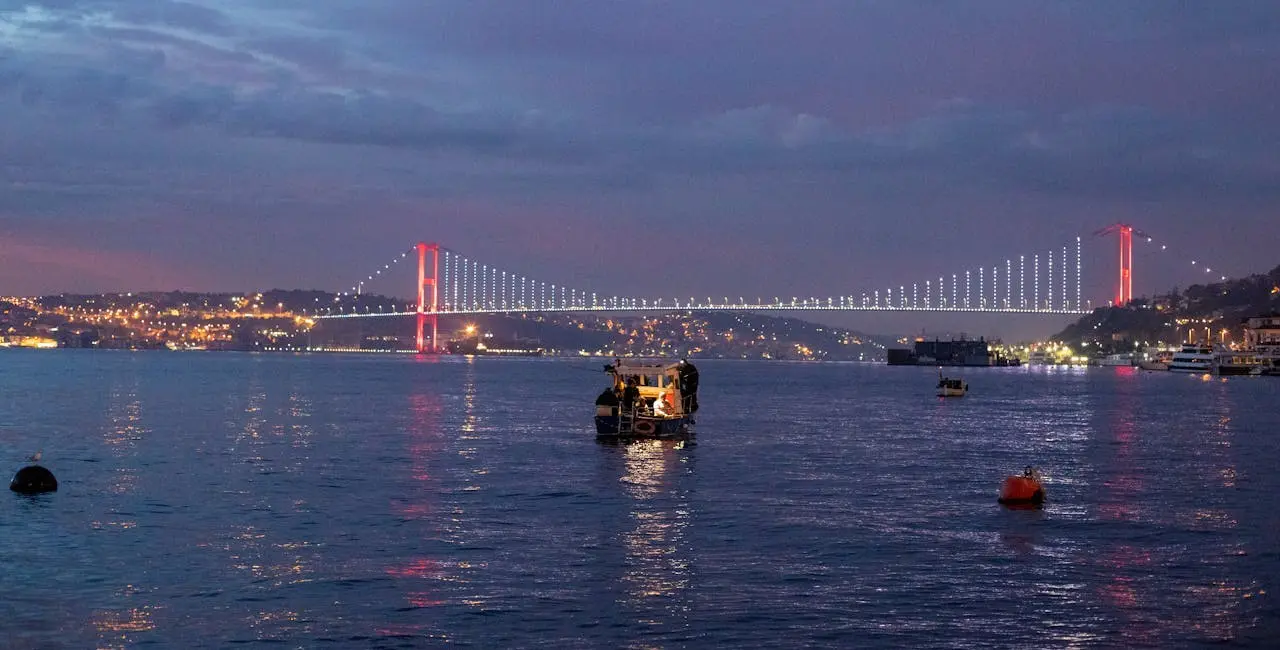
In December, Santa Claus figurines and festive decorations appear everywhere. They are not for Christmas, since Turks don’t celebrate it. However, they love New Year's Eve with festival parties. Hotels put on special evenings with dinner and music, and Taksim Square becomes the place to gather at midnight. Expect fireworks over the Bosphorus. This event alone makes winter in Istanbul magical.
What are the Do’s and Don’ts when Visiting Istanbul?
Mosque Etiquette: Cover shoulders and knees. Women should carry a scarf to cover their hair. Remove shoes before stepping onto mosque carpets. Don't enter active prayer areas during service: Avoid walking directly in front of worshippers or taking photos during call-to-prayer and service times. Don't photograph locals or worshippers without asking.
Culture: Simple words like Merhaba (Hello) and Teşekkür ederim (Thank you) go a long way. Avoid talking about sensitive national topics or political figures with strangers. Always respect the flag and the picture of Mustafa Kemal Atatürk. His picture appears on the money, so be careful how you treat this.
Haggling: Haggle politely in traditional bazaars, and treat the experience as a friendly social interaction rather than a contest. Don't haggle in fixed-price establishments, and avoid bargaining in modern shopping malls, supermarkets, or restaurants.
Food and Drink: Dining is a social affair; servers won't bring the bill until you ask for it (Hesap lütfen). Don't buy fake “apple tea” powder: Stick to traditional black tea (çay) or Turkish coffee. Don't drink tap water. Drink bottled or filtered water.
Public Transport: Buy the Istanbul kart to get around and use various systems, including the metro, ferries, trams, and funiculars, for efficient travel. Take the cross-continental ferries between Europe and Asia for low-cost, iconic skyline views. Always ask taxi drivers to use the meter, or use digital ride-hailing apps, to avoid inflated rates. Don't block doors on crowded trams and metros, and step aside to allow passengers to exit before boarding.
Is 4 days in Istanbul too much?
No, 4 days in Istanbul is ample time to explore the main highlights. This lets you go at your own pace without rushing. Spend day 1 exploring the Sultanahmet district; on day 2, ride a ferry to the Asian side to explore Kadikoy and Üsküdar. On day 3, tour Beyoğlu's attractions and enjoy the many shops. For day 4, combine a Bosphorus cruise, a Turkish Hamam, and a whirling dervish show, or top off the palace tour with Dolmabahce.
Aleksandra Cihanoğlu Senior Advisor
Aleksandra Cihanoğlu is a Senior Advisor at Property Turkey and a regular contributor on topics including Citizenship by Investment, relocation, travel, and lifestyle opportunities in Turkey. Her writing focuses on helping international readers understand the practical realities of living, investing, and building a long-term future in the country.




 By:
By:
 Senior Advisor
 Bodrum
  2
2  1
1 







 X
X