For years, international investors have been drawn to the bustling and storied streets of Istanbul – purchasing small point-of-sale (POS) retail outlets in popular urban districts for high rental income from the city’s timeless commercial culture.
However, modern times are changing how people shop globally, and the once stable returns of POS retail outlets is rapidly shifting. For today’s smart investor, it’s important to understand why small shops are now becoming high-risk investments – and which segments of Istanbul’s real estate market are taking their place.
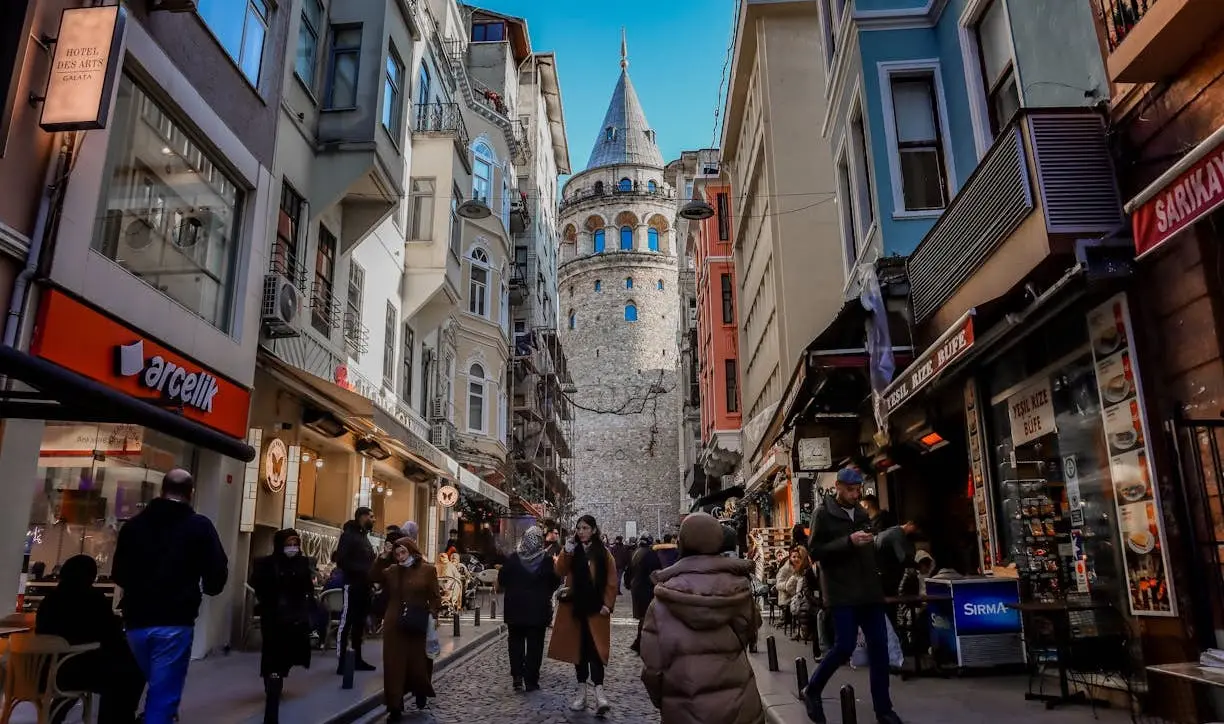
Why Small Shops in Istanbul are Not a Good Investment
1. The Digital Disruption: Changing Consumer Habits
Just like most modern cities, Istanbul is undergoing a transformation in retail and shopping habits – driven by the effects of COVID and the expansion of e-commerce giants including Trendyol, Getir, and Hepsiburada. Before COVID, online shopping accounted for just 8% of total shopping in Istanbul. As of 2024, that figure had soared to 35% and continues to increase yearly.
Consumers in Turkey are prioritising online shopping channels for added convenience, a variety of selection, and the ability to compare prices in an instant. This widespread shift has had an impact on traditional street-facing shops throughout the city, including:
- A Decline in Foot Traffic: Small outlets and boutique shops are suffering from a decline in daily shop visitors as more consumers buy online for home delivery.
- A Race to the Bottom: Small retailers are struggling to compete with the prices and selection that digital platforms and larger chains and brands can offer.
- Eroded Customer Loyalty: Today, price drives loyalty, not location. Local Neighbourhood stores are no longer the go-to shop for families as they were before.

2. Increasing Costs and Shrinking Margins
In the most desirable city centre locations and famous shopping streets, the cost of monthly rent and daily operational costs of small shops is increasingly drastically due to high inflation levels and the depreciation of the Turkish Lira. Many landlords and shop owners must deal with:
- Flattening Yields: Even though rents are increasing, they have not kept pace with the inflated expenses of owning a small shop – therefore, profit margins are decreasing.
- Maintenance and Upgrades: Regulatory changes from the government, including new health measures, safety precautions, and accessibility laws require costly upgrades to be made.
- Tenant Viability: Small businesses operate on tight profit margins, facing immense pressure from increased rent and costs. Payment defaults and business closures are becoming more likely.
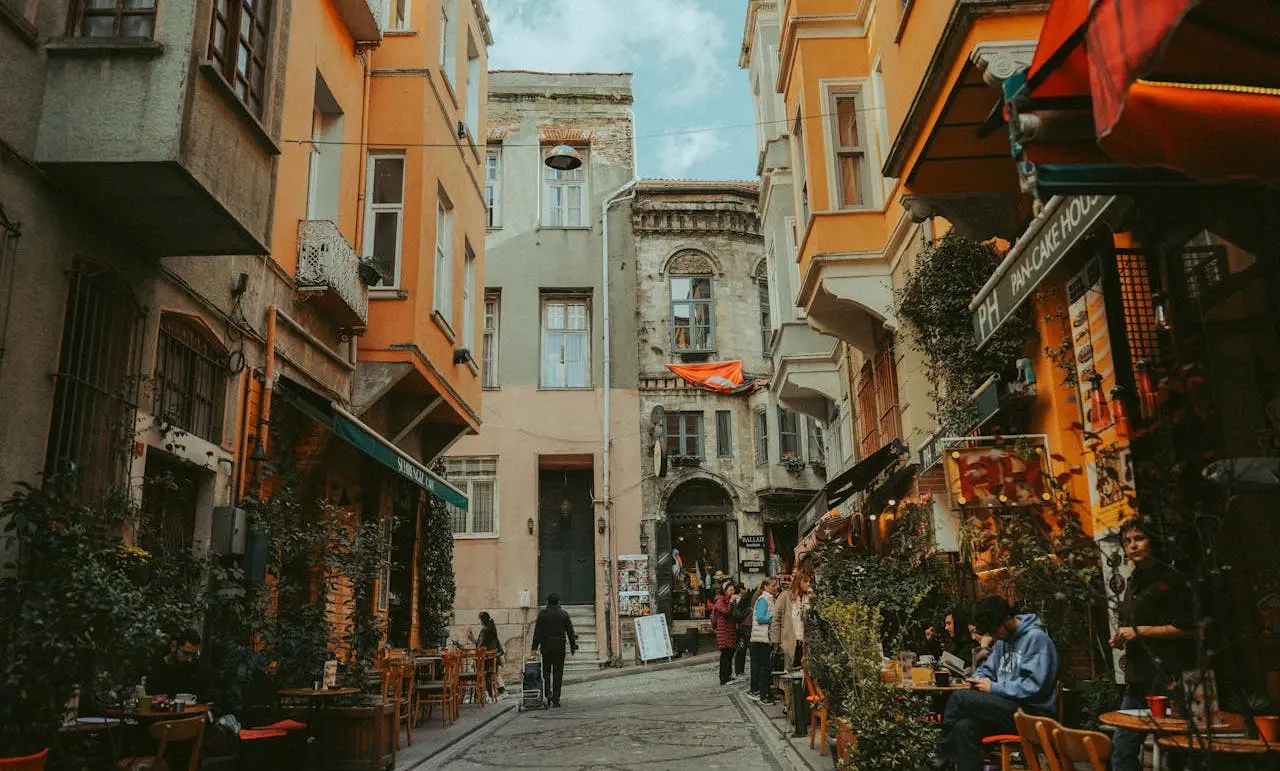
3. Uncertain Tenancy and High Vacancy Risk
In large retail spaces, property owners often find anchor tenants who will provide rental income for years on end: national brands, large supermarkets, and international shops. Small POS and street-facing stores are typically leased to small businesses or local aspiring entrepreneurs. For the owner, this can lead to:
- High Turnover: It is not uncommon for tenants to come and go as unsuccessful business attempts close at short notice. This can lead to long periods of vacancy and the need for renovations between leases adding to overall cost.
- Credit Risk: Smaller businesses and local shops are highly vulnerable to downturns in the Turkish economy, currency fluctuations, and fast changes in consumer habits.
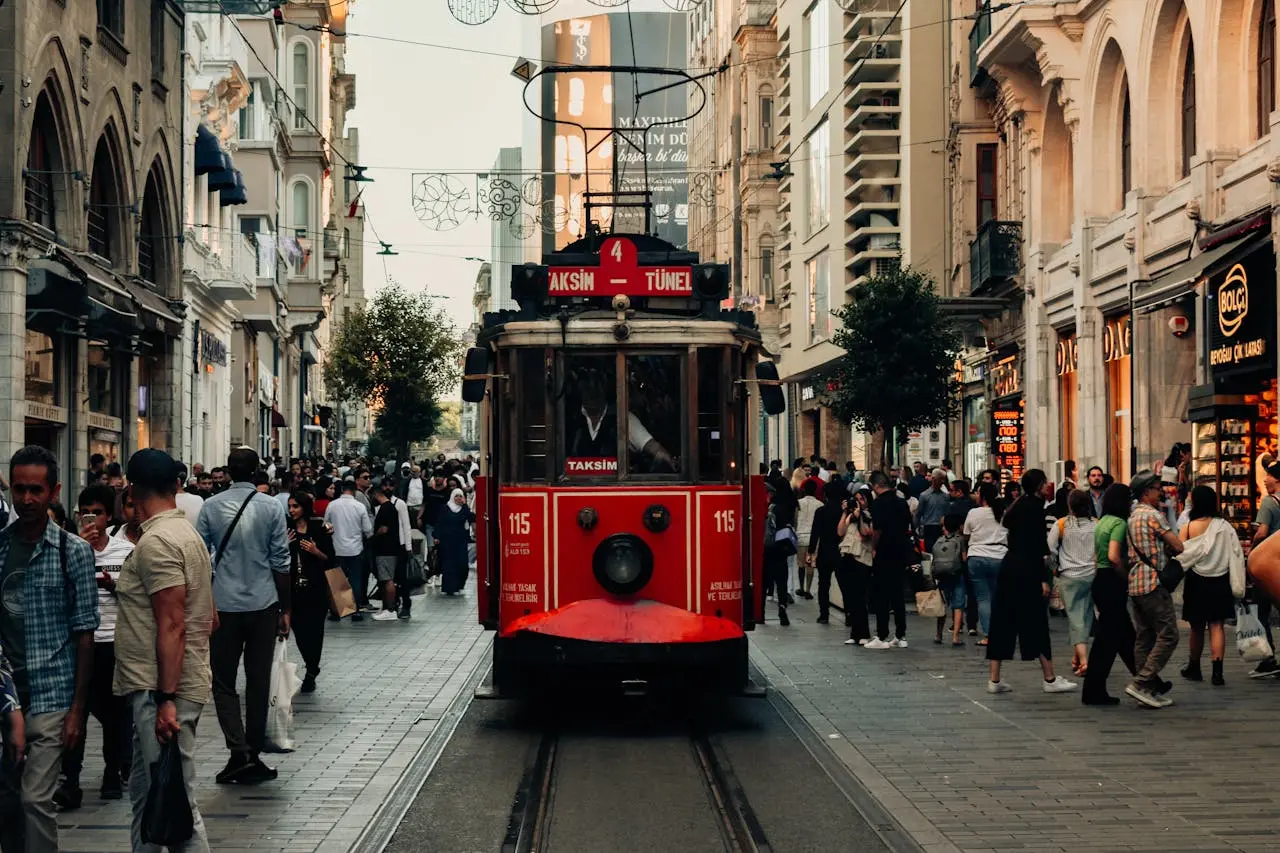
4. Weak Resale and Limited Capital Growth Prospects
In the current economic landscape of Turkey, small street-facing and point-of-sale properties are often listed for sale – creating an oversupply of available units and weakening the ability to negotiate during the sale. This is especially apparent in smaller neighbourhoods outside of the city centre and leads to the following:
- Assets take Longer to Sell: These smaller assets are taking a lot longer for owners to sell. New buyers are recognising the risks of owning a POS retail unit and often demand high discounts on the final price paid.
- Muted Price Appreciation: Because of the oversupply, small retail units are not appreciating in price as fast as residential properties or landmark commercial properties in the city centre. This is visible even over the medium to long-term.
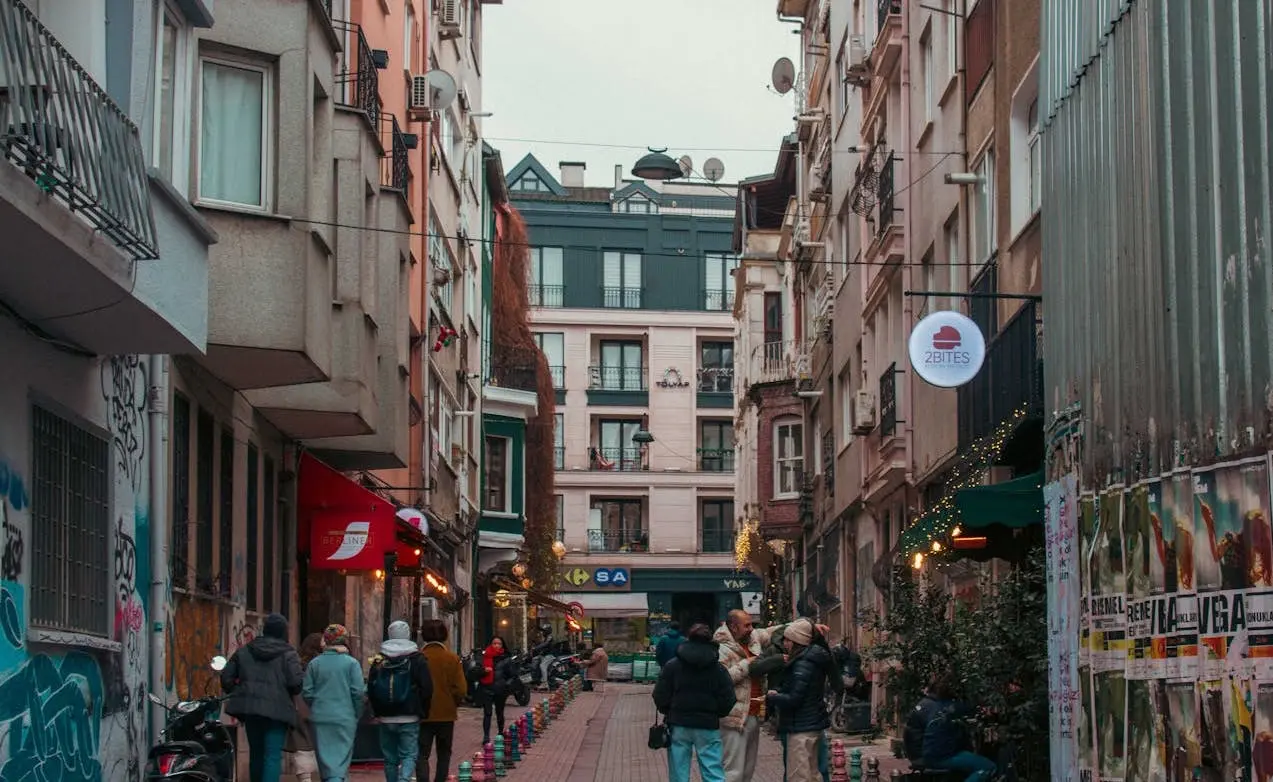
5. A Global Problem for Small Shops
This investment problem for small shop owners is not limited to Istanbul only. In London, data shows that over 13,000 street-facing shops closed in 2024 – an average of 34 shop closures per day. In New York, up to 25% of new real estate developments were old retail and office spaces that are being transformed into residential apartments. The global trend is clear:
- Foot Traffic to Small Shops is Decreasing: Around the world, famous shopping streets are drying up as more and more people shop online.
- Closures are Being Converted into Apartments: It isn’t only New York that is converting old retail shops into apartments for people to live in. This trend is being witnessed in popular cities globally.
- Consumer Behaviour has Changed: Customers prefer digital convenience over street shopping – whether its clothes, groceries, or restaurants.
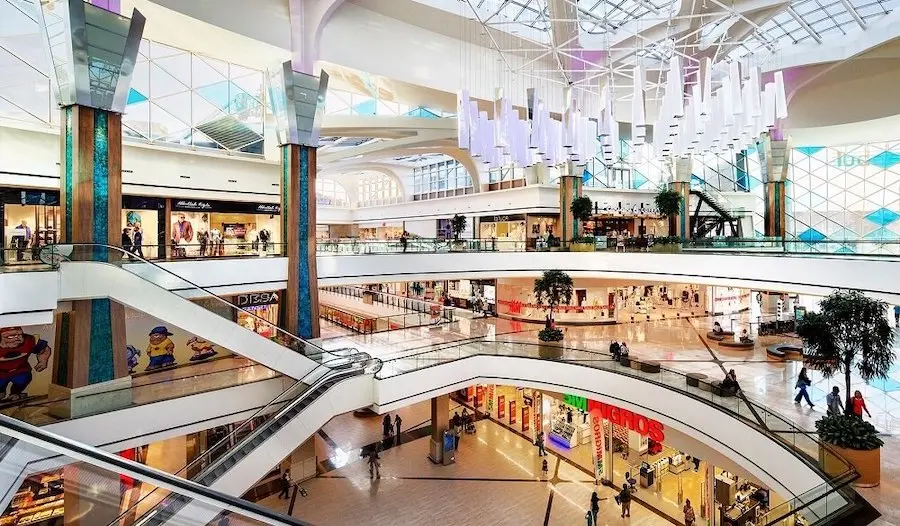
Time for a Strategic Investment Rethink
With yields continuing to decline, tenants continuing to close shop, and exits increasingly difficult – it is time to rethink investing in Istanbul’s small retail outlets. For reliable rental returns and future-proof capital growth, better opportunities can be found elsewhere in Istanbul’s real estate market.
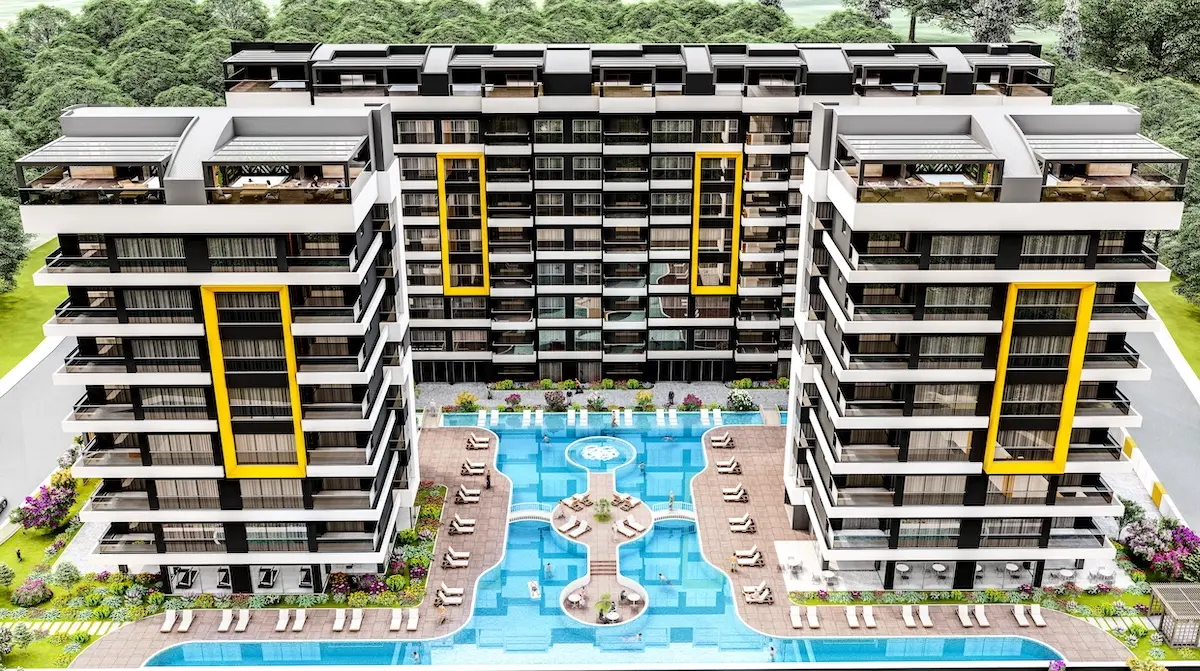
A well-located residential apartment attracts global tenants and provides continual capital appreciation for investors, especially when compared to similar priced retail shops – and is easier for those looking to obtain Turkish Citizenship by Investment. It is the smart, strategic option.
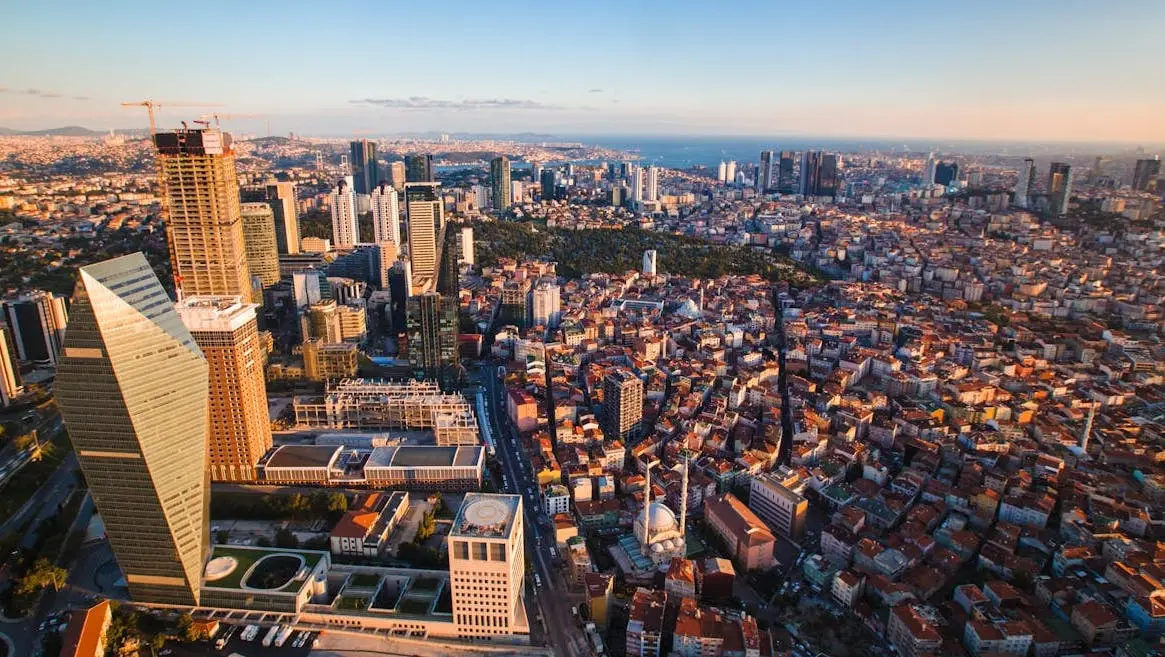
Why Residential Apartments Are the Smart Choice
The cost of a small retail shop in Istanbul averages between $400,000 USD to $500,000 USD. At this cost bracket, investors could purchase a high-quality apartment in sought-after areas of Istanbul, such as: Şişli, Ataköy, or Kartal.
Why Residential Apartments Win:
- Suitable for reaching the $400,000 USD Turkish Citizenship threshold.
- Net rental yields often reach 5% to 7% per annum in high-growth districts.
- Capital growth is assured with high liquidity and a broad resale market.
- Properties are easier to manage with lower risk and clean exit paths.

Still want Commercial Real Estate? Go Big or Go Home
Investors who are still determined to invest in commercial real estate in Istanbul need to have two things – big ambitions and deep pockets. Profitable segments do exist in the commercial landscape but require investments of $1 million USD and up, local market knowledge, and commitment to long-term operating. Anything less and the investment is likely to underperform. Three niche markets in the city include:
1 – Logistics Warehouses: Located on the outskirts of the city and used as e-commerce hubs to power order execution and storage.
2 – Lifestyle Venues: Venus such as boutique hotels and buildings in historical areas can still deliver high levels of profit to investors.
3 – Large Retail and Safe Tenants: Larger retail units that can be rented to safe tenants including branded supermarkets and international chains.

Which Istanbul Segment is Best for You?
Investors who are prioritising stability, rental income, and long-term capital appreciation need to think beyond the small shopfront. If your budget is in the $400,000 USD to $500,000 USD range, Istanbul data shows that residential properties deliver more – more yields, more appreciation, and simpler to manage. Those with budgets exceeding $1 million USD can find larger commercial units that will perform if managed like a business, not just an asset.
For more information and for a free discovery call to discuss which option is best suited for you and your requirements, please call or contact us today. At Property Turkey, we have over 20 years of experience in the Istanbul market. Our advisors offer deep knowledge, current insights, and a broad range of portfolio tailored to guide you.

Cameron Deggin  Founder & CEO, Property Turkey
Cameron Deggin is Founder and CEO of Property Turkey. A former finance professional and FCCA-qualified accountant, he founded the company in 2001 after recognising Turkey’s investment potential. With more than two decades analysing Turkish real estate, Cameron regularly advises international investors and is quoted by media including the Financial Times and BBC.
View full author profile →




 By:
By:
 Bodrum
  4
4  4
4 
















 X
X