Every week we speak to buyers weighing one country against another. Turkey or Dubai. London or Los Angeles. Thailand as the wildcard. And almost nobody is comparing the right things.
Yield gets all the attention. But yield is a forecast. What determines whether your money actually lands in a registered Title in your own name – and how much of it survives the journey – is the legal architecture of the jurisdiction. That is measurable today, not projected.
So we built an index. Five weighted drivers, applied consistently across five markets. No home-team advantage. Turkey does not finish first, and we have published it anyway.
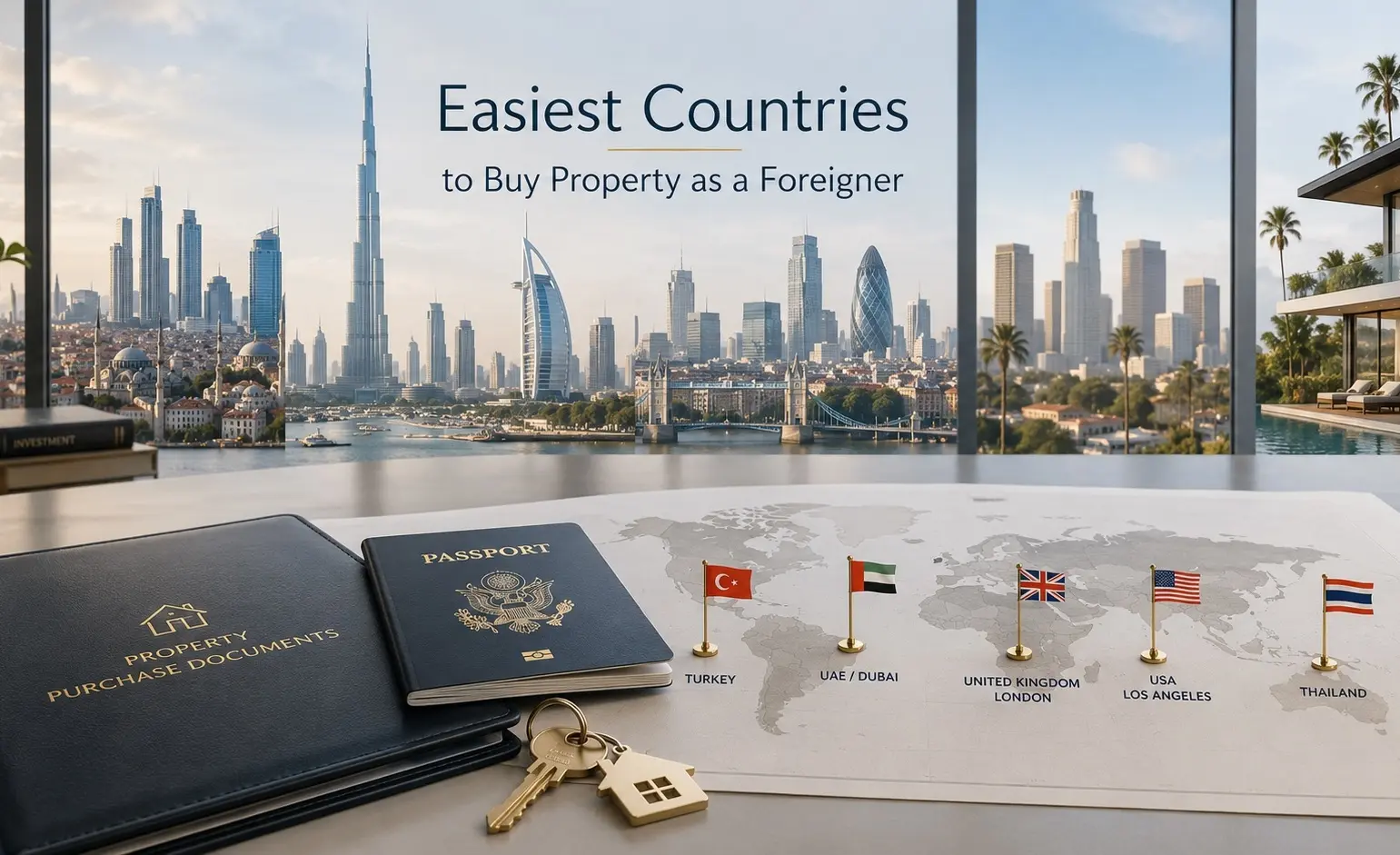
Explained: The Five Drivers
1. Freehold Access: 30%. Can a foreign national hold absolute Title in their own name, or are they pushed into leases, quotas, and nominee structures?
2. Registration Speed and Certainty: 20%. Days from signature to registered Title.
3. Nationality Restrictions and Clearances: 20%. Excluded nationalities, zone limits, military clearance, and state-level bans.
4. Procedural Friction: 15%. Mandatory lawyers, escrow agents, valuation reports, currency conversion certificates, bank accounts, and tax numbers.
5. Cost and Tax Load: 15%. What you pay to get in, to hold, and to get out.
The weighting deliberately favours ownership rights over convenience. A fast transaction means little if the buyer cannot hold the asset outright, while low purchase costs can be outweighed by restrictions or punitive exit taxes. The scores therefore reward markets where foreigners can buy, register, hold and eventually sell with certainty.

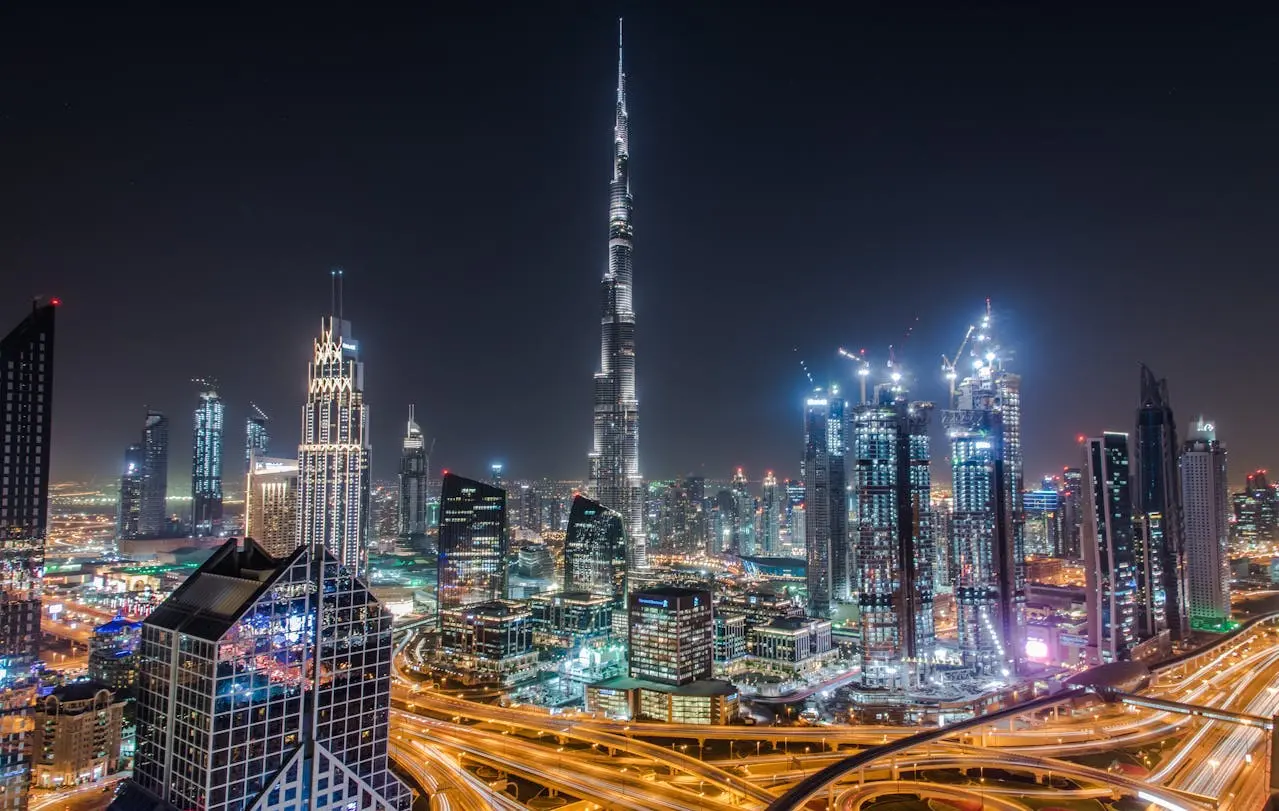
1. Dubai, UAE: 94/100
Dubai is the most frictionless real estate market on earth for a foreign buyer, and it is not close.
Foreign nationals take 100% ownership of property and land in perpetuity, but only inside designated freehold zones. There are roughly forty of them. Older districts like Deira and Al Karama remain closed. Inside the zones, no residency, sponsor, or local bank account is required. A valid passport starts the transaction.
Title transfers at the Dubai Land Department in a single day. No lawyer is mandated. Off-plan purchases sit behind RERA escrow protection, and non-residents can secure mortgages from a 20% deposit.
The residency ladder is clear: AED 750,000 buys a renewable two-year visa; AED 2 million secures the ten-year Golden Visa.
Cost of Purchase: 7% to 9% all-in. The 4% DLD transfer fee, roughly 2% agency commission, plus registration trustee and administrative charges. No annual property tax, no capital gains tax, and no rental income tax.
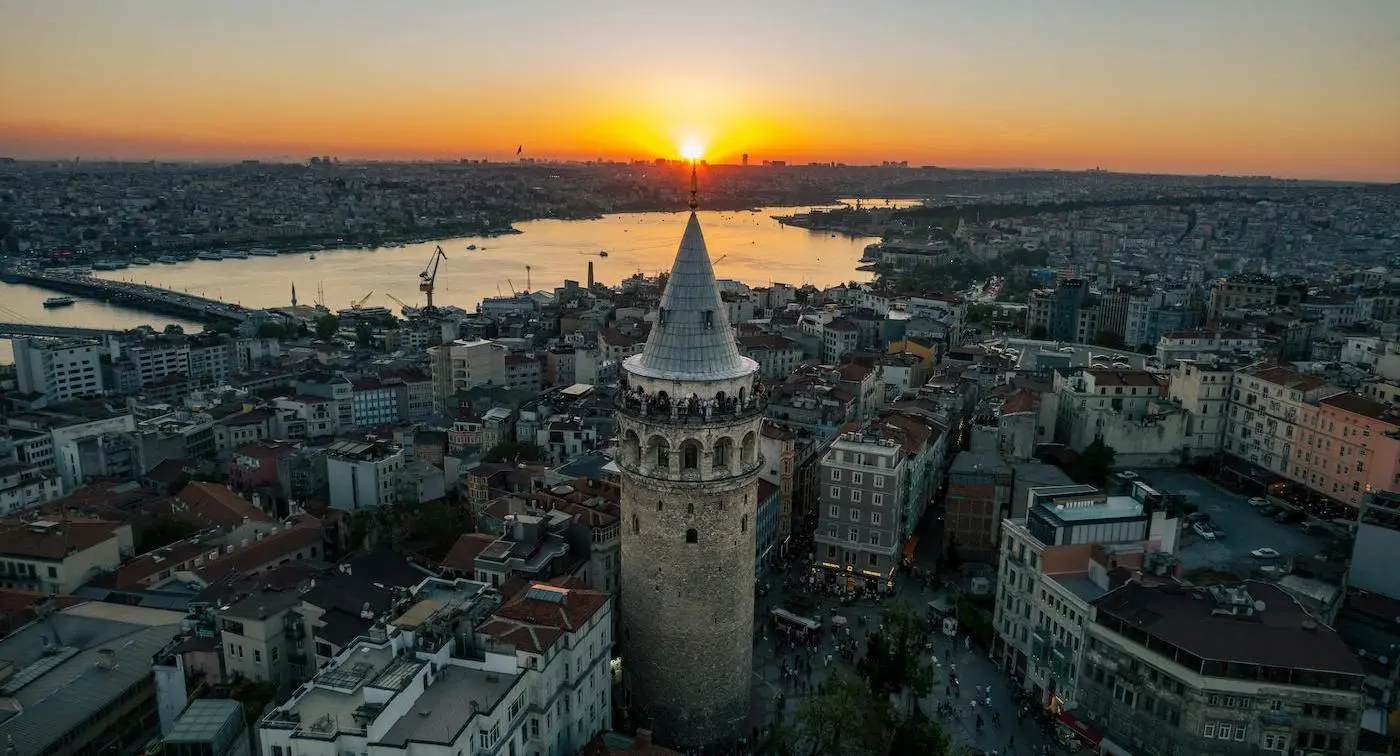
2. Turkey: 74/100
Turkey offers the strongest freehold proposition outside the Gulf, and the only citizenship route in this comparison.
Foreign buyers receive a full Tapu – absolute Title Deed, in their own name with no expiry. Citizens of 184 countries qualify. Caps exist: 30 hectares per person nationally, no more than 10% of any single district, and military or security zones are excluded outright. In practice, in Bodrum, Istanbul, Antalya or Izmir, none of this touches a normal residential purchase.
Registration itself is fast – the transfer completes in a day at the Tapu Müdürlüğü, or through a notary since 2023. Realistically, budget two to four weeks end to end.
The friction is front-loaded and procedural. A government-licensed valuation report is mandatory: $300 to $500 USD, three to seven business days, and valid for three months. Funds must be converted into Lira through a Turkish bank, generating a DAB certificate. Without it, the Land Registry will not transfer Title. You will need a tax number and a Turkish bank account.
None of this is difficult. All of it is a trap for the unrepresented buyer.
Turkish Citizenship by Investment: Remains at $400,000 USD, held for three years, with a non-sale annotation placed on the Title Deed. Spouse and children under 18 are included. Three to six months to passport. Critical point most agencies gloss over: the valuation figure, not the contract price, is what counts against the threshold.
Cost of Purchase: Approximately 6% all-in. The 4% Title Deed tax (customarily borne entirely by the buyer in Turkish market practice), plus legal representation, valuation, translation, notary, and DASK earthquake insurance. Holding taxes are among the lowest in this group.
3. Los Angeles, USA: 70/100
America is wide open on the way in and expensive on the way out. There are no federal restrictions on foreign ownership. No visa, no green card, no citizenship. You can buy without ever entering the country, and you take fee simple Title with no ceiling on what you own.
The picture is changing at state level, however. More than 20 states have now enacted or proposed laws restricting foreign real estate ownership, and agricultural land over ten acres triggers federal AFIDA reporting. Escrow typically runs 30 to 45 days.
The sting is fiscal. FIRPTA withholds 15% of the gross sale price when a foreign owner sells – not the gain, the whole price. California adds its own non-resident withholding on top. Los Angeles County property tax runs around 1.25% annually. And the one that catches families badly: non-resident aliens receive a US estate tax exemption of just $60,000 USD, against rates reaching 40%.
Inside LA city limits, Measure ULA adds a further 4% transfer tax above roughly $5.4 million USD and 5.5% above $10.9 million USD – charged on the full sale price. Seller-side, but it caps your exit.
Cost of Purchase: 2% to 5%. Escrow, title insurance, recording, lender, and attorney fees. Cheap to enter. The bill arrives later.

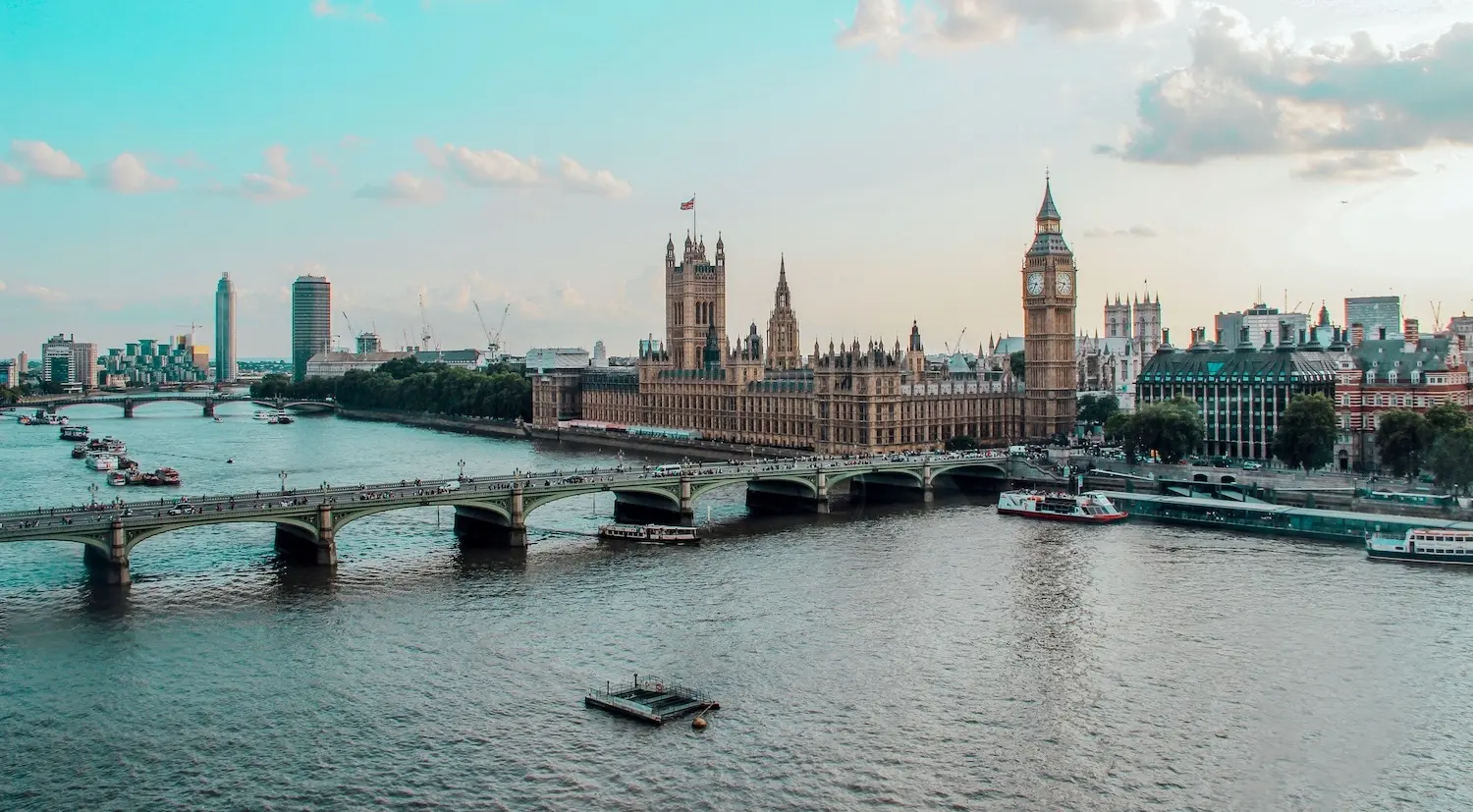
4. The United Kingdom: 69/100
Britain restricts nobody and taxes everybody. There are no nationality restrictions of any kind. Freehold is unrestricted, though much of London's flat stock is leasehold by nature and requires separate scrutiny. That openness is genuine and worth something.
Then the costs land. Non-UK residents pay a 2% surcharge on top of standard stamp duty, which stacks with the 5% additional-dwelling surcharge, taking the effective top rate to 19% on property above £1.5 million. A non-resident buying a £400,000 second property pays £35,500 in SDLT alone. Conveyancing runs 8 to 16 weeks, and a solicitor is effectively compulsory.
Cost of Purchase: 6% to 13%. Entirely dependent on price band and whether it is an additional dwelling. At the top of the market, the worst entry cost in this comparison by a wide margin.
5. Thailand: 50/100
Structurally capped, and the workaround has just been closed. Foreigners cannot own land in Thailand. Not villas, not townhouses, no exceptions under the Land Code. Condominiums are the only residential asset available in true freehold, and even then, capped at 49% of a building's registered floor area – a quota unchanged since 1979. Once a building's foreign quota is exhausted, you are into leasehold or nothing.
Purchase funds must be remitted from overseas in foreign currency to register freehold. That is a legal prerequisite, not a formality.
And the Thai-company structure that foreign buyers relied on for two decades is now being prosecuted. The 2025–26 nominee crackdown has targeted over 46,000 companies with more than 850 prosecutions, and the Land Department is cross-checking corporate ownership against land Titles.
Cost of Purchase: 3% to 6% buyer share. The 2% Land Office transfer fee is customarily split, with stamp duty at 0.5% or Specific Business Tax at 3.3% falling to the seller. Total transaction cost typically lands at 6% to 8% across both parties.
Summary Table
| Rank |
Jurisdiction |
Score |
Freehold to Foreigners |
Title Registration |
Cost of Purchase |
Residency / Citizenship |
| 1 |
Dubai, UAE |
94 |
Yes, designated zones only |
Same day |
7% to 9% |
Golden Visa from AED 2 million |
| 2 |
Turkey |
74 |
Yes, full Tapu, minor caps |
1 day to 4 weeks |
6% |
Citizenship at $400,000 USD |
| 3 |
Los Angeles, USA |
70 |
Yes, fee simple, unrestricted |
30 to 45 days |
2% to 5% |
None |
| 4 |
United Kingdom |
69 |
Yes, fully unrestricted |
8 to 16 weeks |
6% to 13% |
None |
| 5 |
Thailand |
50 |
Condos only, 49% quota |
Same day at Land Office |
3% to 6% |
None |
What This Actually Tells You
Dubai wins on pure mechanics and deserves to. If your only criterion is speed and simplicity, buy there.
But note what the index measures and what it does not. It measures ease of acquisition. It says nothing about entry price, yield, or where the growth is. Dubai's frictionlessness is priced in – you pay for it at the door.
Turkey's second place is the interesting result. It carries more procedural steps than Dubai, and we have not pretended otherwise. What it delivers in exchange is genuine freehold Title at a fraction of Gulf pricing, the lowest total transaction cost in this comparison at around 6%, holding taxes that barely register, and the only route in this group that ends in a second passport for your family.
The two Anglo markets are the cautionary tale. Both are perfectly open on ownership and brutal on tax – the UK on the way in at up to 19%, America on the way out at 15% of gross. Openness is not the same as accessibility.
Thailand is the clearest warning of all. A market that looked accessible for 20 years because everyone was using a structure that is now being prosecuted.
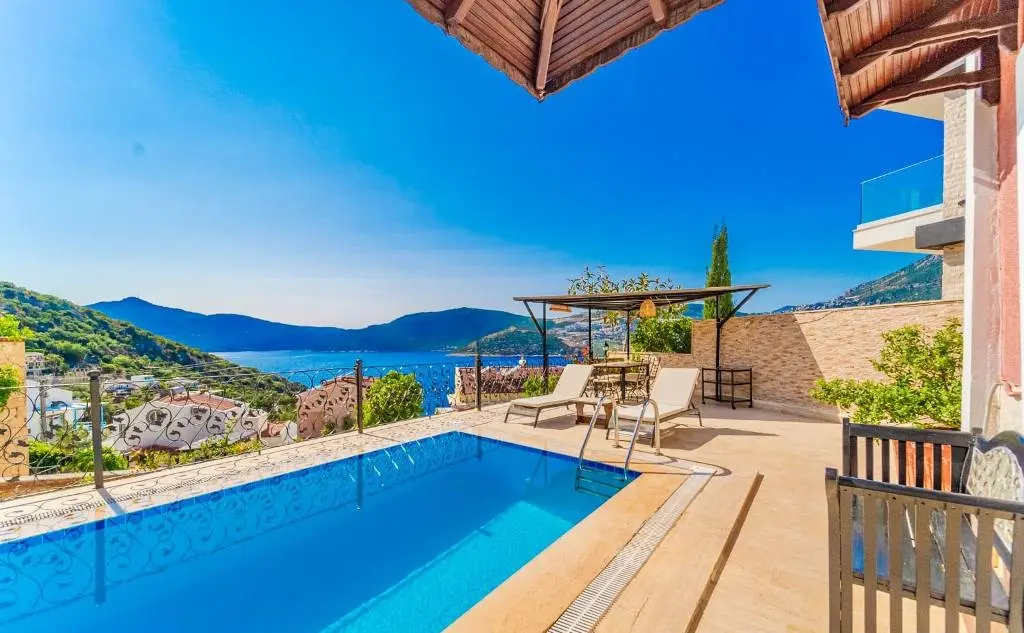
Compare Turkey with Your Other Options
Property Turkey has advised international buyers on Turkish real estate since 2001. If you are weighing Turkey against another jurisdiction, we will give you the honest comparison, including the cases where the answer is not Turkey.
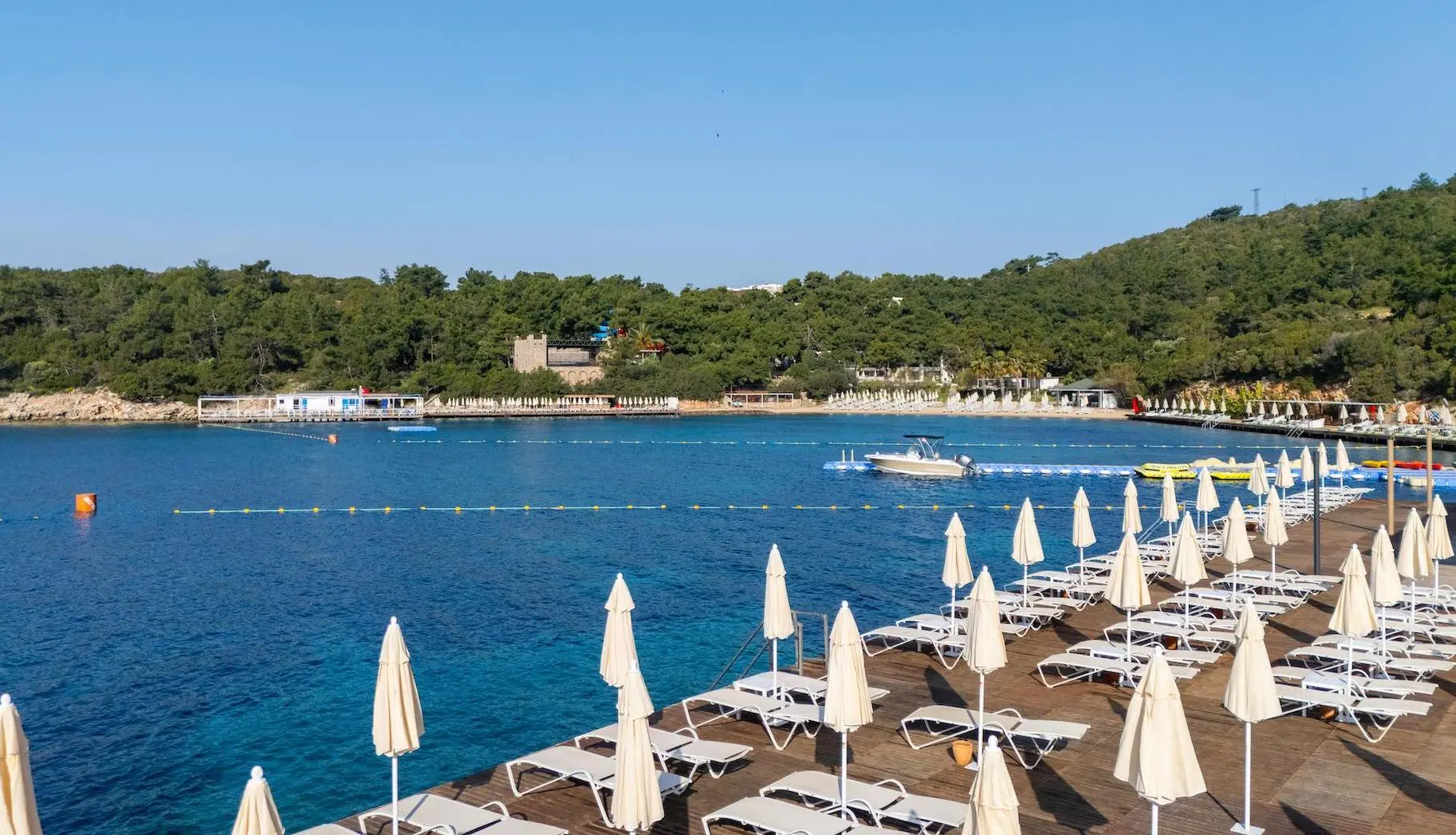
If Turkey is on your shortlist, contact Property Turkey today for a free consultation with our local advisors. We will compare suitable locations, explain the buying process, and help you assess the right property confidently.
NOTE: Figures current as of August 2026. Tax rates, thresholds, and eligibility criteria change; verify before committing capital.
Nezir Can  Operations Manager
Nezir 'Nez' Can is Operations Manager at Property Turkey and a contributor on Turkish culture, lifestyle, and everyday life across the country. Since joining the company, he has helped international readers better understand what it is like to live, work, and settle in Turkey.
View full author profile →




 By:
By:
 Bodrum
  4
4  5
5 





 X
X