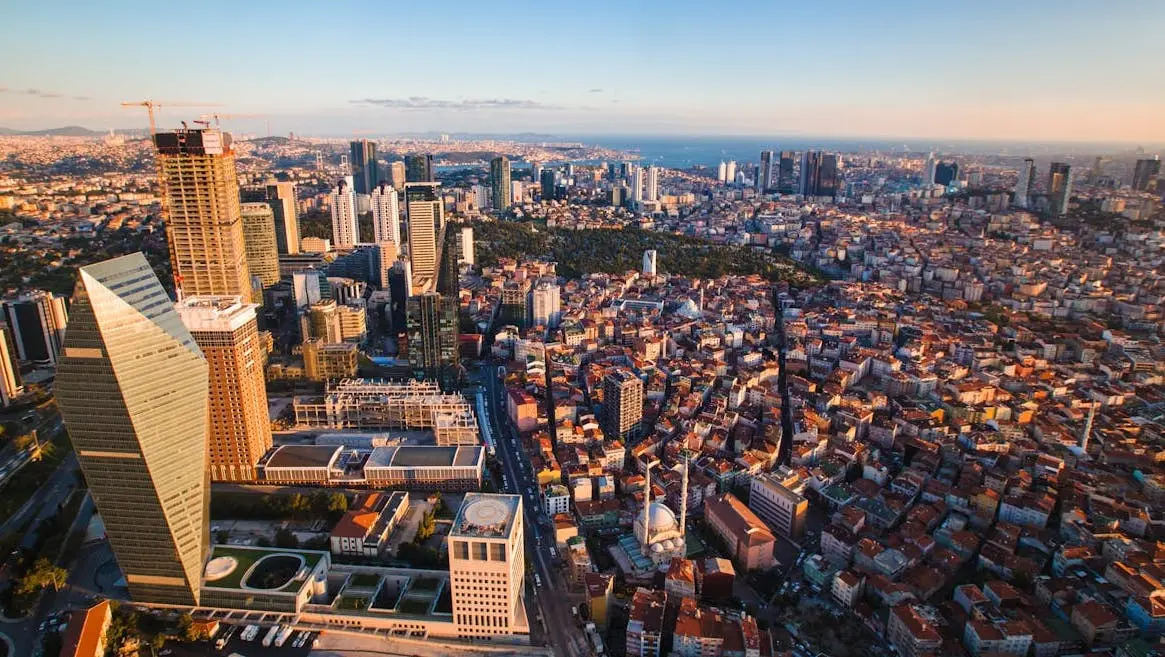
Urban Regeneration is one of the most powerful forces shaping Istanbul’s property market today. Across the city, ageing building stock is being replaced by modern, earthquake-resilient developments. Entire districts are being redesigned with new infrastructure, transport links, and residential towers. For property buyers and investors, Regeneration is essential to understanding where Istanbul’s real estate market is heading.
Key Takeaways for Investors
- Regeneration areas often outperform the wider Istanbul property market.
- Central districts undergoing transformation attract stronger rental demand.
- Early entry into Regeneration Zones offers higher long-term growth potential.
- Location quality and developer credibility also determine performance.
- Regeneration should be viewed as a medium- to long-term strategy.
What is Urban Regeneration in Istanbul
In simple terms, Urban Regeneration in Istanbul refers to the large-scale transformation of older, often structurally vulnerable neighbourhoods into modern residential and mixed-use districts. While the process is driven partly by the need for earthquake safety, it is also tied to economic growth, urban planning, and the city’s ambition to remain a global metropolitan hub.
Over the past two decades, Regeneration has transformed numerous districts from low-rise, informal or outdated housing into high-rise residential and commercial centres. Some areas have seen extraordinary price growth and lifestyle improvements. Others have experienced complex social change, with both opportunities and challenges emerging as neighbourhoods evolve.
For investors and lifestyle buyers looking at buying Istanbul properties today, Urban Regeneration is not just a government policy initiative – it is a key driver of capital growth, rental demand, and long-term property value.
Why Urban Regeneration Matters in Istanbul
Istanbul is a city of over 16 million people, with building stock ranging from centuries-old structures to modern high-rises. Much of the older housing was constructed before modern seismic regulations were introduced. This has created a strong policy focus on replacing or strengthening buildings considered at risk.
The result has been one of the largest Urban Regeneration programmes in Europe. The Turkish government’s transformation strategy has three main objectives:
2. Urban Renewal – Modernising local infrastructure, public spaces, and transport.
3. Economic Development – Creating higher-value districts and attracting investment.
How Regeneration Drives Istanbul Property Prices
1. Replacement of Old Stock with New Developments: New buildings command higher prices due to newer modern designs, on-site amenities, and better safety standards. Buyers are willing to pay a premium for earthquake-compliant properties.
2. Local Infrastructure Improvements: Local transport links, metro extensions, and road upgrades often accompany residential Regeneration projects in Istanbul. Accessibility improvements typically lead to price appreciation for early investors.
3. Changing Tenant Profiles and ROI: As new developments attract professionals and higher-income residents to relocate, rental values and Return on Investment rise. This increases overall yields and leads to more investor interest.
4. Increased Liquidity of Properties: Modern developments are easier for investors to finance, rent out, and eventually resell. This improves overall market liquidity and supports long-term price growth and capital appreciation.
Urban Regeneration Winners of the Past 20 Years
Over the past two decades, several districts across Istanbul have significantly outperformed the citywide property average due to large-scale Regeneration, infrastructure upgrades, and the replacement of ageing housing stock with modern developments that attracted higher-income residents, investors, and stronger long-term rental demand.
1. Fikirtepe (Kadıköy)
Fikirtepe has become one of Istanbul’s most visible Urban Regeneration stories. Once characterised by low-rise informal housing, the area has transformed into a skyline of modern high-rise residential towers and branded developments, creating an entirely new residential district on the Asian side.
Key Drivers of Growth:
- Central location on the Asian side.
- Proximity to Kadıköy and major transport routes.
- Large-scale developer investment.
- Modern residential real estate supply.
As older housing stock was replaced by new residential projects, both sale prices and rents increased. The district’s tenant profile shifted towards professionals and middle-income households. This “new district” effect led to stronger performance relative to the broader Istanbul property market.
2. Kağıthane (Levent–Maslak Axis)
Kağıthane’s Urban Transformation has been driven by its proximity to Istanbul’s financial districts and city centre. Historically known for industrial use and lower-grade housing, the area has undergone extensive redevelopment into a modern residential and commercial extension of Levent and Maslak.
As Regeneration progressed, Kağıthane moved from a secondary district to a central residential hub. Property values increased significantly faster than the Istanbul average due to improved accessibility, stronger rental demand, and the introduction of higher-quality developments.
3. Tarlabaşı (Beyoğlu)
Tarlabaşı has experienced one of the most dramatic Regeneration processes in central Istanbul. Located near Taksim Square, the district underwent extensive renewal that replaced ageing historic building stock with restored and newly built residential and commercial properties.
Key Drivers of Growth:
- Central location near Taksim and Beyoğlu.
- Large-scale renewal of historic building stock.
- Tourism and short-term rental demand.
- Private developer-led Regeneration.
Urban Renewal in Tarlabaşı produced sharp property value increases and a major socioeconomic shift. The introduction of modern residential and mixed-use developments created significant price uplift relative to the Istanbul average, driven largely by location and new-build premiums.
4. Sulukule (Fatih)
Sulukule’s Regeneration replaced older housing stock with new residential developments in one of Istanbul’s most historic districts. Located within central Fatih, the transformation introduced modern housing supply into a traditionally low-rise area close to the historic peninsula.
Key Drivers of Growth:
- Central historic-peninsula location.
- Replacement of older housing with new-build projects.
- Improved building standards and safety.
- Demand for modern housing in central districts.
Property values rose primarily due to the introduction of new residential stock in a central location. The uplift was driven more by new-build premiums and improved housing quality than broad-based local income growth, but the area still outperformed parts of the wider Istanbul market.
5. Zeytinburnu Corridor (E-5 and Coastal Trend)
The Zeytinburnu corridor has seen steady Regeneration over the past two decades, particularly along the E-5 axis and coastal areas. Older buildings have gradually been replaced with modern residential developments, improving safety standards and overall property liquidity.
Key Drivers of Growth:
- Strategic location along the E-5 corridor.
- Coastal redevelopment trend.
- Replacement of ageing residential stock.
- Improved transport and infrastructure links.
As Regeneration progressed, property values rose steadily alongside broader Istanbul market growth. The area benefited from consistent demand for modern housing close to central districts, resulting in long-term price uplift and improved investor confidence.
Today’s Top Regeneration Zones: The Next Five Years
Over the next five years, several Istanbul districts are positioned to outperform the citywide property average as Regeneration projects progress, infrastructure improves, and new residential supply reaches completion. These areas combine central locations, visible transformation, and strong long-term demand for investors.
1. Kağıthane–Levent Fringe
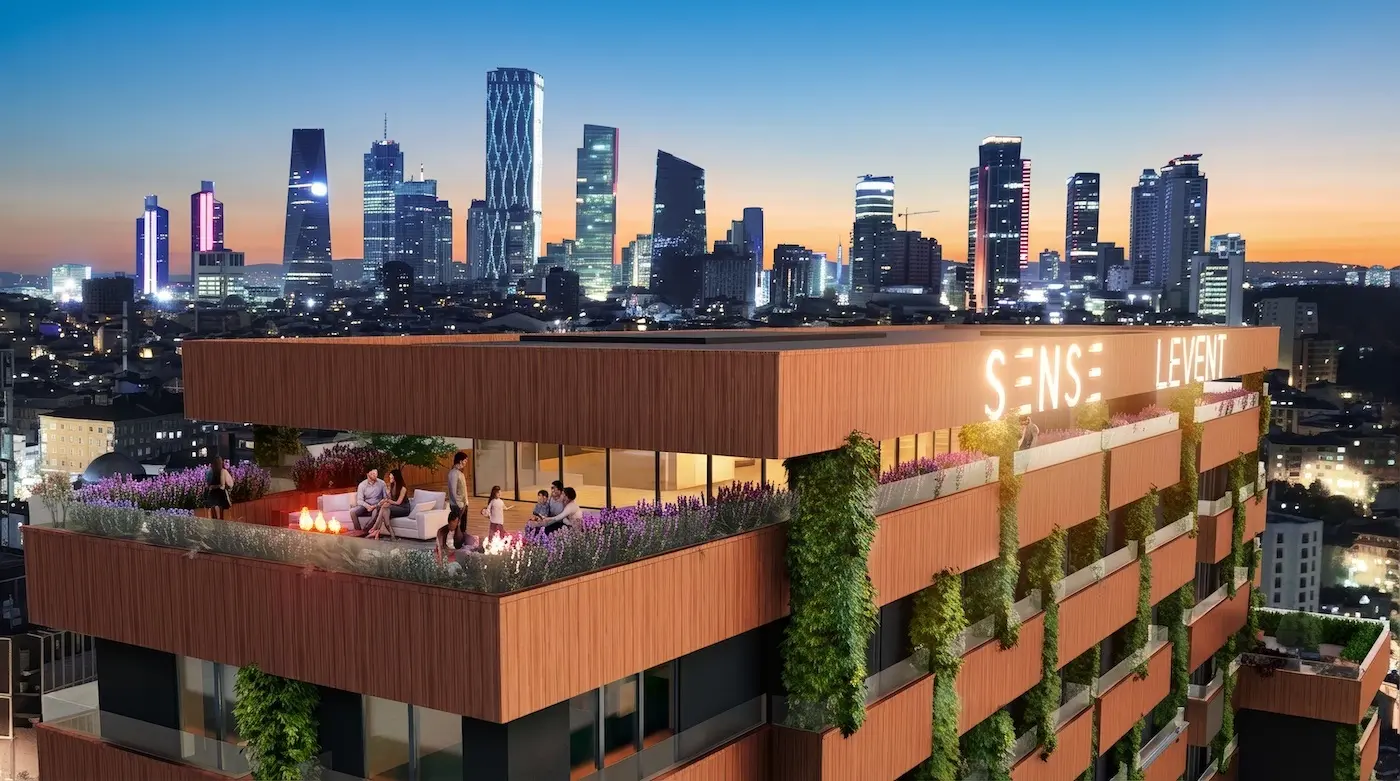
Areas around Çeliktepe, Hamidiye, and the Levent fringe (Sense Levent zone) are undergoing sustained Regeneration driven by proximity to Istanbul’s main financial districts. New residential towers, infrastructure upgrades, and office demand are reshaping the area into a prime central residential corridor with strong rental appeal.
Projected Impact: +15% to 35% outperformance vs Istanbul average over the next five years, assuming project delivery remains consistent.
2. Fikirtepe Completion Phases
Fikirtepe continues to evolve as remaining Regeneration phases reach completion and occupancy levels stabilise. With a growing skyline, improved amenities, and strong links to Kadıköy and the E-5 corridor, the district is maturing into a fully established high-rise residential hub on the Asian side.
Projected Impact: +10% to 25% outperformance vs Istanbul average over the next five years as absorption improves.
3. Gaziosmanpaşa Regeneration Zones
Large-scale transformation plans across Sarıgöl, Yenidoğan, and Yıldıztabya are positioning Gaziosmanpaşa as one of Istanbul’s significant Regeneration districts. Extensive redevelopment, improved transport connections, and replacement of ageing housing stock could unlock substantial value if delivery remains consistent.
Projected Impact: +10% to 30% outperformance vs Istanbul average, though returns will depend on execution timelines and infrastructure delivery.
4. Esenler Güney Project Area
The Esenler Güney Regeneration area represents one of the largest transformation footprints in Istanbul. New residential developments, infrastructure upgrades, and improved urban planning aim to replace outdated housing with safer, modern communities, and create stronger long-term residential demand across the district.
Projected Impact: +8% to 20% outperformance vs Istanbul average if infrastructure improvements and community facilities are delivered as planned.
5. Historic-Core Renewals (Select Beyoğlu and Fatih Pockets)
Targeted Regeneration in parts of Beyoğlu and Fatih is creating boutique opportunities where historic location meets modern housing supply. Select streets and micro-areas benefiting from restoration, tourism demand, and high-income residential interest may see steady but selective property value growth.
Projected Impact: +5% to 20% outperformance vs Istanbul average, though sensitive to planning policies, tourism trends, and local market dynamics.
Understanding Istanbul Outperformance
When discussing Regeneration-driven price growth, it is important to understand the baseline. Istanbul’s overall property price cycles are reflected in the Central Bank’s Residential Property Price Index (RPPI). Outperformance refers to growth above the citywide average, not guaranteed returns.
Investors Should Always Consider:
- Project delivery timelines.
- Infrastructure completion.
- Market cycles.
- Financing conditions.
Regeneration-driven outperformance in Istanbul also depends on delivery timelines, infrastructure completion, and sustained demand. Buyers should view projections as relative to city trends and focus on quality projects in areas demonstrating clear, long-term transformation.
The Investment Case for Regeneration Areas
Urban Regeneration zones across Istanbul attract investors looking for long-term capital growth, rental demand, and entry into central districts before prices mature. As infrastructure improves and new housing replaces older stock, these neighbourhoods move into mainstream buyer demand. Urban Regeneration zones attract investors for several reasons:
- Entry prices often lower than established prime areas.
- New infrastructure improves long-term appeal.
- Rental demand grows as districts modernise.
- Capital appreciation potential is higher.
For international buyers and domestic investors, Regeneration districts offer a mix of affordability and future growth. When projects are delivered successfully and neighbourhoods mature, these areas transition from emerging locations into stable and well-connected residential markets.
Risks and Considerations of Urban Regeneration
Urban Regeneration can deliver strong long-term capital growth, but timelines, project delivery, and local infrastructure all influence performance. Buyers should approach Regeneration zones with realistic expectations, focusing on location quality, developer credibility, and how quickly each district is likely to mature.
Regeneration Areas Can Carry Certain Risks:
- Project delays due to planning approvals or phased construction.
- Large volumes of new supply affecting short-term resale values.
- Infrastructure delivery not always matching initial timelines.
- Micro-location differences within wider Regeneration zones.
- Developer quality and build standards varying by project.
For buyers, careful selection is essential. Well-located projects near transport, business districts, and established demand perform best. Regeneration remains a medium- to long-term investment strategy, with strongest returns seen once neighbourhoods are fully completed and absorbed. Working with experienced local advisors is essential when investing in Regeneration zones.
The Future of Istanbul’s Urban Transformation
Urban Regeneration will remain central to Istanbul’s development strategy over the coming decades. As the city continues to grow and modernise, more districts will undergo Transformation with new housing stock and infrastructure improvements influencing where buyers invest.
Key Trends Shaping the Future:
- Increased focus on earthquake resilience.
- Mixed-use developments.
- Improved public transport.
- Sustainable urban planning.
Over the past 20 years, districts such as Fikirtepe and Kağıthane have demonstrated how transformation can drive significant price growth and create new residential hubs. For buyers and investors, understanding where Regeneration is heading provides insight into long-term property performance. As projects complete and districts mature, well-located Regeneration zones will shape residential demand and future investment opportunities.
Invest in Istanbul Regeneration Areas with Property Turkey
Property Turkey has been advising international buyers on Istanbul property and Regeneration areas for over 20 years, tracking district-level price trends, infrastructure investment, and emerging neighbourhoods across both the European and Asian sides of the city. This long-term market presence provides on-the-ground insight into how Urban Regeneration impacts property values, rental demand, and long-term investment performance. Contact us today for a free consultation with our local advisors in Istanbul.
FAQs About Urban Regeneration in Istanbul
Q: Is Urban Regeneration increasing property prices in Istanbul?
A: Yes. In many districts, Regeneration has replaced older housing stock with modern developments, improving infrastructure and attracting higher-income tenants. This results in stronger price growth and rental demand.
Q: Which areas in Istanbul benefit most from Regeneration?
A: Districts showing visible construction, infrastructure upgrades, and proximity to business centres perform best. Examples include Fikirtepe, Kağıthane, parts of Zeytinburnu, and emerging zones in Gaziosmanpaşa and Esenler.
Q: Are Regeneration Areas good for investment?
A: Regeneration Zones offer strong long-term capital growth, especially when bought early in the transformation cycle. Entry prices are lower than established areas, while improved infrastructure and housing supply support future demand.
Q: Is it risky to buy in Regeneration districts?
A: Regeneration investments carry medium-term timelines. Risks include project delays, large volumes of new supply, or infrastructure taking longer than expected. Choosing reputable developers and well-connected locations reduces risk.
Q: How long does Regeneration take in Istanbul?
A: Regeneration Zones develop over 5 to 10 years. Early phases may involve construction disruption, but once projects complete and occupancy stabilises, districts transition into established residential hubs with stronger price stability.
Q: What makes a Regeneration Area outperform the Istanbul average?
A: Outperformance occurs when Regeneration is visible, infrastructure is delivered on time, and the location is central or well-connected. Proximity to metro lines, business districts, and transport plays a major role.
Q: Are Regeneration Areas suitable for rental investment?
A: Modern developments in Regeneration districts attract professionals and middle-income tenants, supporting rental yields. Areas near metro lines and business districts offer the strongest rental demand and liquidity.
Q: What is the future of Regeneration in Istanbul?
A: Urban Transformation remains central to Istanbul. As older housing stock is replaced and infrastructure improves, new districts will continue emerging, creating opportunities for investors seeking long-term capital growth.
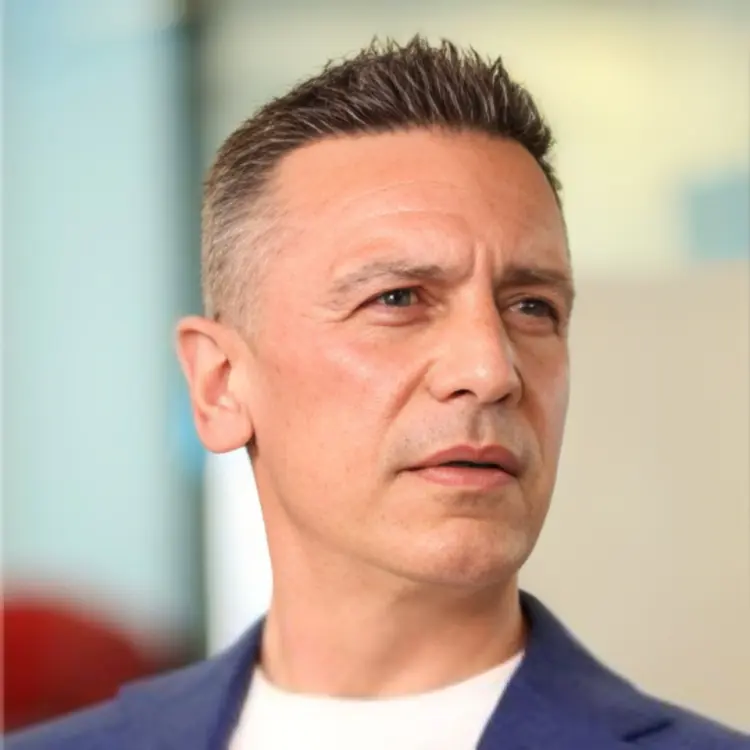
Cameron Deggin Founder & CEO, Property Turkey
Cameron Deggin is Founder and CEO of Property Turkey. A former finance professional and FCCA-qualified accountant, he founded the company in 2001 after recognising Turkey’s investment potential. With more than two decades analysing Turkish real estate, Cameron regularly advises international investors and is quoted by media including the Financial Times and BBC.




 By:
By:
 Founder & CEO, Property Turkey
 Bodrum
  2
2  1
1 





 X
X