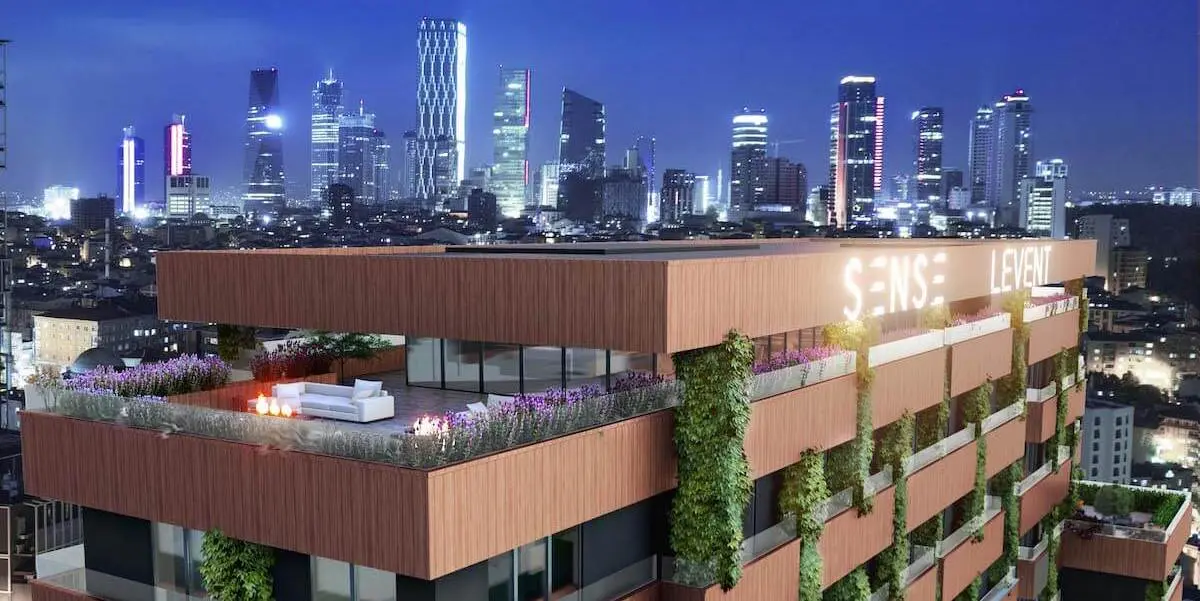
Levent in Istanbul is one of the most prominent neighbourhoods, and a real estate hotspot. Belonging to the official Besiktas district, on the European side, Istanbul Levent earns fame throughout the city and the country. As one of the best districts, particularly for residential comfort, business convenience, and lifestyle amenities, the area lies along Istanbul’s central business corridor and is home to iconic skyscrapers, including the TAT Towers, Metrocity Towers, İş Bankası Towers, and Emlak Kredi Bankası buildings. This makes it a prime commercial zone, heavily populated with corporate offices, financial institutions, and upscale residences.
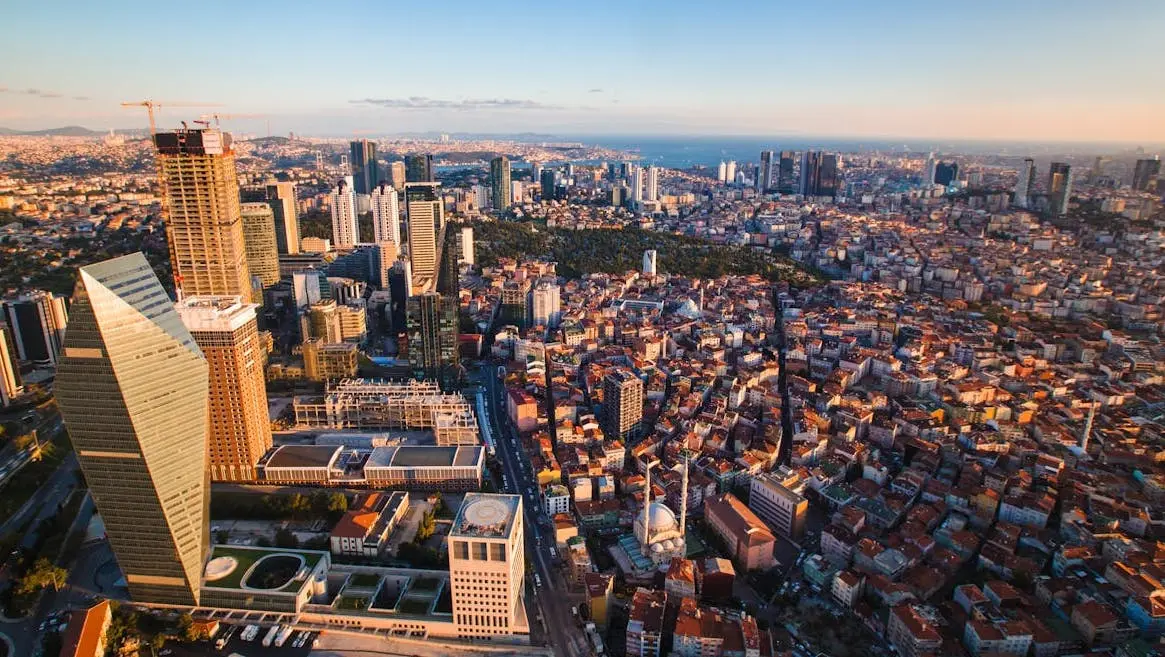
About Levent in Istanbul
The Birth of Modern Ottoman Reform
Today, Levent is known as one of Istanbul’s busiest financial districts, filled with skyscrapers and modern business complexes. However, few realise the pivotal role in Ottoman history during the late 18th century. Initially called Levend Çiftliği, Sultan Abdulhamid I gave the land to an Ottoman admiral. The name comes from the Ottoman naval infantry — “Levents” — elite soldiers whose name derived from the Italian word Levantino, meaning “of the East.”
The transformation from farmland to historical landmark began under Sultan Selim III, a reform-minded Ottoman ruler. When he came to power in 1789, Selim modernises the army along European lines. This new force was called the Nizam-ı Cedid, meaning "New Order." To train and house these modern troops, the very first Nizam-ı Cedid barracks were built here in the 1790s.
By the mid-20th century, it became a planned residential neighbourhood, and by the 1980s, rapidly rose into an important commercial centre. Yet beneath the modern skyline lies a deeper story, one that ties the neighbourhood to a pivotal moment in Ottoman history and the ambitious reforms.
Historically, Ottoman influences are evident in landmarks such as the Levent Mosque and the Water Tower, as well as nearby heritage sites like the Khedive Palace, tied to figures like Sultan Abdul Hamid I, Yavuz Sultan Selim, Fatih Sultan Mehmet, and Barbaros Hayrettin Pasha.
The Istanbul Sapphire Tower
The Istanbul Sapphire, completed in 2010 and opened in 2011, is a landmark skyscraper. Once Turkey's tallest building and among Europe's highest, it combines luxury residences, shops, entertainment, and observation decks in one 261-metre, 64-floor structure. Designed by Tabanlıoğlu Architects, it features a double-skin glass façade that reduces energy use by regulating the climate. The observation deck at 236 metres offers 360-degree views of Istanbul and a virtual reality flight simulator. Engineers excavated to a depth of over 42 metres for the foundations, utilising reinforced concrete and steel to ensure both strength and flexibility in this earthquake-prone area.
The Sabanci Centre
The Sabancı Centre, completed in 1993, symbolises Turkey's corporate growth and architectural innovation. Designed by Haluk Tümay and Ayhan Böke and developed by Koray Holding, this twin-tower office complex houses Akbank and Sabancı Holding headquarters. The taller tower is 158 metres with 39 floors; the shorter one is 140 metres with 34 floors. A proposed 220-metre third tower remains unbuilt. The complex includes a conference centre for 700 people and support facilities like restaurants, cafes, a travel agency, an in-house bank, dry cleaning, and ambulance services, creating a self-contained work environment.
Social Amenities
The central location near Şişli, Kağıthane, and Arnavutköy gives strong transport connections, including the Gayrettepe Subway Station and easy access to both the 15 July Martyrs Bridge and the Fatih Sultan Mehmet Bridge (Fatih Bridge). Nearby, is a wealth of high-end shopping centres, including Kanyon Mall, City Mall, Zorlu Centre, Akmerkez, and Vadistanbul Shopping Centre. For healthcare and education, top institutions such as Ozal Hospital, Bayındır Private Hospital, Gültepe Hospital, and nearby universities like Bosporus University, Galatasaray University, Yıldız Technical University, and Mimar Sinan University offer excellent services. Hotels like Hyatt Centric, Raffles Istanbul, and Upsuites Hotel cater to business travellers and tourists alike.
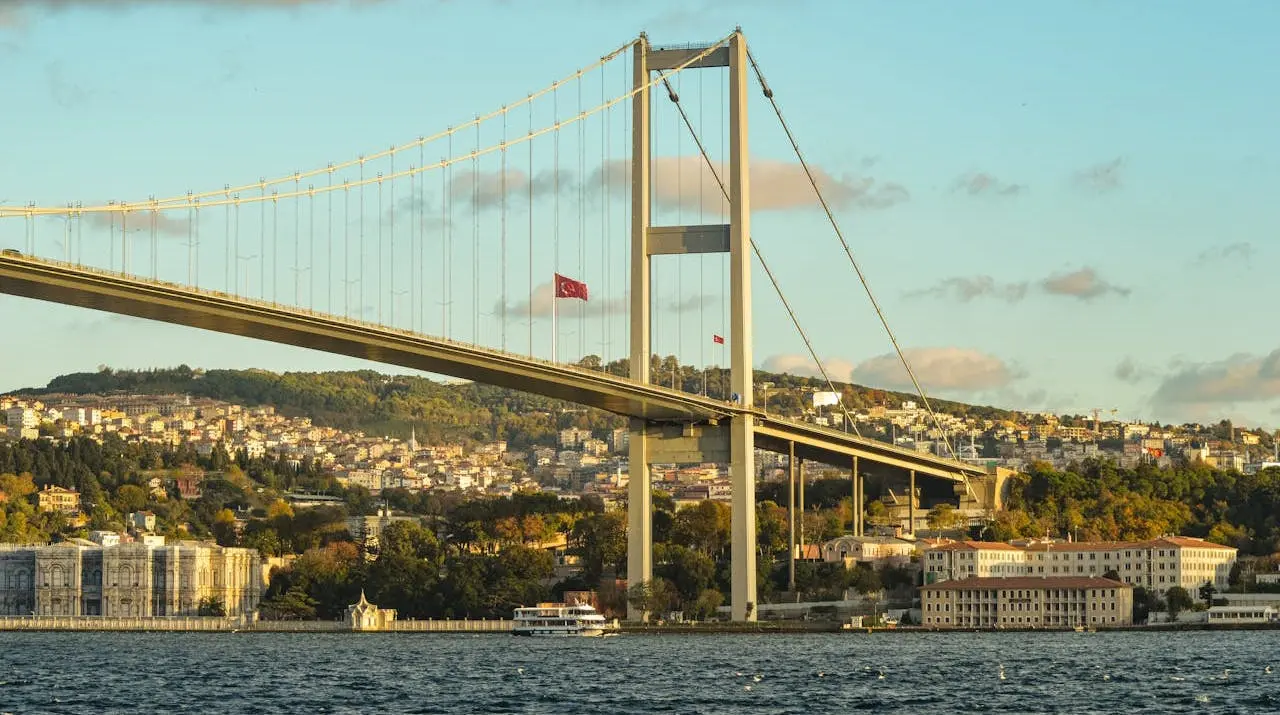
Buyukdere Avenue
Büyükdere Avenue (Turkish: Büyükdere Caddesi) is one of Istanbul’s most essential and busiest urban arteries. It runs through key districts like Şişli, Levent, and Maslak, forming the backbone of the city’s Central Business District (CBD). Known for the modern skyline, the avenue, lined with skyscrapers, corporate headquarters, luxury residences, and shopping malls, is a vital hub for both commercial and residential activity.
Along Büyükdere Avenue, sit iconic high-rise complexes and financial institutions, including the İş Bankası Towers, TAT Towers, Metrocity Towers, and the nearby Emlak Kredi Bankası and Emlak and Kredi Bank buildings. The avenue also provides access to world-class shopping centres such as Kanyon Shopping Mall, Levent Mall, and ÖzdilekPark. It serves as a direct corridor between Maslak, making it ideal for business operations and real estate investment.
Büyükdere Avenue is also extremely well-connected via public transport, including the M2 metro line, which stops at major stations like Şişli-Mecidiyeköy, Gayrettepe, and Maslak. Whether you're commuting to work, shopping, or exploring nearby cultural landmarks like Barbaros Hayrettin Pasha Mosque, this avenue places you in the centre of everything.
To the Maslak Area
Levent and Maslak are two prominent neighbouring districts, both known for their modern infrastructure and business centres. But they have some key differences in character and development.
Levent blends high-end commercial towers with upscale shopping malls, such as Kanyon and Özdilek Park, while also offering quieter residential streets tucked behind the commercial front. With more balanced urban vibes, where people work but also live and socialise, Levent is well-connected by the metro and sits slightly closer to central Istanbul, which makes the area convenient for both commuters and residents. The vibe is polished, cosmopolitan, and somewhat more mature compared to Maslak.
Maslak, by contrast, has developed as a central corporate hub, with dense clusters of modern office skyscrapers and luxury apartment complexes like 42 Maslak or Skyland. Maslak is more vertical and contemporary, catering heavily to white-collar professionals, multinational companies, and elite university campuses like Istanbul Technical University (ITU). It’s often perceived as more business-focused and less residential, although that perception is changing with the emergence of newer mixed-use developments. Maslak feels more modern and commercial, but less intimate or integrated into the traditional urban fabric of Istanbul.
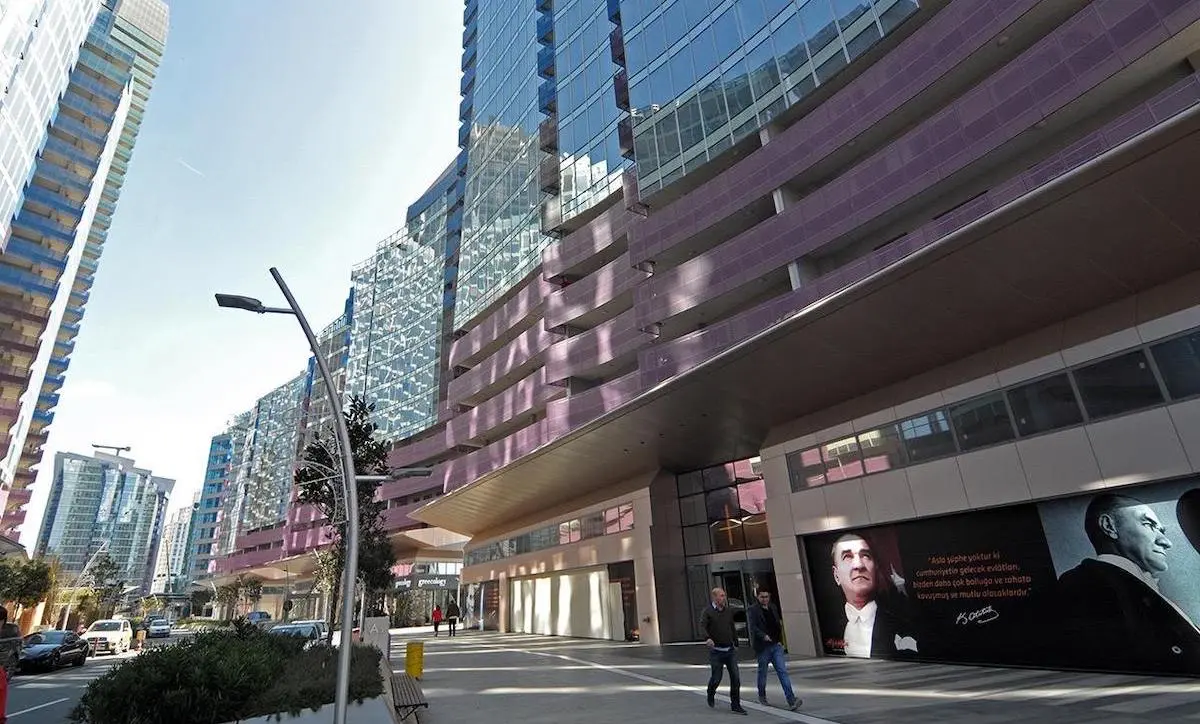
Part of the Larger Besiktas District
Levent belongs to the official Beşiktaş district. Although widely recognised as a business and finance hub, the roots of the area's development trace back to the Ottoman era, when it was used for both military and residential purposes. Over time, Levent evolved from a quiet suburb into a thriving urban centre, under the jurisdiction of Beşiktaş Municipality. This connection gives the same municipal services, infrastructure support, and cultural heritage that Beşiktaş is known for.
Being part of Beşiktaş also gives geographic advantages. The district borders central and prestigious areas, including Şişli, Kağıthane, and the Bosphorus shoreline. As a result, Levent benefits from the high-rise development of Büyükdere Avenue and the more traditional, historical identity. This enhances the value for residential and commercial purposes, blending green spaces, such as Levent Park, with corporate centres, hospitals, universities, and cultural sites. Levent’s role within Beşiktaş continues to grow, cementing the reputation as a dynamic and sought-after district.
Use Our Services
We are Property Turkey, and we sell apartments and villas in all significant areas of the country. As established real estate agents, we can assist you in purchasing a home in Istanbul. Our local knowledge and experience will help you take the first step toward becoming a homeowner quickly and easily. See our portfolio of properties here, or call an agent to find out more about Levent in Istanbul.
Nezir Can  Operations Manager
Nezir 'Nez' Can is Operations Manager at Property Turkey and a contributor on Turkish culture, lifestyle, and everyday life across the country. Since joining the company, he has helped international readers better understand what it is like to live, work, and settle in Turkey.
View full author profile →




 By:
By:
 Bodrum
  8
8  7
7 






 X
X