The new wave of LEED Gold buildings in Turkey shows just how much this country has advanced over the last 20 years. For decades, cranes dotting the skylines of Istanbul, Ankara, and Izmir, from huge airports to luxury resorts along the Aegean coast, have shown the booming economies and rapid urbanisation. But recently, a new priority has emerged: sustainability.
Turkey is fast becoming a European leader. It’s no longer just about tall skyscrapers; it’s about smart living. Turkey now ranks 5th in Europe for LEED (Leadership in Energy and Environmental Design) projects, with many Gold and Platinum projects.
When selling, Turkish developers emphasise "quality over quantity" and often certify large landmarks, such as Istanbul Airport, instead of smaller retail units. This article explores the Titans of Turkey’s sustainable landscape, explains what a LEED certification is, and why it matters when investing in construction and real estate.

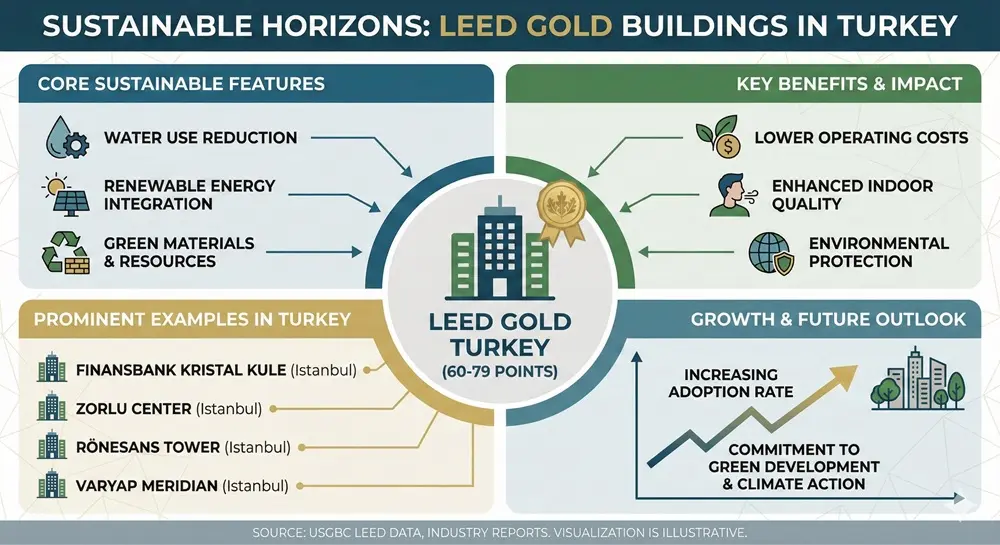
Quick Summary – LEED Gold Buildings in Turkey
Most projects are in Istanbul, Ankara, and Izmir, though tourism hubs like Bodrum and Antalya are now adopting standards to stay competitive in the international market.
- Istanbul Airport: The world's largest Gold-certified building with high water efficiency, achieving over a 50% reduction, and using recycled materials.
- Ankara High Speed Train Station: Is the first in Turkey to earn Gold in the Core and Shell category. Limak is the operator.
- Antalya Airport: The T2 International Terminal and T4 Domestic Terminal Extension were both awarded v4 certification.
- Hamlin Hall: The first historical Turkish landmark to achieve gold status.
- SANKO Holding Headquarters (Gaziantep): In late 2024, Blocks A and B won Gold for their great energy performance and sustainable site use.
- GAMA Holding: (Ankara): Turkey’s first building to get a LEED EB (Existing Building) Gold certificate.
- Allianz Tower (Istanbul): The office fit-out earned Gold in the Commercial Interiors category.
- Birleşim Grup Head Office (Istanbul): It was the first in the Dudullu Organised Industrial Zone to receive certification.
- Mercedes-Benz Otomotiv (Istanbul): Their Sariyer office holds LEED v4 Gold for Commercial Interiors.
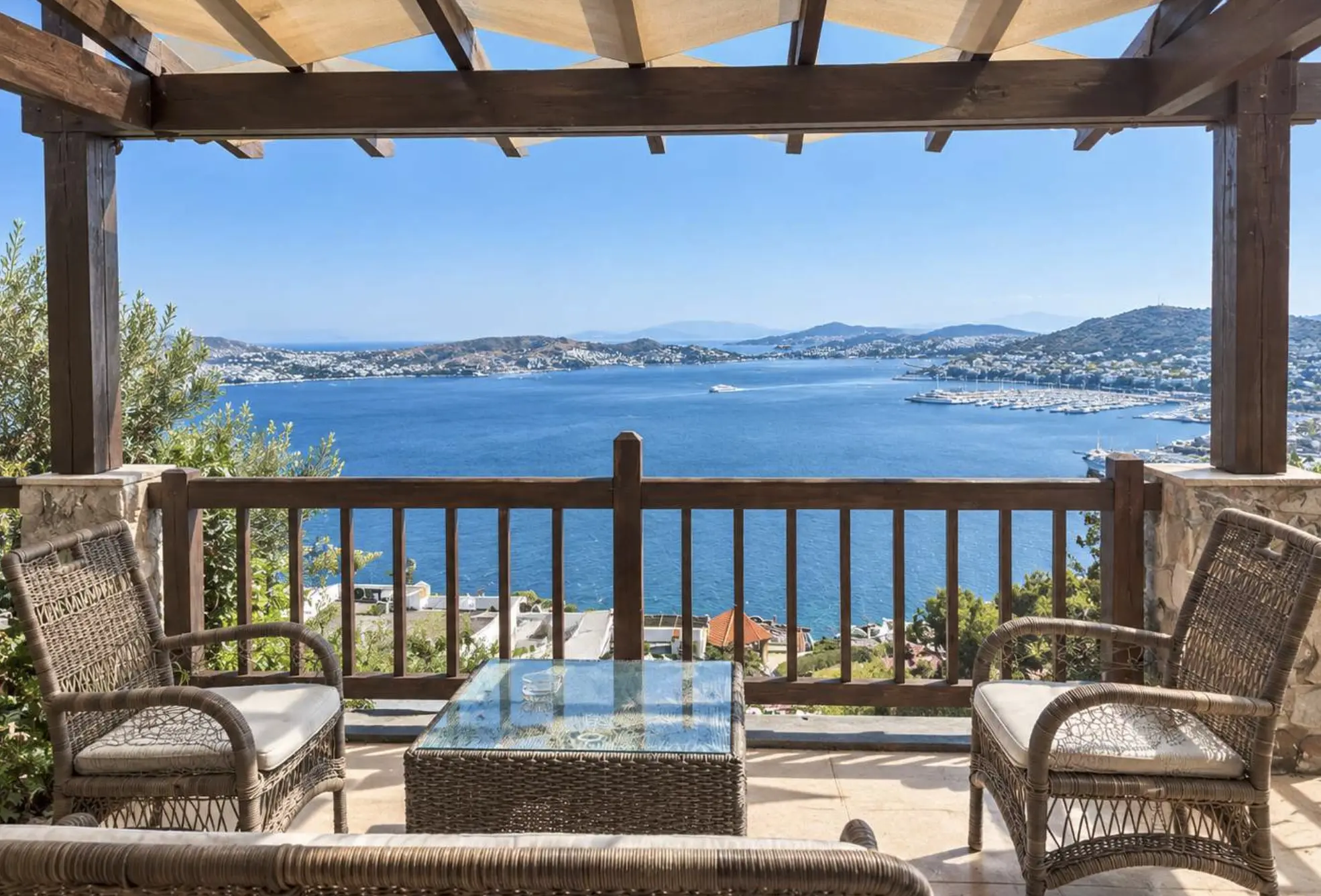
- Mandarin Oriental Bodrum: A prime example of luxury and sustainability. It features seawater purification systems and a wide network of electric vehicle charging stations.
- Migros Maya Bodrum: First to earn gold level certification in the LEED Retail New Construction category.
- Kempinski The Dome Belek Villas (Antalya): Recently awarded under v4 for hospitality projects.
- Workinn Hotel (Gebze): Known for being a Gold certified boutique "eco-hotel."
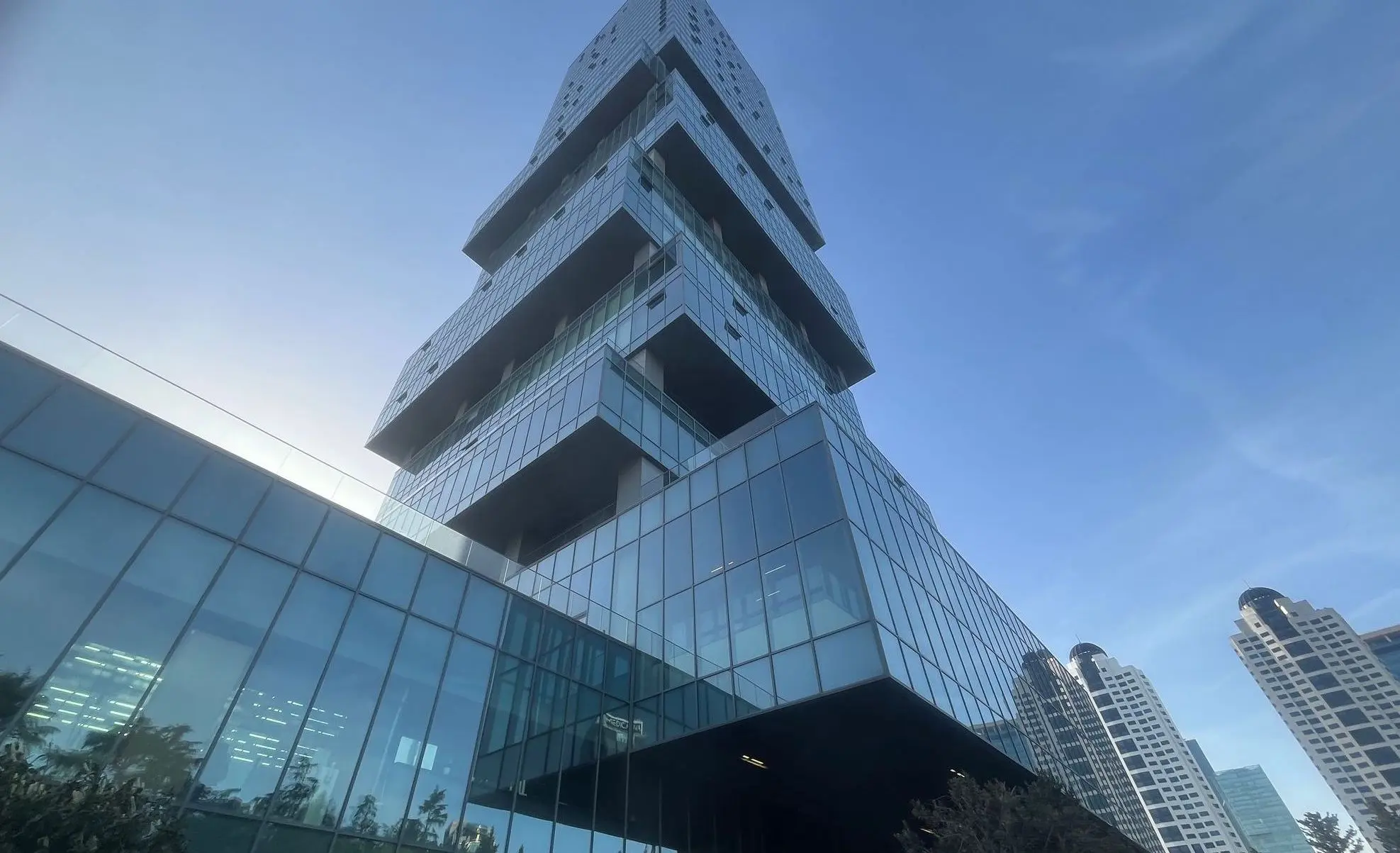
- Istanbloom (Zincirlikuyu, Istanbul): This 46-floor tower has residential and office spaces. It earned gold status for its high scores in building efficiency and indoor air quality.
- Narlife (Maltepe, Istanbul): A residential project consisting of three blocks (A, B, and C), all holding gold certifications.
- Lagom Natur Residences (Gaziantep): A large multi-family residential project by Sanko Tekstil that recently achieved Gold (August 2024).
About the LEED Certification
1: What is a LEED Gold Building
LEED stands for Leadership in Energy and Environmental Design. It is the most widely used green building rating system. Think of it as a nutrition label, but instead of calories and vitamins, it measures factors such as energy use, water efficiency, and indoor air quality.
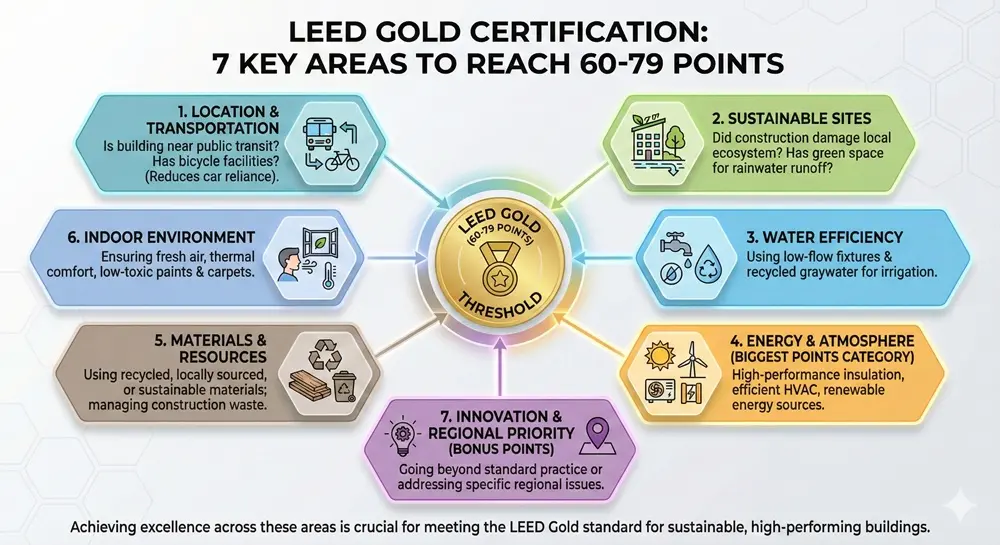
To gain gold, a structure must achieve a point score of 60 to 79 across various categories. These include energy and atmosphere, water efficiency, sustainable materials, and indoor environmental quality. A LEED Gold building has earned the second-highest sustainability certification from the U.S. Green Building Council to show environmental leadership.
2: Who is behind the LEED certification?
The U.S. Green Building Council (USGBC) developed the certification in the 1990s. While American in origin, it has become the global language for sustainability. In Turkey, local engineering and sustainability consulting firms often guide the certification process. They work with the USGBC to achieve international standards.
3: Where does it apply?
To virtually any building type, anywhere. You can certify a brand-new skyscraper in Maslak, Istanbul, or a historic renovation in Boğaziçi. Different rating systems depend on the project scope:
BD+C (Building Design and Construction): For entirely new buildings or major renovations.
ID+C (Interior Design and Construction): For tenants fitting out an office floor within a larger building.
O+M (Operations and Maintenance): For existing buildings that want to improve how they run.
4: How is it achieved?
To reach the 60–79-point threshold for Gold, a project must excel in several key areas:
- Location and Transportation: Is the building near public transit? Does it have bicycle facilities to reduce reliance on cars?
- Sustainable Sites: Did construction damage the local ecosystem? Is there green space to handle rainwater runoff?
- Water Efficiency: Using low-flow fixtures and recycled greywater for irrigation.
- Energy and Atmosphere: High-performance insulation, efficient HVAC systems, and renewable energy sources. This is usually the biggest points category.
- Materials and Resources: Using recycled, locally sourced, or sustainable materials, and managing construction waste.
- Indoor Environment: Ensuring fresh air, thermal comfort, and low-toxic paints and carpets.
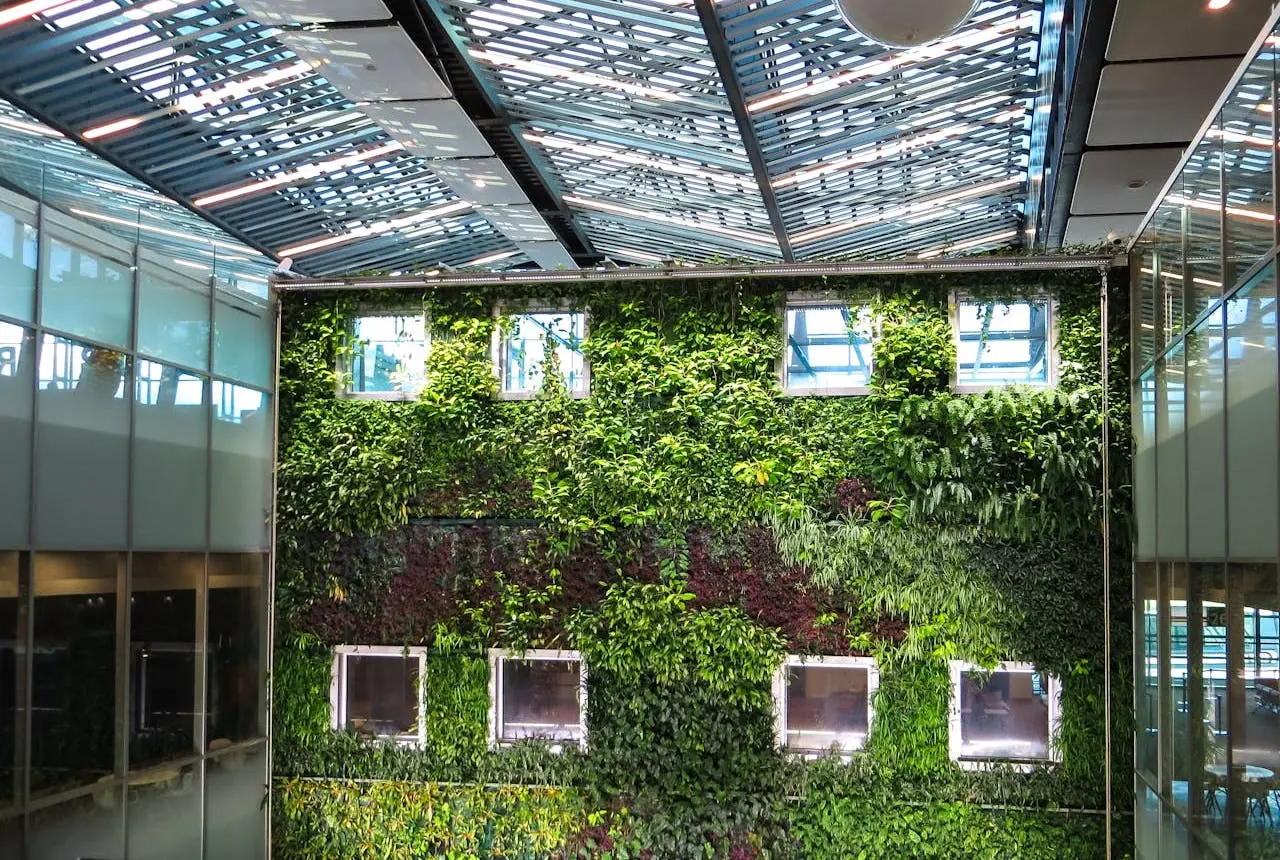
Deep Dive - The Giants of Infrastructure: Redefining Public Spaces
5: New Istanbul Airport Terminal Building
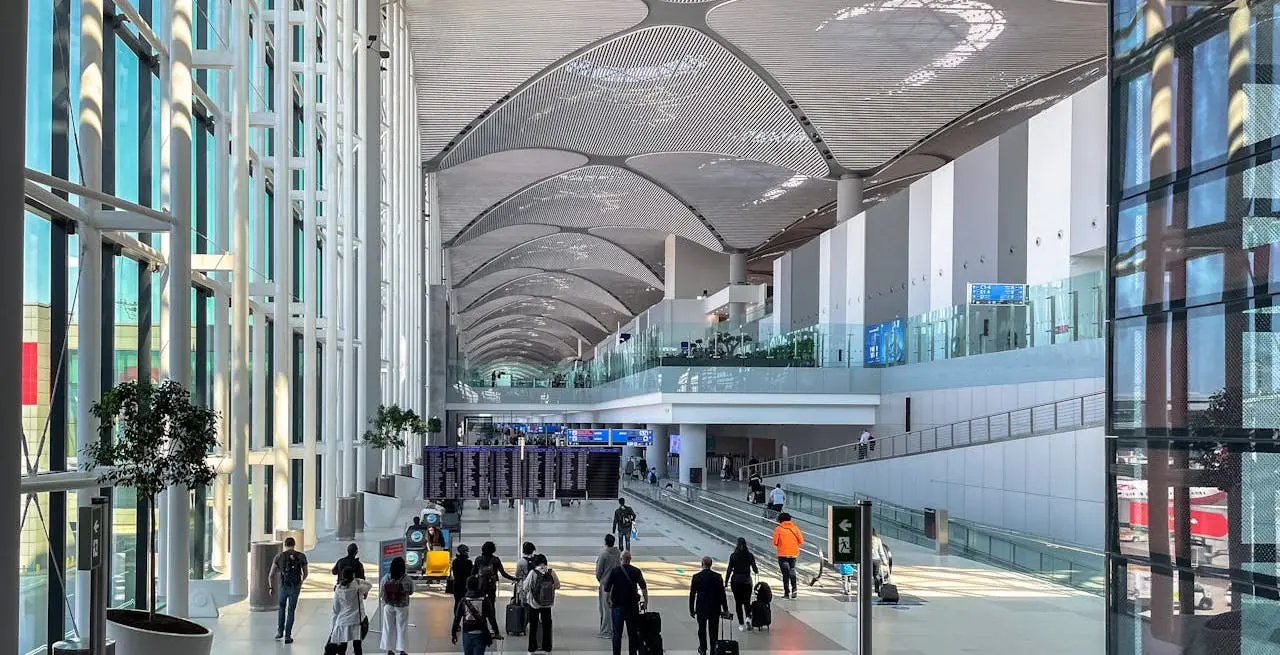
Istanbul Airport Terminal is the crown jewel of Turkish sustainable infrastructure. Being the largest LEED Gold-certified airport, the energy required to cool, heat, and light is immense. The airport achieved Gold through efficiency by addressing water scarcity and by using advanced fixture design and greywater recycling systems. This cuts water use by over 50% compared to a standard airport of the same size.
Grimshaw, Nordic Office of Architecture, and Haptic Architects collaborated on the design. Scott Brownrigg led the delivery. The terminal uses advanced water-saving technologies and has solid plans to manage construction waste, keeping most debris out of landfills.
6: Ankara High Speed Train Station
In the capital, the Ankara High Speed Train Station became the first Turkish train station to receive the gold award. Certified under the "Core and Shell" category, developers ensured the base structure, including the heating plants, outer walls, and main ventilation shafts, was highly efficient, so retail tenants inside could sustainably handle their own fit-outs. The station scored on sustainable sites. By locating a massive transit hub right in the city centre, it maximises connectivity and reduces the need for car travel, a core tenet of green urban planning.
7: Galata Cruise Ship Port
Galataport Istanbul is LEED Platinum certified, the highest rating. The project surpassed the original "Gold" target by implementing advanced engineering solutions that minimise its environmental impacts.
Galataport uses seawater hydrothermal cooling rather than traditional refrigerants, resulting in 34% energy savings and reducing the project's contribution to greenhouse gas emissions. The project aims to achieve a 50% reduction in water usage using water-saving technologies and high-efficiency fixtures.
The development prioritised local building materials to cut down the carbon footprint from transportation. It used high-performance materials for better insulation and indoor air quality. During the build, a strict waste management plan was in place. A dedicated marine team monitored the Bosphorus to prevent water pollution and protect the habitat.
Galata Port’s certification puts it among elite global retail and leisure spots. Its success, like that of Cevahir Shopping Centre and Istanbul Airport, shows that large-scale projects in Turkey are increasingly focused on energy-efficient systems and sustainable practices to combat global warming and safeguard the local ecosystem.
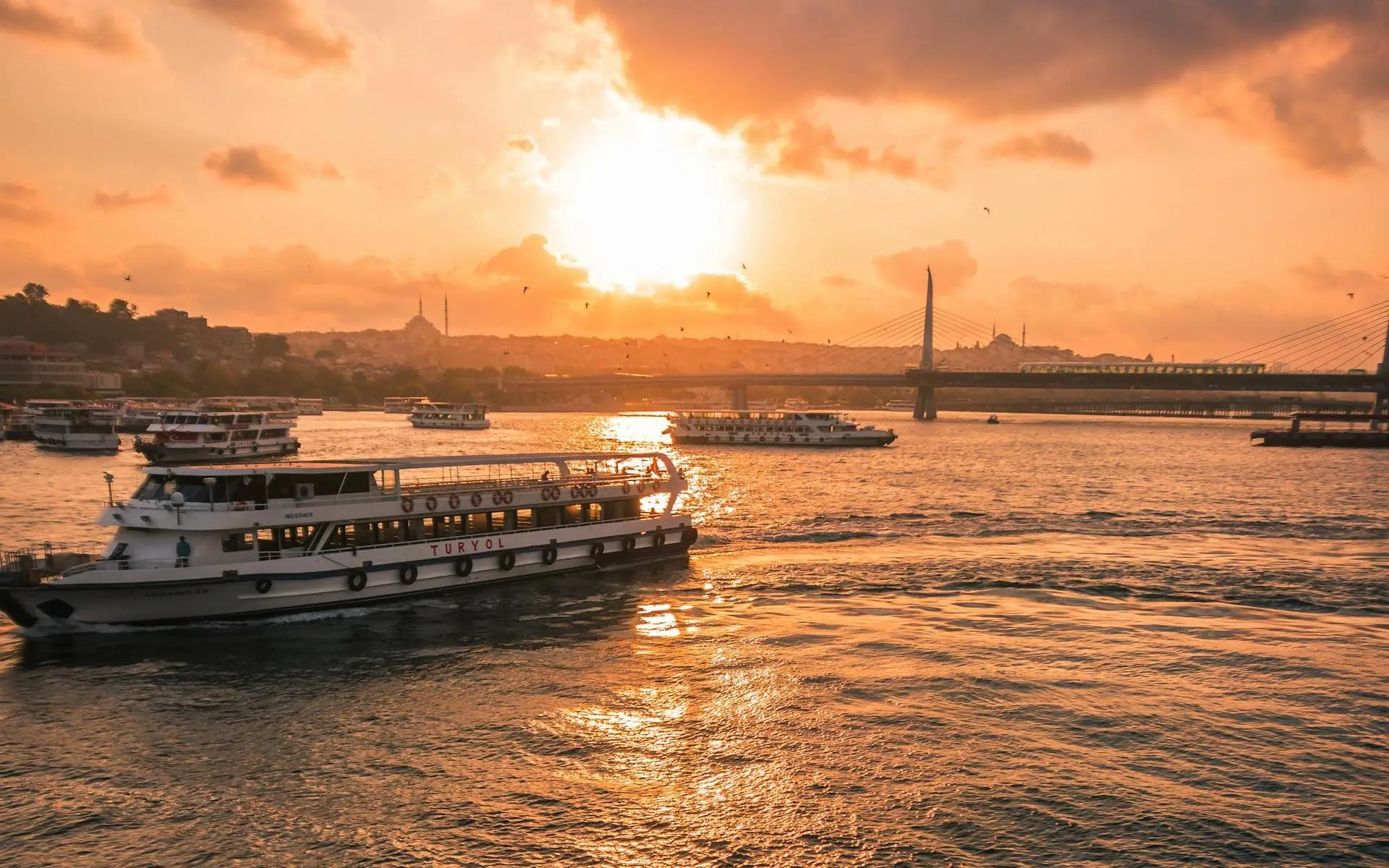
8: Istanbul Cevahir Alışveriş ve Eğlence Merkezi
In February 2024, Cevahir shopping centre earned its gold certification. Located in Sisli, they used the Altensis consultancy company and the Pradera management (on behalf of St. Martins Property).
For Energy Efficiency, Cevahir took a "data-first" approach: they conducted detailed energy audits to identify inefficiencies and "leakage" in the building's thermal envelope and mechanical systems. They revamped the Building Management System (BMS) to adjust heating and cooling based on real-time occupancy and outdoor temperatures.
The famous retail and leisure spot, managed by Pradera, recently earned v4.1 status in ‘Operations and Maintenance: Existing Buildings’. By reducing water use and upgrading energy-efficient systems, it shows how sustainable and recyclable materials can enhance older structures.
9: Istanbul Offices: Allianz Tower and Mercedes-Benz
In Istanbul's financial districts, the focus shifts to the interior environment. The Allianz Tower and the Mercedes-Benz office in Sariyer achieved LEED Gold for Commercial Interiors.
These projects prioritise employee health. They use furniture and paints that emit low VOCs, include ergonomic lighting to reduce eye strain, and ensure advanced air filtration. The business logic evokes a healthier environment with happier, more productive staff with fewer sick days.
10: Eser Holding Headquarters - Turkey’s first LEED Platinum-certified building
Eser Holding, the project owner, created a 7,500 m² space. They used ground-source heat pumps and tri-generation technology. Their energy analysis showed a 40% savings by focusing on eco-friendly materials, including certified wood, renewable resources, and local materials, to reduce transport emissions.
The Eser Holding Headquarters in Çankaya, Ankara, displays modern Turkish architecture and is the first Platinum-certified building. The Eser Holding building uses a"Tri-generation" system, which sets it apart from typical office designs. It uses about 50% less energy than other structures because of active and passive systems that combine rainwater harvesting with greywater treatment. Sustainability began during construction:
- 88% of construction waste was diverted from landfills and recycled.
- 44% of materials came from within 800km, reducing the carbon footprint associated with transport.
- The interior features recycled materials, including a unique café wall made from reclaimed "fire bricks."
Indoor Quality boosts the health of Eser Holding employees. CO2 sensors monitor air quality in real time. If levels rise, the ventilation system adds fresh air at 30% above standard. The layout ensures that most workstations have a direct view of the outside, maximising natural daylight.
When achieving the Platinum plaque in 2011, there were fewer than 30 LEED-certified buildings in Turkey. Now, there are nearly 1,000. The Eser Holding building is still a key case study for engineering students and architects in the Middle East and Europe.
11: Mandarin Oriental Bodrum
Bodrum is synonymous with high-end tourism, and the Mandarin Oriental balances ultra-luxury with rigorous demands for being “Green”. Located in a semi-arid region where water is precious, one key feature is the advanced seawater purification systems. Instead of using local freshwater, the hotel relies on seawater for many non-drinking needs. Also, aware of their guests' transport choices, they invested early in electric vehicle charging stations to future-proof the resort.
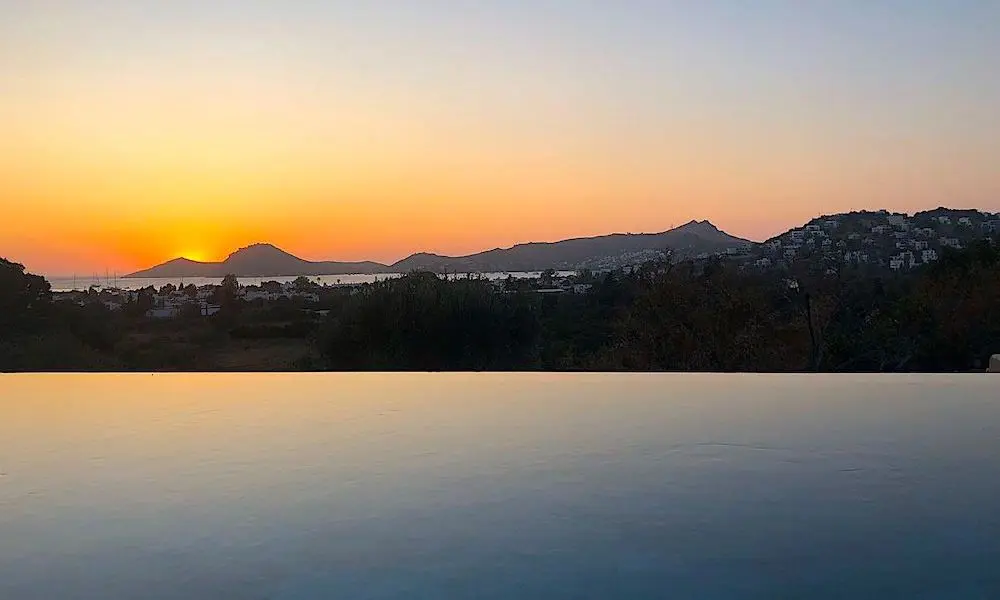
12: Kempinski the Dome Belek Villas (Antalya)
In the golfing hub of Antalya, the Kempinski villas recently earned Gold under the new v4 standards. Energy management in hospitality projects is tough, especially with separate villa units. Guests control their own thermostats, which complicates things. The Kempinski project used smart building automation and high-efficiency thermal envelopes, so even if guests turn up the A/C, energy waste stays low.
13: Istanbloom for Urban Vertical Living:
In the dense neighbourhood of Zincirlikuyu, Istanbul, the 46-floor Istanbloom tower represents the future of urban residential living. In a city famous for traffic and variable air quality, this sanctuary focused intensely on Indoor Environmental Quality. The living area features advanced filtration systems, ensuring residents breathe clean air regardless of outside traffic. It rates high on efficiency, so the 46-story tower won’t lead to high energy bills for residents or harm the planet.
14: Hamlin Hall (Boğaziçi University)
Hamlin Hall at Boğaziçi University is the first historical Turkish building to undergo a green renovation. Retrofitting a century-old stone landmark is incredibly difficult. The project team worked with care, upgrading heating systems, installing efficient lighting, and improving water fixtures. They left the beautiful exterior and historic corridors untouched to show sustainability isn’t just for modern glass towers, but also to bring our heritage into the 21st century.
Often Asked Questions and Answers
Q: How many LEED buildings are there?
The global landscape of green building has expanded. LEED is the world's most recognised sustainability benchmark with 195,000 LEED projects worldwide, spanning 186 countries. Regarding Turkey, they have achieved about 919 LEED certifications to date. In 2025, 69 major projects earned their plaques. Unlike some markets, where "Certified" or "Silver" levels are common, Turkey operates on high-performance tiers. Over 80% of projects aim for Gold or Platinum status. Developers use these credentials to attract international investors and meet EU export and compliance standards.
Q: What countries are LEED in?
LEED projects are in 186 countries and territories worldwide. The United States is still the largest market. However, international interest is growing. Now, over half of all LEED-certified spaces are outside the U.S. The global network includes over 195,000 projects, emphasising the move towards sustainable urban development in nearly every part of the world.
The 2025 annual ranking, released in February 2026, shows the markets with the most certified gross square metres (GSM). Vietnam made its debut in the top 10, while Sweden ranked as Europe’s best performer. After Sweden, the next most active markets are Spain, Italy, and Turkey. In Latin America, Brazil and Mexico lead, but Colombia and Chile are seeing more activity, especially in commercial offices.
In the Middle East, the UAE and Saudi Arabia are the main hubs. They have many "Giga-projects" to match their national sustainability goals. In Southeast Asia, alongside Vietnam, Thailand and Indonesia have seen a 15% increase in certification activity, mostly within the manufacturing and hospitality sectors.
Q: Which country is leading in green building certification?
The leader in green building certification varies by country and global growth. The latest USGBC report, released in February 2026, shows the United States is the largest market. In 2025, it certified over 50 million gross square metres (GSM) across more than 2,200 projects.
Summary and Final Thoughts
The shift from the carbon-heavy legacy of the Industrial Revolution to modern sustainable development has changed how we design urban environments. In Turkey, there is a strong commitment to reducing environmental impacts, such as greenhouse gas emissions, ozone depletion, and global warming. These issues lead to water pollution and melting glaciers.
The LEED framework provides a clear path to sustainable construction practices through several key categories for certification. These include sustainable land use, water efficiency, and the use of building materials. To get LEED Certification, projects follow a strict process, either LEED NC (New Construction) or LEED O+M (Existing Buildings).
This process includes detailed Energy Modelling and life-cycle assessments for energy efficiency and durability. LEED Consultancy firms often partner with building owners to set up an Energy Management System, like the TS EN ISO 5001 standard. They also oversee the commissioning of energy-efficient systems to operate at peak efficiency.
More About Sustainable Buildings in Turkey
We are Property Turkey, and if you want to know about investing or environmentally friendly building practices, get in touch today. Browse our portfolio of apartments, villas, and commercial spaces for sale. Call now and chat with an agent about LEED Gold buildings in Turkey.
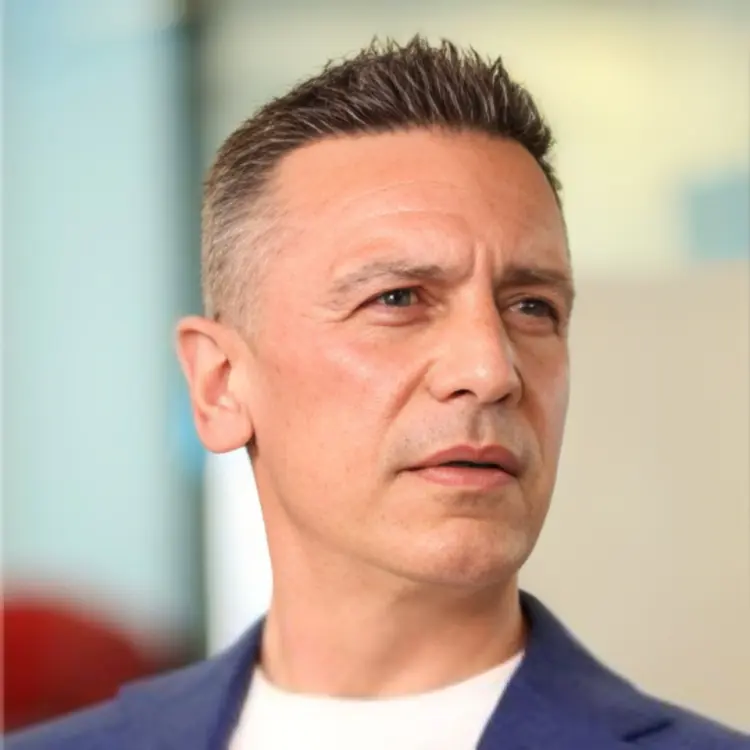
Cameron Deggin  Founder & CEO, Property Turkey
Cameron Deggin is Founder and CEO of Property Turkey. A former finance professional and FCCA-qualified accountant, he founded the company in 2001 after recognising Turkey’s investment potential. With more than two decades analysing Turkish real estate, Cameron regularly advises international investors and is quoted by media including the Financial Times and BBC.
View full author profile →




 By:
By:
 Bodrum
  2
2  1
1 







 X
X