The Turquoise Coast of Turkey is one of the most popular sailing routes in the world. Alongside sailing, the stretch also includes the famous Lycian Way, ancient cities, and archaeological sites. Anyone who visits this coastline will never be short of things to do, from paragliding to tasting delicious Turkish food to visiting attractions like the Blue Lagoon, Butterfly Valley, and UNESCO World Heritage sites.
Famous cities, towns, and villages include Alanya, Antalya, Fethiye, Kalkan, Kas, Kemer, Marmaris, and Side, and they equally deserve mention for their excellent reputations for hosting people from across the globe. Of course, let us not forget that stunning blue water from which it earns its name. So, what should you know if you plan to explore it?
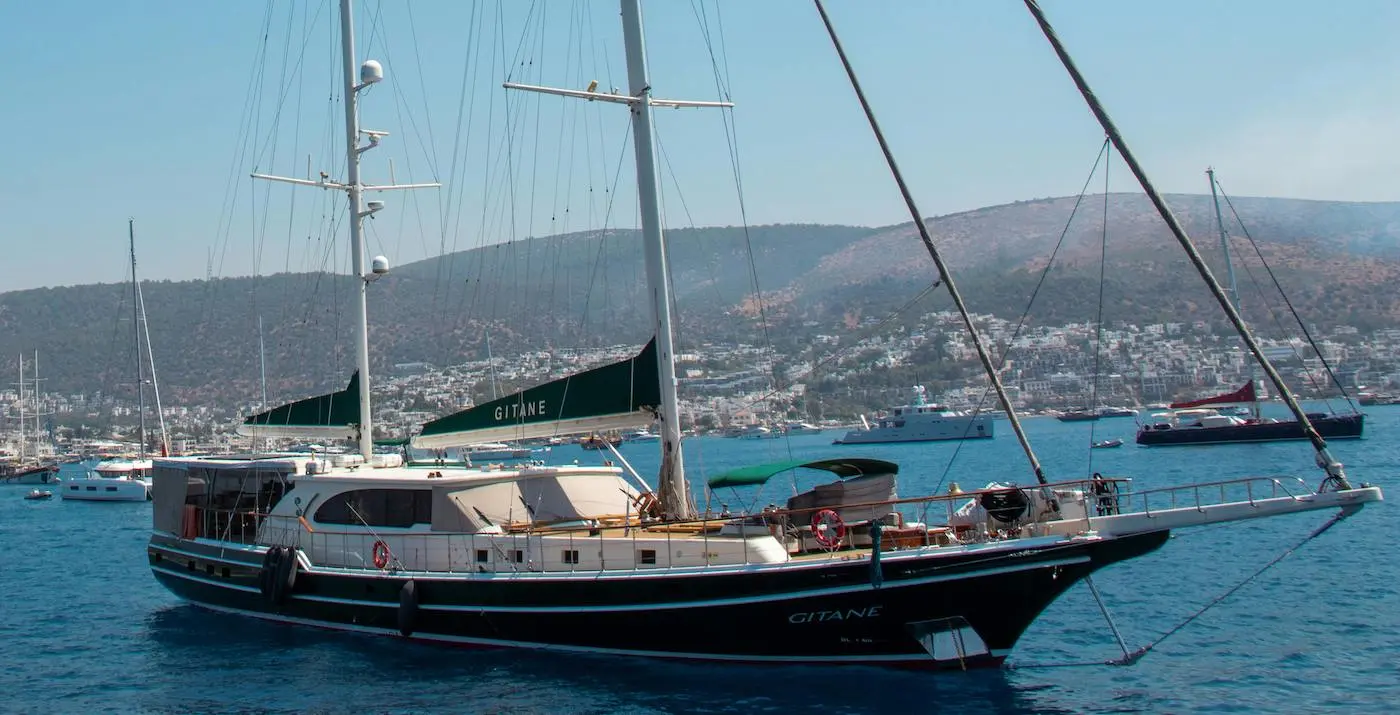
Quick Summary About the Turquoise Coast of Turkey
Geography: Also called the Turkish Riviera, it covers the southwest coastline, stretching from Bodrum to Antalya along the Teke Peninsula.
Name: Named for the stunning water colour, the word turquoise means "Turkish stone" in French.
History: The entire coast overlaps with ancient empires, particularly Lycia, and features iconic cliffside Lycian Rock Tombs, sunken ruins at Kekova, and the Celsus Library at nearby Ephesus.
Blue Voyage: World-famous for maritime sailing holidays aboard traditional wooden Gulet schooners navigating isolated, pine-fringed bays.
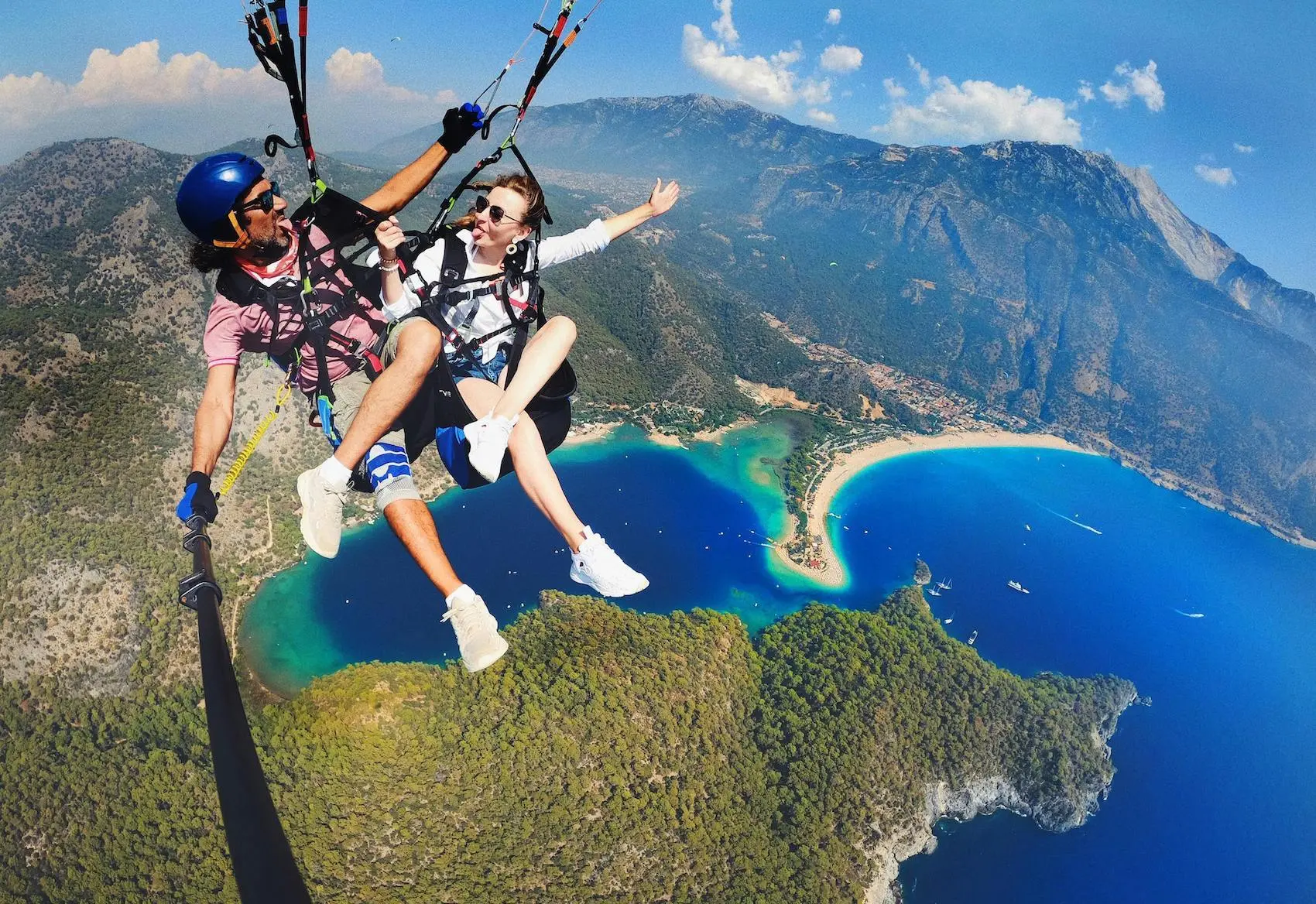
Natural Wonders: Home to dramatic landscapes like the Blue Lagoon (Oludeniz), Saklikent Canyon, and numerous coastal waterfalls (Duden, Kursunlu).
Strict Preservation Laws: It is illegal to collect any stones, pebbles, or artefacts from beaches or historic sites due to strict antiquities protection laws.
In-depth Guide of Places and Main Attractions
1: Where is Turkey's Turquoise Coast?
Turkey’s Turquoise Coast is not an actual region but rather a name for Turkey's southern and southwestern coasts. Located mainly in the Mediterranean and partially in the Aegean, it covers southwestern Turkey. It spans the coastline where the Aegean Sea meets the Mediterranean, wrapping primarily around the ancient region of Lycia.
Geographically, the heart stretches from Bodrum in the west down around the massive Teke Peninsula (the distinctive "bulge" on the map) and extends east all the way to Antalya. To orient yourself, there are several major hubs from west to east:
- Gateway Western Hubs: Bodrum and Marmaris, with deep bays, pine-clad hills, and luxury yacht marinas.
- Geographic Heart: Fethiye and Kaş, situated right on the Teke Peninsula, and famous for dramatic rocky cliffs, Oludeniz, and Lycian ruins like Kekova.
- Eastern Terminus: Antalya, a major resort city flanked by soaring Taurus Mountains and sweeping sandy beaches.
Most travellers access this region via two main international airports: Dalaman Airport (perfect for Fethiye, Dalyan, and Göcek) and Antalya Airport (ideal for the eastern side of the riviera). Bodrum is best if you intend to sail from the Aegean.
2: From Roman Ruins to Lycia on the Turkish Coast
The shoreline is effectively a living museum. Centuries of civilisation have left a spectacular web of footpaths, Roman roads, and crumbling trade networks. Rumour has it that the famed Mark Antony of the Roman Empire gave his beautiful bride, Cleopatra of Egypt, the Turkish Riviera as a wedding gift. St. Nicholas, now called Santa Claus, was born in Demre, ancient Myra, a small town close by. Herodotus's father was born in Bodrum, ancient Halicarnassus, in 484BC.
Further down the Ancient Kings' Road, archaeological ruins tell the story of the Lycians and their fiercely independent federation. In the heart of Lycia, the ruins of Xanthus and its sacred neighbour Letoon stand as monuments to a bygone era. Nearby, the rock-cut city of Tlos perches precariously over the valley, while the Roman amphitheatres of Perge and Aspendos display the architectural might of old empires. Near the resort town of Side, ancient temples frame spectacular sunset views over the water.
One profound way to experience this history is on foot along the Lycian Way, a spectacular coastal walk ranked by Lonely Planet as one of the world's great long-distance trails. Hikers can wander through the eerie, deserted stone houses of Kayakoy Ghost Town before descending toward the sea.
3: Gulet Blue Voyage Cruises
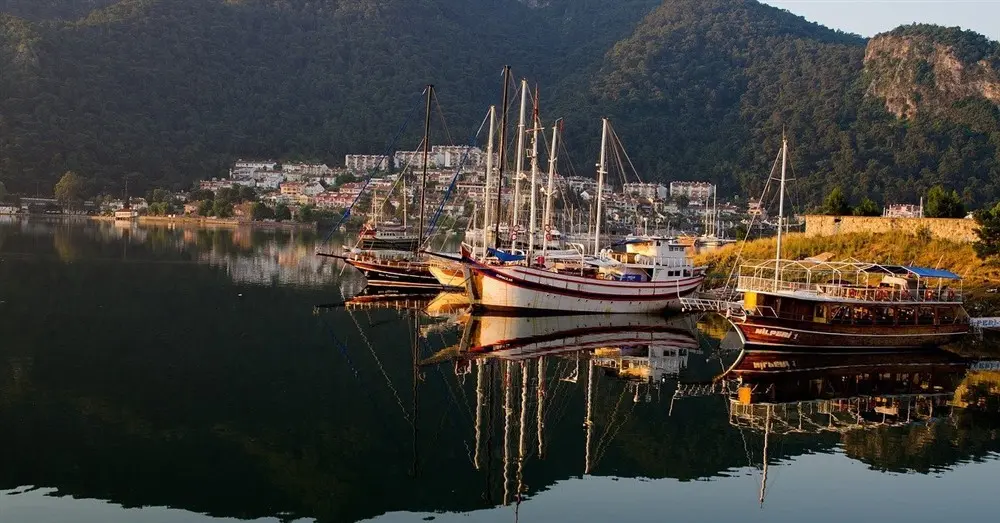
The most remarkable experience is the Blue Voyage, a kind of slow cruising aboard wooden gulets where a classic sailing itinerary yields endless discovery.
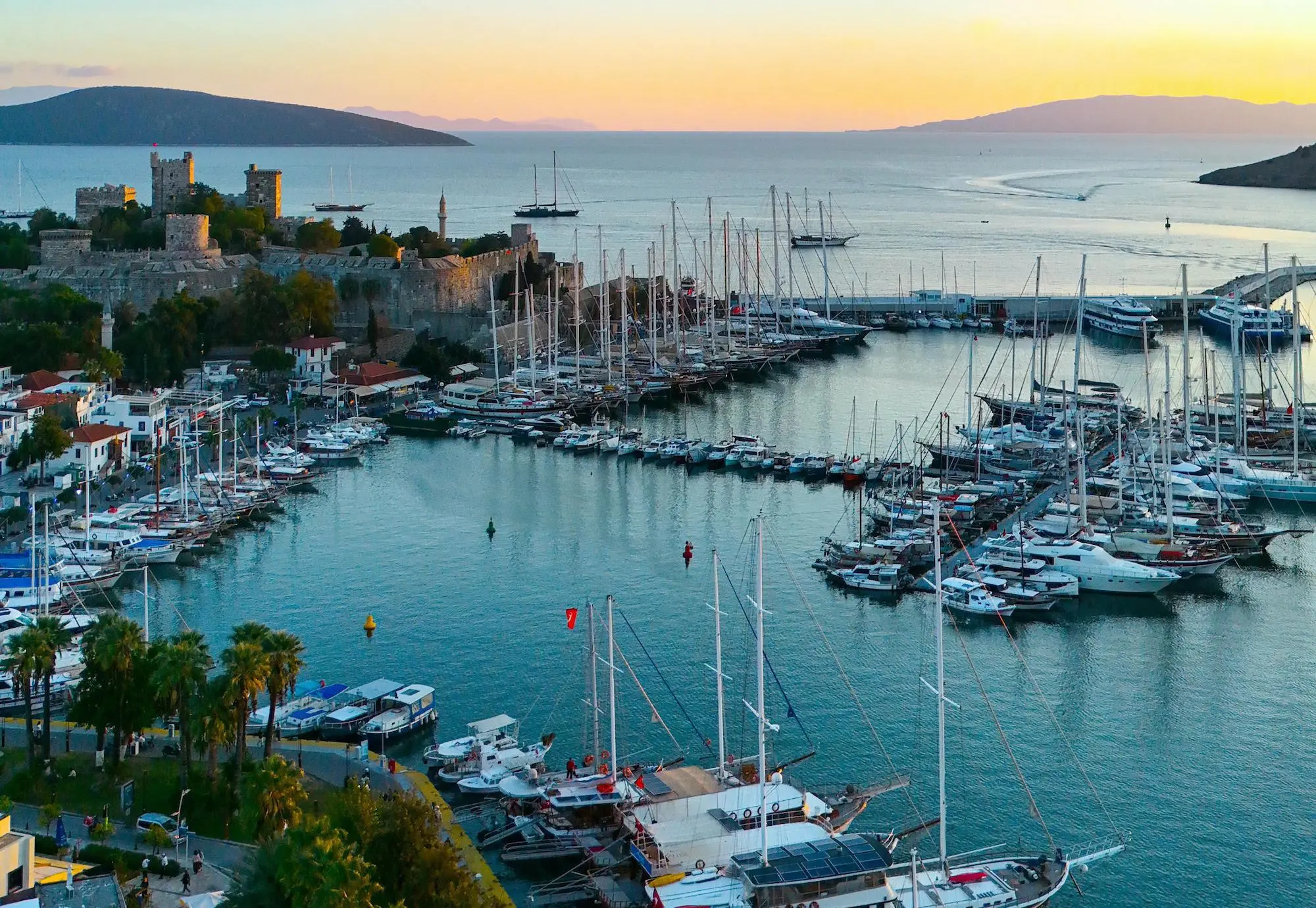
Bodrum Peninsula and Beyond: Explore the historic harbour, where the foundations of the Mausoleum at Halicarnassus (the Mausoleum of Mausolus) remind visitors of one of the original Seven Wonders of the World. Nearby, boats stop to swim in the thermal springs of Kara Ada (Black Island) or drop anchor in the quiet bay of Çökertme.
Dalyan River Network: Cruising past Dalaman, travellers transfer to smaller riverboats to navigate the reed-lined Dalyan River. Here, peer up at the jaw-dropping Lycian Rock Tombs carved high into sheer cliffs before floating past the town of Dalyan toward protected sea turtle nesting beaches.
Sunken Ruins of Kekova: Further east lies Kekova Bay, where an ancient earthquake partially submerged the city of Dolchiste. Peer through the clear water from your boat to see foundations, staircases, and half-submerged tombs of Kekova standing silently in the sea. Just across the water on the mainland sits Simena (modern-day Kaleköy), an enchanting, car-free village accessible only by sea.
Sailing in yachts is a big business in Turkey, and water sports lovers enjoy the scuba diving and snorkelling on offer. With numerous bays, coves, Lycian ruins, and seaside towns like Dalaman, picturesque Oludeniz, Calis Beach, Xanthos, and Patara, it is also possible to cruise to the Dodecanese Islands like Rhodes.
Leisurely charter cruises are popular, but for a traditional twist, book a gulet, which is ideal for romantic honeymoon spots. These boats are specific to the Aegean and Mediterranean regions of Turkey and were born from converting fishing boats into overnight accommodations.
4: Antalya in Turkey: The Biggest Sailing Hub
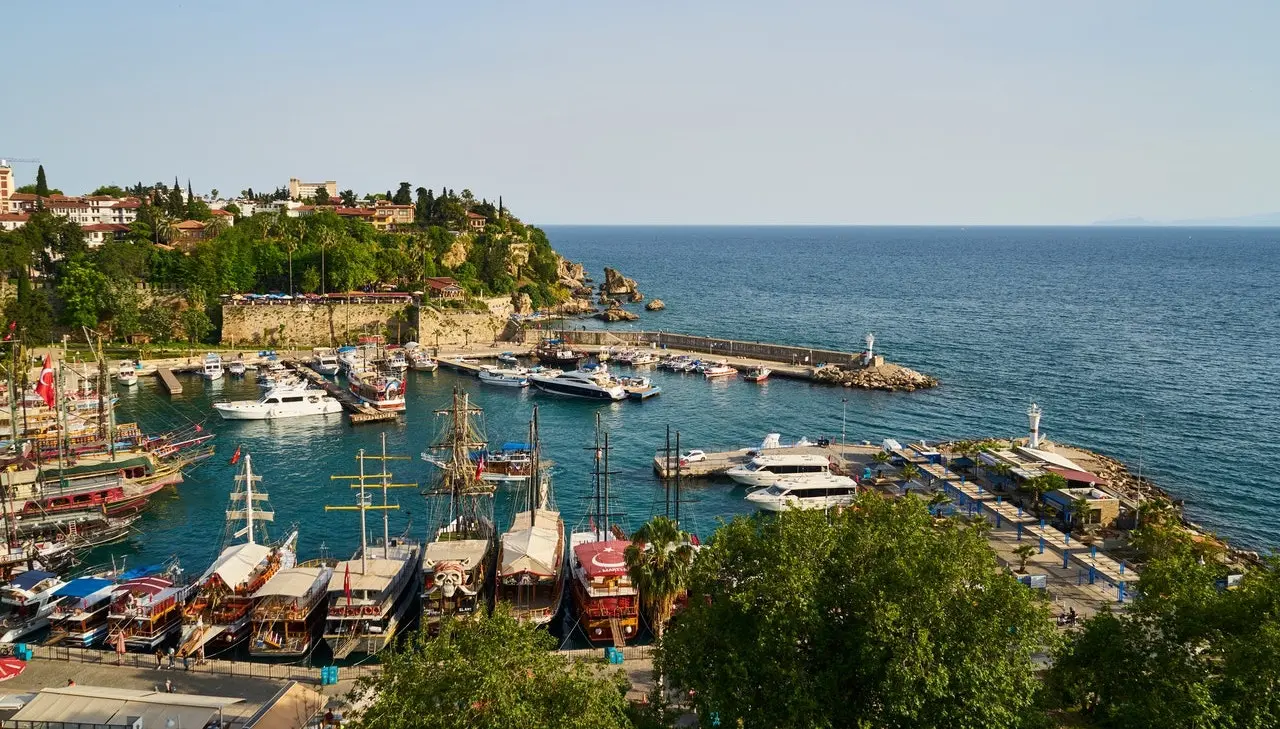
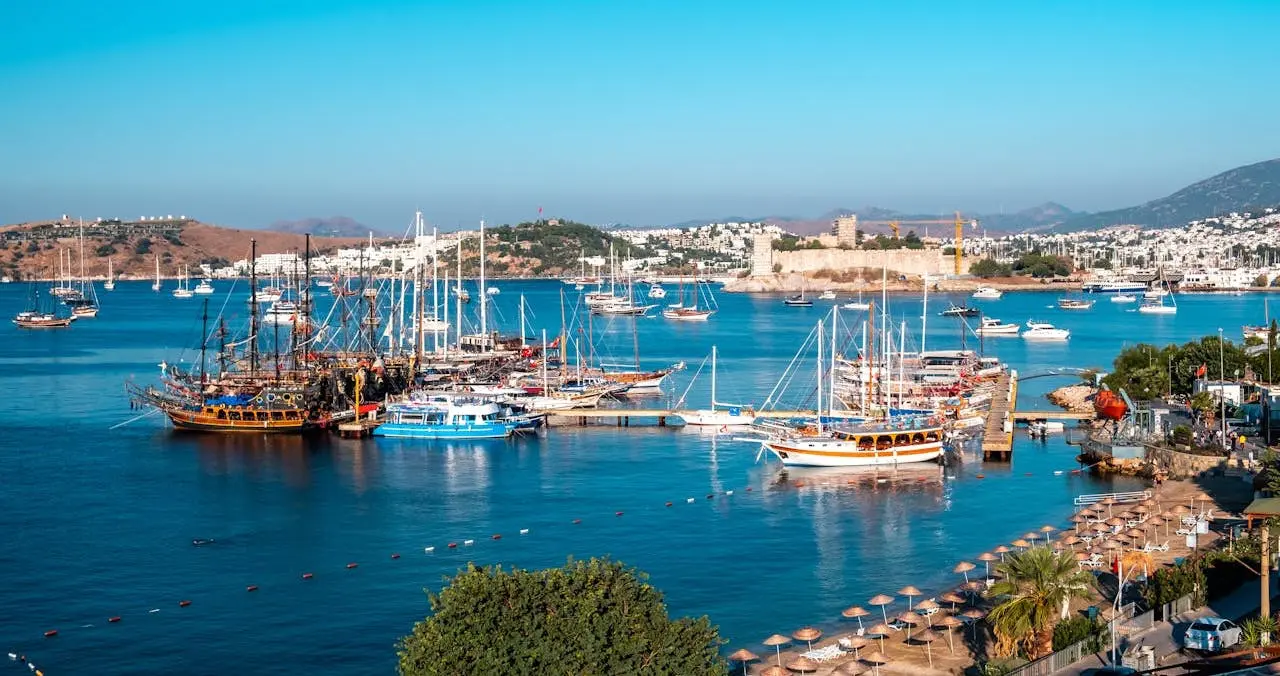
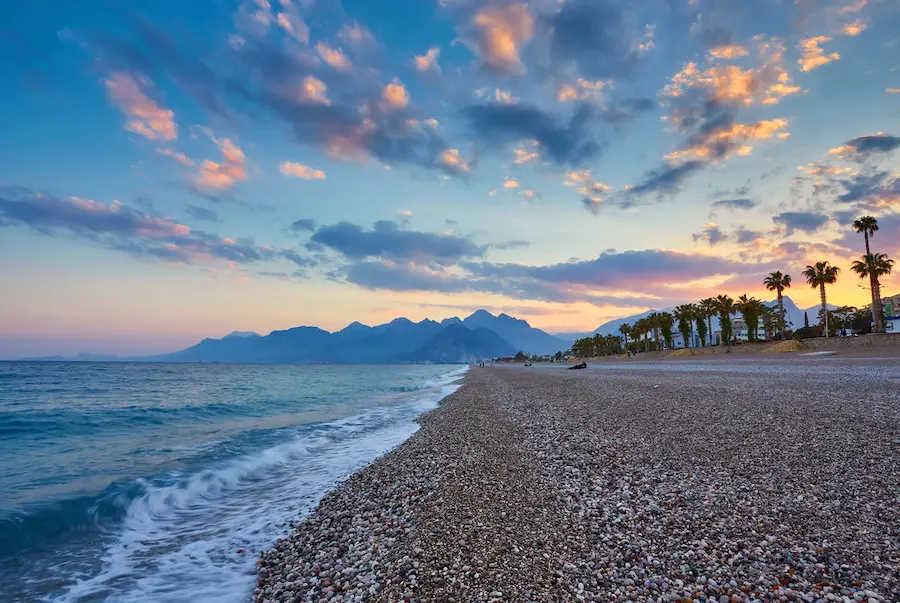
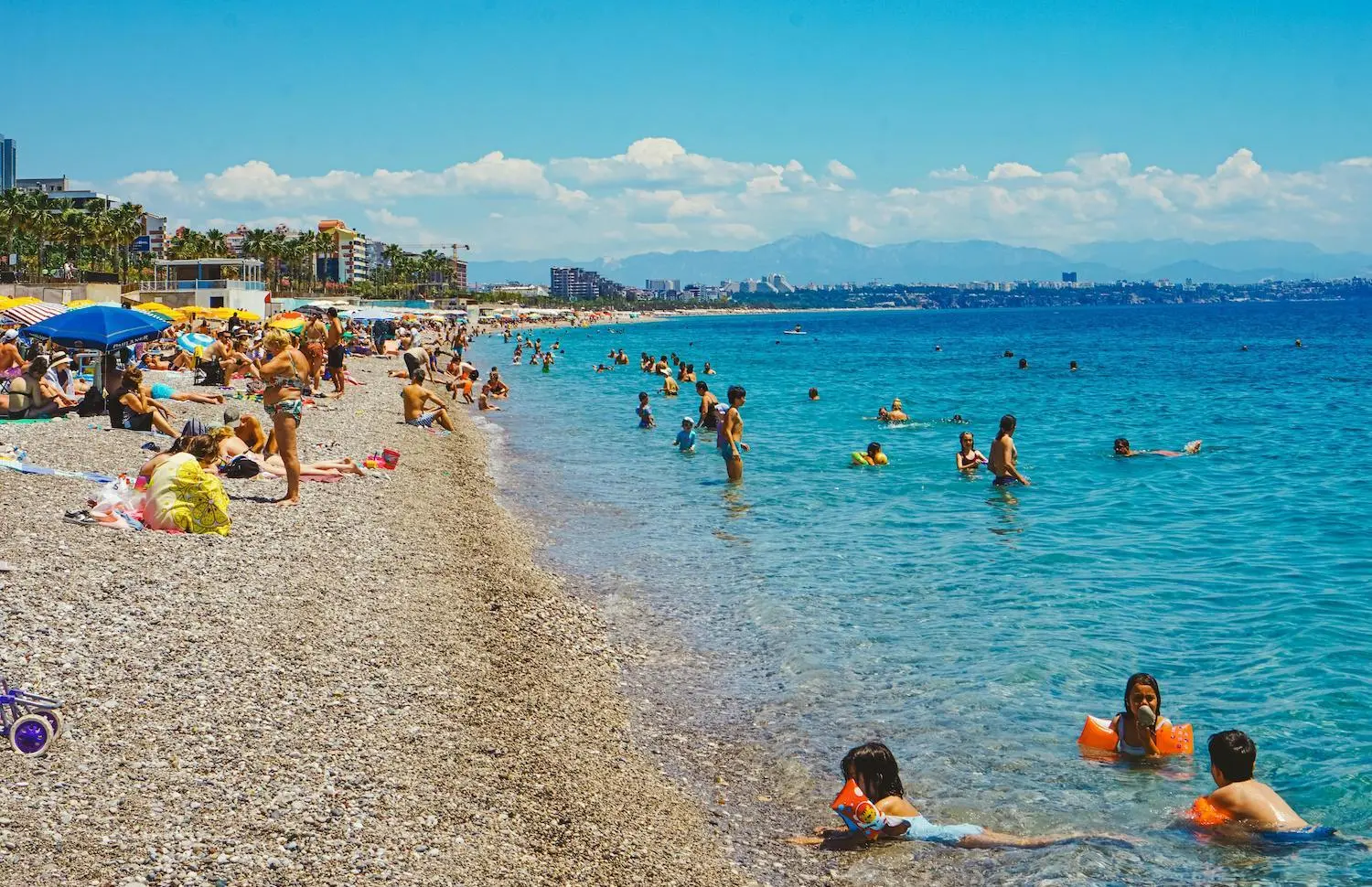
Antalya, the most popular destination, is a thriving modern city with a central historic heart in Kaleici. Lara Beach is 12 kilometres away and renowned as the best beach and fast becoming a resort location. Another long pebble beach, famous for heading west, is Konyaalti. Set on a 5 km-long beach, surrounded by untouched nature, is Olympos. Olympos is home to a Roman theatre and Necropolis. The ruins include baths and a temple, while the legendary burning flame of Chimaera sits high on the hillside to the north.
Belek in the Antalya region is the golfing capital of Turkey, while Saint Nicholas, otherwise known as Santa Claus, became the bishop of Myra, in what is now Demre. Do go and see the ruins of Aspendos and visit the marvellous collections at the Antalya Museum. The region is rich in water features; rushing rivers cascade at the Kursunlu Waterfalls, Duden Waterfalls, and the wide, roaring Manavgat Falls near the golf-and-luxury hub of Belek.
5: Fethiye and the Mediterranean Sea
Fethiye is a favoured destination for shared carbon charters heading to the Antalya region. Fronting the Mediterranean Sea and near Letoon ruins, the region holds many hidden secrets, such as Kabak Beach. The earth splits open at nearby Saklikent Canyon, a massive gorge where visitors can wade through ice-cold mountain waters between towering cliff faces. Further west, the shoreline curves into Oludeniz, famous for the postcard-perfect Blue Lagoon and Olu Deniz beach, where paragliders launch from Babadag Mountain to drift over the neon-bright waters. For bohemian escapes, the steep, pine-forested valley of Kabak offers eco-retreats hidden far from the crowds.
6: Bodrum and the Aegean Sea
People around the world travel to Yalikavak's Marina harbour to go shopping in luxury shops and dock their superyachts. Luxury resorts like Mandarin Oriental, Six Senses Kaplankaya, and Four Seasons have set a new standard of luxury. Whilst the Bodrum peninsula doesn't excel in ancient Archaeological ruins, there is a Roman amphitheatre at the back of the town. But this area is all about indulgent, expensive lifestyles.
7: Ancient Footpaths at Ephesus and the Temple of Artemis
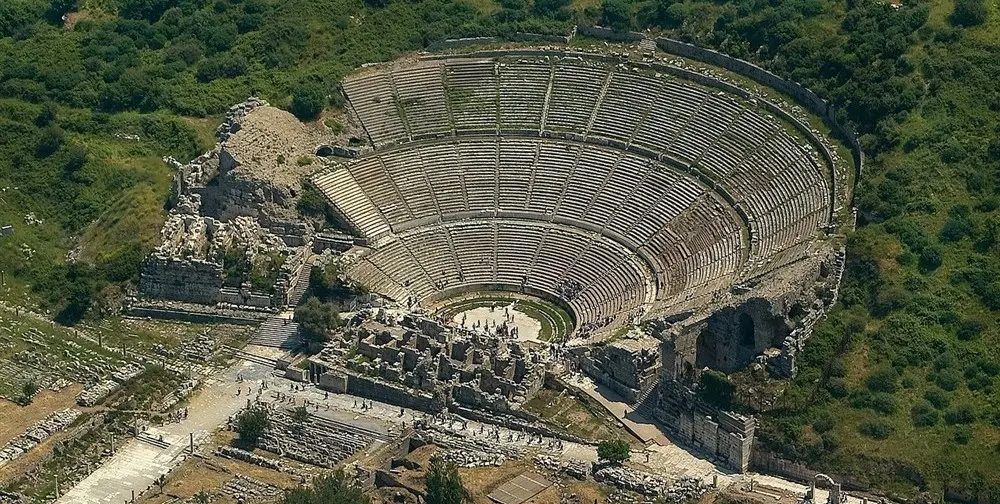
Near Selçuk, travellers encounter Ephesus, home to the breathtaking Library of Celsus, the soaring ruins of the Basilica of St. John, and the deeply serene House of the Virgin Mary (Meryemana). To see Ephesus while sailing, dock in the port of Kusadasi; otherwise, you can see it on a day trip from Izmir. This is Turkey's most visited attraction and a highly regarded archaeological site in historical circles. You really do feel like you are walking around a Greco-Roman city.
Final Thoughts: The Turquoise Coast of Turkey
Known globally as the Turkish Mediterranean and Aegean, this sun-drenched playground is where rocky cliffs and wooded hillsides plunge directly into the shifting sea. Ironically, the word turquoise itself stems from the French phrasing for "Turkish stone"
For modern travellers plotting the ultimate summer escape, navigating this area requires the eye of seasoned travel specialists. While many begin their journey by flying into the cultural hubs of Istanbul or Izmir, perhaps pausing to trace the currents of the Bosphorus Strait, watch the Sea of Marmara, or gaze at the dome of the Hagia Sophia; the real magic lies further south. Moving past the sun-bleached stone of the Cesme peninsula, the delights of Phaselis, and the windsurfer-lined bays of Alacati, travellers eventually hit the Lycian Bulge.
To extend your Turkish adventure to dry ground, head north to the Ottoman heritage of Bursa, marvel at the travertine terraces of Pamukkale, or venture deep into Central Anatolia to witness the fairy chimneys of Göreme in Cappadocia. Yet, no matter how far you wander, this brilliant, unforgettable coast will call you back.
FAQs About Turkey's Turquoise Coast
What are the best towns on the Turquoise Coast of Turkey?
Bodrum reigns as the glittering "St. Tropez of Turkey," where sophisticated superyacht marinas and upscale dining contrast beautifully with the foundations of the Mausoleum at Halicarnassus. Further along the peninsula, Fethiye serves as a vibrant cultural hub, with jaw-dropping natural scenery, such as the nearby Blue Lagoon of Oludeniz. For artistic, slower-paced vibes, the cobblestone streets of Kaş captivate visitors with overhanging bougainvillaea and exceptional scuba diving. Finally, Dalyan offers a tranquil, inland river escape where wooden water taxis ferry visitors past soaring Lycian cliff tombs to the protected, golden sands of Iztuzu Beach.
Is Marmaris on the Turquoise Coast?
Yes, Marmaris is part of the Turquoise Coast. It sits right at the crucial intersection where the Aegean Sea meets the Mediterranean. Because of its strategic location, Marmaris is world-renowned as a major hub for the Blue Voyage cruises. It is the starting or ending point for classic sailing itineraries around the Teke Peninsula toward Fethiye and Göcek.
More About Turkey
We are Property Turkey, and we sell holiday homes, investment, and retirement homes to people from all over the globe. We are passionate about our country and dedicated to highlighting the beautiful regions, towns, and coastal resorts. So, to learn more, see our area guides here or browse our blog for more on destinations along the Turquoise Coast of Turkey.









 X
X