Renting your property in Turkey is a fantastic way to generate a steady income or cover your running costs. But to do so and ensure you are protected from legal liability and to maximise your return, you should understand how to navigate the rental market successfully.
This involves knowing about the various laws that apply to the property and tourism industries, which affect how you rent to tenants. This article serves as a guide for landlords to understand long-term vs short-term rents, the legal requirements, and the obligations involved in earning income.
Quick Summary: Renting Your Property in Turkey
Key Terms and Definitions
Tapu (Title Deed): The official document proving your ownership of the property.
Kimlik Bildirim Sistemi (KBS): The mandatory identity reporting system where all short-term guests must be registered.
Tourism-Oriented Permit: A license issued by the Ministry of Culture and Tourism for short-term rentals.
Exemption Threshold: The income you can earn before paying income tax.
Long-Term vs Short-Term Renting
Long-Term (More than 100 Days): Governed by the standard tenancy provisions of the Turkish Code of Obligations, this involves a lease agreement. However, gross yields are lower than those for peak-season holiday rentals. Long-term leases do not require a tourist permit, but a contract must be lodged with a notary or through the e-Government (e-Devlet) portal. By law, the number of annual rent increases for tenants is linked to the local CPI (Consumer Price Index).
Short-Term / Holiday (No more than 100 Days): Governed by Law No. 7464 (the "100-Day Law"). This is ideal for people who own holiday homes and are using platforms like Airbnb or Booking.com. You can charge higher nightly rates. However, there are high operational turnaround times, platform fees, and regulatory compliance costs.
Laws on Short-Term Holiday Rentals
To list your home on Airbnb Turkey or Owners Direct Holiday Lettings, apply for a Turkey Rental License (or Tourism License) directly from the Turkish Ministry of Tourism. Also comply with strict laws. Failing to do so will result in immediate, heavy fines.
100-Day Restriction: Any rental for 100 days or less is classified as tourism. A single Turkish apartment or villa is restricted to this amount per calendar year under a standard tourist permit.
Tourism Rental Permit: Don’t list your home online without a permit number issued by the Ministry of Culture and Tourism.
Building Management Consent: To get the permit, secure written approval from all other property owners within your apartment block or complex. You need 100% agreement from your neighbours to formalise this rule in the building's land charter (Yönetim planı) that should be lodged with the land registry. Note: The need for neighbour permission does not apply to detached villas that are not on a condominium site. However, you will still need the tourism permit and to stick to 100 days.
Mandatory Guest Registration: Landlords must log every guest's passport or ID details into the police registration system (KBS) within 1 day of arrival.
Habitation Certificate: Additionally, your home must have a valid habitation certificate (İskan) to demonstrate it meets safety standards.
The Smart Alternative: Istanbul’s Approved Properties
Investors looking to gain an advantage in an active marketplace such as Istanbul may wish to consider purchasing real estate with an existing commercial or hotel classification within the mixed-use tower development, which removes them from needing building permits, as most of these buildings have already been permitted as hotels, or are already being used as such.
At times, some will already be set up as short-term rentals managed by an on-site commercial operator, eliminating the responsibility of managing your own rental unit. (An example can be found here.)
Tax Obligations: Reporting Your Rental Income
All owners of rental properties (both local and foreign) must declare their rental income annually.
Progressive Tax Rates: The income tax you will pay on your net rental income is based on a progressive tax scale, which varies with overall income between 15% and 40%, with all amounts subject to taxation on higher amounts – net profit.
Annual Tax-Free Allowance: You will receive an annual tax-free exemption for the rental income that you receive if you are renting to a resident. The earnings subject to tax will be the amount more than the government-determined annual threshold, this number will change periodically.
Paperwork: You cannot take cash for short-term rentals. All transactions must be completed through a Turkish bank account and leave a paper trail.
Important Note: Renting a short-term rental property before obtaining a proper license, as well as failing to register your guests, may result in fines ranging from 100,000 Turkish Lira to 1,000,000 Turkish Lira. You should always use a reputable, licensed agency when renting properties to ensure you comply with all local laws.
Deep Dive: How to get a Tourism Rental Permit in Turkey
Owning a beautiful holiday home along the Turkish Riviera or in the heart of Istanbul is a dream and renting it out to tourists when you aren't using it is a brilliant way to make that investment work for you.
However, the days of casually listing your villa or apartment on Airbnb without any paperwork are gone. Turkey's short-term rental law requires a tourism rental permit. To operate legally, avoid eye-watering fines, and keep your business running smoothly, here is exactly how to get your license.
Prerequisite: Complete Building Approval
There is one major hurdle. If your holiday home is in an apartment block or a managed complex, you cannot apply for a permit on your own. You have to get 100% notarised written approval from every apartment owner in your building, confirming their consent to tourist activities.
Step 1: Collect your property Title Deed (Tapu), DASK insurance, a copy of your passport and Turkish tax identification number. Foreign buyers should have their foreign documents, such as passports, translated and notarised. Additionally, complete your UETS address, used for national electronic notifications.
Step 2: Log in to the e-Devlet (Turkish e-Government) portal. Navigate to the Ministry of Culture and Tourism application page. Fill out your information, upload your digital documents, including your neighbours' consent form, and pay the license processing fee.
Step 3: The Ministry will review your paperwork and, if approved, issue your digital permit certificate within 30 days. Local municipality workers will also visit to ensure the home meets safety standards. Once passed, you can host guests.
What Inspectors Look For: The Checklist
Fire Safety Equipment: An operational fire extinguisher, smoke detectors in every living zone excluding the bathroom, and a clear escape staircase map posted behind the entrance door.
Essential Amenities: Hot and cold running water to at least one kitchen and one bathroom, plus a minimum layout of one bed, a toilet, and a kitchen setup.
Guest Supplies: High-quality cleaning upon check-in/out, and a minimum of one pillow, pillowcase, bedsheet, duvet, and towel per registered guest.
Capacity Control: Maximum occupancy stops at 12 people, excluding children under 3 years old, regardless of the villa's size.
Essential Rules of the 100-Day Permit
100-Day Hard Cap: This license restricts you to 100 days per calendar year. Renting to vacationers for day 101 without switching to a commercial or hotel license is illegal.
Police Notification Law: Register the identity and passport details of every guest within 1 day of arrival via the law-enforcement KBS system. Failing to log a guest will incur a 50,000 Turkish Lira fine.
No Unlicensed Advertising: Don’t publish an active listing on Airbnb or Booking.com without displaying your license number in the text.
How to set up the KBS system to register your future guests
Setting up and using the Kimlik Bildirim Sistemi (KBS), Turkey’s mandatory Identity Reporting System, is the most critical step. Under the Identity Reporting Law No. 1774, you must report the passport or ID details of every single guest. In 2026, the Turkish government updated the system to require tighter security protocols, including two-factor authentication (2FA) via the EGMSEC mobile app for primary operators.
Step 1: It requires a physical visit to link your approved permit to their security database. The owner, or a legally appointed representative through a Turkish notary, must personally visit the local Police Station (Asayiş Büro Amirliği) or a Jandarma outpost. Take your permit, Tapu (Title Deed), and your passport or Kimlik.
Step 2: The officer will register your home in the database and issue your unique KBS Username and Password. To log in to the web portal (kbs.egm.gov.tr), the main operator must download the EGMSEC app to their mobile phone to handle secure two-factor authentication codes.
Registering Your Guests: The 24-Hour Rule
When your guests check in at your establishment, they must provide valid identification. Collecting ID is important for you to have documented evidence of who is at your accommodation. Each guest must provide you with their name, surname, date of birth, nationality, passport number or T.C. Kimlik number (if a Turkish citizen), check-in date, and anticipated check-out date.
KBS compliance is simple. You can log in to the KBS portal or use a mobile AI-compliant utility (such as KBS Mobil) to scan the Machine Readable Zone (MRZ) of a passport. Enter guest details and click submit. When your guests leave, log back into KBS to register their check-out time so you can free up room capacity for your next booking.
Compliance Warning for 2026
There is zero tolerance from the Turkish Authority for non-compliant bookings. The KBS system monitors bookings alongside the list of active bookings within KBS. Additionally, local governments have increased enforcement within their neighbourhoods. For example, if you have listed on Airbnb, showing that your unit is booked for X date(s), but you have not entered any information regarding the guest(s) into KBS for that date(s), your listing will be flagged for an immediate municipal audit.
Day-of Reporting: Leaving guest entry until the day after arrival is a violation. If local police do a spot check and find tourists in your villa whose data hasn't hit the KBS portal yet, you face severe fines.
Pro Tip for Remote Landlords: Foreigners who do not live in Turkey full-time can use the KBS system to delegate "Sub-User" (Alt Kullanıcı) credentials to a local, trusted property management agency or real estate team.
Prime Property Locations and Buy-To-Let Perspective
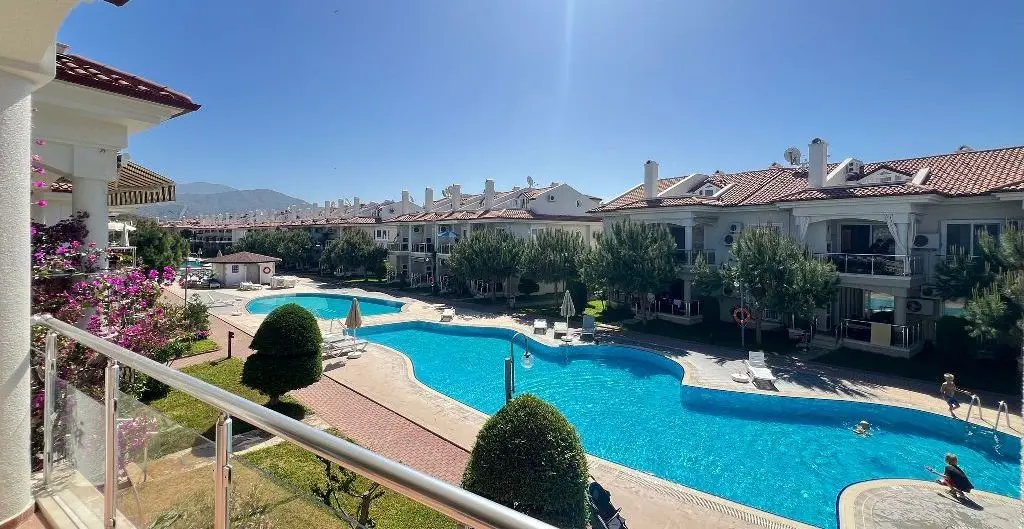
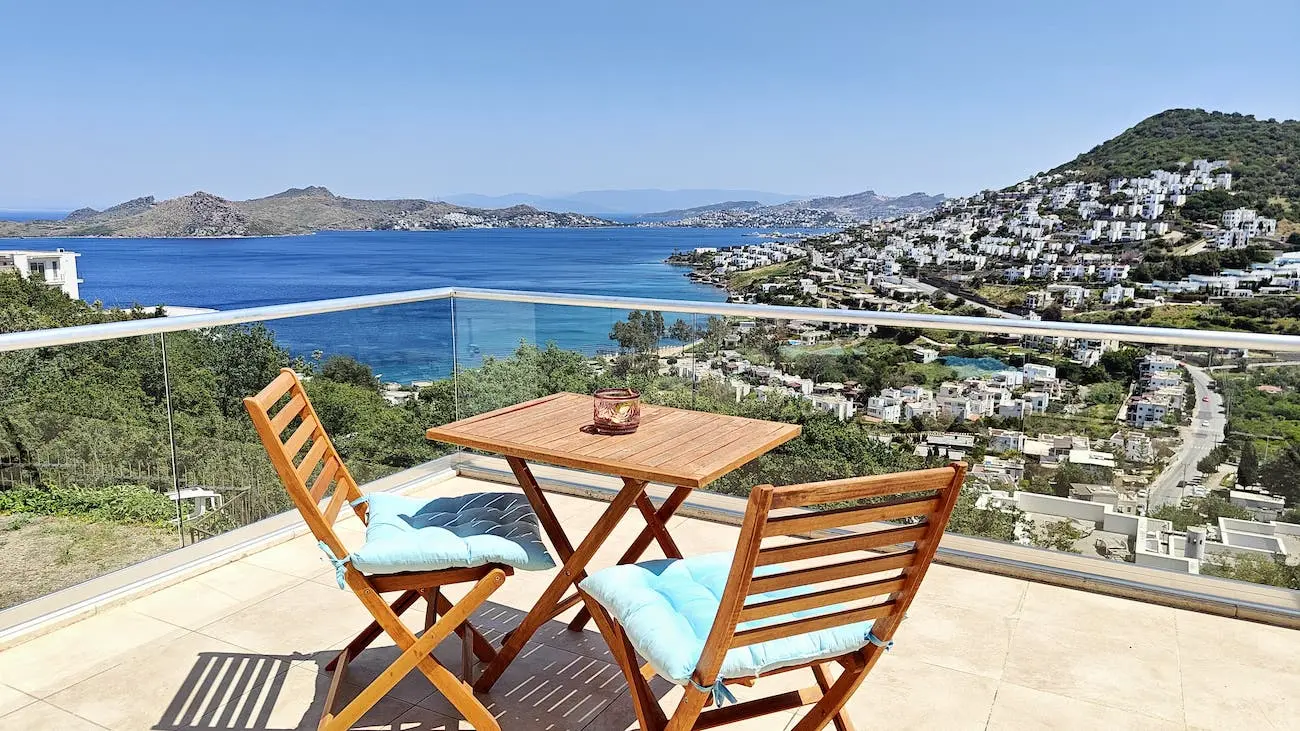
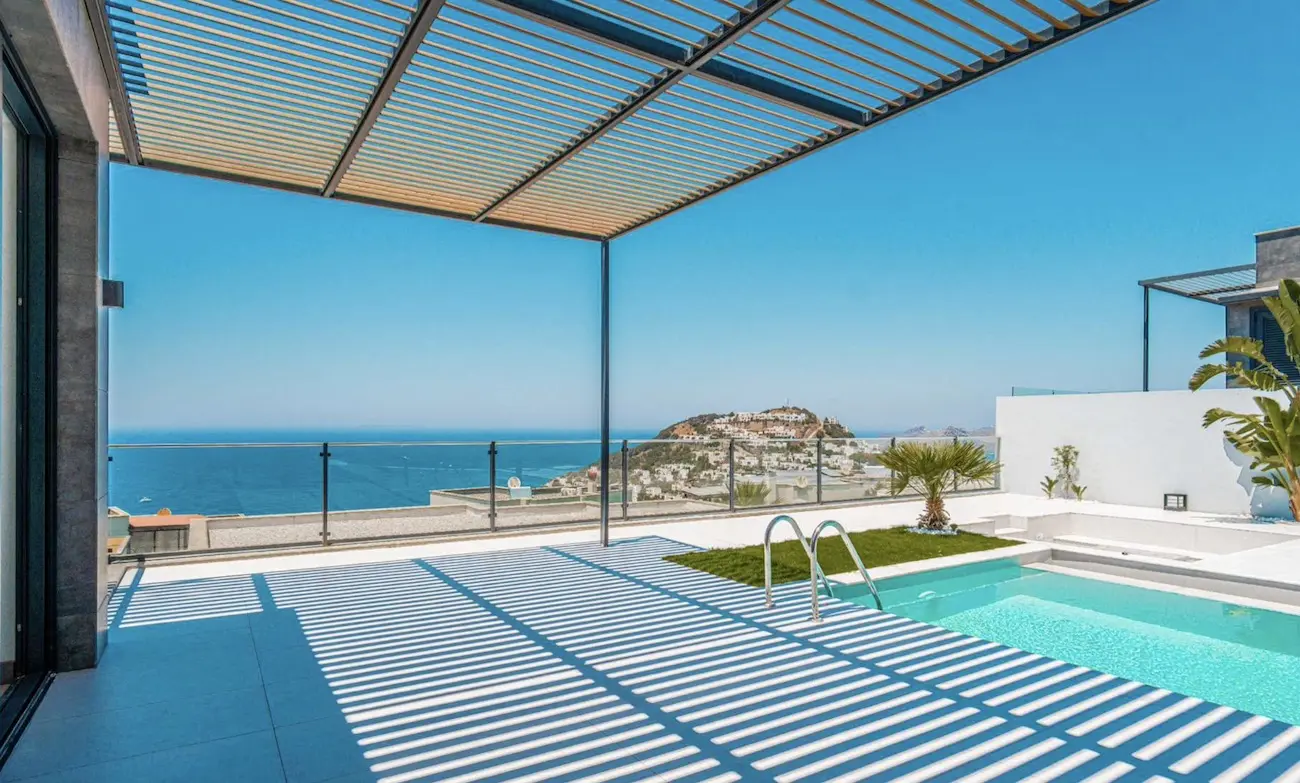
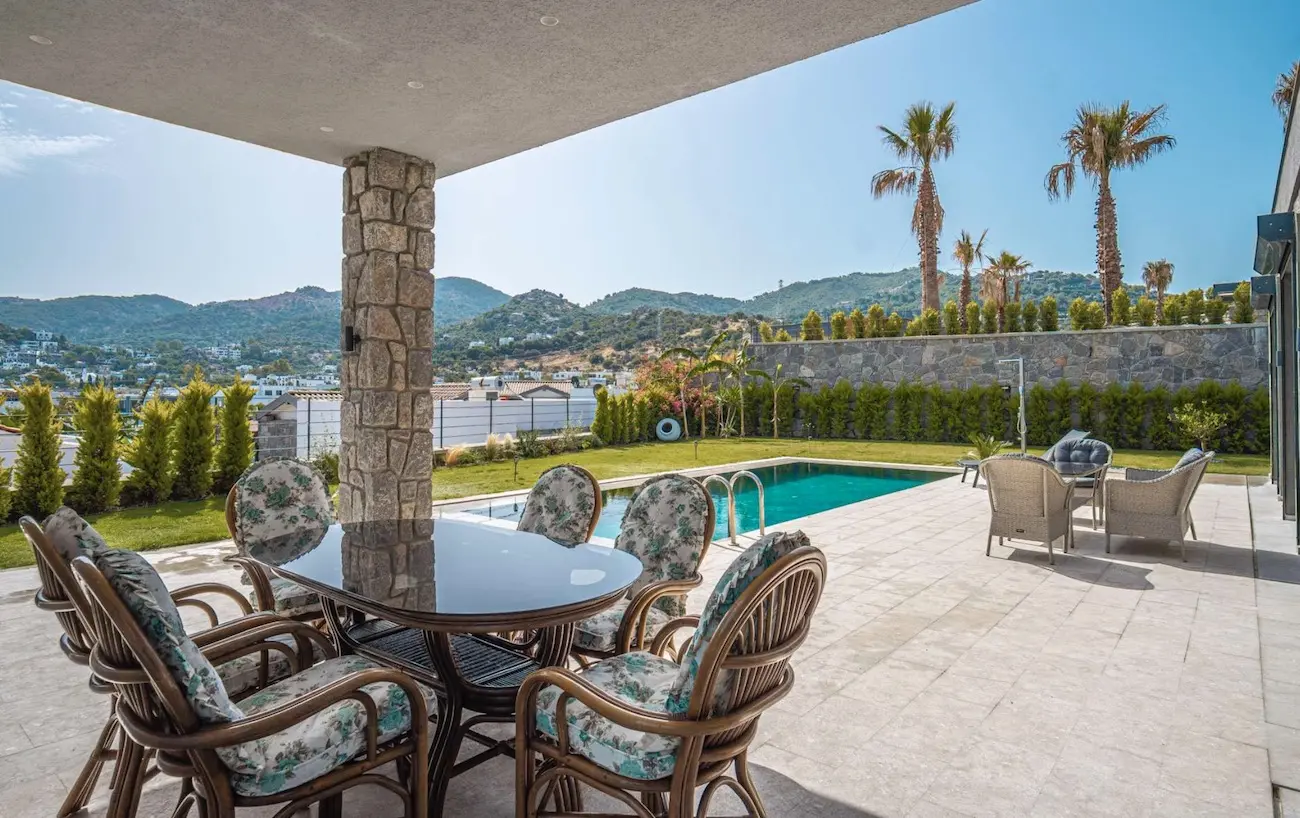
Turkey offers excellent choices for family and group holiday homes and villas, from the private cliff-top villas and stunning-view villas in Kalkan and Yalikavak to the bustling resorts of Alanya, Antalya, Kemer, and Belek. Properties with private pools in popular holiday areas such as Fethiye, Ovacik, Uzumlu, and Calis are in high demand for buy-to-let investment.
When purchasing property, don’t forget the agency fees, the currency exchange via the Central Bank, and local taxes levied on purchases. Local taxes on your purchase are property transfer tax (Emlak Alim/Satim Vergisi), Seller's Property Transfer Tax, and Doner Sermaye Tax (Revolving Fund Fee). Every transaction must include the Turkish tax number (tax ID) and Yabanci Kimlik No (Foreigner ID Number) to ensure there is a clear paper trail.
FAQs: Renting Your Property in Turkey
Q: What are the new rules for renting property in Turkey?
A: Turkey has new regulations specifically targeting the short-term and holiday rent market under what is commonly known as the 100-Day Law. Any rent lasting more than 100 days is a tourism rent and needs a tourism rental permit before the property can be listed on platforms such as Airbnb.
To obtain this license, landlords must secure 100% unanimous, notarised written consent from every property owner in their residential block or complex and register all guests' passports in the police identity reporting system (KBS) within 24 hours of arrival.
Q: Am I able to rent my property in Turkey?
A: Yes, you are. Just like in the UK, you can lease out your house or villa. Your decision is whether to choose long-term or short-term rentals. Long-Term agreements provide consistent monthly cash flow and low management needs. This is unlike short-term rental agreements, which involve more work but also higher profits. Short-term rentals work better in major tourist destinations like Yalikavak, Calis beach, Fethiye and Kalkan.
Q: Do foreign property owners pay taxes on their rental income in Turkey?
A: Yes, they do. In addition to the tax structure's progressive nature, all landlords can claim the tax-free threshold on their income. The tax-free threshold for landlords means they pay tax only on the profit above the applicable threshold.
Q: What are Turkey's rental yields and rental returns?
A: Rental returns within the Republic of Turkey depend on property type and location. Rental property generally provides gross yields between 5% and 9% on an annual basis. Properties in some districts with higher demand and lower purchase prices will yield some of the highest rental returns in Turkey.
Properties in prime luxury locations or centrally located in a high-demand area like central Istanbul's Beşiktaş, will yield slightly lower return on investment than lower-priced rental properties, ranging between 3.5% and 5% net rental returns.
How to Rent Legally and Profitably in Turkey
Navigating everything from the council valuation document and the final valuation report required at Notary Offices, to updating a Yönetim planı (management plan) can feel overwhelming for foreigners, especially with recent regulations like the Turkey short-term rental law published in the Republic of Turkey Official Gazette.
Nezir 'Nez' Can is Operations Manager at Property Turkey and a contributor on Turkish culture, lifestyle, and everyday life across the country. Since joining the company, he has helped international readers better understand what it is like to live, work, and settle in Turkey.




 By:
By:







 Operations Manager

 Bodrum
  3
3  3
3 










 X
X