Turkish citizenship by investment has become one of the most practical second citizenship routes available to Chinese investors. It offers a fast route to citizenship, a relatively low real estate threshold, family eligibility, and access to a large property market where investors can also generate rental income.
Chinese ordinary passport holders can now enter Turkey visa-free for up to 90 days within a 180-day period, making property inspection trips easier than before. For serious buyers, this removes one of the barriers to seeing Istanbul properly before making a decision. Turkey also received more than 425,000 Chinese tourists in 2025, showing a strong China-Turkey travel connection before the new visa-free rule even took effect.
This guide explains how Chinese investors can obtain Turkish citizenship without losing sight of the real investment potential. The passport is important, but the property decision will decide whether the investment performs.
The real estate route is the most popular because it offers a lower entry threshold than the main financial routes and gives investors an asset that can be rented, managed, and sold after the holding period. The fund route suits investors who prefer a financial product rather than direct ownership. The bank deposit route looks simple, but it can expose investors to currency, banking, and return risks.
There are other official routes, including fixed capital investment, government bonds, private pension contributions, and job creation. For most citizenship buyers coming through the property market, real estate offers the easiest connection between citizenship, income, and future resale value.
Why $400,000 USD Is Not the Real Budget
On paper, the real estate threshold is $400,000 USD. In practice, Chinese investors should not plan a citizenship purchase with only $400,000 USD available. The reason is valuation. The property must not only be purchased for at least $400,000 USD. It must also be supported by an official valuation report, and these reports can often be conservative.
A buyer who purchases exactly at $400,000 USD may find that the official valuation comes in below the required threshold. A more sensible budget is closer to $450,000 USD. This is not because the law in Turkey has changed, but because buyers need a safety margin. A realistic budget should allow for:
- Property purchase price above the bare $400,000 USD threshold.
- Official valuation safety, especially if the report is conservative.
- Legal fees, notary work, sworn translations, and file preparation.
- Citizenship application costs and supporting paperwork.
For many buyers, targeting the $420,000 USD to $430,000 USD range for the property itself is more realistic than stopping at the legal minimum. Once costs are included, the full plan often moves closer to $450,000 USD.
Turkey Is a Local Market, Not a Foreign Buyer Market
This is the most important investment point for Chinese buyers to understand. Istanbul is not a market where foreign buyers set prices. It is a vast local market where Turkish buyers and tenants decide long-term value. In 2025, Turkey recorded 1,688,910 house sales. Sales to foreigners totalled 21,534 homes, representing just 1.3% of all transactions. Istanbul led foreign purchases with 7,989 sales.
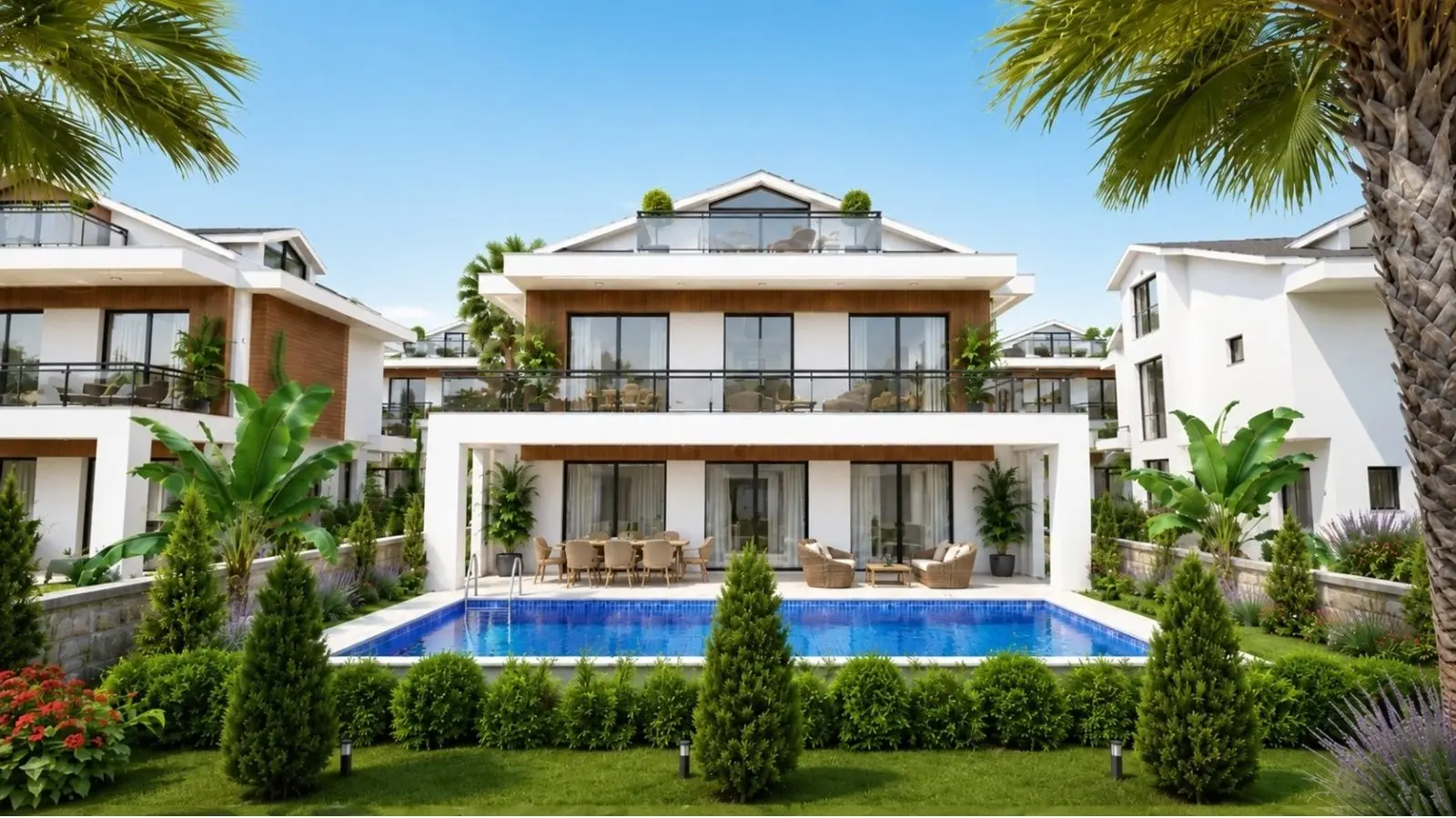
This means the future buyer of your apartment is unlikely to be another Chinese investor. It is more likely to be a Turkish professional, a Turkish family, a local investor, or a domestic buyer upgrading from an older building. When investors get this wrong, they often buy assets designed for foreign marketing rather than local resale. The project may look attractive online, but if the price is above local affordability, resale becomes harder.
Turkey Feels Different from China for Property Investors
Chinese investors often arrive in Turkey with assumptions formed by China’s property market, but Istanbul property operates differently. Turkey’s market is more locally driven and more dependent on resale demand from ordinary domestic buyers. China’s property market has been dealing with weaker developer activity, softer new-home demand, and falling residential sales values. Chinese buyers need to judge Turkey by Turkish market logic.
Point of Comparison
China
Turkey
Why It Is Important for Chinese Investors
Property market direction
Newly built residential floor space sold fell 9.2% in 2025, while residential sales value fell 13.0%
Turkey recorded 1,688,910 home sales in 2025, with foreign buyers representing 1.3% of total transactions
Turkey is not a foreign-buyer market. The exit strategy must focus on Turkish resale demand
Buyer behaviour
Chinese investors may be used to large-scale new-build markets and developer-led projects
Istanbul value is often strongest in established central districts with local demand and limited suitable stock
A polished new-build presentation is not always the best investment
Capital movement
China maintains an annual individual foreign exchange purchase quota of $50,000 USD
Turkish citizenship by real estate requires at least $400,000 USD, plus costs
Chinese buyers need early payment planning, banking preparation, and document clarity
Inspection trips
Long-distance research can lead buyers to rely on online listings, projects, and map pins
Chinese ordinary passport holders can now visit Turkey visa-free for up to 90 days within 180 days
A viewing trip should come before any set shortlist
Investment logic
China’s domestic property sector has been under pressure, especially in new homes
Istanbul’s strongest citizenship strategy is often affordable city centre with resale logic
The Turkish investment decision should be based on local affordability, not prestige alone
Inflation Does Not Mean a Bad Property Market
Many Chinese investors hear “Turkey” and think of inflation. That concern is understandable, but it is incomplete. Inflation by itself does not decide whether a real estate investment works. The real drivers include interest rates, credit availability, construction costs, local wages, household formation, rental demand, and the supply of suitable homes in the right districts.
In May 2026, Turkey’s Residential Property Price Index rose 24.5% year-on-year in nominal terms but fell 6.1% in real terms after inflation. Istanbul rents also continued rising sharply, reflecting tenant demand and supply pressure.
That tells us two things. First, property prices are still moving in Lira terms. Second, high inflation and high interest rates have kept real price growth under pressure. For cash buyers with a medium-term view, that creates an entry window before cheaper credit returns.
Mortgage Data Supports Affordable Homes
In 2025, mortgaged sales in Turkey represented around 14% of total housing transactions, down from 19% at the end of 2022. Credit-backed demand is still active, but it remains below the levels seen when borrowing was cheaper.
The main reason is cost. Average monthly interest rates on 10-year housing loans were around 2.69% to 2.79% in early 2026, while Turkey’s policy rate remained at 37% in June 2026. This makes larger and more expensive homes difficult for ordinary Turkish buyers to finance.
An affordable and central one-bedroom or two-bedroom apartment gives the investor a wider future buyer pool because the total price is closer to local affordability. Recent mortgage rule changes also support this direction:
- Lower and mid-priced second-hand homes received more generous lending limits.
- Some second-hand homes priced 2 to 5 million TL can access loans up to 90% of value.
- Higher-value new-build homes face tighter mortgage ratios, especially above 20 million TL.
There are already early signs of demand returning. In April 2026, mortgaged home sales rose 40.5% year-on-year and reached 20.3% of all house sales that month. For Chinese citizenship investors, the best resale strategy is the property that Turkish buyers can afford when mortgage demand improves.
Why Affordable City Centre Istanbul Often Beats Luxury
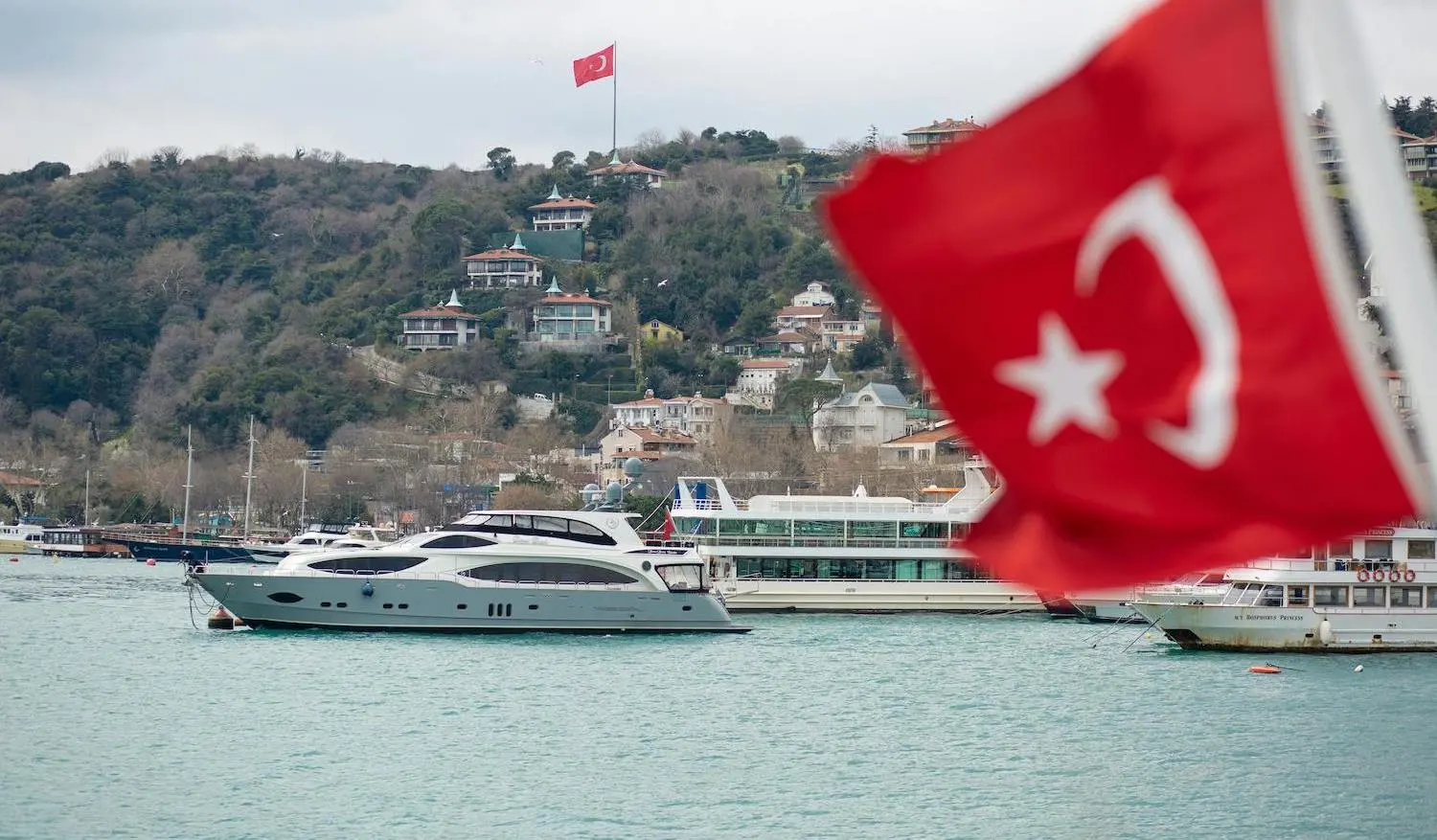
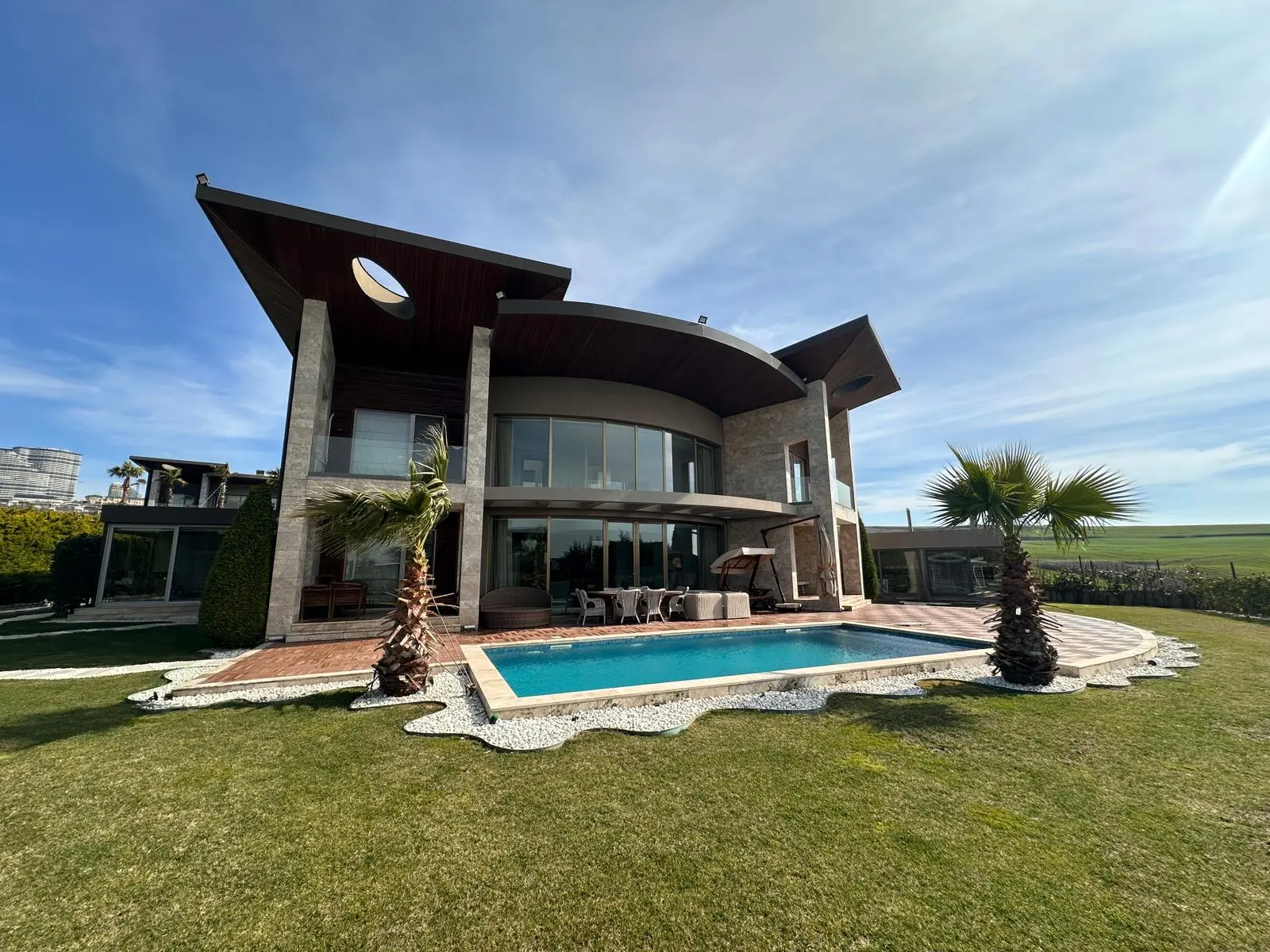
Luxury property has a place in Istanbul. A Bosphorus apartment, a branded tower, or a prime sea-view home can be the right choice for someone buying for personal use. Lifestyle and investment are not the same thing.
For citizenship investors, especially those not planning to live in the property, luxury often delivers weaker yields, less resale demand, and a smaller buyer pool. The more expensive the unit, the fewer local buyers can afford it.
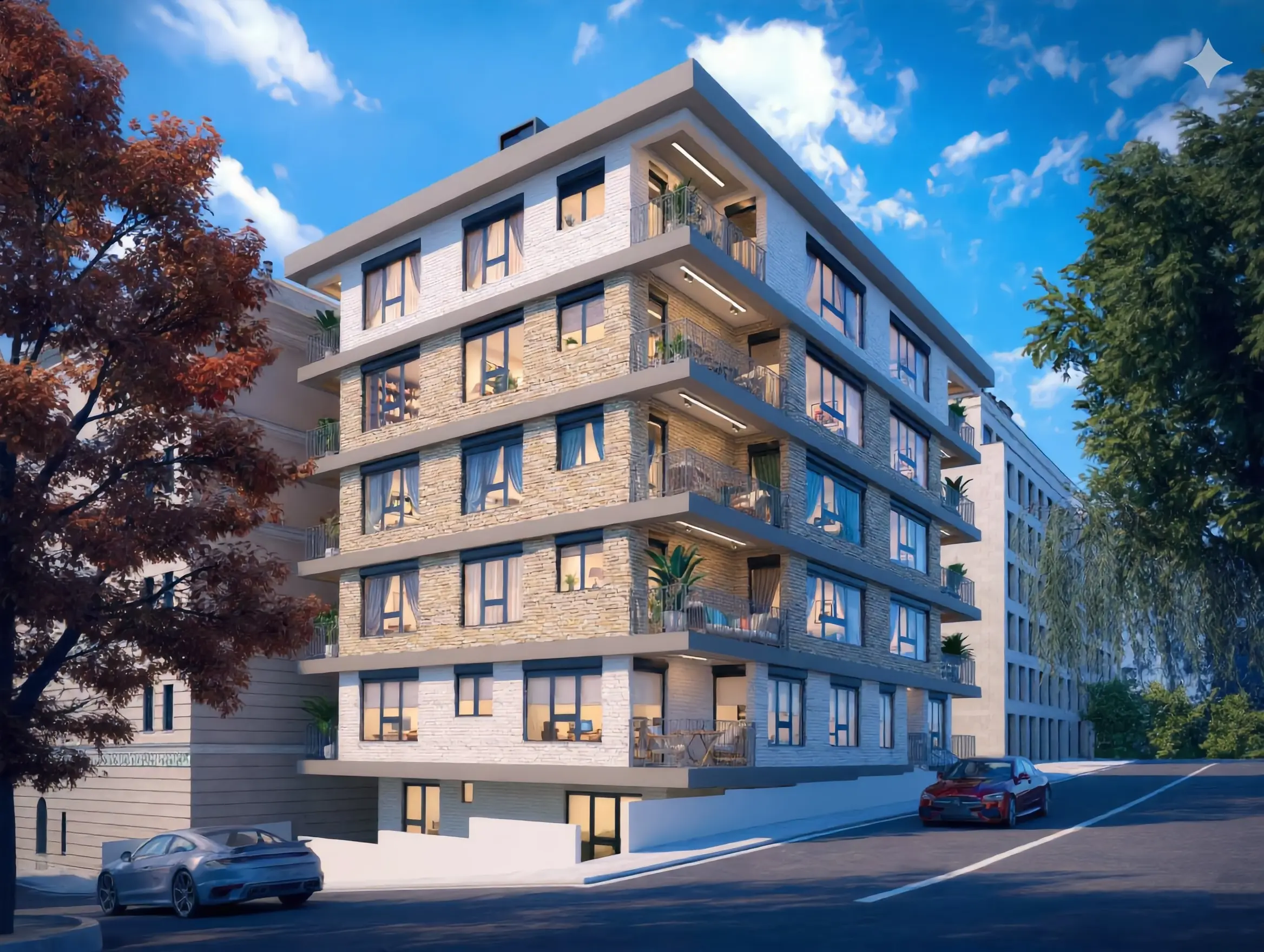
Affordable city centre apartments are different. One-bedroom homes in the $170,000 USD to $250,000 USD range and two-bedroom homes in the $250,000 USD to $400,000 USD range are closer to local affordability.
Buying two smaller apartments can be smarter than buying one expensive unit. Two assets can diversify rental income, increase tenant options, and create more flexible exits after the three-year citizenship holding period. The strongest investment is often in areas with:
- Local Turkish buyer demand, not only foreign marketing demand.
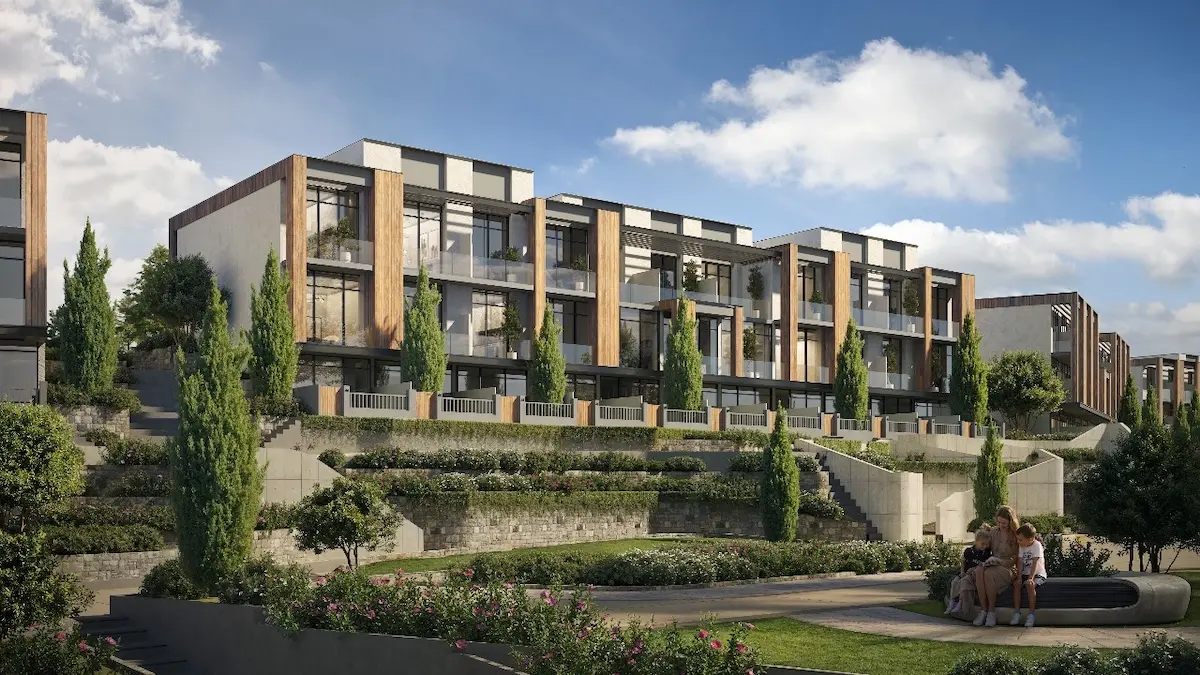
- Newer buildings in established city districts.
- Access to transport, hospitals, universities, business areas, and amenities.
- Rental demand from local professionals, students, families, and relocating workers.
- Limited good-quality supply at prices local buyers can still afford.
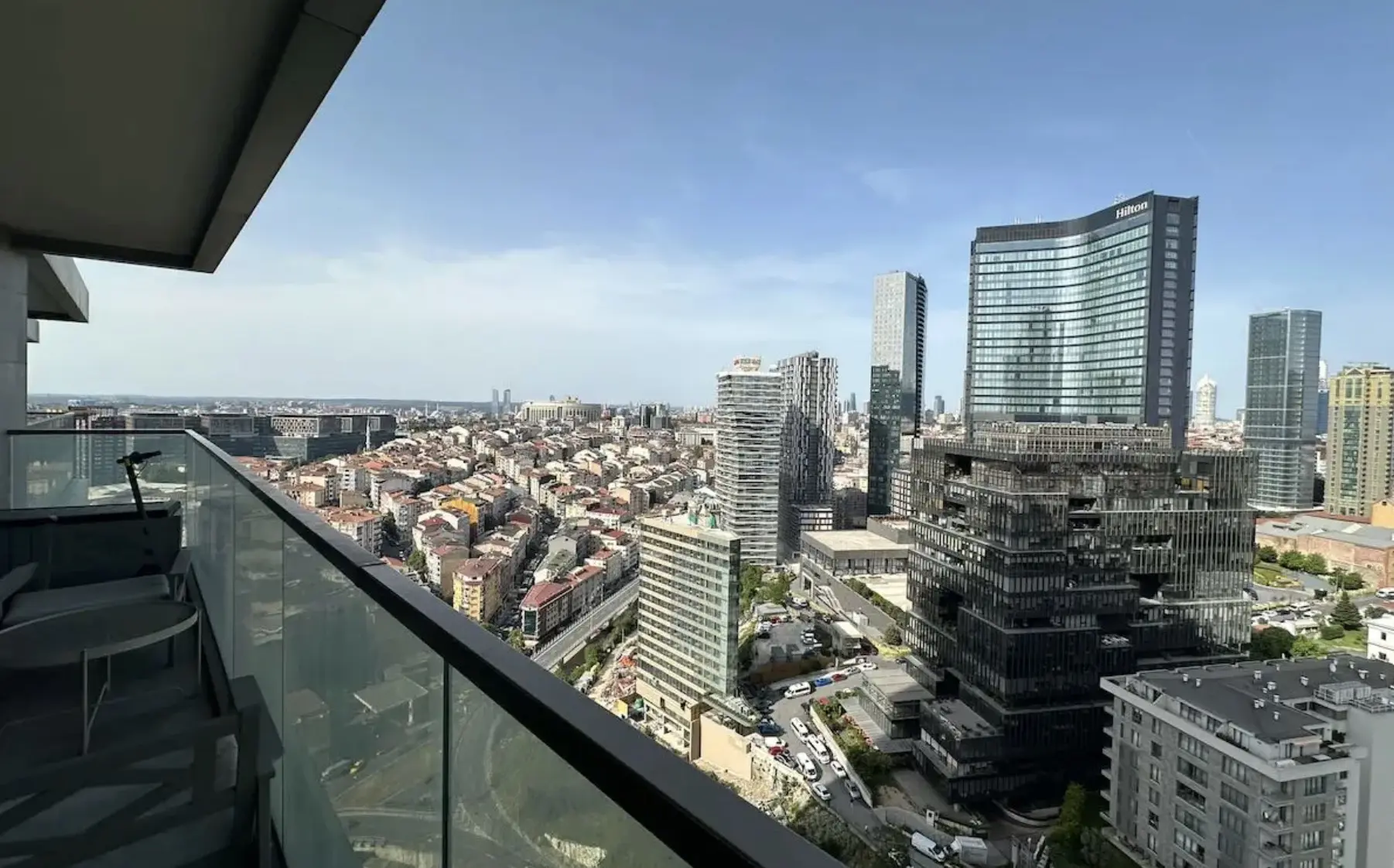
The best districts are often not the ones with the loudest marketing. They are established or improving Urban Regeneration areas where supply is limited, transport is improving, and local families want newer, safer, better-built homes.
Limited stock is one of the reasons the segment is attractive. If there were unlimited good-quality apartments in central Urban Regeneration areas, prices would be easier to contain. The opportunity exists because supply is limited, and local demand is deep.
Why Bosphorus Views Are Not Automatically a Good Investment
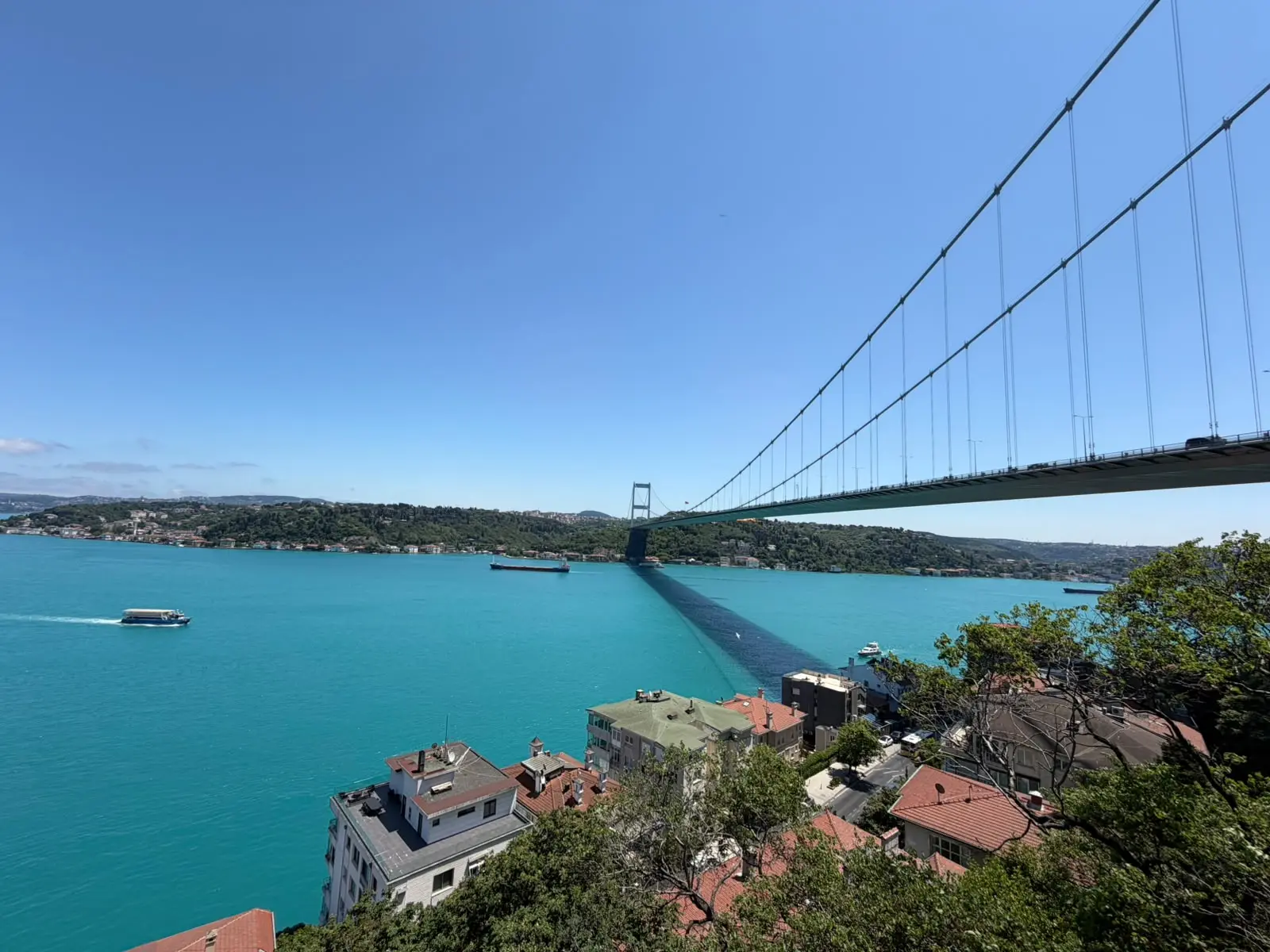
Many Chinese real estate buyers are drawn to Istanbul’s prestige areas. The Bosphorus is beautiful, internationally recognised, and emotionally powerful. But emotional strength does not always mean investment strength.
A property can be exceptional and still be a poor investment. At the top end of the market, purchase prices are high, management fees are higher, rental yields are often lower, and resale depends on a smaller group of wealthy buyers.
That does not mean a Chinese buyer should never buy Bosphorus property. It means they should be honest about the reason for buying. Buy it if you want to use it, live in it, or own a trophy home. For investment-led citizenship buyers, think about: how many local buyers can afford this property later? How easy will it be to rent? What yield will it produce? How realistic is the exit?
Second-Hand or New Build: Which Is Better for Citizenship?
For citizenship, there is no automatic advantage in buying a new-build property instead of a second-hand property. A qualifying second-hand home can support the citizenship file in the same way as a qualifying developer unit, provided the legal conditions are met.
The reason many foreign buyers are pushed towards new-build stock is not always investment quality. New-build developer stock is easier to package, easier to present, and easier for some agencies to sell quickly.
Second-hand property can be harder work. It requires stronger local sourcing, better legal checks, proper valuation planning, clean Title Deed history, and careful confirmation that the asset has not already been used for citizenship. The comparison is simple:
- New-build property can be easier to process and easier to explain remotely.
- Second-hand property can offer better value when sellers are flexible.
- Off-plan property can perform when developers offer early-stage discounts.
- The best choice depends on market timing, location, valuation, and exit strategy.
In the current high-rate market, second-hand opportunities can be attractive because some sellers are more flexible. In stronger growth periods, off-plan property can regain its advantage if developers offer meaningful early-stage discounts. Choose the best investment, then make sure it qualifies for citizenship. Do not choose the easiest citizenship property and hope it becomes a good investment later.
The Property Must Qualify, But That Is Only the Starting Point
A citizenship property must satisfy key legal requirements. It must meet the valuation threshold, be properly registered, pass Title Deed checks, and carry the three-year no-sale restriction. The property must also have a clean citizenship history. Before money is transferred, investors should confirm:
- The official valuation can support the citizenship threshold.
- The Title Deed and ownership status are clean.
- The property has not already been used for citizenship in a way that blocks eligibility.
- The seller and transaction structure satisfy citizenship rules.
- All legal papers are suitable for the citizenship file.
- The three-year no-sale annotation can be registered properly.
These are non-negotiable. But meeting the legal threshold does not mean the property is a good investment. If the property qualifies, the citizenship process can move forward. The investor’s focus should then be on buying the right property at the right price, with a clear rental and resale plan.
Rental Income: What Chinese Investors Should Expect
A well-chosen Istanbul apartment can generate income during the three-year holding period and reduce the cost of capital. In affordable central districts, long-term rental yields can be stronger than in luxury buildings. As a practical guide, professionally selected and well-managed units target around 5% to 6% net annual rental income, depending on location, purchase price, furnishing, tenant profile, and management costs.
Luxury homes may rent for higher monthly amounts, but the yield is often lower because the purchase price is higher. A prestigious apartment can produce a smaller percentage return than a modest city apartment with strong tenant demand.
Short-term rental can produce higher returns in selected locations, especially in areas with business, tourism, and lifestyle demand. However, short-term rentals in Turkey now require careful compliance, including permit rules for tourism-purpose rentals of 100 days or less. For most Chinese investors who live outside Turkey, long-term rental is usually simpler and easier to manage from abroad.
Ongoing Costs and Tax Considerations
Owning property in Turkey is generally not expensive on an annual tax basis compared with many other markets. Annual property tax is modest, although the exact amount depends on municipality, property type, declared value, and classification.
The larger ongoing cost is often the building management fee, known as aidat. This varies widely. A simple central apartment may have a manageable monthly fee, while a luxury tower with pools, gyms, security, reception, and shared services can be more expensive.
If the property is rented long-term, tenants typically pay utilities and monthly building management fees. The owner remains responsible for annual property tax and any owner-level obligations under the lease and building management rules.
Rental income from Turkish property is taxable in Turkey. Non-residents are generally taxed on Turkish-source income, while tax residents may have wider obligations. Turkey’s 2026 tax reforms make residency planning more interesting. Qualifying new residents may benefit from a 20-year tax exemption on foreign-source income, but this does not remove tax on Turkish-source rental income.
- Property selection, negotiation, and reservation.
- Due diligence, valuation, payment planning, and Title Deed transfer.
- Three-year no-sale annotation on the Title Deed.
- Certificate of eligibility and Turkish Residency Permit stage.
- Citizenship application and administrative review.
- Biometrics, final approval, and passport issuance.
Many investors can complete much of the process through a lawyer with Power of Attorney, but they should still expect to visit Turkey for biometrics. Chinese investors should prepare family documents, translations, certifications, and source-of-funds paperwork early.
Why Google Maps and Online Lists Are Not Enough
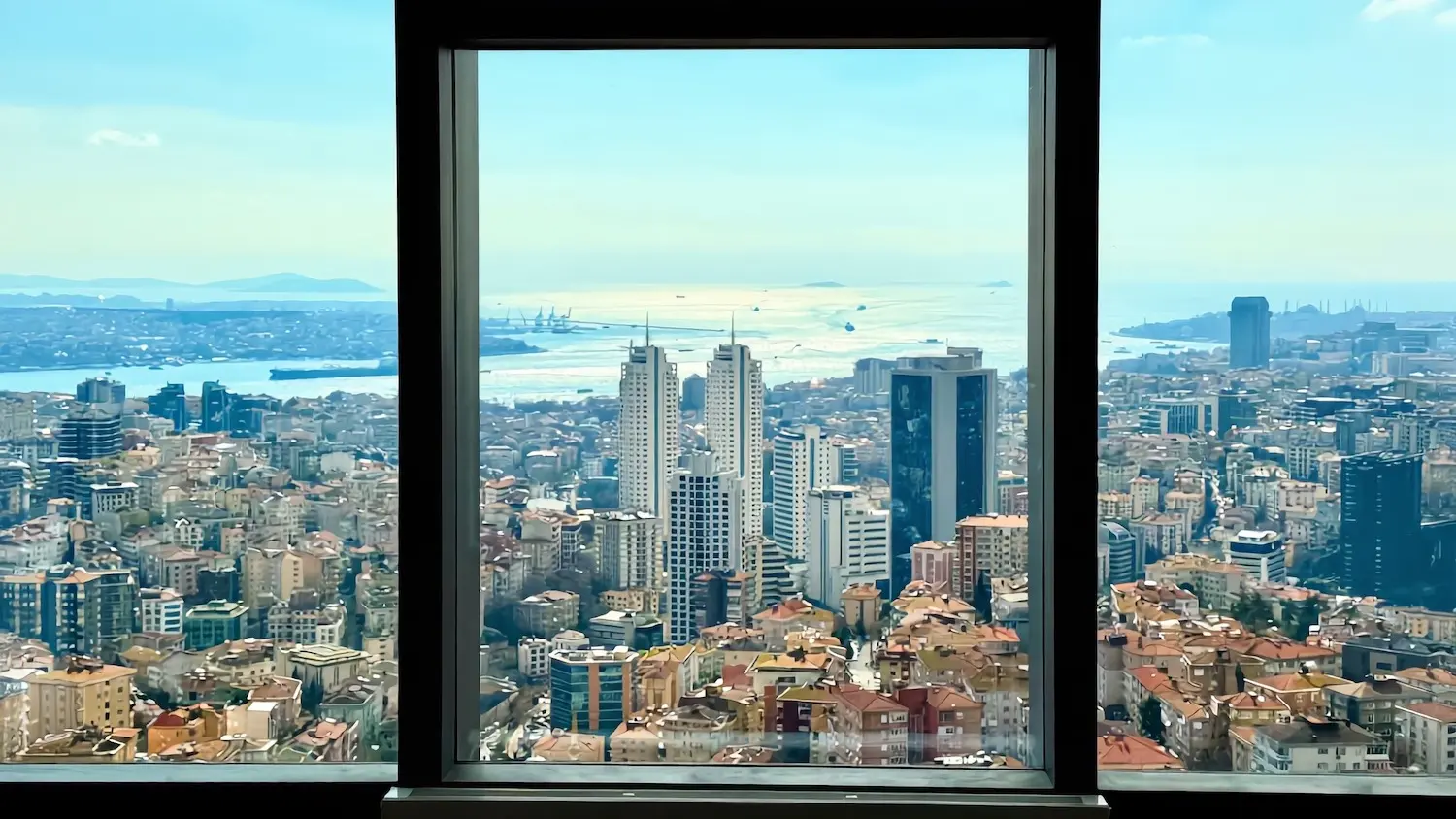
Chinese buyers are often highly research driven. They compare districts, ask for map pins, check online comments, consult AI tools, and try to make a shortlist before arriving in Turkey. Research is useful, but it cannot replace market context. Istanbul is a city of more than 15 million people, with very different local property markets even within the same district.
The problem is not that Chinese investors research excessively. The problem is that they often research the wrong things. They may focus too heavily on:
- Whether the building looks impressive online.
- Whether the brochure feels premium.
- Whether the view looks attractive.
- Whether the property is close to a famous landmark.
- Whether another agency has sent a nice project list.
Those points do not decide investment performance. Local affordability, tenant depth, title history, valuation strength, building quality, transport access, and future resale demand are far more important.
The better approach is not to arrive with a fixed shortlist. A serious buyer should first understand Istanbul as a city. That means comparing central districts, sea-view locations, Urban Regeneration areas, Asian side options, European side options, luxury homes, affordable homes, and high-supply outskirts. A buyer can then understand which areas are lifestyle-led, which are investment-led, and which are simply being pushed because they are easy to sell.
The Smart Strategy for Chinese Citizenship Buyers
The smartest strategy is to start with the exit. Ask who will rent the property, who will buy it later, how the buyer will finance it, and whether the price is affordable for the local Turkish market. For most investment-led citizenship buyers, that means affordable Istanbul apartments in improving central districts.
Treat the property as an asset, not just a passport receipt. The citizenship should come through the investment, not at the expense of it. A strong investment strategy should include:
- A clear citizenship route before money is transferred.
- A property budget above the bare legal minimum.
- Independent legal support and full Title Deed checks.
- Local resale logic, not only foreign-buyer presentation.
- A rental plan before completion.
- A realistic exit strategy after the three-year holding period.
The Real Opportunity for Chinese Investors
Turkish citizenship is not the hard part. The hard part is choosing an asset that protects capital, generates income, and can be sold to the right buyer after the holding period. Chinese investors who treat Turkey like Dubai, buy from glossy brochures, and focus only on the passport are likely to make weak property decisions.
The opportunity is not to buy property and receive citizenship. It is to use the citizenship route as a gateway into one of the region’s largest domestic real estate markets. For Chinese investors, the winning formula is simple: visit Istanbul, understand the local market, buy within the right affordability band, check citizenship compliance before purchase, and keep the exit strategy clear from day one.
Property Turkey helps Chinese investors compare citizenship routes, select qualifying real estate, complete legal checks, manage the citizenship file, and rent or manage the property after purchase. If you are considering Turkish citizenship by investment, speak with our Istanbul team today. The right advice can be the difference between simply getting a passport or getting a passport and owning an investment property that performs.
FAQs for Chinese Investors in Turkey
Q: Can Chinese citizens apply for Turkish citizenship by buying property?
A: Yes. Chinese citizens can apply through the real estate route if they buy qualifying property worth at least $400,000 USD and meet the wider citizenship requirements.
Q: Can an investor buy more than one property to reach $400,000 USD?
A: Yes. The threshold can be reached through one or multiple qualifying properties, provided the combined value and legal file meet the citizenship requirements.
Q: Is a new-build property safer for citizenship than a second-hand property?
A: Not automatically. Both can qualify. New-build property may be easier to package, but a properly checked second-hand property can offer better investment value.
Q: Should Chinese buyers choose a luxury Istanbul apartment for citizenship?
A: Only if the buyer wants that property for lifestyle reasons. For investment, affordable city centre property with strong local demand often provides better resale and rental potential.
Q: Can the property be sold after three years?
A: Yes, once the three-year restriction has passed. However, investors should plan the exit before buying, because resale depends on price, location, local demand, and market liquidity.
Q: Does Turkish citizenship make a Chinese investor a Turkish tax resident?
A: No. Citizenship and tax residency are separate. Tax residency depends on residence, time spent, domicile, and personal circumstances. Chinese investors should take cross-border tax advice
Q: Can Property Turkey manage the property after purchase?
A: Yes. Property management is crucial for investors. This can include tenant search, long-term letting, short-term rental support, maintenance, inspections, rent collection, reporting, and owner support.
Cameron Deggin Founder & CEO, Property Turkey
Cameron Deggin is Founder and CEO of Property Turkey. A former finance professional and FCCA-qualified accountant, he founded the company in 2001 after recognising Turkey’s investment potential. With more than two decades analysing Turkish real estate, Cameron regularly advises international investors and is quoted by media including the Financial Times and BBC.




 By:
By:










 Founder & CEO, Property Turkey
 Fethiye
  2
2  2
2 












 X
X