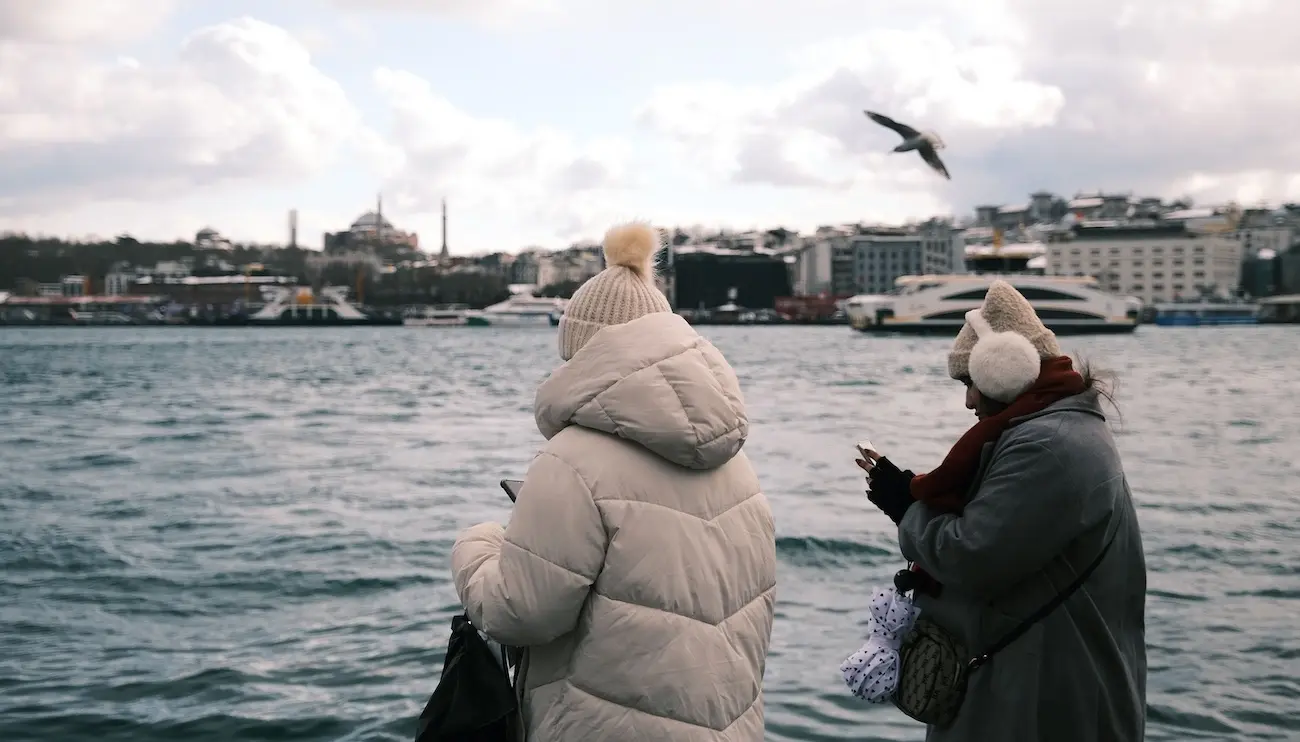
Visiting Turkey in winter means experiencing the country on another level. As temperatures drop and the crowds disappear, Turkey continues to display its delights, from the Bosphorus in Istanbul to the Angora in Izmir. Places like Erzurum attract skiers, while sightseers still arrive to see the delights of Sultanahmet Square. All of it is waiting and ready to explore.
Quick Summary: Tips to Visit Turkey in Winter
- Turkey has several climate zones, so check the local weather and humidity before you arrive. Winter officially runs from December to February, and January is the coldest month.
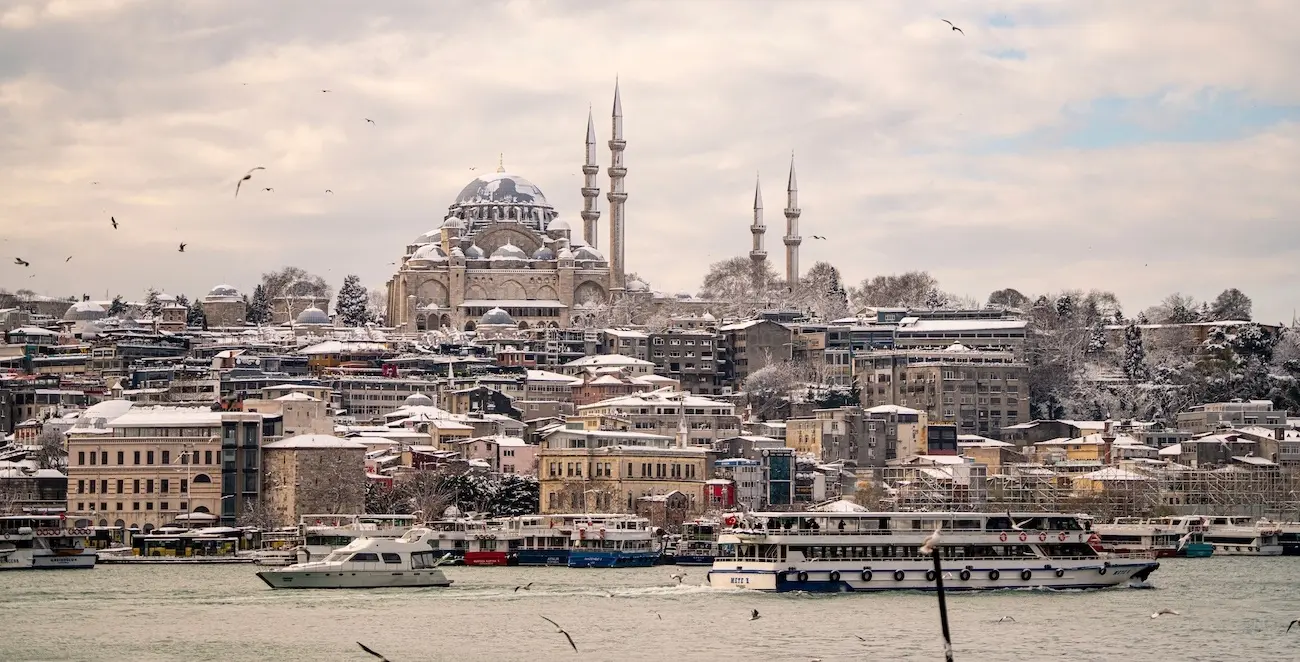
- Istanbul is the most popular destination, thanks to the UNESCO sites, the Grand Bazaar, the Hagia Sofia, and Topkapi Palace. Public transport makes it easy to get around, and other attractions include the whirling dervishes of Galata, Turkish Baths, Istiklal Caddesi, and a Bosphorus cruise.
- For snow and skiing, look to the Black Sea coast. Places like Bolu turn into a photographer's paradise, while Palandöken, Erciyes Ski Centre, and Uludağ Ski Centre attract the hardcore skiers.
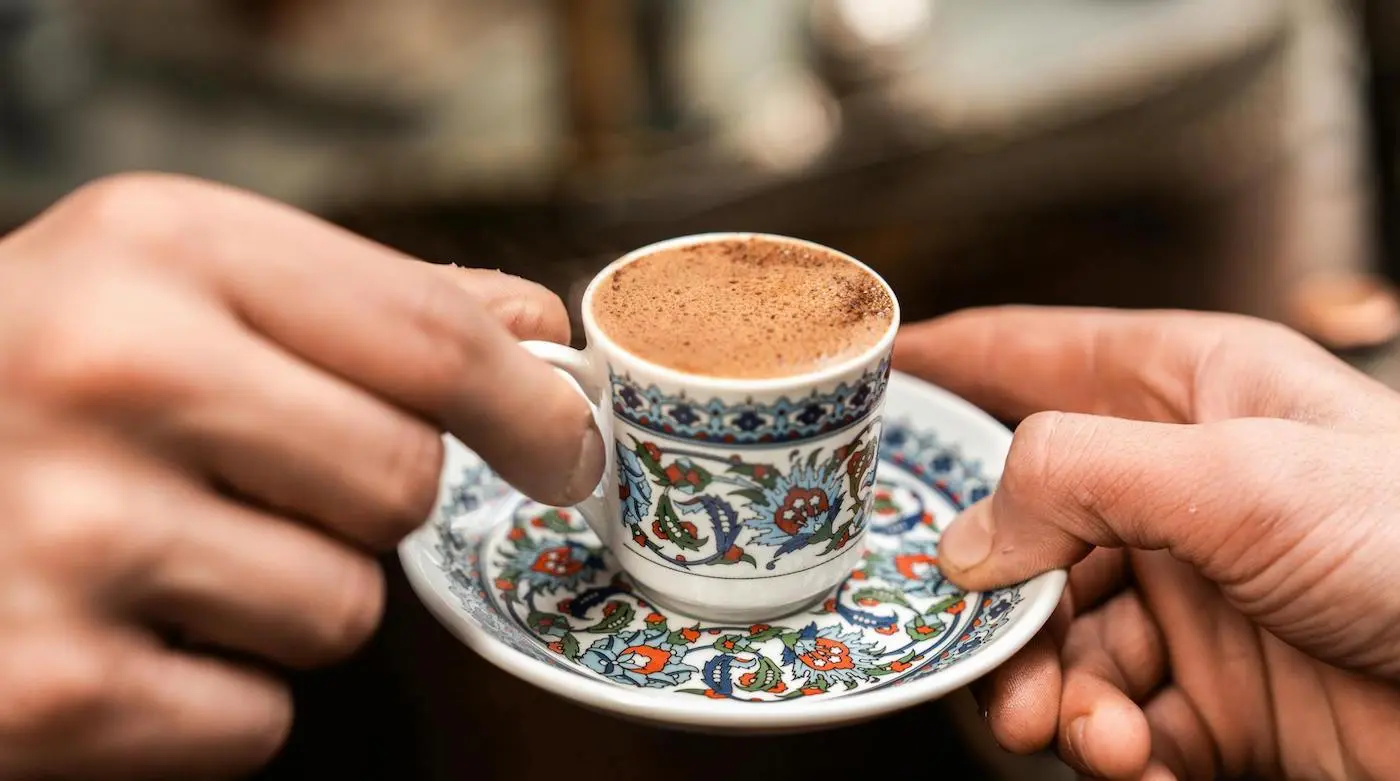
- Try the winter warmer drinks of Boza, salep, and, of course, Turkish coffee. Turkish breakfasts are the perfect way to start the day, and Turkish soups are also a favourite way to warm up.
10 Excellent Reasons to Visit
1. Less Crowds and Better Prices
When you visit between December and February, plane tickets and hotel prices drop. While huge attractions like Ephesus and the Hagia Sophia will still be popular over the winter months, they're nowhere near as busy as they are during the height of high season. Travellers stay in 4-star and 5-star hotels at amazing discounts, and activities (for example, horse riding, trekking, rafting) offer off-season prices, and car hire is also cheaper.
2. The Mediterranean Coast for Winter Tourism
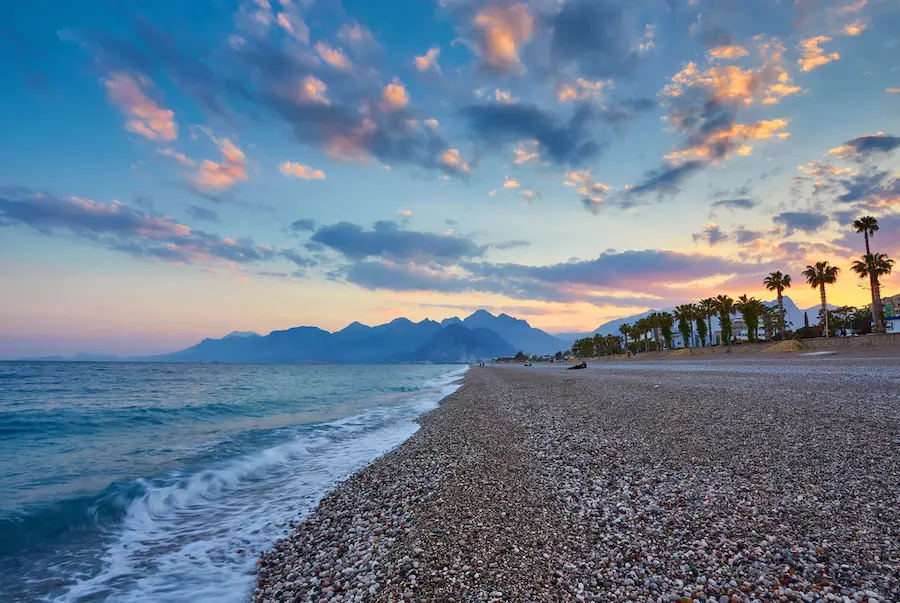
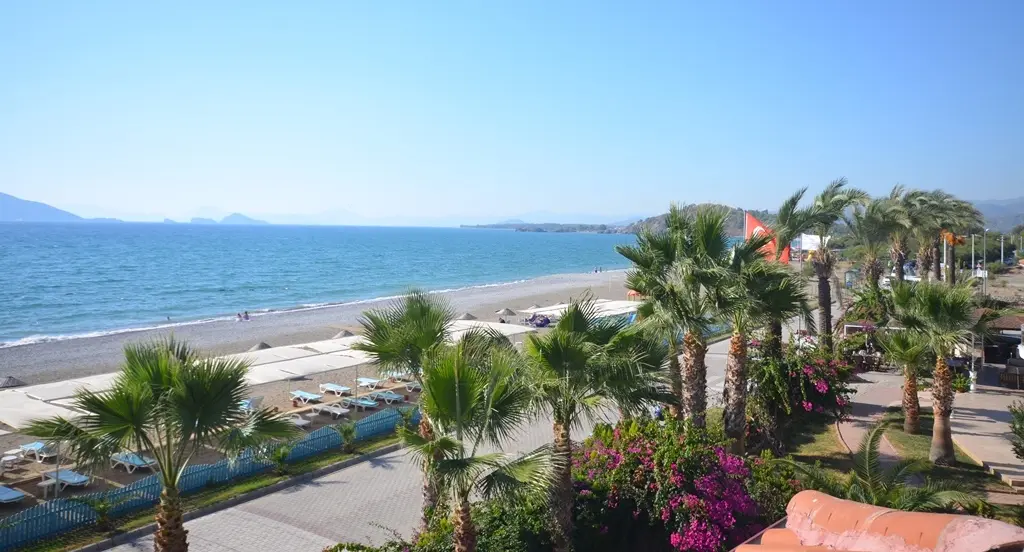
Putting aside the charm of Ankara and the hot air balloon rides of Cappadocia, not everyone wants the snowfall and ice. In that case, the southern Mediterranean is the best place for winter sun. Antalya has emerged as a key contender on the Aegean coast because it has higher temperatures.
Visitors can indulge in a Turkish Hammam, festivals, and historical sites that are the starting point of the famous Lycian Way. While beach resorts close for the typical sea and sand, the sun is still there to explore places like Duden Waterfalls, Kaleici Old Town, and up in the mountains at Saklıkent Ski Centre.
3. Enjoy Skiing and Snowboarding
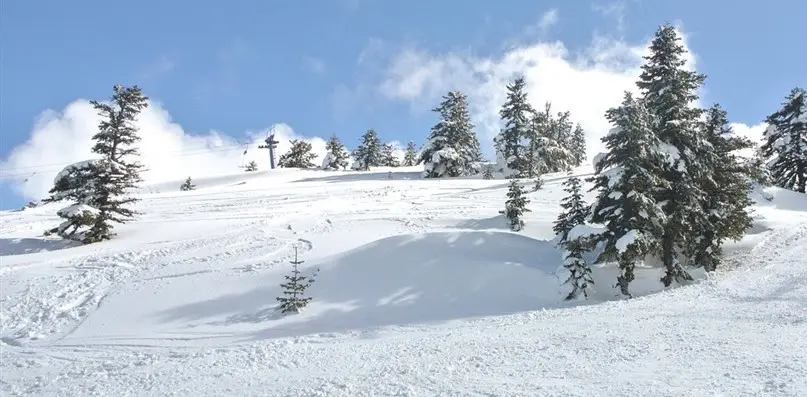
Skiing in Turkey is still relatively uncharted territory. If you head to the northeast, you'll find pristine ski fields and very few skiers cluttering up the slopes. Don't expect Euroglitz or chalet-style evening entertainment; this is bare-bones tourism in a sparsely populated part of the country. Heading to Uludag, near Istanbul, or the ski resorts near Antalya offers more familiar ski experiences, with better infrastructure and more tourists on the slopes. Antalya's also a little warmer than its colder northern counterparts, which are sub-zero winter lands.
4. Eat your Way Through Istanbul
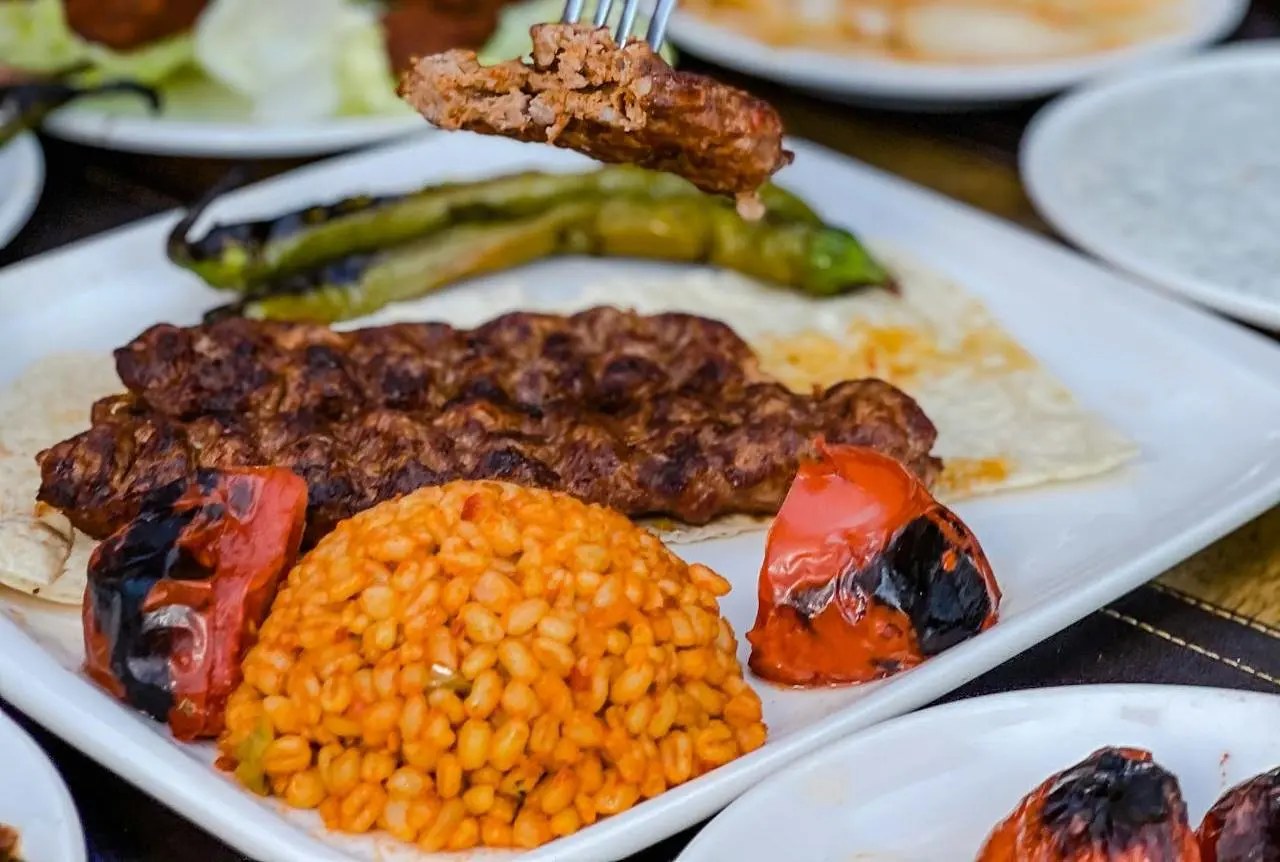
Head to Istanbul this winter and join a tour that highlights the country's best cuisine. Tours explain the provenance of the heady flavours in Turkish food, then take you around restaurants, cafes, and street food stalls where you'll find the best dishes the city has to offer.
So forget kebabs; Turkish cuisine is about much more. If simply eating isn't enough and you've always wanted to learn to make delicious dishes from one of the world's most famous cuisines, head to Istanbul during the off-season for workshops run by top Turkish chefs.
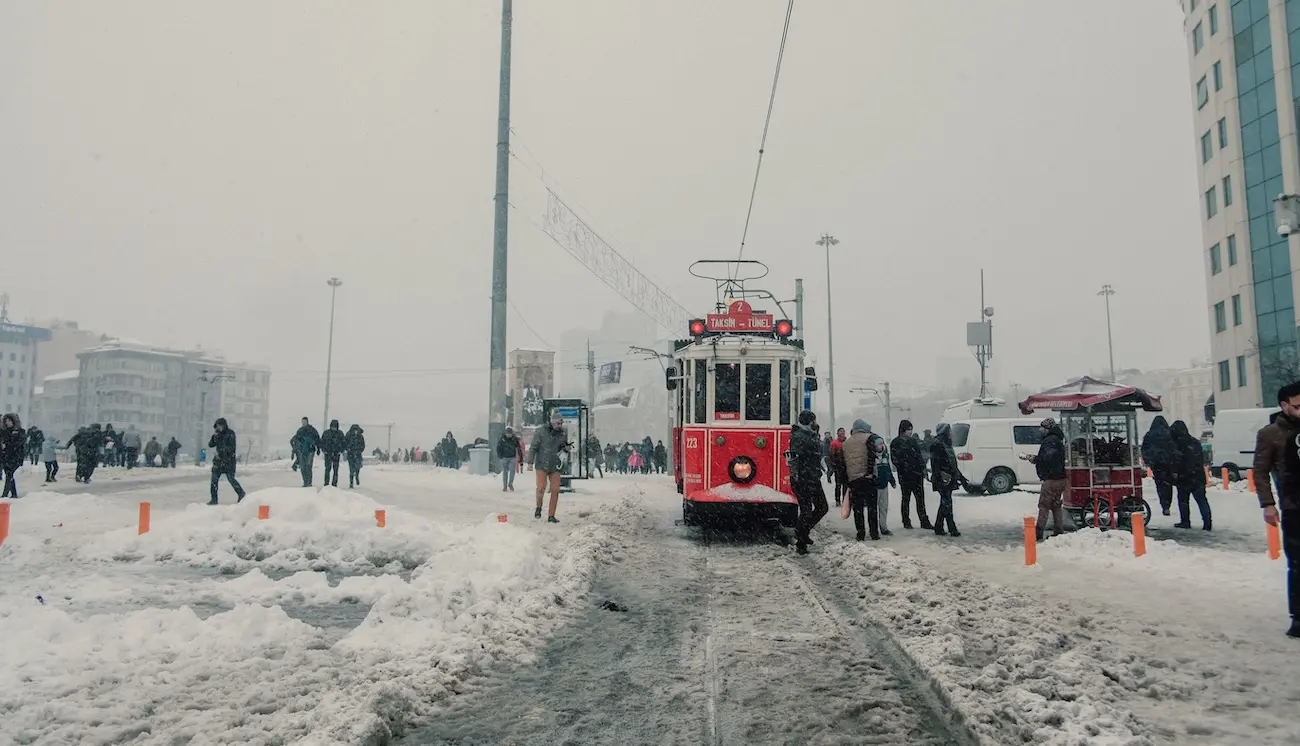
Whether your tastes lean toward trendy Turkish fusion or traditional Ottoman offerings, Istanbul offers many cooking courses. Explore the wine boutiques of Çihangir and sample the street food of Taksim Square and İstiklal Street.
5. More City Break Destinations
Of course, we all know places in Istanbul like Karaköy and Beyoğlu, but from December to February, city breaks are more popular, and Turkey offers numerous options. Visit Izmir and take a slight detour to see the ruins of Pergamon. From Antalya, take the mountain cable cars up to Tahtali for the best views over the coastline. Also relax in the old quarter by the Roman harbour. Bursa, Yalova, and Bolu are great for thermal spas, and Kars in the east is near Lake Cildir and the ancient ruins of Ani.
6. Cosmetic Surgery
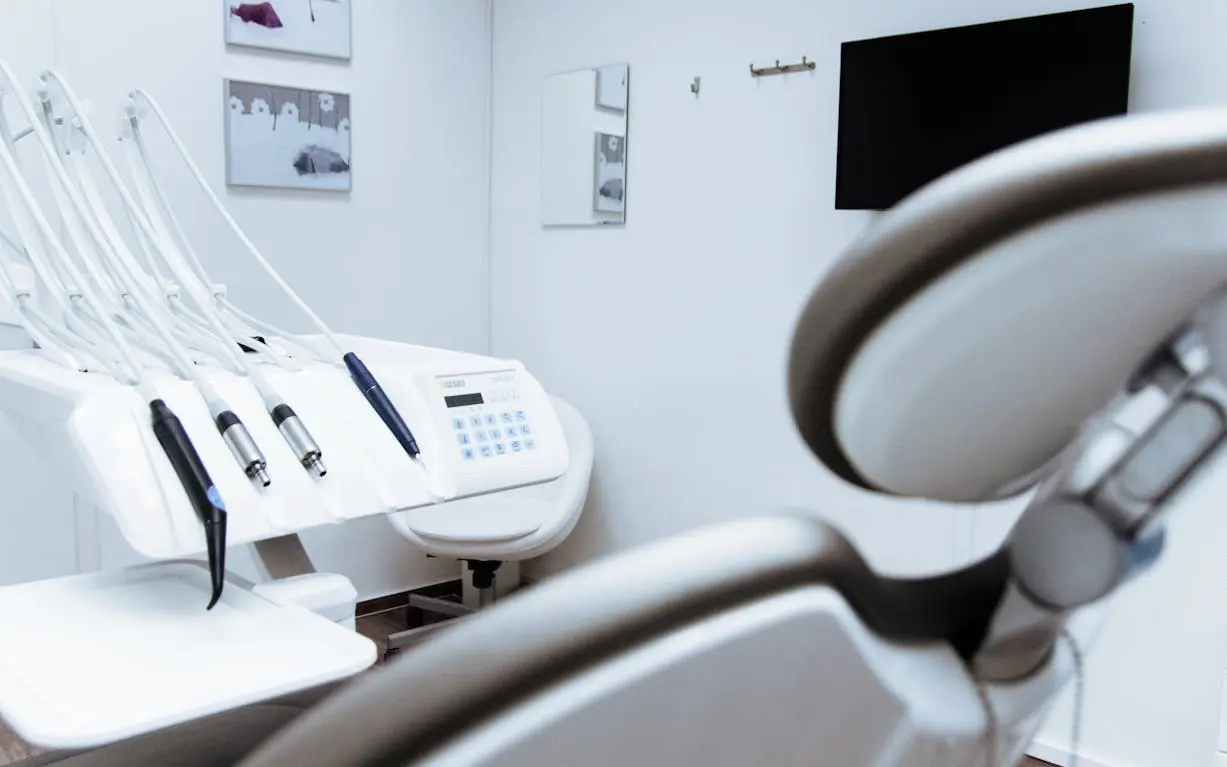
It might sound like a strange, not to mention drastic way to spend a winter holiday, but plenty of people do it. Health tourism in Turkey is booming, and people use their annual leave to fly out and get procedures done. Potential patients come from all over the world for their fertility treatments, cancer treatments, dental procedures, cosmetic surgery, and even open-heart surgery. For many, it's a chance to skip long waiting lists or costly private operations at home and choose a more cost-effective procedure in a world-class hospital.
7. Get Pampered
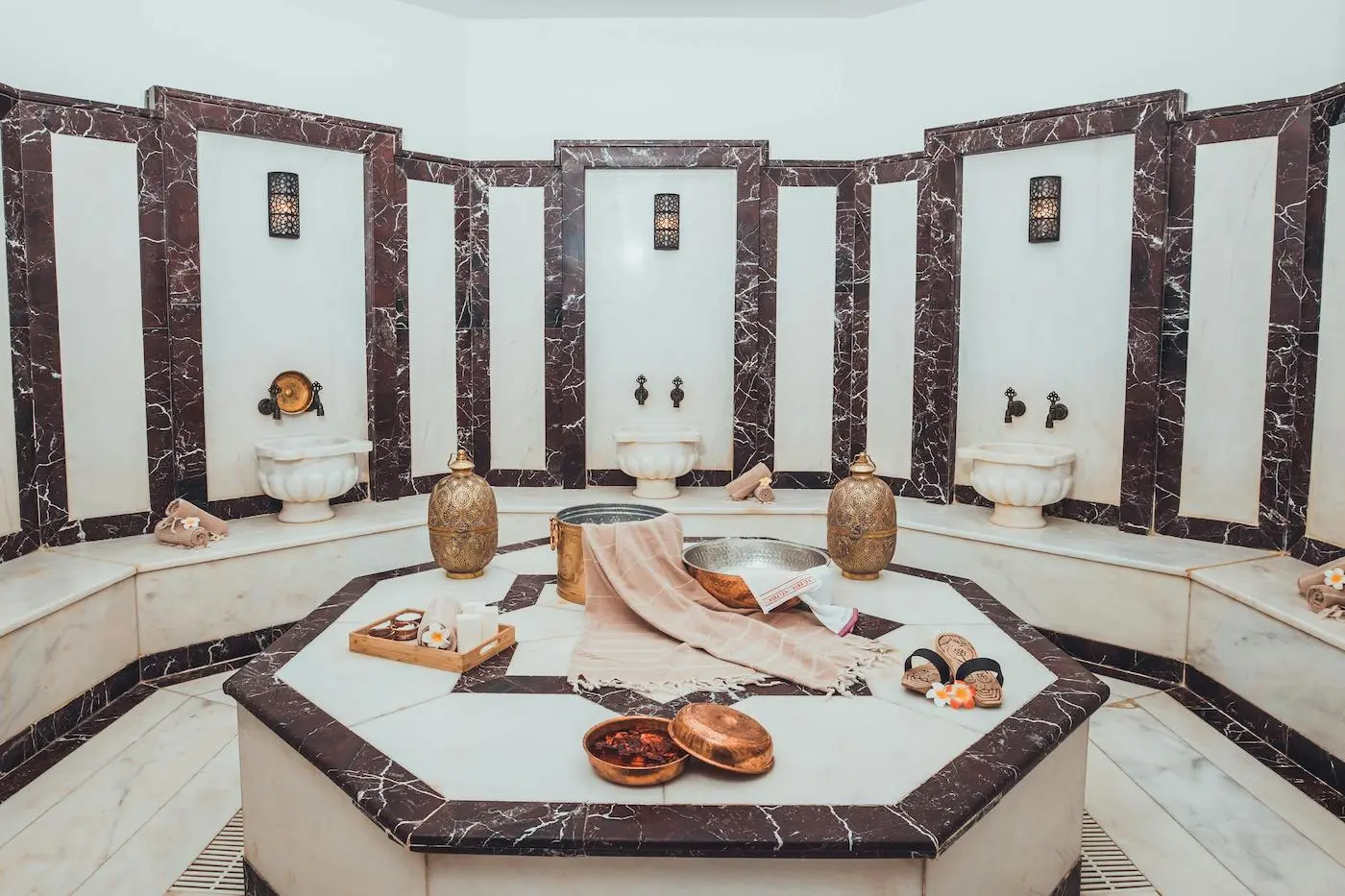
Book yourself in for a spa holiday. The treatments are modern and highly professional, with luxurious spas and Hammams offering massages and skin treatments, with a strong emphasis on water therapy, including cold and hot pools and tubs.
Turkey is a volcanic country and therefore has many natural hot springs and thermal pools. Who needs sandy beaches when you have the healing, heating power of natural hot spring water? The best-known is Pamukkale, but the country is dotted with hot springs, often near good hotels and other cultural attractions. Other thermal resorts are found in Bursa, Mugla, and on the Black Sea.
8. Cappadocia is Out of this World
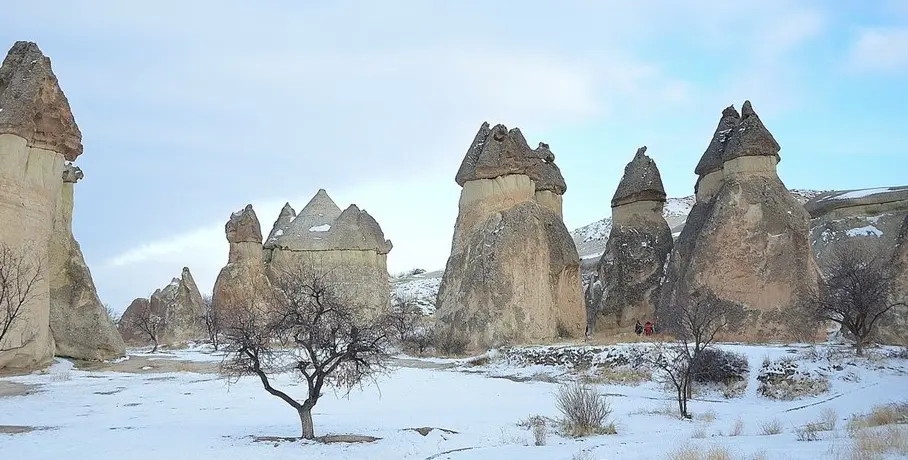
If ever there was one place that defied belief, it would be Cappadocia, and when the temperatures drop, this wonderland gets covered in a blanket of snow. Hot air balloons rise every morning and drift over the fairy chimney rock formations. Staying in a cave hotel is extra cosy, and since the crowds have disappeared, expect nothing but pure tranquillity.
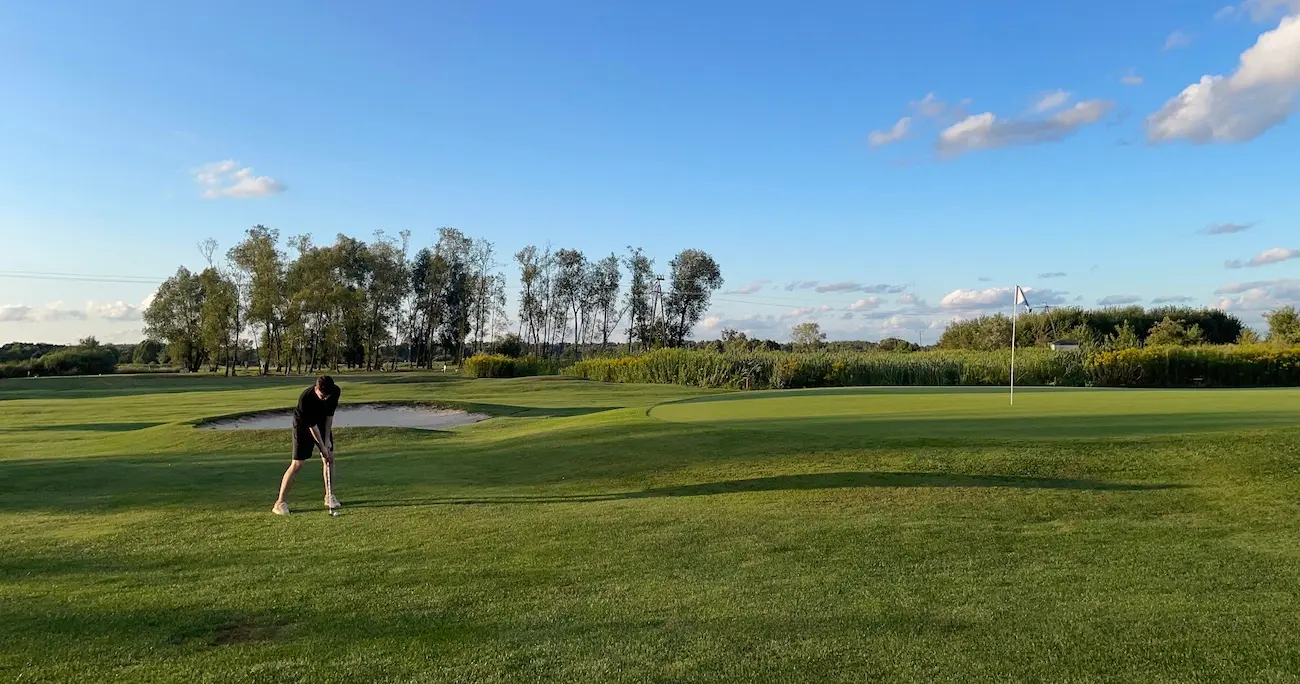
9. Play a Round of Mediterranean Golf
With 50 hotels and 14 world-class golf courses, Belek's reputation as a premier golfing destination is well deserved. The bonus is that when the off-season comes around, the quiet courses offer amazing discounts, and players also have the luxury of the 5-star spa hotels nearby. The town is located in a central part of the Antalya coastline, so you're also well placed to explore the region's ruins and cultural attractions in between rounds.
10. New Year is on Another Scale
Put aside the European celebrations, because Turks take New Year seriously. If you're in the country as it transitions from December to January, you will experience it for yourself. Expect massive fireworks shows in places like Istanbul, cosy sit-down events in Cappadocia, or parties in the ski resorts. Santa statues are everywhere, but these are a New Year tradition, not Christmas, so don't get them confused.
FAQs: Visiting Turkey in Winter
Q: Is Turkey good in the winter?
A: Yes, wintertime in Turkey is good. You need to put away your swimming costumes, because this season is all about cultural heritage and exploration. Places like Pamukkale and Hierapolis, Mount Nemrut, and Yalova still attract eager sightseers, while Istanbul's time-honoured classics remain top attractions. In late September, crowds start to dwindle, and they peak at the end of October, when major flight schedules end. So, this is off-season, but just as delightful.
Q: Is it worth going to Turkey in January?
A: Yes, Turkey in January is still great, with plenty to see and do, but be aware it's the coldest month, so you will need to dress warmly, especially at night. For winter sun, head to the Antalya region; otherwise, places like Lake Çıldır and Kartal Kaya ski resort are good places to find snow.
Q: Is it advisable to visit Turkey in December?
A: Yes, December in Turkey marks the transition from Autumn to winter. While most beach resorts in the Aegean and Mediterranean close, many other destinations stay open. In places like Antalya, you can walk around in a t-shirt, while in Istanbul it is time to wear coats. Still, plan a good itinerary, especially if you come around New Year, one of the Turks' favourite times to celebrate.
Q: What are the best places to visit in Turkey during Winter?
A: The best places depend on what you want to do. Istanbul remains the most visited city, with attractions like the whirling dervishes, the Blue Mosque, Galata Tower, and Ottoman-era buildings like Topkapi and Dolmabahce Palace. Cappadocia is a favourite for hot-air ballooning, while Antalya is the hottest destination. Most people take a short city break to Istanbul, while others combine all three destinations.
More About Turkey
We are Property Turkey, and we love highlighting this delightful country to the world. In addition to selling apartments and villas, we share our local knowledge and experience in our blog so potential visitors and buyers have plenty to learn from. We also cover the places, culture, and traditions, and answer questions, so browse to find more reasons to visit Turkey in winter.
Nezir Can  Operations Manager
Nezir 'Nez' Can is Operations Manager at Property Turkey and a contributor on Turkish culture, lifestyle, and everyday life across the country. Since joining the company, he has helped international readers better understand what it is like to live, work, and settle in Turkey.
View full author profile →




 By:
By:
 Bodrum
  8
8  7
7 








 X
X