Global real estate in 2026 is no longer moving in one direction. Instead, investors are navigating two parallel property games at the same time. On one side are safe-haven markets, places where returns are modest, but liquidity, legal certainty, and capital protection dominate decision-making. Prime London, Switzerland, Singapore, and select cities in the United States fall into this category.
On the other side sit growth and yield markets, where real upside still exists, but only for buyers who understand timing, micro-location, and exit liquidity. Turkey and Dubai both belong firmly in this second category. However, neither is a “buy anything” market. The easy gains of past cycles are gone. In 2026, strategy matters more than optimism.
This is why investors comparing Istanbul and Dubai must stop asking which market is “better” and start asking which market suits their objectives, risk tolerance, and time horizon. Both cities reward capital differently and applying the same logic to each often leads to underperformance, mispricing, and avoidable liquidity risk.
Why Turkey and Dubai Are Still on Global Investors’ Radar
Despite very different economic models, Turkey and the UAE share one key trait in 2026: they are growth-driven, people-led cities, not financial engineering stories. Both markets benefit from: strong population flows, structural demand for housing, international capital participation, and government-backed urban development.
But the way returns are generated, and protected, differs significantly. Dubai’s real estate market has matured into a highly segmented environment, where prime assets continue to perform while generic supply is increasingly tested. Turkey, and Istanbul in particular, remains deeply undervalued by global standards, but demands local understanding and disciplined asset selection.
Istanbul 2026: A Scarcity Market Hiding in Plain Sight
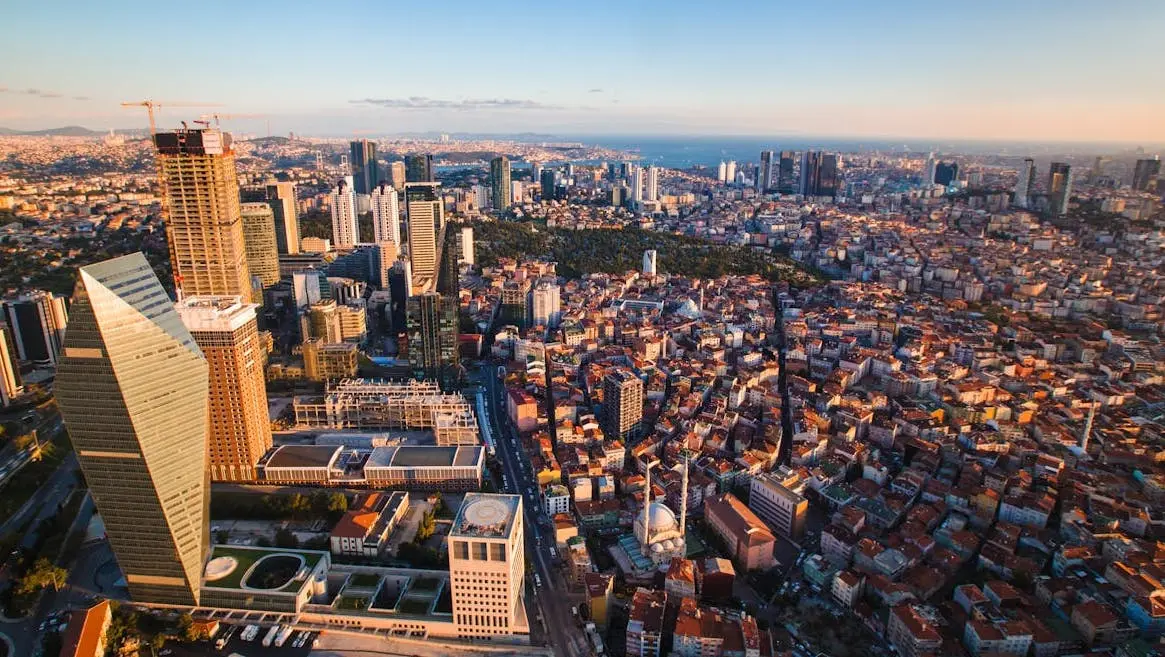
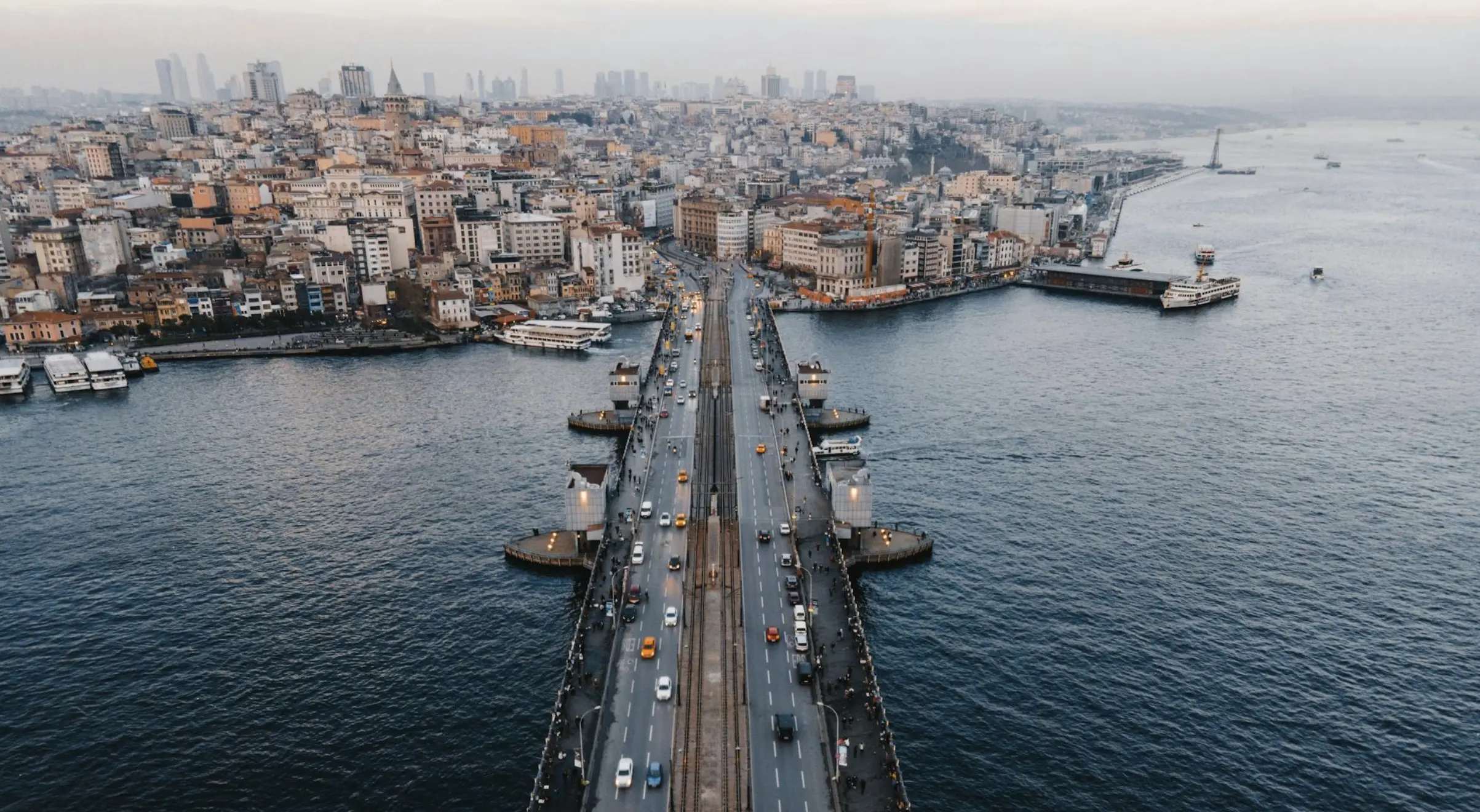
Istanbul is one of the world’s largest cities by population, economic activity, and cultural influence, yet it remains priced far below comparable global cities. The reason? Currency volatility, inflation, and a market that is overwhelmingly domestic in nature. Ironically, these same factors create opportunity for foreign buyers who think like locals.
The Core Rule of Istanbul Property Investment
Property Turkey has long repeated one guiding principle: Buy what Turkish buyers will buy from you later. Over 95% of Istanbul’s real estate transactions involve Turkish buyers. That means your exit is almost always local, not international.
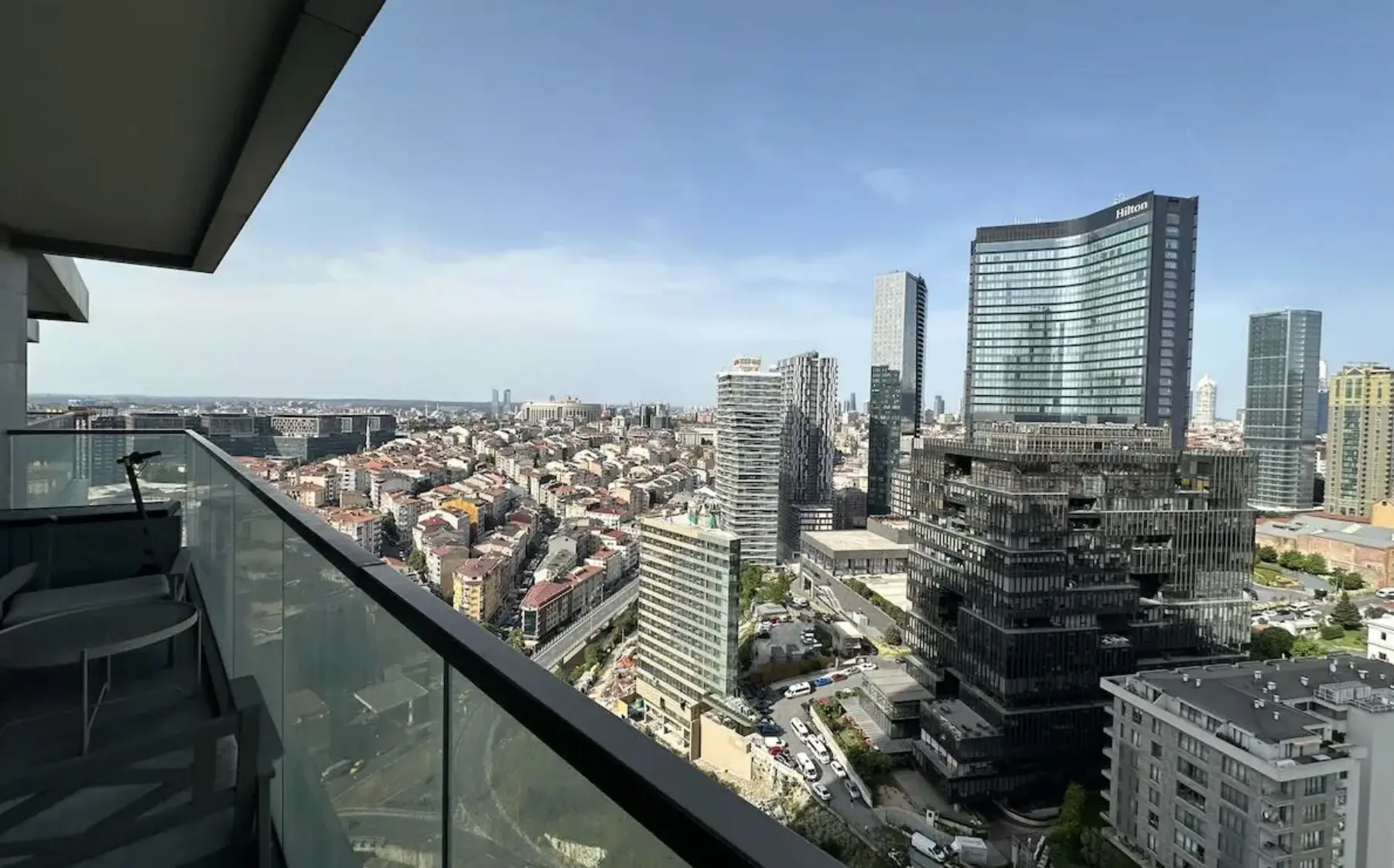
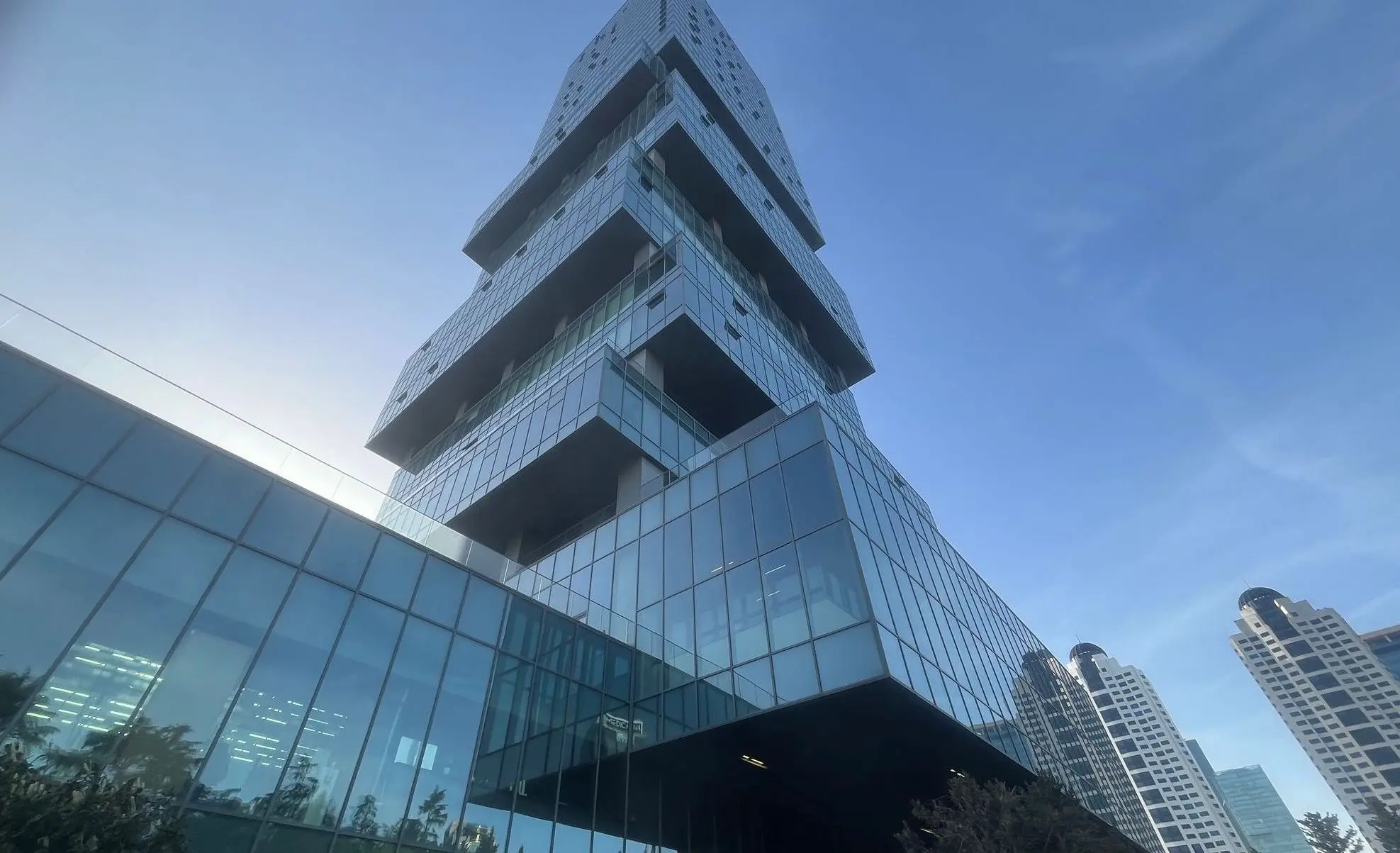
In 2026, the most resilient assets in Istanbul share three traits: central location, small and liquid unit sizes, and strong end-user appeal. Neighbourhoods such as Şişli, Beyoğlu, and Beşiktaş continue to outperform because land supply is constrained, and demand is structural. These areas benefit from: employment density, transport connectivity, lifestyle infrastructure, and year-round rental demand.
Income-First Real Estate: Where Istanbul Quietly Excels
While international headlines often focus on capital appreciation, many experienced investors in Turkey are positioning for income first, upside second. Well-selected central apartments in Istanbul can still generate net rental yields in the 5% to 7% range, depending on quality and management model selected.
Short-term and flexible rental models such as Airbnb or Booking add further resilience by allowing owners to adapt to market conditions. What matters most in 2026 is not maximum yield, but durable occupancy and liquidity.
Urban Regeneration: Istanbul’s Long Game
One of the least understood investment drivers in Istanbul is urban regeneration. Unlike speculative new-build developments, regeneration projects: replace ageing housing stock, upgrade infrastructure, increase liveability standards, and attract long-term residents and renters.
Urban Regeneration districts such as Kağıthane, Eyüpsultan, and areas around the Golden Horn are absorbing new demand created by infrastructure investment, transportation upgrades, and shifting work patterns. These are not “headline” areas, they are structural growth zones in Istanbul.
For international investors in Turkey with a longer 7 to 15-year horizon, regeneration-led districts in Istanbul offer a unique blend of affordability today and scarcity tomorrow, leading to eventual price increases and returns.
Turkey’s Economy in 2026: Why Timing Still Matters
Turkey in 2026 is best described as a transition economy. Inflation has moderated but remains elevated in real terms. Interest rates are high, but direction, not level, is what matters. Because Turkey’s property market is primarily domestic, rate cuts tend to restart transaction volume quickly as locals return to buying homes.
This creates a familiar but often missed dynamic: prices move before confidence fully returns, and the best buying windows exist when sentiment is still cautious. The strategic takeaway for investors is simple: the best time to purchase quality Turkish real estate is often just before the local crowd feels comfortable again.
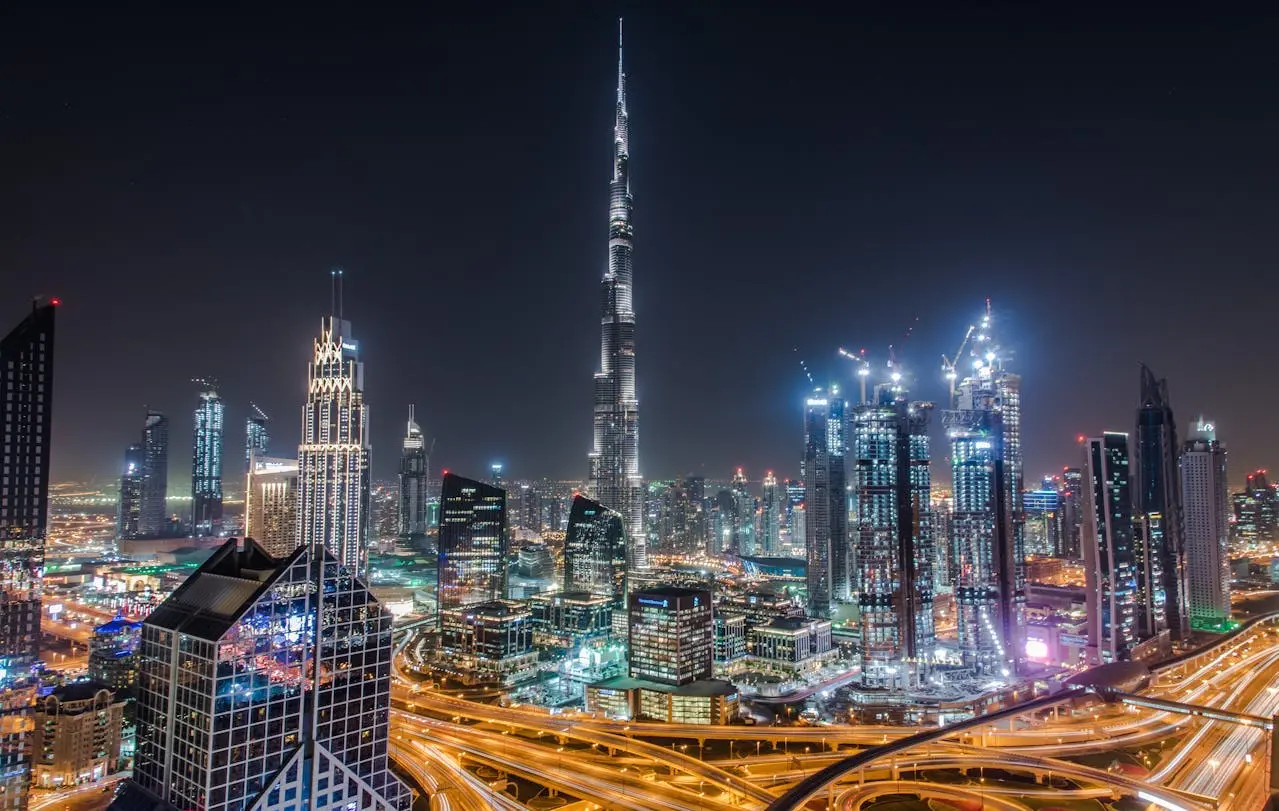
Dubai 2026: A Strong City, But a More Selective Market
Dubai’s real estate fundamentals remain solid. Constant population growth, international migration, and pro-business policy continue to strengthen demand. However, 2026 is not about blanket growth. Dubai is now a segmented market, where outcomes vary by:
- Micro-location
- Developer quality
- Property unit layout
- Service charges
- And exit liquidity
What Still Works in Dubai
In 2026, Dubai rewards buyers who prioritise: end-user demand over trader logic, family-sized layouts, communities with schools, retail shops, transport, and Golden Visa eligible price points that widen the buyer pool. Low-supply lifestyle locations and established master communities remain resilient, but the “middle market” is where price sensitivity is most visible.
Currency Risk: Why FX Is Not the Enemy in Turkey
Foreign buyers often treat currency risk as a threat. In Turkey, it is more accurate to see FX as a pricing mechanism. A realistic base case for 2026 remains the following: managed depreciation and periodic volatility tied to Turkish government policy and confidence.
However, history shows us that hard property assets in prime Istanbul locations tend to reprice over time, somewhat offsetting currency weakness. In other words, FX volatility creates mispricing, but only for buyers who select assets with genuine local demand.
The Five Forces Shaping Global Property in 2026
Across global real estate markets, investment outcomes in 2026 are being shaped less by headlines and more by a small number of powerful structural forces. These dynamics influence pricing, liquidity, and risk across all major property markets, including Turkey and the UAE.
1. Interest rate trajectories in the US, EU, and UK: Shifts in global monetary policy affect capital flows, buyer confidence, and transaction volume well before rate cuts are fully felt.
2. Inflation persistence: Global inflation levels have proven more durable than many expected, strengthening the role of real estate as a hard asset for investors.
3. Geopolitical fragmentation and trade realignment: Investors now prioritise legal clarity, market liquidity, and exit, rather than chasing yield.
4. AI, logistics, and infrastructure investment: While few investors buy infrastructure assets directly, property demand follows employment, connectivity, and population gravity.
5. Real estate supply cycles: Supply remains the most underestimated risk in property investing. Oversupply quietly erodes pricing power, rental growth, and exit liquidity.
The final point is critical. Oversupply destroys returns without warning. This is evident in parts of Dubai with heavy delivery pipelines, and in outer Istanbul districts where land availability caps long-term upside. Scarcity continues to protect value in every market cycle.
Turkey and Dubai in 2026: The Straight Comparison
In 2026, comparing Turkey and Dubai is no longer about which market is “better,” but about which market fits a specific investment objective. Both sit firmly on the growth side of global real estate, yet they reward different behaviours, timelines, and risk profiles.
Why Turkey Appeals to Value-Driven Investors
Turkey’s appeal in 2026 lies in entry pricing, scarcity, and local demand depth. Istanbul offers the scale and complexity of a global city, but at price points that remain below similar international cities. For disciplined buyers, this creates opportunities to buy assets with strong rental demand and realistic exit routes to domestic buyers. Well-located apartments in central districts and regeneration zones attract interest from long-term residents, making liquidity and resale far more resilient.
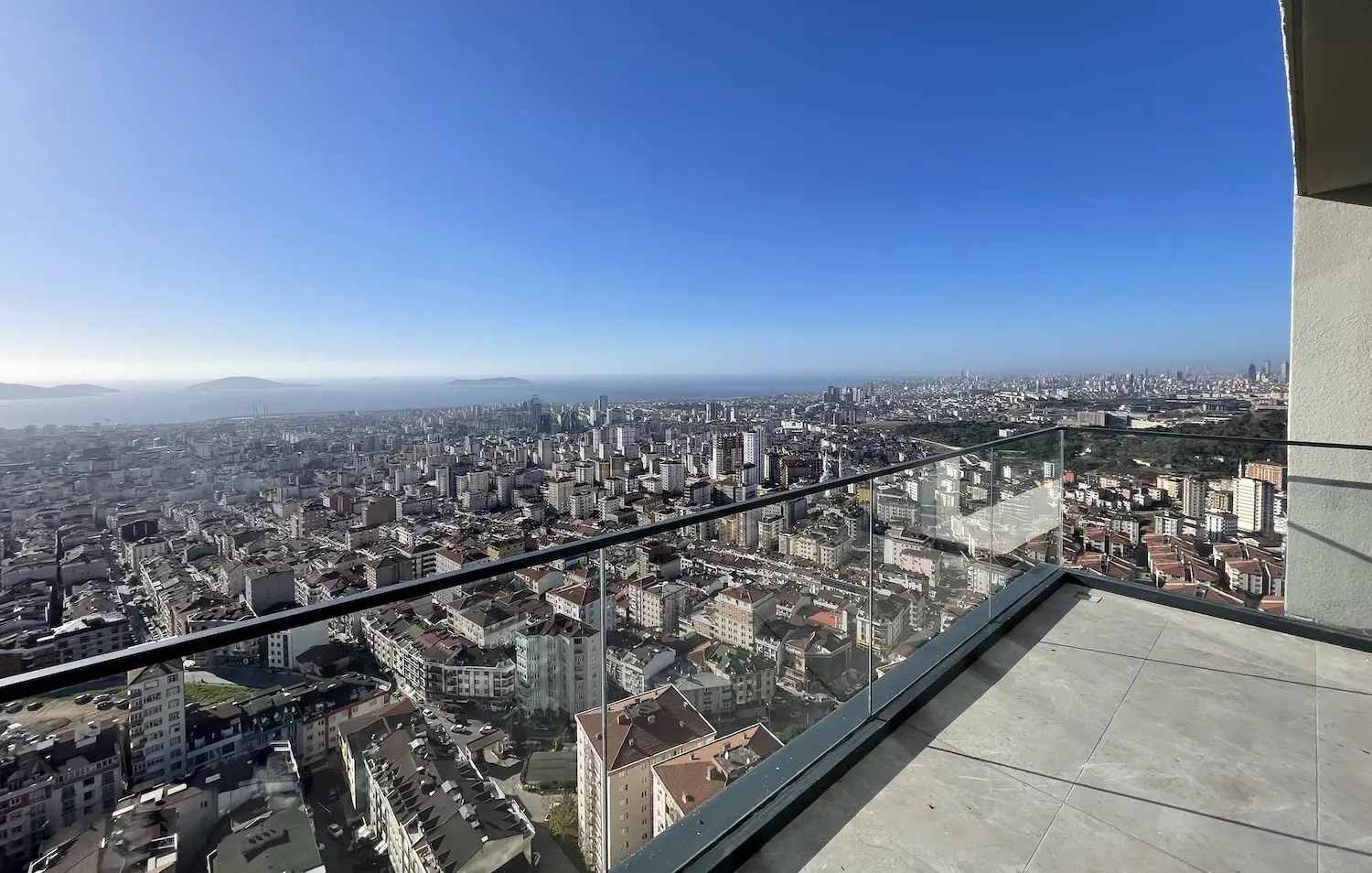
Investor Focus: Investors should target renovated or well-located Airbnb-ready apartments in central Şişli or Beyoğlu in Istanbul. Lifestyle buyers should target sea-view Maltepe apartments, and “ahead of the curve” investors should explore Kağıthane or Eyüpsultan.
Why Dubai Still Wins for Select Buyers
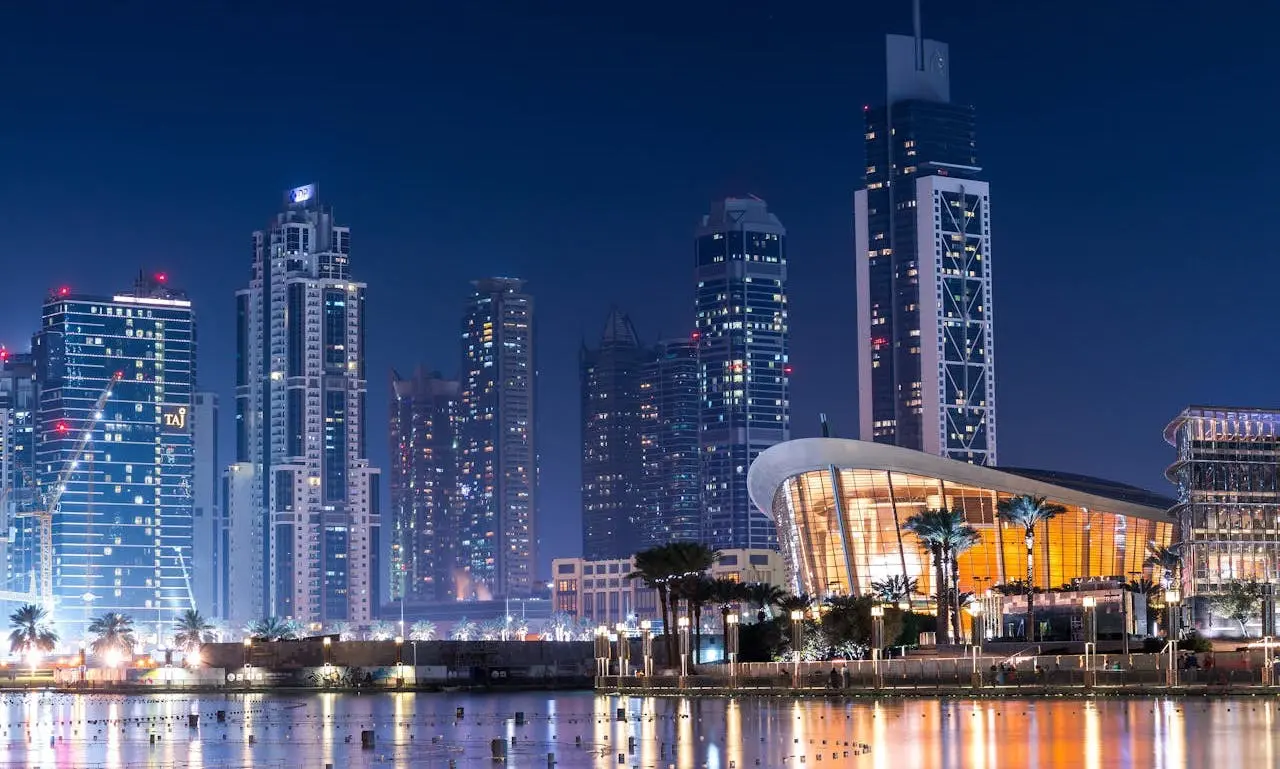
Dubai’s strength in 2026 is clarity and structure. The city continues to attract global capital, residents, and businesses, but performance is increasingly uneven across sub-markets of the city. Prime lifestyle locations and established master communities hold up best, while generic supply faces added pressure. Investors who focus on end-user demand, family-friendly layouts, and low-supply areas are best positioned to navigate Dubai’s more competitive, mature market environment.
Investor Focus: Prime lifestyle in low supply areas, such as Palm Jumeriah or Palm Jebel AliOR end-user driven master communities. Pick family-home demand and daily-life convenience over “trader logic” and prioritise exit liquidity with communities that families want to live in
Final Verdict: What 2026 Really Rewards
Turkey rewards investors with patience, local thinking, and value recognition. Dubai rewards buyers with selectivity, discipline, and defensive purchasing. Both markets can perform strongly in 2026, but only when approached on their own terms. For property opportunities in Turkey for 2026 and beyond, speak with Property Turkey for guidance around local demand, exit liquidity, and long-term market structure.
Cameron Deggin Founder & CEO, Property Turkey
Cameron Deggin is Founder and CEO of Property Turkey. A former finance professional and FCCA-qualified accountant, he founded the company in 2001 after recognising Turkey’s investment potential. With more than two decades analysing Turkish real estate, Cameron regularly advises international investors and is quoted by media including the Financial Times and BBC.




 By:
By:

 Founder & CEO, Property Turkey
 Bodrum
  2
2  1
1 







 X
X