Is Turkey in Europe or Asia? Many people ask this: About 97% of the land is in Asia. The Anatolian plateau is there. The other 3%, called East Thrace, is in Europe. But Turkey’s dual identity goes far beyond maps and GPS coordinates.
To ask if Turkey is in Europe or Asia is to invite a conversation about history, culture, and lifestyles. In this post, we’ll look at Turkey’s geographical divide and the cultural mix that shapes its identity. This "best of both worlds" position makes this a fascinating place to live and invest.
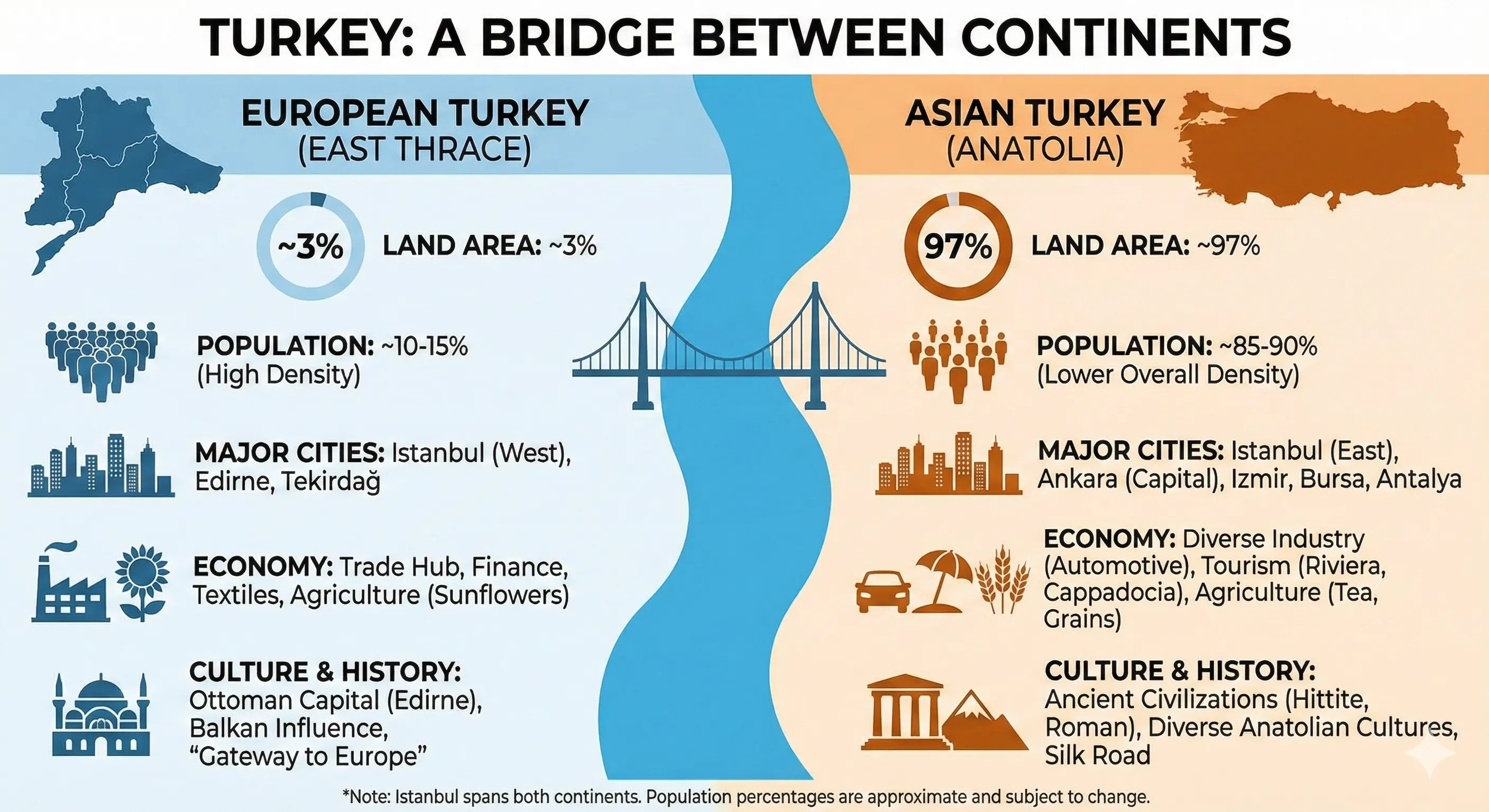
Quick Summary - Is Turkey in Europe or Asia?
- Turkey Spans Two Continents: Bridging the West and the East.
- European Side (East Thrace): Approximately 3% of Turkey's landmass is in Europe. This region borders Greece and Bulgaria and includes part of Istanbul, the region's largest city.
- Asian Side (Anatolia): About 97% lies in Asia. This vast plateau is known as the Anatolian Peninsula.
- Dividing Line: The Turkish Straits include the Bosphorus, the Sea of Marmara, and the Dardanelles. They separate the two continents.
- Political Identity: Turkey is mainly in Asia, but links politically and culturally to Europe. The country is a member of the Council of Europe and NATO, and is a long-time candidate for the European Union.
- Turkey Joins European Economic Groups: And takes part in sports events like the UEFA European Championship and the Eurovision Song Contest.
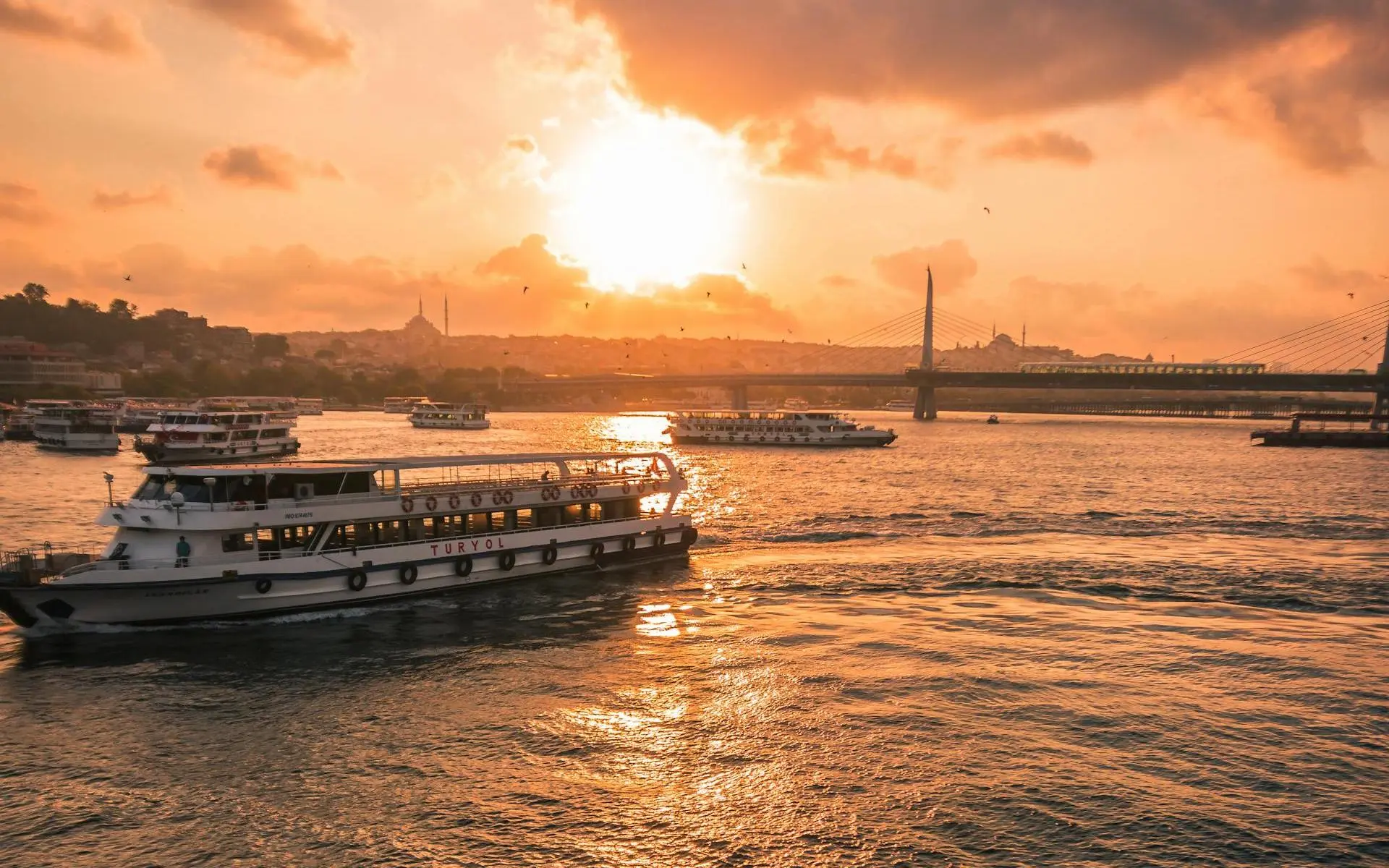
Brief Overview - The European Part
- The European Part: Called East Thrace, is small, only about 3% of the land. But it’s rich in history, culture, and economic significance.
- Geographic Bridge: It is the only part located on the Balkan Peninsula, physically connecting the Middle East to Europe.
- Istanbul's Heart: Istanbul covers two continents, but the historic centre, key financial districts, and famous landmarks, like the Blue Mosque and Hagia Sophia, are on the European side.
- Borderlands: This area borders Greece and Bulgaria. It serves as a key transit hub for trade and travel with the EU.
- Agriculture and Industry: This area is Turkey’s "sunflower and grain belt." It's highly industrialised, particularly in provinces like Tekirdağ and Çerkezköy.
- Strategic Waterways: It lies next to the Northern Black Sea and the Marmara Sea to the south. It covers the western bank of the Bosphorus and the northern bank of the Dardanelles.
- Cultural Vibe: The Balkan vibes highlight differences in local music, cuisine, think lots of meatballs and dairy and even folk dances, especially when compared to Central or Eastern Anatolia.
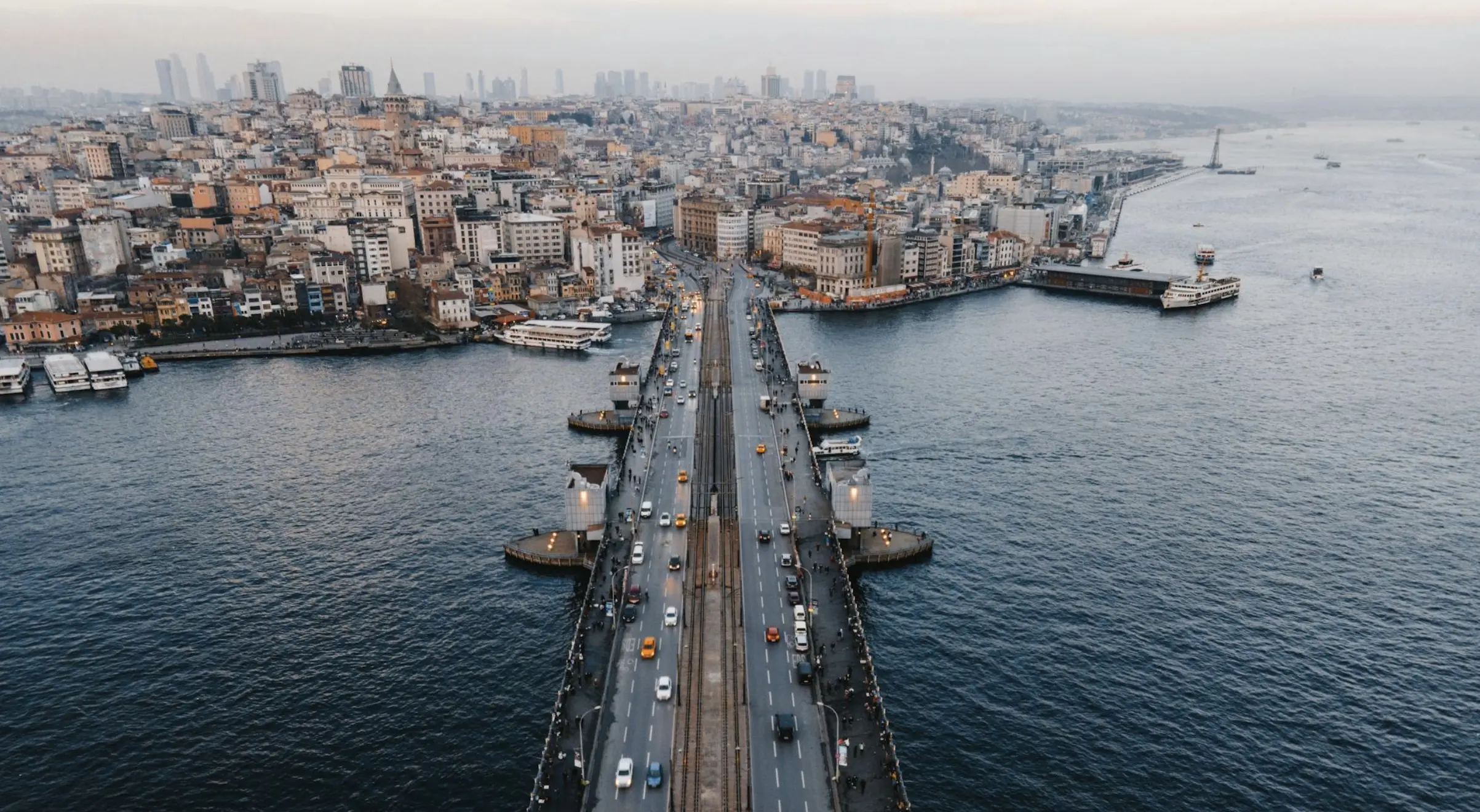
Brief Overview - The Asian Part
- The Asian Part: Known historically as Anatolia (or Asia Minor), makes up about 97% of the landmass.
- Ancient Crossroads: Before the Ottomans, the Hittites, Phrygians, Greeks, Romans, Byzantines, and Seljuks ruled Anatolia.
- Capital City: In contrast to historic Istanbul in Europe, Asian Turkey features Ankara. This city is the nation’s modern political capital and the second largest.
- The Turkish Riviera: Includes the southern and western coasts, namely the Aegean and Mediterranean. These areas are known for their turquoise waters, luxury resorts, and ancient ruins, such as Ephesus.
- Industrial Powerhouse: Bursa, Kocaeli, and Gaziantep drive the Turkish economy. They focus on automotive manufacturing, textiles, and food production.
- This Region’s Sites: Of great spiritual importance include the Seven Churches of Revelation, the house of the Virgin Mary, and the biblical city of Antioch.
- Culinary Diversity: The European side shows Balkan influences. In contrast, Anatolian cuisine is rich and varied. It features spicy kebabs from the Southeast, buttery pastries from Central Anatolia, and dishes with plenty of olive oil from the Aegean.
- High Altitudes: As you move east, the terrain turns mountainous. It peaks at Mount Ararat, the legendary resting place of Noah's Ark.
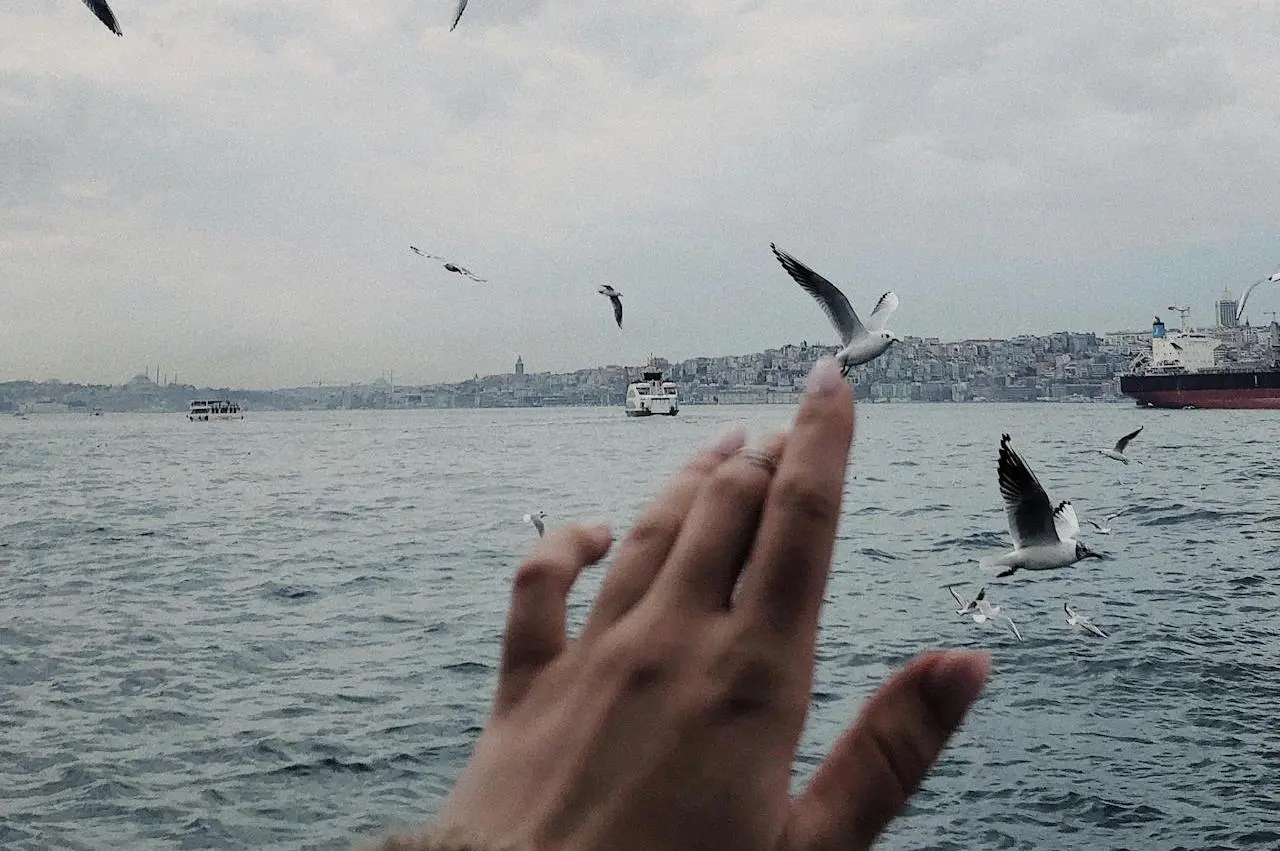
Deep Dive - More Information on the Divide
1: The Bosphorus Strait: Istanbul's Iconic Split
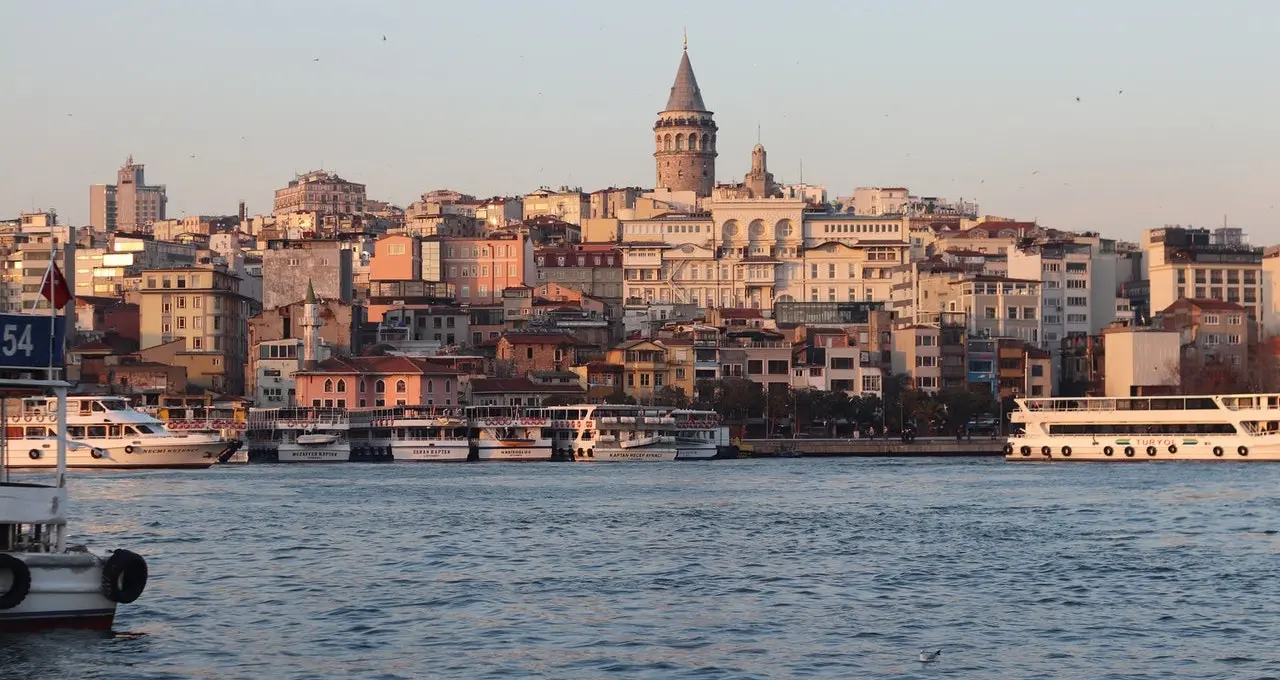
The Bosphorus Strait is the sparkling blue artery that makes the connection possible. This 19-mile-long waterway bisects Istanbul, creating the only metropolis to span two continents. To the west lies the city's historical European heart, and the Hagia Sophia and Galata Tower. To the east, the Asian side offers residential, lush, and equally vibrant atmospheres.
2: Thrace (European Turkey): A Small but Prominent Foothold
The European portion of is called East Thrace. While it represents a small fraction, the significance is huge. Thrace serves as Turkey’s land link to the European Union, bordering Greece and Bulgaria. This region’s rolling hills and rich farmland, is known for sunflowers and vineyards. It boasts historical cities like Edirne, which was the capital of the Ottoman Empire before Constantinople fell.
3: Anatolia (Asian Turkey): A Vast Historical Heartland
The lion’s share belongs to Anatolia, known as Asia Minor. This massive peninsula is a high plateau rimmed by the Pontic Mountains to the north and the Taurus Mountains to the south. Anatolia is the cradle of civilisations. This land has seen powerful empires, from the Hittites and Phrygians to the Romans and Seljuks. Discover the surreal landscapes of Cappadocia, the ancient ruins at Ephesus, and Ankara, the modern capital.
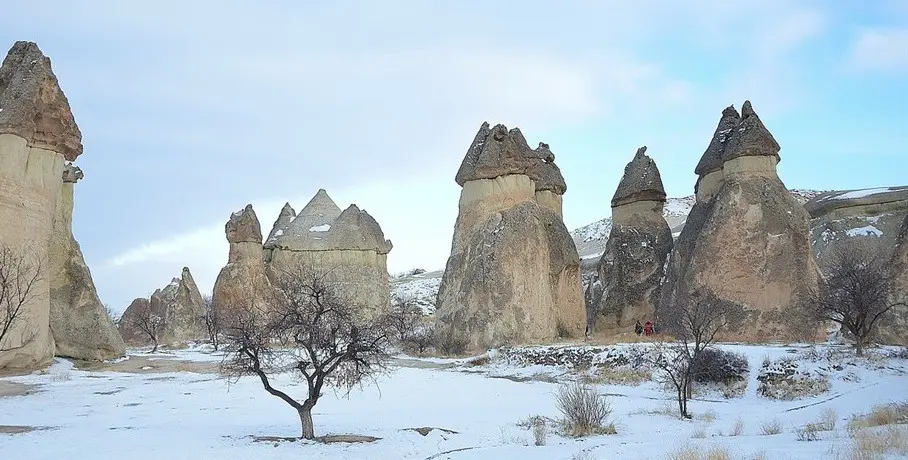
4: The Ancient History
Long before the Turk arrived, ancient empires ruled this land. The Hattians and Hittites governed, along with the kingdom of Phrygia. The legendary site of Göbekli Tepe stands here. The process of Hellenization brought Alexander the Great’s influence. This led to the rise of cities like Miletus, Patara, and Kasaba. The Byzantine Empire ruled from Constantinople until the Ottoman Empire turned it into an Islamic centre. Muslims, Christians, and Jews lived here during this time. They were joined by ethnic groups like Armenians, Greeks, Circassians, and Kurds.
5: The Birth of Modern Türkiye: Westernisation and National Identity
To understand the "New Türkiye," one must look at the final days of the Ottoman Empire. By the early 1900s, the "Sick Man of Europe" struggled under the weight of lost territories and internal decay. Following the defeat in World War I and the War of Independence, the charismatic military commander Mustafa Kemal Atatürk emerged as the visionary leader of a new movement.
In 1923, Türkiye was declared a republic. The capital shifted from the grandeur of Istanbul to the heartland of Ankara. This move signalled a break from the Ottoman past and a focus on the Turkish people. A Swiss-based civil code replaced Sharia law, giving women equal rights in divorce and inheritance much earlier than many Western countries.
The concept of "Turkishness" unified the diverse population within the new borders. Folklore, language research, and history were re-examined to emphasise a pre-Islamic, Central Asian heritage. The famous motto, "Ne mutlu Türküm diyene" (How happy is the one who says 'I am a Turk'), became a rallying cry. It inspired citizens to seek a united future instead of a broken imperial past.
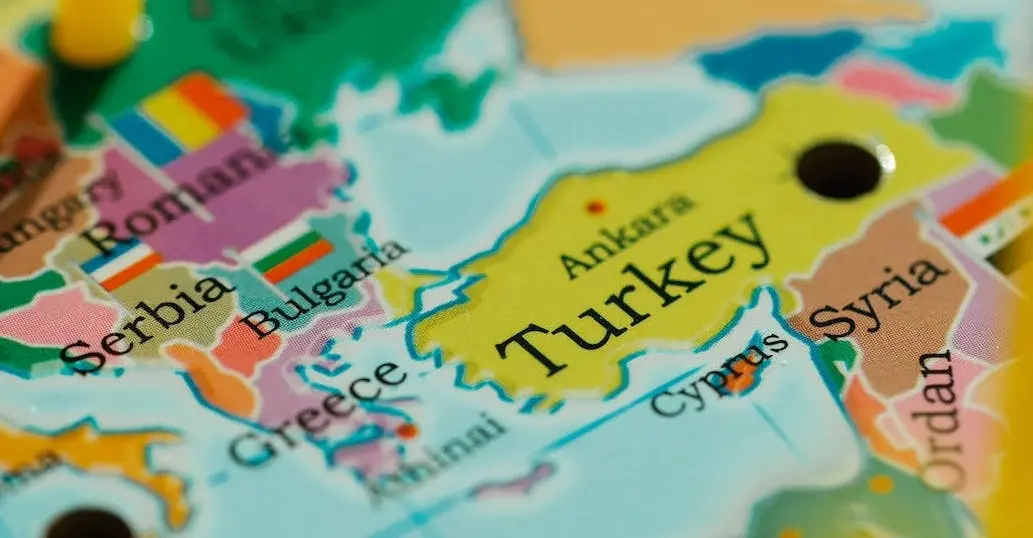
6: Istanbul: The Quintessential Bi-Continental City
Istanbul is where "east meets west". As the only major city spanning two continents, Istanbul is the physical and cultural bridge between Europe and Asia. For Istanbulites, the Bosphorus is a daily transit route. Thousands of people "continent-hop" every single day.
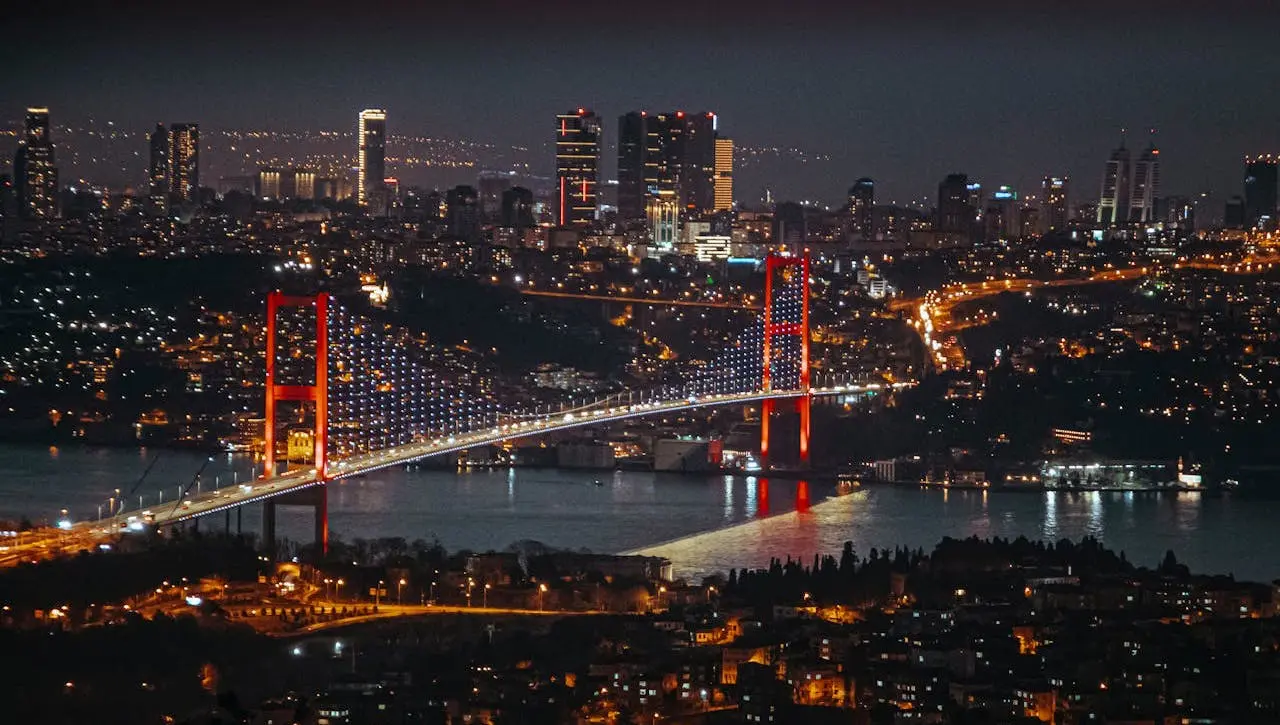
There are three big suspension bridges and a deep-sea railway tunnel (the Marmaray), but the best way to travel between continents is by vapur (ferry). Sipping Turkish tea while seagulls trail the boat is the quintessential Istanbul experience.
European Istanbul is the commercial and historical hub, fast-paced, crowded, and neon-lit. Asian Istanbul (Anatolia) feels "authentic" and residential. Neighbourhoods like Moda and Kuzguncuk are leafy and calm, providing a greener pace of life.
Istanbul’s location has been the "Desire of Nations" for over 2,500 years. Because it controls the only passage between the Black Sea and the Mediterranean, it is a strategic prize.As the capital of the Byzantine and Ottoman Empires, the city was the centre.
Today, that imperial legacy lives alongside a thrumming modern metropolis. Skyscraper districts like Levent and Maslak prove that Istanbul is a global financial powerhouse. At the same time, the narrow, winding alleys of Fener and Balat reflect the ancient, multi-layered soul of the city.
7: The Countrywide Climate
There are distinct climate zones based on the Köppen climate classification. The Aegean Region and the Mediterranean have a mild "Csa" climate. In contrast, Central Anatolia, Eastern Anatolia, and Southern Anatolia experience extreme continental weather. This variety of climates creates a rich biodiversity hotspot. However, it faces challenges like climate change, landslides, and flooding.
8: Regional Identities: Diverse Facets of a Unified Nation
Türkiye has seven distinct geographic regions, each with its own climate, cuisine, and cultural rhythm. From tea plantations in the north to olive groves in the west, travelling through Türkiye feels like visiting several different countries at once.
Marmara Region: The Marmara Region, the powerhouse of Türkiye is centred around the Marmara Sea and the megacity of Istanbul, is a key gateway to Europe. The lifestyle here is fast-paced and cosmopolitan. This area connects Thrace (Europe) and Anatolia (Asia), creating a melting pot of Balkan and Anatolian influences. Historical anchors like Bursa and Edirne, the first capitals of the Ottoman Empire, stand in contrast to a region racing toward the future.
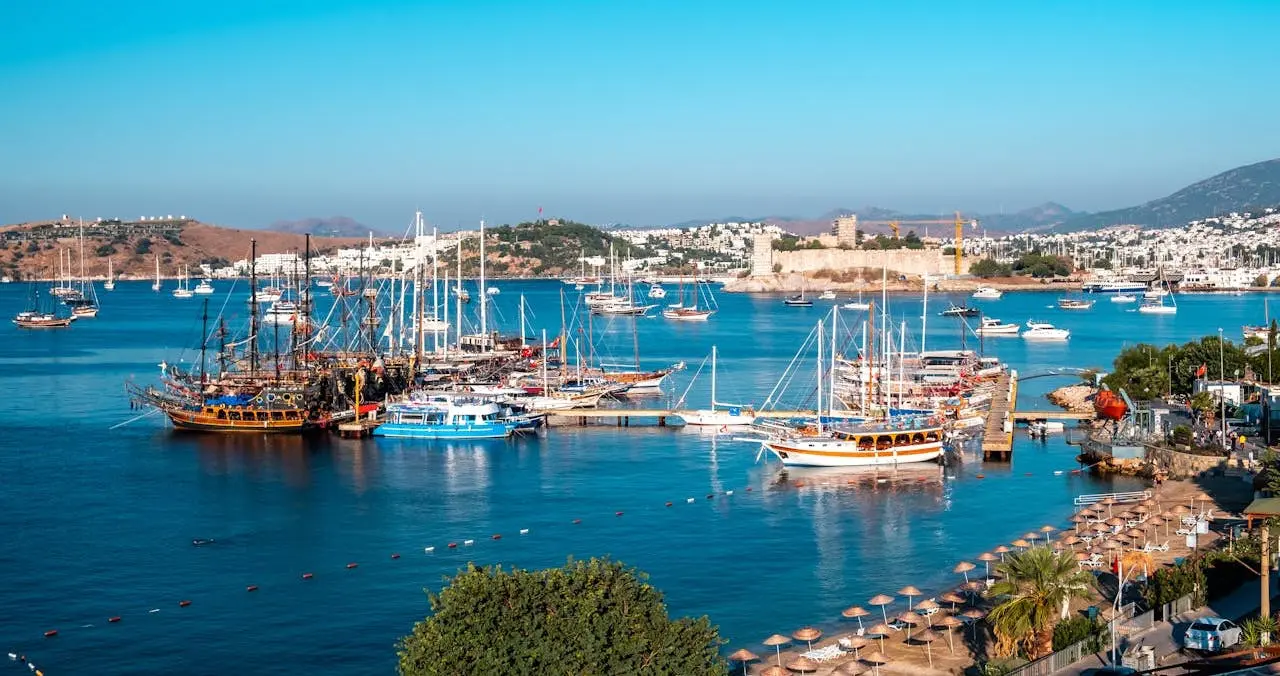
Aegean and Mediterranean Regions: Called the "Turquoise Coast," the Aegean and Mediterranean regions share a rich history. The Aegean centred around Izmir, boasts olive trees, white-washed houses, and a relaxed vibe. It feels like a sister to the Greek islands. As you head south to Antalya, the scenery becomes stunning. The Taurus Mountains plunge into clear blue waters. These regions are the "Western" face of Türkiye, not just geographically, but culturally. They are home to the ruins of Ephesus and Troy, reminding us that this land was the heart of the Greco-Roman world.
Central Anatolia: To find the "soul" of the nation, head to Central Anatolia. This large, elevated plateau is the historical centre of Asia Minor. It is home to the capital, Ankara, and the stunning landscapes of Cappadocia. The culture is more conservative and traditional than on the coast. It features steppe lands, wheat fields, and Seljuk Turkish architecture. The music, the food (think hearty grains and lamb), and the hospitality are rooted in the ancient traditions of the Silk Road.
Eastern and Southeastern Anatolia: Near the borders of Iran, Iraq, and Syria, the "European" influence lessens. This change reveals the rich Mesopotamian and Middle Eastern heritage. Southeastern Anatolia is where civilisation began, nestled between the Tigris and Euphrates rivers. Gaziantep and Mardin are alive with spices, beautiful stone buildings, and a mix of languages. Eastern Anatolia, meanwhile, is a rugged land of high mountains and volcanoes (including Mount Ararat). You can feel the connection to the East here. It shows in the nomadic traditions, warm hospitality, and a history that goes back to the Kingdom of Urartu.
Black Sea Region: Karadeniz is Türkiye’s "Wild North" with emerald-green forests, misty mountains, and lots of rain. Because of the relative isolation behind the Pontic Mountains, the Black Sea developed a culture unlike any other. It is famous for the high-pitched sound of the kemençe (a small fiddle) and the tulum (bagpipe). This region shows that Türkiye’s identity is a complex mix. It includes influences from the Caucasus and the Balkans.
Often Asked Questions and Answers
Q: Is Turkey considered a European country?
A: Turkey is a transcontinental country, located in both Europe and Asia. About 97% is in Western Asia (Anatolia), while 3% is in Europe, including the historic heart of Istanbul. This unique geography makes Turkey a European country in political, sporting, and diplomatic matters. It has long sought European Union membership and is a founding member of the OECD, along with being part of NATO and the Council of Europe. So, whether Turkey is "in Europe" depends on if you're looking at geography or geopolitics.
Q: Why is Turkey not in the EU?
A: Turkey’s absence from the European Union is the result of a complex, decades-long deadlock. Turkey has been an official candidate since 1999 and started talks in 2005. However, the process was frozen in 2018. The EU expressed worries about the 2017 constitutional changes. These changes centralised power in the presidency. They pointed out problems such as the lack of judicial independence and limits on media freedom and expression.
Turkey does not recognise the Republic of Cyprus, which is an EU member. It keeps a military presence in Northern Cyprus. The EU maintains that no final accession is possible until the "Cyprus Question" is resolved. In the EU, voting power is based on population. If Turkey joined, it would become a powerful member in the European Parliament, shifting the union’s strategic direction. While Turkey has a large economy, the GDP per capita remains below the EU average.
Q: Does Turkey use the euro?
A: No, Turkey does not use the euro as its official currency. The official currency is the Turkish lira (TRY). The euro isn't legal tender but it plays a key role in the economy. This is especially true for international trade and investment.
Sometimes property prices are advertised in euros or dollars to provide a stable benchmark against the volatile lira. However, for official Title Deed (TAPU) transactions, payment must be converted to Turkish lira. This conversion uses the Central Bank's daily exchange rate.
Q: Which Part of Turkey is in Europe?
A: The part located in Europe is called East Thrace (or Thrace). While it only accounts for about 3% of Turkey's total land area, it is significant. It shares borders with Greece to the west and Bulgaria to the north. It is separated from the Asian side (Anatolia) by the Bosphorus, the Sea of Marmara, and the Dardanelles.
Final Thoughts and Summary
Türkiye stands as a magnificent geographic anomaly. From the Anatolian plateau, Turkey sits at the crossroads of the Balkans, the Caucasus, the Middle East, and the Mediterranean. While 3% of the land lies in Europe (Thrace), the vast majority lies in Anatolia, the large peninsula of Asia Minor.
Following World War I and the Treaty of Lausanne, Mustafa Kemal Atatürk forged the modern state. He changed the legal system. Today, it is run by the Criminal Code and watched over by independent judges. Today, President Recep Tayyip Erdogan leads. It is a key OECD member with the second-largest standing force in NATO, the Turkish Armed Forces.
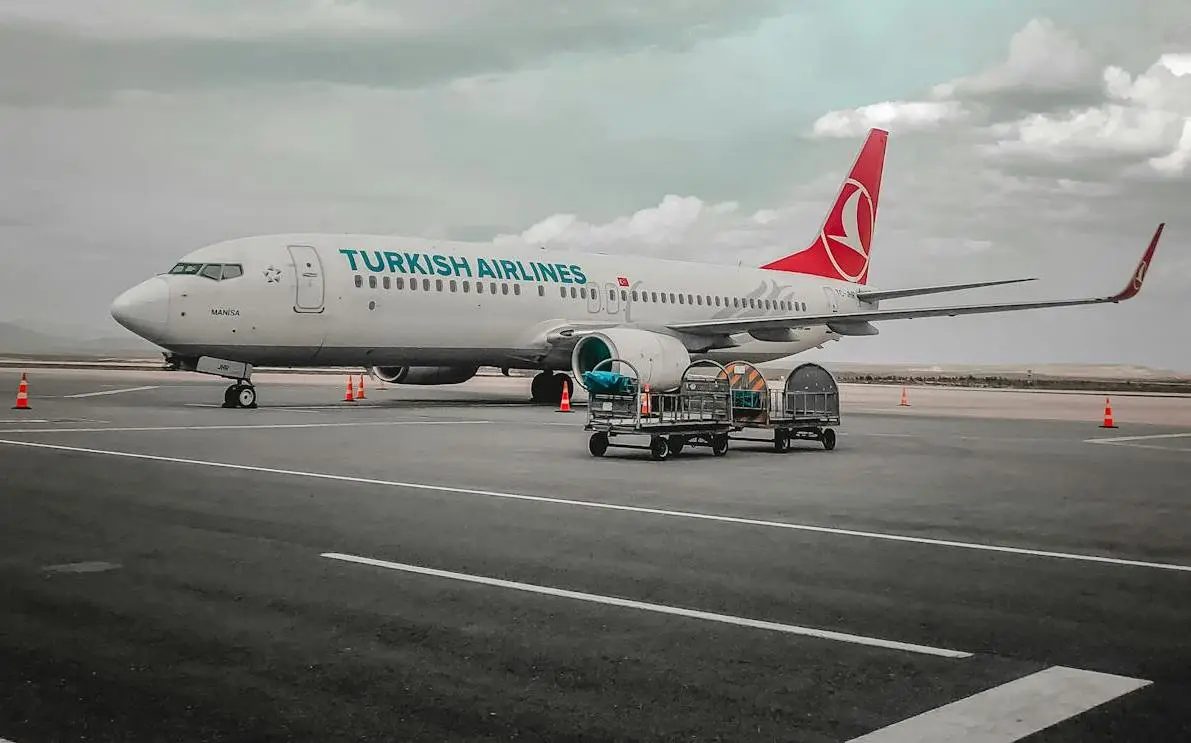
Whether you land at Istanbul Airport or fly with Turkish Airlines, Turkey is more connected than ever thanks to rapid modernisation. Use high-speed Turkish Railways, intercity buses, or the expanding underground systems in major cities.
Anatolia is a land of breathtaking beauty and formidable natural hazards. The same geological forces created wonders like the travertine pools of Pamukkale and the vast Lake Van. People can also explore vast national parks that protect the unique biodiversity.
Türkiye operates on GMT+3. It lies between Western markets and Eastern resources. It shares borders with Syria and Iraq, and has complex diplomatic ties with neighbours such as Israel. Without a doubt, Türkiye is the centre of the world.
More About Turkey
We are Property Turkey. We sell apartments and villas to those looking to invest, retire, or buy holiday homes here. If you want to learn more about Turkey in Europe or Asia and its impact on the world, call or chat with an agent today. To learn more about the housing market, check out our portfolio. You can also use the contact details to ask for more information or to arrange viewings of homes in Turkey.
Nezir Can  Operations Manager
Nezir 'Nez' Can is Operations Manager at Property Turkey and a contributor on Turkish culture, lifestyle, and everyday life across the country. Since joining the company, he has helped international readers better understand what it is like to live, work, and settle in Turkey.
View full author profile →




 By:
By:
 Bodrum
  2
2  1
1 





 X
X