Stretching across two continents, the eight countries that border Turkey connect this important land to the rest of the world. The Republic of Türkiye sits at the heart of history and geography. From the snowy peaks of Mount Ararat to the blue waters of the Turkish Straits, the land has been a crossroads of empires, trade, and cultures for thousands of years.
Once the centre of the mighty Ottoman Empire and the ancient Byzantine Empire, Türkiye’s diverse climate, landscapes, and people still reflect this rich past. Cities like İzmir and ancient sites such as Ephesus tell stories of civilisations that rose, fell, and rebuilt after each earthquake or war, shaping the resilient spirit of modern Türkiye.
The country of Türkiye that we see today was defined in 1923, following the fall of the Ottoman Empire and the birth of the new republic. Since then, Türkiye has shared boundaries with Greece, Bulgaria, Georgia, Armenia, Azerbaijan, Iran, Iraq, and Syria, forming a living bridge between East and West.
This geography influences everything, from local language dialects to the political voice of modern leaders, such as Recep Tayyip Erdoğan and the Justice and Development Party. To truly understand Turkey's role in the world, start with its eight relationships with neighbours.
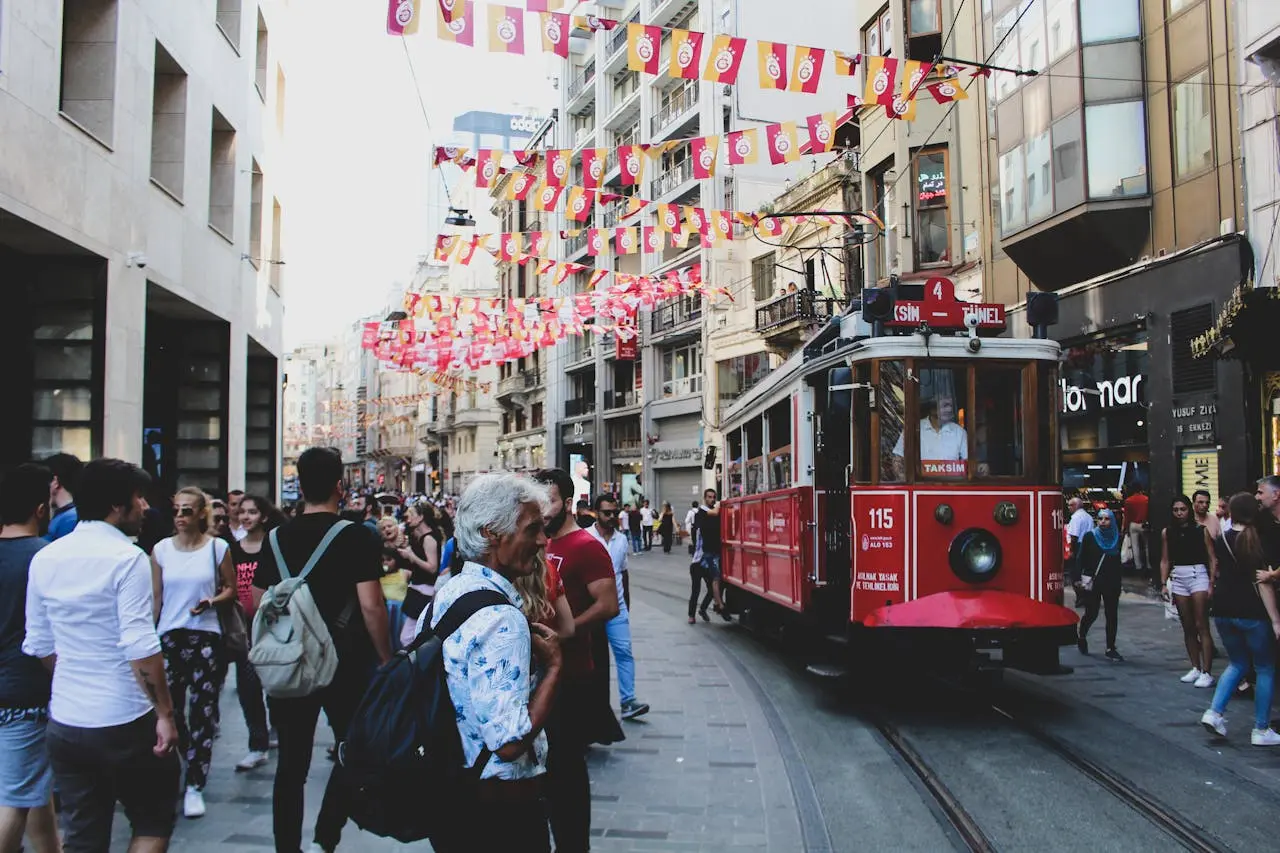
Key Takeaways - Eight Countries That Border Turkey
Türkiye is at the crossroads of Europe and Asia. Thanks to its global influence, Türkiye collaborates with countries such as Germany, France, Austria, and Russia. It is a member of the OECD and European Economic Community. Türkiye’s foreign policy also links with far-off nations like China, Brazil, Serbia, Zambia, and the Democratic Republic of the Congo, which want access to Turkey’s crucial geographical position. The country shares borders with...
- Greece,
- Bulgaria,
- Georgia,
- Armenia,
- Azerbaijan,
- Iran,
- Iraq
- Syria.
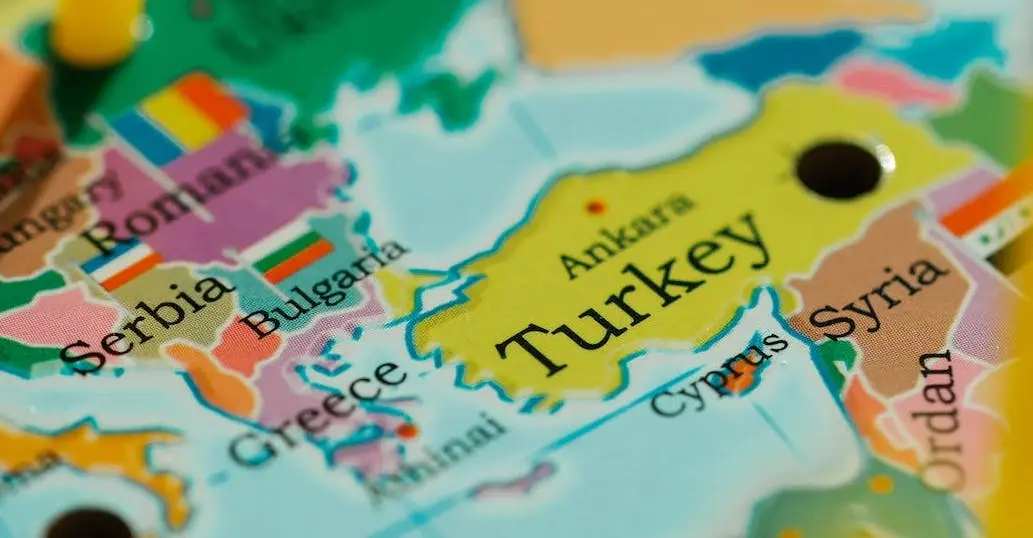
Geographical Land Location
- To the northwest, Türkiye’s borders with Greece and Bulgaria, two European Union member states, connect it to Thracia and Europe. The Bosphorus Bridge links the European and Asian sides of Istanbul. This frontier is the quickest link to the West for trade, tourism, and cultural exchange with Europe.
- In the east are Armenia and Azerbaijan, marked by the Akhurian River.
- To the south, Iran, Iraq, and Syria link Türkiye to the Middle East.
Most of Turkey's territory, the Anatolian Peninsula, lies in Western Asia. A smaller but historical portion, known as Eastern Thrace, is located on the Balkan Peninsula in Southeastern Europe.
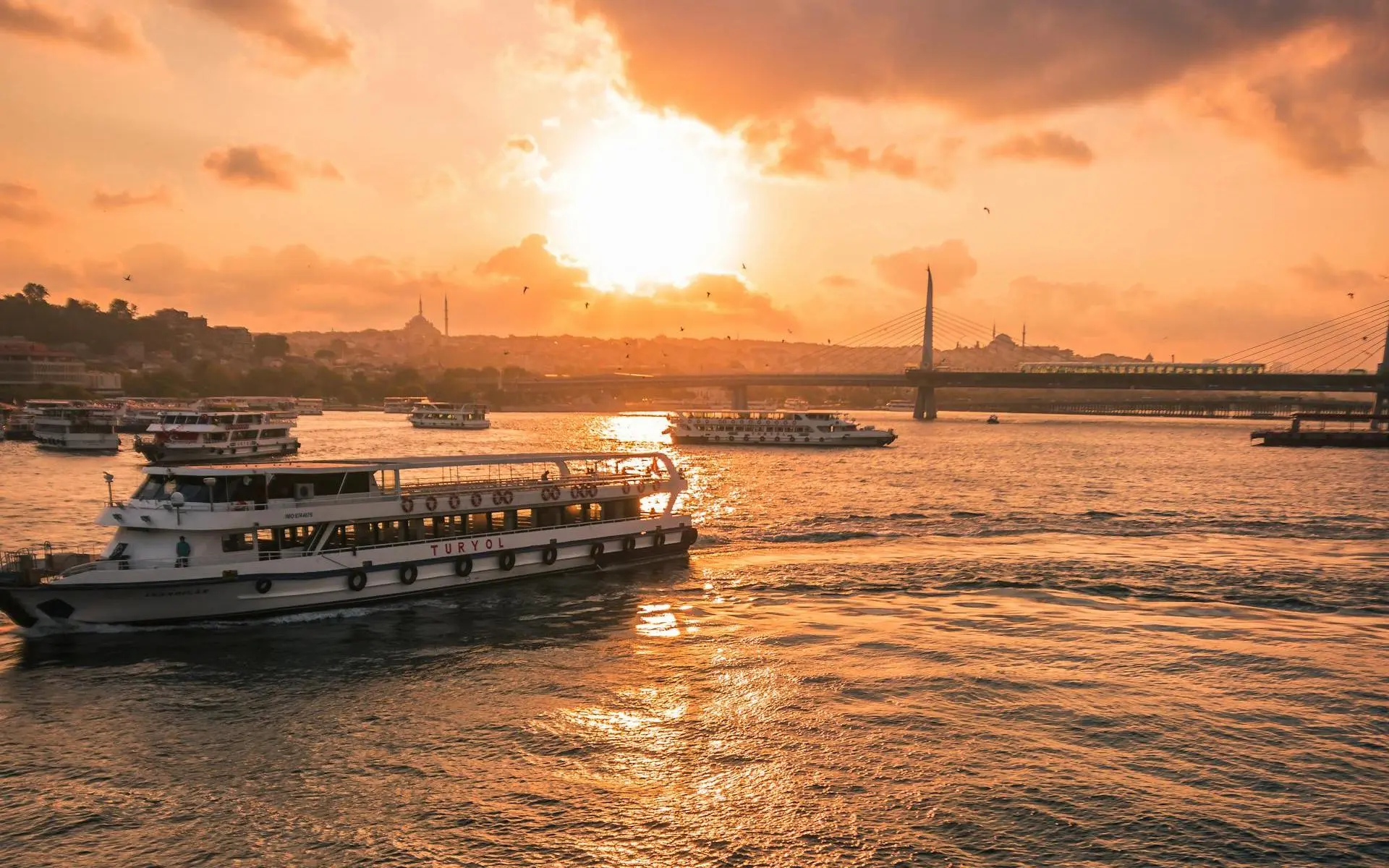
The Turkish Straits comprise a series of waterways, including the Bosporus Strait, the Sea of Marmara, and the Dardanelles Strait. Turkey's location in Eurasia places it in two distinct geopolitical areas. Ankara, the capital, lies in central Anatolia. Istanbul, the largest city, is unique as it sits on both the European and Asian continents.
From the green Kaçkar Mountains to the arid plains near Mount Ararat, Türkiye’s terrain reflects centuries of tectonic processes, where beauty and danger coexist. This land once held great civilisations such as the Byzantine Empire and the Sultanate of Rum, whose legacies remain visible in landmarks like Hagia Sophia, Ephesus, and the Blue Mosque.
Surrounding Seas - The extensive 7,200-kilometre coastline sits next to four major seas.
- To the north lies the Black Sea, a critical basin for regional trade and security. In the Northwest is the Marmara Sea.
- To the west, the Aegean Sea with thousands of islands creates a complex maritime relationship with Greece.
- To the south, the vast Mediterranean Sea links with North Africa, and Southern Europe.
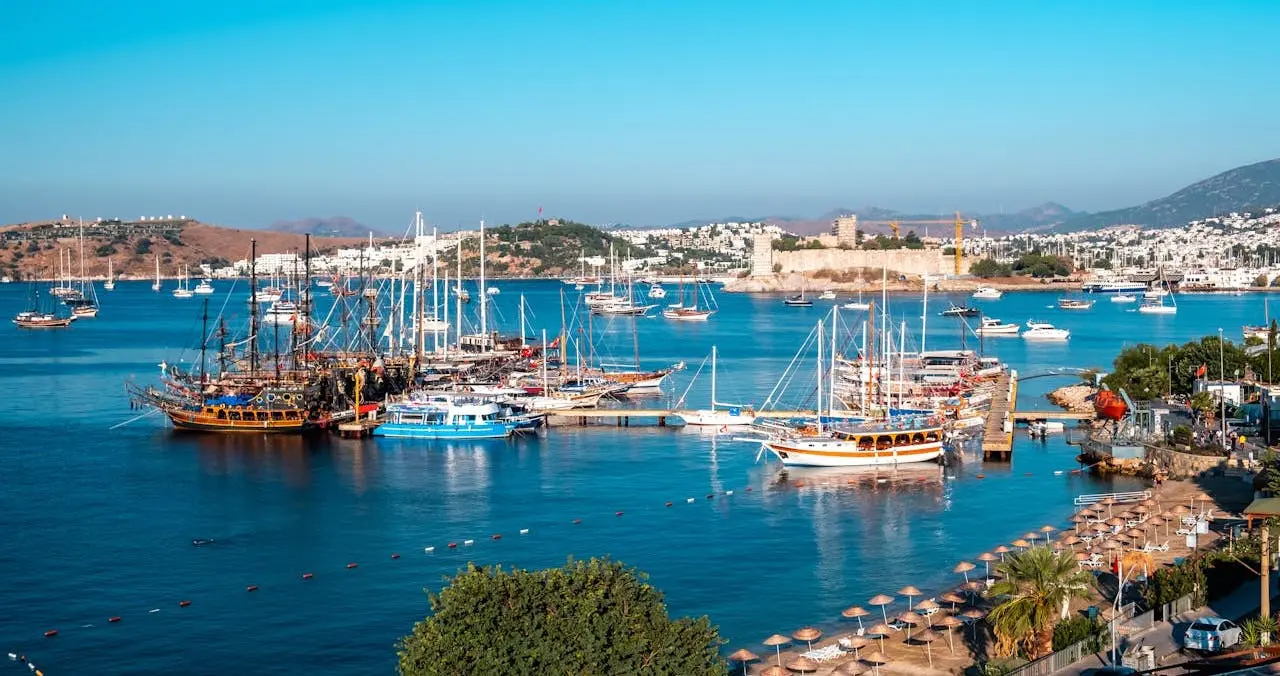
The Neighbouring Countries
1: Greece: A Long-Standing Western Neighbour
Turkey has a 206-kilometre (128-mile) border with Greece as set by the Treaty of Lausanne in 1923. The land portion is primarily demarcated by the Maritsa (Meriç) River in Thrace. However, the relationship is defined by the maritime boundary in the Aegean Sea and Turkey’s third-largest city, Izmir. This sea and its islands are a source of shared culture from the Byzantine and Ottoman Empires. Millions of people cross each year. This reveals a profound, yet complex, connection between the two NATO allies.
2: Bulgaria: The Balkan Gateway
To the northwest of Greece, Turkey shares 240 kilometres (149 miles) of land with Bulgaria. This frontier, established after the Balkan Wars and confirmed by the Treaty of Lausanne, is a crucial land route connecting to Europe. Major highways and railways are key routes for freight and passenger travel to the European Union. The border checkpoints at Kapıkule and Hamzabeyli are among the busiest in the world.
3: Syria: Shaped by Recent History
This border is the longest, stretching for approximately 911 kilometres (566 miles). This frontier was dramatically reshaped by the Syrian civil war that began in 2011. The inclusion of Hatay Province into Turkey in 1939 remains a point of historical contention. The region, part of Southeastern Anatolia, has absorbed millions of Syrian refugees.
4: Iraq: Shared History and Resource Dynamics
To the east, Turkey shares a 352-kilometre (219-mile) border with Iraq. This frontier passes through the Taurus Mountains. Kurdish people on both sides of the border predominantly inhabit this region. The border is vital for oil pipelines that run from Kirkuk to Ceyhan, a port on the Mediterranean Sea.
5: Iran: An Ancient and Rugged Divide
This eastern border is one of the oldest. It stretches for 534 kilometres (332 miles). First demarcated in 1639 during the Ottoman era, the modern form was finalised in the early 20th century. It traverses the rugged mountain ranges in the area. This limits crossing points but creates a strong natural barrier. The Gürbulak-Bazargan crossing connects the two regional powers.
6: Georgia: Northern Gateway
Turkey shares 276 kilometres (171 miles) with Georgia along the northeastern coast of the Black Sea. Since Georgia's independence, this border has become a model of cooperation. The Sarpi border crossing connects the two countries. Key energy projects, such as the Baku-Tbilisi-Ceyhan oil pipeline and the Baku-Tbilisi-Erzurum gas pipeline, connect them. This illustrates Georgia’s role as a transit country for Caspian resources en route to European markets.
7: Armenia: Historically Complex Relationship
The 328-kilometre (204-mile) border with Armenia lies in Eastern Anatolia. The frontier, marked mainly by the Akhurian (Arpaçay) River, is closed. There are no formal diplomatic or economic ties between the two countries. The sealed border is a clear symbol of the political deadlock. Recent talks have focused on normalising relations and reopening the divide in Eastern Anatolia.
8: Azerbaijan: via Nakhchivan)
The shortest land border is with the Nakhchivan Autonomous Republic, an exclave of Azerbaijan. This border is only 17 kilometres (approximately 11 miles) long, but it provides a highly strategic strip of land that offers a direct physical link to the Turkic world.
Quick Glance – Facts About Turkey
- Official Name: The name is the Republic of Türkiye (Türkiye Cumhuriyeti in Turkish).
- Location: Türkiye sits between Europe and Asia, bordered by eight countries
- Capital City: Ankara is the capital, while Istanbul is the largest city and cultural centre.
- Population: Türkiye has a population of over 85 million people
- Language: The official language is Turkish, which belongs to the family of Turkic languages.
- Government: Türkiye is a presidential republic, currently led by the Justice and Development Party (AKP).
- Currency: The national currency is the Turkish lira (₺).
- Religion: The majority of citizens are Muslim, though the country is officially secular under its constitution.
- History: Modern Türkiye was founded in 1923 by Mustafa Kemal Atatürk after the collapse of the Ottoman Empire.
- Geography: The country features diverse landscapes; mountains like Mount Ararat, plateaus such as the Anatolian Plateau, and coastlines on the Black Sea, Aegean Sea, and Mediterranean Sea.
- Climate: Türkiye’s climate ranges from Mediterranean warmth in Izmir and Antalya to cold, snowy winters in eastern areas like Erzurum.
How the Borders have shaped History over time
Modern Türkiye was shaped by major historical turning points, including the Turkish War of Independence led by Mustafa Kemal Atatürk and the signing of key treaties, such as the Treaties of Sèvres, Ankara, Moscow, and Kars. These agreements defined the Republic of Turkey, creating the foundation for its modern identity.
Earlier, the Treaty of Zuhab in the 17th century also influenced the boundaries between countries in this region. The Eastern Taurus Mountains, the Sakarya River, and historic cities like Smyrna (modern İzmir) still tell the story of a country that has long been a meeting place for cultures, trade, and ideas, from the Silk Road to modern diplomacy.
Today, Türkiye’s neighbours influence politics, culture and the economy. Ties with the Eurasian Economic Union, regional disputes, and security challenges continue to shape the nation’s foreign policy.
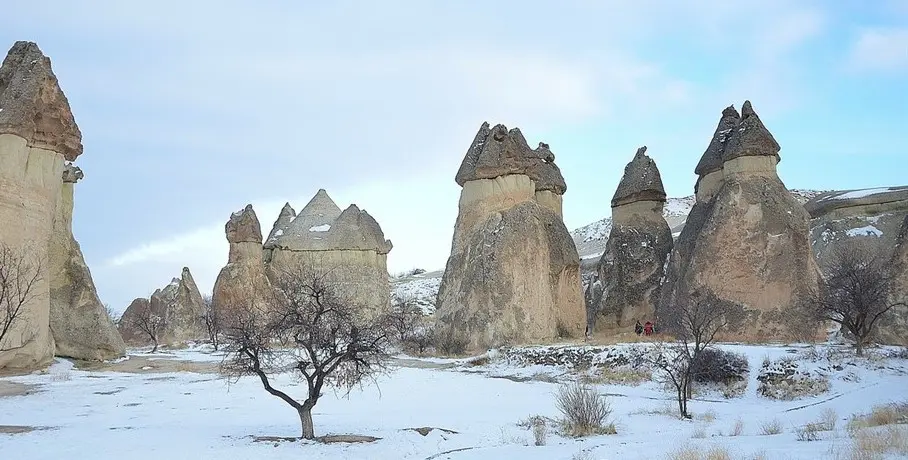
Yet daily life in Türkiye remains vibrant, from oil wrestling tournaments and the rivalries of Fenerbahçe and Galatasaray, to the storytelling of Turkish cinema and the language links. Across Cappadocia and Marmaris, the country’s flora, fauna, and rare species, such as the Anatolian leopard and the Caspian snowcock, reflect the deep natural diversity of this land.
Turkey's borders, along with its maritime frontiers on the Black Sea, Aegean Sea, and Mediterranean Sea, make it a key transcontinental power. Mountain ranges, such as the Taurus Mountains, serve as substantial barriers between Iraq and Iran, and the vast central Anatolian Plateau is the heart of this wonderful country.
How the Borders Bring in Tourists and Foreign Real Estate Buyers
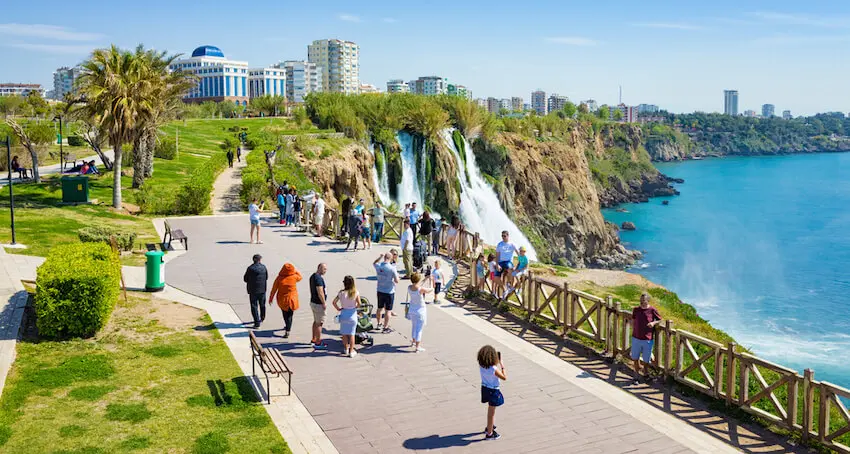
Turkey’s position and its neighbouring countries have made it a sought-after destination for both tourism and property investment, attracting millions of visitors and homebuyers from around the world each year. In 2024, the Republic of Türkiye welcomed around 52.6 million tourists, earning more than $61 billion in tourism revenue. The country’s warm climate, welcoming culture, and strong travel infrastructure make it a favourite for repeat visitors from Europe, and beyond.
Among the top visitors are Germans, Russians, and Britons, who continue to view Turkey as both a short-haul holiday escape and a promising long-term investment destination. In early 2025, Germany accounted for nearly 15% of all foreign arrivals, followed by Russia at about 10%, and the United Kingdom close behind. Tourists from Middle Eastern nations, such as Iran, Iraq, and the Gulf states, have increased in number, drawn to the country’s shopping hubs, luxury resorts, and family-friendly atmosphere.
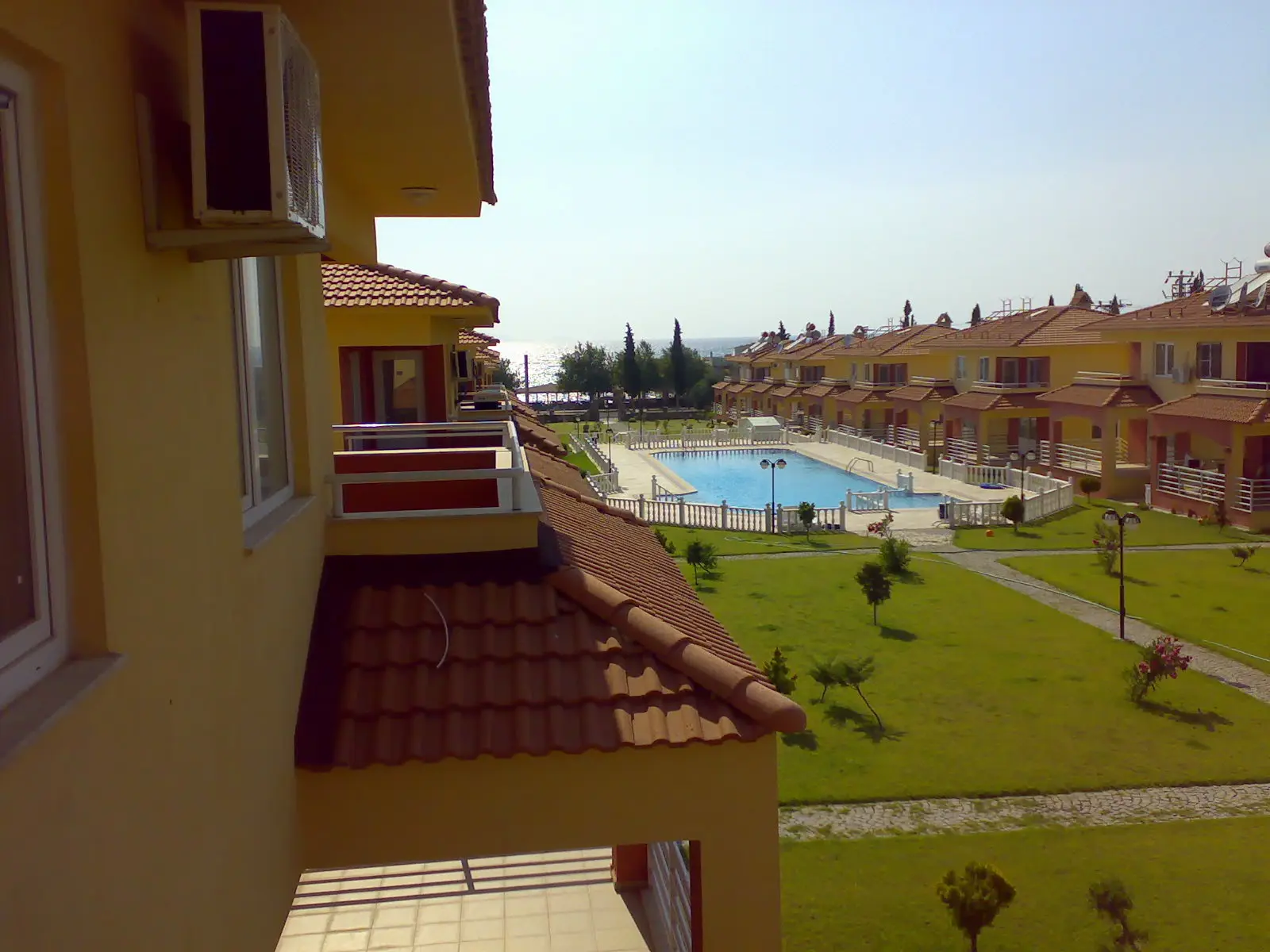
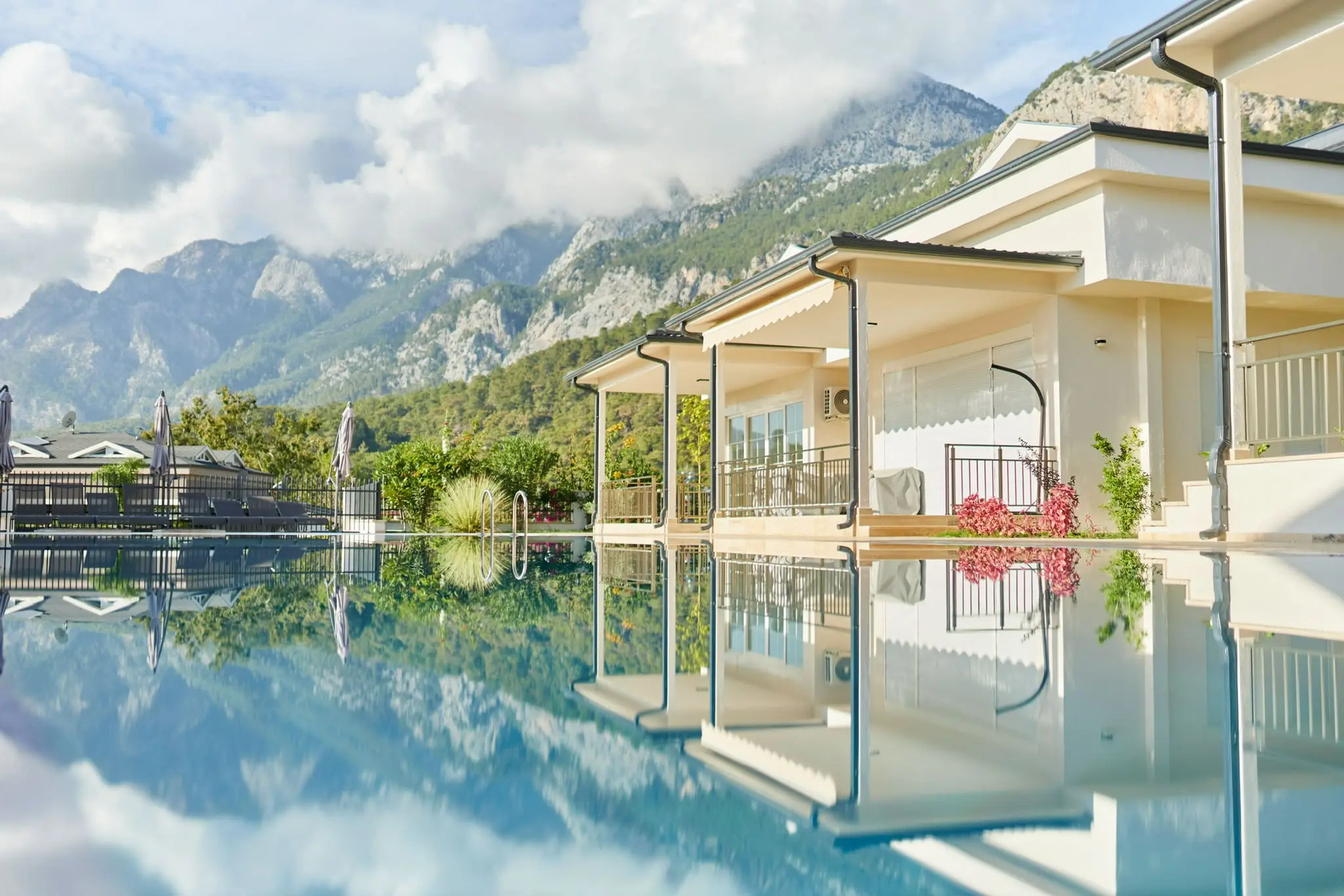
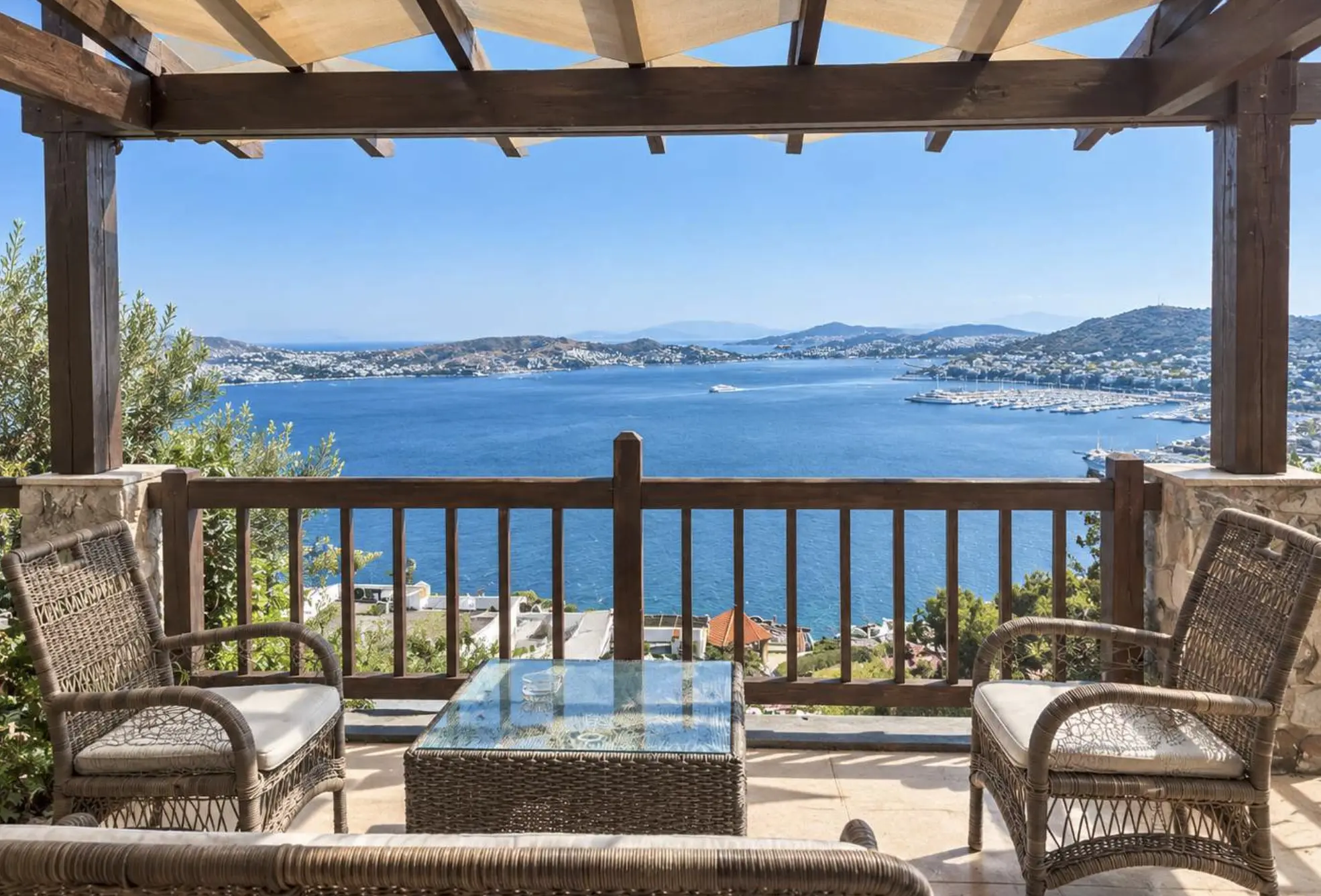
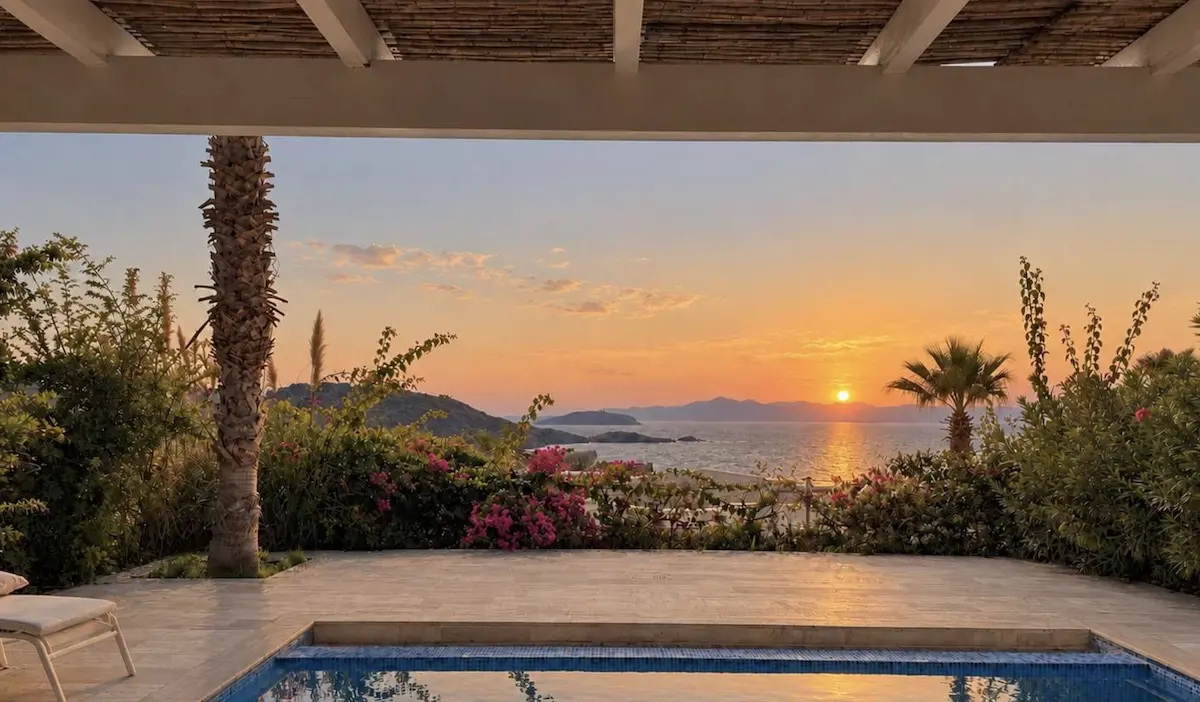
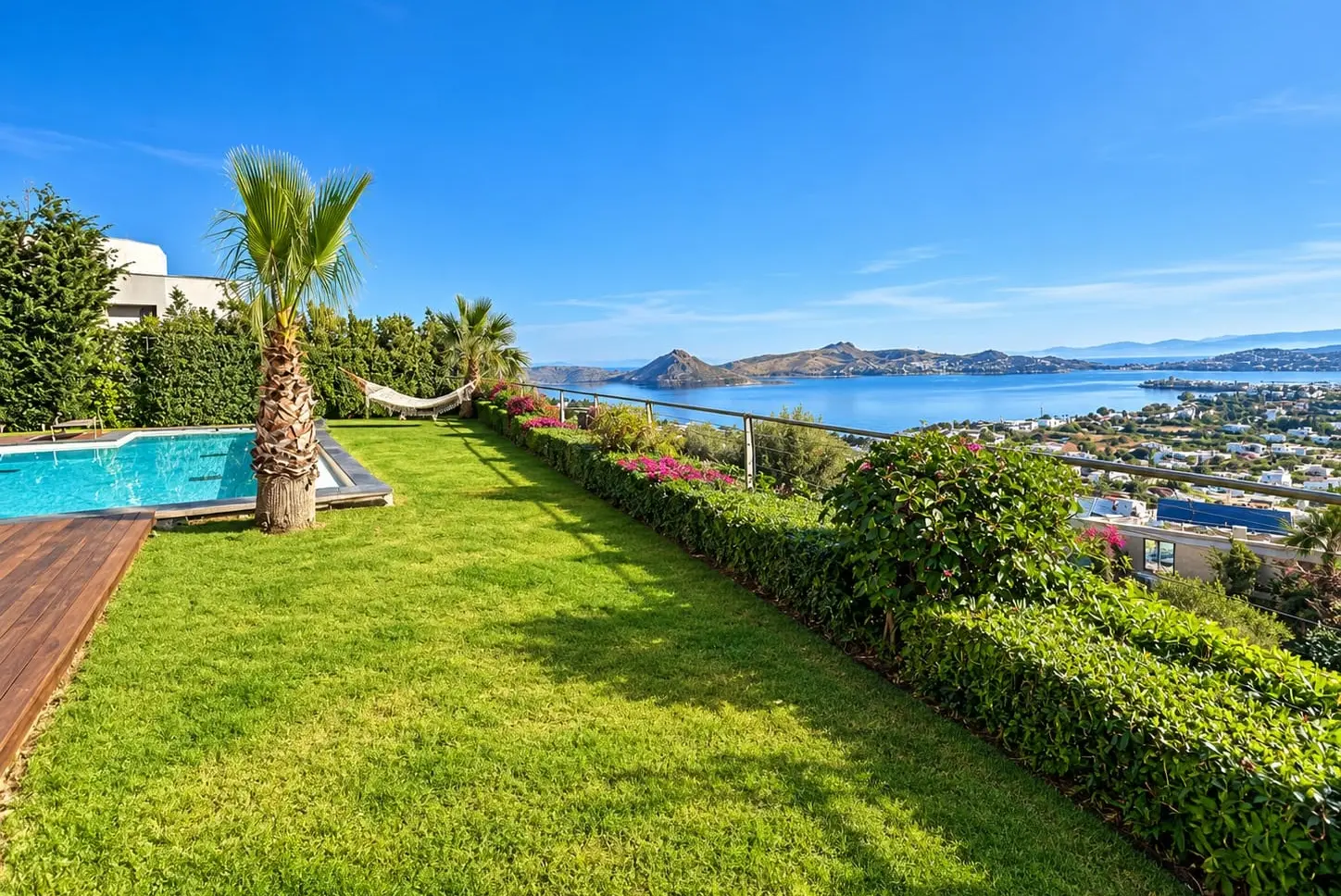
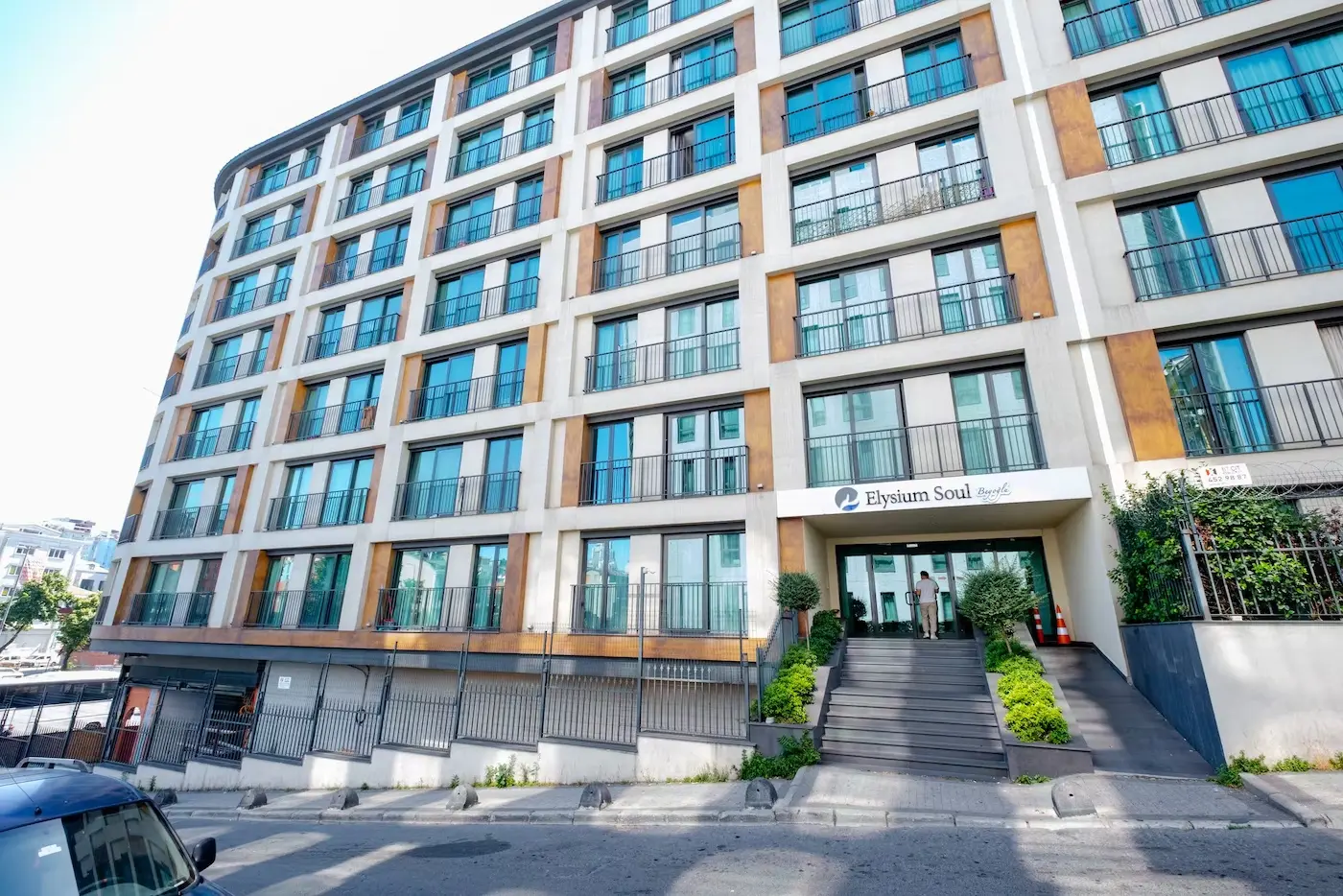
Turkey’s appeal goes far beyond tourism to foreign property buyers. In 2024, approximately 1.48 million homes were sold nationwide, and foreigners accounted for 1.6% of these purchases. Russians topped the list with nearly 4,900 homes bought, followed by investors from Germany, the UK, and the Middle East. Popular areas include the coastal cities of Antalya, Alanya, and Izmir. Despite economic fluctuations and the effects of inflation, Turkey continues to blend modern investment potential with timeless charm, making it one of the few places where visitors come for a vacation and leave dreaming of owning a home.
More About Turkey
We are Property Turkey, and we hope we have provided you with a wealth of helpful information about the eight countries that border Turkey. If you would like to learn more about home ownership in the country, please get in touch with one of our agents today or explore our portfolio of apartments and villas. Additionally, the following articles are worth reading.
Regions of Turkey: As the 37th largest country, with over 7,000 kilometres of coastline and surrounded by four seas, the geography varies significantly from east to west. You can visit one place and assume to know the country since each official region is as diverse as it is interesting.
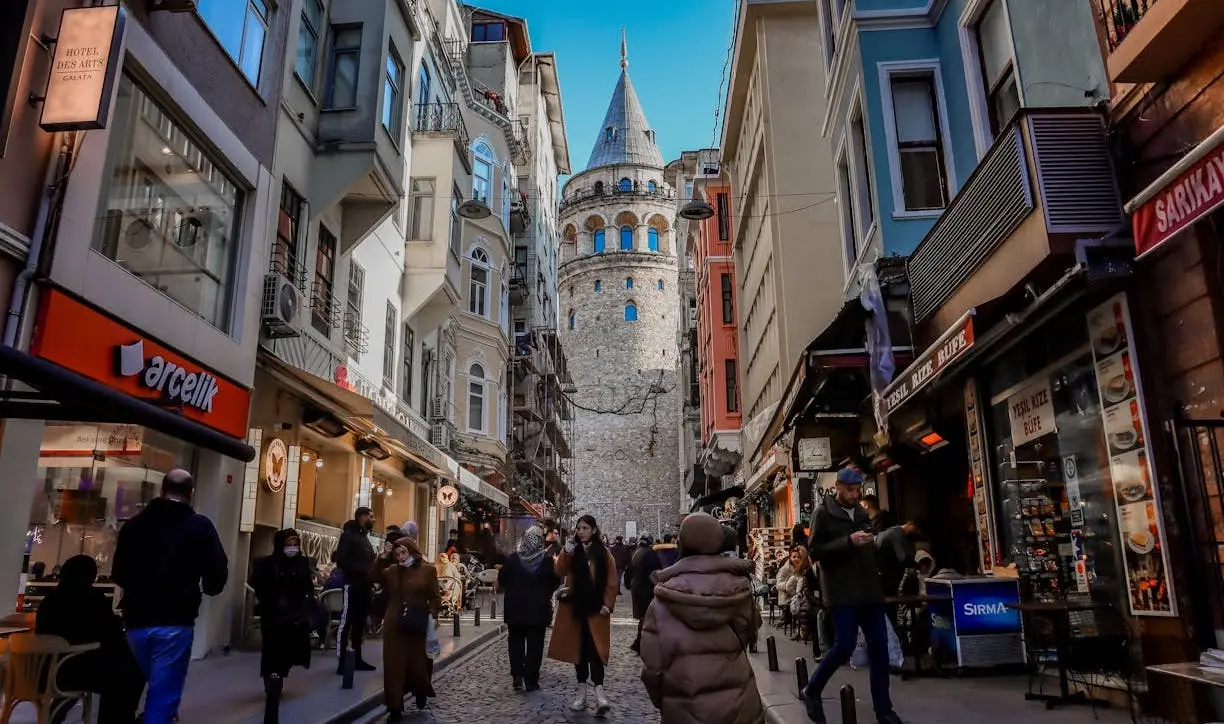
Major Cities: As urban playgrounds, expect everything a decent city should offer, including unique architecture, delicious food, lively shopping, and vibrant nightlife, as well as a range of tourist attractions. From east to west, hundreds of cities stand out; however, for this article, we will specifically discuss cities that foreigners enjoy visiting or living in while in Turkey.
Nezir Can  Operations Manager
Nezir 'Nez' Can is Operations Manager at Property Turkey and a contributor on Turkish culture, lifestyle, and everyday life across the country. Since joining the company, he has helped international readers better understand what it is like to live, work, and settle in Turkey.
View full author profile →




 By:
By:
 Istanbul
  1
1  1
1 





 X
X