In a move that has sent waves of positivity through financial markets and Turkish sectors, Moody’s Ratings, on July 25, has upgraded Turkey’s long-term foreign and domestic currency ratings to Ba3 from B1 and changed its outlook to stable. Moody’s noted the sustained economic improvements by the Turkish government, along with the strengthening credibility of its monetary policies as the key reasons for the upgrade.
1. Understanding the Ba3 Upgrade and Stable Outlook
Upgrading Turkey’s credit rating to Ba3, the country’s first move out of the B-rated category since 2020, represents an important shift from Moody’s. Recognising the reduced macroeconomic risks, strong monetary policies, and clearer agenda, it’s a huge sign of international confidence in Turkey. Moody’s changing the outlook to stable indicates a balanced risk profile and suggest more positive developments could be possible.
Key Reasons Behind the Upgrade:
- Inflation Control: Inflation has dropped from 75% in May 2024 to 35% in June 2025. The Turkish government has targets of 30% by the end of 2025 and 20% by the end of 2026.
- Credible Monetary Policy: The Central Bank of Turkey’s commitment a strategic lowering of interest rates has restored confidence from investors.
- Improved Fiscal Indicators: Current account deficit in Turkey has reduced to -0.8% of GDP in 2024. This is down from 5.4% recorded in March 2023.
- Foreign Currency Reserves: Since March 2025, Turkey’s net foreign reserves have rebounded by 25%, signalling more external stability.
- GDP Per Capita: On a PPP basis, Turkey’s GDP now reaches $40,501 USD. This indicates more purchasing power available.
2. Why Credit Ratings Matter to Real Estate Investors
Investors who purchase international real estate use credit ratings as important indicators of the financial health and political stability of the country they are about to invest in. Turkey’s new Ba3 rating suggests that Turkey is now a safer environment for property investment in the medium to long term.
An upgraded rating typically means:
- Lower risk premium: International investors appreciate less uncertainty about currency volatility and macroeconomic changes.
- Greater investor confidence: Likely to see further foreign direct investment and more liquidity returning to the Turkish real estate market.
3. Turkey’s Economic Outlook: 2025 and Beyond
Essentially, the economic prospects of Turkey have improved. With better fiscal discipline and focus on strategic disinflation and reforms, the outlook for 2025 and beyond is optimistic. This signals an important turning point for investors – where economic stability and sustainable growth align.
Real GDP Growth
- 2024: 3.2%
- 2025: 2.2%
- 2026: 3.2% (projected)
Inflation and Interest Rates
Inflation has fallen considerably from previous peaks. After a year of tight monetary policy, the Central Bank began its rate-cutting cycle in mid 2025 with the policy rate being cut by 100 basis points by the end of July 2025. Economists predict further cautious and slow easing heading into 2026, signalling a growing confidence in the economic direction of Turkey.
External Balances
Turkey’s Fiscal Balance has been recorded at -4.9% of GDP, while External Debt has been recorded at 39% of GDP. This is moderate for a market that is emerging and suggests that debt levels are currently manageable. This will be crucial for maintaining investor confidence.
4. Impact on Real Estate: Investors Should Pay Attention
Upgrading Turkey’s credit rating has a direct impact on Turkish real estate. Turkey’s property market is set to benefit from increased foreign interest as the country continues to improve financial credibility and enhances its international perception. For the domestic market, better access to funding will see the local market return to buying.
- A Stronger Lira Encourages Investment:
As the Turkish Lira stabilises, currency risk is reduced. Data shows that the Lira has appreciated by 18% against the US Dollar in 2025. International investors who are cautious of currency fluctuations will now see a more stable exchange market for their USD, EUR, or GBP. This will make Turkish real estate far more appealing to foreigners.
- Positive Reaction Raising Property Values:
As general investment sentiment increases, real estate markets tend to move alongside. With the narrative around the macroeconomic environment of Turkey improving, expect to see the following:
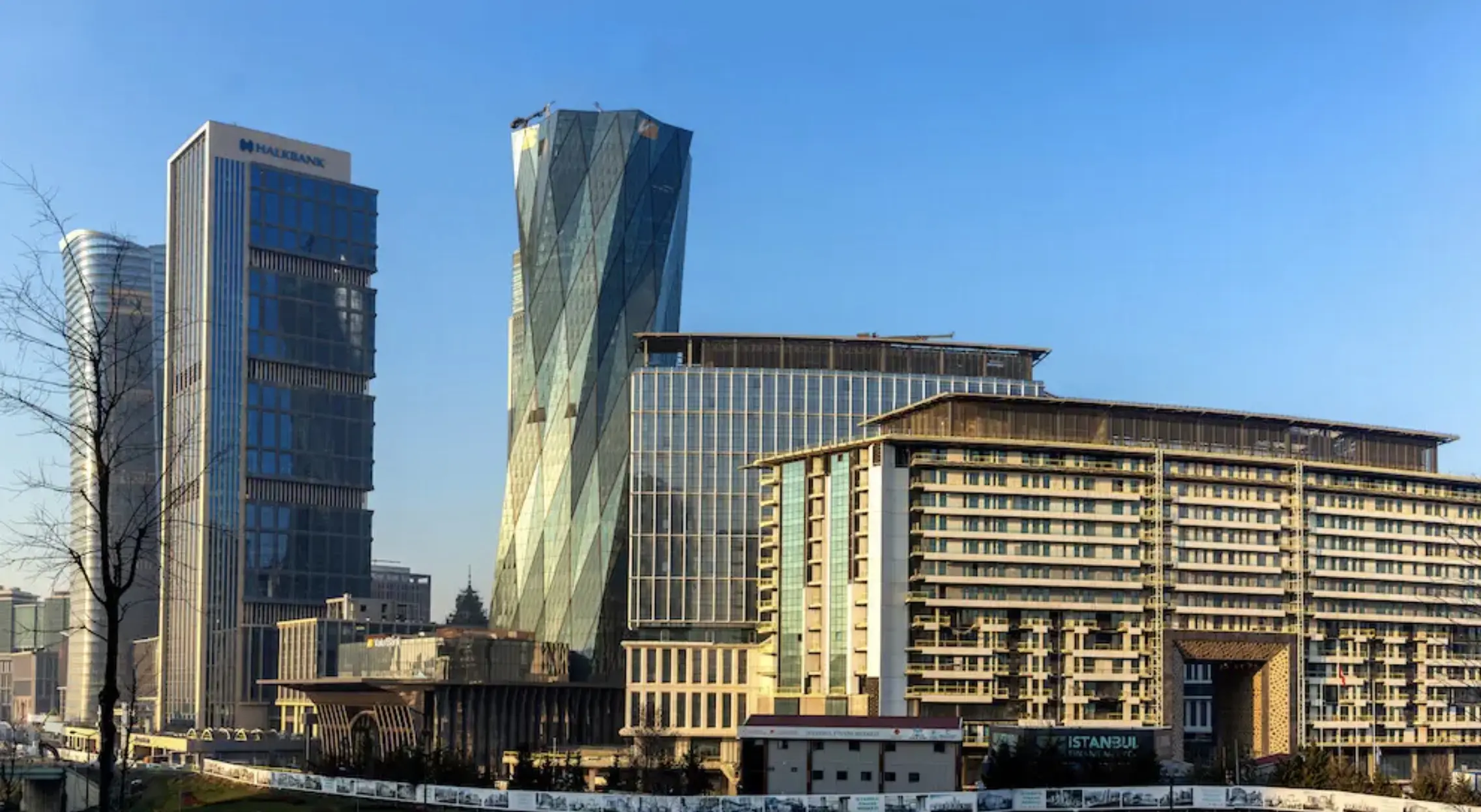
- More local and international demand in urban spots including Istanbul and Izmir.
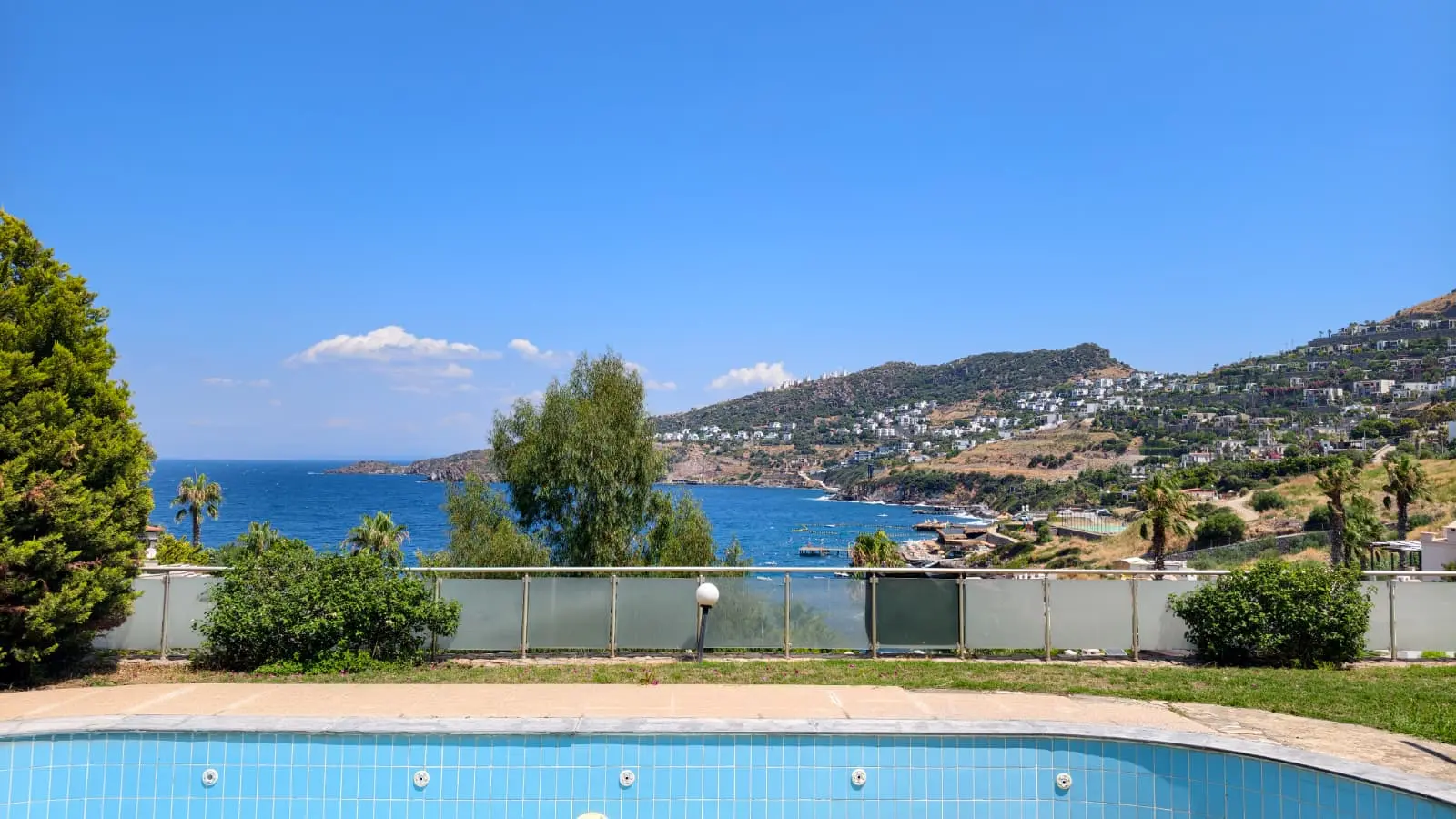
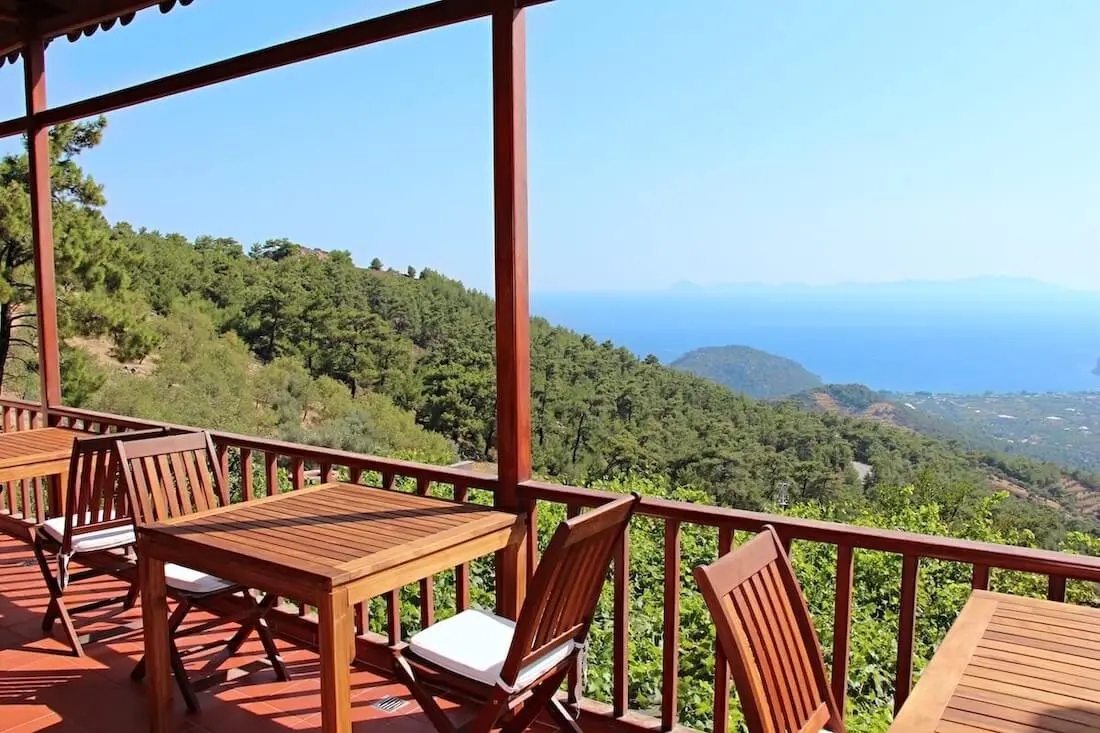
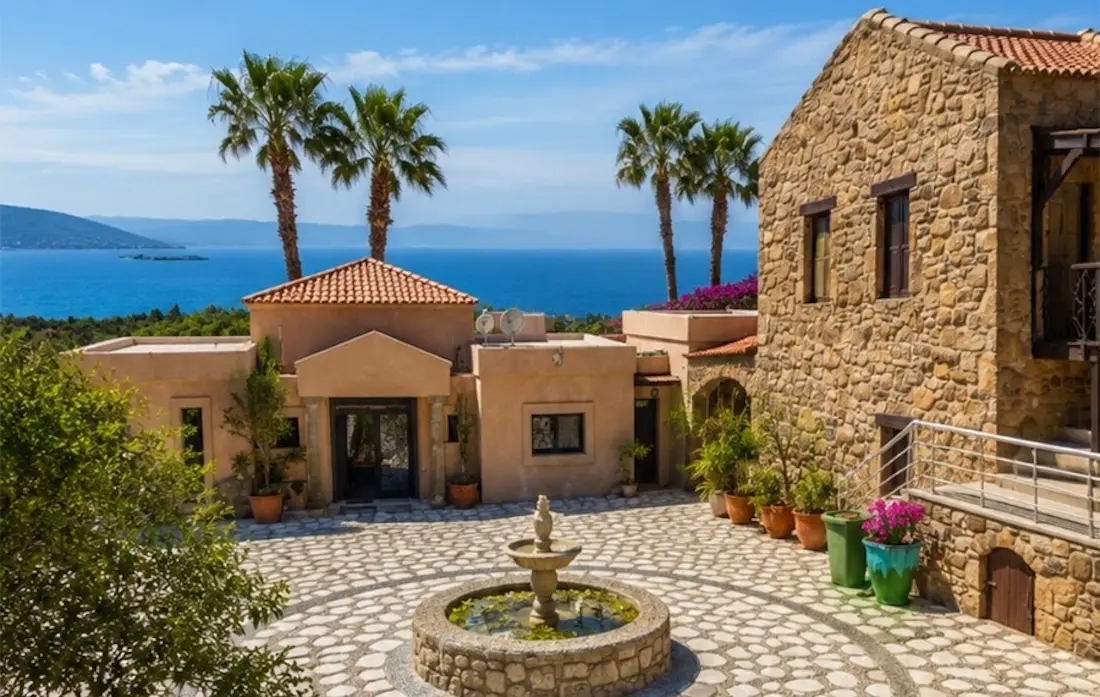
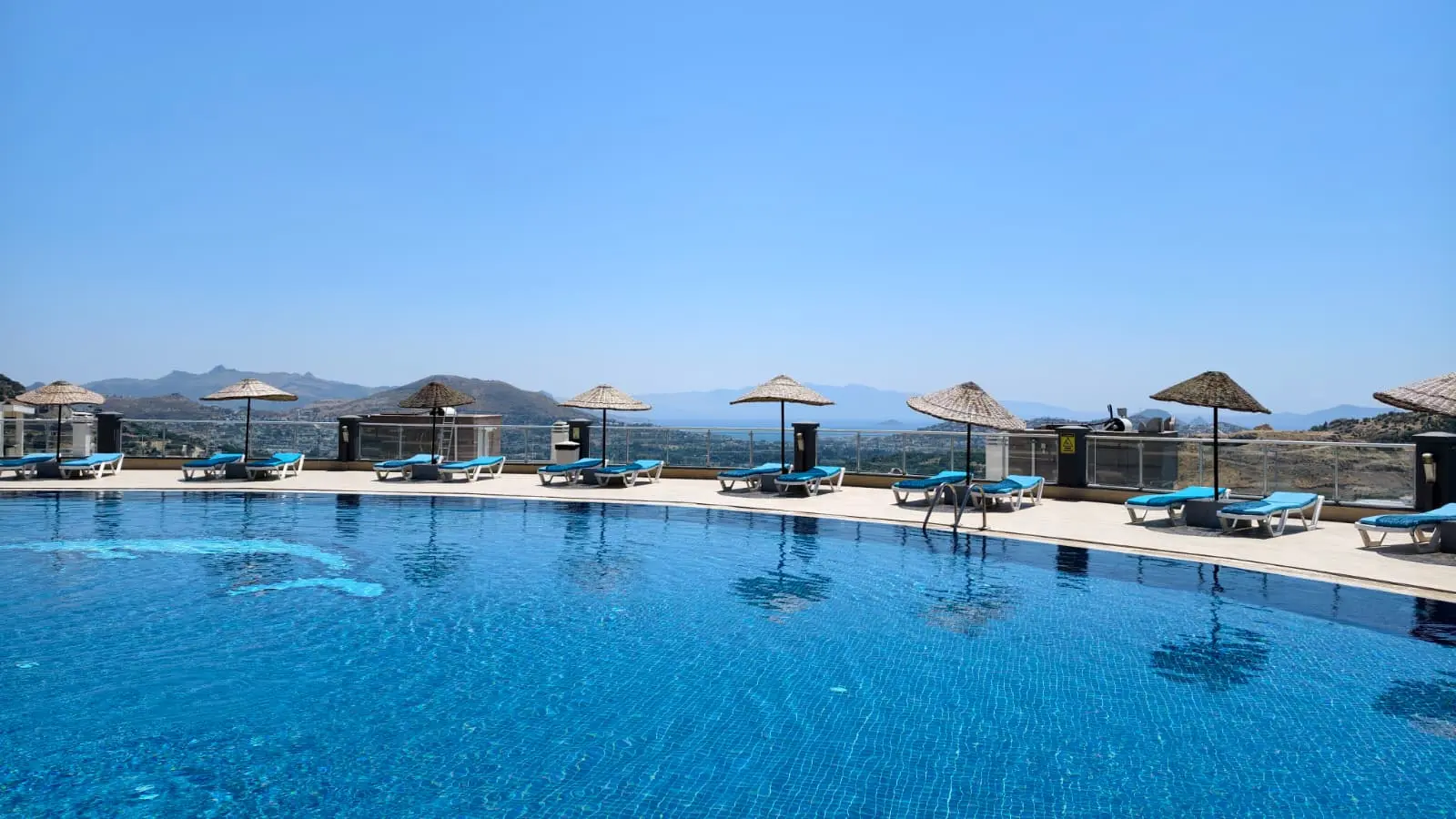
- Increased interest in popular coastal cities including Bodrum, Antalya, and Fethiye.
- Foreign Direct Investment and Infrastructure:
Turkey is committed to important structural reforms throughout sectors. From energy independence to more competitiveness for exports, Turkey’s government has long-term focus and goals. With this, foreign capital is expected to flow into areas including: improvements of Turkish infrastructure that raises values of properties, and more international firms partnering with real estate developers.
5. Turkish Property Market Outlook: 2025 to 2030
Turkey’s real estate market is uniquely positioned to enter a sustainable growth phase beginning from the end of 2025 and onwards. With credit ratings upgraded and inflation stabilising, experts expect to see the following trends:
- Capital appreciation key areas:
Data shows that, as of June 2025, the average price per square metre for properties across Turkey stood at $825 USD. This is projected to reach $1,000 USD by the end of 2028. In central districts of Istanbul and areas undergoing urban regeneration, higher capital appreciation can be expected with average prices predicted to reach $1,256 USD per square metre by 2028.
Average rental yields in strategic projects and areas of Istanbul currently average 5% to 8% per annum. In tourism hotspots and affordable city centre markets suitable for Airbnb, up to 10% per annum can be obtained, supporting high rental returns for investors.
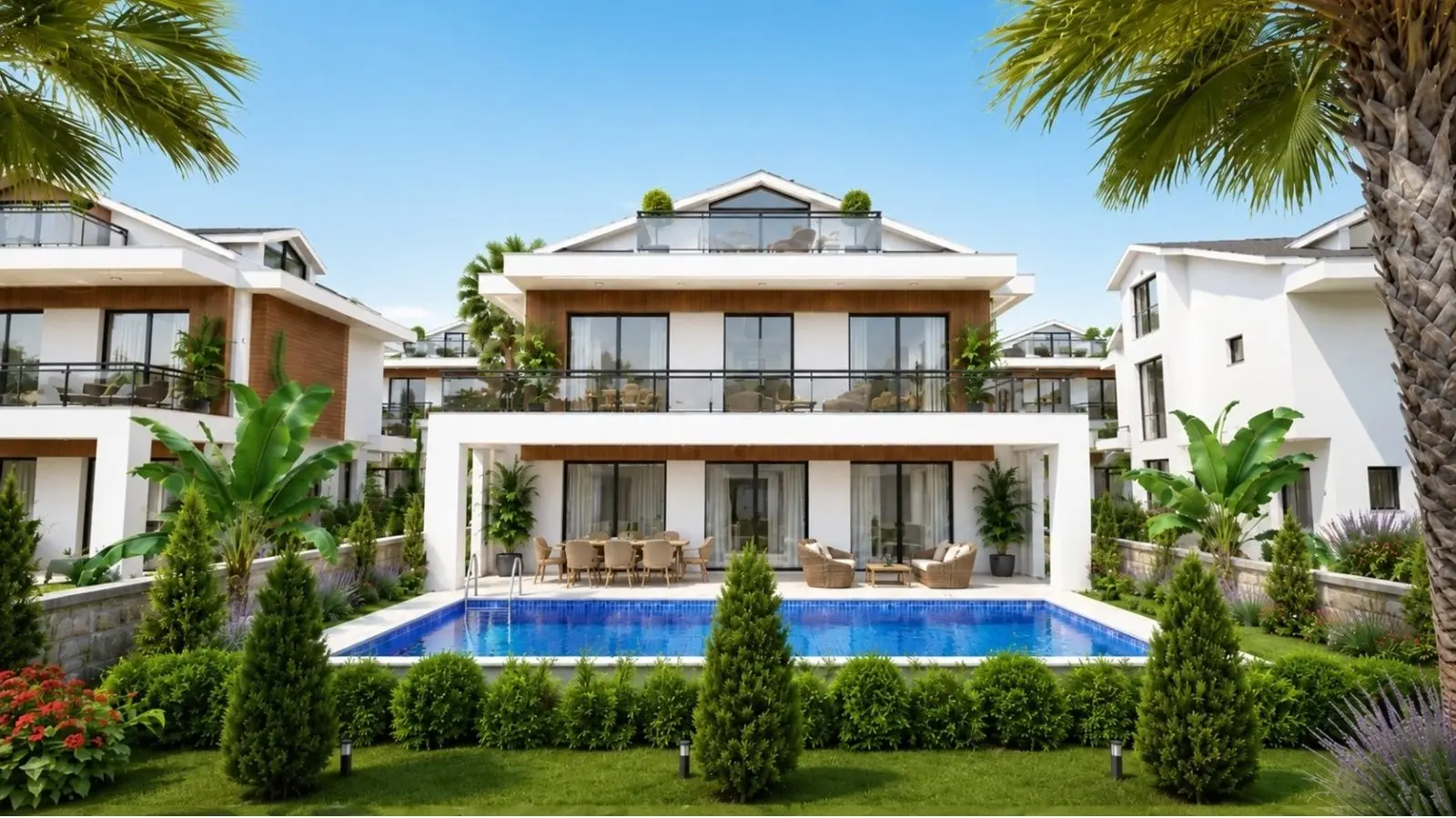
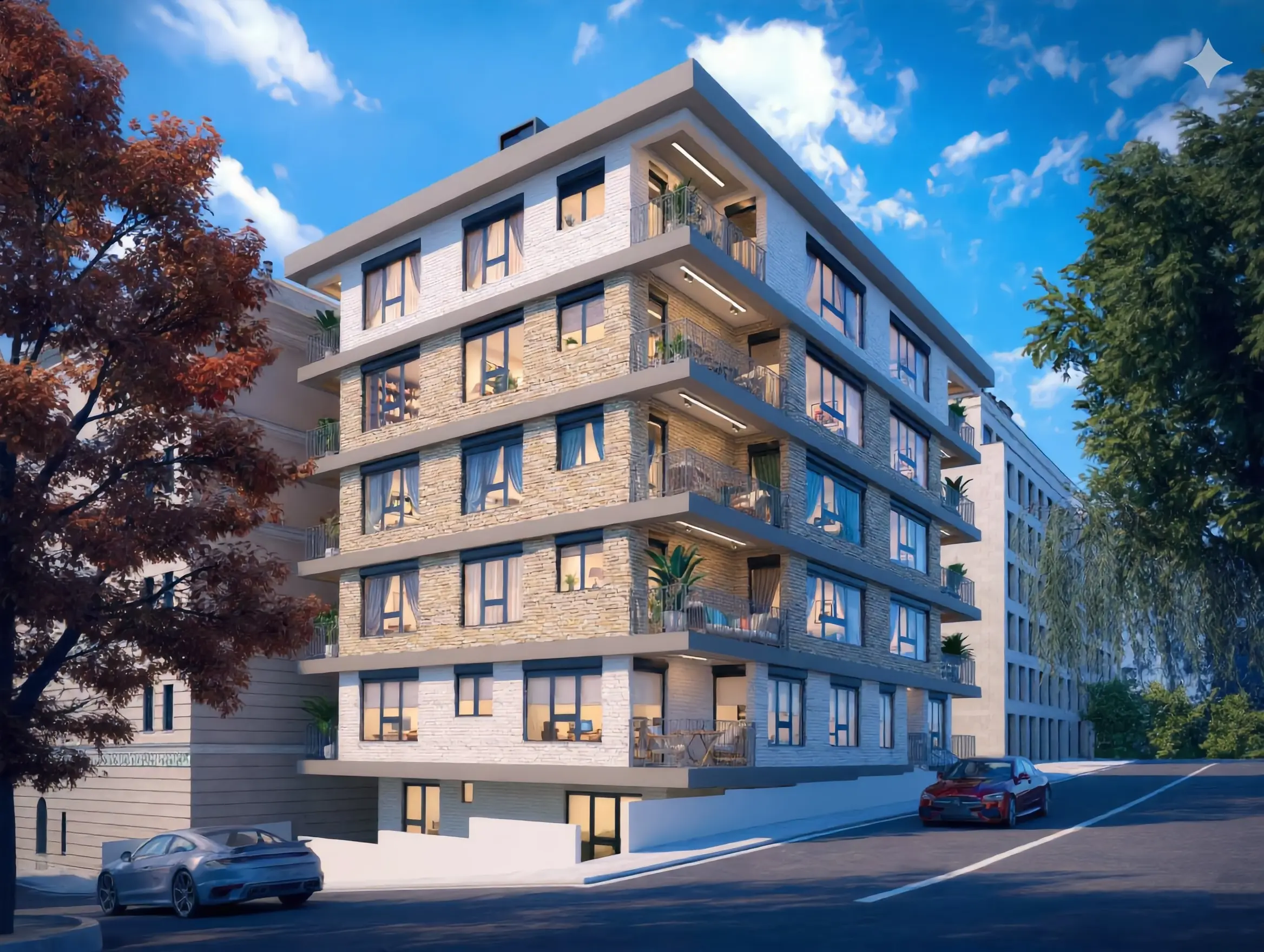
Global high-net-worth individuals are leaving high tax countries and jurisdictions more than ever before. Looking for undervalued opportunities in the luxury market, Turkey stands out with new-build prices in Istanbul reaching $1,458 USD per square metre in March 2025, up by 11% year-on-year. Luxury villas and sea view homes in Bodrum and Antalya remain popular.
Turkey’s Citizenship by Investment Program remains one of the most attractive passport programs around the world. By investing $400,000 USD in real estate, investors can apply for a Turkish Passport and obtain it within six months. Foreign buyer interest in Istanbul increased by 15% in 2024 with many looking at citizenship options.
The message from Moody’s is clear: Turkey is re-establishing macroeconomic discipline and is back on the investment radar. For the real estate market, this means reduced volatility, stronger long-term returns, and higher transparency. For those who act today, the potential upside is significant.
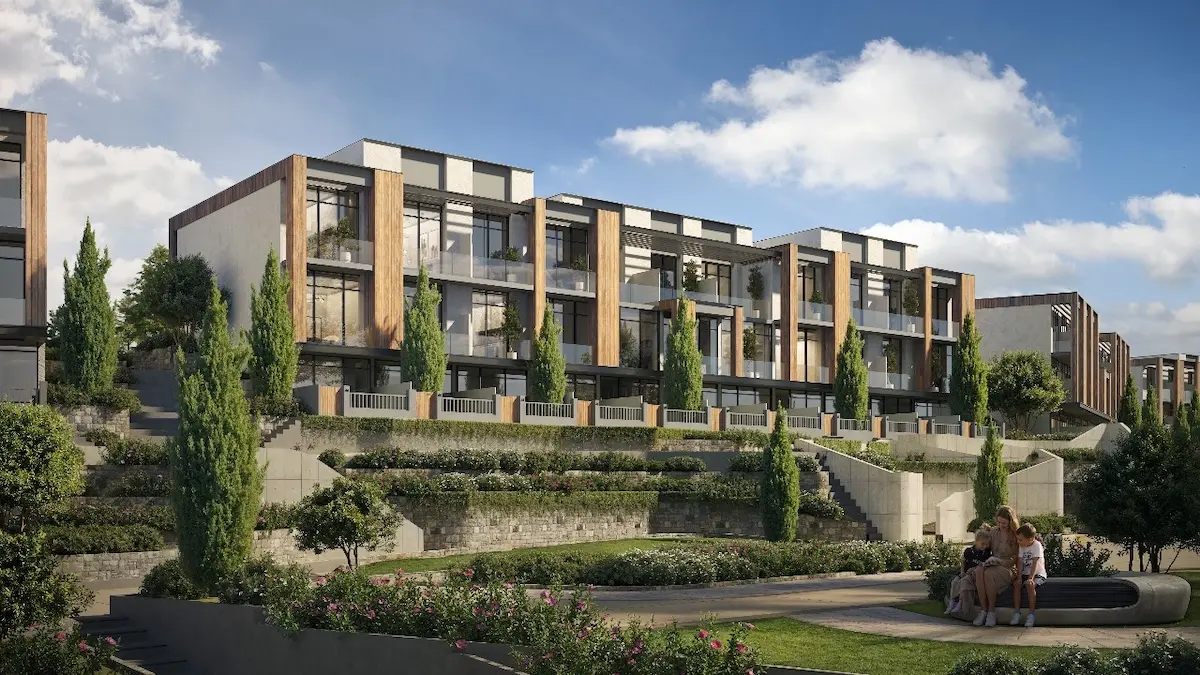
Whether you are looking for an Istanbul apartment with Bosphorus sea views, an affordable city centre Airbnb flat to rent out, or a Mediterranean villa to spend long summer vacations with the family in – Turkey’s real estate market is about to surge.
For more information, and for tailored properties meeting your budget and investment goals – please call or contact us to speak with our local advisors at Property Turkey. We are happy to assist you and answer all of your questions about investing in Turkey.
Cameron Deggin Founder & CEO, Property Turkey
Cameron Deggin is Founder and CEO of Property Turkey. A former finance professional and FCCA-qualified accountant, he founded the company in 2001 after recognising Turkey’s investment potential. With more than two decades analysing Turkish real estate, Cameron regularly advises international investors and is quoted by media including the Financial Times and BBC.




 By:
By:





 Founder & CEO, Property Turkey
 Bodrum
  5
5  6
6 










 X
X