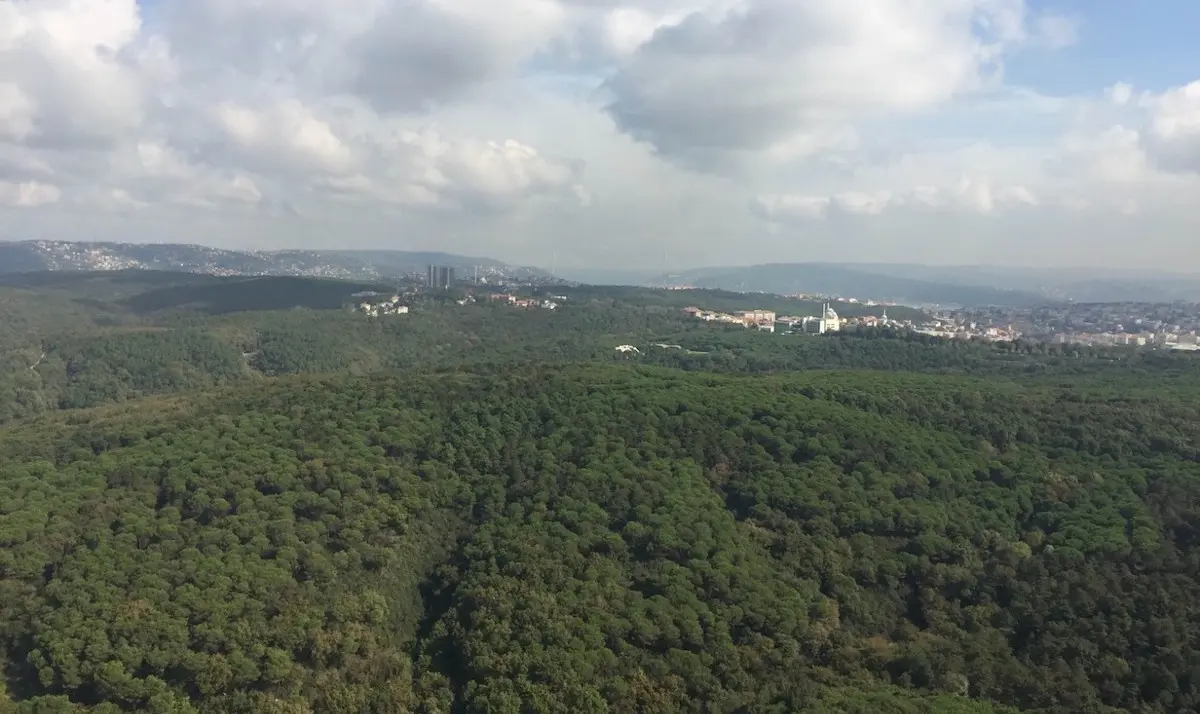
Belgrad Forest in Istanbul, or Belgrad Ormanı, a beloved natural retreat just a short drive from the bustling city centre, is popular for day trips and on the real estate market. Easily accessible via the M2 metro line with stops like Haciosman station, as well as numerous buses and dolmuş rides, visitors often combine trips with nearby attractions.
House hunters also pay extra for a location near the forest, or even an apartment overlooking it. This vast natural woodland is home to crystal-clear lakes, picnic areas, winding hiking trails, recreational activities, and cycling paths that appeal to outdoor enthusiasts of all kinds. So, let’s find out what all the hype is about.
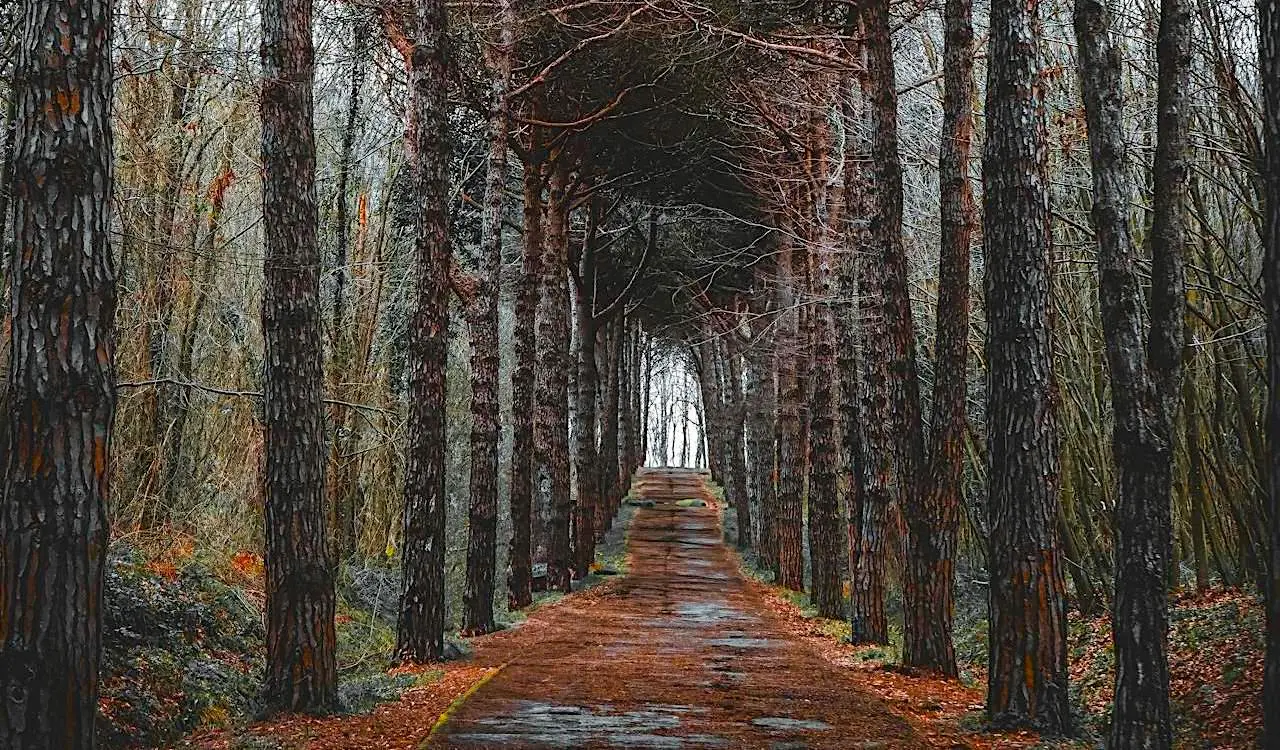
Key Points about Belgrad Forest in Istanbul
Location & Size:
- Located 20 km north of central Istanbul.
- Easily accessible via the M2 metro (Hacıosman station), buses, and dolmuş.
- Covers approximately 5,500 hectares (13,600 acres).
Main Attractions:
- Popular for hiking, jogging, cycling, and picnicking.
- Neşet Suyu and Mehmet Akif Ersoy recreation areas (with barbecue zones).
- Scenic walking trails with caves, waterfalls, and bridges.
- Atatürk Arboretum nearby, with diverse plant species.
Wildlife & Biodiversity:
- Home to 170+ bird species (e.g., Eurasian jay, black woodpecker).
- Mammals include wild boar, foxes, and deer.
- Also includes reptiles, amphibians, and Eurasian lynx.
- Dominated by oak, beech, and pine trees.
Historical Significance:
- Named after a 16th-century village founded by Sultan Suleiman after capturing Belgrade.
- Historically provided timber and water to Istanbul.
- Former Ottoman hunting grounds.
Aqueducts & Waterworks:
- Features Ottoman-era aqueducts and dams, many designed by Mimar Sinan.
- Kırkçeşme system (16th century) and Taksim system (18th century) supplied water to Istanbul.
- Notable structures: Mağlova Aqueduct, Uzunkemer, Mahmud I Aqueduct.
Neighbouring Districts:
- Sarıyer: Closest access point; mixes city life with nature.
- Eyüp: Access to the southern edges of the forest; known for historical and cultural sites.
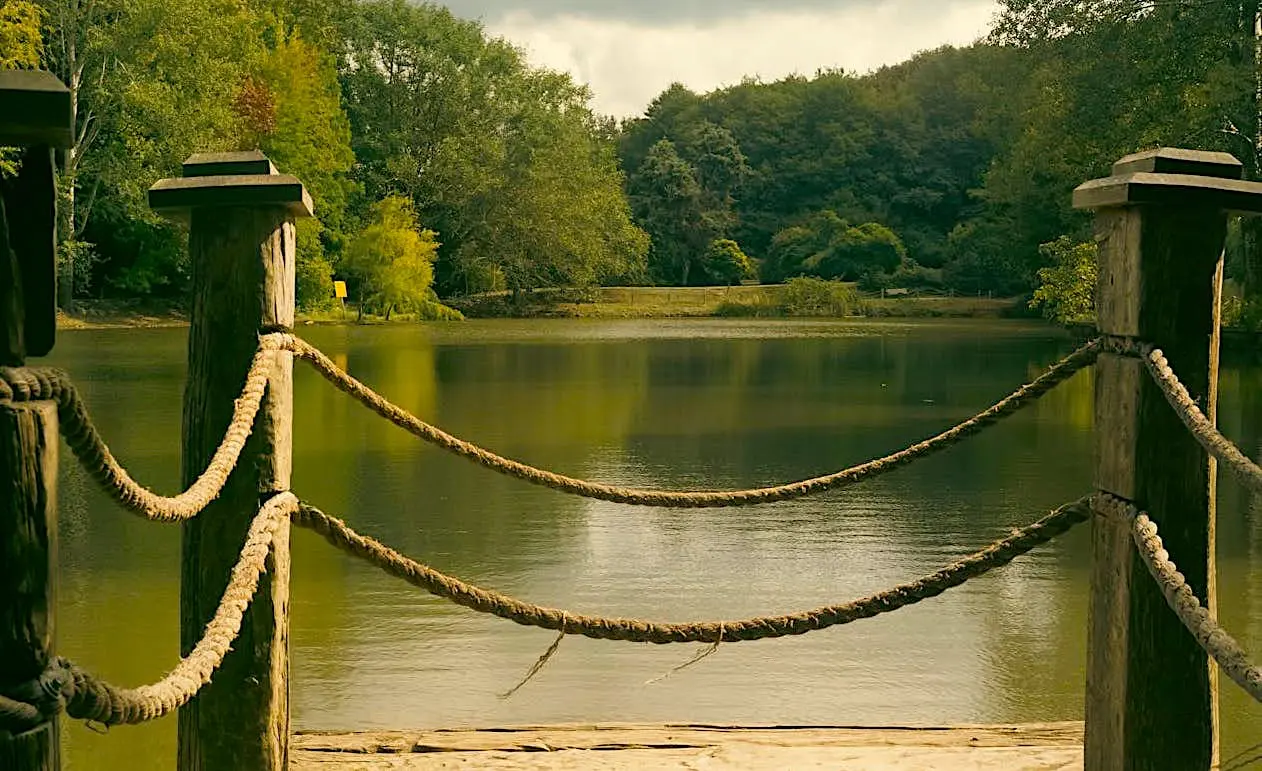
1: The History
The rich history dates from Ottoman times. The name comes from the 16th-century village of Belgrad, established by Sultan Suleiman the Magnificent after his troops captured the city of Belgrade (in present-day Serbia) in 1521. The nearby village of Belgrad itself has ties to relocated people from the Serbian campaign, adding cultural depth to the area’s appeal.
Historically, this was a crucial natural resource for Istanbul, supplying timber for shipbuilding and construction, as well as fresh water through reservoirs and aqueducts that supported the city’s growing population. The dense woodlands and abundant wildlife made it a royal hunting ground for Ottoman sultans, and parts were protected hunting estates, such as the Maslak Pavilion (Maslak Kasrı).
Today, this essential green lung for Istanbul boasts immense real estate value, recreational spaces, and historical landmarks that reflect its centuries-old connection to the city’s development.
2: What Animals are in Belgrad Forest?
There are 170 bird species and 60 species of animals. Bird species include the Eurasian Jay and Black Woodpecker, while mammals include squirrels, rabbits, foxes, wild boar, and deer. Reptiles like lizards and snakes are present as well, along with amphibians in wetter areas. The diverse ecosystem owes its existence to dense tree cover, mainly oak, pine and beech, and freshwater sources, providing shelter and food for many creatures. The protected area allows wildlife to thrive while offering visitors peaceful retreats.
3: Neighbouring Districts - Sariyer and Eyup
The Sarıyer district is the gateway to the forest. Covering a large and diverse area, Sarıyer blends vibrant urban neighbourhoods, historic sites, and vast natural landscapes, with Belgrad Forest forming one of its most treasured green spaces. The forest lies just inland from Sarıyer’s coastal settlements, providing residents easy access, and the proximity makes it a popular district for a balance between city life and nature, with outdoor activities like hiking, cycling, and picnicking just minutes away.
Eyüp district, northwest of Istanbul’s historic peninsula along the Golden Horn, offers a rich cultural heritage and access to natural beauty, including parts of the Belgrade Forest. While not directly bordering the heart of the forest like Sarıyer, Eyüp serves as an essential gateway for visitors heading toward the southern edges and nearby green spaces.
With historic mosques, traditional neighbourhoods, and vibrant marketplaces, Eyüp provides a peaceful contrast to Istanbul’s bustling city centre. At the same time, the nearby forest satisfies residents and tourists seeking outdoor recreation such as hiking, nature walks, and picnics.
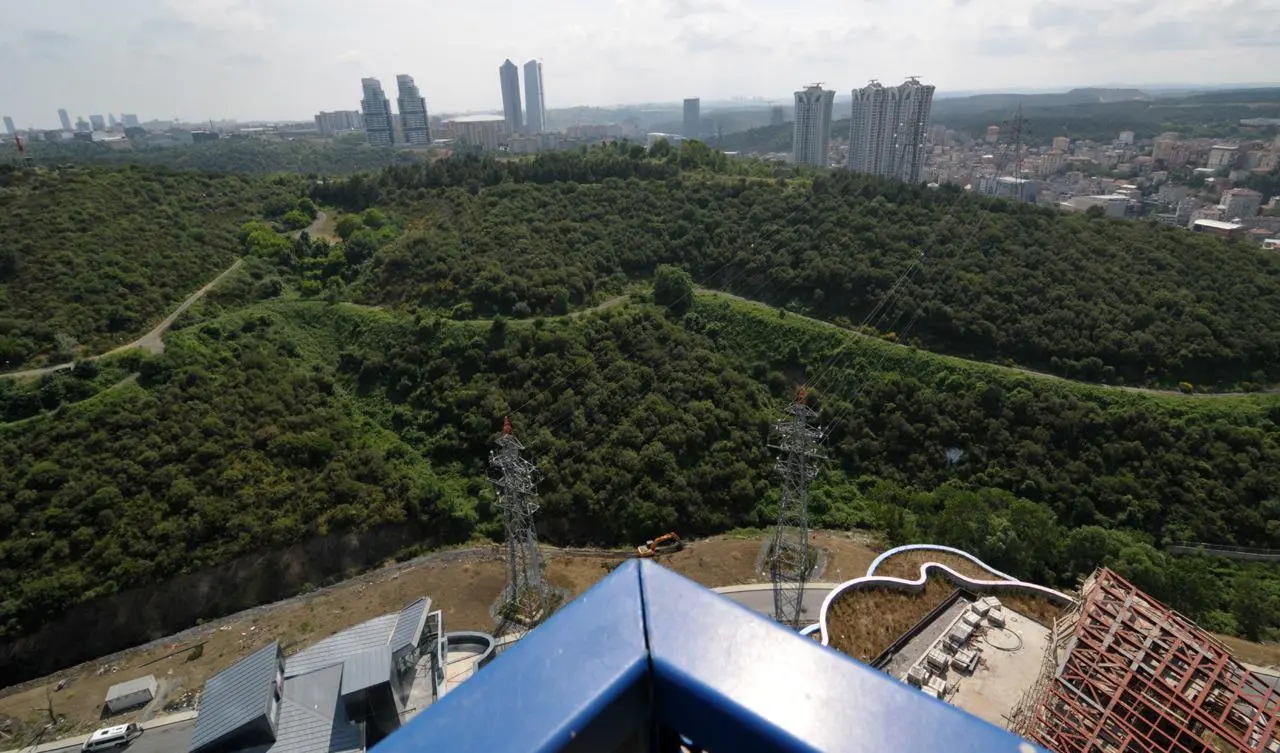
4: Aqueducts and Historical Dams
While many might expect to see Byzantine aqueduct remains, the forest primarily highlights Ottoman-era dams and waterworks constructed over about 150 years. Historically, the forest is also significant due to the remnants of the Ottoman water supply system established during the reign of Süleyman the Magnificent. Visitors can still see Ottoman dams and other artefacts, built to support the city’s water needs during the Ottoman Empire.
Among the most famous landmarks commemorating Istanbul’s historic water supply system is the Valens Aqueduct, which stretches over the bustling Atatürk Boulevard and climbs from the Golden Horn. This impressive structure is a testament to the complex engineering required to deliver fresh water to the city between the 16th and 18th centuries.
There were two central water channelling systems. The older one, called the Kırkçeşme system, carried water to the Eğrikapı area near the city walls. The system was extensively modernised in the 16th century when Sultan Suleiman the Magnificent tasked the famed Ottoman architect Sinan with upgrading the waterworks. This led to the creation of stunning aqueducts near Kemerburgaz, including the impressive Mağlova Aqueduct, with architectural beauty and durability. Another notable structure, the recently restored Uzunkemer Aqueduct, still stands beside a busy road.
As Istanbul’s population increased, the water network had to expand as well, giving rise to a second system known as the Taksim system. Built mainly during the 18th century, this system features a series of aqueducts and reservoirs, with the Mahmud I Aqueduct being one of the most prominent monuments visible near Bahçeköy. The Taksim water line ended at a large reservoir in what is now Taksim Square, which today has been transformed into a small art gallery and tourist attraction.
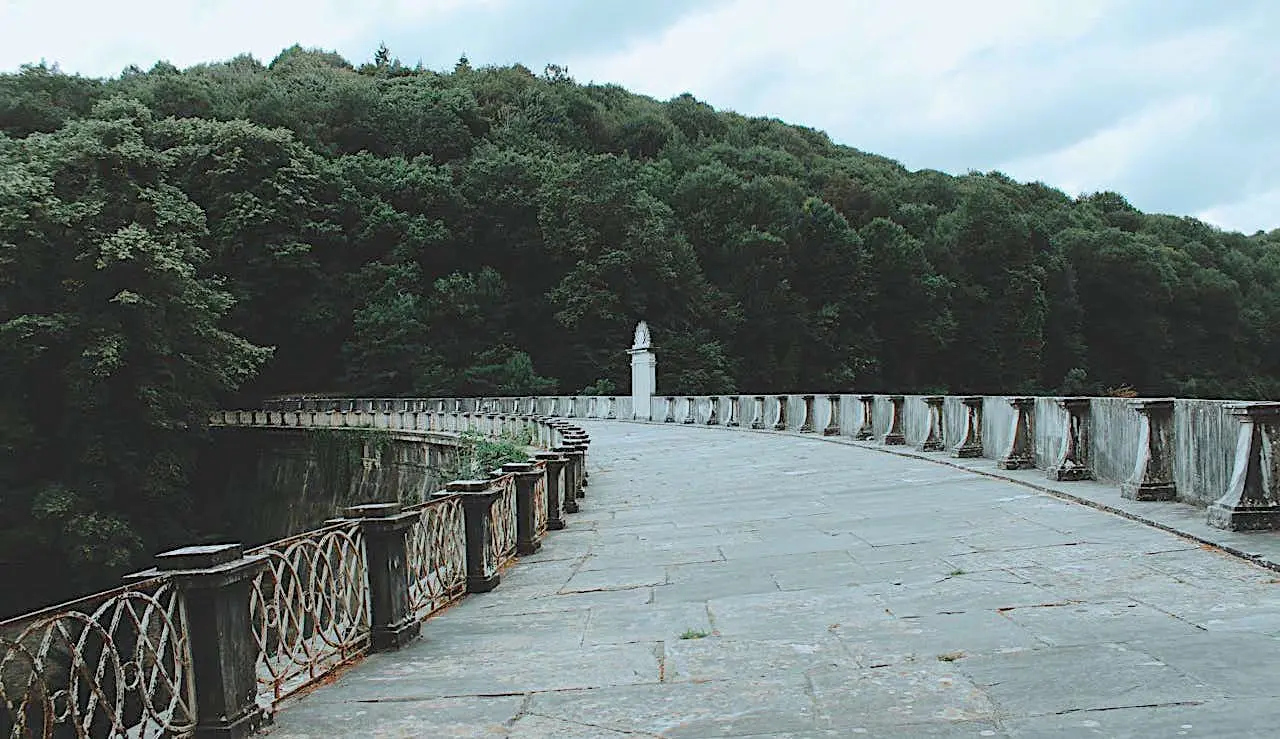
5: Is Belgrad Forest Worth Visiting?
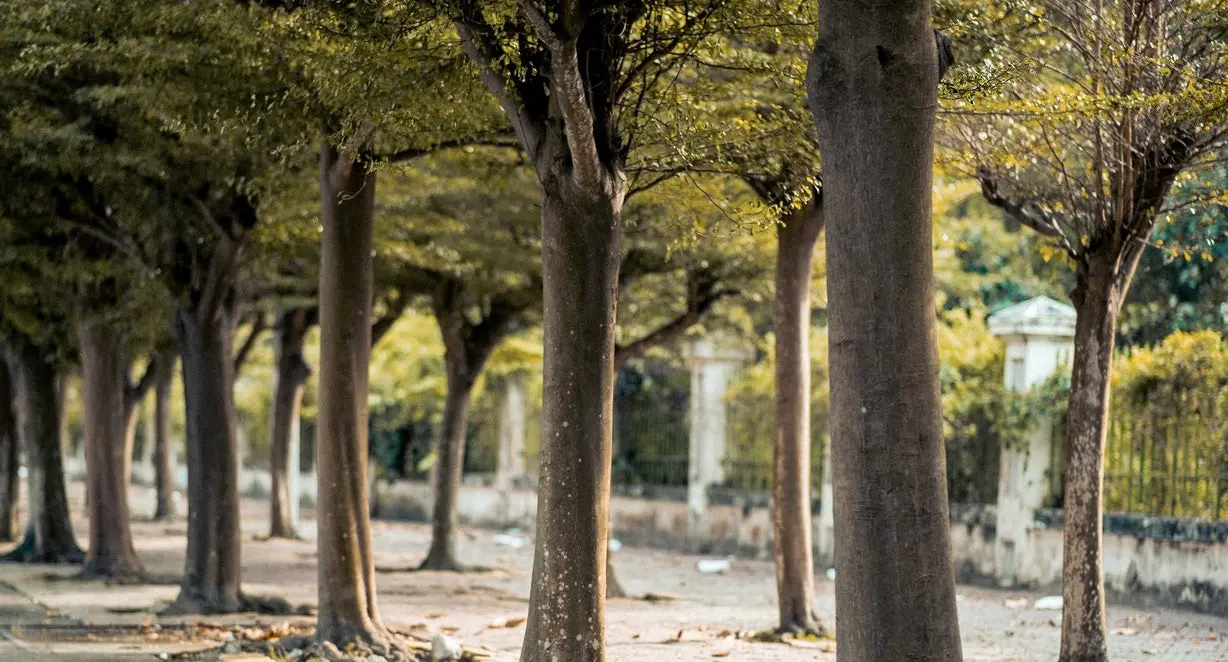
Yes, it is worth visiting, especially to escape busy city life and enjoy the peaceful nature. This expansive forest features lush oak and beech trees, and perfectly suits outdoor enthusiasts who enjoy walking, jogging, hiking, or cycling along well-maintained trails like the popular 6.5-kilometre route. Great picnic spots include Büyük Bent, where families and friends gather to relax and barbecue.
Nature lovers appreciate the diverse wildlife, from wild boars and foxes to woodpeckers and hawfinches. Nearby, the Atatürk Arboretum highlights an impressive collection of plant species, adding to the area’s natural appeal.
The Neşet Suyu and Mehmet Akif Ersoy Recreation Areas are favourite spots for picnics and barbecues, with plenty of designated barbecue areas and picnic zones where families and groups gather to enjoy nature. Walking trails lead past caves, waterfalls, and overwater bridges, showcasing the stunning flora and fauna unique to the region.
6: How Big is Belgrad Forest?
Belgrad Forest is one of the largest natural green spaces near the city, covering roughly 5,500 hectares (around 13,600 acres). While more extensive in the past, spanning over 13,000 hectares in the early 1800s, development has gradually reduced its size. Despite this, the vital ecological and recreational area provides Istanbul residents with dense woodlands, freshwater reservoirs, and biodiversity, all within easy reach of the bustling metropolis.
7: What is the Biggest Forest in Turkey?
Turkey’s biggest forest is the northern Küre Mountains National Park along the Black Sea coast. This area, characterised by vast, dense forests covering thousands of hectares, including biodiversity and old-growth trees, is one of Turkey’s most important regions, boasting pristine natural landscapes, deep valleys, and diverse wildlife. The park, a UNESCO Biosphere Reserve, highlights its environmental significance. While Belgrad Forest is the most extensive urban city forest, the Küre Mountain forest is Turkey’s biggest.
About Our Services
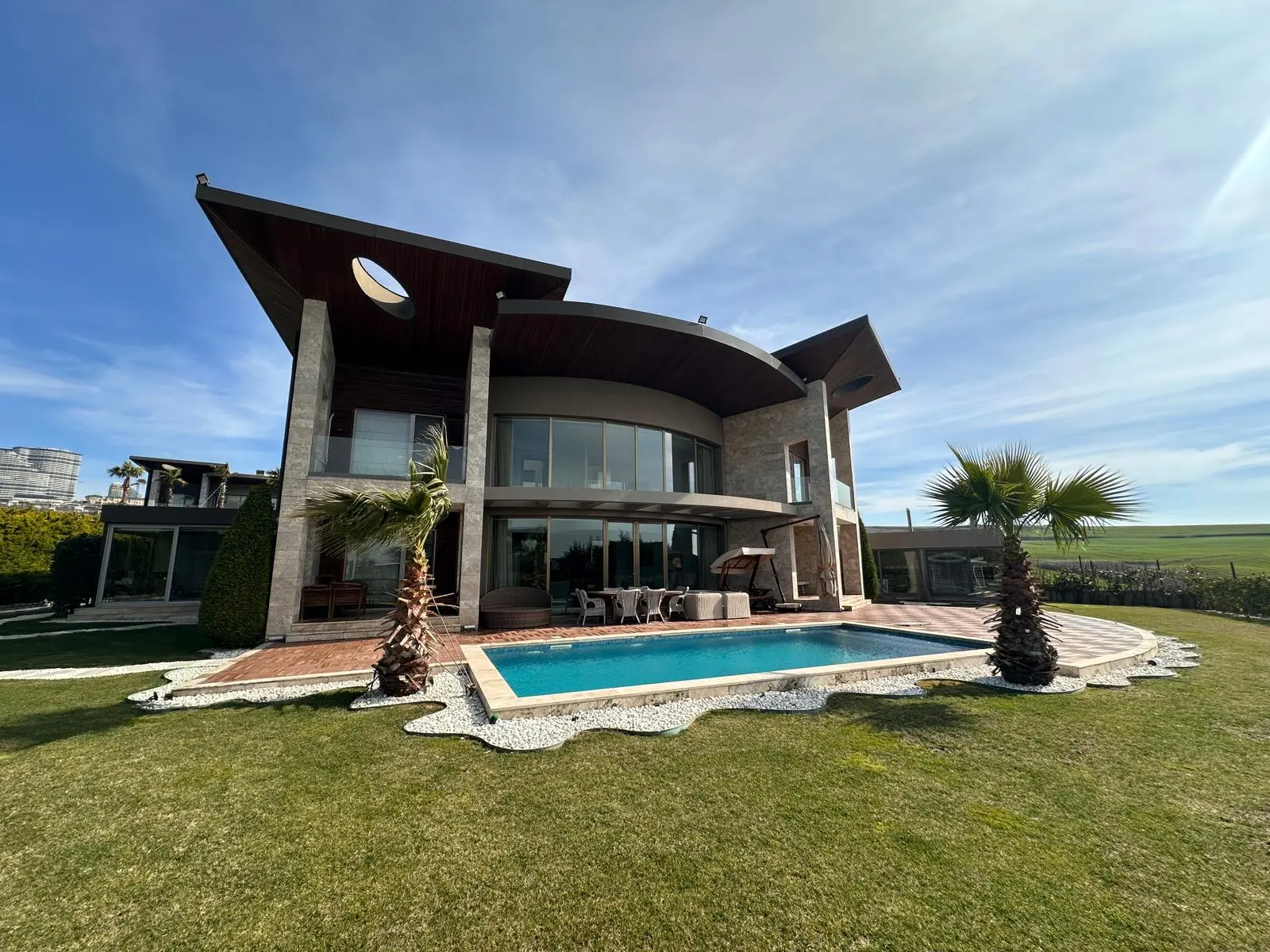
We are Property Turkey, an established estate agent, and we sell homes near and around the Belgrad forest in Istanbul. Contact us today to receive a portfolio of homes for sale via email, or call an agent to arrange viewings. Alternatively, see our listings of apartments and villas all around the city. With us, your journey to becoming an Istanbul homeowner will be quick and easy.
Nezir Can  Operations Manager
Nezir 'Nez' Can is Operations Manager at Property Turkey and a contributor on Turkish culture, lifestyle, and everyday life across the country. Since joining the company, he has helped international readers better understand what it is like to live, work, and settle in Turkey.
View full author profile →




 By:
By:
 Fethiye
  2
2  2
2 








 X
X