Without a doubt, the Fethiye area in Turkey drives the tourism trade on the southwestern coast. Its picturesque appeal is hard to ignore, and every year, thousands of foreigners of different nationalities and Turks flock to the area for sandy beaches, laid-back coastal resorts, and outdoor tourist attractions. The Fethiye region comprises a town and smaller coastal resorts loved by tourists and foreigners who buy property to enjoy the lifestyle year-round. So, let’s find out the highlights.
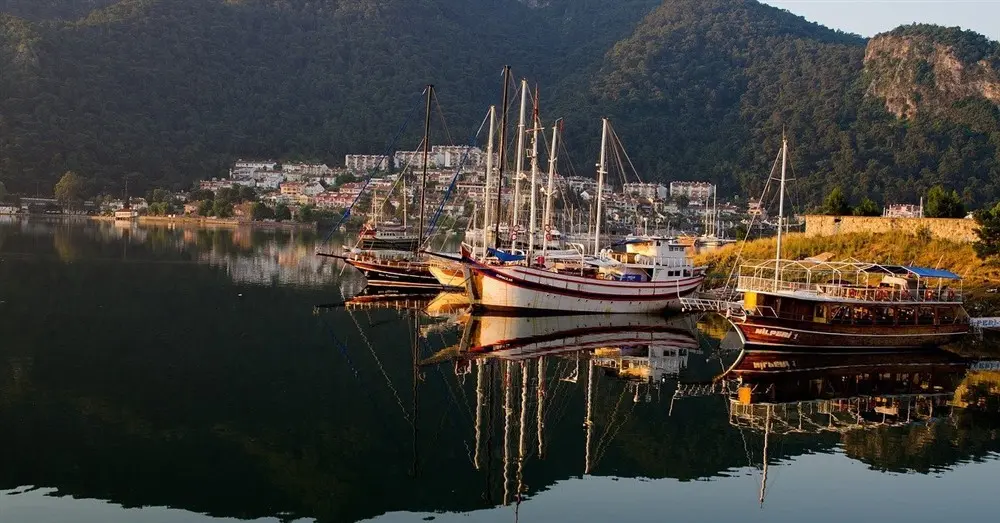
Quick Summary: The Fethiye Area in Turkey
Location: A major port city and district within Muğla Province.
Ancient Roots: Built on the site of the ancient Lycian city of Telmessos, featuring historical landmarks like the 4th-century BC rock-cut tombs carved into the cliffs (Tomb of Amyntas) and a Hellenistic / Roman amphitheatre.
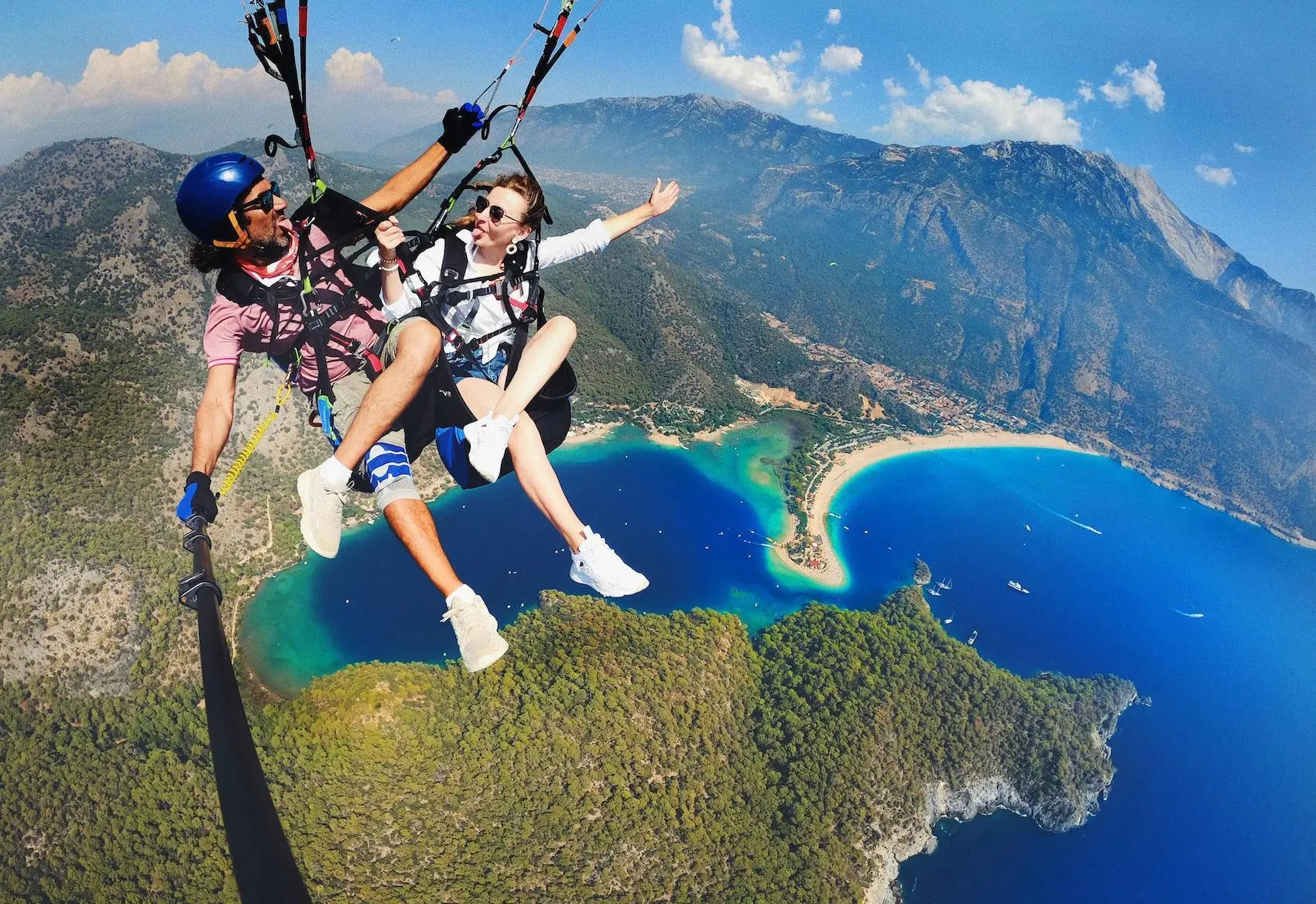
Key Attractions: Famous for Ölüdeniz, the world-renowned Blue Lagoon, and Babadağ Mountain, a premier paragliding destination.
Outdoor Adventure: Serves as the western starting point for the Lycian Way, a 540-kilometre long-distance hiking trail, and a primary launch point for Blue Cruise gulet yacht tours.
Name Origin: Formerly known as Makri (and ancient Telmessos), it was renamed in 1934 to honour Fethi Bey, one of Turkey's pioneering military pilots.
Climate and Economy: It has a Mediterranean climate with hot, dry summers and mild, rainy winters; tourism, agriculture, and a large community of resident European expatriates largely drive its modern economy.
More Information About the Region
1: The Background Story and Fethi Bey
Although history shows the region prospered from the 5th century B.C. onward, today’s architecture and monuments reflect a kaleidoscope of rulers. For instance, the Amyntas rock tomb is the finest example of Lycian monuments. Telmessos had a bright past as part of several empires, including the Delian League, the Persian Empire, Macedonia, the Roman Empire, and Byzantium, before becoming part of the Ottoman Empire in the 15th century and receiving the new name Makri. After a population exchange in the 1920s, the city received another name, in honour of Fethi Bey, an Ottoman air force pilot who died on a flight from Istanbul to Cairo.
2: Getting To the Turquoise Coast
Most tourists arrive by air at Dalaman airport (DLM), an hour away, and road travel is easy thanks to the main D400 highway, which runs east to west across Turkey. In the centre, a fantastic bus station offers regular routes to other cities, towns, and villages.
Otherwise, a ferry service from Rhodes runs in summer so you can island-hop for Greek inspiration. Lastly, ultramodern marinas are where yacht and boat owners’ book short- and long-term berths, but if you are coming from another country, head to Ece Saray marina. This official entry point handles all the paperwork.
3: Shopping, Nightlife, and Eating Out
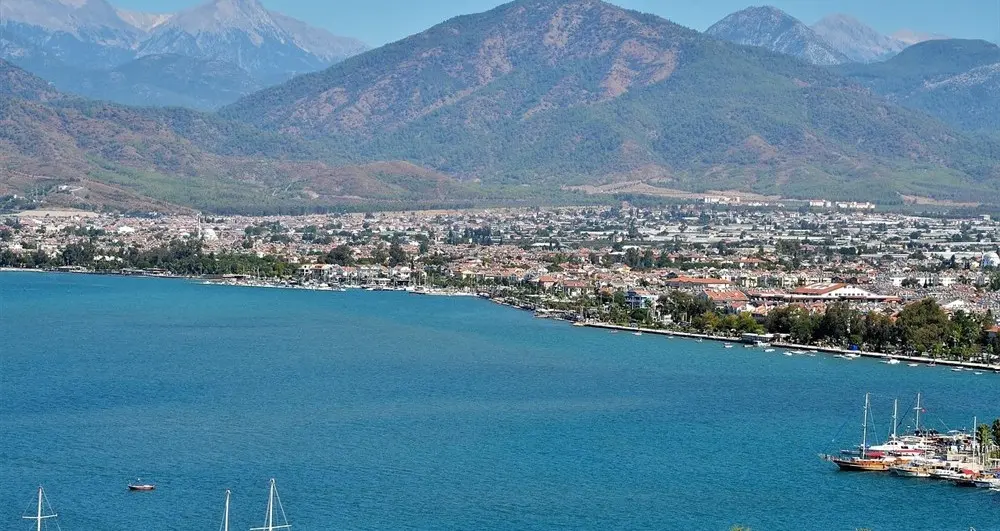
For everything and anything in one place, shop in Fethiye town centre. Families like Erasta Shopping Mall near the central bus station because you get food, kids' entertainment, and a vast choice of shops under one roof. Smaller resorts also have plenty of shops, especially for souvenirs, jewellery, and clothing.
Restaurant types include alfresco and seaside dining, alongside sit-down, family-friendly bars. We personally love upmarket restaurants near Fethiye Marina for their exceptional dining menus. Also walk down the vibrant Fethiye Kordon or Fethiye Sahil, shop along Çarşı Cd or the old town's Eski Cami neighbourhood and taste an authentic Kebab.
Fresh fish and seafood lovers should visit the Fethiye fish market. Budget travellers can try Turkish lokantas, which sell a full plate of delicious Turkish food for next to nothing. Visitors also enjoy high-quality dining at luxurious restaurants like Hillside Beach Club. Lastly, discover the charm of the old town of Paspatur, with busy roads like Çarşı Cd, and sip coffee at Keçi Coffee Roastery.
4: Using Local Transport
An ideal way to get around is by dolmus buses. Seating 20 people, they are frequent, cheap, and run between the centre and all resorts. To go further afield to other places in Turkey, catch large 42-seater buses from Fethiye main bus centre.
Only use licensed and yellow taxis, which you can call to your hotel, home, or catch from designated taxi ranks on corners of main streets. Otherwise, Dalaman Airport and local shops sell daily car hire, so use the D400 road to visit nearby resorts like Kas, Kalkan, and Marmaris. Also catch the water taxi to Calis or Solvaye Island, or from Oludeniz to Butterfly Valley.
5: Offshore Islands and the 12-island Boat Trip
The classic 12-Island Boat Trip departs daily from the main harbour in the morning, taking passengers past pine-clad coastlines to highlights such as Red Island for its iron-rich reddish soils, Flat Island (Yassıca Islands) with its lagoon pools for wading, and Domuz Island. Other frequent stops include Cleopatra's Bath (Hamam Bay), where submerged ancient ruins allow you to swim directly over history, and Tersane Island, which features an old Ottoman-era shipyard.
6: Beaches in the Area
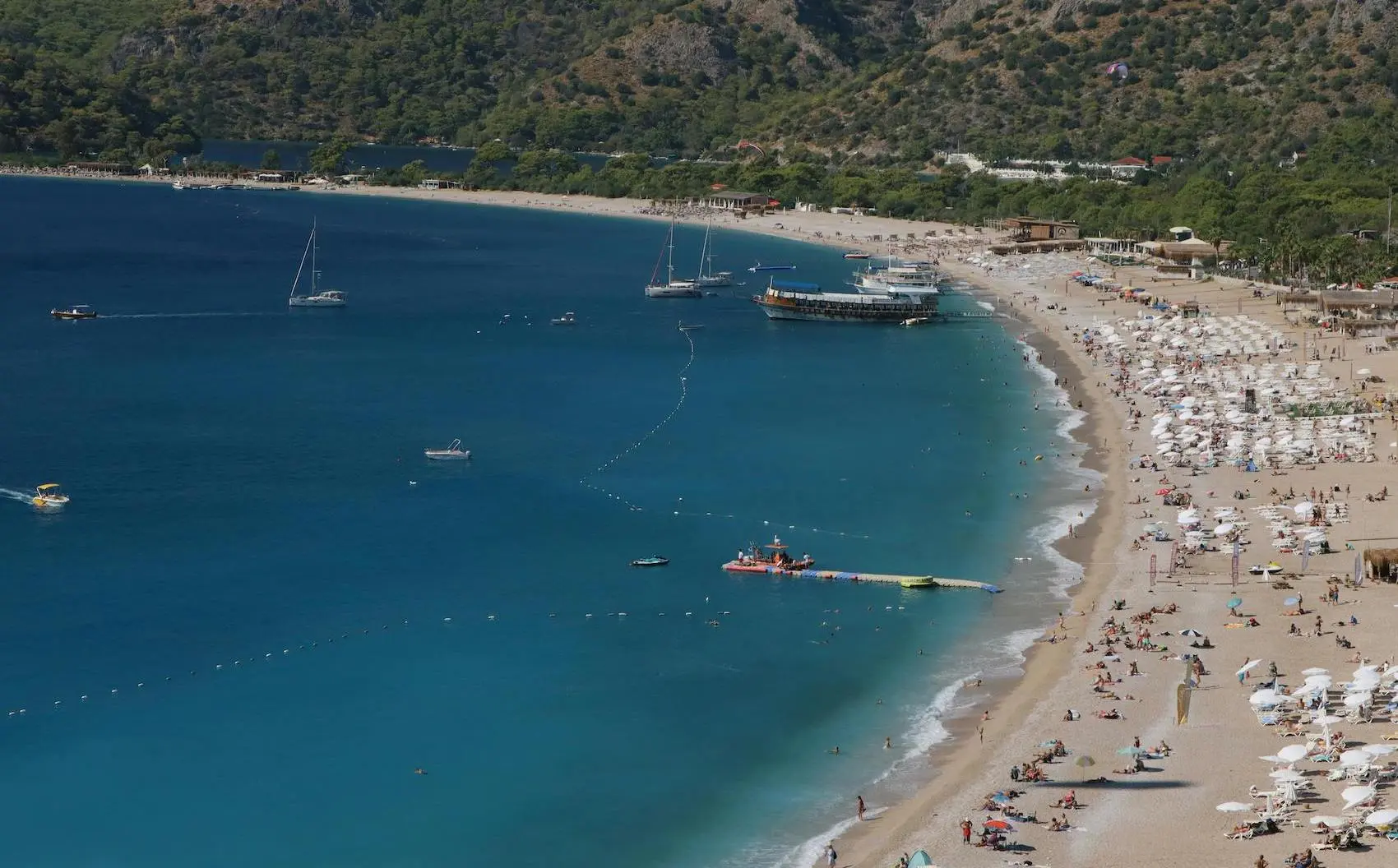
Oludeniz Beach is globally renowned for its postcard-perfect scenery. It splits into Belcekız Beach, where tandem paragliders routinely land from nearby Mount Babadag. Then the tranquil Kumburnu Nature Park (the Blue Lagoon), where waveless waters sit inside a sheltered sand spit.
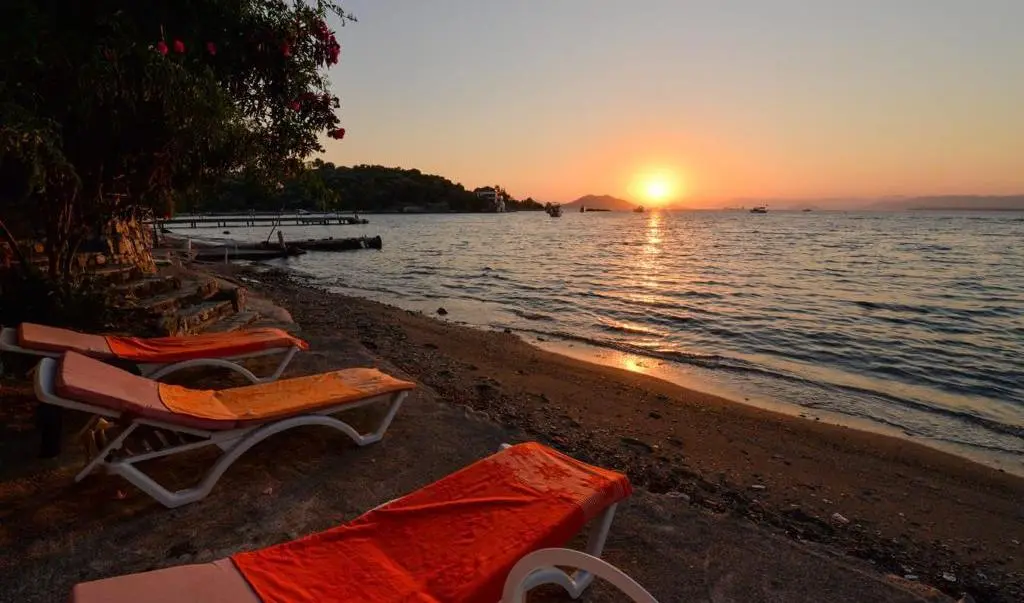
In contrast, Çalış Beach sits along the main town area, stretching roughly 4 kilometres northwest of the city centre. It features restaurants and cafes lining the strip, and the best location to watch the sun set over Sovalye Island. To venture further south, spots like Kıdrak Bay (just past Ölüdeniz) and Kabak Bay offer quieter, alternatives for nature lovers and campers. There are islands off the coast, such as Kizilada Island, as well as other rock-paving areas.
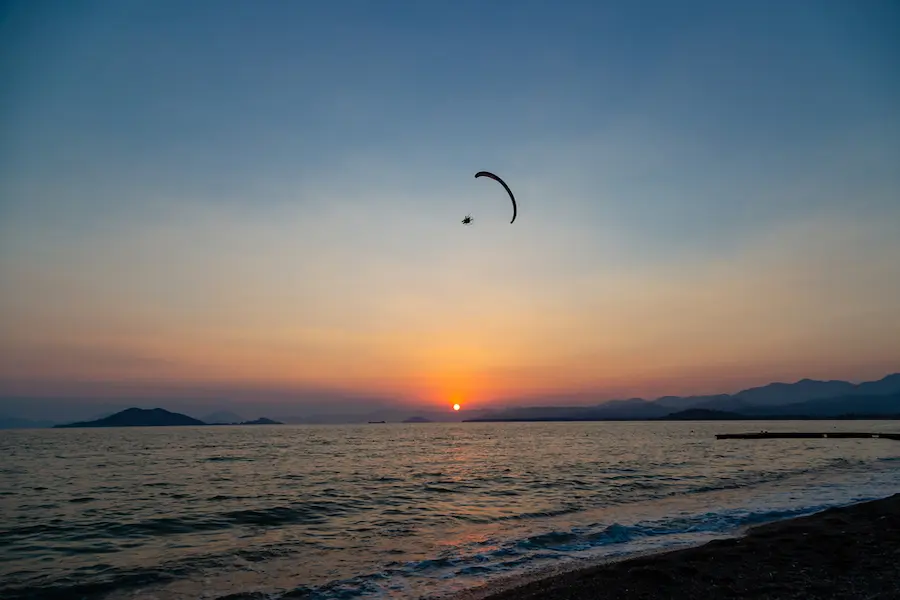
7: Sailing Around the Turkish Mediterranean
This premier position on the prestigious Turkish Riviera makes it a primary hub and undisputed leader in traditional Blue Voyage (Mavi Yolculuk) cruises. The sailing industry centres on classic, hand-crafted Turkish wooden gulets, offering everything from shared cabin charters for solo travellers and small groups looking to meet others while island-hopping to destinations like Olympos or Antalya to fully crewed private yacht hires tailored for families or luxury seekers. Just a short distance northwest lies Göcek, an upscale coastal area nestled on the outskirts of the Gulf of Fethiye that functions as another crown jewel of the maritime scene.
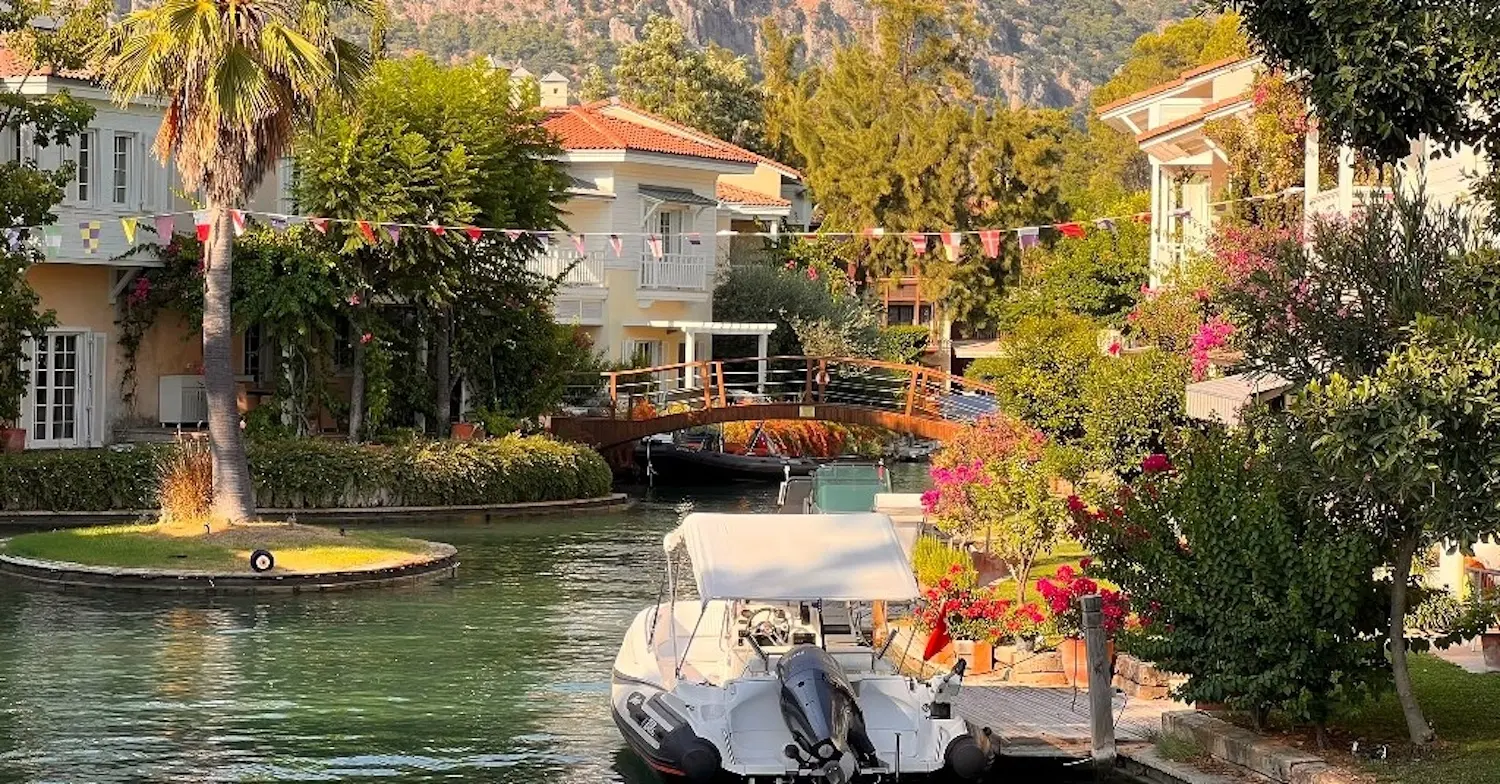
8: Things to Do on Family Holidays
- Launch a tandem flight from Mount Babadag, globally celebrated for paragliding.
- Step aboard traditional Turkish wooden boats from the natural harbour for Blue Voyage Cruises around Red Island or drop anchor near Gemiler Island – historically tied to early Christian heritage and legends of the Virgin Mary.
- Take a boat taxi down to Butterfly Valley or unwind on the quieter shores of Kabak Beach / Kabak Koyu, Aksazlar, and Çalış Beach.
- Head inland along the winding D400 road to Saklikent Gorge inside Saklikent National Park. Wade through the towering canyon walls, cool off at Gizlikent Waterfall, or eat lunch amidst the trout pools and greenery of Yakapark.
9: Historical Sites and Archaeological Wonders
- Inspect the magnificent cliffside Lycian tombs, including the grand Tombs of the Kings and Amyntas, scattered Lycian sarcophagi, and massive rock walls.
- Visit the restored theatre (combining Hellenistic theatre and Roman amphitheatre styles), view artefacts at the Fethiye Museum, built alongside the Rhodes Knights.
- Take day trips to discover other Lycian sites, including Tlos, Xanthos, Letoon, and Cadianda, or journey further afield to Pamukkale and Hierapolis.
- Experience Roman and Byzantine times in Ephesus and the Temple of Artemis; or explore the river-carved tombs of Kaunos Ruins and Dalyan.
10: Areas of the Fethiye Region
Fethiye Town Centre: The town is now a major player and centre of excellence for sailing. The excellent marina reflects expertise and is the modern heart of daily life. For nostalgic traces of bygone days and past civilisations, stroll around the harbour, Paspatur, the small amphitheatre and tour the Lycian rock tombs.
Çalış Beach: Also called Calis, this small resort attracts package holiday tourists and is home to several expat communities. The long beach and promenade, with hotels, bars, and restaurants, drive Calis Beach's success.
Oludeniz: The scenic town is clean and easy to get about. As you approach Oludeniz from the backing hillside, you will get an idea of just how beautiful it is.
Hisaronu: The ideal holiday destination, garnering favour with British holidaymakers and expats. However, its success was accidental. As package holidays took off, demand for Oludeniz went wild, but they couldn't build hotels because they lacked land. Hence, they built in Hisaronu instead.
Ovacik: Like Hisaronu, Ovacik is set back from the coastline, at the foot of the Babadag mountain, but a quick bus ride takes you to the Oludeniz promenade. Ovacik is lower-key than Hisaronu, but both sit at higher elevations, with gentle breezes that help ease the summer heat.
Uzumlu: Mainstream holiday companies stay away from the mountain resort of Uzumlu, but the small village easily attracts expats and independent travellers. Many foreigners bought villas in the Uzumlu region, just because it offers excellent prices per square metre.
Gocek: A key point on the Turkish Riviera, Gocek offers an upmarket lifestyle full of decadence and indulgence. Called Kalimche in old times, the beaches are nothing to boast about, but spectacular coves, islands and bays sit just off the coastline.
Kayakoy: This abandoned ghost village might seem like the weirdest place in Turkey, yet it attracts thousands and has a small community of Turks and expats. People looking to buy authentic stone cottages for renovation or a quiet, rural lifestyle, often go to Kayakoy.
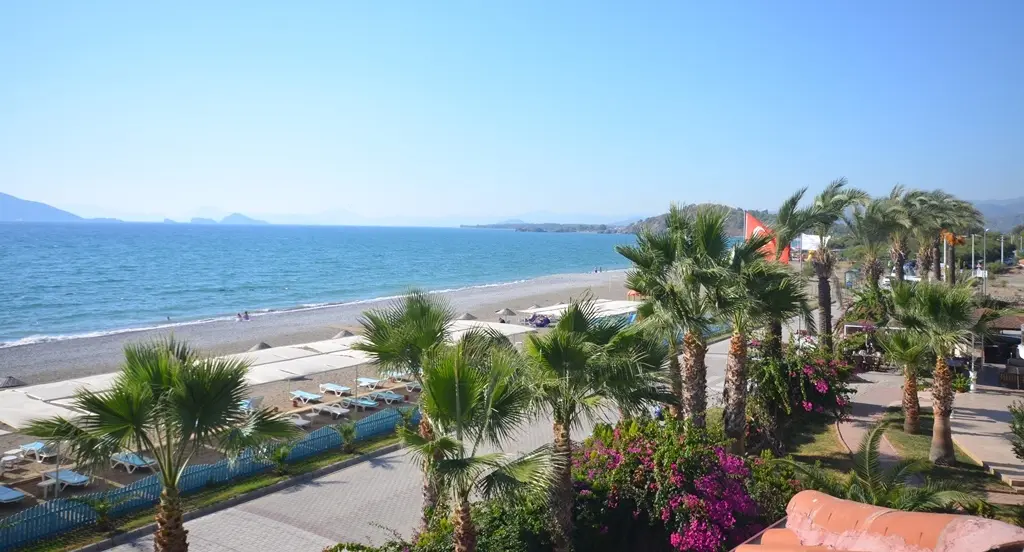
11: Living and Buying Property
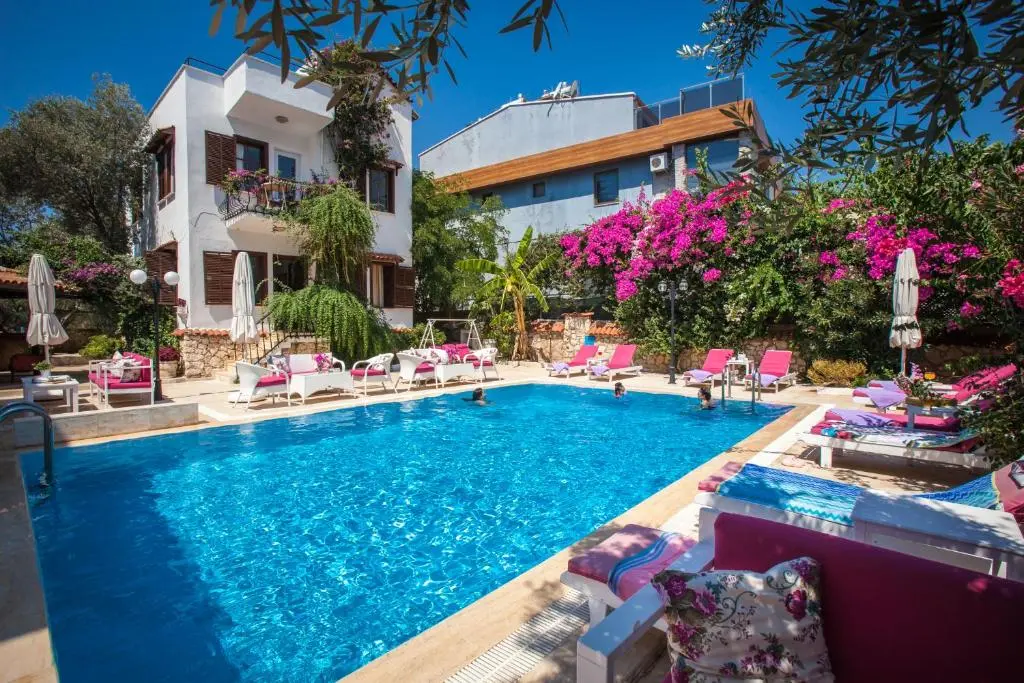
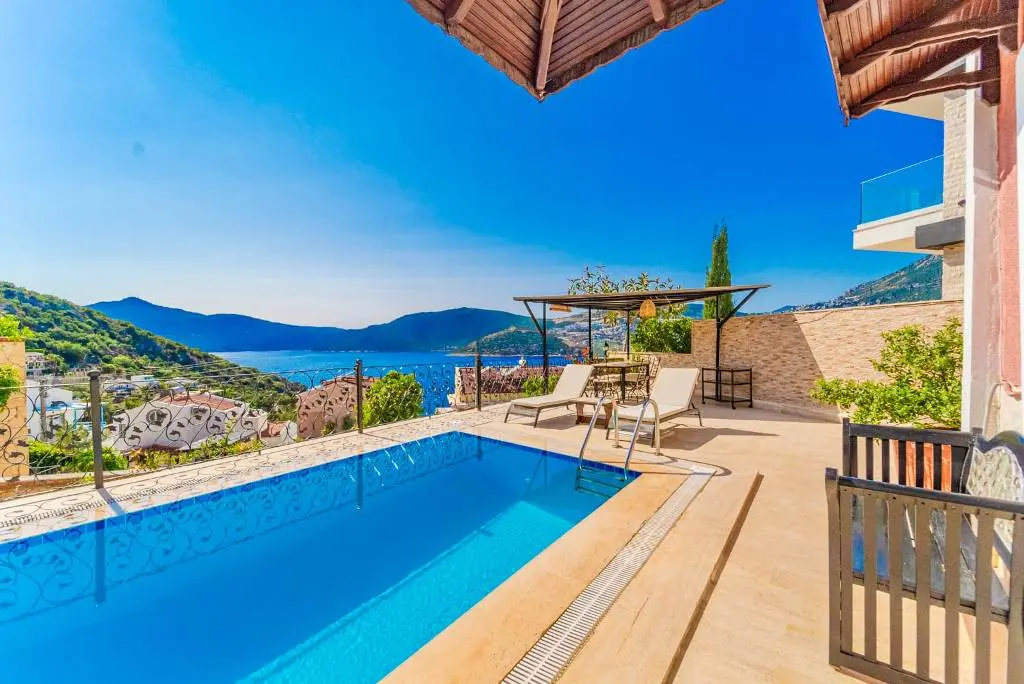
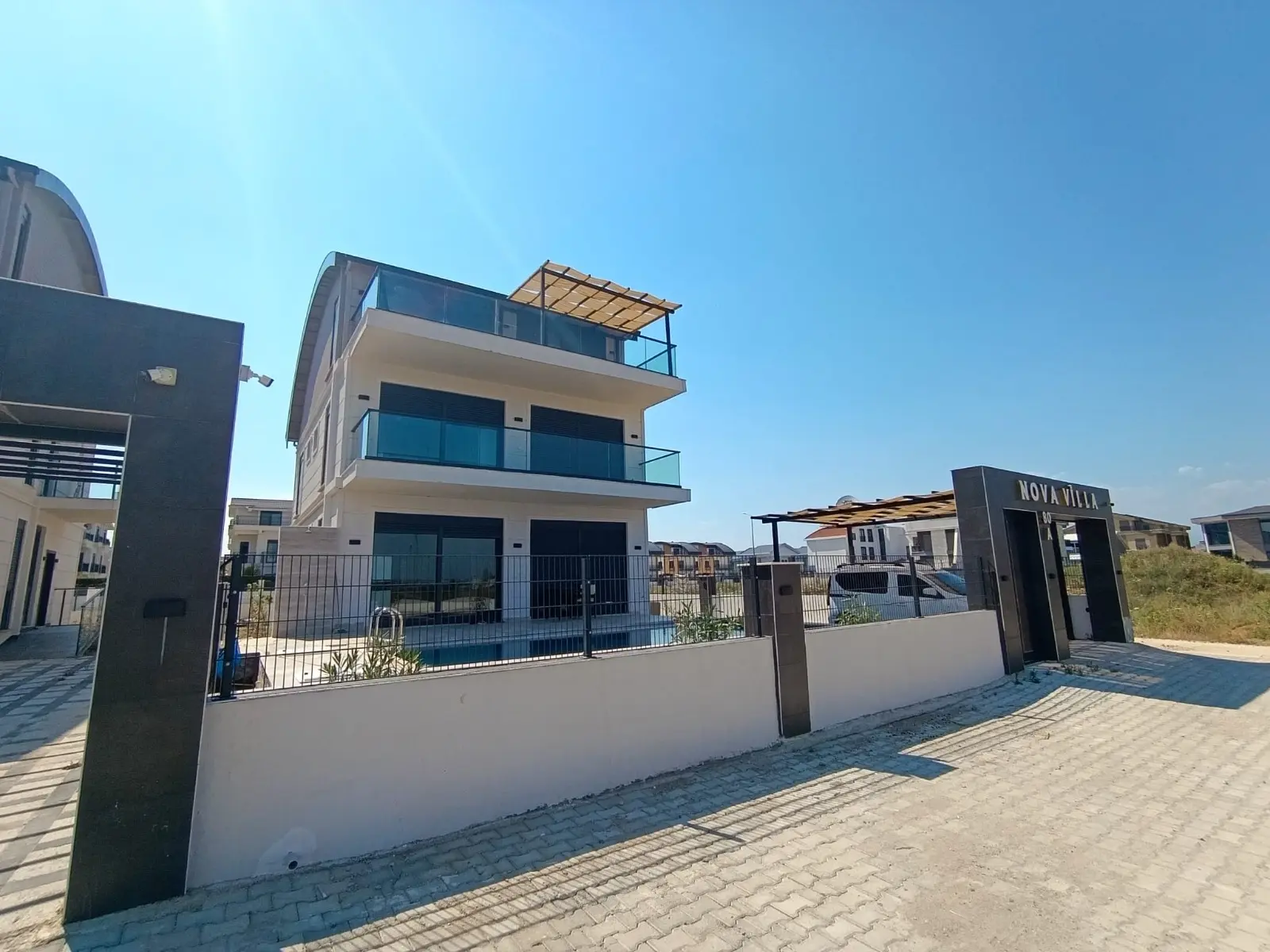
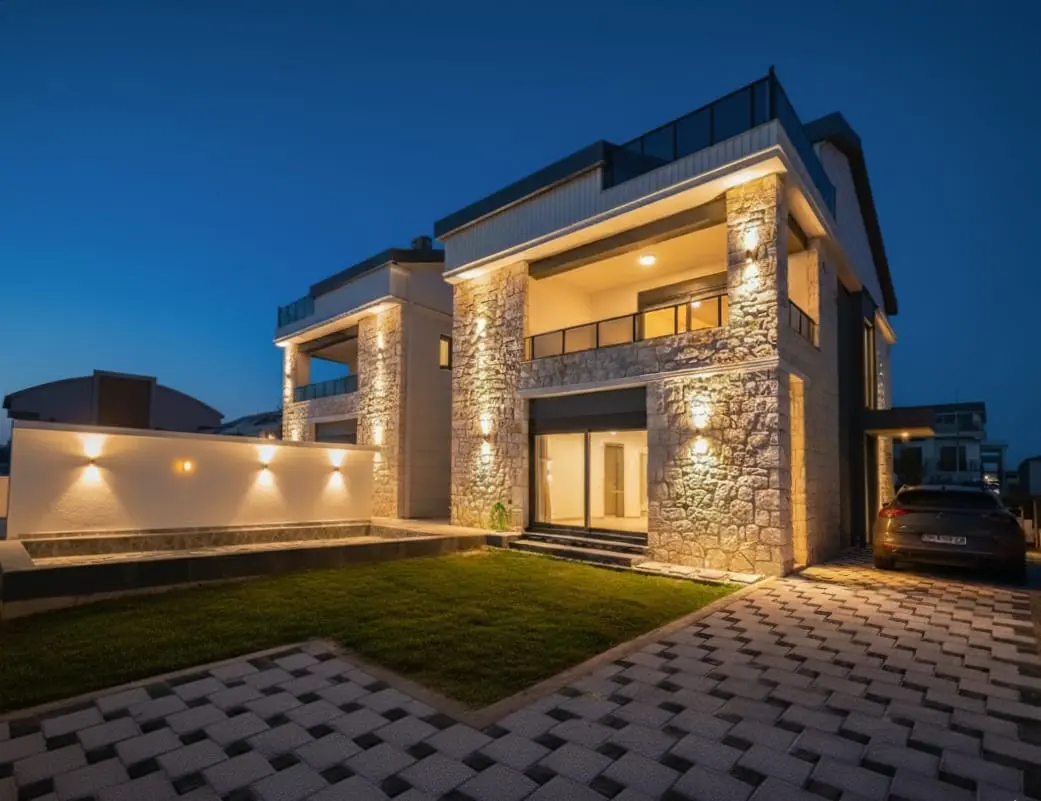
The healthy seaside diet and climate attract many, and its excellent property prices are a bonus. Alongside low-priced apartments and luxury villas, the portfolio includes off-plan, new-build, and resale homes. Explore our portfolio here, or contact us today by email, telephone, or by dropping into one of our regional offices to speak with knowledgeable sales consultants about investing in the Turkish real estate market.
FAQs: The Fethiye Region of Turkey
Q: Is Fethiye a nice part of Turkey?
A: Yes, Fethiye is one of the nicest parts of the country. Tucked into a natural harbour on Turkey's southwestern coast, the area blends natural landscapes with ancient history. The turquoise-blue waters, pine-forested mountains, Ölüdeniz Blue Lagoon and Butterfly Valley are hard to ignore. Whether you want to lounge on pristine beaches, hike the historic Lycian Way, explore cliffside Lycian rock tombs, or sail around hidden islands, the laid-back vibes suit adventure seekers and relaxation lovers.
Q: Which airport is near Fethiye, Turkey?
A: Use Dalaman Airport, about 45 kilometres (28 miles) northwest of Fethiye Town. The drive or shuttle ride takes roughly 40 to 50 minutes. Antalya Airport (AYT) is a 3-hour drive away (200 km), and Milas-Bodrum Airport (BJV) is roughly a 3.5-hour drive away (240 km), though Dalaman remains the most convenient entry point.
Q: Is it safe to travel to Fethiye?
A: Yes, Fethiye is very safe for travellers, including solo and family tourists. Major security concerns in Turkey tend to be far from coastal tourism hubs, which helps keep the area peaceful and secure.
Q: What is the best time to visit Fethiye?
A: The best time is from May to June or September to October. These months offer the sweet spot. Daytime temperatures hover comfortably between 24°C and 30°C (75°F and 86°F), the Mediterranean Sea is warm enough for swimming, and there are fewer crowds than in mid-summer. Spring (April to May) is ideal to hike the Lycian Way amid blooming wildflowers.
Nezir Can  Operations Manager
Nezir 'Nez' Can is Operations Manager at Property Turkey and a contributor on Turkish culture, lifestyle, and everyday life across the country. Since joining the company, he has helped international readers better understand what it is like to live, work, and settle in Turkey.
View full author profile →




 By:
By:
 Istanbul
  2
2  2
2 







 X
X