When global investors look at the greatest cities in the world through the eye of areas that have undergone urban reinvention and regeneration – a similar pattern emerges in every single one of them. History shows that neglected, centrally located districts will first become home to creatives, and then, over a period of 20 to 30 years, transform into some of the most desirable addresses to live in, and to purchase real estate in.
This pattern has been seen throughout the world – from London, to New York, to Paris, and now to Istanbul in the Bomonti neigbourhood. Central areas and neighbourhoods where local culture, streetscape, nightlife, and architecture converge as one will eventually become incredibly popular. In this article, we take a look at international areas and districts that embody this trajectory; evaluating what happened and how it affected real estate performance.
Four Star Districts: Past, Present, Future
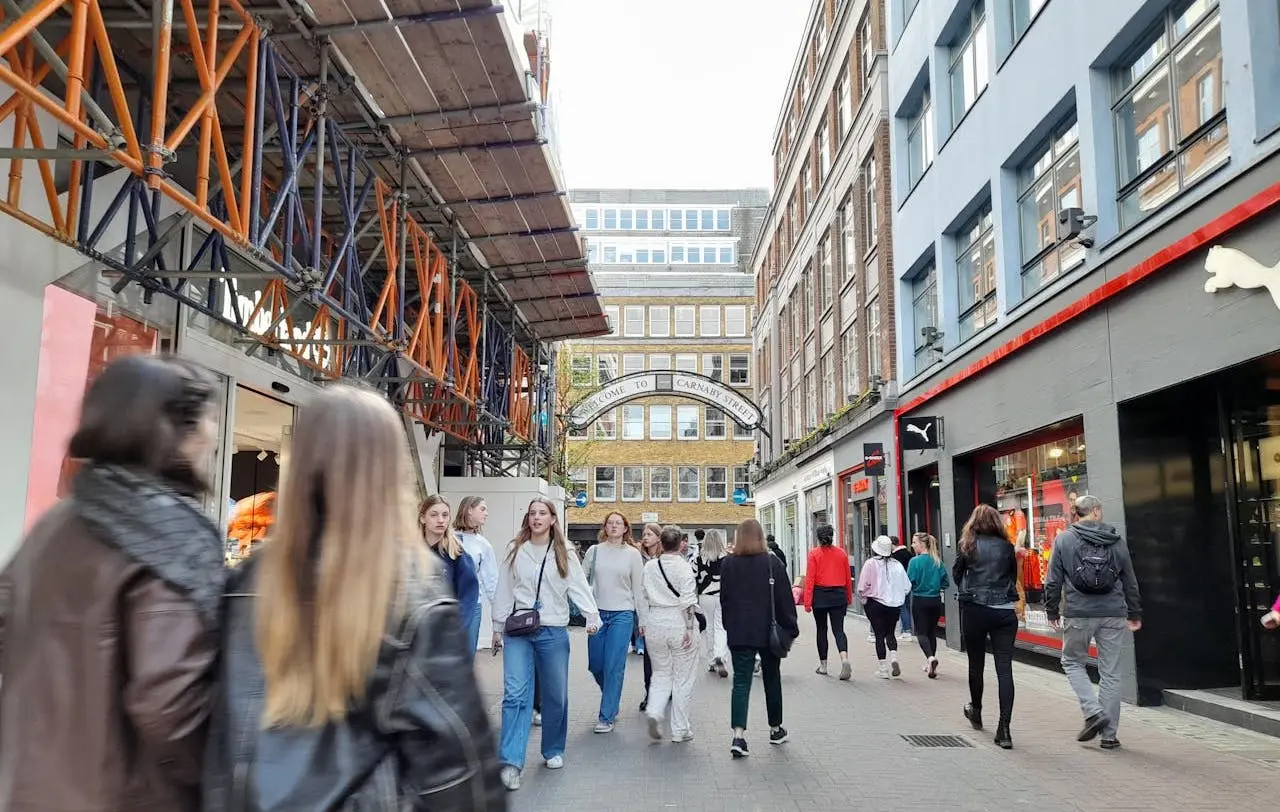
1. London: Soho / West End (Soho-Fitzrovia)
- History and Transformation: Originally an aristocratic suburb of London, in the 20th century, Soho became associated with the red-light district, nightlife, media, and music. However, from the 1980’s onwards, Soho has steadily gentrified into one of the most sought-after parts of central London. Theatre, media businesses, boutique restaurants, and luxury retail options have all moved in. High levels of redevelopment over the past 30 years has also seen the construction of premium offices and ultra-high-end residential conversions and apartments.
- Social / Cultural / Hip Factor Today: Today, Soho is one of London’s most vibrant areas – a core part of what makes the city so popular and a must-see for any tourist visiting the UK. Soho is home to internationally known theatres, nightclubs, media houses, creative agencies, dining, live music, and a strong LGBTQ+ scene on Old Compton Street. It is no longer edgy, underground, or illicit – it enjoys a high status as one of the creative hearts of London.
- Future (5 to 10 years): Looking at the investment environment of Soho, the next five to ten years could see steady value recovery and modest growth in prime areas and streets. Due to supply constraints and low numbers of available properties, the area will continue to enjoy a high level of prestige and popularity amongst the city’s renters. 2% to 5% per annum real growth is realistic – especially if global appeal for prime central London returns.
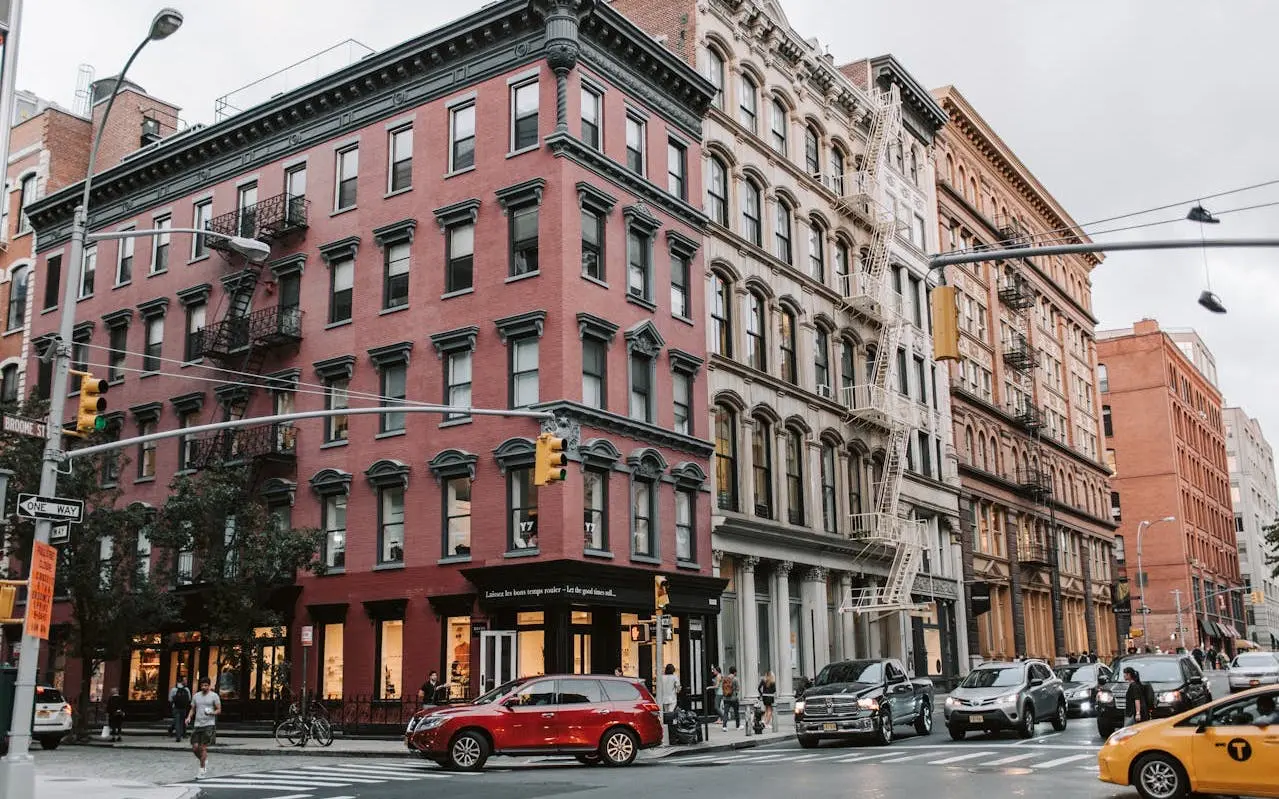
2. New York: SoHo and Manhattan
- History and Transformation: SoHo (South of Houston Street) was once an industrial area, home to the city’s textile factories, lofts, and manufacturing businesses in New York. It has enjoyed one of the most distinctive urban evolutions in the United States. Throughout the 1960’s and 1970’s, artists and creatives began converting affordable lofts into studios as industry declined. During the 1980’s and early 2000’s, it transformed further into gallery row with several boutique fashion stores and luxury Manhattan residences.
- Social / Cultural / Hip Factor Today: Today, SoHo retains its iconic global brand. Its cast-iron architecture and streets create one of the most recognisable backdrops in New York City. With flagship fashion stores, galleries, hotels, and restaurants – it effortlessly blends cultural history with modern prestige. Whilst its development may have priced out the bohemian artists that made it popular in the first place, it continues to attract international visitors, wealthy real estate buyers, and global brands.
- Future (5 to 10 years): SoHo’s market is defined by its low levels of supply and high levels of enduring global prestige and demand. Stringent preservation rules mean that new developments are incredibly rare. Over the next five to ten years, investors can expect to see stable, low-digit growth of 2% to 4% per annum. As one of Manhattan’s trophy addresses, SoHo will see capital preservation rather than speculative growth.
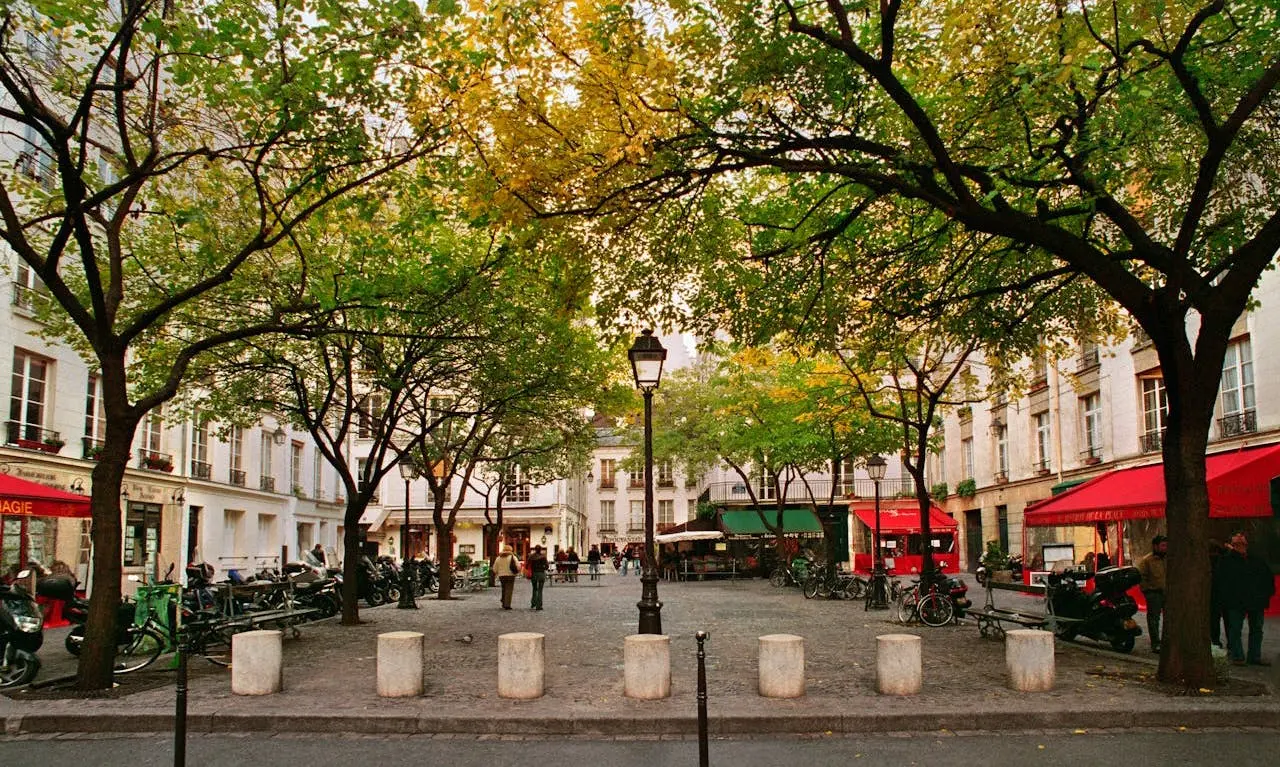
3. Paris: Le Marais (3rd / 4th Arrondissements)
- History and Transformation: Stretching across the 3rd and 4th arrondissements of Paris, Le Marais is one of the city’s most historic neighbourhoods. Following the French Revolution, Le Marais declined into a working-class area with artisan workshops and immigrant communities. Its revival came in the late 20th century – becoming a magnet for artists, designers, boutique stores, and charming cafes. Old buildings were restored, and medieval streets transformed into the centre of creativity and Parisian chic.
- Social / Cultural / Hip Factor Today: Modern Le Marais is Paris’s style and creativity capital. Its streets are lined with fashion concept stores, art galleries, boutique cafes, Michelin-starred restaurants, and landmarks such as the Picasso Museum – attracting millions of tourists every year. The neighbourhood is also known as the centre of LGBTQ+ culture in Paris, especially in areas close to Rue des Archives and Rue Vieille du Temple. Blending heritage tourism with modern prestige, it has a unique status both nationally and internationally.
- Future (5 to 10 years): Le Marais will remain one of the most robust and desired property investment locations of Paris. Strict regulations affecting development ensures that high levels of demand outstrip supply. Growth will be incremental but reliable – annual appreciation in prime areas is expected to reach 3% to 5%. Importantly, excellent capital preservation as a timeless global brand, makes it one of the most secure luxury real estate sectors in Europe.
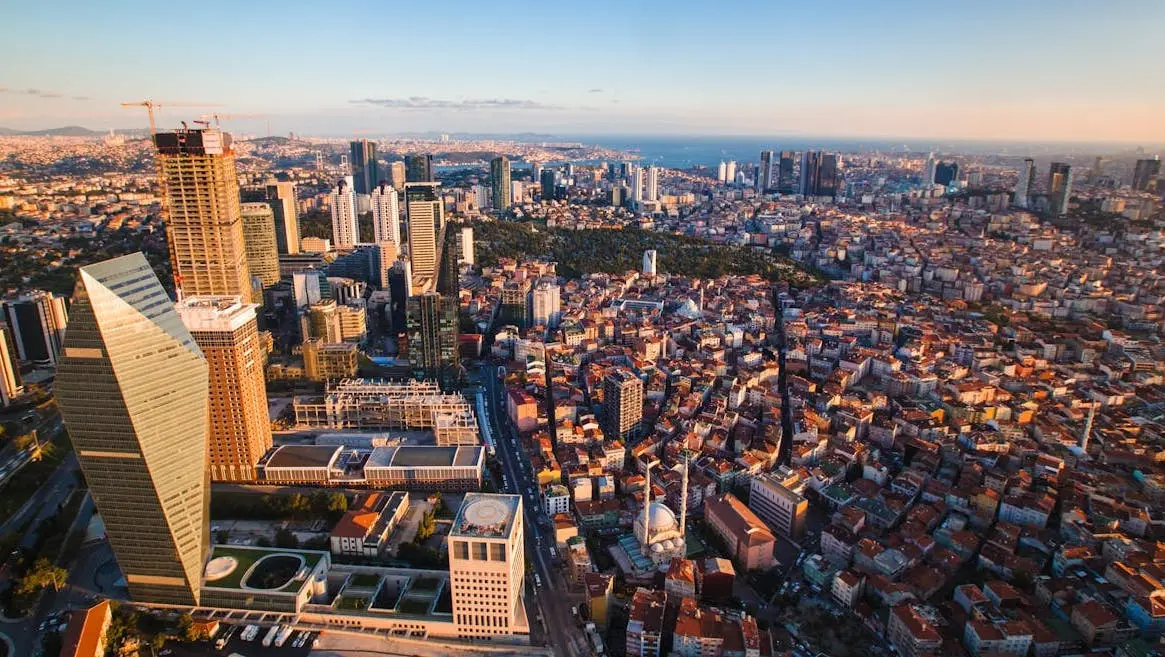
4. Istanbul: Bomonti (Şişli District)
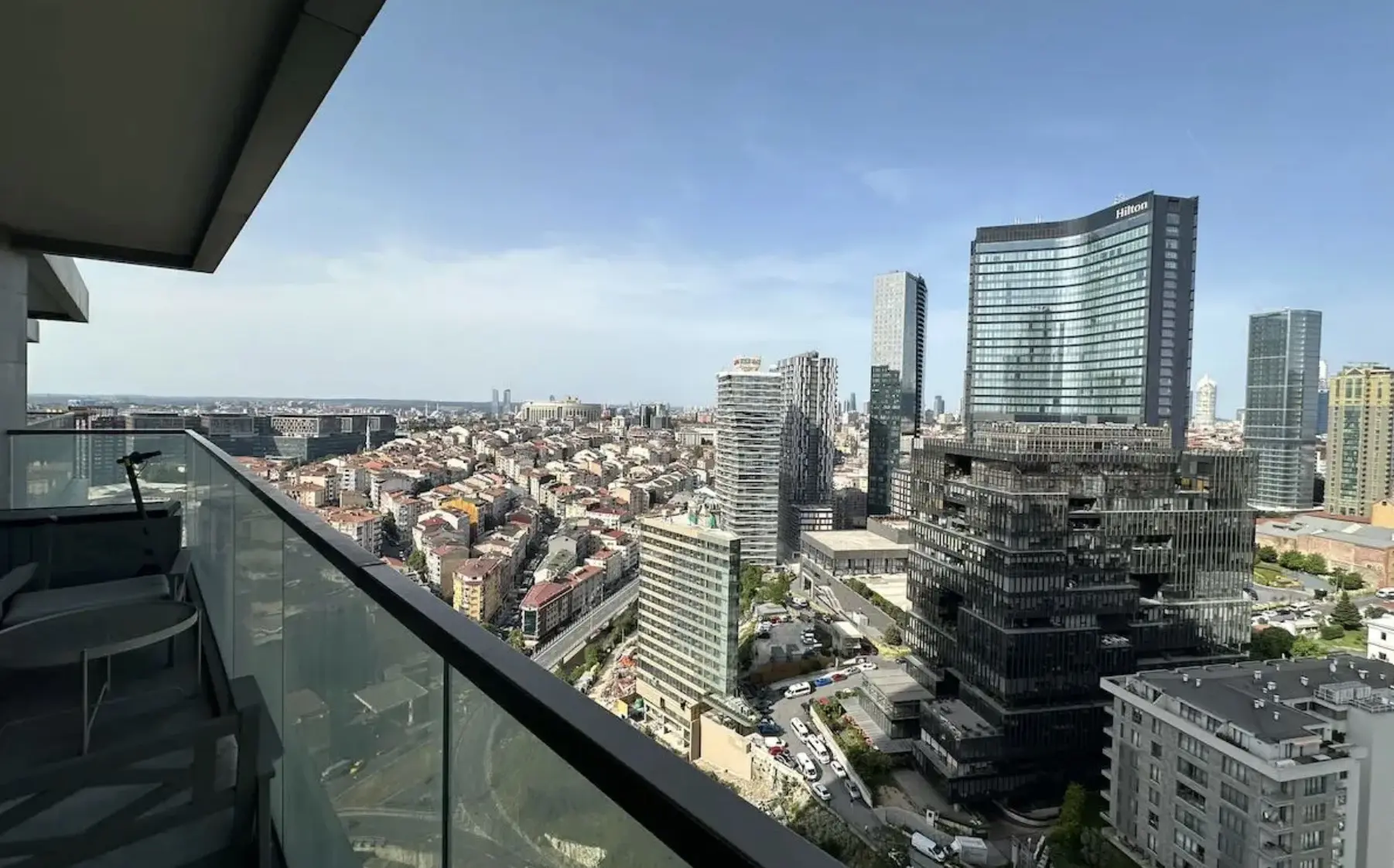
- History and Transformation: Located in central Şişli, Bomonti’s history is rooted in industry – known in the 20th century as the home of the Bomonti Brewery. As Istanbul expanded, factories and warehouses in Bomonti fell into a sharp decline. In the early 2000’s, pioneering developers saw its potential. Bomonti Brewery was converted into Bomontiada, a complex with restaurants, bars, galleries, and live music. Since then, new residential apartment blocks, office spaces, and hotels have redefined Bomonti as one of the most promising neighbourhoods in the city – compared to the early regeneration of London’s Shoreditch or New York’s Meatpacking District.
- Social / Cultural / Hip Factor Today: With a mix of creative agencies, co-working spaces, boutique restaurants, cultural venues, and young professionals moving in, Bomonti is emerging as one of Istanbul’s next great lifestyle and investment neighbourhoods. Bomontiada has become a thriving destination in its own right – attracting artistic energy and nightlife, while the established districts of Nişantaşı and Taksim are just a few minutes away. Essentially, Bomonti is becoming a central residential and creative hub for Istanbul’s next generation.
- Future (5 to 10 years): Still at the start of its growth trajectory, Bomonti is one of Istanbul’s most exciting investment stories. With a prime location close to Şişli, Nişantaşı, and Taksim, coupled with relative affordability, its demand is only set to rise. Lots of new-build projects and residential apartment buildings attract domestic and international investors. Over the next five to ten years, returns from Bomonti investments are likely to outperform other established districts with annual appreciation of 5% to 8% realistic.
Real Estate Values, Growth, and Rental Returns
City / Area
10-Year Price Growth
Current Rental Yields
London Soho
~18% to 32% growth (prime central cluster)
3% to 4% gross
NYC SoHo
~30% to 40% growth (prime Manhattan index)
4% to 5% gross
Paris Le Marais
~25% to 30% growth (decade appreciation)
4% to 5% gross
Istanbul Bomonti
Double-digit YoY in nominal terms (inflation caveats)
6% to 8% gross
NOTE: Gross yields are before costs as that varies by property and location.
- London / Paris: These cities offer stable, low-yield returns in high-prestige markets.
- NYC: Offers stronger absolute appreciation and better liquidity than London or Paris.
- Demographic Match: Bomonti attracts Istanbul’s graduate professionals, city centre workers, creatives, and couples with high levels of disposable income. This segment is looking for modern apartments that can be easily managed – they are not looking for large suburban houses.
- Lifestyle Match: The lifestyle that renters will find in Bomonti matches their ambitions. Every corner of Bomonti is lined with popular restaurants, boutique cafes, small shops, cultural venues, and things to do. This lifestyle match helps to sustain long-term value growth.
- Liquidity and Affordability: Investors typically look to buy one- or two-bedroom apartments in Bomonti. These units hit the right spot of affordability, with more buyers being able to purchase with mortgages – creating strong resale and rental demand amongst residents.
- Annual Rental Returns: Strategic new build apartments are easier to rent, either on a long-term or short-term basis. Long-term professionals or short-term expats and Airbnb ensure high and consistent yields. Investors can expect 5% to 7% net yield depending on unit type.
- High Capital Growth:Istanbul’s real estate prices are continuing to rise strongly in nominal terms. Prime Bomonti properties have the potential to appreciate in value by at least 40% to 60% within the next five years.
- Easy Exit Strategy: Properties within the $200,000 USD to $400,000 USD segment in Bomonti are sold fast. Investors in Bomonti who want to exit the market will find liquidity is strong with local buyers, expats, and global investors overlapping.
Bomonti Target Purchase Prices to Maximise ROI
Type
1-Bed Target Price
2-Bed Target Price
High-Rise Residences
~$300,000 USD (±10%)
~$400,000 USD (±10%)
Boutique Apartments
~$200,000 USD (±10%)
~$300,000 USD (±10%)
Why Invest at These Ranges?
- These purchase price ranges align with the mortgage budgets of young professionals in Istanbul, maximising overall interest.
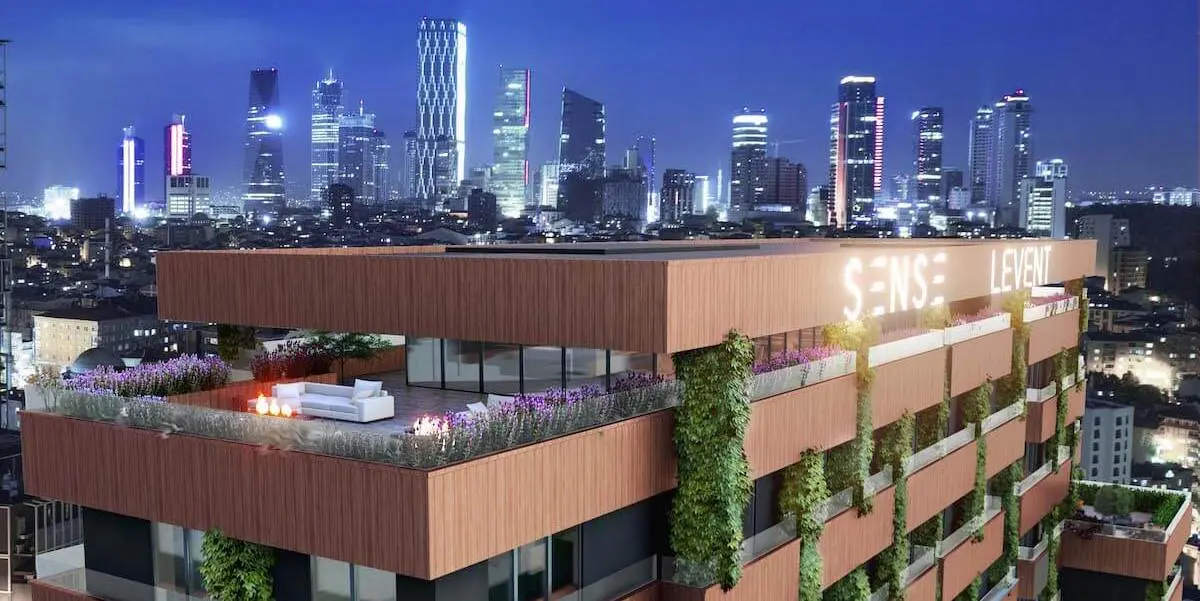
- High-rise residences from $300,000 USD to $400,000 USD command a premium with city views and building amenities available.
- One- and two-bedroom apartments offer the fastest appreciation over a 5-year timeline as affordability and high demand creates strong capital growth.
Property in Bomonti – Istanbul’s Opportunity
Istanbul’s Bomonti is what London’s Soho, New York’s SoHo, and Paris’ Le Marais districts were to international investors 20 years ago – an opportunity. While London, New York, and Paris are now mature, safe, global benchmarks offering modest growth and low yields, Bomonti is just starting on its upward trajectory curve.
Today, Bomonti is still highly accessible to strategic investors looking to buy one- or two-bedroom apartments in the $200,000 USD to $400,000 USD range – a range that is most likely to provide the strongest blend of high rental yield and property capital appreciation over the next five to ten years.
Nezir 'Nez' Can is Operations Manager at Property Turkey and a contributor on Turkish culture, lifestyle, and everyday life across the country. Since joining the company, he has helped international readers better understand what it is like to live, work, and settle in Turkey.




 By:
By:

 Operations Manager
 Kalkan
  2
2  2
2 







 X
X