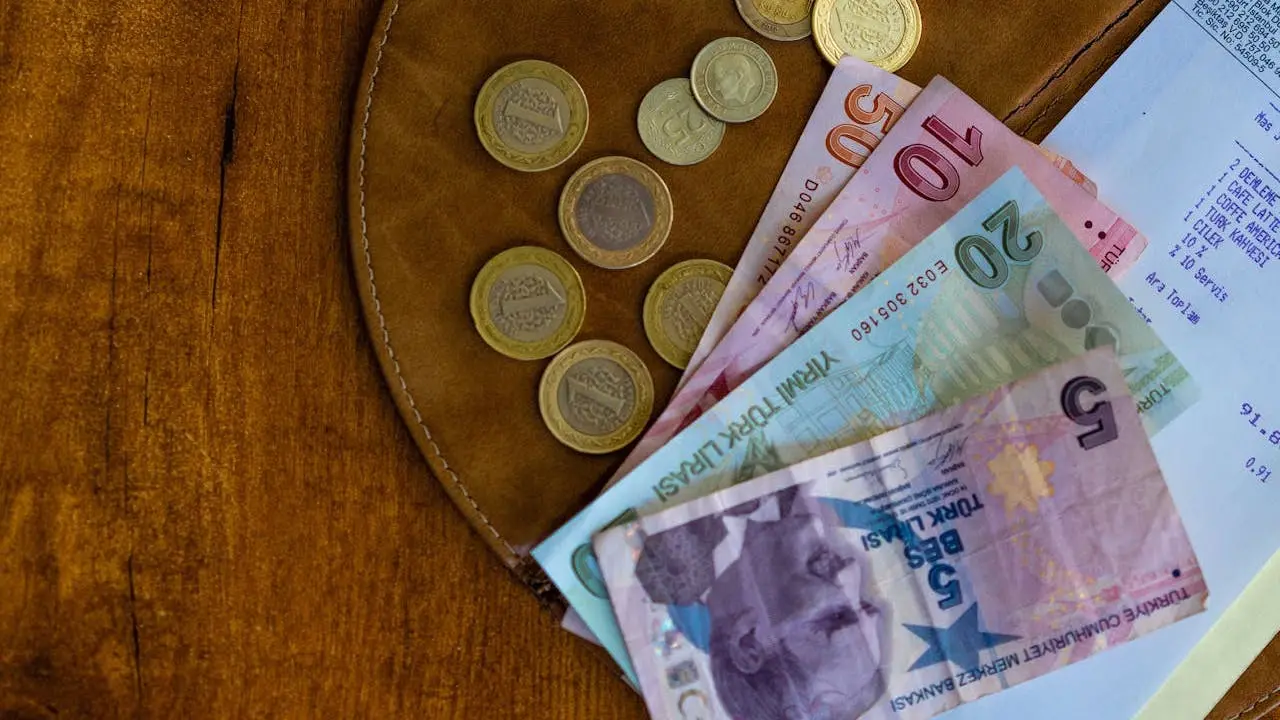
Imagine paying $700 USD per month for your apartment’s maintenance fees. That’s roughly 20,000 Turkish Lira in Istanbul – and is a stark illustration of Turkey’s recent cost-of-living crisis. Such eye-watering expenses have become increasingly common across the country’s largest city. Life in Turkey has been affected by a spike in inflation since COVID-19, sending prices of basic goods, services, and housing through the roof.
Turkey’s inflation didn’t climb gradually – it exploded. Annual consumer price inflation reached 85% in late 2022, the highest it had been for decades. Reasons for this included a series of unorthodox macroeconomic policies by the government from 2018 to 2023, along with global inflation after COVID-19.
During this period, the government pursued growth aggressively by cutting interest rates even as inflation increased – defying conventional global economic practices. The idea behind this was to stimulate domestic production and increase manufacturing capabilities by making borrowing costs cheap. Initially it worked, Turkey enjoyed 4 to 5 years of booming economic activity with property prices increasing and export volumes reaching record highs.
However, those gains came at a price. Cheap money and a weakening currency eventually led to overheating. By 2021, the Turkish Lira lost 44% of value in a year. By late 2022 Turkey had one of the highest inflation rates in the world. Residents saw household budgets squeeze with soaring costs of essential items, while local businesses faced rising prices and unstable exchange rates. Across the country, property maintenance fees, rents, and utility bills increased to absurd levels, showing the distortion between the Turkish economy and its citizens.
Policy U-Turn: Fighting Inflation with Record Interest Rates
By 2023, it was clear that the current trajectory of the Turkish economy was unsustainable. In May 2023, following an election, the government drastically changed its economic policy. President Erdoğan appointed a new team including Finance Minister Mehmet Şimşek and Central Bank Governor Hafize Gaye Erkan – and critically, returned to orthodox policy.
Following the election, the Central Bank started an 18-month tightening period, including the raising of its benchmark interest rate from 8.5% to 50%. This orthodox measure was intended to combat high inflation in Turkey, and to restore local as well as international investor confidence in Turkish markets.
The immediate impact of this was a painful economic cooldown. The costs of borrowing surged and made credit expensive and inaccessible for most citizens. This saw consumer spending and the real estate market grind to a halt as Turkey experienced one of its slowest periods of growth in decades.
Companies that relied on cheap and accessible loans had to tighten costs. Turkish exporters who benefited from a cheap Lira saw rising production costs that affected their global competitiveness. The medicine to combat inflation, even though it was necessary, had side effects including: a brief recessionary climate, rising unemployment levels, and a hard adjustment period for local businesses.
Early Signs of Stabilisation and Hope
By late 2024, Turkey began to see light at the end of the tunnel. While still being high, inflation had dropped from a peak of over 80% in 2022 to 47% by November 2024. By mid 2025, inflation was hovering in the mid-30s percentagewise, and less than half of what it was in 2022.
This trend of disinflation is a vital sign that the worst of pricing instability is over. Confident that inflation is on a downward path, the Central Bank began to cautiously ease interest rates in December 2024, cutting the key rate from 50% to 47.5% – the first cut in two years. The rate was cut again in early 2025 to 45% and again to 42.5% after inflation fell to below 40%. More gradual rate cuts are expected as long as inflation keeps easing.
What Does This Mean for Turkish Real Estate?
A symbol of Turkey’s asset markets and economic health, the real estate sector has started stirring back to life. Sales from 2023 to 2024 were sluggish as buyers and sellers struggled to agree on values in an unstable economy. High mortgage rates priced out many would-be buyers and first-time buyers. However, as inflation eases and interest rates peak, pent-up demand is set to be released into the market and buyers are returning.
Turkish property sales have also increased. Data shows that total home sales in 2024 increased by 20.6% when compared to 2023. This was especially evident at the end of the year when a rate cut by the government boosted local market confidence. In December 2024 alone, house sales in Turkey recorded a 54% increase compared to the previous year with most purchases being made by Turkish citizens.
This indicates that local buyers are now re-entering the market due to a “buy zone” of more stable prices and improved affordability emerging. High costs of borrowing had forced many buyers to delay purchases. However, following the Central Bank’s pivot, mortgaged home sales increased significantly in late 2024.
Resilience in Other Sectors of the Turkish Economy
Other sectors of the Turkish economy are also showing signs of resilience. Following a year of contraction, Turkish manufacturing is recovering with improving Purchasing Managers’ Index (PMI) readings by late 2024.
Turkey’s industries are learning to adapt and pivot. Many exporters invested in improving their efficiency ratings across board, while consumer-based businesses learned to operate with less employees. Government commitment to orthodox policies has started to restore trust from global investors. By the middle of 2024, experts noted that Turkey has completely returned to monetary and fiscal orthodoxy with reforms that were encouraging confidence from the local market as well as foreign investment.
While still weak compared to historical values, the Turkish Lira has stabilised to avoid extreme volatility in recent months. The Turkish stock market has rallied on positive inflation news, and investors are cautiously optimistic. Experts are now hopeful that Turkey has turned the corner, providing it keeps a disciplined policy.
Outlook: Why Investors Are Watching 2026 and Beyond
With inflation lowering and the Turkish Lira finding stability, many analysts, leaders, and investors are looking ahead to what Turkey’s economy might look like in the next few years. Experts are hopeful that Turkey could be poised for a sustainable rebound by 2026 – after two tough years of transitioning into long-term stabilisation.
Several key factors inspire this optimism:
Cost of Living Normalising: Experts have already noted that wage increases and slowing inflation have started to close the gap between disposable income and expenses. As real incomes recover, consumption within the domestic market should increase and everyday life in Turkey could soon resemble more developed markets in terms of stability. A return to stable consumer prices should make financial planning and business forecasting easier and more predictable for investors in Turkey – reducing the overall risk that had caused restraint over the past few years.
Next Real Estate Boom on the Horizon:Turkish real estate investors are looking at the next growth period. If interest rates decline into single digits by 2026, long-term mortgages are set to become affordable again for first-time buyers, the middle-class, and young families – fuelling a huge demand for housing. However, this time, experts are hopeful that the coming wave will be more sustainable from Turkey’s young, urbanising population, and supported by proper financing with banks able to offer mortgages up to 15 years in length with reasonable rates attached.
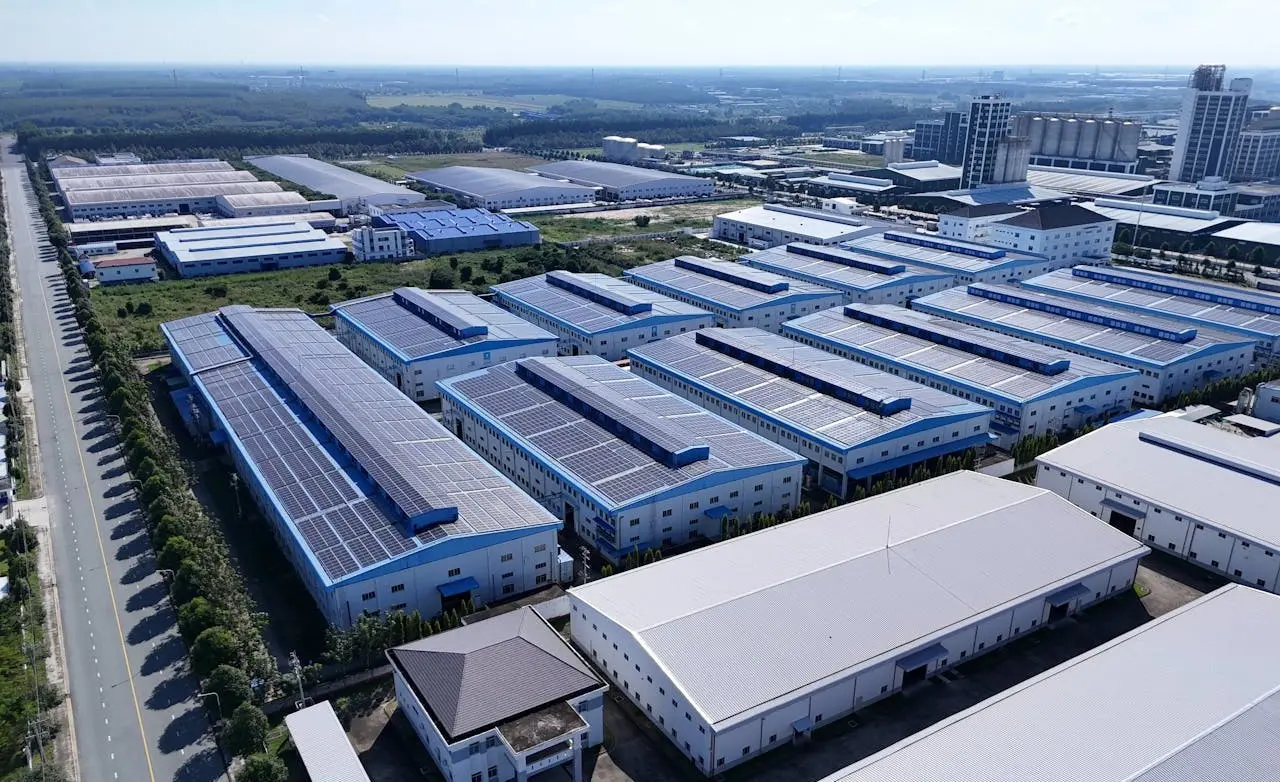
Competitive Tech and Manufacturing Sectors: The government launched a $30 billion USD incentive package in 2024 to boost tech industries. Of this, $5 billion USD has been allocated for electric vehicle production and billions more for semiconductor fabrication, battery production, solar panel factories, and wind turbine components. These strategic investments aim to make Turkey a hub for next-gen manufacturing, including an EV Plant opening in 2026 to produce cars for Europe. The manufacturing sector in Turkey is evolving from textiles and basic metals to cars, electronics, and green energy.
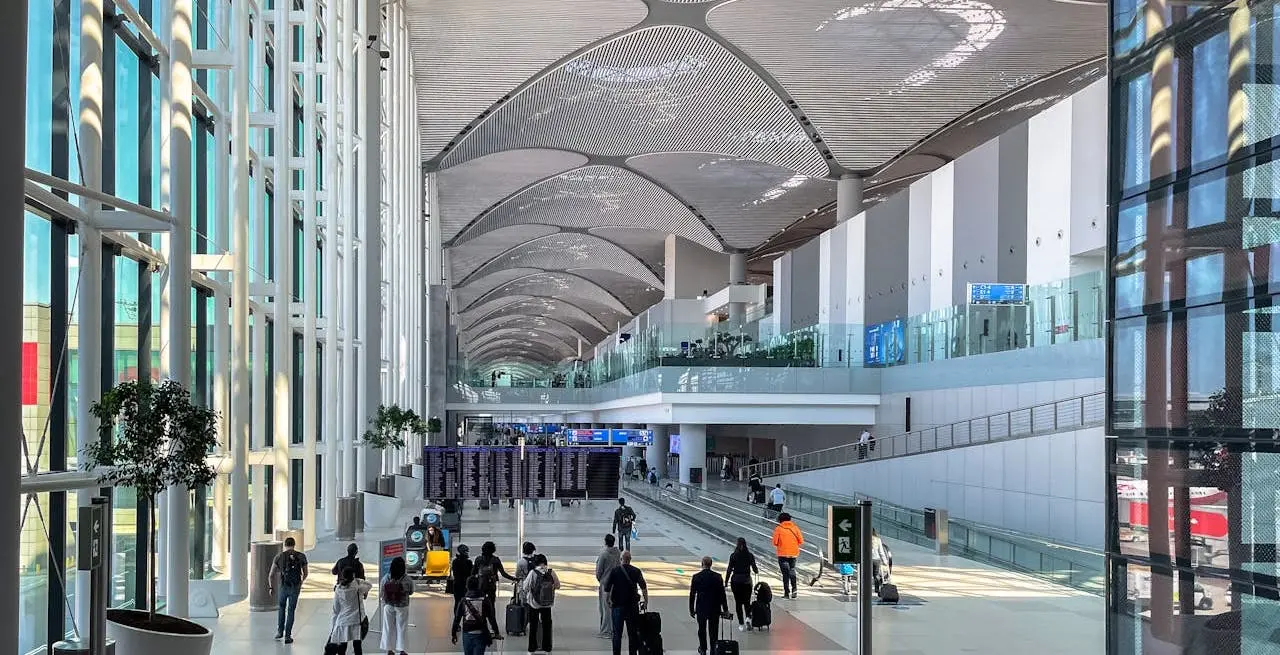
A Tourism Upgrade: Tourism revenue reached $61 billion USD in 2024 – up by 8.3% compared to 2023. A stronger Lira and balanced economy could enhance Turkey’s appeal. The government has hinted at launching initiatives to attract tourists who stay longer and spend more – whether that’s a 5-star resort in Bodrum or a world-class health clinic in Istanbul. The aviation sector is booming with Istanbul Airport quickly becoming the busiest airport in Europe and Turkish Airlines carrying record numbers of passengers to worldwide destinations from Turkey’s strategic location.
Conclusion: From Crisis to Comeback?
After enduring a boom-and-bust cycle over the past five years, Turkey’s economy is now at an inflection point – the pieces are aligning for a comeback that even the firmest of investors cannot ignore.
With its young population and a diverse range of industries, the economy of Turkey still has vast fundamental strengths. Moving to orthodox policies in mid-2023 is starting to produce drastic improvements:
- Inflation is on a downward trajectory.
- The Turkish lira is now more stable.
- Global investor confidence is returning.
Naturally, risks do remain. The pathway towards single-digit inflation and sustainable growth is not an easy one – it requires commitment to policy and reforms. Geopolitical events outside of Turkey’s control or policy mistakes could move the finishing line. However, if Turkey remains on course and keeps making the right steps – the stage is set for total revitalisation by 2026.
Those looking at the long-term are urged to take a look at Turkey’s progress today. For investors willing to take a slight calculated position, the Big Down of Turkey could well be the set up for the next Big Up – one with more stability and a lucrative era of growth. According to Turkey’s Finance Minister, the “aim is to move past economic turmoil and into a positive cycle.”
Turkey is shaking off hyperinflation and transforming challenges into opportunities. Investors should take note – Turkey’s turnaround story is just beginning, and the coming chapters could be very rewarding. Contact Property Turkey for a free consultation with our experienced advisors. We are happy to answer any of your questions about investing in the exciting future of Turkey.
Cameron Deggin Founder & CEO, Property Turkey
Cameron Deggin is Founder and CEO of Property Turkey. A former finance professional and FCCA-qualified accountant, he founded the company in 2001 after recognising Turkey’s investment potential. With more than two decades analysing Turkish real estate, Cameron regularly advises international investors and is quoted by media including the Financial Times and BBC.




 By:
By:

 Founder & CEO, Property Turkey

 Kalkan
  2
2  2
2 

















 X
X