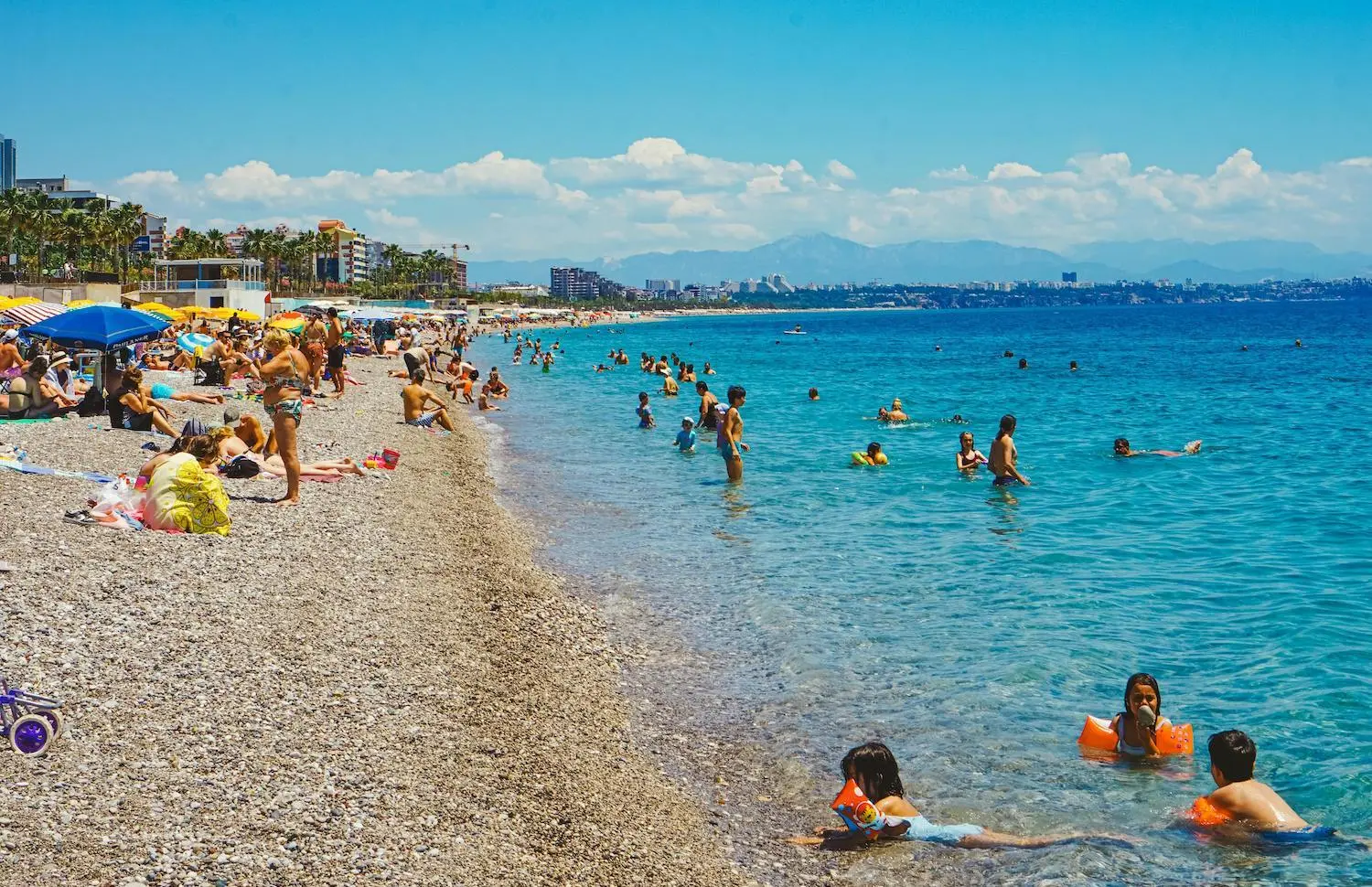
Many people have dreams of moving to Turkey. Additionally, millions of travellers come each year from every corner of the globe to experience great opportunities, and many want to stay for an extended period. There are great places to live in Turkey, from the great beaches and dramatic cliffs of Antalya, the charming coastal town of Fethiye, or the olive groves that line the Aegean Sea.
As much as moving abroad on a whim sounds exciting, as your real estate agent, we encourage proper planning. Moving to another country presents new challenges, such as becoming familiar with the laws, purchasing property, healthcare, visas, and banking. If you extend your stay in Turkey, you will transition from a vacation to official residency. To find out whether you are ready for the challenge, consider these things.
Quick Summary about Moving to Turkey
Who is moving: Expats, retirees, digital nomads, and investors. Turkey attracts a diverse global community looking for a change of pace, a lower cost of living, or new business and investment opportunities.
What do you need: You can stay up to 90 days (out of 180) on a tourist visa or visa-exempt status. For a permanent move, you must secure a Turkish Residence Permit (Ikamet) or a work permit, which also serves as a Residence Permit.
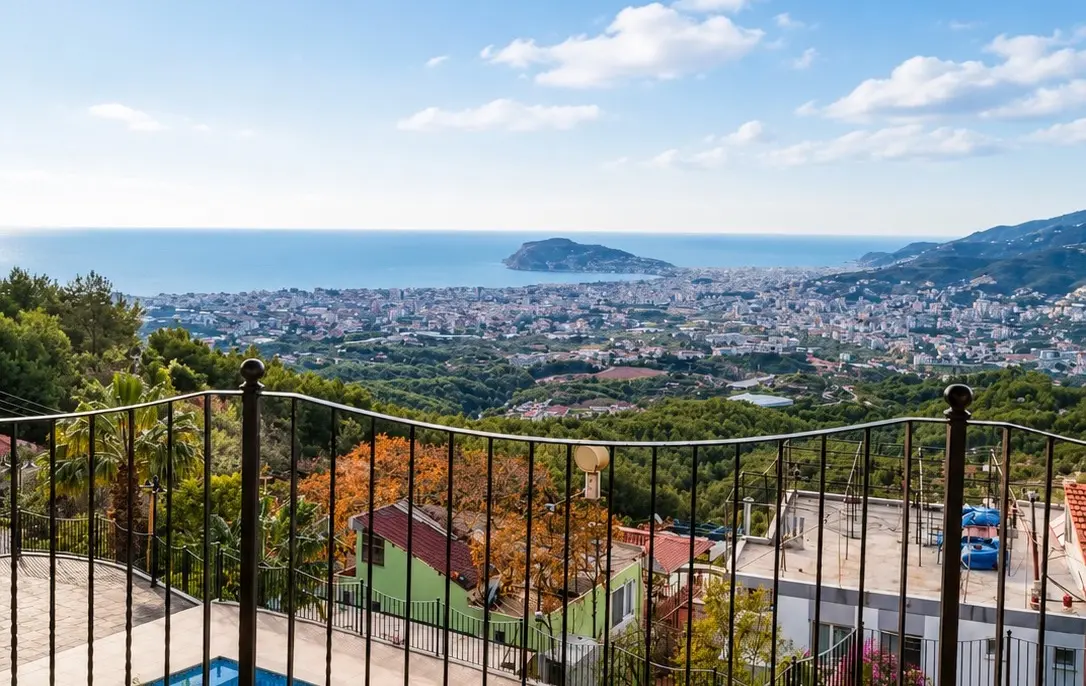
Where to live: Major cities and coastal hubs lead the pack. Istanbul is the go-to for business and culture; Ankara draws diplomats and academics; while the sunny Aegean and Mediterranean coastlines, including Antalya, Fethiye, and Bodrum, are top choices for retirees.
Why choose Turkey: A stunning climate, rich history, and world-famous hospitality draw expats. Economically, your money often goes further here with a lower day-to-day cost of living, and the strategic location offers a perfect geographic bridge between Europe, Asia, and the Middle East.
Here is the quick-glance breakdown of the moving process:
- Gather documents: Collect your passport, biometric photos, a clean criminal background check, and proof of financial self-sufficiency.
- Arrange health insurance: Buy a valid Turkish healthcare policy, which is mandatory for all applicants under 65.
- Apply online: Submit your paperwork and book your appointment through the official government e-Residence (e-İkamet) portal.
- Attend the interview: Bring your complete physical document dossier to your scheduled appointment at the local Migration Management (Göç İdaresi) office.
- NOTE: Residency does not grant you the right to work locally in Turkey. To work legally, a Turkish employer must sponsor a work permit on your behalf, or you must qualify for independent entrepreneurial statuses like the Turquoise Card.
In-depth Discussion and More Things to Consider
1. Can You Think Like a Local?
On holiday in the touristy coastal towns, we spend a lot of time in bars, restaurants and on beaches. But now is the time to think differently. Research the transport and shopping amenities. If you have health conditions, and the nearest hospital is in the next town, this will cause problems.
People under 65 must have health insurance when applying for residency. This is the SSGK Turkish government policy or a private policy. Remember to factor the cost of medical insurance into your budget. It is a good idea to enrol in a Turkish language course. Locals appreciate the effort to learn Turkish, and it is beneficial in day-to-day life.
Likewise, investigate cultural and religious aspects, such as the month of fasting, Ramadan. Also, remember, any animal travelling across borders must be identified with an ISO-compatible microchip.
2. Is Paperwork Your Strong Point? Visas & Residency
Türkiye's visa regime is straightforward but play by the rules. Most people arrive on a tourist visa, which gives you 90 days out of every 180 days. (Under unique circumstances, a UN Travel Document works.)
If you need a specialised visa before you move, such as a student visa to study at Turkish universities, use the online Pre-Application System.
Want to stay past 90 days? Get a residency visa. The Directorate General of Migration Management, sometimes called the General Directorate for Migration, handles this.
If moving with your spouse and kids, you'll want a family residence permit or Turkish family residence permit. The migration office works with the Turkish Ministry of Family and Social Services to make sure your household is legally covered.
3. Are You Interested in Property and Citizenship?
The real estate and construction sectors here are booming. When you buy real estate, you must follow strict legal requirements. We will use official notaries to witness documents, and hiring a licensed Turkish lawyer or specialised immigration lawyers in Turkey will protect your investment.
Let’s talk about the money side of moving overseas. The currency in Turkey is the Turkish Lira. Currently, Turkey is experiencing inflation and has variable rates for interest on its currency, which creates very high fluctuations in exchange rates. Therefore, if you bring in foreign currency, your purchasing power might be quite high, but prices will move up quickly to match inflation.
You’ll want an account with an established Turkish bank right away. Use Ziraat Bank, Akbank, İşbank, or Yapı Kredi. They have great English apps. The Turkish Revenue Administration manages the tax system. Once you get your home, you'll register your address in the Turkish Address Registration System. Don't worry, Türkiye has international taxation agreements to prevent double taxation, and we can look at inheritance laws to see how property passes smoothly to your heirs.
A standard residency permit does not allow you to work. To work legally, your employer must obtain an employment permit or a work permit from the Turkish Ministry of Labour and Social Security (MLSS).
5: Healthcare, Infrastructure, and Daily Life
The Health System: To get residency, having health insurance is mandatory if you're under 65. Türkiye has a fantastic health system. If you pay into the Turkish Social Security Scheme, you can use public healthcare for next to nothing.
Getting Around: Intercity travel is brilliant. Every town has an otogar (central bus station) with luxury coaches. If flying, while the old Atatürk Airport in Istanbul is now mostly used for cargo and private flights, our new international airports are state-of-the-art. For driving, use your foreign licence for the first 6 months, but after that, legally convert it to a physical Turkish driving licence.
6. Where is Your Perfect Location?
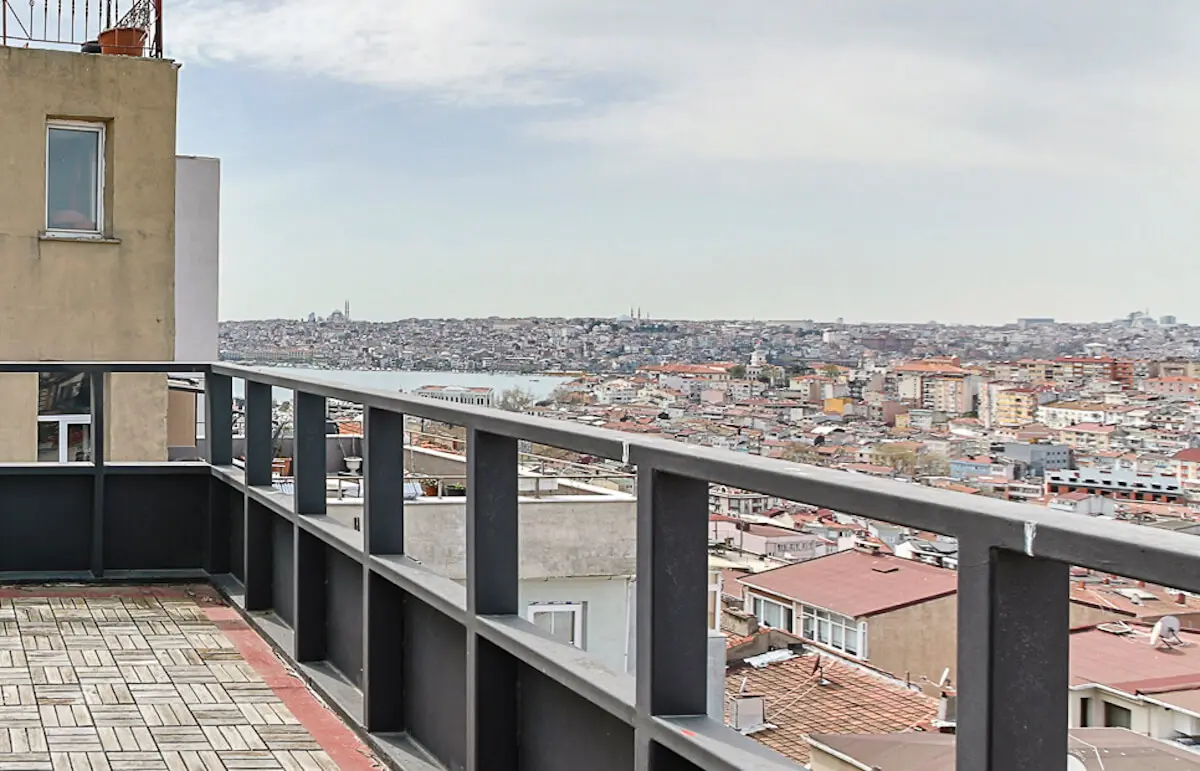
The Big Cities: Istanbul is our mega-city, a fast-paced, historic wonder bridging Europe and Asia. Ankara is the capital; it's very organised, safe, and administrative, and home to top schools like Koç University and Istanbul University.
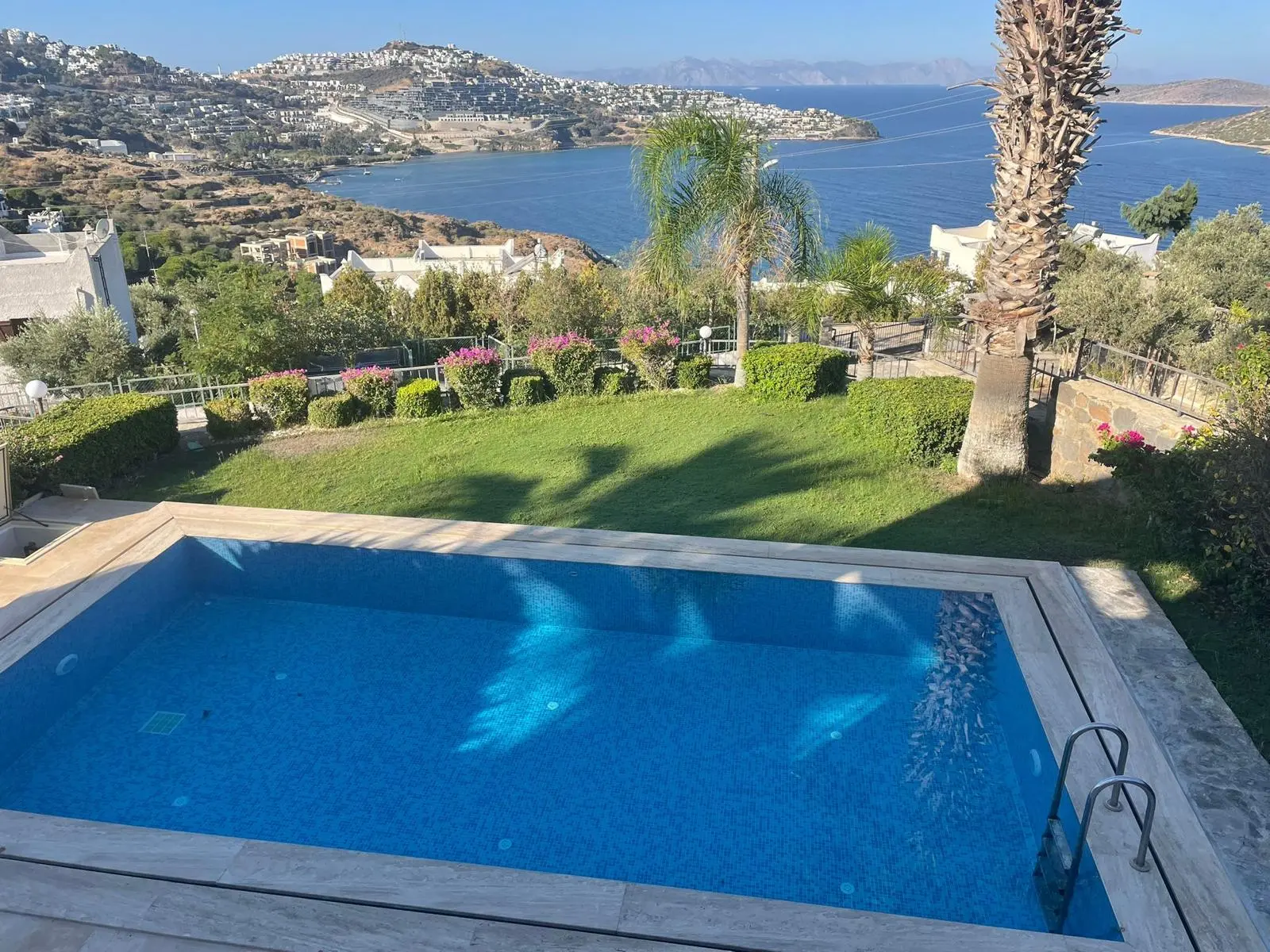
The Aegean Coast: This region has a more laid-back, bohemian feel. The Bodrum peninsula is our luxury hotspot. Within it, you'll find Gumusluk, famous for seaside fish dinners and ancient ruins, and Gumbet, known for its lively nightlife.
7 Do You Know Much About Turkey?
At the end of the day, people fall in love with the Republic of Türkiye because of its heart. Turks are incredibly welcoming and famously animal-friendly. Taking the time to learn even a little Turkish will open doors and win you friends instantly. You won't feel lonely here; there is a welcoming expat community, including a very large British contingent on the coast. For kids, there are excellent international schools.
Turkey's culinary experience is globally recognised. This destination is about slow travel, with an abundance of UNESCO World Heritage Sites and active archaeological sites. If you ever get homesick, international restaurants in metropolitan areas, range from traditional pub food to fine-dining sushi.
8: Can You Enjoy the Best of Both Worlds?
From our experience, expats either stick to expat groups or associate only with Turks, and both options are shooting themselves in the foot. Turkey is an incredibly diverse country, and while you should get to know Turks, expats come from around the world. From the working expats in Ankara to the British retirees, there are chances on every corner to make friends from around the globe.
9: Summary of Your Relocation Checklist
Tourism Versus Residency: The tourism visa permits you to stay for a short period. To move permanently, apply for a residency visa. To work or set up a business locally, a residency card is not enough. You need to set up a company or get a work permit approved by the MLSS.
Property and Investments:Buying real estate in Turkey is an excellent move but protect yourself by hiring trusted immigration lawyers in Turkey to check the Title Deed and guide you through inheritance laws. To make this country your permanent home, learn about the popular citizenship by investment programme.
Banking and Finance: Real Estate in Turkey also requires you to be aware of economic factors, including inflation and interest rates, which fluctuate.
Health and Education: Ensure all your healthcare needs are met. Valid health insurance is required to obtain residency in Turkey, and the Turkish Social Security Plan provides various forms of treatment. If you move with children, there are international schools on the coast, as well as other well-respected universities, such as Koç.
Lifestyle and Community: The quality of life in our coastal towns is about embracing slow travel, tasting cuisine, enjoying fresh food, and exploring history, from hidden ruins to an active Archaeological Excavation site right in your backyard. You'll be warmly welcomed by the Turks and backed by a supportive expat community.
Aleksandra Cihanoğlu Senior Advisor
Aleksandra Cihanoğlu is a Senior Advisor at Property Turkey and a regular contributor on topics including Citizenship by Investment, relocation, travel, and lifestyle opportunities in Turkey. Her writing focuses on helping international readers understand the practical realities of living, investing, and building a long-term future in the country.




 By:
By:


 Senior Advisor

 Bodrum
  4
4  5
5 












 X
X