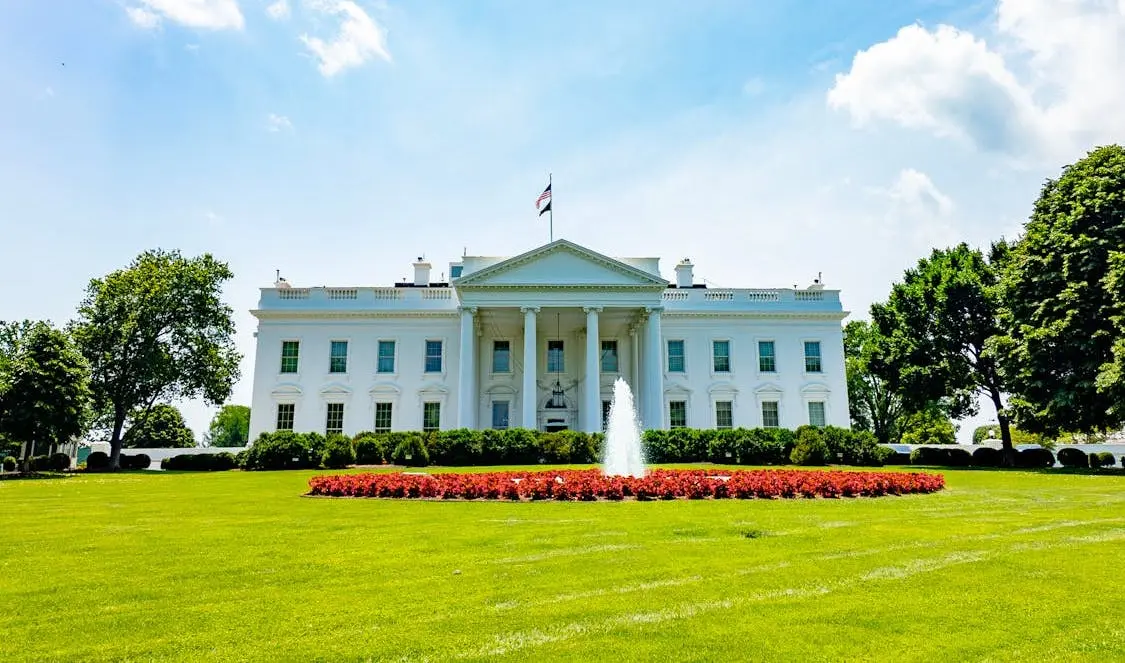
On September 25, 2025, Turkish President Recep Tayyip Erdoğan met with U.S. President Donald Trump at the White House in Washington – Erdoğan’s first visit to the White House in over six years – and a symbolic reset in relations between Turkey and the United States.
For the past six years, relations between Ankara and Washington had been strained by a series of sanctions, disputes on defense, and conflicting policies on energy. This article explains the potential impact of the successful meeting on the Turkish Lira, inflation, interest rates, and the real estate market in Turkey.
Why This Meeting Matters for Investors
Erdoğan’s first visit to the White House in six years: In political relations between country leaders, symbolism matters. Erdoğan visiting the White House is a visible sign to the world’s financial markets that Turkey wants to strengthen relations with the U.S.
Friendly tone but no binding agreements: Both Erdoğan and Trump emphasised a desire for more cooperation between the two countries on defense, trade, and regional diplomacy. For the investment market, this is seen as risk-reducing comments.
What this means for investors: Reduced political risks between the U.S. and Turkey could lead to higher levels of stability for the Turkish Lira. This could then lead to lower inflation volatility in Turkey and a more favourite interest-rate and investment environment.
A Possible Breakthrough in Defense and Aerospace
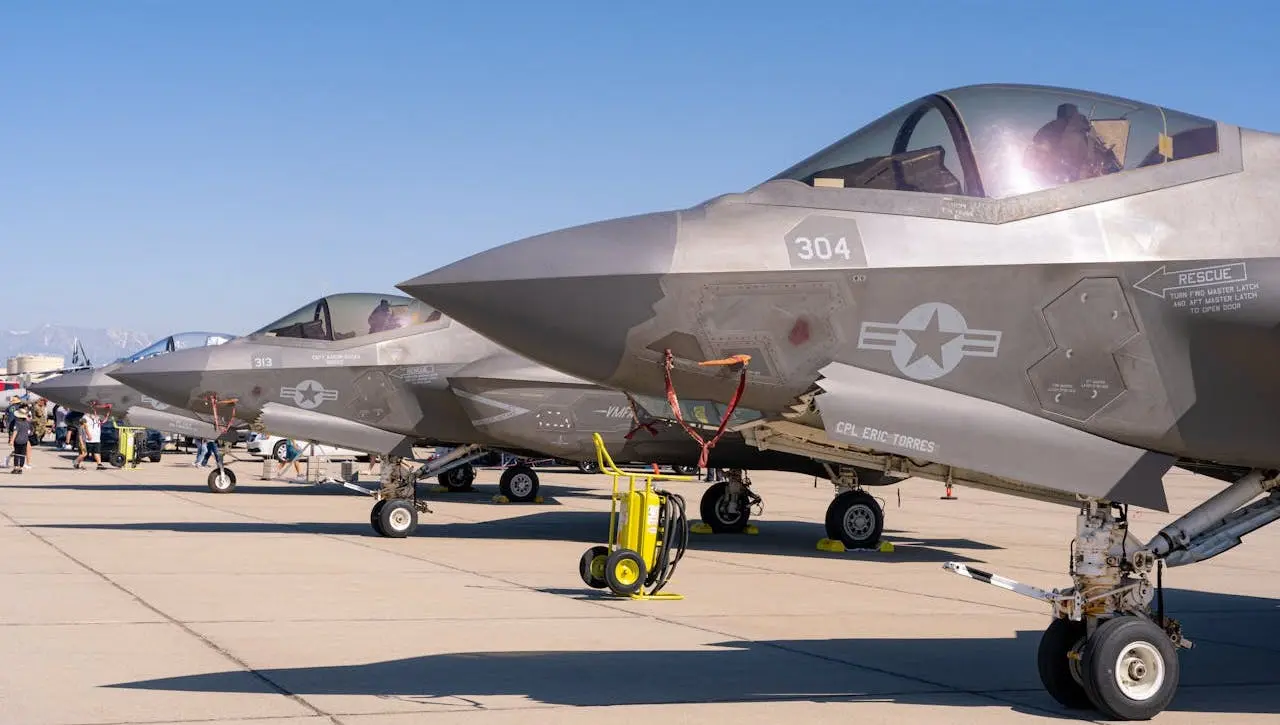
In 2019, Ankara purchased Russia’s S-400 Defense System. This was controversial with the U.S. and eventually led to Turkey being excluded from their F-35 Fighter Jet Program. During their meeting at the White House, both Trump and Erdoğan suggested that it would be beneficial to find a pathway back to cooperation for the two countries. While this does not mean an immediate re-entry into the F-35 Program for Turkey, it could mean:
- Export licenses granted for sub-systems and avionics.
- New cooperation on supply-chain and maintenance.
- Measured re-integration of Turkish defense contractors.
What this means for investors: If improved relations between Turkey and the U.S. lead to even a small normalisation of the Defense and Aerospace industries, the manufacturing sector in Turkey would see increased global demand. This would naturally spill over into other industries including: logistics parks, supplier hubs, and industrial real estate.
The $100 Billion USD Bilateral Trade Target
During the meeting, both Erdoğan and Trump spoke of expanding bilateral trade between the two countries to over $100 billion USD annually. Whilst ambitious, this could see an easing of tariffs and customs tensions in order to reach the target.
Turkish sectors to benefit: Turkish metals, chemicals, auto parts, textiles, and white goods could all benefit from increased bilateral trade between the two nations.
Logistics boost: If Turkey increased its exports, there would be more local demand for warehouses, air cargo capacity and storage, and corridors for transportation.
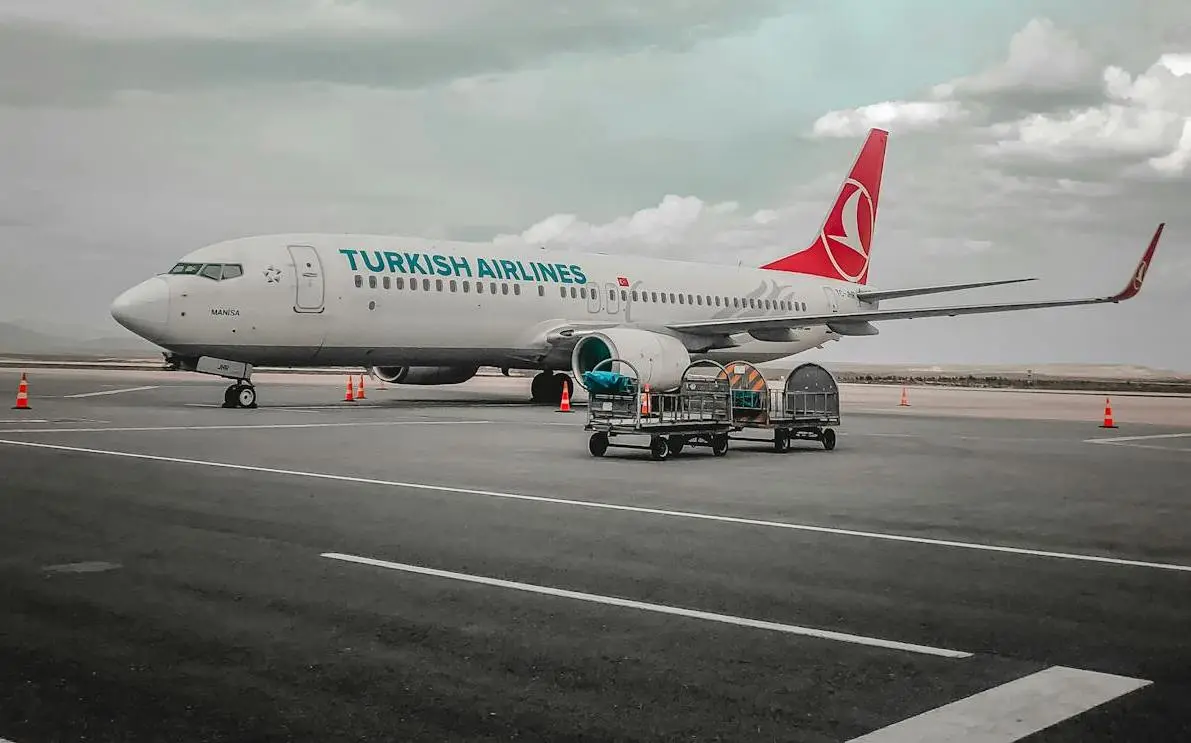
Aviation orders: Turkish Airlines recently ordered new aircraft from the U.S. This boosts Istanbul’s appeal as a global hub, increases tourism inflows, and demand for hospitality.
Energy: Short-Term Risk and Long-Term Opportunity
Central to the discussion between Trump and Erdoğan was energy. Washington wants to see Turkey reduce its oil imports from Russia – noting the potential for more lifting of sanctions and an increased cooperation on Defense if Turkey did so. For Turkey, this offers both risk and opportunity:
Short-term risk: If Turkey stopped importing cheaper Russian oil barrels too quickly, it could see Turkey’s import bill increase fast. This could worsen the current account deficit and lead to inflation rising.
Medium-term opportunity: U.S. LNG contracts and civil nuclear projects could diversify the energy supply. This could reduce geopolitical vulnerability and attract more foreign financing and investment in Turkish infrastructure projects.
What this means for investors: Having a stable and diversified energy supply is highly important for Turkey’s efforts to control inflation, keep the Turkish Lira stable, and create a predictable investment environment.
Inflation, Interest Rates, and Turkish Lira
The prospect of improved and stronger relations between the United States and Turkey introduces new opportunities for a more stable monetary environment in the near term, medium term, and long term.
Inflation in Turkey: In the near term, Consumer Price index (CPI) could rise if Turkey’s energy import costs increase. In the medium term, Energy cooperation with the U.S. would help reduce volatility and inflation.
Interest Rates: The Central Bank of Turkey (CBRT) needs to remain restrictive in order to control inflation. Stronger U.S. relations lowers Turkey’s risk premium, allowing 2026 rate cuts without Lira destabilisation.
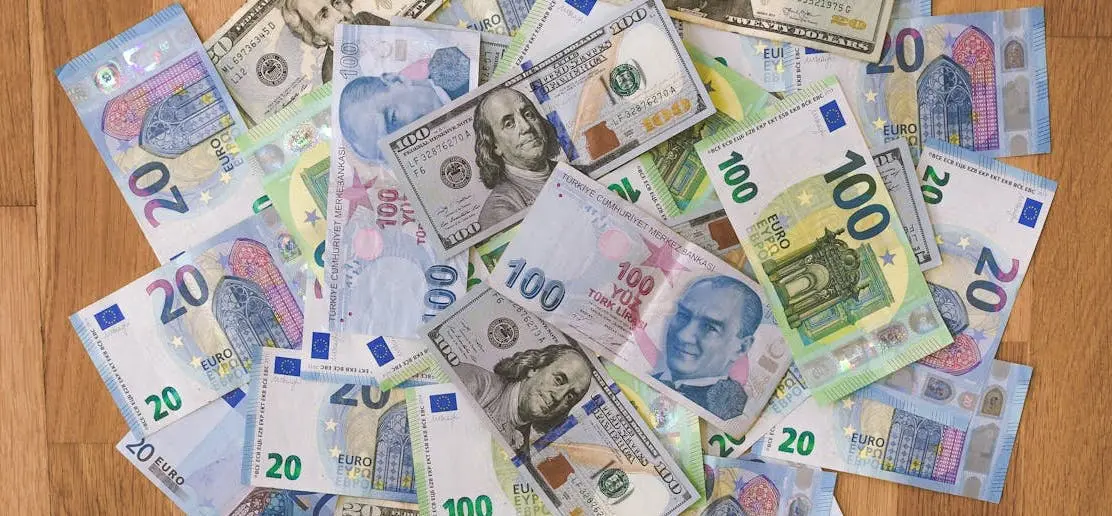
Turkish Lira: The positive meeting in Washington is welcomed by global markets, reducing CDS spreads and supporting the Lira. Despite the meeting, no concrete agreements were made, so the Lira will remain prone to currency swings.
Regional Diplomacy and Tourism
The two leaders also discussed Turkey’s current role as a mediator in the conflicts happening in Gaza, Ukraine, and Syria – and how that is being viewed positively back in the States.
Diplomatic bridge status: Globally, countries that are viewed as stabilisers in times of conflict often attract multilateral funds and institutional investors.
Tourism uplift and potential: The potential for more direct flights between the U.S. and Turkey could boost tourism in Turkey – providing easier access to Istanbul, Antalya, and Bodrum.
What this means for investors: Positive relations between countries often spills into other markets. In this case, an increased demand for Turkish tourism, coastal properties, and high-end rentals.
Key Risks Still on the Table
1 - Congressional doubts: Lawmakers in the United States could still be sceptical of Turkey. Any new Trade or Defense deal between the two countries could still take time to pass in Washington.
2 - Policy volatility: The storied history between the U.S. and Turkey shows that positive relations between the countries can quickly turn into negative relations, and vice versa.
3 - Energy pivot uncertainty: If Turkey reduced its Russian oil imports without any structured and secure alternative in place, currency pressure and inflation will rise.
What this Means for Turkish Real Estate Investors?
Better Financing: A breakthrough in relations could reduce sovereign risk premiums. This would ease bank funding costs and, over time, lead to lower mortgage rates in Turkey and higher numbers of property sales in prime cities including Istanbul, Antalya, and Bodrum.
Tourism and Hospitality: New direct air routes between Turkey and the U.S. would make it easier for tourists from the States to visit Turkish cities. This would see a boost occur in hotel occupancy rates, overall tourism revenue, and vacation villas in Bodrum and other prime areas.
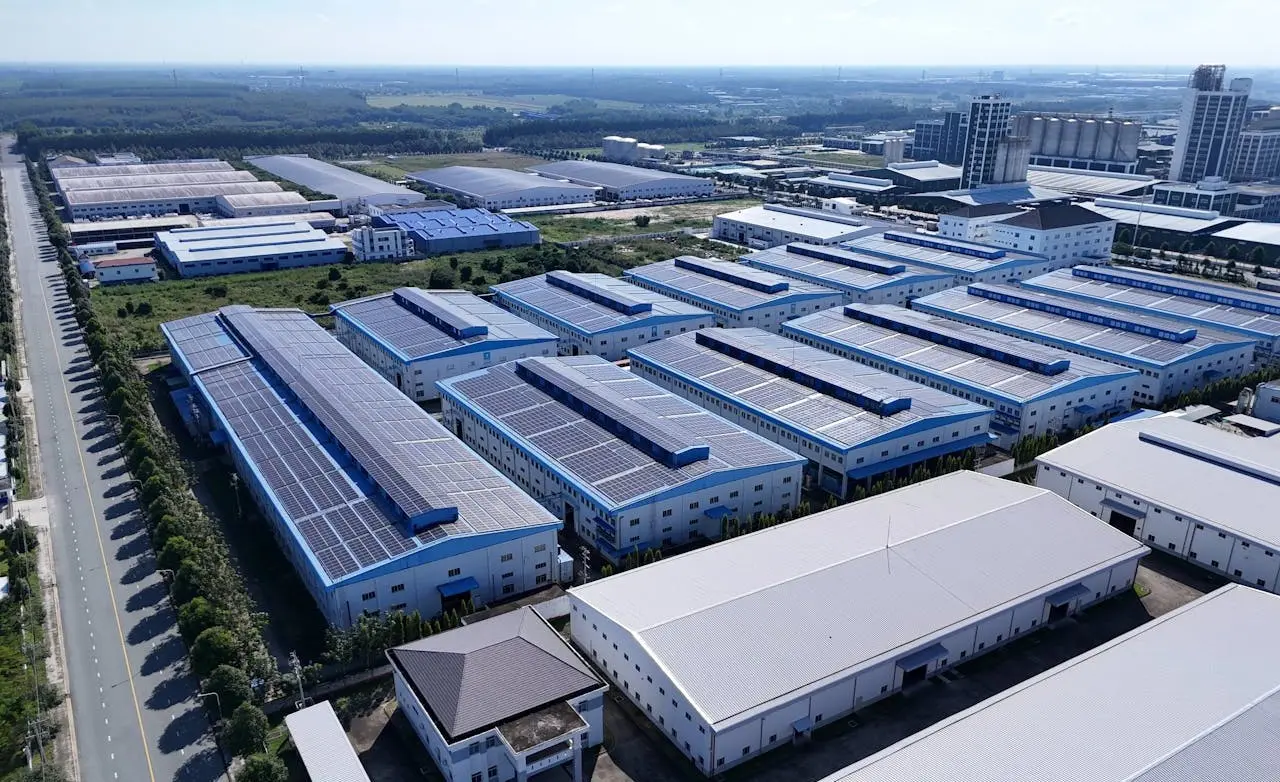
Industrial and Logistics: As Turkey boosts its trade and exports, demand will increase for more logistics parks, large warehouses and storage facilities, and e-commerce hubs. The manufacturing industry could also benefit from demand for Turkish products.
Aerospace and Tech Parks: Even a small breakthrough in defense between the two countries could create a higher demand for advanced industrial zones and more technology campuses in strategic locations in Turkey.
What Investors Should Watch Next
1 - Written agreements: Look out for MOUs on defense, energy, or customs reform.
2 - U.S. Congress signals: Support, or resistance, on sanctions relief and defense cooperation.
3 - Energy flows: Customs data showing reduced Russian oil and increased U.S. LNG imports.
4 - CBRT: Shift from Turkey’s Central Bank towards rate easing in 2026 if inflation moderates.
Seeds of Stability, But Execution Matters
The meeting between Erdoğan and Trump was more symbolic than substantial. But for investors and global markets, symbolism matters a lot. The meeting successfully lowers political risk feelings about Turkey, improves sentiment between the two countries, and sets the stage for future cooperation and stability.
Base case: Turkey’s external financing environment continues to warm – boosting the real estate market, tourism, and logistics sectors.
Upside case: New Defense and energy agreements would see the Turkish Lira strengthen, lower Turkish inflation, and lead to an investment surge.
Downside case: Turkish dependence on Russian oil could collide with U.S. sanctions. This would create more volatility in inflation, rates, and the Lira.
For now, investors in Turkish real estate should adopt a balanced strategy:
- FX-earning sectors including: tourism, logistics, and exporters.
- Hedge against any downside currency risk with smart investments.
- Monitor concrete deliverables before pricing in structural change.
Turkey’s investment market, geopolitics, and economics are all dynamically linked – leaning on each other for success. The meeting between Erdoğan and Trump may not be a breakthrough moment exactly, but it does open the door – a door towards a more stable environment for investment and one that real estate investors cannot ignore.
Interested in Property in Turkey? Contact us Today
For more information about Turkey’s real estate market, please enquire today to speak with our local advisors at Property Turkey. With over 20+ years of experience and expertise in the market, Property Turkey has helped thousands of clients navigate the complexities buying homes throughout the country.
Nezir Can Operations Manager
Nezir 'Nez' Can is Operations Manager at Property Turkey and a contributor on Turkish culture, lifestyle, and everyday life across the country. Since joining the company, he has helped international readers better understand what it is like to live, work, and settle in Turkey.




 By:
By:




 Operations Manager

 Bodrum
  4
4  4
4 

















 X
X