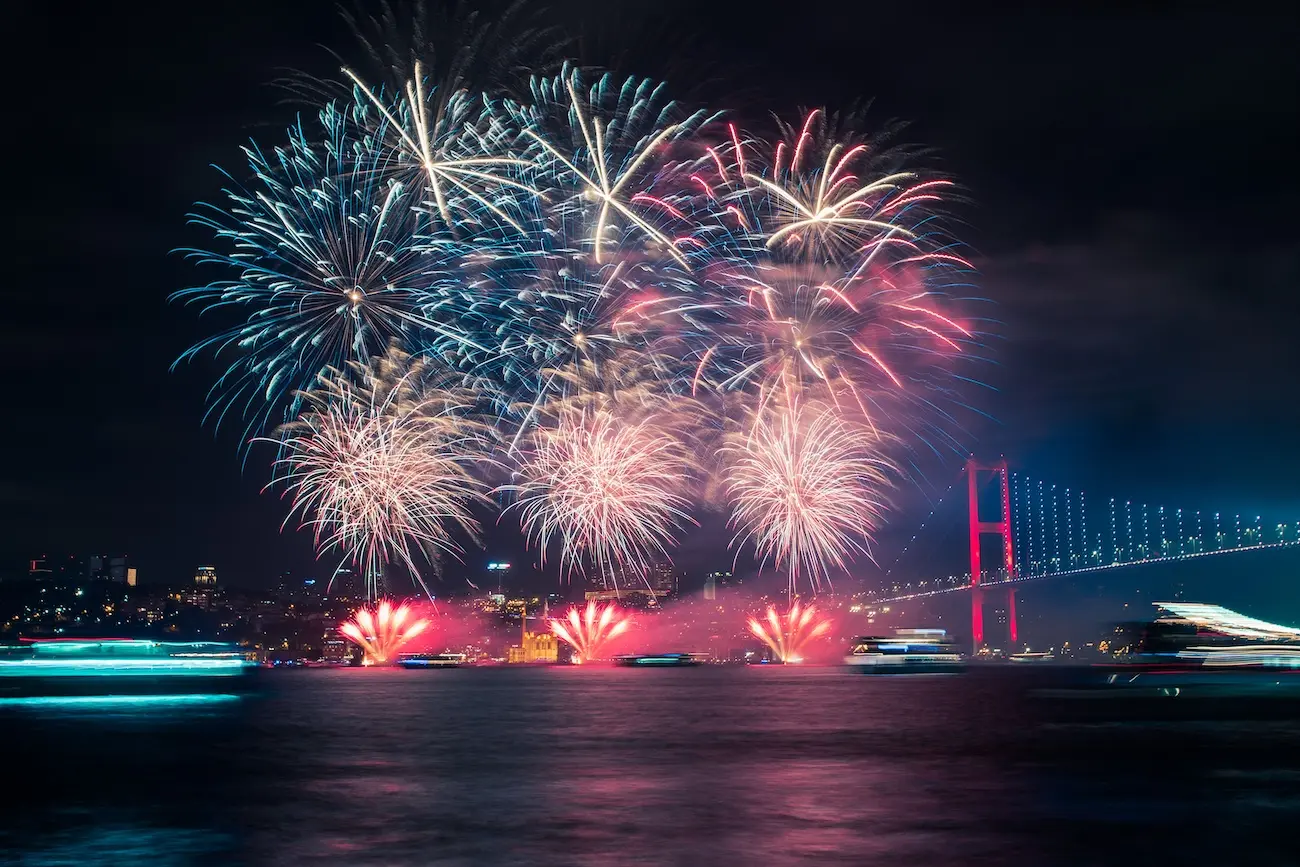
Christmas and New Year in Turkey are full of festivities and fun, though a bit different from Western countries. While December 25th is not a traditional religious holiday for Turks, the festive spirit fills the air. Decorative elements usually associated with Xmas in Western countries instead apply to the Turkish Yılbaşı (New Year) celebrations. Both are fun-filled, eventful moments, so here is what to know.
Summary: Christmas and New Year in Turkey
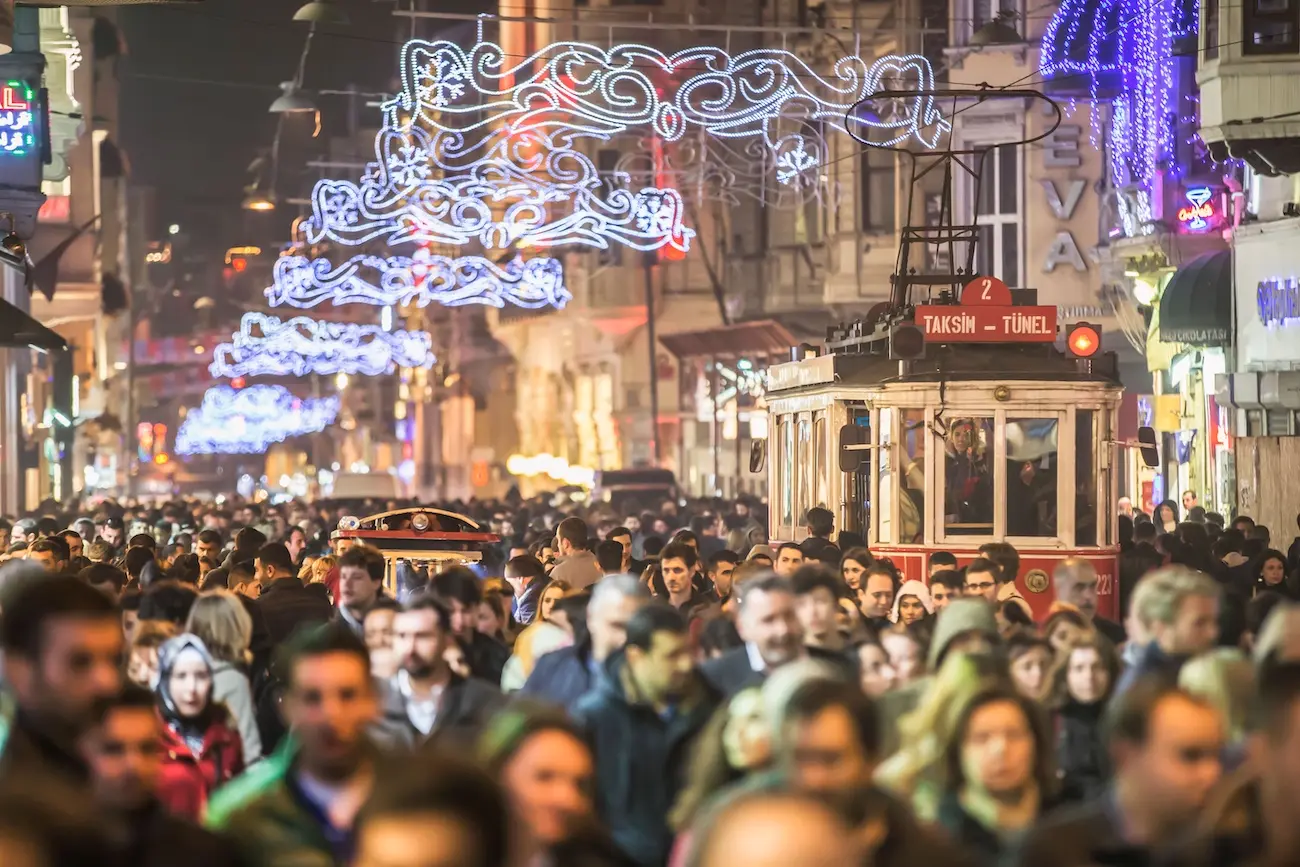
- New Year, Not Xmas: Municipalities decorate streets with trees, twinkling lights, and holiday ornaments starting in mid-December, but these are for celebrations on December 31st.
- December 25: This is a normal working day because Turks don’t recognise Xmas, so businesses, museums, shops, and transport networks operate normally. January 1 is an official public holiday.
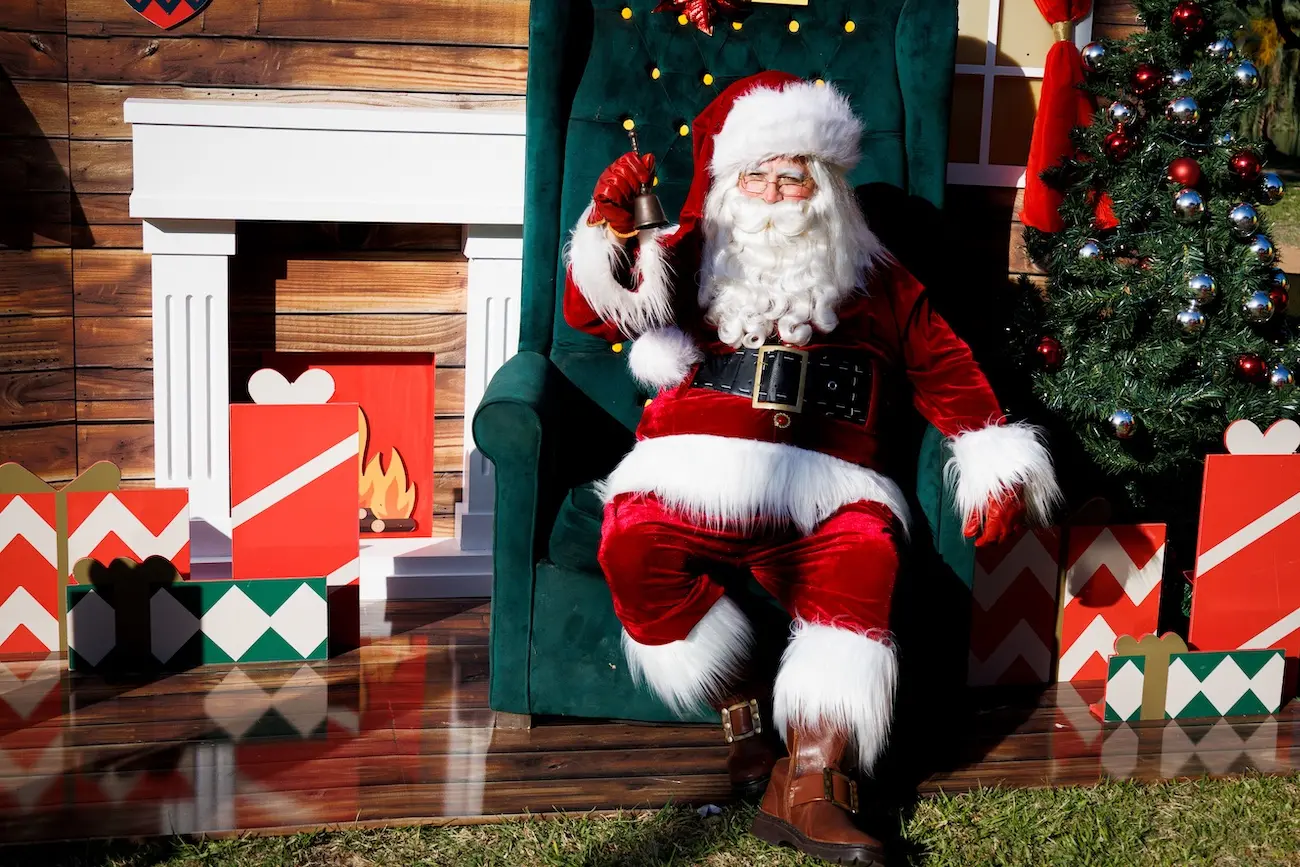
- Noel Baba's True Roots: Santa Claus, Noel Baba, features heavily in holiday marketing. Historical tradition traces Saint Nicholas back to Patara and Myra (modern-day Demre) in Mediterranean Turkey.
- Church Services: Check local Facebook Groups for churches that host services. One example is St. Anthony of Padua on Istiklal Avenue in Istanbul.
- Red Underwear and Lotteries: Local New Year customs include wearing red underwear for good fortune, smashing a pomegranate on the doorstep at midnight to bring abundance, and buying tickets for the massive Millî Piyango (National Lottery) drawing.
- Food: Turkish families prepare festive dinners on December 31, featuring stuffed roasted turkey or chicken (kestane dolgulu hindi). For foreigners looking for Xmas dinners, many restaurants, and hotels in tourist resorts host Xmas Day events for expats.
Best Places for Both Events
- Istanbul: In Nişantaşı, high-end streetlight displays, outdoor DJs, and countdowns turn the neighbourhood into something out of this world. Book a Bosphorus Dinner Cruise to sail between Europe and Asia. Asian Kadıköy also offers nightlife scenes filled with pub gatherings.
- Cappadocia: Snow-covered fairy chimneys create magical December settings. Cave hotels host intimate New Year dinners, complete with hot air balloon rides over frozen valleys at sunrise on January 1.
- Uludağ & Palandöken: Expect winter atmospheres at ski resorts like Uludağ (Bursa) or Palandöken (Erzurum). Hotels host gala dinners, outdoor bonfires, torchlit ski runs, and live music.
- Antalya on the Turquoise Coast (Milder weather): Coastal hubs like Antalya, Fethiye, and Bodrum host organised expat markets, pot-luck dinners, and relaxed seaside celebrations under mild Mediterranean sunshine. Discover how to enjoy home festivities in a whole new way.

More Helpful Things to Know
1: From December to January in Turkey
Turkey is relatively new to the Gregorian calendar. The country adopted it in 1926, after the Ottoman Empire fell. Before this time, Turkey used a solar-based Islamic calendar. When the Turkish parliament made January 1 an official holiday in 1935, the idea of a New Year celebration took hold, and Turks adopted Western traditions.
This explains why New Year feels so Christmassy. Although Yilbasi Urunleri (New Year's Day celebrations) are a bigger deal than the festivities on December 25th, there's still plenty of cheer.
Turks also embrace the fact that their country gave rise to the original Father Christmas. Streets and shopping malls feature decorations and lights, and the familiar red-and-white Santa. In supermarkets and shops, you'll find decorations and homeware in the Yilbasi Urunleri section. Yılbaşı Sepeti is a special holiday hamper packed with chocolates, nuts, snacks, and beverages.
2: How Expats Xmas
While Turks largely don't celebrate December 25, expats across the country do, and historic churches hold services. In Istanbul, visit St Anthony of Padua, the city's largest Catholic church, in the middle of the popular shopping street Istiklal Caddesi. The 300-year-old church holds Mass in Turkish, Italian, and English, starting at 10am. In the evening, hymns start at 8pm.
Also check the Mass and hymns at Saint Maria Draperis, another venerable Catholic church on Istiklal Caddesi, and the Church of Saints Peter and Paul near the Galata Tower. Non-Catholic churches holding services and hymns in Istanbul include the Crimera Memorial Church in Beyoglu, St Helena's Chapel in the British Consulate grounds, and the Union Church of Istanbul.
On the Asian side, the Assumption Church in Moda holds a late-night mass every Xmas Eve at 10pm. In the southern cities of Fethiye, Bodrum, and Antalya, enthusiastic expats gather at restaurants, churches, and people's homes to celebrate with carols and shared meals. Check local expat groups for more details.
3: Party into the New Year
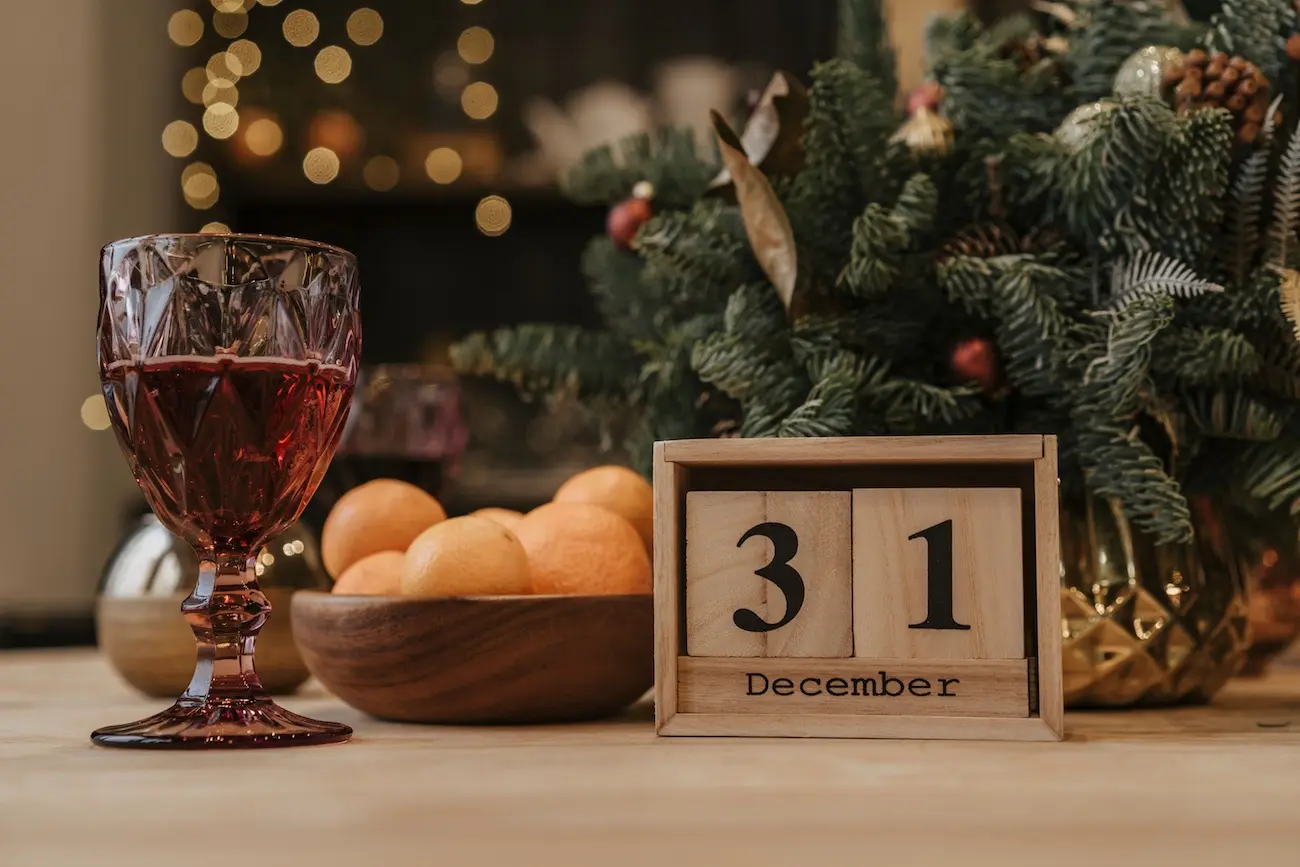
Turks celebrate Noel on New Year's Eve, decorating trees and exchanging gifts with loved ones. If you receive an invite to someone's family home, you'll partake in a large turkey dinner, family games, countless television variety shows, and just before midnight, the announcement of the winning national lottery numbers.
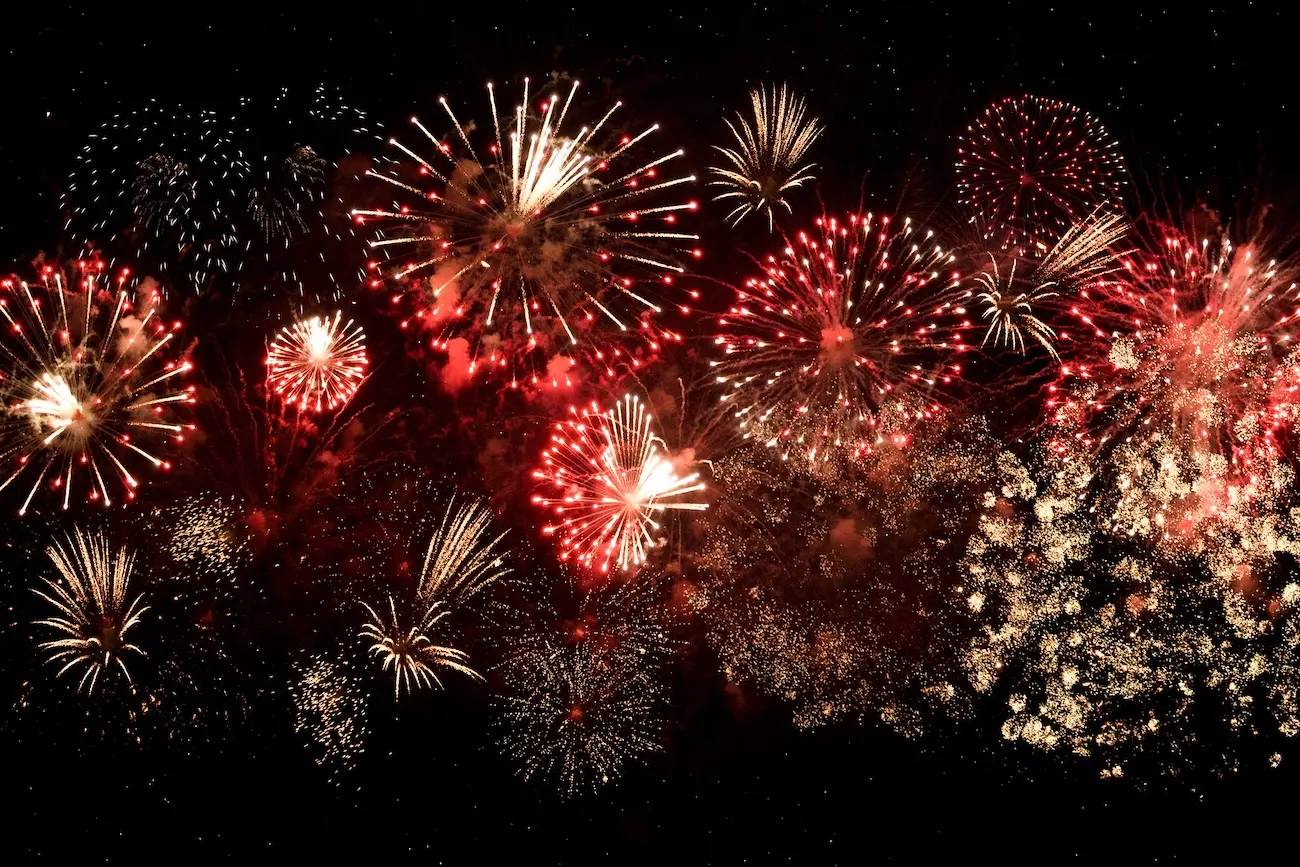
When midnight strikes, people congratulate each other and exchange small gifts. Baba Noel, the Turkish secular version of Santa, leaves gifts under the tree for children. Many hotels, restaurants, and nightclubs offer special evenings of entertainment. Check your neighbourhood to find out what's on offer, and make reservations. Most cities have firework displays at midnight.
Although New Year's Eve isn't an official holiday, many workers get half a day off. Schools, supermarkets, and large institutions will close earlier than usual. Afternoons and evenings are busy for city traffic, so get where you need to be before midday.
Despite the trimmings, there's less commercialisation. No carols on an endless loop, no in-your-face advertising, and no frantic crowds of gift-buyers. In fact, it's a great time to go sightseeing; queues are shorter and popular destinations are quieter.
FAQs: Xmas and New Year in Turkey
Q: How is Christmas celebrated in Turkey?
A: Christmas isn't celebrated, but expat communities and travellers still enjoy the festive spirit. The main thing to note is that Turks put up Christmas lights and Christmas trees for New Year, which they associate with Santa Claus. You won't find nativity scenes or Christmas grottos, and only expats give out Christmas cards. Most flower shops sell Poinsettias, called the Ataturk flower. So, expats and foreigners enjoy Christmas celebrations, but for Turks, December 25th is a workday.
Q: Is Turkey a good place to go at Christmas?
A: It depends on your expectations. Xmas isn't an official holiday in Turkey, so the country operates as normal. However, certain hotels in places like Istanbul and Antalya sell special themed packages. In coastal resorts with large expat communities, restaurants will also sell festive dinners with entertainment. It isn't about the whole country; it's about where you go.
Q: How do Turkish people say "merry Christmas"?
A: They say Mutlu Noeller, but remember that Turks don't celebrate Christmas traditions. Instead, they celebrate New Year's Eve, which is Mutlu yıllar.
More About Turkey
So, as you can see, these two events really shine through when combined with heritage and traditions, rather than the commercial aspects. There are also plenty of places to go, including Istanbul, Cappadocia, and Antalya, which our blog explains in more detail. Covering the main attractions, their history, and, of course, traditions and culture, the articles are a great way to plan your Christmas and New Year in Turkey.
Nezir Can  Operations Manager
Nezir 'Nez' Can is Operations Manager at Property Turkey and a contributor on Turkish culture, lifestyle, and everyday life across the country. Since joining the company, he has helped international readers better understand what it is like to live, work, and settle in Turkey.
View full author profile →




 By:
 Antalya
 4
 2











 X