The green parks of Istanbul are essential to its charm. They reflect a legacy from Ottoman society, which cherished groves and gardens. Today, the Istanbul Metropolitan Municipality commits to preserving these historic spaces. They aim to expand green areas and improve air quality. Enjoy the tulip-filled Maçka Park, explore the rugged Polonezköy Nature Park, or visit the vast Kemerburgaz Forest.
As a crowded megacity, Istanbul faces challenges in maintaining parks and air quality. The Istanbul Metropolitan Municipality (İBB) and local councils are tackling this with strategic initiatives. So, step away from the concrete, breathe in the Bosporus breeze, and explore the vibrant lungs of Istanbul.
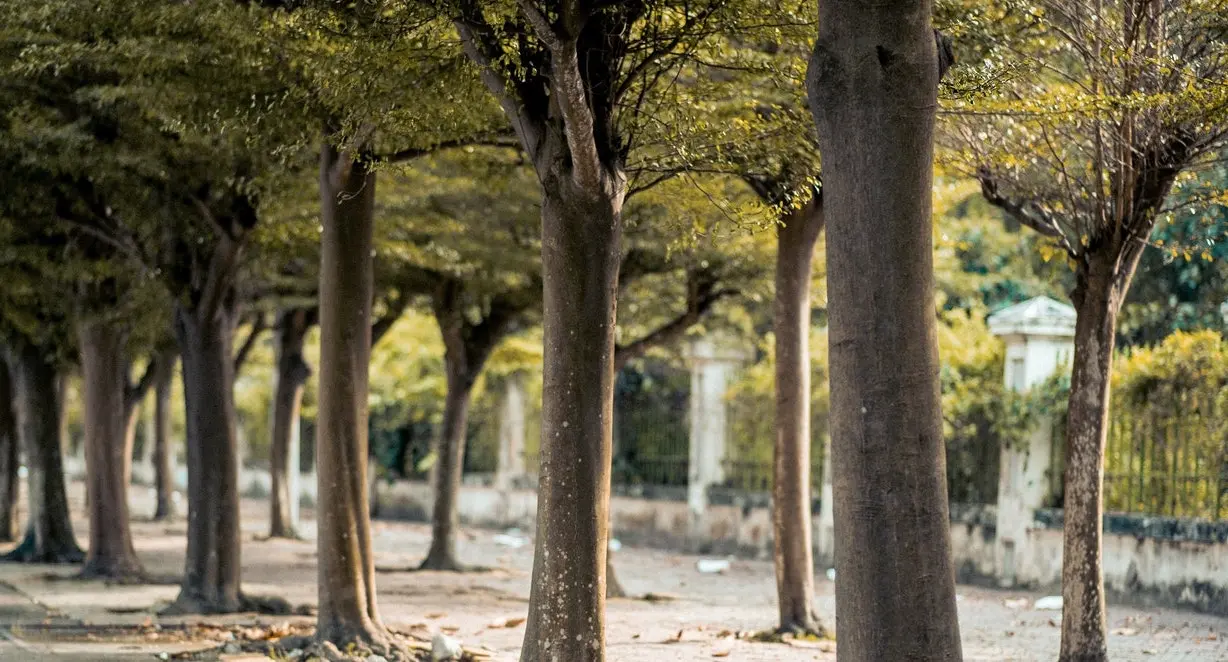
Quick Summary - Best Green Parks in Istanbul
- Gulhane: Historic imperial gardens next to Topkapi Palace; ideal for shady walks among ancient trees near major historical sights.
- Emirgan: Known for its Bosphorus views, historic pavilions, and the April Tulip Festival.
- Maçka: Lively urban oasis with jogging tracks, dog parks, and a cable car over the valley.
- Yıldız: Hilly historic grove in Beşiktaş, home to palaces, lakes, and porcelain factories.
- Belgrad Forest: The European side’s main "lungs" promotes hiking, running, and picnicking.
- Polonezköy: A peaceful, forested retreat on the Asian side, offering a charming village feel and long walking paths.
- Kemerburgaz Urban Forest: One of the biggest that combines forests with modern recreational facilities.
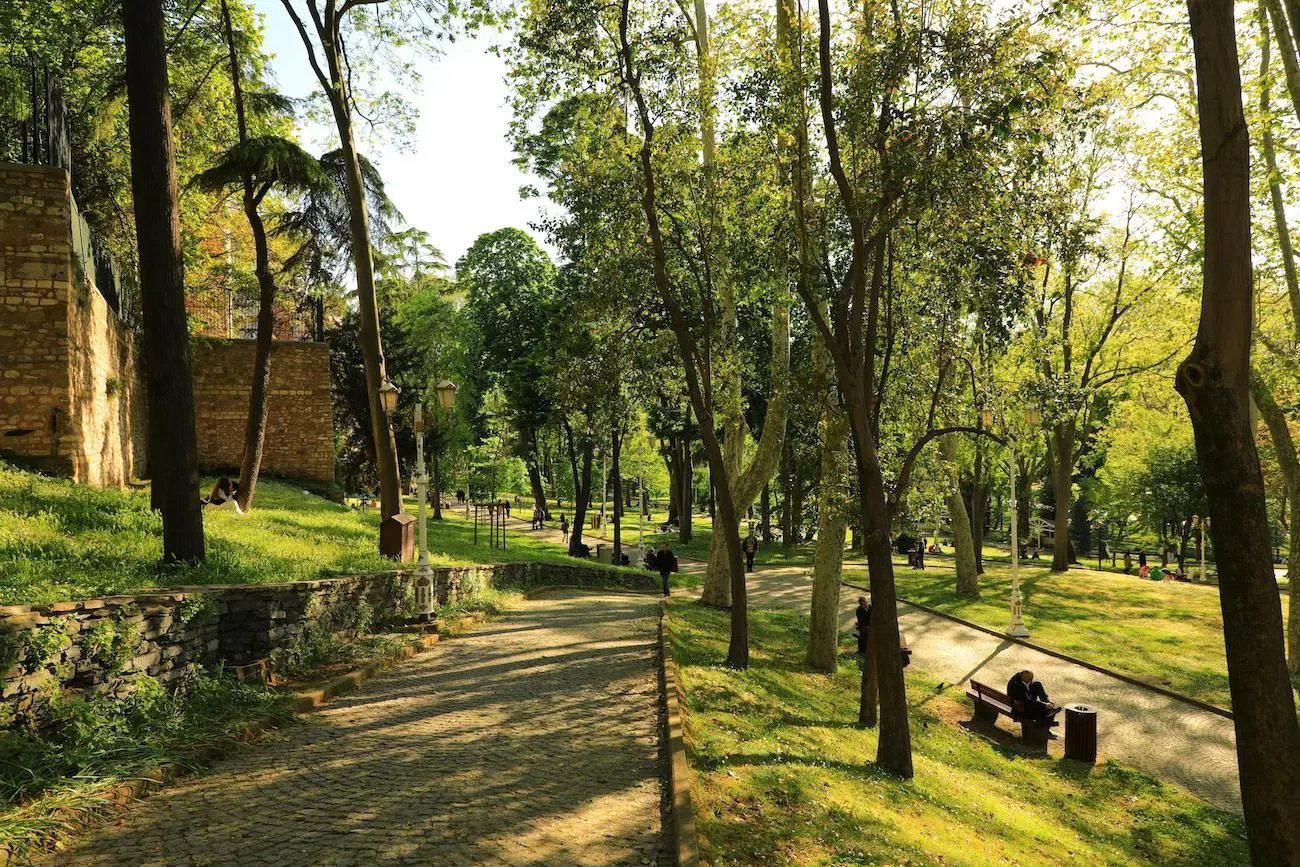
In-depth Guide to the Green Spaces
1: Gulhane: Old Grounds of the Ottoman Empire
The most famous is Gulhane. It’s near Topkapi Palace and all the sights in the old Sultanahmet district of Istanbul. It’s open year-round but gets a lot of praise during the Istanbul Tulip Festival in April. Gulhane was once part of the palace grounds, reserved for royalty. In 1912, it opened to the public and became well known across Turkey for its pavilions, coffee houses, and a zoo. These were removed to create more space and improve views. Bird watchers flock to spot the herons and jackdaws.
2: Yildiz Park and the International Istanbul Tulip Festival
Yıldız in the Beşiktaş district of Istanbul is one of the largest parks. Its trees are around 400 years old. Once the imperial gardens of the Ottoman sultans, it served as a hunting ground during Suleiman the Magnificent’s reign in the 16th century. Expect views of the Bosphorus and diverse plants from across the globe. Two artificial lakes and historic pavilions make it a popular weekend spot for families in Istanbul to enjoy picnics.
3: Emirgan Park
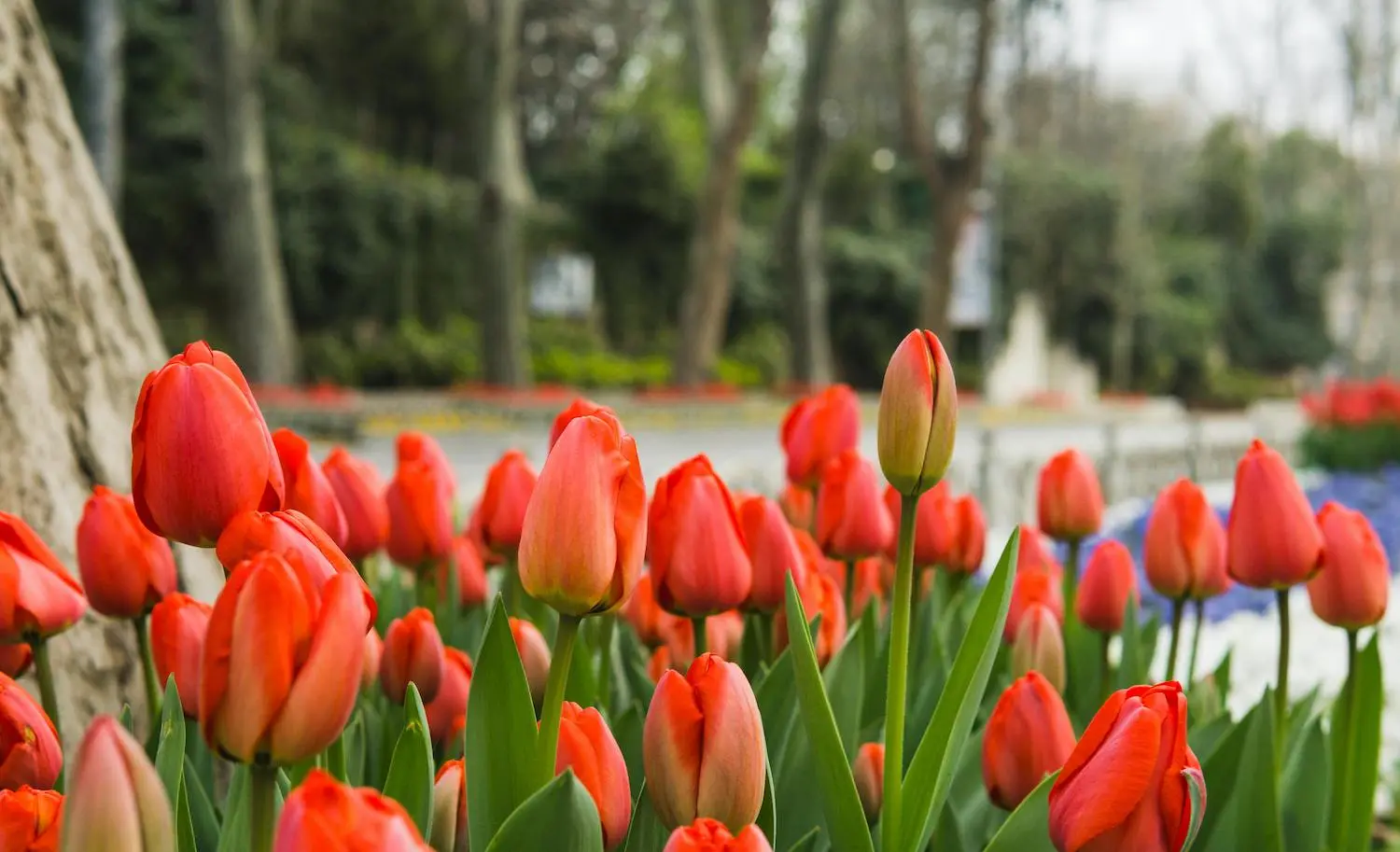
This historic urban park in the Sariyer district is colourful during the tulip festival. Emirgan, one of Istanbul's largest parks, changed hands various times from the Byzantine period until 1940. That year, the city municipality took over. Covering 117 acres, the park has three historic pavilions and two ponds with a variety of aquatic species. The pavilions now serve as cafes, and picnic tables sit throughout. This makes it popular with residents on weekends.
4: Belgrade Forest
Belgrad, situated 15 kilometres northwest of Istanbul, is a forest. Still, it’s one of Istanbul's protected green spaces. With over 5,000 acres, escape the crowds. A 6-kilometre trail around a lake easily attracts walkers and joggers. Named after the Serbs from Belgrade, it is home to several plant, animal, and bird species.
5: Maçka Park
This urban park, a vital green lung, sits between the Beşiktaş and Sisli districts. This refreshing escape, with well-maintained paths, lush greenery, and scenic views, is popular for jogging, picnics, and unwinding after sightseeing. The park also has a cable car running over it, providing bird’s-eye views of the landscape.
6: Polonezköy Nature Park
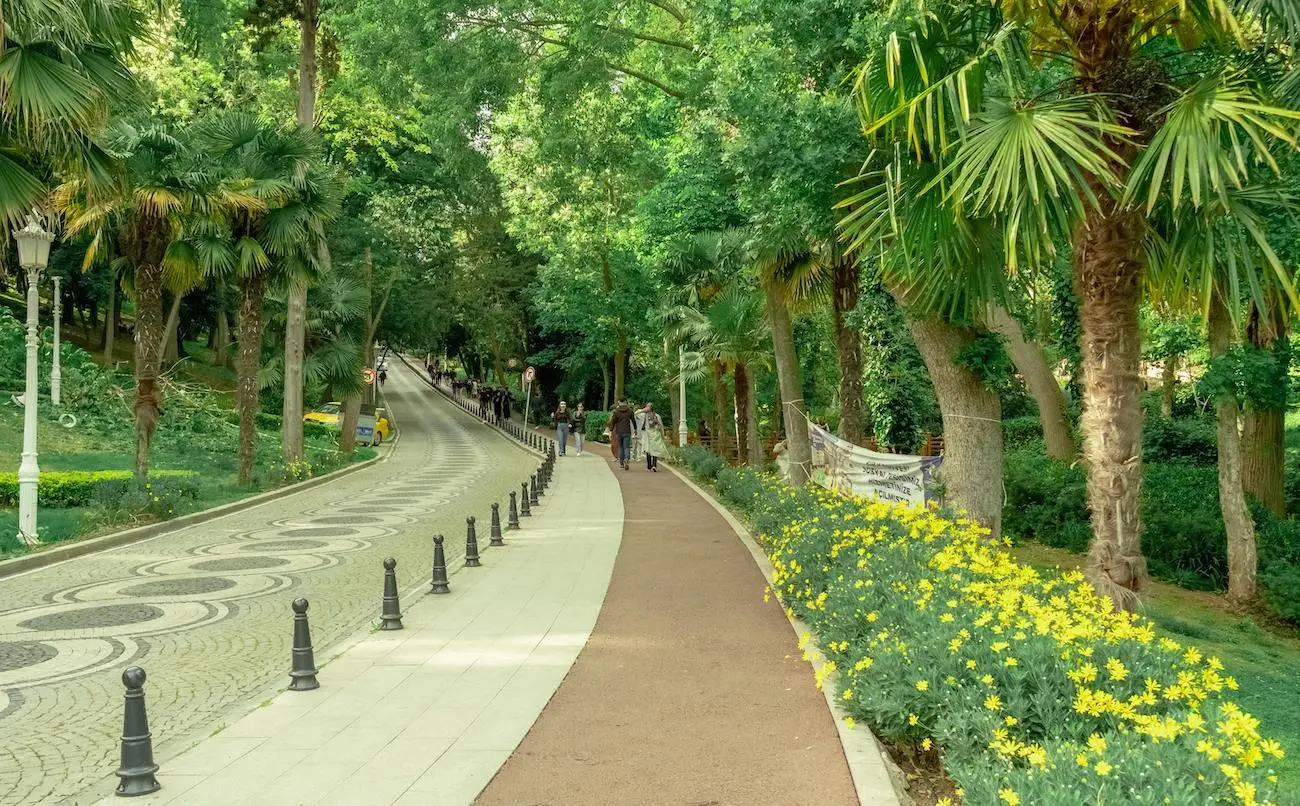
To enjoy pristine natural experience, Polonezköy is a true gem. Located on the Asian side of the city, Polish immigrants founded the area. It has kept its charm, with a range of flora and fauna, walking and hiking trails, and tranquil atmospheres away from the city centre. It’s perfect for nature walks, picnics, and wildlife observation.
7: Kemerburgaz Urban Forest
The European Kemerburgaz Forest represents a major step in expanding the green infrastructure. This forest and urban space features recreational facilities, including walking and cycling paths, picnic areas, and adventure trails. This project underscores Istanbul's commitment to a sustainable and enjoyable urban environment.
Other Notable Green Areas of Istanbul
- Fethi Pasa Grove: Covers 16 hectares in the upscale Üsküdar district on Istanbul's Asian side. After years of neglect, restoration is in progress. Locals are now returning on weekends to relax.
- Naile Sultan Grove: Named after a 19th-century Ottoman princess features a historic pavilion. Though it is smaller, it features several collections of trees and flowers.
- Ulus Park: Is a must-visit for great views of the Bosphorus. The 25-hectare Mihrabat Grove in Kanlica has a small restaurant for those who don’t want to picnic.
An Alternative - The Princess Islands
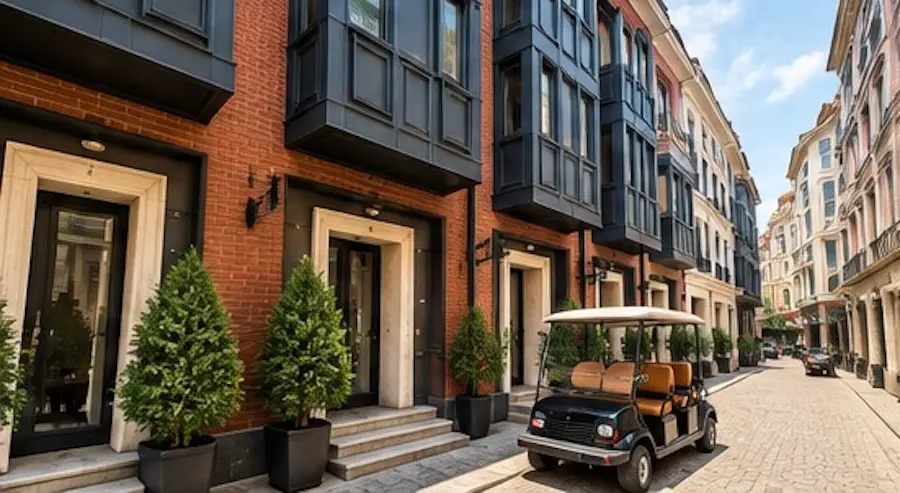
To escape Istanbul’s urban landscape, take a ferry from Kabatas to the Princess Islands. These nine islands have a notorious past as a refuge for disgraced Ottoman royalty. Today, they offer calm and tranquillity, attracting both holidaymakers and locals on weekends. On Buyukada, traffic is banned, so visitors explore in an electric vehicle.
Watch out for old Ottoman mansions along the suburban streets. These buildings reflect the architectural styles of their era. They lead to the waterfront, where fish restaurants flourish. Despite their popularity, the Princess Islands keep a traditional, quiet atmosphere. Among Istanbul's off-the-beaten-path spots, there are some of the most scenic destinations.
The Urban Planning of Green Spaces
Istanbul's geography stretches across two continents. It borders the Black Sea and the Sea of Marmara, offering diverse natural ecosystems. These spaces are categorised into four main types:
Historic Areas and Imperial Gardens: Located in the city centre, these areas remind people of the lands of the Ottoman Palaces through their landscaping. Examples include Gulhane below Topkapi Palace, Yıldız (Beşiktaş), Emirgan Grove (famous for the Tulip Festival), and Fethi Paşa Grove (Üsküdar).
Urban Forests: These natural forest areas sit along the northern edges in both Europe and Asia. They serve as the city's "lungs." and include Belgrad Forest (European urban forest), Aydos Forest (on the Asian side), and Kayabaşı Urban Forest.
Modern Recreational Areas and Coastal Districts: These newer parks were developed in recent decades. They often sit along coastlines on reclaimed land and are for active recreation. They include Maçka Democracy Park (a reorganised valley), Yenikapı Event Area, and the long coastal promenades of Maltepe and Caddebostan.
Arboretums and Botanical Gardens: These are special spaces for scientific study, conservation, and public education. Think of Atatürk Arboretum (near Belgrad Forest), a living tree museum.
How the Council Preserves Istanbul's Green Parks
Preserving existing spaces in a developing megacity is challenging. The İBB uses several legal, physical, and planning strategies:
Strict Zoning Status: The master plan limits building in green belts, historic groves, and natural forests. Several areas, like the Ottoman groves and Belgrad Forest, have protected status. This makes permanent construction illegal there.
Rehabilitation of Neglected Groves: Historic groves on both sides of the Bosphorus had fallen into disrepair. The council has started rehabilitation projects to restore the landscape, secure boundaries, and improve public access while protecting the old tree canopies.
Life Valleys Project: One of İBB’s key initiatives. The project aims to restore natural riverbeds. Several have been encased in concrete or surrounded by neglected land. The goal is to turn them into linear urban spaces. These "Life Valleys" (Yaşam Vadileri) serve as ecological corridors. They let fresh air move from the coastlines into crowded residential areas. Examples include Beylikdüzü Yaşam Vadisi and Kurbağalıdere restoration.
New Urban Forests: İBB creates new urban forests on the outskirts by planting native tree species on degraded or unused lands. They also distribute millions of tree saplings to residents to encourage private planting.
Vertical Gardens and Green Infrastructure: In busy downtown areas with little space, the council adds vertical gardens on retaining walls beside highways and underpasses. They also promote green roof technology in new buildings to absorb pollutants and manage rainwater.
Direct Air Quality Initiatives: The council creates car-free areas, like the Historic Peninsula and parts of Kadikoy. This reduces vehicle emissions and adds potted plants and trees to enhance the local environment. Istanbul’s air quality monitoring stations produce data to help the municipality spot pollution hotspots. They then prioritise greenery and traffic-calming measures in those areas.
Best Areas to Live to be Near a Park
Sariyer (Göktürk and Zekeriyaköy): These upscale, low-rise suburban areas are next to the vast Belgrad Forest. It’s the best spot for nature living on the European side, with luxury apartments and villas.
Beykoz (Asian Side): Districts here, such as Polonezköy, offer village-like lifestyles surrounded by thick forests. It’s popular for spacious luxury villas and gated communities, away from the urban chaos.
Nisantasi (Sisli) and Beşiktaş: Properties surrounding Maçka Democracy Park offer dense, urban luxury. Apartments overlooking this valley are prime real estate. You are also near the extensive historic groves of Yıldız.
Beylikdüzü: Known for its "Life Valleys" (Yaşam Vadileri) Project. This includes parks that run through residential areas, creating ecological corridors. Families seeking mid-range apartments near walking paths and recreational facilities flock here.
Bahçeşehir: Known as Istanbul's "Garden City," this planned district on the European side was built around a central lake. It consists of organised gated residential compounds.
Kadikoy (Göztepe and Caddebostan): The Göztepe area on Bagdat Avenue is prestigious. Living here means easy access to the long Caddebostan coastal promenade and parks along the Marmara Sea.
Maltepe: Maltepe is generally more affordable. It offers many properties near coastal parks with plenty of sports and leisure facilities.
Sariyer (Emirgan) and Beşiktaş: If money is no concern, areas near Emirgan Grove or Yıldız Grove provide elite waterfront living. These spots are close to two famous historic royal gardens, known for their views and spring tulip festival.
More About Istanbul
We are Property Turkey, and we sell apartments and villas near all the major city parks. Call us today to chat with an agent if you would like to receive a curated list of homes near parks, delivered directly to your email, or see our portfolio and use the contact details to arrange viewings of Istanbul homes near the green parks of Istanbul.
Aleksandra Cihanoğlu  Senior Advisor
Aleksandra Cihanoğlu is a Senior Advisor at Property Turkey and a regular contributor on topics including Citizenship by Investment, relocation, travel, and lifestyle opportunities in Turkey. Her writing focuses on helping international readers understand the practical realities of living, investing, and building a long-term future in the country.
View full author profile →




 By:
By:
 Antalya
  4
4  2
2 







 X
X